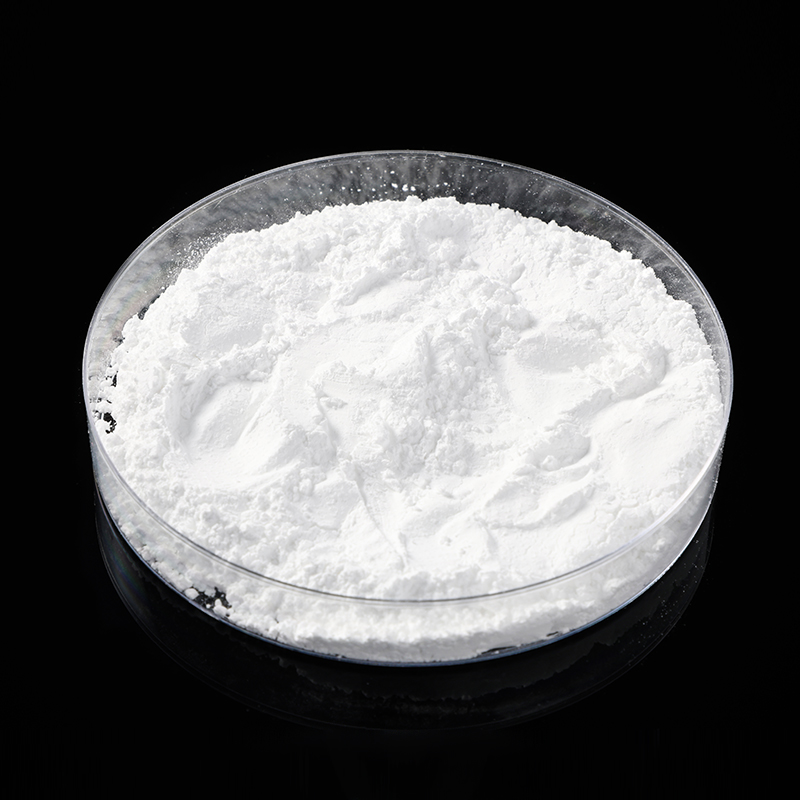
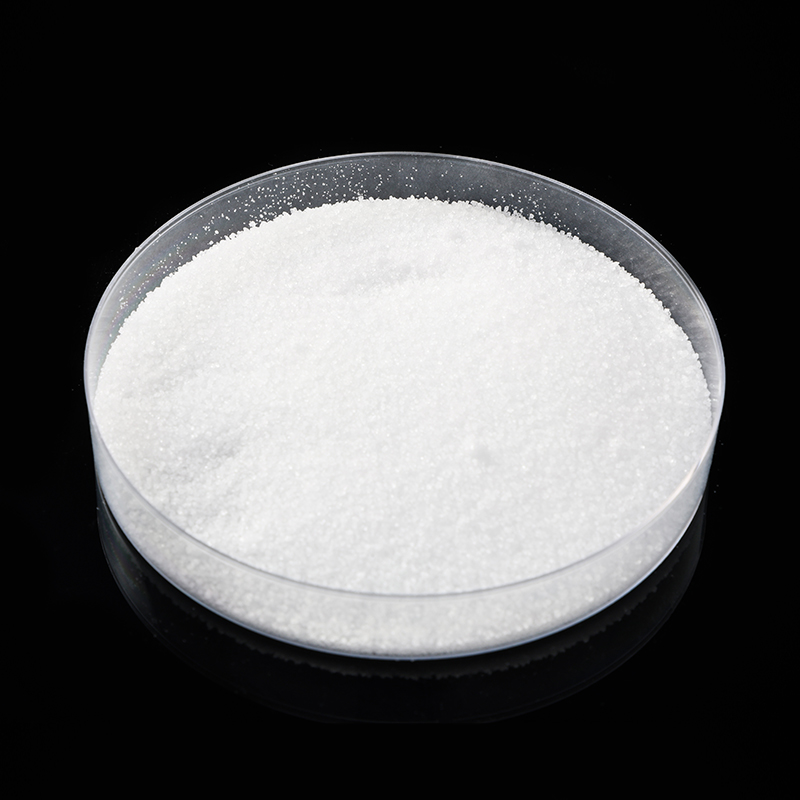
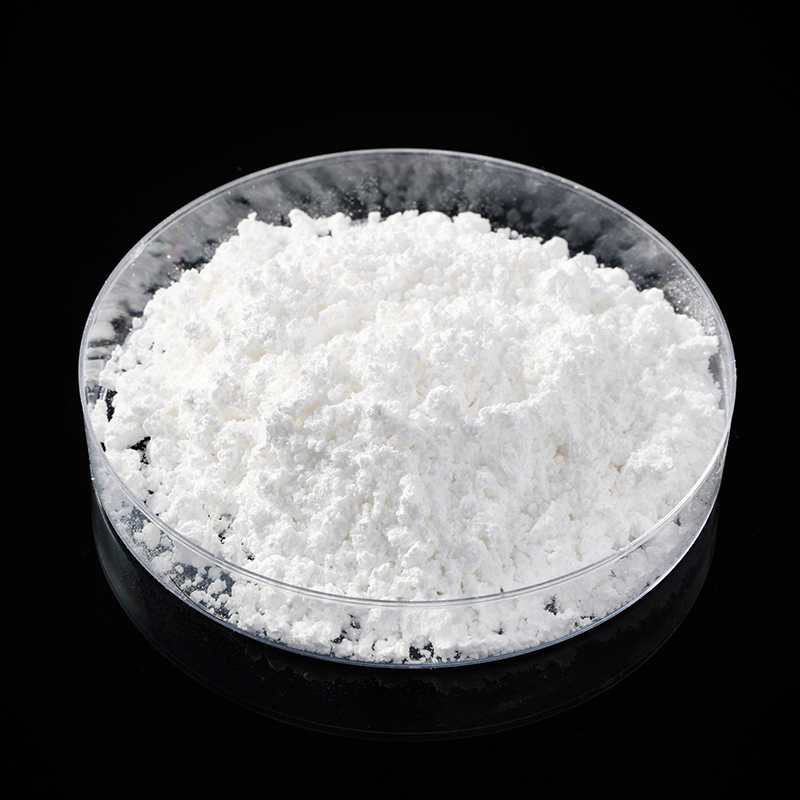
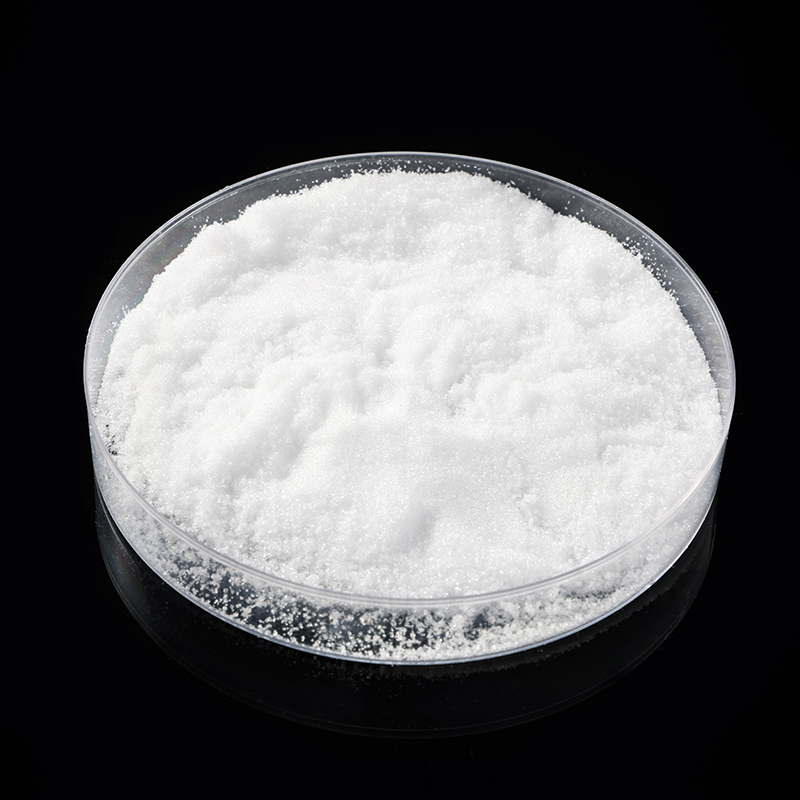
Fluorozirconic acid, ammonium fluorozirconate, and potassium fluorozirconate are three closely related zirconium fluoride compounds that serve as foundational reagents across surface treatment, ceramics, metal refining, and specialty chemical manufacturing. Each compound shares the hexafluorozirconate anion as its chemical core, but differs in its cation, physical form, solubility behavior, and practical handling characteristics in ways that make them non interchangeable in most industrial specifications. Understanding what distinguishes these three compounds at a chemical and functional level is the starting point for correct specification, safe handling, and efficient procurement.
All three compounds are built around the hexafluorozirconate complex ion, which consists of a central zirconium atom coordinated by six fluoride ions in an octahedral geometry. This coordination complex is exceptionally stable due to the high affinity of zirconium for fluoride ligands, which gives the entire family of compounds a characteristic chemical robustness that distinguishes them from other zirconium salts.
Fluorozirconic acid (H2ZrF6) is the parent compound, carrying two protons as the cationic component. Ammonium fluorozirconate ((NH4)2ZrF6) replaces those two protons with ammonium ions. Potassium fluorozirconate (K2ZrF6) replaces them with potassium ions. This progression from a strong acid through a soluble salt to a sparingly soluble salt reflects a systematic change in physical properties while the fundamental zirconium fluoride chemistry remains constant.
This structural relationship means that the three compounds are interconvertible in industrial synthesis. Fluorozirconic acid is the commercial precursor from which both salt forms are produced. Treating it with ammonia or ammonium hydroxide yields ammonium fluorozirconate. Treating it with potassium hydroxide or potassium chloride yields potassium fluorozirconate. This synthesis pathway is directly relevant to manufacturers who optimize production costs by sourcing fluorozirconic acid as a base material and converting it to the required salt form on demand.
Because all three compounds contain zirconium in the same oxidation state and coordination environment, their zirconium content by weight is a useful cross compound comparison metric. Zirconium accounts for approximately 40.2% of the molecular weight of potassium fluorozirconate, approximately 38.5% of ammonium fluorozirconate, and varies with concentration in the aqueous acid form. When specifying these compounds for applications where zirconium delivery per unit weight or unit volume is the operative variable, these figures allow direct comparison across the three forms.
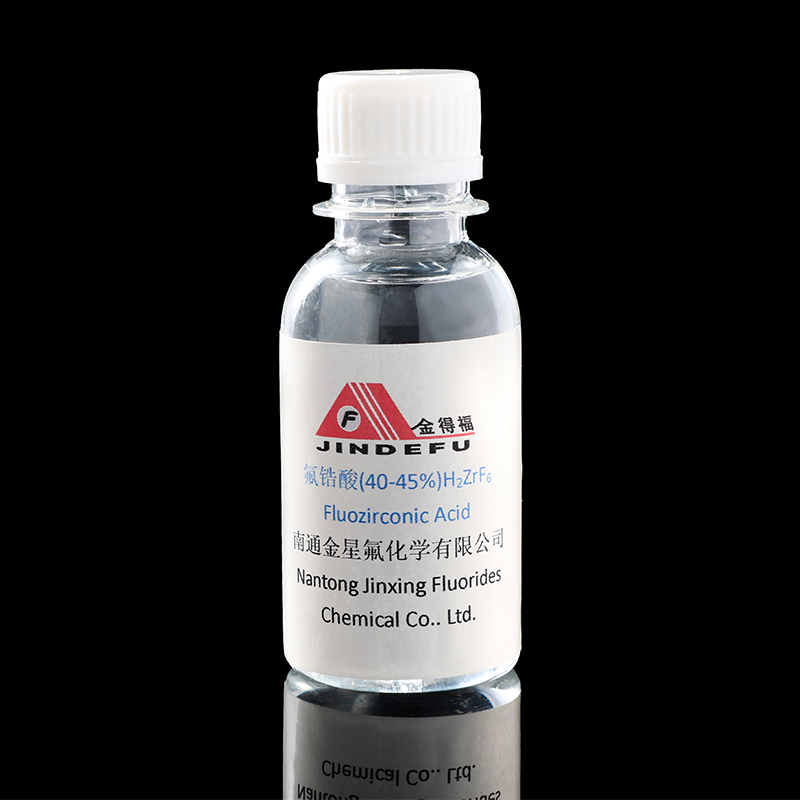
Fluorozirconic acid is produced commercially as an aqueous solution, typically at concentrations of 40% to 45% by weight. In this form it is a colorless to slightly yellow liquid with a strongly acidic character and significant corrosivity toward skin, mucous membranes, and certain metals. It is not practically isolable as a pure solid under standard laboratory conditions because it decomposes on concentration rather than crystallizing cleanly, which is one of the primary reasons the salt forms are preferred for solid state applications.
Fluorozirconic acid is most extensively used in metal surface treatment, where it serves as the active chemical agent in conversion coating formulations for aluminum, steel, and galvanized surfaces. In this context it replaces phosphoric acid based pretreatment systems and hexavalent chromium passivation baths in a class of processes known as thin film zirconium conversion coating or zirconium based pretreatment.
The mechanism involves fluorozirconic acid etching the metal oxide surface layer, releasing fluoride ions that complex with dissolved metal ions, while simultaneously depositing a nanometric zirconium oxide conversion layer. This layer is typically 20 to 100 nanometers thick but provides corrosion resistance and paint adhesion performance comparable to traditional zinc phosphate coatings at significantly lower processing temperatures, lower sludge generation, and with reduced environmental burden from heavy metal waste.
Beyond surface treatment, fluorozirconic acid functions as:
Fluorozirconic acid presents handling hazards from both its strong acidity and its fluoride content. Fluoride ion exposure carries the specific risk of hypocalcemia and hypomagnesemia through systemic absorption, and dermal contact with concentrated fluoride solutions can cause deep tissue damage that may not be immediately painful. Full face protection, acid resistant gloves, and secondary containment are standard requirements for all handling operations. Polyethylene, polypropylene, and PTFE are compatible container and piping materials. Glass and most metals are incompatible due to acid and fluoride attack.
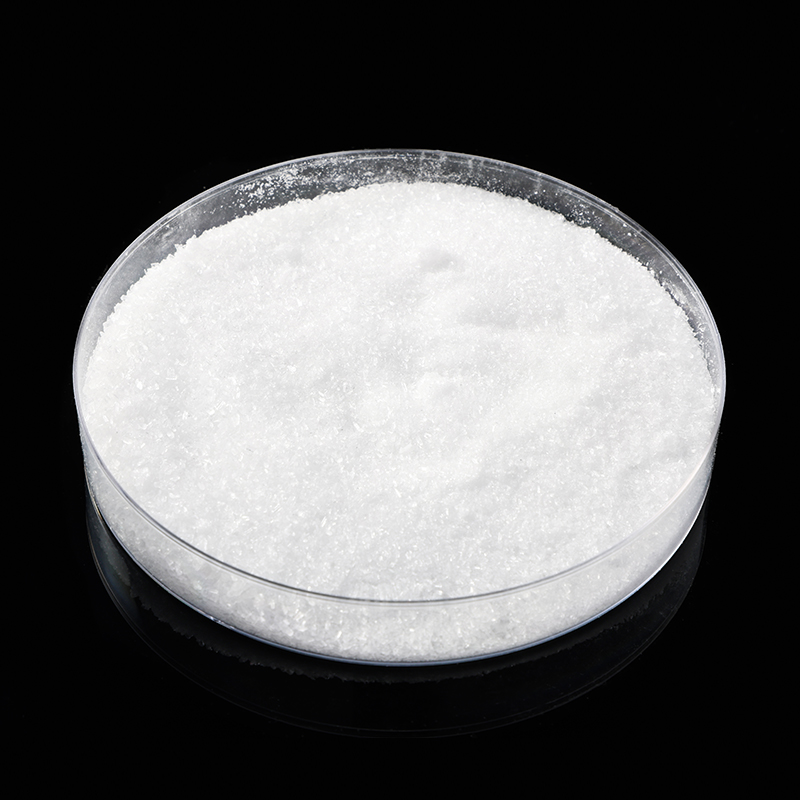
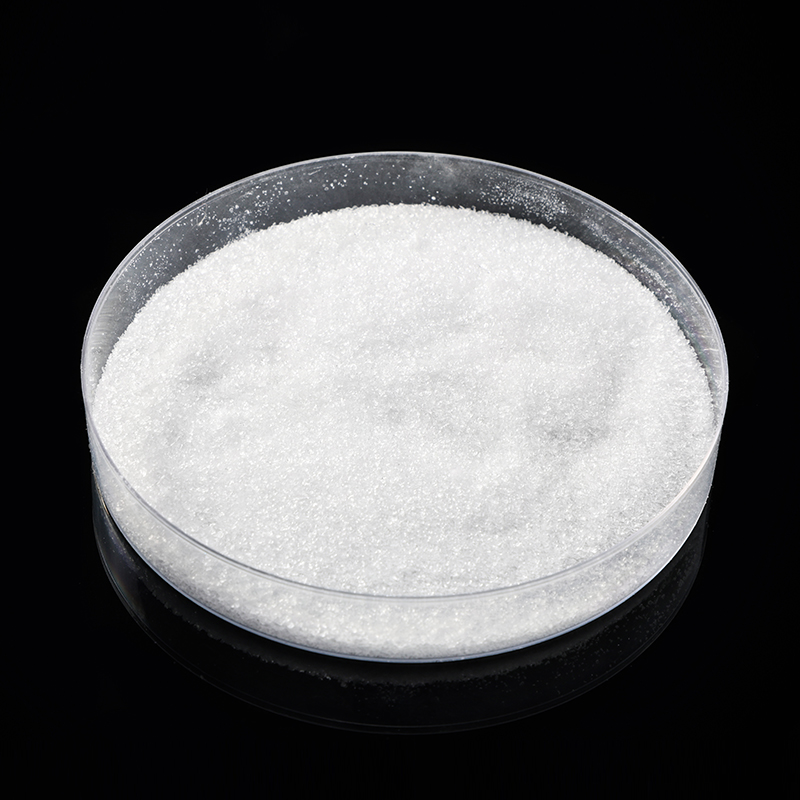
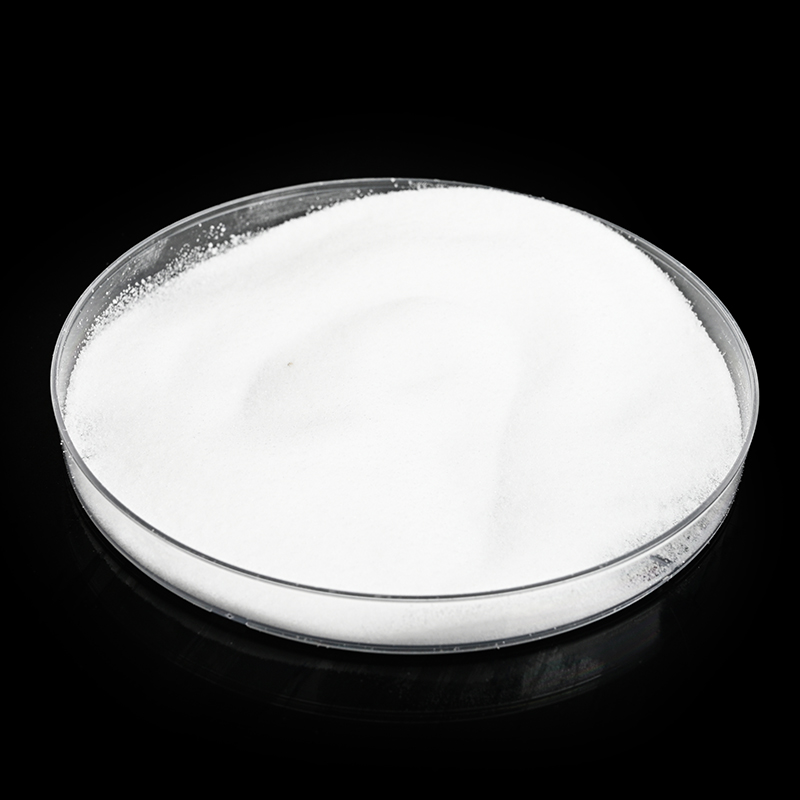
Ammonium fluorozirconate is a white crystalline solid that is moderately soluble in water and readily soluble in dilute acid. Its most industrially significant characteristic is its clean thermal decomposition pathway: when heated above approximately 200 degrees Celsius, ammonium fluorozirconate decomposes to release ammonia and hydrogen fluoride as gases, leaving behind a residue of zirconium fluoride or, at higher temperatures, zirconium oxide. This behavior makes it uniquely useful in applications where a zirconium source must be introduced in solid form and converted to a functional zirconium compound through a controlled thermal cycle.
The thermal decomposition behavior of ammonium fluorozirconate makes it a preferred zirconium precursor in several technically demanding sectors:
Ammonium fluorozirconate is significantly less hazardous in handling than fluorozirconic acid due to its solid form and lower immediate reactivity. However, fluoride ion hazards apply in solution, and thermal decomposition products including hydrogen fluoride are acutely toxic. Storage in sealed containers away from heat sources, in dry conditions, is standard practice. Dust inhalation prevention through respiratory protection is required during handling of fine powder grades.
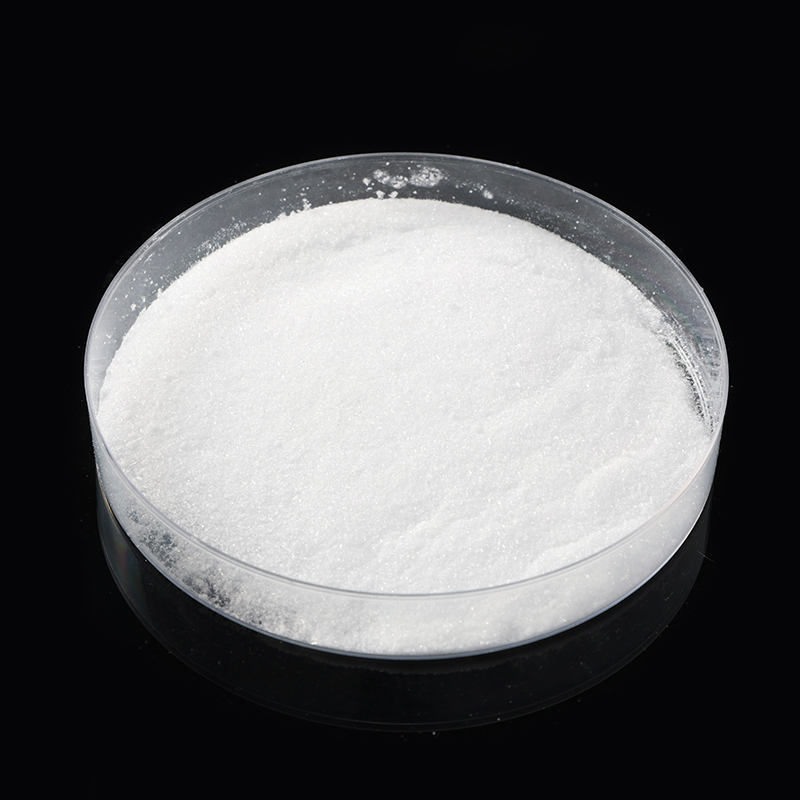
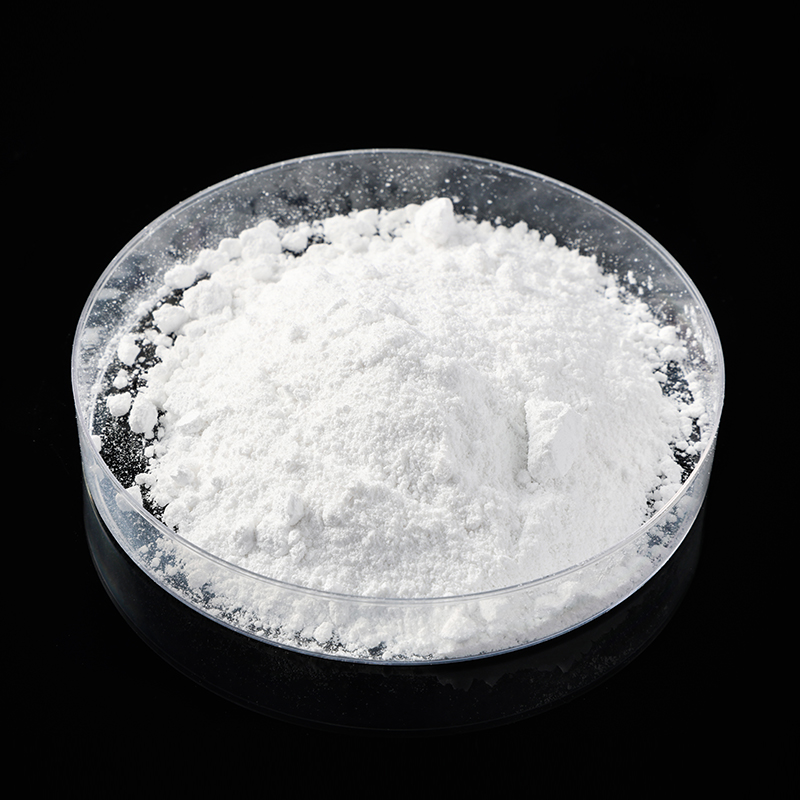
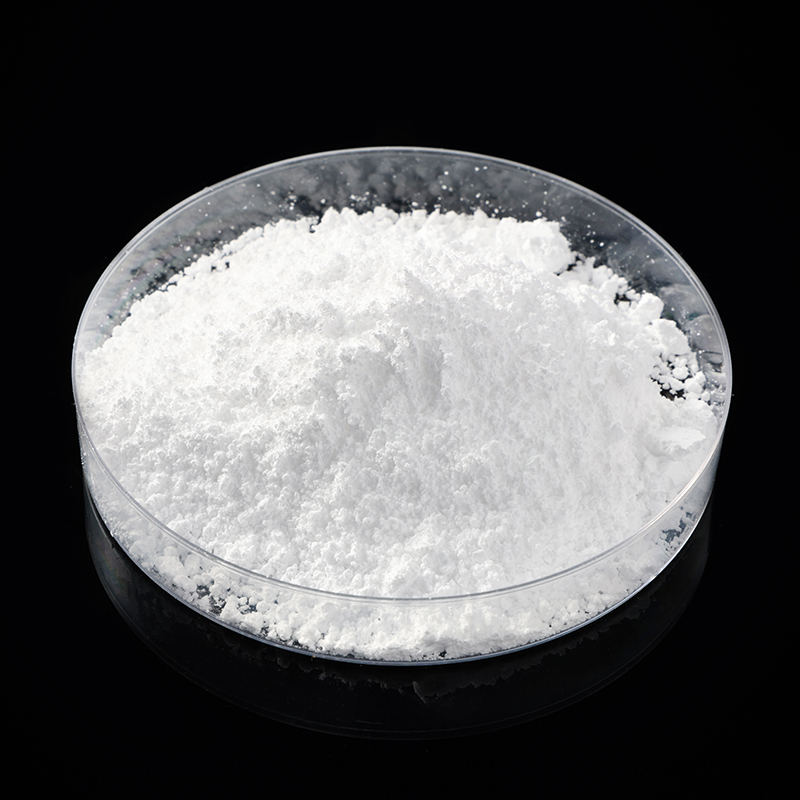
Potassium fluorozirconate is the least soluble and most thermally stable of the three compounds discussed here. Its very low solubility in water, approximately 1.5 g per 100 mL at 20 degrees Celsius, distinguishes it immediately from ammonium fluorozirconate and makes it the correct choice for applications requiring a solid zirconium fluoride source that remains stable in humid environments, dissolves minimally in aqueous systems, or must function at elevated temperatures without premature decomposition.
The high thermal stability and low water solubility of potassium fluorozirconate define its application profile. It is not the choice for aqueous surface treatment chemistry where fluorozirconic acid excels, nor for controlled thermal decomposition applications where ammonium fluorozirconate is preferred. Instead, potassium fluorozirconate serves high temperature solid state processes:
| Property | Fluorozirconic Acid | Ammonium Fluorozirconate | Potassium Fluorozirconate |
|---|---|---|---|
| Molecular Formula | H2ZrF6 | (NH4)2ZrF6 | K2ZrF6 |
| Molecular Weight (g per mol) | 245.22 | 279.32 | 283.41 |
| Physical Form | Aqueous solution | White crystalline solid | White crystalline solid |
| Water Solubility | Fully miscible | Moderately soluble (~9 g per 100 mL) | Sparingly soluble (~1.5 g per 100 mL) |
| Thermal Stability | Decomposes above 150 C | Decomposes from ~200 C | Stable to ~700 C; melts at ~840 C |
| Zr Content by Weight (%) | ~37.2 (varies with concentration) | ~38.5 | ~40.2 |
| Primary Use Domain | Surface treatment, synthesis precursor | Ceramics, brazing flux, CVD | Metallurgy, abrasives, high temp processing |
| Handling Hazard Level | High (strong acid and fluoride) | Moderate (solid fluoride salt) | Moderate (solid fluoride salt) |
Choosing among fluorozirconic acid, ammonium fluorozirconate, and potassium fluorozirconate requires matching the compound's physical form, solubility, and thermal behavior to the demands of the specific process. The following decision framework covers the most common scenarios:
The purity requirements for these zirconium fluoride compounds vary substantially across different application domains and must be clearly defined in procurement specifications to avoid receiving material that is technically within a general commercial grade but unsuitable for the intended process.
Technical grade compounds, typically specified at 95% to 98% purity, are appropriate for most surface treatment, brazing flux, and abrasive manufacturing applications where trace impurities at low parts per million levels do not affect process chemistry or product performance. High purity grades at 99% or above are required for nuclear applications, semiconductor related zirconia thin film deposition, solid oxide fuel cell electrolyte precursors, and any application where hafnium content must be controlled below specified limits.
Hafnium is the primary trace element of concern in zirconium chemistry because zirconium and hafnium occur together in nature and are chemically nearly identical, making their separation technically demanding. Natural zirconium contains approximately 1 to 3% hafnium by weight. For nuclear reactor applications, hafnium must be reduced to below 100 parts per million because its thermal neutron absorption cross section is approximately 600 times higher than that of zirconium, which would compromise reactor performance. For most non nuclear applications, natural hafnium content is acceptable.
All three zirconium fluoride compounds carry regulatory obligations related primarily to their fluoride content rather than to zirconium itself, which has low biological toxicity. Fluoride compounds are regulated under waste water discharge standards in most jurisdictions, with typical effluent limits for total fluoride in the range of 10 to 20 mg per liter for industrial discharge to surface water. Treatment baths using fluorozirconic acid generate fluoride laden rinse water that requires neutralization and fluoride precipitation before discharge.
From a regulatory classification standpoint, fluorozirconic acid is classified as a corrosive and environmentally hazardous substance under GHS and most national chemical regulations. Ammonium and potassium fluorozirconate salts are classified as harmful substances with environmental hazard designations. All three require Safety Data Sheet documentation, appropriate hazard labeling, and transport classification under applicable dangerous goods regulations for road, sea, and air shipment.
Zirconium conversion coating systems using fluorozirconic acid have gained significant regulatory favor as replacements for hexavalent chromium passivation because they eliminate the carcinogenic hexavalent chromium hazard entirely while delivering comparable corrosion protection. The adoption of zirconium based pretreatment in automotive and appliance manufacturing has been driven in part by environmental regulations restricting chromium discharge, and represents one of the largest and most well documented green chemistry transitions in industrial surface finishing over the past two decades.
For procurement teams and technical buyers sourcing any of these three zirconium fluoride compounds at industrial volumes, supplier qualification should address several interconnected quality dimensions that go beyond basic assay purity.
Consistency of particle size distribution for the solid salt forms directly affects dissolution rate in aqueous systems, metering behavior in automated dosing equipment, and mixing homogeneity in flux paste or abrasive formulation processes. Suppliers should provide particle size distribution data as a routine quality parameter alongside chemical assay certificates.
For fluorozirconic acid, the concentration uniformity across production batches affects process chemistry reproducibility in continuous treatment lines. Specification of acid concentration within a narrow band, such as 40% plus or minus 0.5%, with corresponding density verification, is standard practice for surface treatment operations where bath chemistry is tightly controlled.
Reliable supply chain continuity is also a practical concern, as zirconium raw materials are sourced from a geographically concentrated set of mineral deposits. Buyers in critical manufacturing applications benefit from maintaining qualified secondary suppliers and understanding the supply chain implications of their specific compound requirements.
Contact our team to discuss specifications, request certificates of analysis, or obtain pricing for fluorozirconic acid, ammonium fluorozirconate, or potassium fluorozirconate for your industrial application.
Copyright © 2023 Nantong Jinxing Fluorides Chemical Co., Ltd. All Rights Reserved.
 Custom Fluorine Chemical Suppliers




 English
 中文简体
中文简体 Español