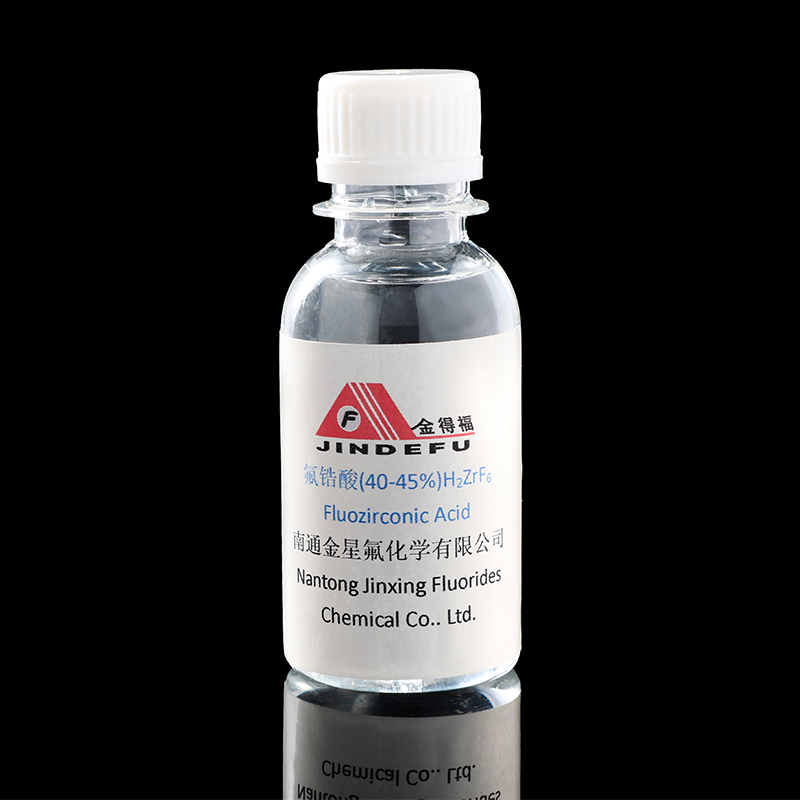
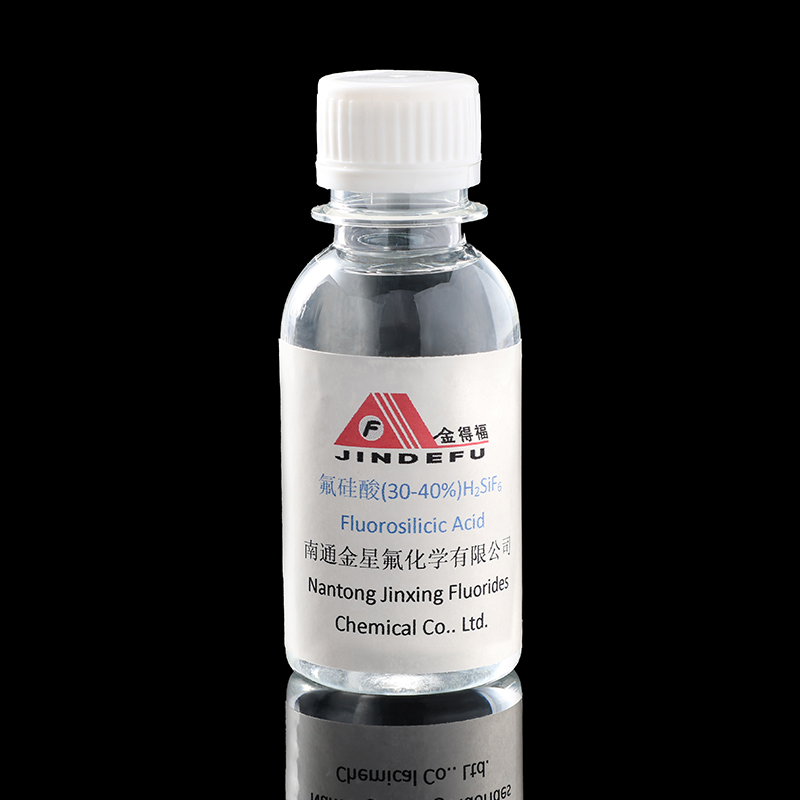
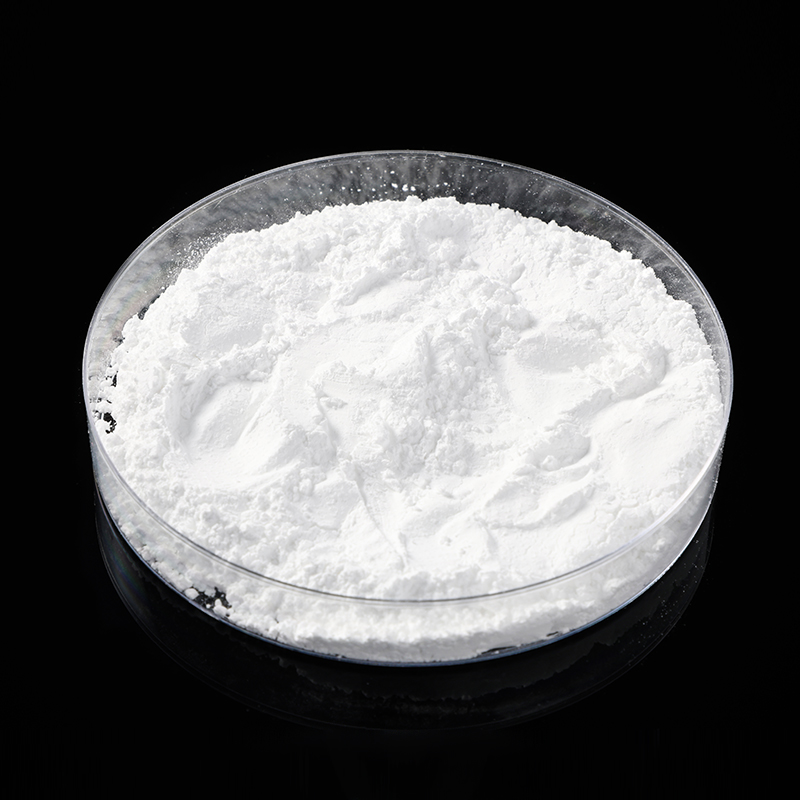
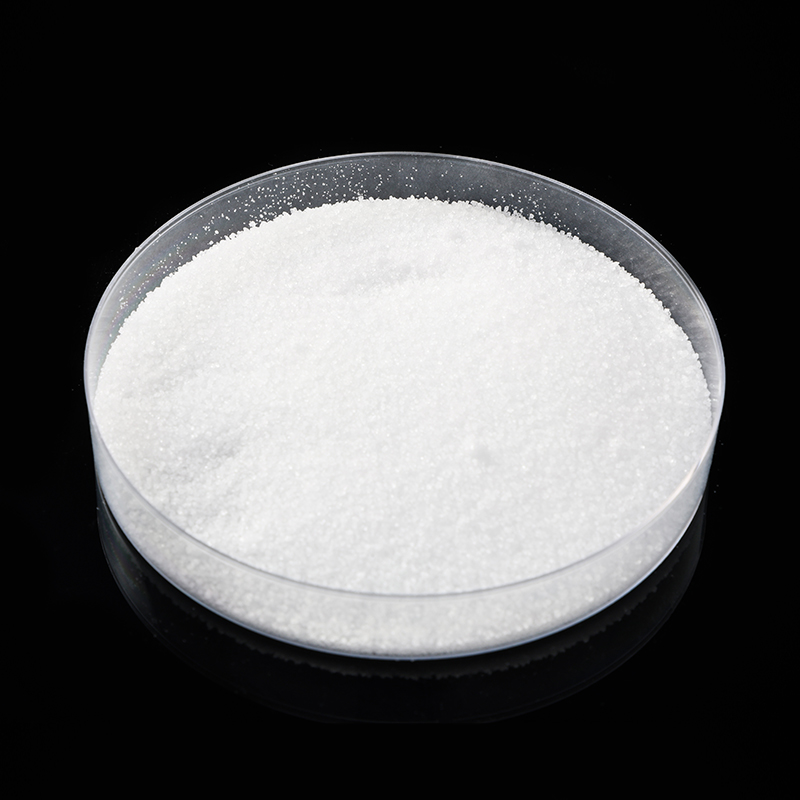
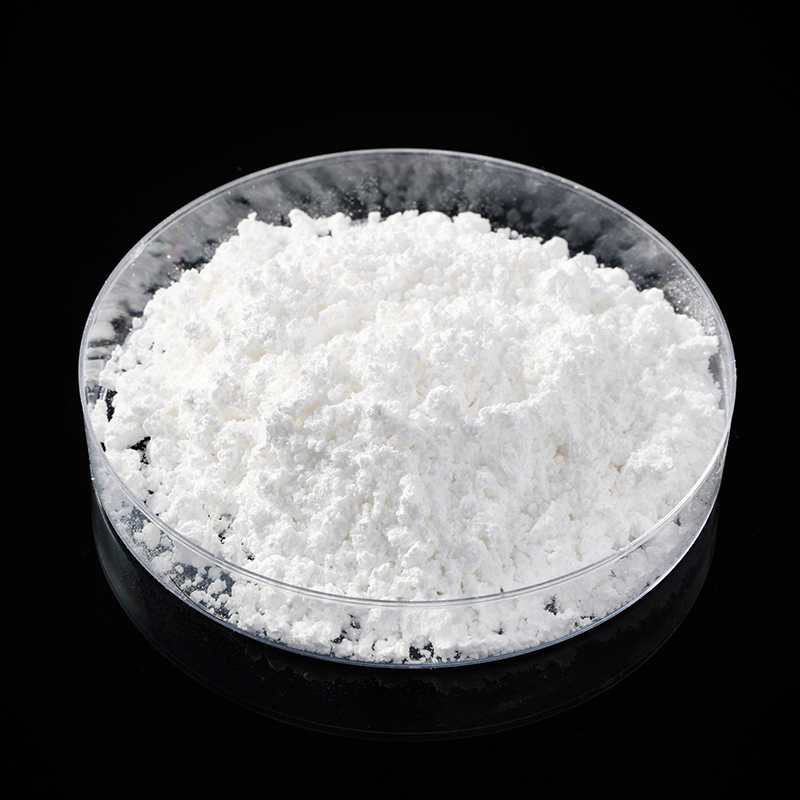
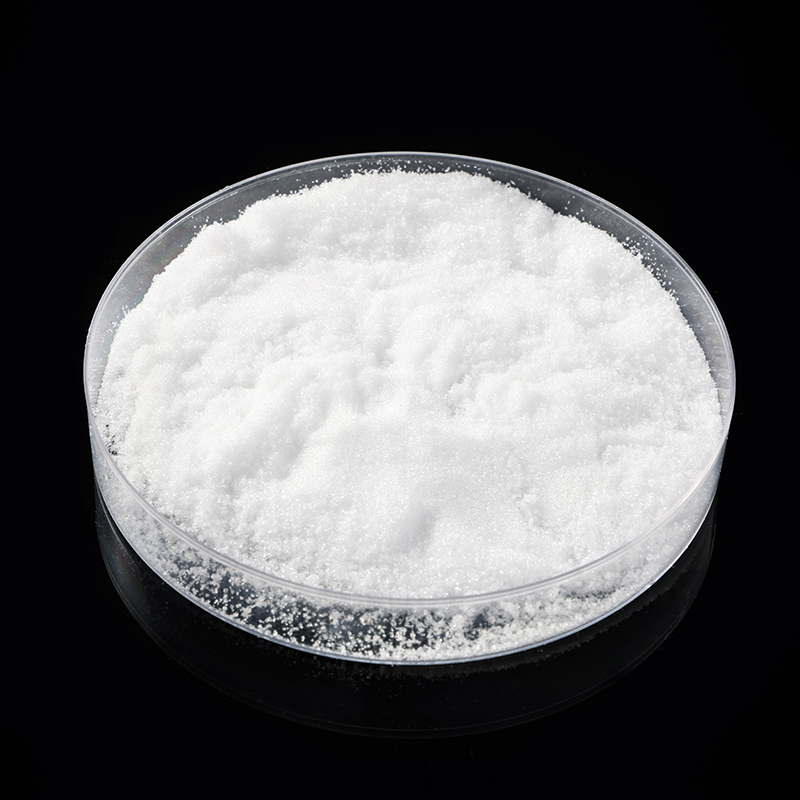
Fluorosilicic acid is a chemical compound that is widely used in various industries, ranging from water fluoridation to industrial applications. It is a byproduct of the production of phosphate fertilizers and contains both silicon and fluorine. This acid is highly reactive and can be dangerous if not handled properly, but it has a number of beneficial uses in both commercial and industrial sectors. In this article, we will explore what fluorosilicic acid is, how it is made, its uses, potential safety concerns, and the impact of its application in various fields.
Fluorosilicic acid (H₂SiF₆) is a colorless, aqueous solution of silicon tetrafluoride (SiF₄) in water. It is produced through a reaction between fluorosilicic compounds and sulfuric acid, typically as a byproduct of phosphate fertilizer manufacturing. The chemical has a strong acidic nature and can be corrosive, posing risks if not managed with care.
Fluorosilicic acid contains the fluoride ion (F⁻) attached to a silicon atom, which is part of a silicon-fluorine bond. The molecular structure consists of one silicon atom bonded to six fluorine atoms. This makes it a strong acid and an effective fluoride source in many industrial and municipal applications. Fluorosilicic acid is sometimes used as a fluoride additive in drinking water, a process known as water fluoridation, to help reduce tooth decay and cavities.
Fluorosilicic acid is primarily obtained as a byproduct in the production of phosphate fertilizers. When phosphate rock is treated with sulfuric acid to produce phosphoric acid, fluorine compounds, including fluorosilicic acid, are released. These compounds are then captured and further processed to produce concentrated fluorosilicic acid.
The manufacturing of phosphate fertilizers involves reacting phosphate rock with sulfuric acid to produce phosphoric acid. During this process, fluorine compounds are also released into the atmosphere or can be captured and used in other industrial processes. Fluorosilicic acid is one such compound that is recovered from this reaction.
Fluorosilicic acid has a variety of applications, including water fluoridation, industrial processes, and chemical manufacturing. Let’s delve into these uses in greater detail.
One of the most common uses of fluorosilicic acid is for water fluoridation. Many municipalities add small amounts of fluoride to drinking water to help reduce the incidence of tooth decay. Fluorosilicic acid is an effective source of fluoride for this purpose because it is relatively inexpensive and easy to handle.
Fluorosilicic acid is added to public water supplies to achieve the recommended fluoride concentration. The goal is to maintain a level of about 0.7 to 1.2 parts per million (ppm) of fluoride in the water, which is believed to help prevent cavities and improve oral health. Fluorosilicic acid is often preferred over other forms of fluoride because it is a byproduct of the phosphate fertilizer industry, making it a cost-effective option.
Fluorosilicic acid is used in various industrial applications, especially in the manufacture of aluminum, steel, and other metals. The chemical serves as a flux in metal processing, where it helps remove impurities from metals during smelting and refining processes.
In the aluminum production industry, fluorosilicic acid is used to refine aluminum ore, removing unwanted impurities. It acts as a flux that lowers the melting point of ores, allowing aluminum to be extracted more efficiently. The use of fluorosilicic acid in aluminum processing contributes to higher purity levels and better overall performance of the final aluminum products.
Fluorosilicic acid is also used as a precursor in the production of other fluorine compounds. These include compounds such as sodium fluoride, which is used in pesticides, insecticides, and other industrial chemicals. The acid is also used in the manufacture of refrigerants, polymers, and other fluorinated compounds.
Fluorosilicic acid is sometimes used in glass manufacturing. In the production of specialty glasses, it is used to modify the glass's properties, including its melting point and durability. It helps produce specific types of glass used in electronics and optical applications.
While fluorosilicic acid offers numerous benefits in industrial and municipal applications, it can be hazardous if not handled properly. The chemical is corrosive and toxic, posing health risks to those exposed to it in large quantities.
Fluorosilicic acid can be harmful if ingested or inhaled. Acute exposure can lead to symptoms like nausea, vomiting, and abdominal pain. Prolonged exposure to high concentrations of fluoride can cause more severe health effects, including skeletal fluorosis, a condition that affects the bones and joints.
Fluorosilicic acid can have negative environmental impacts if not handled correctly. If it is released into the environment in high quantities, it can contaminate soil and water sources, leading to elevated fluoride levels in local ecosystems. This can have adverse effects on plants and animals.
Due to its corrosive nature, fluorosilicic acid must be stored and handled with care. Protective equipment such as gloves, goggles, and appropriate clothing should be worn to minimize the risk of exposure. It is typically stored in acid-resistant containers, away from incompatible substances.
| Industry | Use of Fluorosilicic Acid |
|---|---|
| Water Fluoridation | Adding fluoride to public water supplies to reduce tooth decay. |
| Aluminum Production | Used as a flux to remove impurities during aluminum smelting. |
| Chemical Manufacturing | Precursor in the production of sodium fluoride, refrigerants, and polymers. |
| Glass Manufacturing | Modifies the properties of glass in specialty applications. |
| Pesticides and Insecticides | Fluorosilicic acid is used in the production of certain fluorinated pesticides. |
Fluorosilicic acid will continue to be an important part of various industrial and municipal processes. As its role in water fluoridation is debated in some regions, it is expected that its use will still be widespread, particularly in areas where water fluoridation is a standard public health practice. Additionally, new technologies may lead to even more efficient and environmentally-friendly uses for fluorosilicic acid in industries such as metal processing and chemical production.
While fluorosilicic acid is commonly used for water fluoridation, alternatives like sodium fluoride and sodium fluorosilicate are also used. These alternatives may be chosen depending on the specific needs of a community or industry. However, fluorosilicic acid remains a popular choice due to its cost-effectiveness and accessibility.
Fluorosilicic acid is a versatile and valuable compound used across multiple sectors, including water fluoridation, aluminum production, chemical manufacturing, and glassmaking. Despite its useful applications, it does come with certain safety concerns, and proper precautions must be taken when handling this acid. As industries continue to evolve, fluorosilicic acid may find even more applications, but its use will likely remain an important part of public health and industrial processes for the foreseeable future.
By understanding the benefits and risks associated with fluorosilicic acid, we can make informed decisions about its use and ensure it is handled safely and responsibly in both industrial and municipal contexts.
Copyright © 2023 Nantong Jinxing Fluorides Chemical Co., Ltd. All Rights Reserved.
 Custom Fluorine Chemical Suppliers




 English
 中文简体
中文简体 Español