

 English
 中文简体
中文简体 Español
Home / News / Industry News / Ammonium Bifluoride: Why Is It the Versatile Chemical Powering Glass Etching, Metal Cleaning, and Oil Well Acidizing?
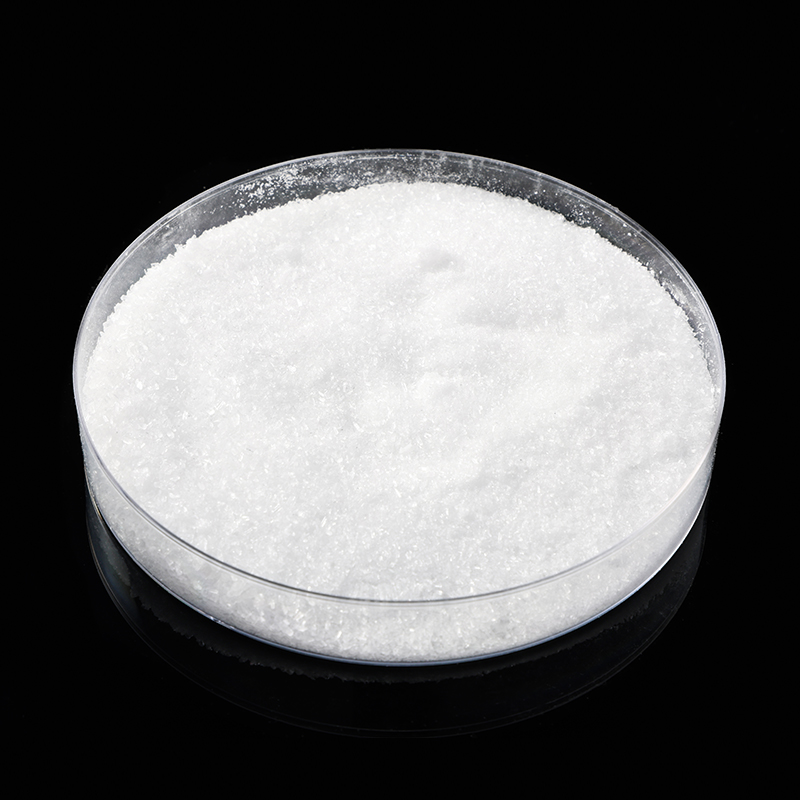
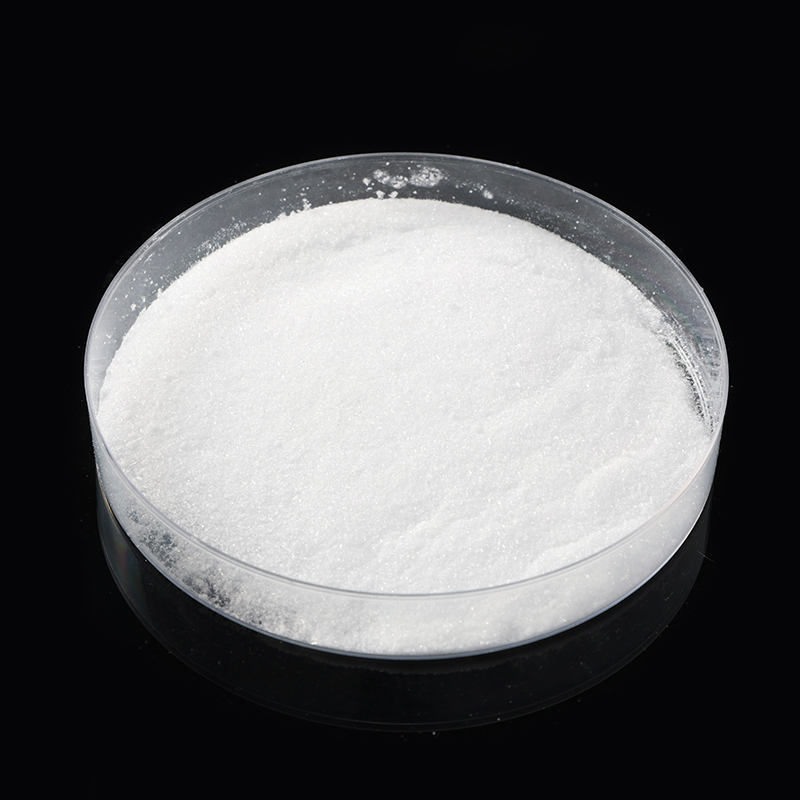
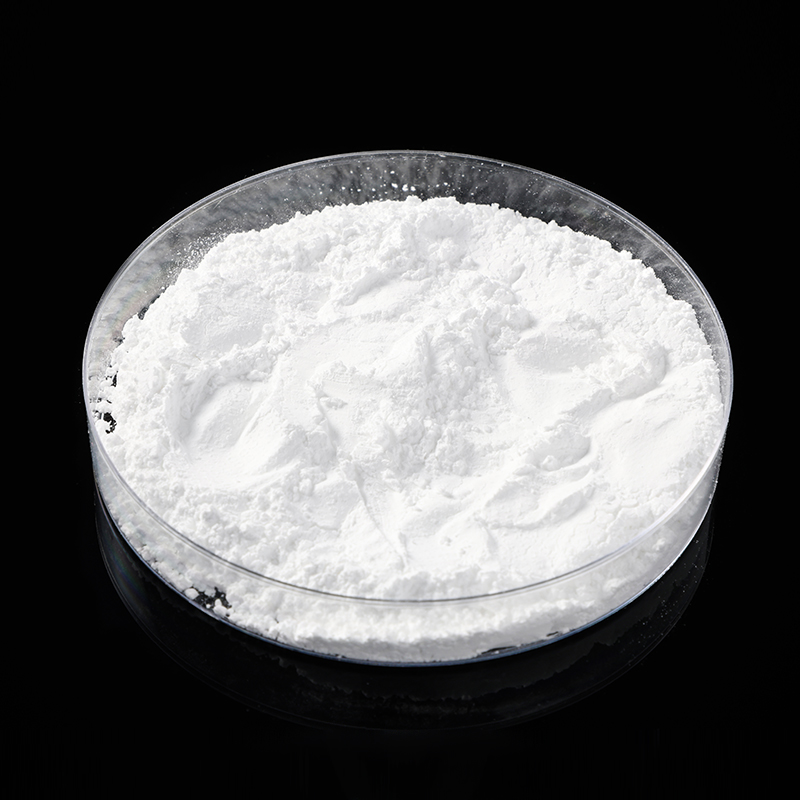
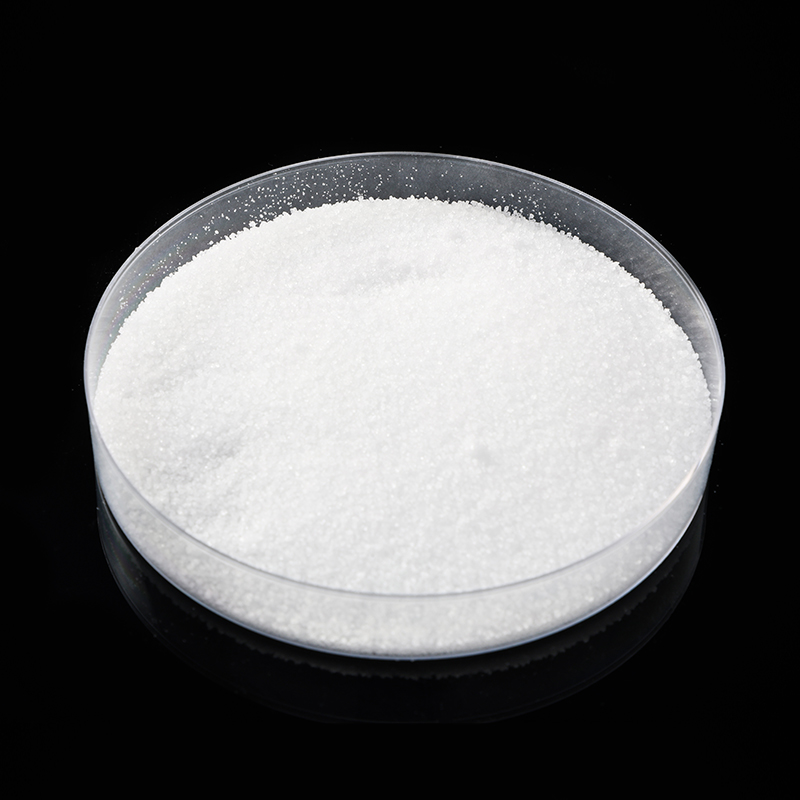
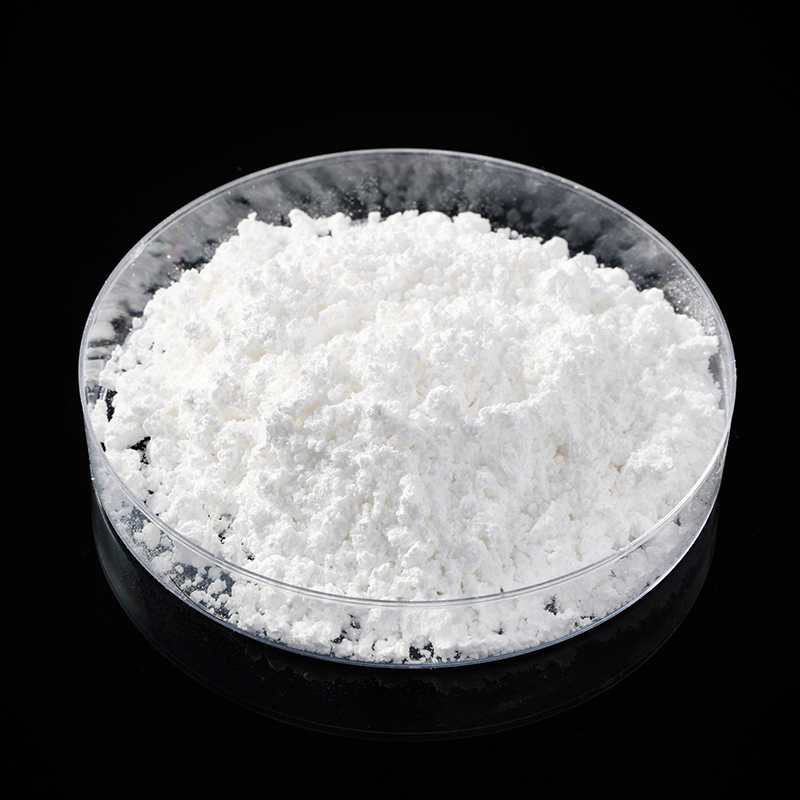
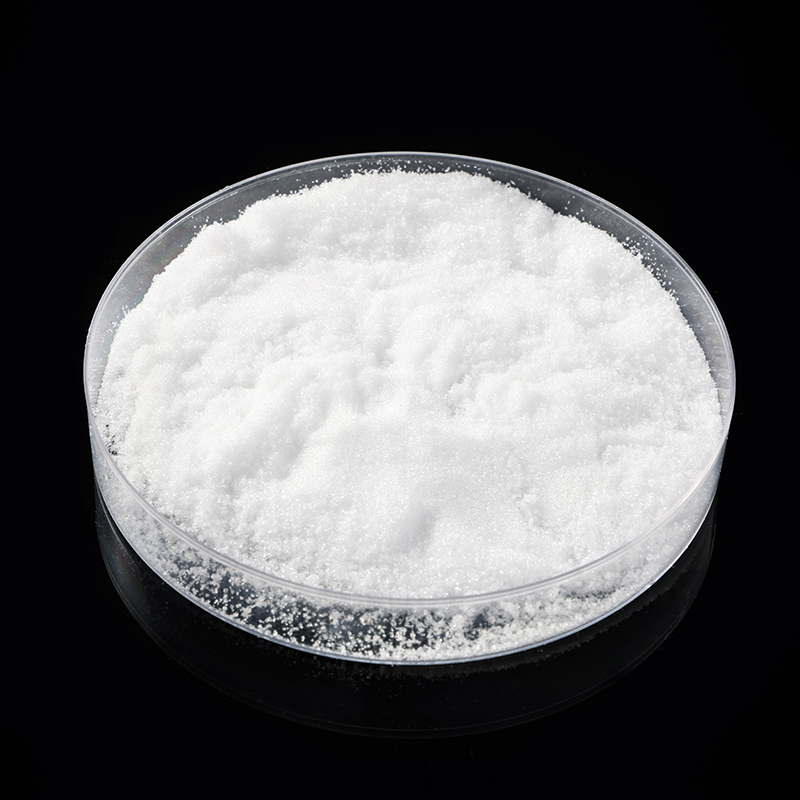
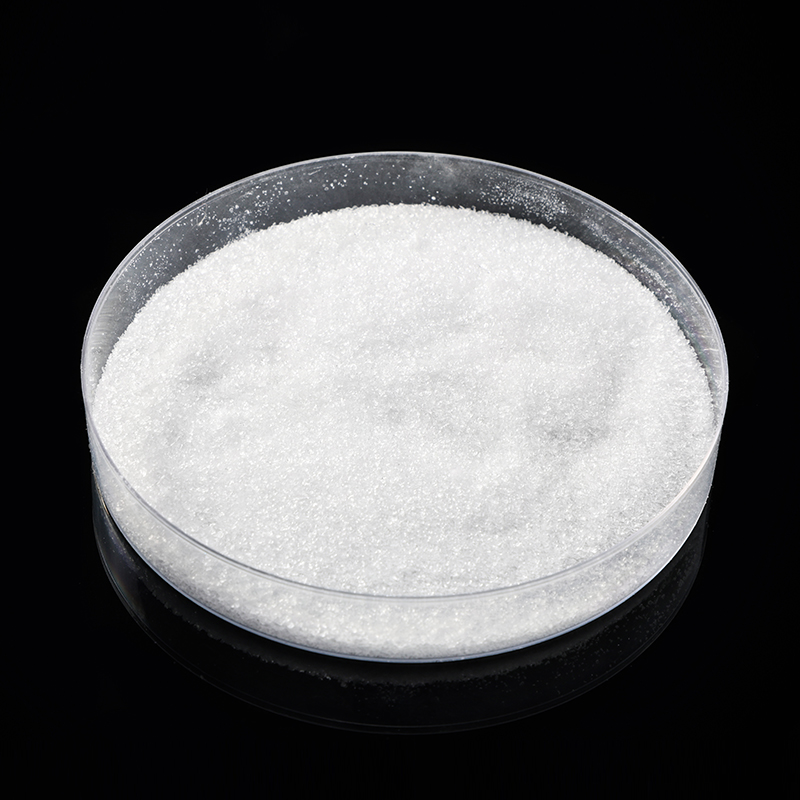
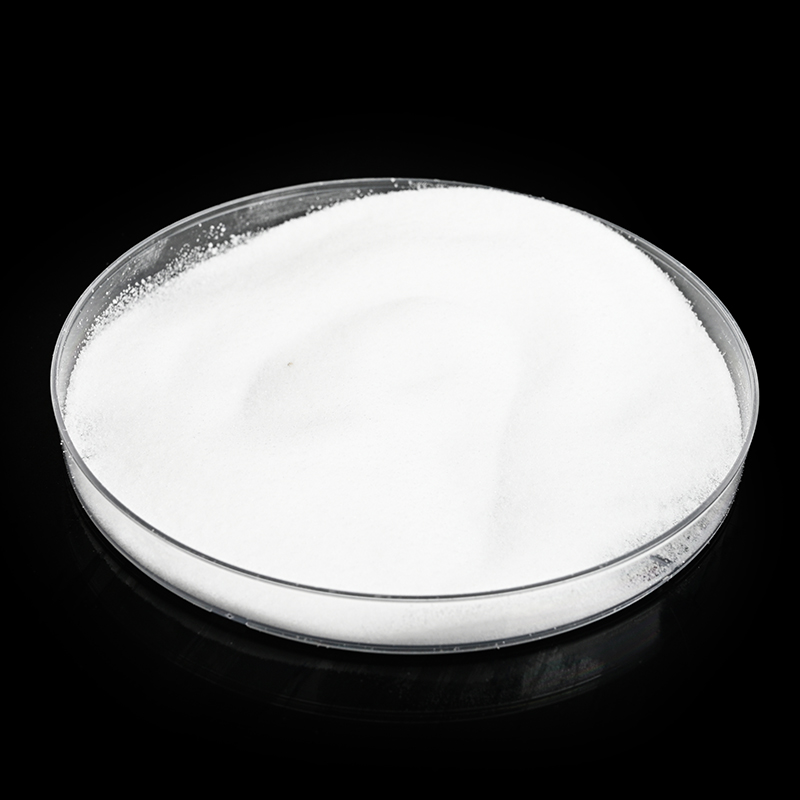
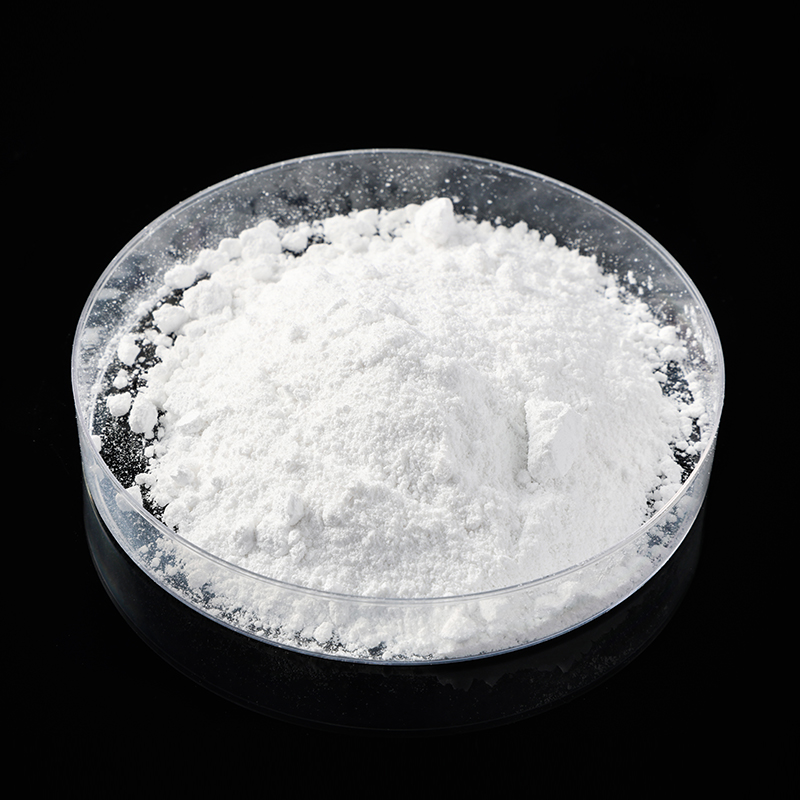
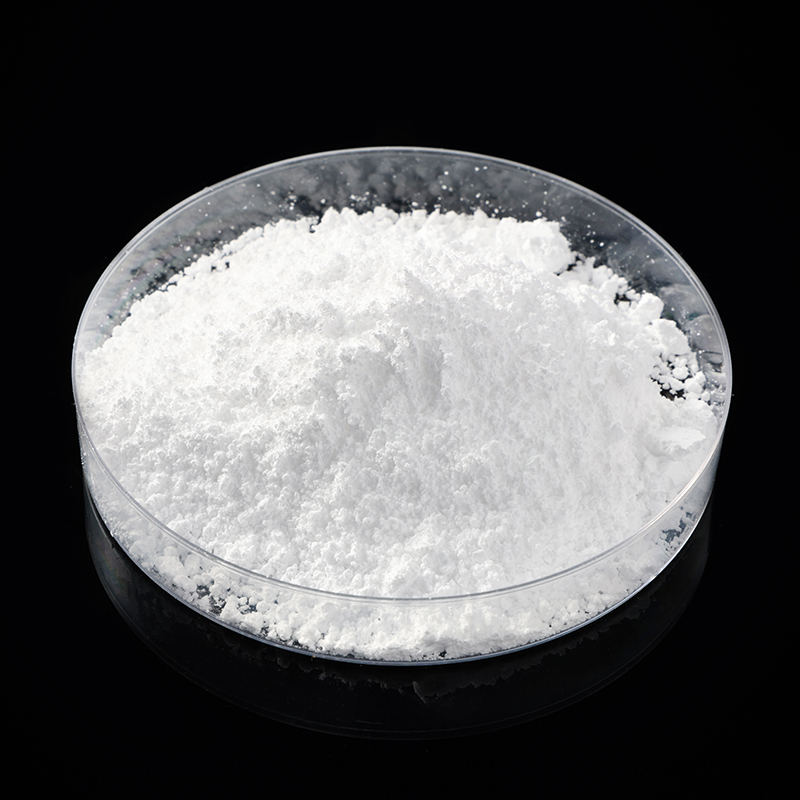
Ammonium Bifluoride, also known as ammonium hydrogen difluoride or etching powder, is produced by combining ammonia and hydrofluoric acid. The resulting compound is a white, deliquescent crystalline solid that is highly soluble in water. When dissolved, it forms a strongly acidic solution that actively attacks silica (SiO₂) and metal oxides, making it an exceptionally effective etching and cleaning agent for glass, stone, ceramics, and various metals. Unlike liquid hydrofluoric acid, which is extremely hazardous to transport and handle, Ammonium Bifluoride can be shipped and stored as a stable solid, offering significant safety and logistical advantages. Once on-site, it can be dissolved in water to generate the required HF activity precisely when and where it is needed.
The market for Ammonium Bifluoride has experienced steady growth, driven by increasing demand from key end-use industries. According to recent market research, the global Ammonium Bifluoride market is projected to grow at a compound annual growth rate (CAGR) of 3.5% from 2025 to 2031. Major drivers include the expanding electronics industry, which uses ABF for semiconductor cleaning and etching; the growing demand for glass products with decorative finishes; and the ongoing need for effective oil well acidizing in petroleum extraction. Key producing regions include China, India, the United States, and Germany, with major manufacturers such as Solvay, Honeywell, DONGYUE, and Fluoro Chemicals dominating the supply landscape. The Asia-Pacific region, in particular, is expected to witness the highest growth due to cost-effective production capabilities and a large number of manufacturing facilities. The following sections explore in depth why Ammonium Bifluoride has become such a critical chemical across industries and what factors should be considered when handling this powerful substance.
The most well-known and visually striking application of Ammonium Bifluoride is in glass etching and frosting. Unlike mechanical sandblasting, which can create rough, uneven surfaces and requires significant equipment, chemical etching with ABF produces smooth, uniform, high-quality frosted finishes on glass surfaces. The underlying chemistry is elegant and effective: ABF reacts with the silicon dioxide (SiO₂) in glass to form soluble fluorosilicates. This reaction uniformly removes a microscopic layer of glass, creating the characteristic matte, non-glare finish. The process can be precisely controlled by adjusting the concentration of the ABF solution and the exposure time, allowing manufacturers to achieve everything from a light, satiny frost to a deep, opaque etch. For decorative glassware, light bulbs, mirrors, and architectural glass panels, Ammonium Bifluoride offers unmatched consistency and quality. It also enables the creation of intricate patterns and designs through the use of acid-resistant stencils, making it the go-to chemical for the decorative glass industry. Compared to using pure hydrofluoric acid, ABF provides a safer, more manageable source of HF activity, as the reaction rate is more controllable and the solid form reduces fuming hazards.
In the metals industry, surface preparation is everything. Before aluminum can be anodized, before stainless steel can be painted, and before specialty alloys can be welded, the surface must be free of oxides, scale, and other contaminants. Ammonium Bifluoride excels as a metal brightener, cleaner, and etchant. It is particularly effective for aluminum, where it removes the natural oxide layer (Al₂O₃) to prepare the surface for anodizing or other finishing processes. This pre-treatment ensures that the anodized coating adheres properly and results in a uniform, attractive finish. For stainless steel and titanium, ABF solutions remove heat tint, welding scale, and embedded iron particles without significantly attacking the base metal. This is critical for applications requiring high corrosion resistance, such as in food processing equipment, pharmaceutical vessels, and aerospace components. The ability of ABF to simultaneously clean and slightly etch the surface creates an ideal profile for subsequent coating or bonding operations. In many cases, a single ABF treatment replaces multiple steps in a traditional cleaning line, improving efficiency and reducing chemical costs.
One of the most technically demanding and economically significant applications of Ammonium Bifluoride is in the petroleum industry for oil well acidizing. This process is used to enhance the permeability of underground rock formations, allowing oil and gas to flow more freely to the wellbore -2. In sandstone formations, which contain significant amounts of silica, traditional hydrochloric acid (HCl) alone is ineffective at dissolving the rock matrix. However, when ABF is mixed with HCl, it generates hydrofluoric acid (HF) in situ, which is highly effective at dissolving silica-based minerals. This "mud acid" system (HCl/HF) is the standard treatment for stimulating sandstone reservoirs. Using ABF as the fluoride source offers several advantages: it is safer to handle than concentrated HF, it allows for precise control of the HF concentration, and it can be formulated as a stable liquid for pumping downhole. The result is increased well productivity, extended well life, and improved recovery rates. For oil and gas operators, the use of ABF in acidizing treatments is a proven, cost-effective method for maximizing asset value.
The rapid growth of the global electronics industry has created new and expanding opportunities for Ammonium Bifluoride. In semiconductor manufacturing, ultra-pure ABF is used for cleaning and micro-etching silicon wafers. As transistor geometries shrink below 5 nanometers, the cleanliness and surface perfection of wafers become increasingly critical. ABF solutions remove trace metal contaminants and create precisely controlled surface textures essential for subsequent deposition and lithography steps. In the solar energy sector, ABF is employed in the production of photovoltaic cells, where it helps texture silicon surfaces to reduce light reflection and improve energy conversion efficiency. Additionally, innovations in water treatment technologies are driving demand for ABF as an effective agent for removing silica scale from industrial water systems and for cleaning membranes in reverse osmosis plants. As water scarcity becomes a more pressing global issue, the ability to efficiently treat and reuse water will become increasingly valuable, positioning ABF as a key enabling chemical for sustainable water management.
Ammonium Bifluoride is a highly hazardous chemical that demands respect and rigorous safety protocols. It is classified as both acutely toxic and corrosive. The primary risks are associated with its ability to release hydrofluoric acid (HF) upon contact with moisture or acids, including those present on human skin. HF is particularly dangerous because it penetrates tissue deeply, causing severe burns that may not be immediately painful but can lead to deep tissue destruction and systemic toxicity. ABF is toxic if swallowed (H301) and causes severe skin burns and eye damage (H314). Inhalation of dust or fumes can cause severe respiratory tract irritation, pulmonary edema, and, in extreme cases, be fatal. When heated to decomposition, ABF emits highly toxic fumes of hydrogen fluoride, nitrogen oxides, and ammonia . Additionally, ABF reacts with moisture in the air (it is hygroscopic), and contact with acids liberates toxic hydrogen fluoride gas. It is also incompatible with strong oxidizing agents and alkaline materials. For these reasons, ABF must be stored in tightly sealed containers in a cool, dry, well-ventilated area, away from incompatible substances.
Working with Ammonium Bifluoride requires stringent personal protective equipment (PPE) and engineering controls. All handling should be conducted in a well-ventilated area, preferably under a fume hood or with local exhaust ventilation to minimize airborne dust. The following PPE is mandatory :
Respiratory Protection: An approved respirator with particulate cartridges or a full-face supplied-air respirator, especially when handling powders or when ventilation is inadequate.
Eye and Face Protection: Chemical splash goggles and a full-face shield to protect against splashes and airborne particles.
Skin and Body Protection: Acid-resistant gloves (butyl rubber, neoprene, or PVC are recommended), a chemical-resistant apron or full-body suit, and closed-toe, chemical-resistant boots.
Hygiene Measures: An eyewash station and safety shower must be immediately accessible in the work area. Workers should wash hands thoroughly after handling and before eating, drinking, or smoking. Contaminated clothing should be removed immediately and washed before reuse.
In the event of exposure, immediate and correct first aid is critical. For eye contact, flush eyes with copious amounts of water for at least 15 to 20 minutes, lifting upper and lower eyelids occasionally, and seek immediate medical attention. For skin contact, remove contaminated clothing and flush the affected area with water for at least 15 minutes. Apply calcium gluconate gel if available, as it helps to neutralize fluoride ions. Seek medical attention immediately, as fluoride burns can be deceptive and may require specialized treatment. If inhaled, move the person to fresh air immediately, keep them warm and at rest, and administer oxygen if breathing is difficult. Artificial respiration may be required. Seek urgent medical attention. If swallowed, do NOT induce vomiting. Rinse mouth with water and give milk or milk of magnesia to help bind fluoride ions. Seek immediate medical attention. In case of a spill, evacuate the area, wear full PPE, and carefully sweep up the material (avoiding dust generation) into a suitable, labeled container for disposal. Do not allow the product to enter drains or waterways.
The global Ammonium Bifluoride market is poised for continued expansion, driven by several converging trends. The increasing complexity and production volume of semiconductors and electronic devices will sustain demand for ultra-high-purity ABF in wafer cleaning and etching applications. The global push for renewable energy, including solar power, will create new consumption opportunities in photovoltaic cell manufacturing. In mature markets, the ongoing need for oil and gas production will continue to support demand for ABF in well stimulation, while environmental regulations are pushing manufacturers to adopt cleaner, more efficient production technologies, including green chemistry initiatives that reduce waste and energy consumption. Regionally, Asia-Pacific dominates both production and consumption, with China serving as the world's largest producer and consumer. However, India, Southeast Asia, and the Middle East are emerging as significant growth markets due to rapid industrialization and infrastructure development. Major producers are investing in expanding manufacturing capacities and forming strategic partnerships with end-users in electronics, water treatment, and oilfield services to secure their supply chains and capture new market share .
Copyright © 2023 Nantong Jinxing Fluorides Chemical Co., Ltd. All Rights Reserved.
 Custom Fluorine Chemical Suppliers