

 English
 中文简体
中文简体 Español
Home / News / Industry News / How Does Potassium Fluoride Function as a Critical Catalyst and Reagent in Advanced Chemical Synthesis?
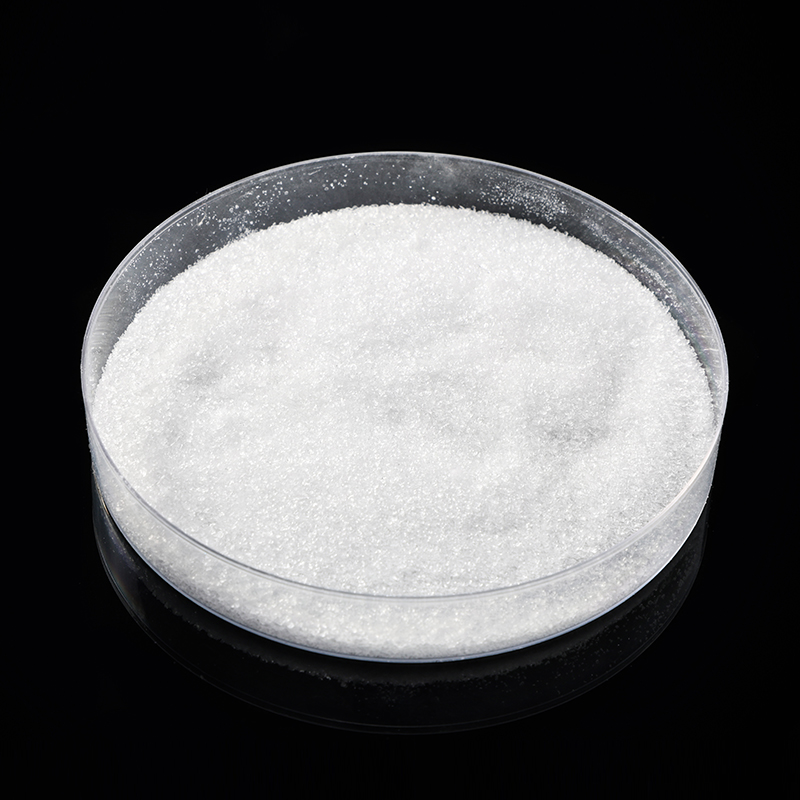
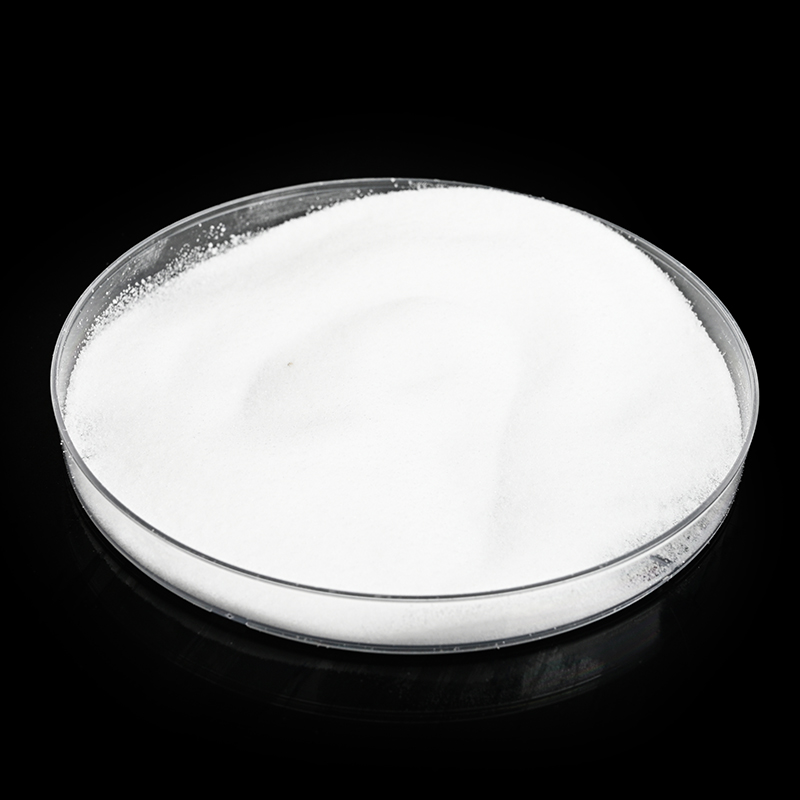
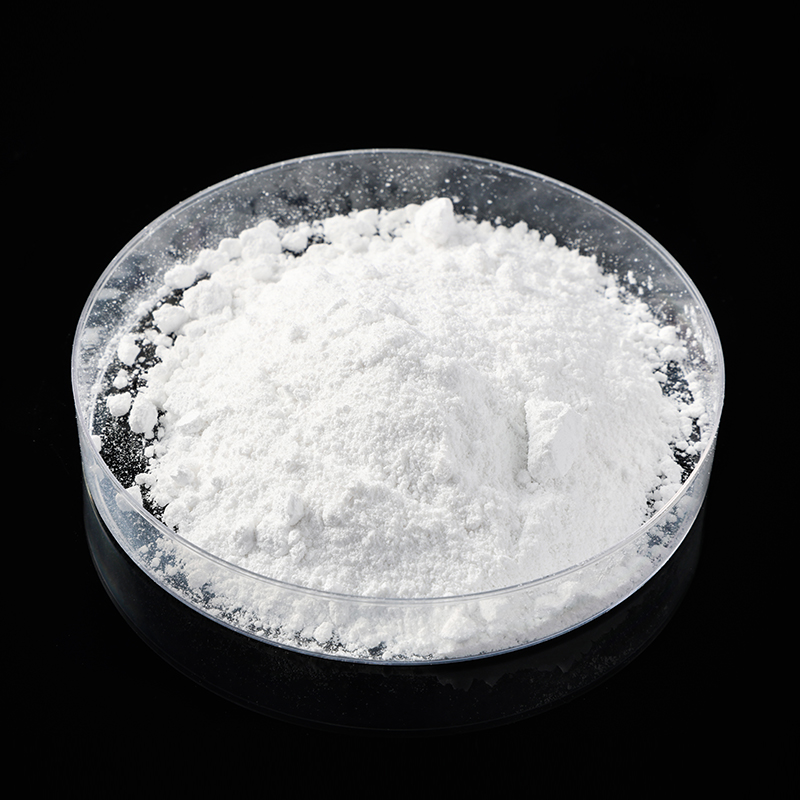
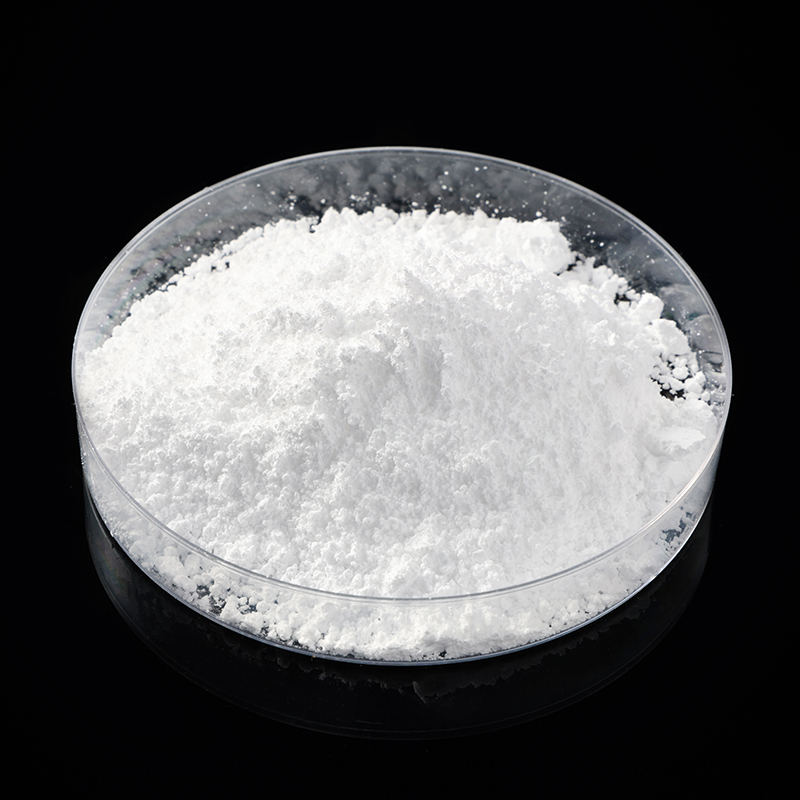
Potassium Fluoride (KF) is a prominent inorganic salt that serves as a cornerstone in modern chemical processing and industrial manufacturing. Characterized by its high solubility in water and its ability to act as a source of the fluoride ion, "Potassium Fluoride" plays a dual role as both a reactant and a catalyst. In organic chemistry, particularly in the Halex process (halogen exchange), the efficacy of KF determines the yield and purity of fluorinated intermediates used in pharmaceutical and agrochemical production. Unlike other alkali metal fluorides, "Potassium Fluoride" offers a balanced profile of reactivity and handleability, making it the preferred "fluorination reagent" for large-scale industrial applications. The technical complexity of utilizing KF lies in its hygroscopic nature; the transition from "Dihydrate Potassium Fluoride" to the anhydrous form requires precise thermal management to ensure optimal nucleophilic strength during chemical transformations.
The performance of "Potassium Fluoride" in any chemical matrix is primarily dictated by its molecular structure, hydration state, and surface area morphology. Understanding these variables is essential for precision engineering in metal finishing and chemical synthesis.
Crystalline Structure and Solvency Dynamics: At the molecular level, "Potassium Fluoride" crystallizes in a cubic, sodium chloride-type structure. This lattice configuration contributes to its high melting point and thermal stability. In aqueous solutions, KF dissociates completely, providing highly reactive fluoride ions (
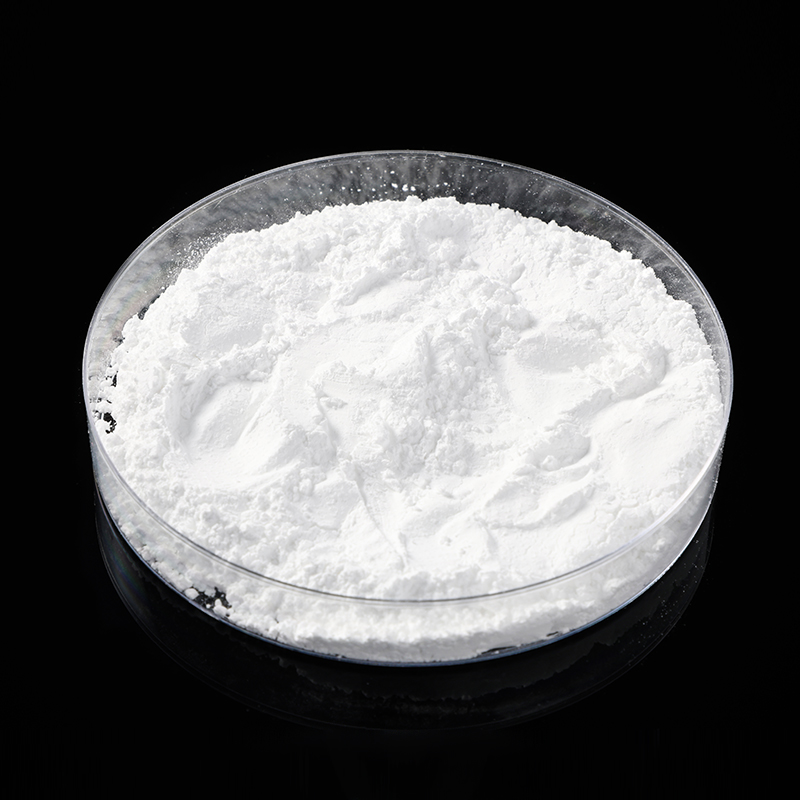
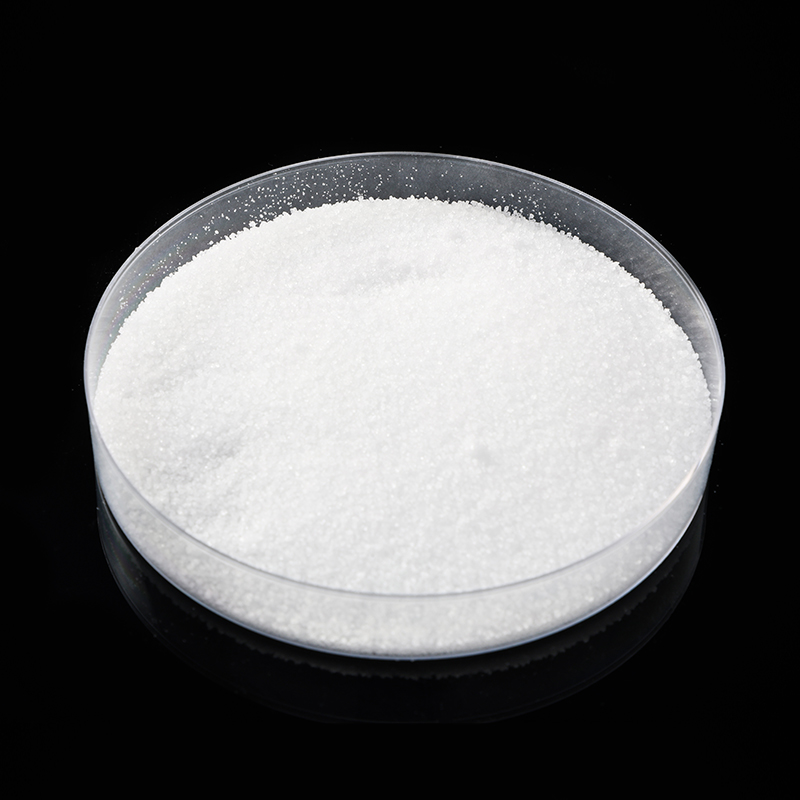
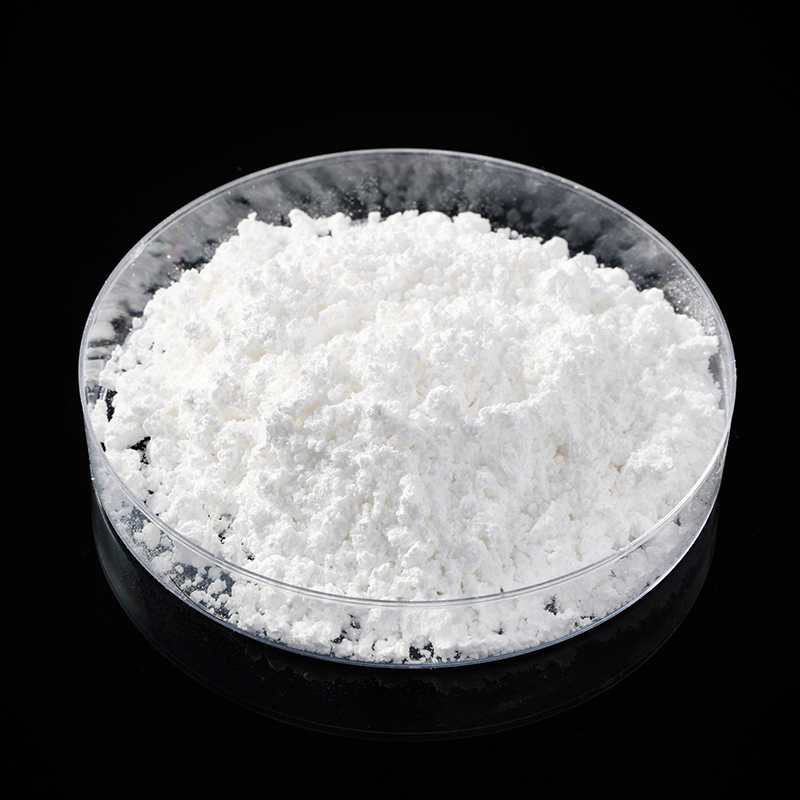
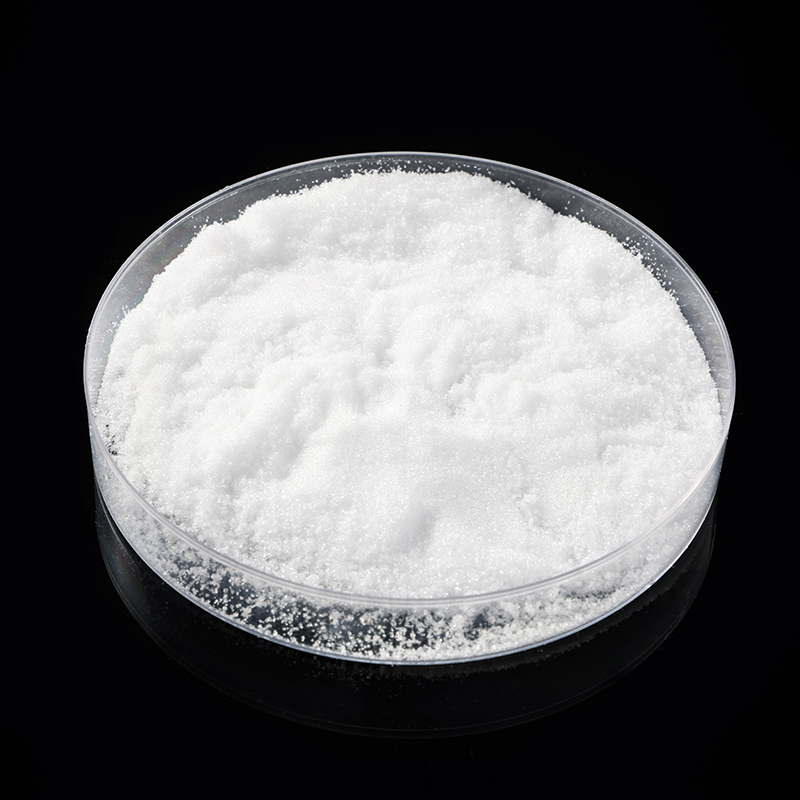
Anhydrous vs. Dihydrate States: Commercial "Potassium Fluoride" is typically available in two forms: the anhydrous form (
Purity Requirements and Analytical Specifications: High-purity "Potassium Fluoride" is required for the electronics industry, specifically in the etching of silicon wafers and the manufacture of specialized glass. Contaminants such as heavy metals (Lead, Arsenic) or excess chlorides must be kept within parts-per-million (ppm) levels. The analytical verification of KF purity involves titrimetric analysis and ion chromatography to ensure that the "active fluoride content" meets the stringent demands of "electronic-grade chemicals." In fluxing applications for aluminum welding, the purity of KF affects the flowability of the molten metal and the strength of the final joint.
The following table outlines the standard technical specifications for industrial-grade Potassium Fluoride:
|
Property |
Specification (Anhydrous) |
Specification (Dihydrate) |
|---|---|---|
|
Chemical Formula |
KF |
KF · 2H₂O |
|
Molecular Weight |
58.10 g/mol |
94.13 g/mol |
|
Assay (Purity) |
≥ 99.0% |
≥ 98.5% |
|
Melting Point |
858 °C |
41 °C (releases water) |
|
Solubility in Water |
92.3 g/100 mL (18 °C) |
High |
|
Appearance |
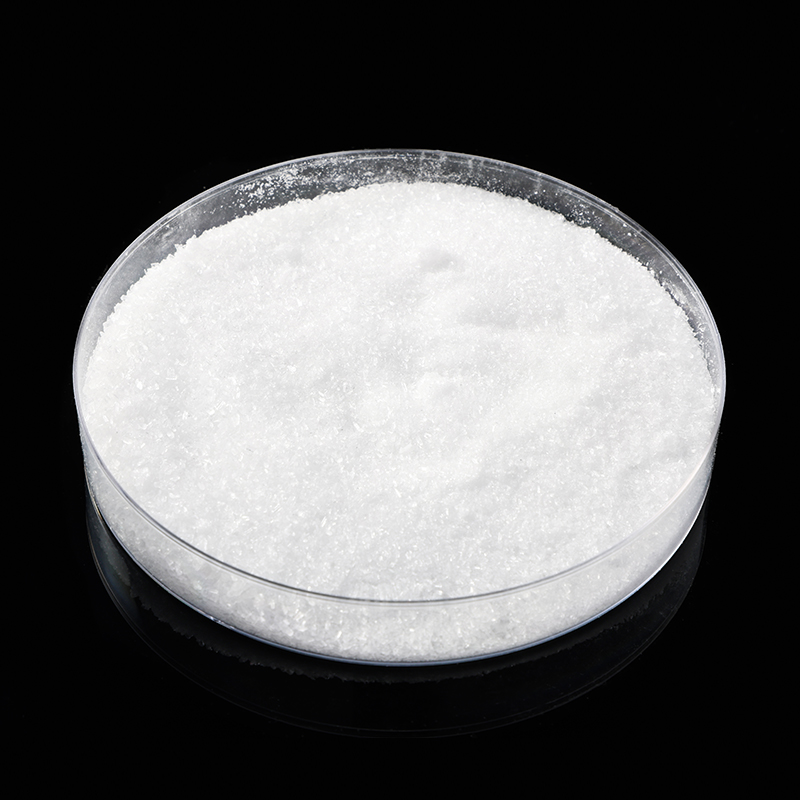
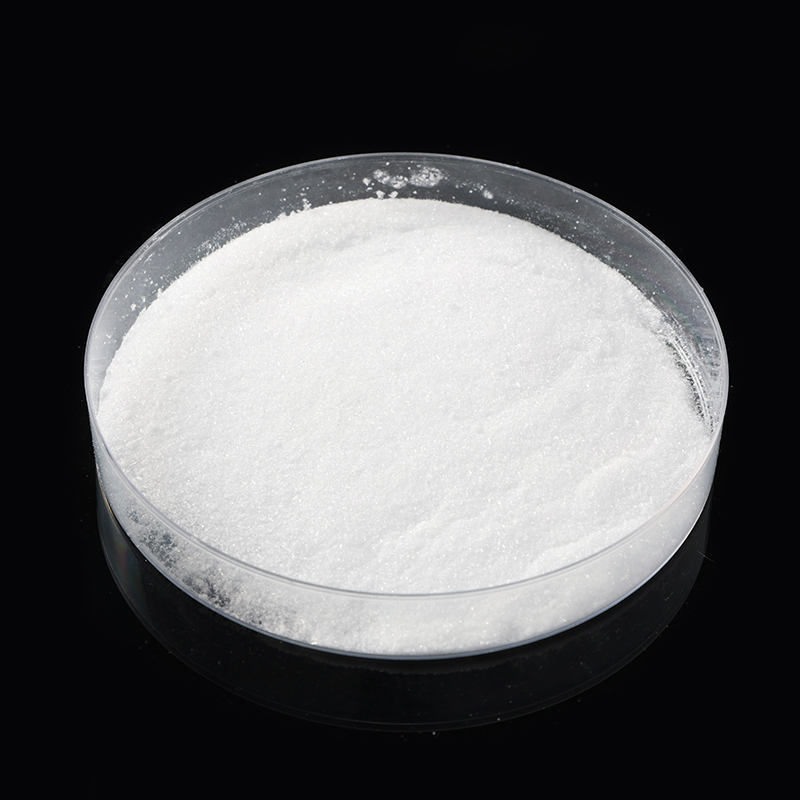
White Crystalline Powder |
White Deliquescent Crystals |
|
Chloride (Cl) Content |
≤ 0.05% |
≤ 0.1% |
The versatility of "Potassium Fluoride" stems from its role as a mild yet effective base and a potent nucleophile, particularly in the synthesis of fluoro-aromatics.
The Halex Process and Nucleophilic Substitution: In the production of fluorinated aromatic compounds, "Potassium Fluoride" is the primary reagent for the "Halogen Exchange" (Halex) reaction. This mechanism involves the displacement of a chlorine or bromine atom on an aromatic ring with a fluoride ion. Because the fluoride ion in KF is heavily solvated and less reactive in its natural state, the reaction often requires high temperatures and the addition of "Spray-dried KF" which has a significantly higher surface area. This increased surface area allows for faster "ion exchange," reducing reaction times and minimizing the formation of unwanted side products. The "Fluorination efficiency" of "Potassium Fluoride" is a key metric in the optimization of pesticide intermediates and specialty fluoropolymers.
Desilylation and Protective Group Removal: In complex organic synthesis, particularly in the construction of natural products or pharmaceuticals, silicon-based protective groups (like Trimethylsilyl, TMS) are frequently used. "Potassium Fluoride" is an essential "desilylation agent" due to the exceptionally strong bond formed between Silicon and Fluorine (
Base-Catalyzed Condensations and Michael Additions: Beyond its role as a fluoride source, "Potassium Fluoride" acts as a heterogeneous base catalyst. It is commonly employed in Knoevenagel condensations and Michael addition reactions. When deposited on a solid support like Alumina (
"Potassium Fluoride" finds extensive use beyond the flask, playing a vital role in the modification of metal surfaces and the refining of alloys.
Fluxing and Metal Joining Processes: In the brazing and welding of aluminum and magnesium alloys, "Potassium Fluoride" is a component of non-corrosive fluxes. Its primary function is to dissolve the tenacious oxide layer (
Electroplating and Surface Etching: The "Potassium Fluoride" ion is utilized in specialized electroplating baths, particularly for the deposition of tin or zinc-nickel alloys. KF helps to regulate the "ion concentration" near the cathode, improving the uniformity and brightness of the plated layer. Furthermore, in the "metal etching" industry, KF is combined with acids to create controlled etching solutions for titanium and stainless steel. The fluoride ions facilitate the removal of surface material in a controlled manner, which is essential for creating micro-textures on medical implants or aerospace components to improve paint adhesion or biocompatibility.
Glass Etching and Optical Applications: "Potassium Fluoride" is a critical ingredient in the manufacture of frosted glass and optical lenses. In the "glass frosting" process, KF reacts with the silica in the glass to create a uniform, matte finish. Unlike hydrogen fluoride (HF) gas, which is extremely hazardous, "Potassium Fluoride" provides a more manageable and safer solid-source alternative for certain "surface modification" techniques. In the production of optical-grade fluorophosphate glasses, KF is used to adjust the refractive index and dispersion properties, enabling the creation of high-performance camera lenses and laser components that require "low-dispersion characteristics."
Copyright © 2023 Nantong Jinxing Fluorides Chemical Co., Ltd. All Rights Reserved.
 Custom Fluorine Chemical Suppliers