

 English
 中文简体
中文简体 Español
Home / News / Industry News / What Is Potassium Bifluoride and What Are Its Chemical Properties and Industrial Uses?
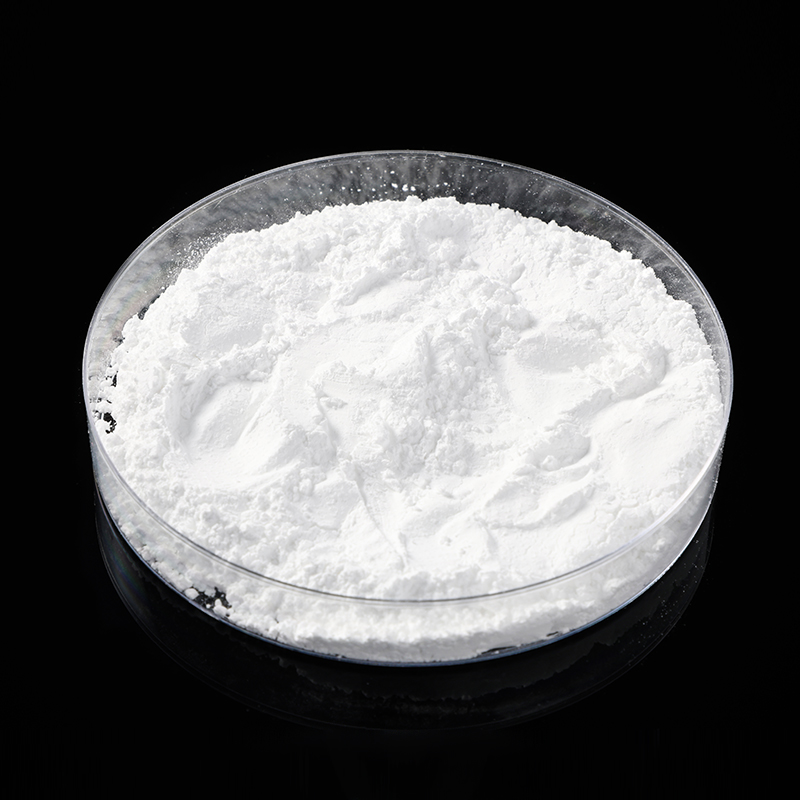
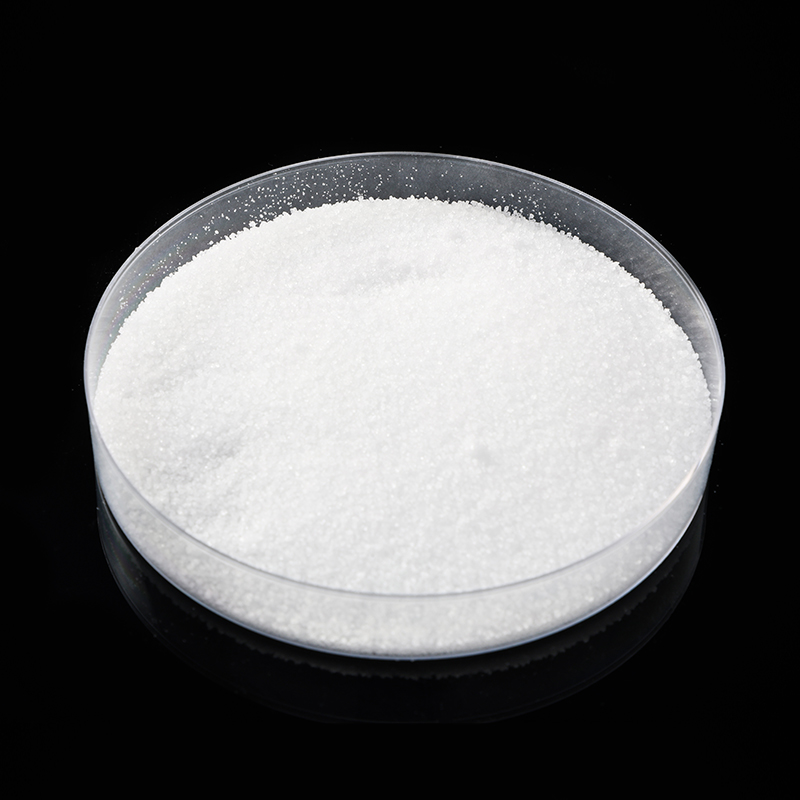
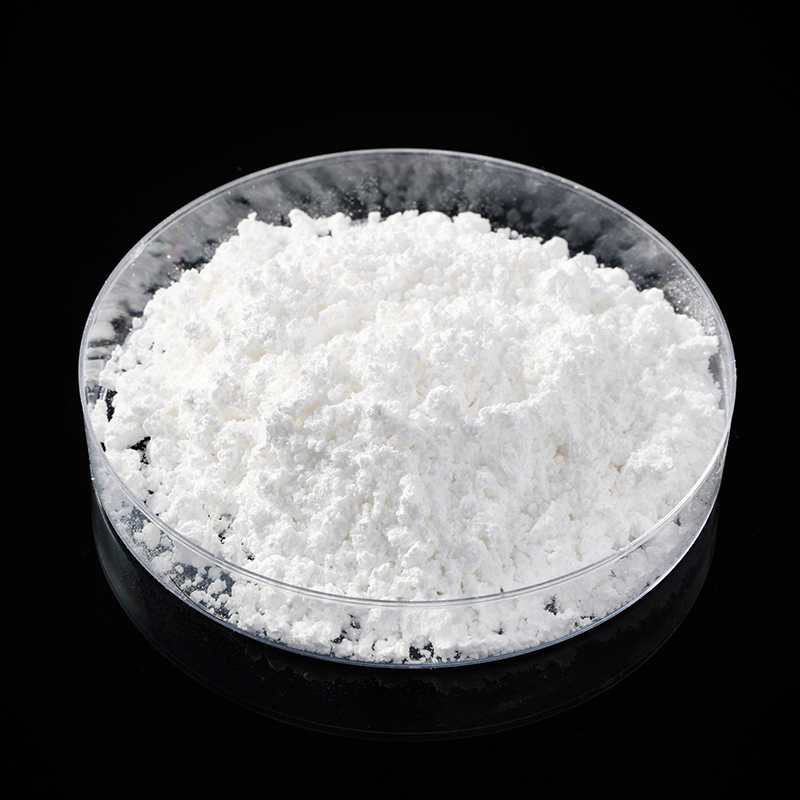
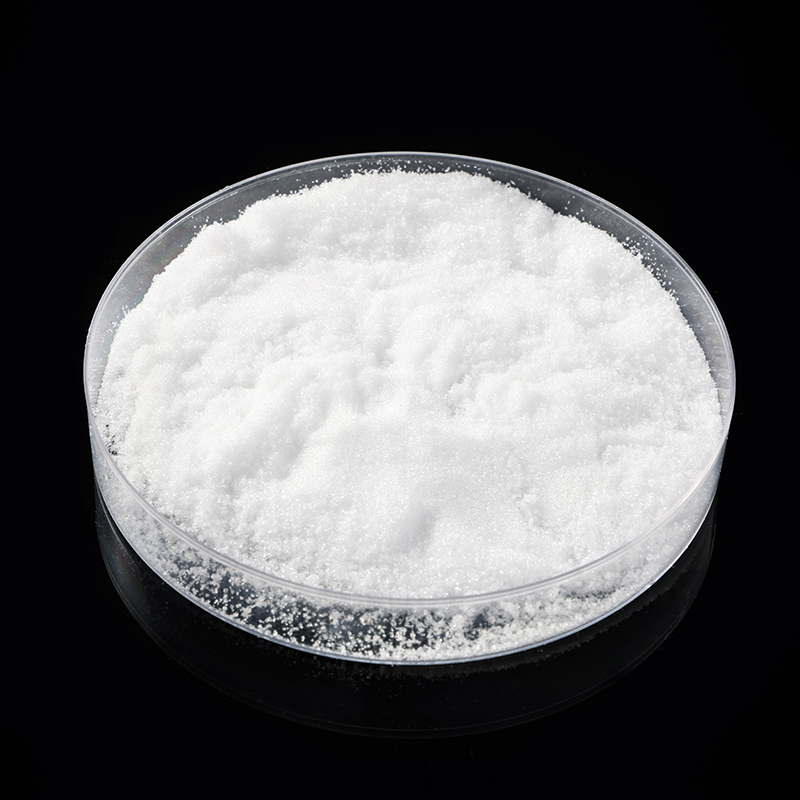
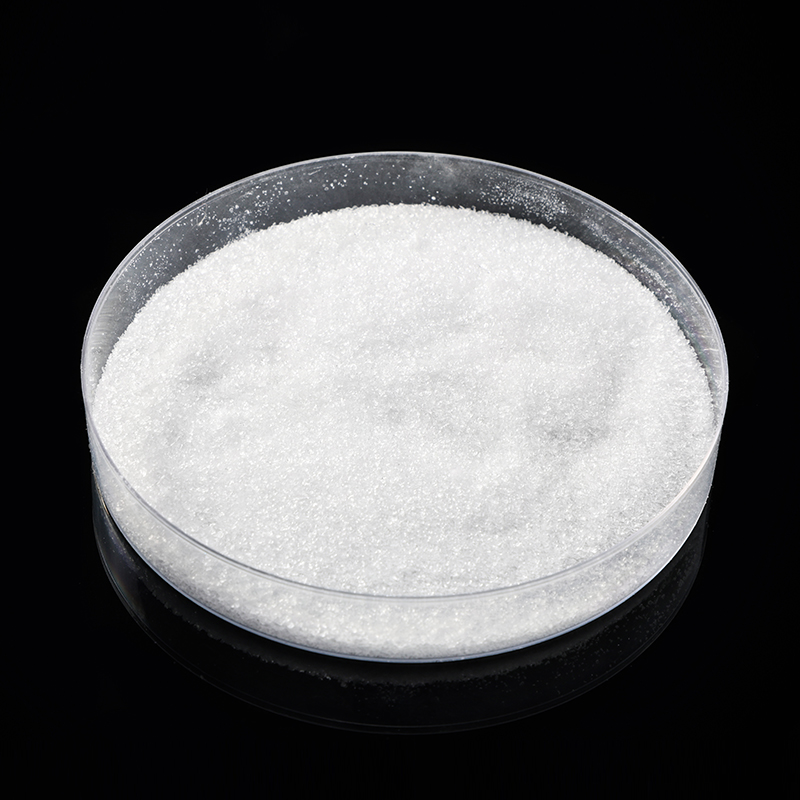
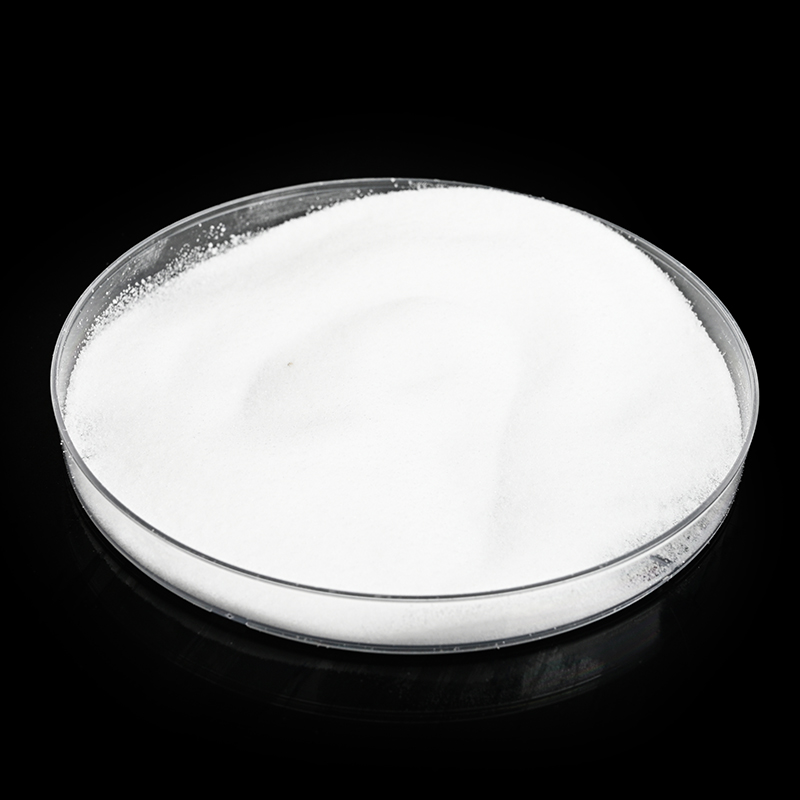
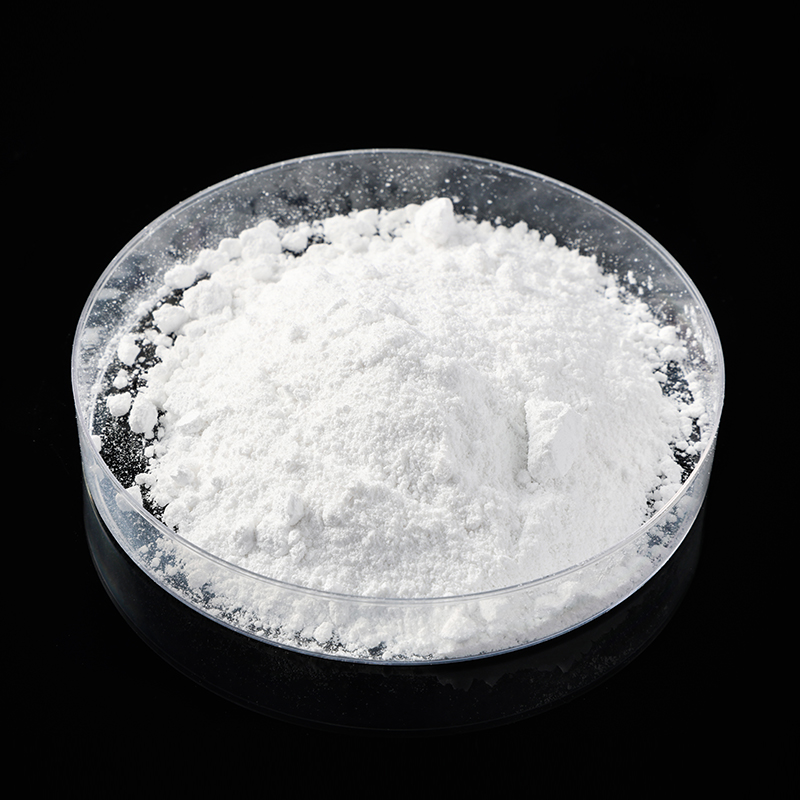
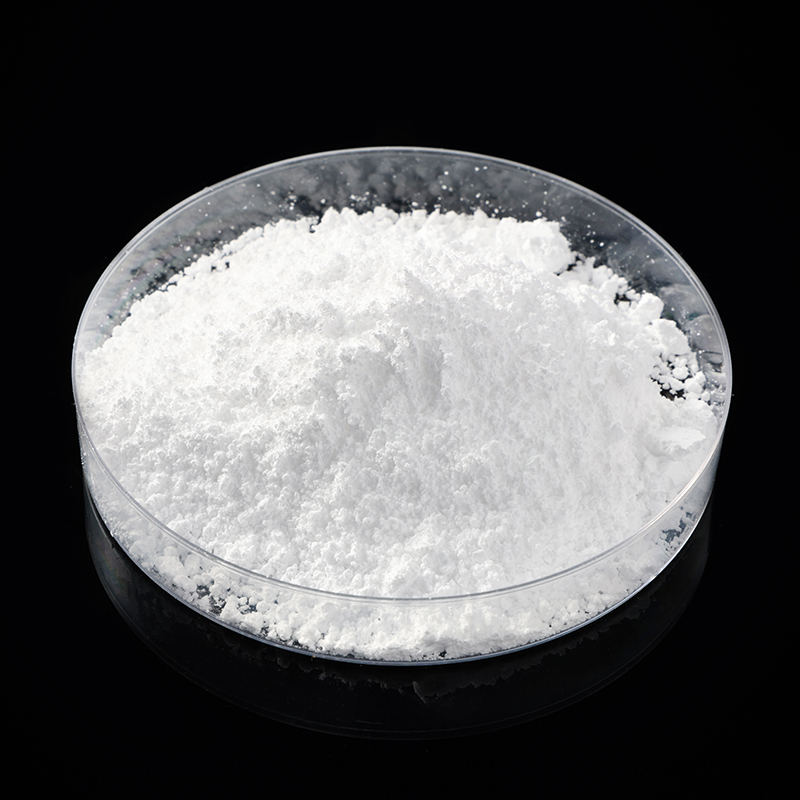
Potassium bifluoride is an inorganic salt with the chemical formula KHF₂, also written as KF·HF. It is one of the most practically important fluoride compounds in industrial chemistry, serving as a controlled source of both fluoride ions and hydrogen fluoride in applications where direct use of anhydrous hydrogen fluoride would be impractical, too hazardous, or technically inappropriate. For industries that require fluoride chemistry in metal surface treatment, glass etching, electrochemical fluorine production, flux preparation, and organic fluorination, potassium bifluoride is the reagent of choice because it delivers reliable fluoride activity in a solid, more manageable form than liquid hydrofluoric acid. Its chemistry is well understood, its applications are mature and commercially established, and its hazards, while serious, are manageable with appropriate engineering controls and trained personnel. This article covers the compound's essential chemistry, physical properties, principal applications, and the safety framework required for responsible handling.
Potassium bifluoride is also known by the names potassium hydrogen fluoride, potassium acid fluoride, and potassium hydrogen difluoride. Its IUPAC name is potassium fluoride hydrofluoride. The compound can be conceptually understood as the product of neutralizing one mole of potassium hydroxide (or potassium fluoride) with two moles of hydrogen fluoride, leaving one mole of HF still associated with the potassium fluoride through a particularly strong hydrogen bond interaction.
| Property | Value |
|---|---|
| Molecular Formula | KHF₂ |
| CAS Number | 7789-29-9 |
| Molar Mass | 78.10 g/mol |
| Appearance | White crystalline powder or granules |
| Melting Point | 238.7 degrees Celsius |
| Decomposition Temperature | Above approximately 400 degrees Celsius |
| Density | 2.37 g/cm³ |
| Solubility in Water | 39.2 g per 100 mL at 20 degrees Celsius |
| pH of Aqueous Solution | Acidic (approximately 3 to 4 at 1 M concentration) |
| Crystal Structure | Tetragonal (body-centered) |
The most chemically distinctive feature of potassium bifluoride is the bifluoride anion [HF₂]⁻, which consists of two fluorine atoms bridged symmetrically by a single hydrogen atom. This anion is stabilized by what is considered one of the strongest hydrogen bonds known in chemistry. The F···H···F hydrogen bond in the bifluoride ion has a bond dissociation energy of approximately 155 to 160 kJ/mol, far exceeding the typical range of 20 to 40 kJ/mol for conventional hydrogen bonds in water or organic compounds. The F-H-F bond length is approximately 2.26 Angstroms, with the hydrogen atom centered symmetrically between the two fluorine atoms in the solid state. This symmetric, short, and exceptionally strong hydrogen bond makes the bifluoride ion a textbook example in discussions of hydrogen bonding theory and has been studied extensively using neutron diffraction and quantum chemical methods to understand the quantum mechanical nature of proton sharing in strong hydrogen bond systems.
In aqueous solution, the bifluoride ion participates in equilibrium with fluoride ion and hydrogen fluoride according to the equation:
HF₂⁻ ⇌ F⁻ + HF, with an equilibrium constant K of approximately 0.26 at 25 degrees Celsius, indicating that the bifluoride ion is reasonably stable in concentrated solution but partially dissociates at lower concentrations.
Potassium bifluoride is produced commercially by two principal routes, both of which exploit the acid-base chemistry of hydrogen fluoride and potassium compounds. The choice between routes depends on the raw materials available, the scale of production, and the purity requirements of the final product.
The most straightforward synthetic route involves the controlled addition of hydrofluoric acid to an aqueous solution of potassium hydroxide in a carefully controlled molar ratio. Adding one mole of KOH to one mole of HF produces potassium fluoride. Continuing the addition to a total of two moles of HF per mole of KOH drives the reaction to produce potassium bifluoride:
KOH + 2HF → KHF₂ + H₂O
The product is crystallized from the reaction solution by evaporation and cooling, then filtered, washed, and dried. Control of the stoichiometric ratio is important: excess KOH produces a mixture of KF and KHF₂, while excess HF results in free hydrofluoric acid contaminating the product. The resulting crystalline product typically achieves purities of 98 to 99.5% or higher in commercial production.
Potassium bifluoride can also be prepared by direct combination of potassium fluoride with anhydrous hydrogen fluoride gas or concentrated hydrofluoric acid solution:
KF + HF → KHF₂
This route is used when potassium fluoride is the available starting material and when the handling infrastructure for anhydrous HF is already in place at the production facility. The thermodynamics of this reaction are favorable: the formation of potassium bifluoride from potassium fluoride and hydrogen fluoride is exothermic, driven by the large stabilization energy of the bifluoride ion. The enthalpy of formation of KHF₂ from KF and HF is approximately minus 58 kJ/mol, confirming the thermodynamic stability of the bifluoride product.
Potassium bifluoride is used across a diverse range of industrial and laboratory applications, all of which exploit either its role as a source of fluoride ions and hydrogen fluoride in solution, its flux properties at elevated temperatures, or its ability to participate in fluorination chemistry under controlled conditions.
One of the largest commercial uses of potassium bifluoride is in metal surface treatment, particularly for cleaning, pickling, and activating the surfaces of stainless steel, titanium, zirconium, and other specialty metals. In these applications, aqueous potassium bifluoride solutions provide a controlled source of HF activity that dissolves the passive oxide layer on metal surfaces, exposing clean reactive metal beneath. This activation is essential before welding, coating, brazing, or other bonding operations where the oxide layer would prevent proper adhesion or metallurgical joining.
The advantage of potassium bifluoride over direct hydrofluoric acid in metal pickling is the buffered nature of the fluoride activity: the bifluoride system maintains a more predictable HF concentration through the acid-base equilibrium than a free HF solution, which becomes depleted unevenly as it reacts with the metal surface. Potassium bifluoride is also frequently used in combination with nitric acid in mixed pickling baths for stainless steel, where the nitric acid provides oxidizing power and the bifluoride provides the fluoride activity needed to dissolve chromium-rich oxide films efficiently.
Elemental fluorine (F₂) is produced industrially by electrolysis of a melt of potassium bifluoride and anhydrous hydrogen fluoride, using the Moissan cell design first demonstrated by Henri Moissan in 1886 when he achieved the first isolation of elemental fluorine. The modern industrial version of this process electrolizes a mixture of potassium bifluoride and hydrogen fluoride in the approximate composition KF·2HF at a temperature of approximately 70 to 100 degrees Celsius. The potassium bifluoride serves as the conductive electrolyte and the source of fluoride ions at the anode, where oxidation of fluoride generates fluorine gas. At the cathode, hydrogen evolution occurs simultaneously.
The global production of elemental fluorine, estimated at approximately 15,000 to 20,000 tonnes per year, relies almost entirely on this electrochemical route with potassium bifluoride as the key electrolyte component. The fluorine produced serves applications including uranium hexafluoride production for nuclear fuel processing, synthesis of perfluorocarbon compounds, semiconductor manufacturing, and specialty organic fluorination chemistry.
Potassium bifluoride solutions are used for decorative and functional etching of glass, creating frosted or patterned surfaces on decorative glassware, optical components, and architectural glass. The fluoride ions react with silicon dioxide in the glass network according to the overall chemistry:
SiO₂ + 4HF → SiF₄ + 2H₂O
The silicon tetrafluoride formed is either released as a gas or further reacts with excess fluoride to form hexafluorosilicate species in solution. Potassium bifluoride paste formulations, where the compound is mixed with an inert thickener to form a viscous gel that can be applied to specific areas of the glass surface, allow selective patterned etching without the need for liquid immersion baths, reducing the volume of fluoride-containing waste generated and simplifying the handling logistics.
Potassium bifluoride and mixed fluoride salts including potassium bifluoride are components of fluxes used in aluminum brazing, copper soldering, and specialty metal joining operations. At the elevated temperatures used in brazing (typically 450 to 700 degrees Celsius for aluminum and 700 to 900 degrees Celsius for copper alloys), the fluoride flux melts and flows across the joint area, dissolving the surface oxide films that would otherwise prevent proper filler metal flow and metallic bonding. The fluoride flux provides more aggressive oxide removal than chloride-based fluxes and is particularly valuable for aluminum, whose tenacious aluminum oxide surface requires strong fluoride activity to dissolve effectively during joining operations.
The NOCOLOK flux system widely used in automotive heat exchanger manufacturing is based on potassium fluoroaluminate compounds that are closely related to potassium bifluoride chemistry, demonstrating the central role of controlled fluoride activity in aluminum component manufacturing at industrial scale.
In organic synthesis and specialty chemical manufacturing, potassium bifluoride serves as a fluoride ion source for nucleophilic aromatic and aliphatic fluorination reactions. It is particularly useful in reactions where the mildly acidic conditions provided by the bifluoride system activate the substrate for fluorine substitution while avoiding the strongly basic conditions that would cause side reactions. Potassium bifluoride is also used for the desilylation of fluorosilane intermediates and for the conversion of aryl trifluoroborates to boronic acids in Suzuki coupling chemistry, where it provides the mild fluoride environment needed to cleave the boron-fluorine bonds selectively.
In analytical chemistry, potassium bifluoride finds application as a reagent for sample decomposition of silicate minerals and glass matrices prior to elemental analysis. Fusing a silicate sample with potassium bifluoride at elevated temperature volatilizes silicon as silicon tetrafluoride, allowing determination of other elements in the residue by techniques including X-ray fluorescence and inductively coupled plasma spectrometry without silicon interference. Potassium bifluoride is also used as a pH buffer component in analytical methods involving fluoride ion selective electrodes, where precise control of ionic strength and pH is needed for accurate free fluoride determination in environmental and process water samples.
Potassium bifluoride is a seriously hazardous compound that must be treated with the same level of respect accorded to hydrofluoric acid, which it can generate upon contact with moisture and biological tissue. The hazards arise from two independent mechanisms: the direct toxicity of fluoride ion and the corrosive action of hydrogen fluoride generated in aqueous environments, including the body's own tissues.
Fluoride ion at toxic doses interferes with multiple enzymatic systems in the body. The most immediately life-threatening effect is hypocalcemia (low blood calcium) caused by the precipitation of calcium fluoride in the blood and tissues, which depletes ionized calcium needed for cardiac muscle function. Fluoride also inhibits acetylcholinesterase, ATP synthesis enzymes, and glycolytic enzymes, disrupting cellular energy metabolism across multiple organ systems. The acute oral lethal dose (LD₅₀) for potassium bifluoride in rats is approximately 245 mg/kg body weight, placing it in the acute toxic category under GHS classification. For comparison, a 70 kg human adult could experience life-threatening toxicity from ingestion of as little as 5 to 10 grams of potassium bifluoride, making accidental ingestion a genuine life-threatening emergency requiring immediate medical treatment with calcium gluconate and emergency electrolyte management.
Contact of potassium bifluoride or its aqueous solutions with skin or mucous membranes generates hydrogen fluoride in the moist tissue environment, causing the characteristic deep penetrating burns associated with HF exposure. Unlike strong mineral acid burns that cause immediate visible surface damage, HF and bifluoride burns may initially appear minor or cause only mild surface irritation while the undissociated HF penetrates deeply through tissue layers, eventually reaching bone where it dissolves calcium from the hydroxyapatite crystal structure. Exposure to even relatively dilute potassium bifluoride solutions (below 10% concentration) can cause burns that are not immediately apparent but develop into severely painful, slow-healing wounds over several hours. Medical treatment with topical calcium gluconate gel applied immediately to the affected area is the first-line emergency response for skin contact, followed by urgent medical evaluation for systemic fluoride assessment regardless of the apparent severity of the local burn.
Potassium bifluoride dust and aerosols generated during handling are respiratory irritants. At elevated temperatures, potassium bifluoride releases hydrogen fluoride vapor that causes severe irritation and chemical burns to the mucous membranes of the nose, throat, and bronchial airways. The occupational exposure limit for HF in most regulatory frameworks is 0.5 to 3 ppm (as HF, time-weighted average), and because heated or dissolved potassium bifluoride contributes to workplace HF vapor levels, atmospheric monitoring in areas where the compound is processed at elevated temperature should be performed using continuous or periodic HF detection equipment.
Potassium bifluoride is classified under the Globally Harmonized System of Classification and Labelling of Chemicals (GHS) with multiple hazard categories reflecting its acute toxicity, corrosivity, and specific target organ toxicity:
Under OSHA Hazard Communication Standard (29 CFR 1910.1200) in the United States, all potassium bifluoride products require a Safety Data Sheet (SDS) and appropriate hazard labeling. The compound is not currently classified as a Substance of Very High Concern (SVHC) under EU REACH regulation but is subject to notification requirements when supplied above threshold tonnages. Some jurisdictions apply precursor control regulations to fluoride compounds because of their relationship to fluorine production and dual-use chemical concerns, and importers and exporters should verify applicable regulations in their specific national jurisdictions before commercial transactions.
The handling of potassium bifluoride requires a systematic approach to risk management that begins with engineering controls and is supported by administrative procedures and personal protective equipment. Relying primarily on personal protective equipment without adequate engineering controls is insufficient for a compound of this hazard level.
Potassium bifluoride should be stored in tightly sealed containers made of polyethylene, polypropylene, or PTFE-lined materials to prevent moisture absorption (the compound is hygroscopic and will absorb atmospheric water vapor) and to prevent the release of HF vapor from moisture-activated decomposition. Storage areas must be:
Fluoride compounds including potassium bifluoride and its decomposition products require careful management to prevent environmental contamination. Fluoride ion is acutely toxic to aquatic organisms at concentrations that can be reached near industrial discharge points, and chronic fluoride exposure in soil and groundwater affects plant uptake pathways and can accumulate in the food chain in fluoride-sensitive ecosystems.
The EU Water Framework Directive and US EPA Clean Water Act establish numeric criteria for fluoride in surface water bodies. The US EPA recommended criterion for freshwater aquatic life protection is 4 mg/L fluoride for continuous chronic exposure. Industrial process water containing potassium bifluoride residues must be treated to remove fluoride to permissible levels before discharge to receiving waters. Standard treatment involves precipitation with lime (calcium hydroxide), which converts soluble fluoride to insoluble calcium fluoride that can be separated by sedimentation and filtration, reducing fluoride in the treated effluent to typically 10 to 20 mg/L as a practical lower limit determined by the solubility product of calcium fluoride.
Waste potassium bifluoride, solutions containing it, and contaminated packaging are classified as hazardous waste in most jurisdictions under fluoride waste codes. In the United States, fluoride-containing wastes may be classified under EPA hazardous waste code D002 (corrosive) or F006 (spent fluoride solutions from metal finishing operations) depending on their origin and fluoride concentration. Disposal must be arranged through a licensed hazardous waste contractor, and records of waste generation, transfer, and disposal must be maintained in compliance with applicable regulations. On-site neutralization of dilute potassium bifluoride solutions by controlled addition to a lime slurry, followed by precipitation, filtration, and verification of the treated water fluoride content before sewer discharge, is a permissible approach in some jurisdictions where laboratory-scale quantities are involved, subject to local sewer authority approval.
Understanding how potassium bifluoride relates to the other principal fluoride compounds used in industry helps clarify why it is chosen for specific applications and where alternative compounds may be preferred.
| Compound | Formula | Physical Form | Key Advantage | Principal Application |
|---|---|---|---|---|
| Potassium Bifluoride | KHF₂ | White crystalline solid | Solid handling, dual fluoride source, electrolyte | F₂ production, metal treatment, flux |
| Potassium Fluoride | KF | White crystalline solid | Neutral pH in solution, nucleophilic fluoride | Organic fluorination, flux, glass treatment |
| Hydrofluoric Acid | HF(aq) | Aqueous liquid | Highest HF activity, most versatile | Glass etching, semiconductor, petroleum |
| Ammonium Bifluoride | NH₄HF₂ | White crystalline solid | Lower cost, similar chemistry to KHF₂ | Glass etching paste, metal cleaning |
| Sodium Fluoride | NaF | White crystalline solid | Low toxicity vs bifluoride, dental use | Water fluoridation, dental products, wood treatment |
The choice between potassium bifluoride and ammonium bifluoride (NH₄HF₂) is frequently dictated by cost and application-specific chemistry rather than significant performance differences. Ammonium bifluoride is typically less expensive to produce and is used preferentially in glass etching paste applications. Potassium bifluoride is preferred where the presence of ammonium ions would interfere with downstream chemistry or where the thermal decomposition behavior of the ammonium compound (which releases ammonia on heating) is undesirable, as in flux applications at elevated temperatures.
Commercial potassium bifluoride is available in several purity grades that correspond to different application requirements. Understanding the impurities that affect specific applications enables correct grade selection and avoids quality problems in sensitive processes.
Potassium bifluoride is a compound of genuine industrial importance, whose unique bifluoride chemistry, versatility across metal treatment, electrochemical, and synthetic applications, and manageable (if serious) hazard profile have secured its role in industrial fluorine chemistry for over a century. Responsible use requires understanding its chemistry deeply enough to select the right grade, apply it in appropriately designed equipment, and manage its hazards through the systematic controls that its toxicity demands.
Copyright © 2023 Nantong Jinxing Fluorides Chemical Co., Ltd. All Rights Reserved.
 Custom Fluorine Chemical Suppliers