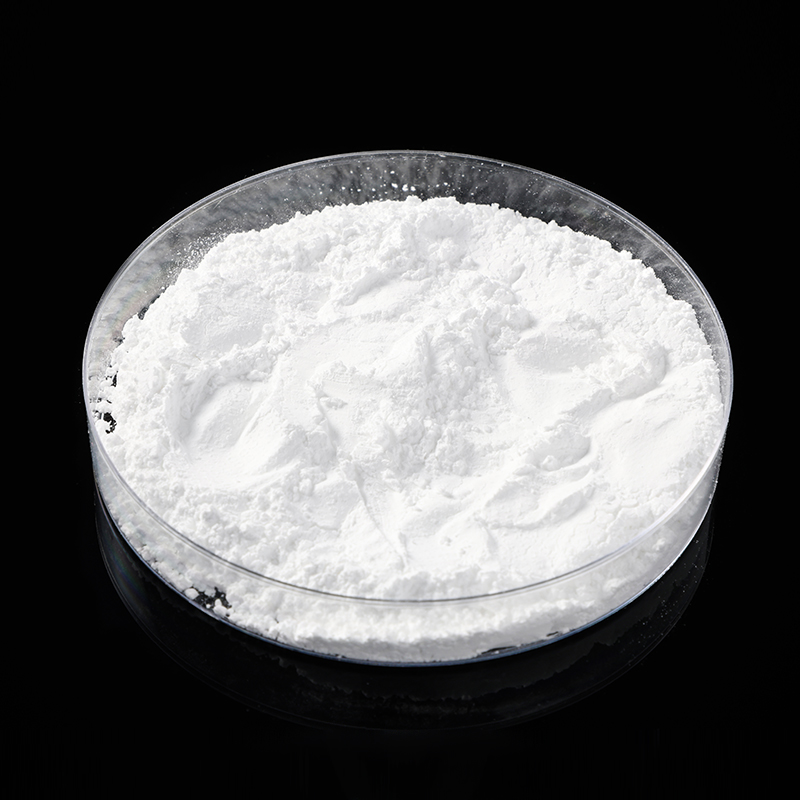
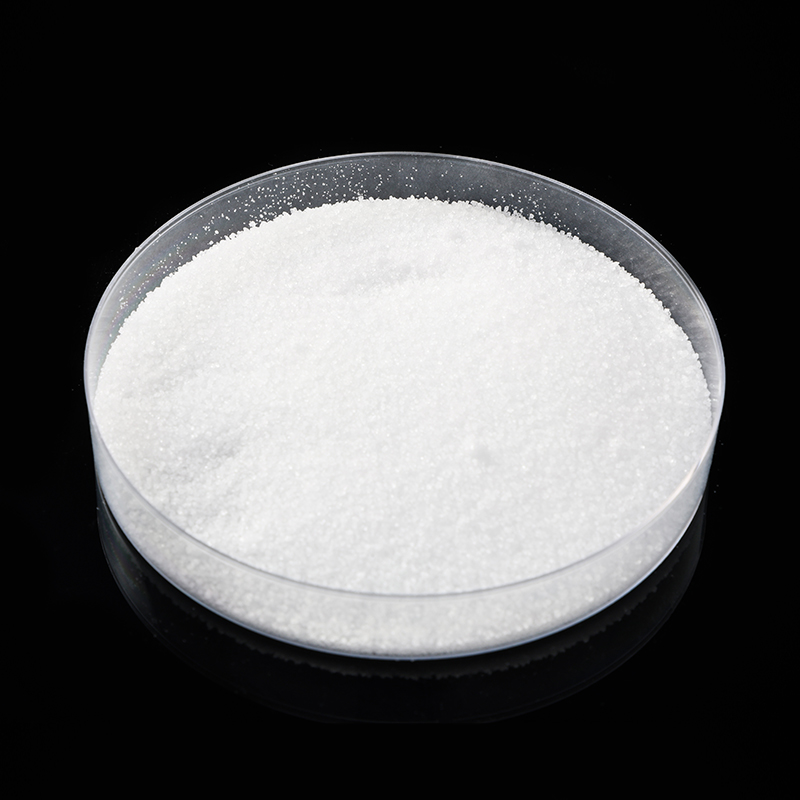
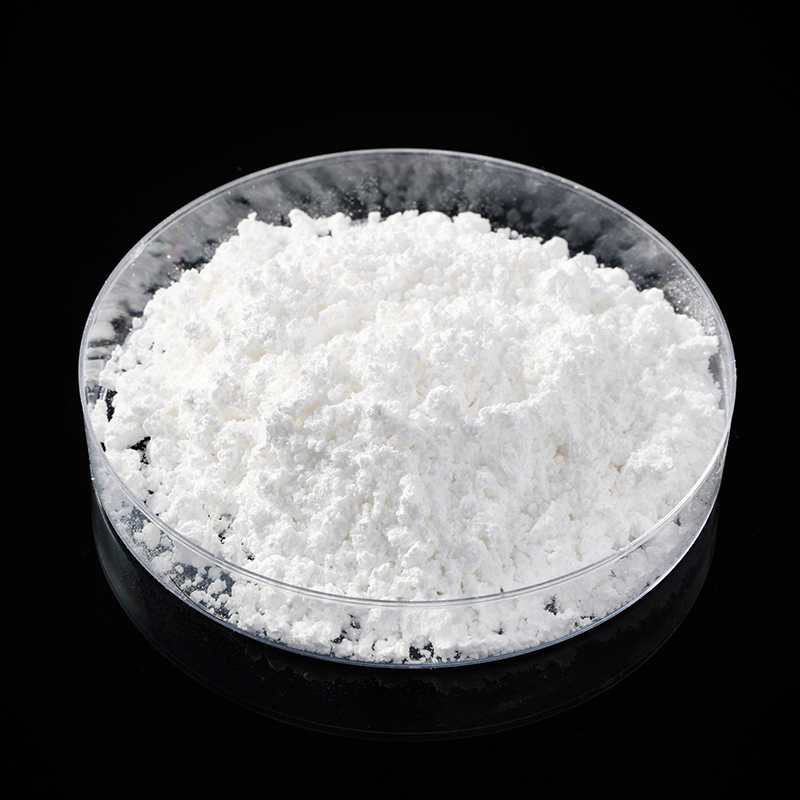
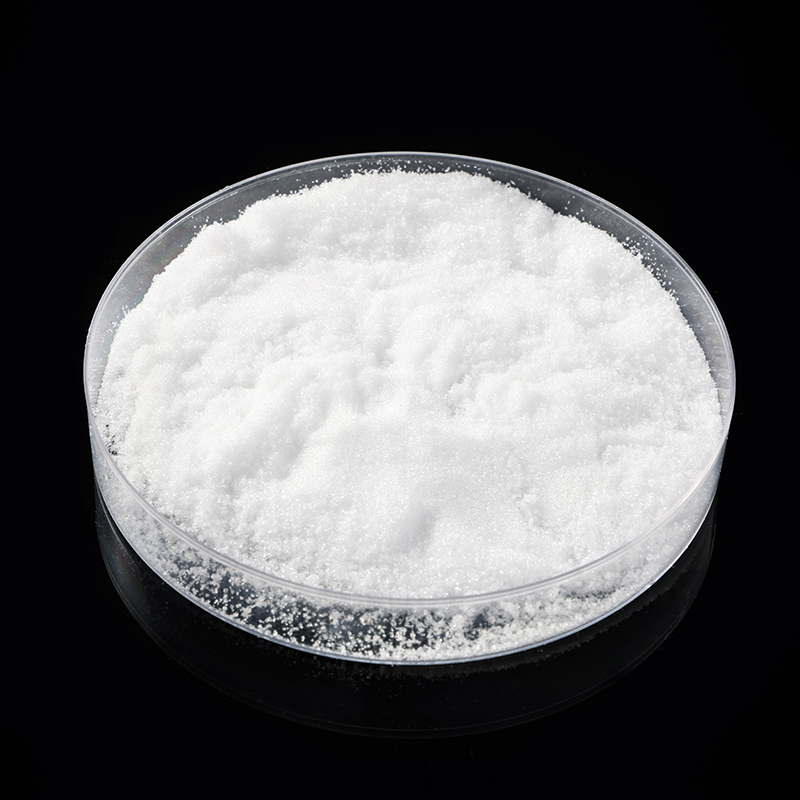
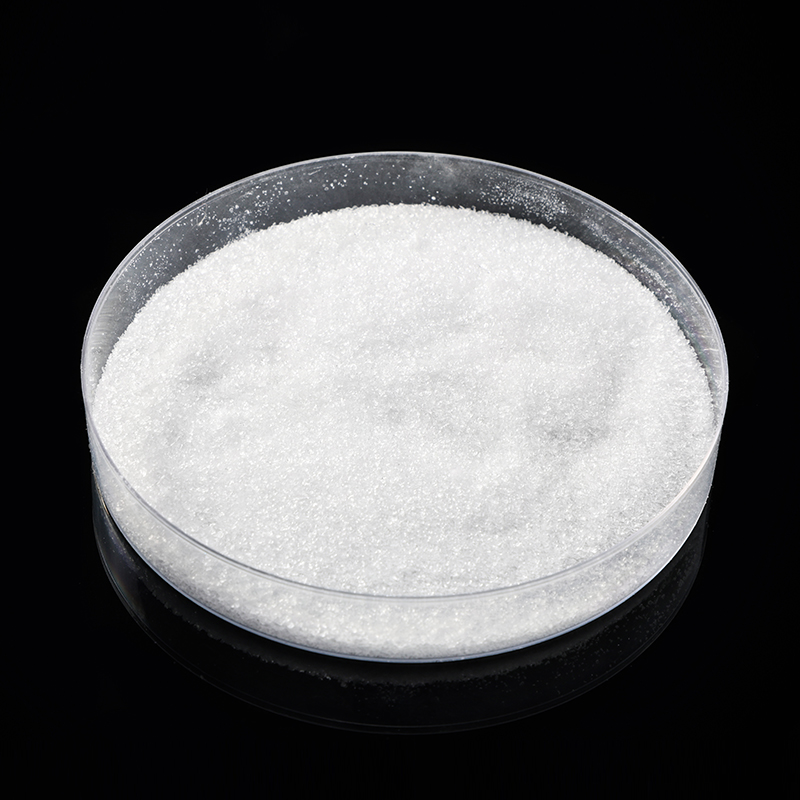
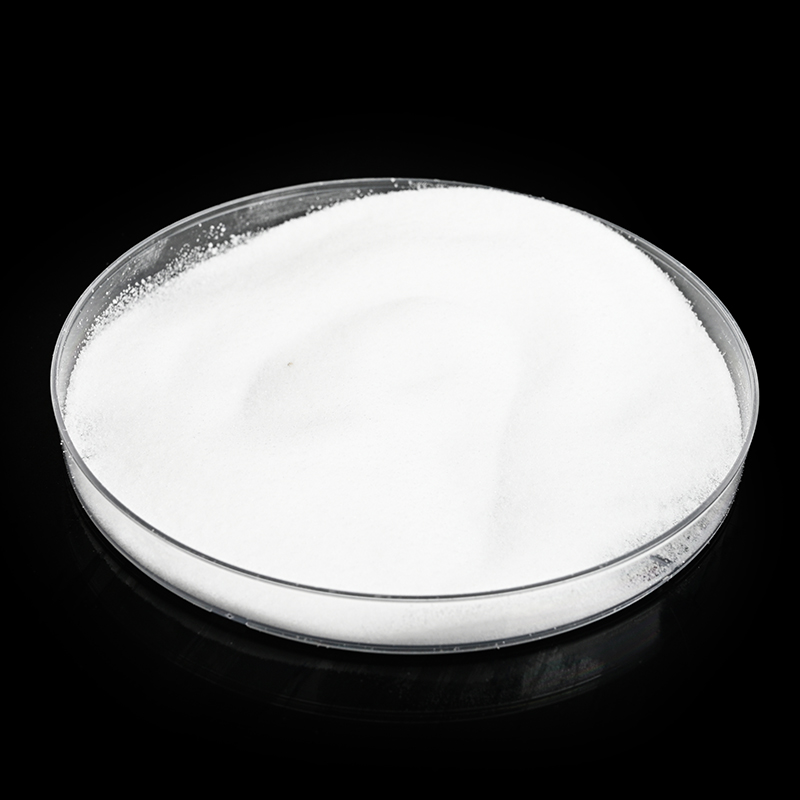
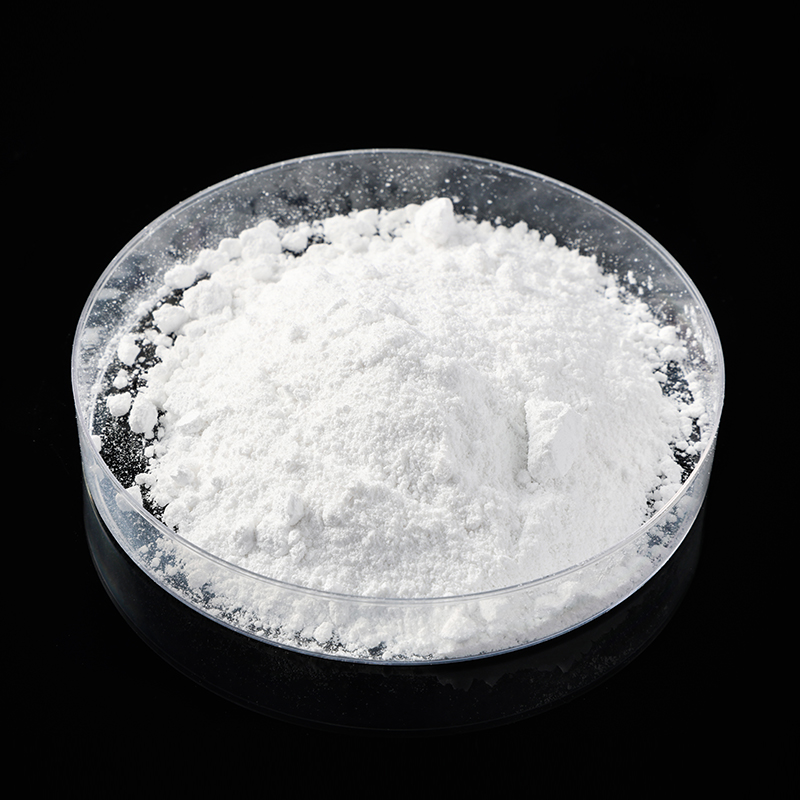
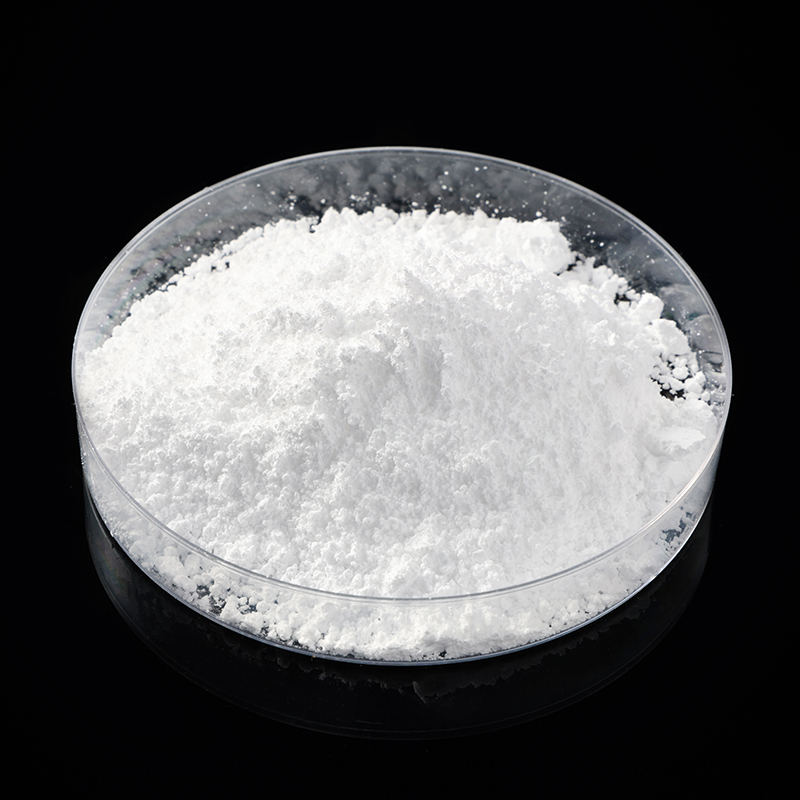
Potassium Fluoride is an inorganic salt with the chemical formula KF, formed by the ionic combination of potassium (K) and fluorine (F). It is one of the most commercially and industrially significant fluoride compounds in chemistry, serving as a primary source of fluoride ions in organic synthesis, metal surface treatment, glass etching, pharmaceutical manufacturing, and a range of specialized industrial processes. Its combination of high water solubility, nucleophilic fluoride delivery capability, and relatively straightforward handling compared to more reactive fluorinating agents makes it a material of practical importance across multiple industries.
The direct answers about Potassium Fluoride are these: it is a white crystalline solid with a melting point of 858 degrees Celsius and high water solubility (approximately 92 grams per 100 milliliters at 20 degrees Celsius); it is commercially produced by neutralizing hydrofluoric acid with potassium carbonate or potassium hydroxide; its primary industrial value lies in its role as a fluorinating agent in organic synthesis where it can displace halides and introduce fluorine into target molecules under mild conditions; and it requires careful handling because the fluoride ion, once released in aqueous solution or biological media, is toxic and capable of causing serious systemic harm through inhibition of enzyme systems that depend on divalent cations. This article covers the properties, production, applications, and safety requirements for Potassium Fluoride in full technical depth.
Potassium Fluoride adopts a rock salt crystal structure (the same face centered cubic arrangement as sodium chloride), with potassium and fluoride ions alternating at the lattice sites. This ordered ionic structure gives KF its characteristic high melting and boiling points, its hardness, and its solubility behavior in polar solvents. The fundamental physical constants of Potassium Fluoride are well established by multiple independent measurements and are summarized in the following table.
| Property | Value |
|---|---|
| Molecular formula | KF |
| Molecular weight | 58.10 g/mol |
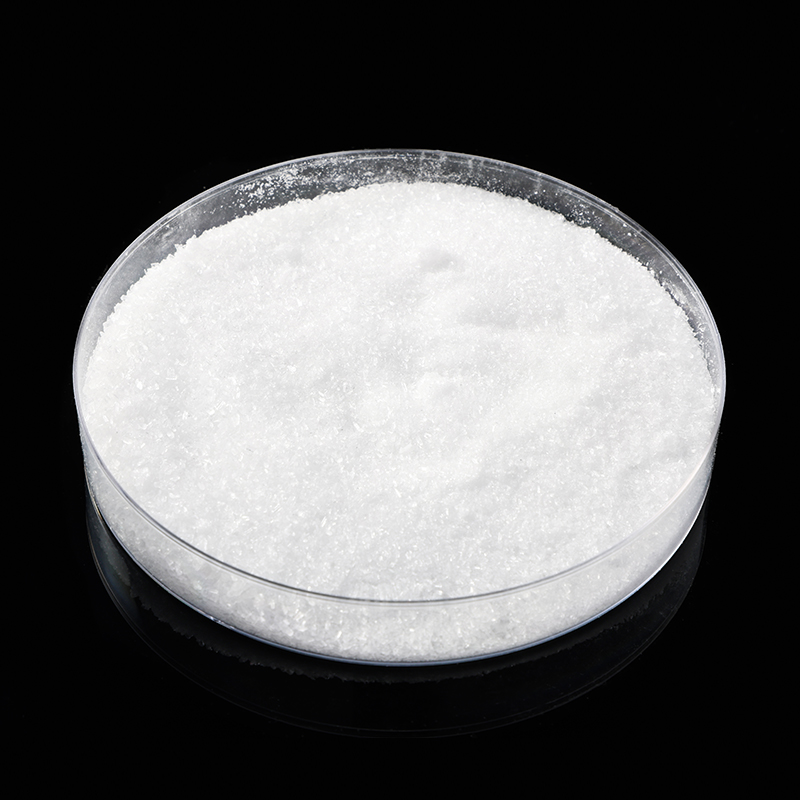
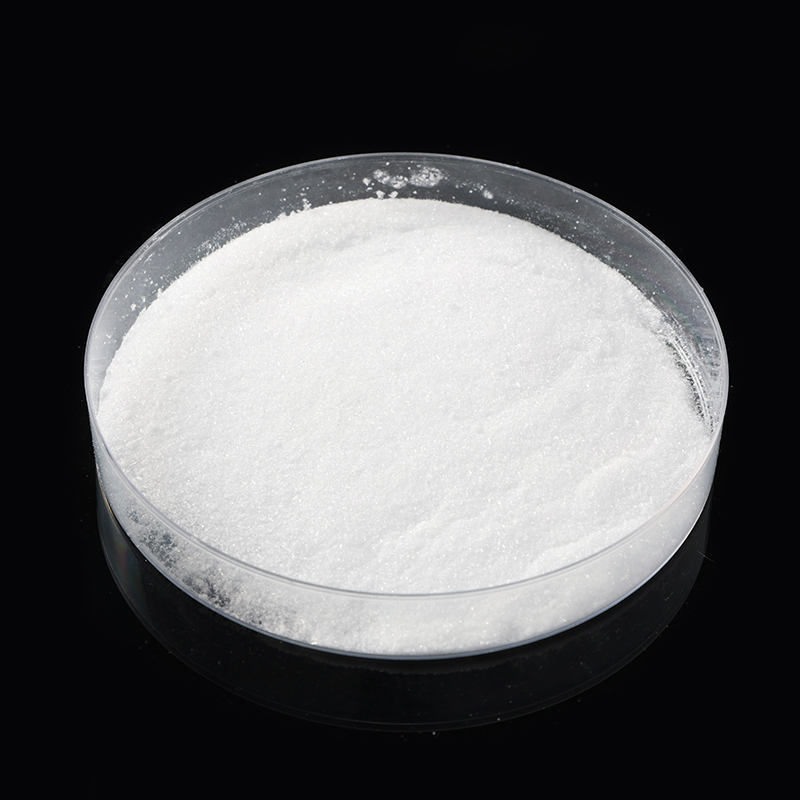
| Appearance | White crystalline solid or powder |
| Density | 2.48 g/cm3 |
| Melting point | 858 degrees Celsius |
| Boiling point | 1,502 degrees Celsius |
| Solubility in water (20 degrees C) | Approximately 92 g/100 mL |
| pH of aqueous solution (1 M) | Approximately 8.0 to 8.5 (weakly basic) |
| Crystal structure | Rock salt (face centered cubic) |
The weak basicity of Potassium Fluoride solutions (pH approximately 8 at 1 molar concentration) arises from the partial hydrolysis of the fluoride ion in water. Fluoride is the conjugate base of hydrofluoric acid (HF), which is a weak acid with a pKa of approximately 3.17. In aqueous solution, a fraction of the fluoride ion accepts a proton from water to form HF and hydroxide ion, giving the solution its slightly basic character. This basicity is an important practical consideration in synthetic chemistry: when Potassium Fluoride is used as a base in organic reactions, its effective basicity in polar aprotic solvents is higher than in water because the fluoride ion is less solvated and therefore more reactive in non aqueous environments. The choice of solvent has a direct and substantial effect on the reactivity of KF in both fluorination and base catalyzed reactions.
Potassium Fluoride is produced industrially by the acid base neutralization of hydrofluoric acid (HF) with a potassium containing base. The two most commercially significant routes are:
Laboratory scale preparation of anhydrous Potassium Fluoride requires special care because commercially supplied KF typically contains water of crystallization and absorbed atmospheric moisture. Anhydrous KF is prepared by heating the hydrated salt under vacuum at 100 to 150 degrees Celsius for 4 to 12 hours, or by spray drying the KF solution, and is significantly more reactive as a fluorinating agent than the hydrated form because water competes with the fluoride ion for available coordination sites and suppresses reactivity in many organic synthesis applications.
The applications of Potassium Fluoride span a wide range of chemical and industrial sectors, reflecting the versatility of the fluoride ion as a nucleophile, a base, a surface modifying agent, and a component in flux and electrolyte formulations.
The most commercially important application of Potassium Fluoride in fine chemicals and pharmaceutical manufacturing is as a source of nucleophilic fluoride ion for introducing fluorine into organic molecules by halogen exchange reactions (commonly known as Finkelstein type reactions adapted for fluorination). In these reactions, an organic substrate bearing a leaving group such as chloride, bromide, iodide, mesylate, or tosylate is treated with Potassium Fluoride in a polar aprotic solvent such as dimethylformamide (DMF), dimethyl sulfoxide (DMSO), or acetonitrile at elevated temperature, and the fluoride ion displaces the leaving group to install a C F bond in the product. Fluorine containing organic compounds have become disproportionately important in pharmaceutical development: as of recent surveys, approximately 20 to 25 percent of marketed pharmaceutical drugs and approximately 30 to 40 percent of agrochemicals contain at least one fluorine atom, making fluorination reactions including those mediated by Potassium Fluoride among the most strategically significant transformations in modern synthetic chemistry.
Potassium Fluoride is used in metal surface treatment processes including pickling, etching, and flux formulations for brazing and soldering. In flux applications for aluminum and aluminum alloy brazing, KF is a component of flux mixtures (often combined with other potassium and aluminum fluoride salts) that function by dissolving the oxide layer on the aluminum surface at brazing temperatures, allowing the filler metal to flow and bond with the base metal without the oxygen induced oxidation that would prevent joining. The NOCOLOK flux system, widely used in the automotive industry for brazing aluminum heat exchangers such as radiators and air conditioning condensers, is based on potassium fluoroaluminate compounds including components derived from the KF AlF3 system, illustrating the practical importance of fluoride chemistry in large scale manufacturing.
In glass manufacturing, Potassium Fluoride serves as a flux that lowers the melting temperature of silicate glass compositions and modifies the viscosity of molten glass to facilitate forming. It is also used in glass etching formulations where fluoride ions react with silica (SiO2) in the glass surface to produce silicon tetrafluoride (SiF4) and water, creating a frosted or matte surface finish. Potassium Fluoride is preferred over sodium fluoride in certain glass formulations because the larger potassium ion has different effects on glass network structure, producing glasses with different thermal expansion coefficients and optical properties.
Potassium Fluoride has been used as a wood preservative and anti fungal agent because fluoride ions are toxic to the microorganisms responsible for wood decay. In this application, KF solution is applied to or impregnated into wood to inhibit fungal growth and insect infestation. However, its use in this context has been largely superseded by other preservatives with better permanence and lower mammalian toxicity profiles, reflecting the regulatory pressure on fluoride containing wood treatment agents in many jurisdictions.
Potassium Fluoride is classified as a toxic substance under GHS (Globally Harmonized System) classification, primarily because of the toxicity of the fluoride ion that it releases when dissolved or metabolized. Understanding the specific mechanisms and thresholds of fluoride toxicity is essential for establishing appropriate handling procedures, exposure controls, and emergency response protocols for anyone working with KF.
Fluoride exerts its toxic effects through several mechanisms operating at different concentrations:
Regulatory workplace exposure limits for fluoride compounds including Potassium Fluoride are set in terms of fluoride ion equivalents in airborne dust or fume. The OSHA Permissible Exposure Limit (PEL) for fluoride dusts and fumes is 2.5 mg/m3 as an 8 hour time weighted average; ACGIH sets a Threshold Limit Value (TLV) of 2.5 mg/m3 for the same parameter. Operations that generate Potassium Fluoride dust, such as weighing, mixing, and conveying of KF powder, require local exhaust ventilation to keep airborne concentrations below these limits, and respiratory protection is required when engineering controls cannot maintain concentrations at acceptable levels. Personal protective equipment for KF handling should include chemical resistant gloves (nitrile or neoprene), safety glasses or goggles, and a face shield when there is a risk of solution splash.
First aid procedures for Potassium Fluoride exposure reflect the systemic toxicity of the fluoride ion and differ in important ways from those for other irritants:
Potassium Fluoride occupies a distinctive position in industrial and synthetic chemistry: it is widely available, commercially scalable, and practically useful for a range of important transformations and processes, while at the same time requiring genuine respect for its toxicological profile. Users who understand both its chemical capabilities and its safety requirements can deploy it effectively and safely across the pharmaceutical, specialty chemical, glass, and metal processing sectors where it provides unique and often irreplaceable value.
Copyright © 2023 Nantong Jinxing Fluorides Chemical Co., Ltd. All Rights Reserved.
 Custom Fluorine Chemical Suppliers




 English
 中文简体
中文简体 Español