

 English
 中文简体
中文简体 Español
Home / News / Industry News / How to Choose the Right Lithium Fluoride Grade for Industrial and Optical Applications?
The grade of Lithium Fluoride you select is the single most consequential specification decision in any LiF procurement process, because each Lithium Fluoride Grade is engineered to a distinct purity ceiling, particle morphology, and impurity profile that directly determines its functional suitability in a given application. Industrial flux, battery electrode, and optical lens fabrication each impose entirely different demands on the material, and a product optimized for one application will typically underperform or cause outright failure in another. Understanding what differentiates these grades at a technical level is the practical foundation for any reliable sourcing decision.
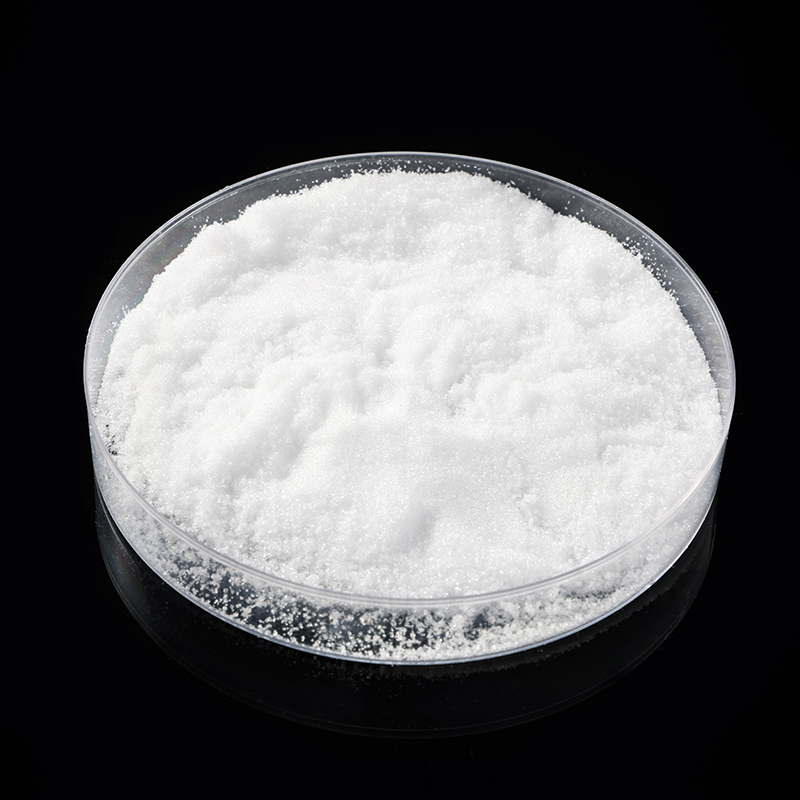
Lithium Fluoride (CAS 7789-24-4) is an inorganic salt with the molecular formula LiF and a molecular weight of 25.94 g/mol. It appears as a white to off-white crystalline powder, is sparingly soluble in water (approximately 0.27 g per 100 mL at 25°C), and has a melting point of 848°C. These physical properties make it relevant across a broad industrial range, from low-temperature enamel and ceramic glaze processing to high-temperature Molten Salt Reactor fuel salt systems to precision Optical Grade Lithium Fluoride windows transmitting deep UV radiation. The specific performance requirements of each application define which grade is appropriate, and which specifications within that grade must be verified before material is accepted for production use.
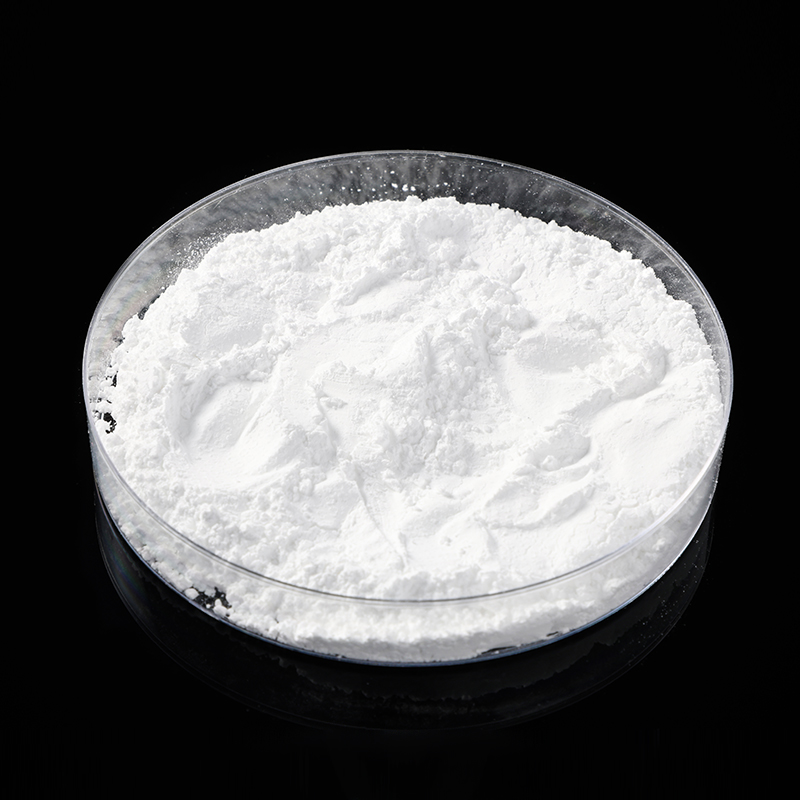
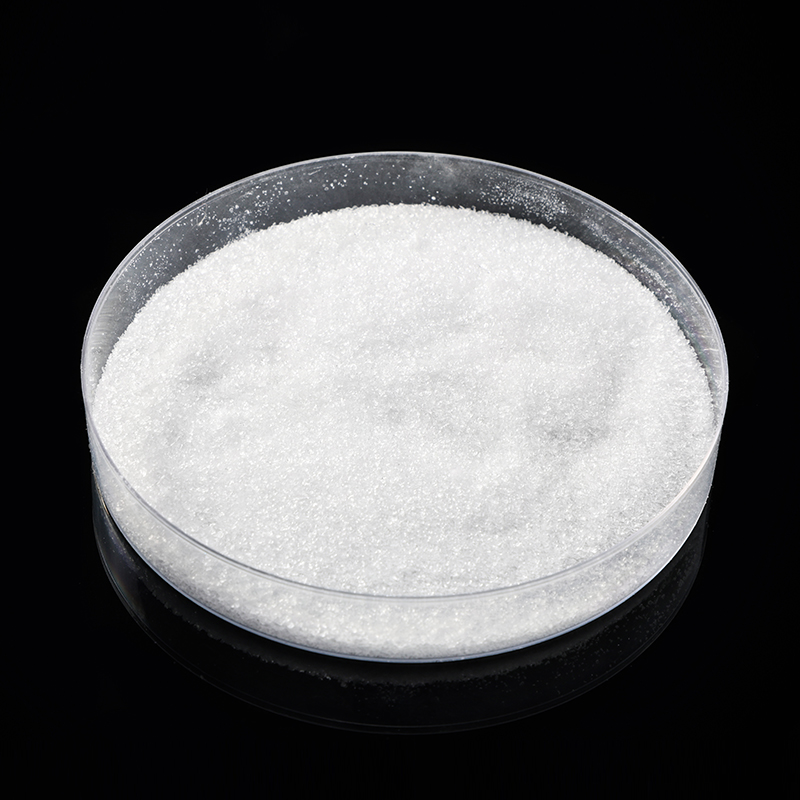
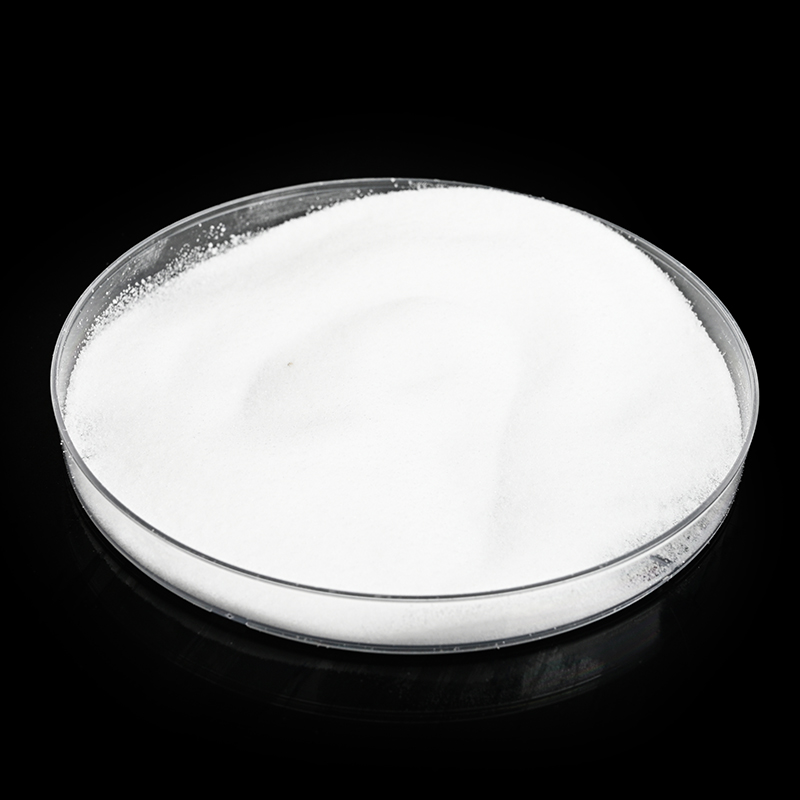
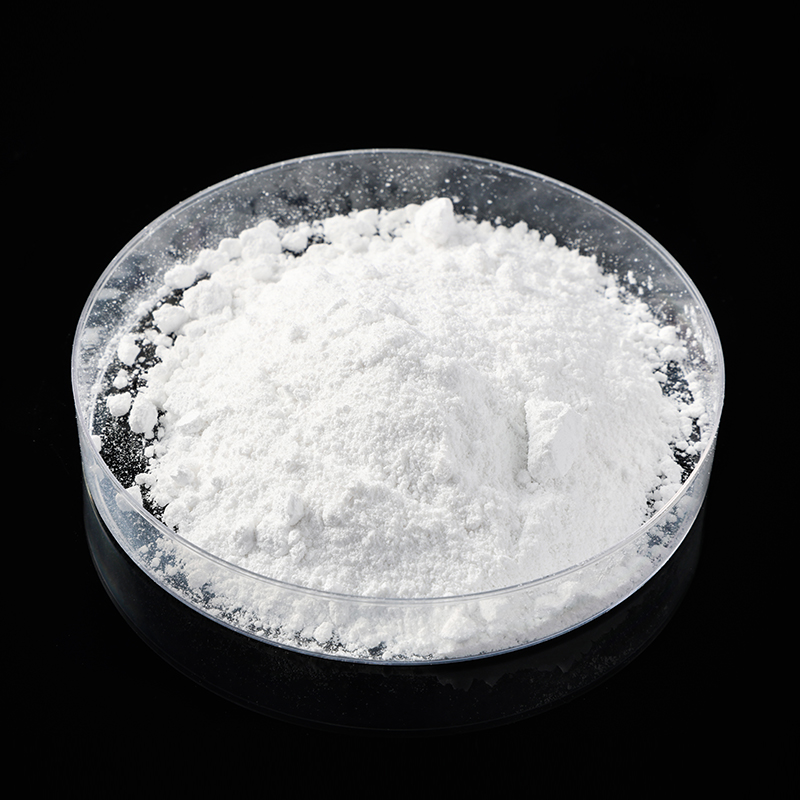
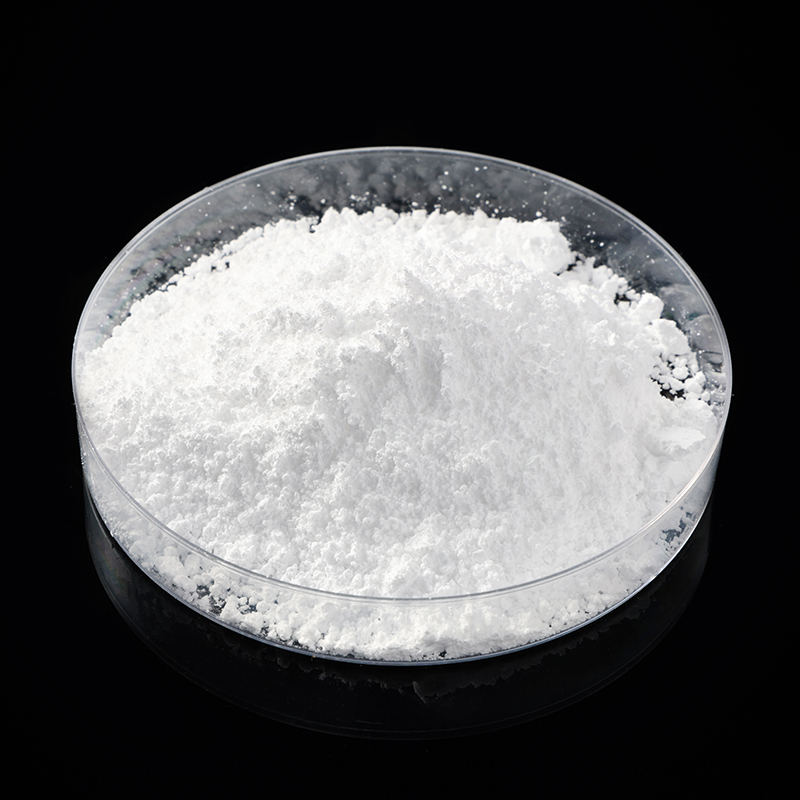
Industrial Grade LiF Powder is the most widely produced and least stringently specified form of Lithium Fluoride. It serves as an Industrial Flux in aluminum and magnesium smelting, as a component in Enamel and Ceramic Glaze formulations, as a grain refiner in aluminum casting alloys, and as a raw material input for the production of other fluoride compounds. Industrial Grade Lithium Fluoride typically carries a minimum LiF purity of 97 to 99 percent by mass, with the balance consisting of residual impurities including calcium fluoride, sodium fluoride, iron compounds, sulfates, and moisture that are tolerable within the thermal and chemical conditions of industrial processing.
In Industrial Flux applications, Lithium Fluoride acts as a fluxing agent that lowers the melting point and viscosity of molten aluminum oxide and other slag components, facilitating cleaner metal separation and reducing furnace energy consumption. The flux role is primarily physical and thermodynamic rather than chemical, meaning that trace impurity levels in the percent range do not materially alter flux performance. For Enamel and Ceramic Glaze formulations, LiF is incorporated as an opacifier and surface tension modifier at relatively low loading levels of 0.5 to 3 percent by weight of the total frit composition, where again, trace impurities at sub-percent levels are accommodated by the formulation without detectable impact on glaze quality.
Particle Size Distribution (D50/D90) in industrial grade material is typically coarser than in battery or optical grades, with D50 values commonly in the range of 10 to 50 micrometers and D90 values up to 100 micrometers, reflecting the less demanding mixing and dispersion requirements of bulk industrial processing compared to electrode coating or crystal growth applications.
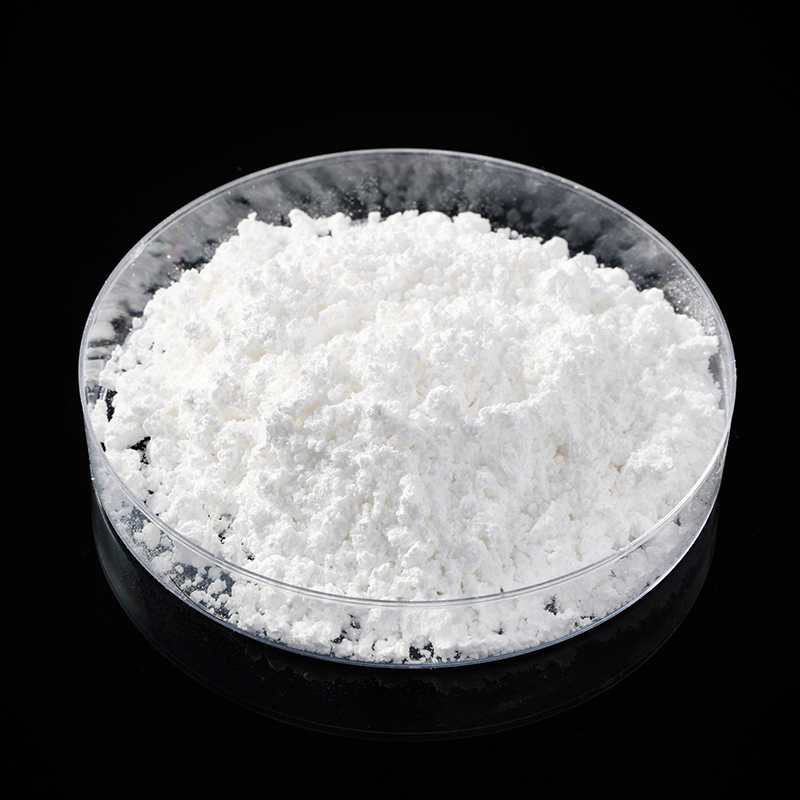
Battery Grade LiF occupies the intermediate purity tier and is among the fastest-growing demand segments in the Lithium Fluoride market, driven by the global expansion of lithium-ion battery manufacturing and the emerging adoption of solid-state battery architectures. In battery applications, LiF serves multiple functions: it is a precursor for electrolyte salt synthesis, a component of solid electrolyte interphase (SEI) film formation on anode surfaces, and an active material in certain cathode coating processes designed to suppress transition metal dissolution and extend cycle life.
Battery Grade LiF requires a minimum LiF purity of 99.9 percent or higher, with stringent individual limits on transition metal impurities including iron (Fe), nickel (Ni), copper (Cu), and chromium (Cr), each typically controlled below 5 to 10 parts per million (ppm). This requirement reflects the electrochemical mechanism by which transition metal contamination damages battery performance: iron and nickel ions that dissolve from impure LiF into the electrolyte migrate through the cell, deposit on the anode, catalyze electrolyte decomposition reactions, and accelerate capacity fade. A Battery Grade LiF with iron content of 50 ppm rather than 5 ppm can reduce the cycle life of a lithium-ion cell by 15 to 25 percent in validated electrochemical testing, a commercially significant degradation that justifies the premium cost of high-purity material.
Moisture Content is a critical specification in Battery Grade LiF because water in any form is destructive to lithium battery electrolytes. LiF delivered with moisture content above 100 ppm will introduce hydrolysis reactions in the electrolyte formulation, generating hydrofluoric acid (HF) as a decomposition product that attacks electrode surfaces and accelerates cell impedance growth. Battery Grade LiF specifications from leading Lithium Fluoride Manufacturers typically require moisture content below 50 ppm, with premium-tier specifications for solid-state battery applications requiring below 20 ppm. Packaging and storage conditions for Battery Grade LiF must maintain this moisture control throughout the supply chain, requiring sealed moisture-barrier packaging and desiccant storage.
Particle Size Distribution (D50/D90) in Battery Grade LiF is tightly controlled to ensure uniform coating deposition in electrode slurry processes. A narrow D50 of 1 to 5 micrometers with D90 below 10 micrometers is characteristic of material optimized for slurry coating applications, where oversized particles create surface defects in the electrode coating layer that generate local current density variations and hot spots during cycling.
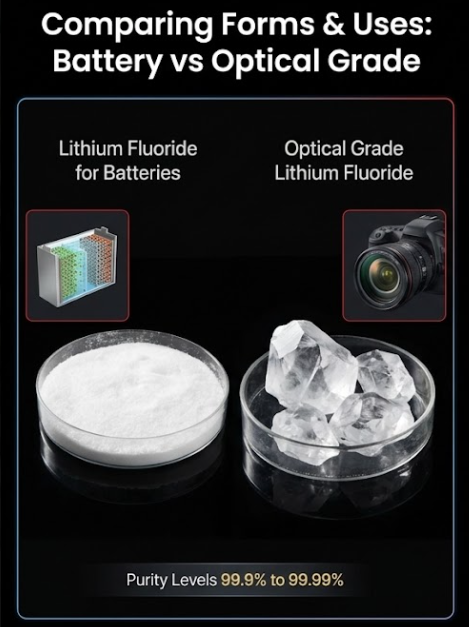
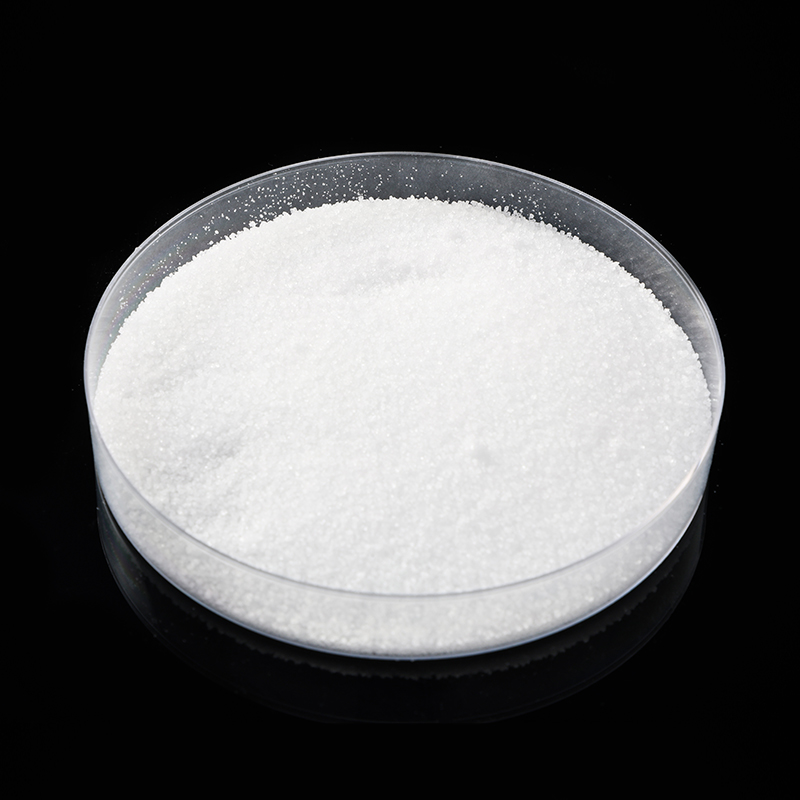
Optical Grade Lithium Fluoride represents the highest purity tier of the three, produced to meet the demanding specifications of the optical and photonic industries where LiF single crystals are grown for use as windows, lenses, prisms, and radiation detectors. The defining property that makes LiF uniquely valuable in optical applications is its extraordinary transmission range: Optical Grade Lithium Fluoride transmits light from approximately 0.12 micrometers (deep vacuum ultraviolet) to 6 micrometers (mid-infrared), the broadest intrinsic transmission window of any commercially available optical crystal. No other widely available optical material transmits radiation below 0.17 micrometers, making LiF irreplaceable for vacuum ultraviolet (VUV) optical systems used in semiconductor lithography, synchrotron beamline optics, and UV spectroscopy.
The Refractive Index of Lithium Fluoride at 589 nm (sodium D line) is approximately 1.392, one of the lowest values of any inorganic optical crystal. This low refractive index minimizes Fresnel reflection losses at optical surfaces and makes LiF windows nearly invisible in terms of reflection-induced energy loss in broadband optical systems. The refractive index varies with wavelength according to the Sellmeier equation for LiF, and optical system designers require precise Refractive Index data across the full application wavelength range to model component performance accurately.
Optical Grade Lithium Fluoride used as feedstock for crystal growth must achieve purity levels of 99.99 percent (4N) or 99.999 percent (5N), with total transition metal impurities below 1 ppm and individual rare earth element impurities controlled below 0.1 ppm. These purity requirements are driven by the absorption and scattering losses that impurity ions and inclusions introduce into the optical path of grown crystals. Even sub-ppm concentrations of iron, chromium, or rare earth impurities in the starting LiF Powder create absorption centers in the grown crystal that reduce transmission and cause localized heating under high-power laser irradiation, leading to surface damage and catastrophic optical failure in high-power UV laser systems.
| Specification Parameter | Industrial Grade LiF | Battery Grade LiF | Optical Grade Lithium Fluoride |
|---|---|---|---|
| Minimum LiF Purity | 97.0 to 99.0% | 99.9% minimum | 99.99% (4N) to 99.999% (5N) |
| Fe Impurity Limit | Below 500 ppm | Below 5 to 10 ppm | Below 1 ppm |
| Moisture Content | Below 500 ppm | Below 50 ppm | Below 20 ppm |
| D50 Particle Size | 10 to 50 micrometers | 1 to 5 micrometers | Application-specific (crystal growth feedstock) |
| Primary Applications | Industrial Flux, Enamel and Ceramic Glaze, aluminum smelting | Li-ion battery electrolyte, SEI film, cathode coating | VUV optics, UV windows, radiation detectors, Molten Salt Reactor |
| Relative Unit Cost | Baseline | 3x to 8x industrial grade | 20x to 100x industrial grade |
Purity in Lithium Fluoride is not an abstract specification metric; it is a direct determinant of performance outcomes in every application domain from battery cycle life to reactor corrosion rates to ceramic glaze consistency. The practical impact of purity variation depends on the specific impurity species, the concentration at which they appear, and the chemical or physical mechanism by which they interact with the process environment. This section examines how Low Impurity Content in High Purity Lithium Fluoride translates into measurable performance advantages across the energy storage and manufacturing sectors that represent the largest commercial demand for LiF Powder.
In lithium-ion battery manufacturing, the impact of LiF purity on cell performance has been extensively characterized in academic and industrial research. The primary purity-performance pathway operates through the solid electrolyte interphase layer that forms on graphite and silicon anodes during the initial charge cycles of a lithium-ion cell. The SEI layer is a critical functional component of the cell: a well-formed, stable SEI layer with the correct ionic conductivity and mechanical compliance enables efficient lithium-ion transport between electrolyte and anode while preventing irreversible electrolyte decomposition. LiF is one of the most desirable SEI components because it forms a mechanically stable, ionically conductive barrier at the electrode surface.
When Battery Grade LiF with elevated transition metal impurity content is used in electrode coating formulations or electrolyte additives, the transition metal ions become incorporated into the SEI layer during its formation. Iron and nickel ions within the SEI create local electronic conduction pathways that allow electrons to tunnel through what should be a purely ionic conductor, enabling ongoing electrolyte reduction reactions that consume lithium inventory and grow the SEI thickness with each cycle. Battery cells using LiF Powder with iron content of 20 ppm versus 2 ppm have demonstrated 15 to 30 percent higher capacity fade rates at 500 cycles in controlled comparative studies, confirming the direct commercial value of Low Impurity Content in Battery Grade LiF.
The Moisture Content specification in Battery Grade LiF connects to a separate but equally important purity-performance pathway. Water contamination in lithium battery electrolytes generates HF through reaction with lithium hexafluorophosphate (LiPF6), the standard lithium salt in commercial electrolytes. HF attacks the aluminum current collector, corrodes the cathode active material surface, and generates additional water as a byproduct of the attack reactions, creating an autocatalytic degradation loop. Electrolyte moisture content above 30 ppm consistently produces measurable increases in cell impedance after 100 cycles in quality-controlled battery manufacturing environments, and LiF with moisture above this threshold contributes proportionally to the total moisture budget of the electrolyte formulation.
The Molten Salt Reactor (MSR) represents one of the most demanding purity environments for Lithium Fluoride in any application. In fluoride salt-cooled reactor concepts and thorium molten salt reactor designs, LiF serves as the primary component of the fluoride salt mixture (typically LiF-BeF2, LiF-NaF-KF, or LiF-ThF4-UF4 salt systems) that acts simultaneously as the reactor coolant and, in some designs, the fuel carrier. The nuclear and chemical environment inside a Molten Salt Reactor imposes purity requirements on Lithium Fluoride that go beyond the electrochemical demands of battery applications.
In the MSR context, impurity management addresses two parallel concerns. The first is chemical corrosion: oxide impurities in the LiF feedstock react with the fluoride salt at operating temperatures above 500°C to produce hydroxide and oxyfluoride species that accelerate corrosion of the Hastelloy N or similar nickel alloy structural materials used in reactor primary circuit construction. Oxide impurity levels above 50 ppm in the initial LiF charge of a Molten Salt Reactor have been documented to increase structural alloy corrosion rates by factors of 2 to 5 in experimental molten fluoride salt loops, with implications for reactor component lifetime and maintenance intervals.
The second concern is the lithium isotopic composition. Natural lithium contains approximately 7.59 percent lithium-6 (6Li) and 92.41 percent lithium-7 (7Li). In thermal neutron reactor environments, 6Li has a very high neutron absorption cross section (940 barns for thermal neutrons), and its capture of thermal neutrons produces tritium (3H), a radioactive hydrogen isotope that presents both operational and safety management challenges. MSR designs typically specify that the LiF used in the salt must be enriched to greater than 99.95 percent 7Li to minimize tritium production and avoid neutron economy penalties from the parasitic absorption of 6Li. This isotopic purity requirement is entirely distinct from chemical purity but represents a critical procurement specification for any Lithium Fluoride Supplier serving the nuclear energy sector.
In industrial manufacturing applications, the purity impact of Lithium Fluoride on process outcomes is less acute than in battery or nuclear applications but still commercially significant in specific ways. For Enamel and Ceramic Glaze formulations, the primary purity concern is iron content, which introduces unwanted color variation in white and light-colored glaze systems. Iron contamination at levels above 200 ppm in the LiF component of a ceramic glaze batch can produce visible yellowish or brownish hues in fired pieces, requiring reformulation or additional decolorizer additions that add cost to the ceramic production process.
In aluminum smelting flux applications, the sulfate content of the LiF Powder is the most consequential impurity parameter. Sulfate ions in the flux decompose at smelting temperatures to produce sulfur dioxide gas, which causes porosity in solidifying aluminum castings and can exceed emission limits in facilities subject to air quality regulation. Lithium Fluoride used as Industrial Flux in facilities with strict porosity specifications or environmental compliance obligations requires a sulfate content specification below 100 ppm, a requirement that eliminates the lowest-cost industrial grade material from consideration in these more demanding industrial contexts.
Water Solubility of Lithium Fluoride (approximately 0.27 g per 100 mL at 25°C) is a relevant purity-related parameter in applications where the LiF is processed in aqueous slurry form, such as certain ceramic glaze preparation methods. The limited Water Solubility of LiF means that dissolved species in the slurry water represent only a small fraction of the total LiF charge, but highly soluble impurities such as lithium chloride or lithium sulfate that may be present at trace levels will preferentially dissolve and distribute unevenly through the slurry, potentially causing compositional non-uniformity in the fired glaze. Controlling the chloride and sulfate impurity content of industrial LiF therefore contributes to formulation consistency even in applications where absolute purity is not the primary procurement driver.
Optical Grade Lithium Fluoride is specified to a level of chemical purity and physical perfection that places it among the most rigorously controlled inorganic materials in commercial production, because the consequences of specification deviation in a grown LiF optical crystal are irreversible and economically costly. A crystal boule grown from contaminated feedstock cannot be remediated; it must be discarded along with the substantial energy, time, and processing cost of its production. Understanding which specifications are truly critical for optical applications, and why each limit is set where it is, allows procurement engineers and optical fabricators to evaluate Lithium Fluoride Suppliers on the basis of meaningful technical criteria rather than nominal purity claims.
The Refractive Index of Lithium Fluoride is the fundamental optical property that governs how the material bends and transmits light across its extraordinary spectral range. At 193 nm (the wavelength of the ArF excimer laser used in semiconductor deep UV lithography), the Refractive Index of LiF is approximately 1.467. At 589 nm (visible sodium D line), it is 1.392. At 2 micrometers (near infrared), it falls to approximately 1.366. This dispersion behavior must be precisely characterized for optical system designers to calculate lens curvatures, anti-reflection coating designs, and system aberration corrections.
The Refractive Index homogeneity within a single crystal piece is as important as the absolute value. Optical Grade Lithium Fluoride for precision applications requires Refractive Index homogeneity of better than 5 x 10⁻⁶ across the clear aperture of the optical component, a specification that can only be met by crystal growth techniques producing extremely uniform thermal and compositional conditions throughout the boule. Striations in the crystal (compositional variations arising from fluctuating growth front conditions) produce periodic Refractive Index variations that manifest as wavefront distortions in transmitted light, limiting the achievable resolution in imaging systems and the coherence of transmitted laser beams.
Transmission at the vacuum ultraviolet wavelengths below 200 nm is perhaps the most discriminating performance parameter for Optical Grade Lithium Fluoride, because transmission in this range is exquisitely sensitive to even sub-ppm impurity levels. Transition metal ions including Fe3+, Cr3+, and Cu2+ possess strong absorption bands in the UV and VUV regions that overlap with the LiF transmission window. A crystal grown from LiF Powder with 2 ppm total transition metal impurity content may show internal transmittance of 92 to 95 percent per centimeter at 160 nm, while the same crystal geometry grown from material with 0.1 ppm total transition metals can achieve 98 to 99 percent per centimeter internal transmittance at the same wavelength. For a 50 mm thick window in a VUV optical system, this difference translates from 2.5 percent residual absorption to less than 0.1 percent, a factor of 25 improvement in throughput that is commercially critical in synchrotron and lithography applications.
The Low Impurity Content specification for Optical Grade Lithium Fluoride feedstock is not a single number but a matrix of individual element limits, each set by the specific mechanism through which that element degrades optical crystal performance. The following list summarizes the principal impurity categories and their specification rationale:
For Optical Grade Lithium Fluoride intended as feedstock for single crystal growth by the Stockbarger-Bridgman or Czochralski method, the physical form and Particle Size Distribution (D50/D90) of the starting powder have important implications for crystal growth process efficiency and crystal quality. Powders with D50 in the range of 50 to 200 micrometers and narrow D90/D50 ratios (indicating a tight particle size distribution without large agglomerates or fines) pack more uniformly into the growth crucible, melt more homogeneously, and produce fewer nucleation events from undissolved particles during the initial melt phase.
Some crystal growth laboratories prefer pre-fused LiF feedstock (material that has been melted and resolidified as a dense chunk or broken lump) over fine powder, because the pre-fusion step volatilizes moisture, decomposes trace oxide species, and creates a more uniform starting composition than powder directly from the synthesis process. Lithium Fluoride Manufacturers serving the optical crystal growth market should be able to supply both standard LiF Powder and pre-fused feedstock forms, with certificates of analysis documenting impurity levels by ICP-MS analysis to the ppm and sub-ppm detection limits required for optical grade qualification.
| Optical Application | Key Wavelength Range | Most Critical Impurity | Purity Grade Required | Refractive Index Range |
|---|---|---|---|---|
| VUV Synchrotron Windows | 0.12 to 0.18 micrometers | Transition metals, OH content | 5N (99.999%) | 1.45 to 1.47 (at 193 nm) |
| UV Spectroscopy Prisms and Lenses | 0.18 to 0.40 micrometers | Fe, Cr, rare earths | 4N (99.99%) | 1.39 to 1.45 |
| Infrared Windows and Domes | 2 to 6 micrometers | OH inclusions, CaF2 content | 4N (99.99%) | 1.36 to 1.39 |
| Scintillator and Radiation Detectors | X-ray and gamma response | Heavy metals, rare earths | 4N to 5N | 1.39 (at 589 nm reference) |
CAS 7789-24-4 is the Chemical Abstracts Service registry number that unambiguously identifies anhydrous lithium fluoride (LiF) as a distinct chemical substance, and its function as the global reference identifier for Lithium Fluoride procurement extends well beyond the role of a simple catalog number. In international chemical trade, regulatory submissions, safety data sheet documentation, customs classification, and quality management system documentation, the CAS number is the single universally recognized identifier that links a material's chemical identity to its registered properties, regulatory status, and the body of published technical data that supports its safe and effective use. For any Lithium Fluoride Supplier or Lithium Fluoride Manufacturer operating in global markets, maintaining accurate CAS 7789-24-4 documentation is not a bureaucratic formality but a prerequisite for market access and supply chain credibility.
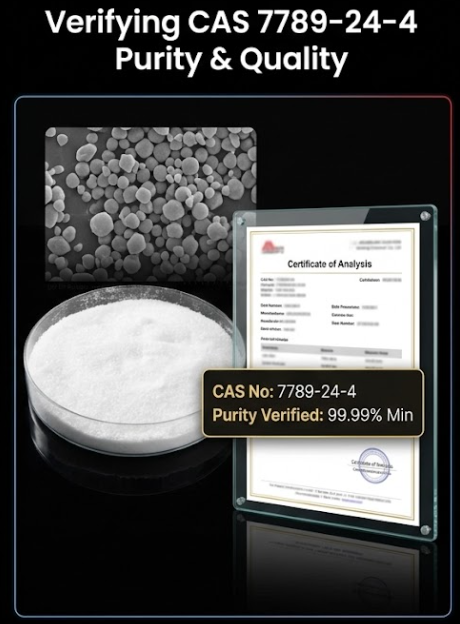
In regulated industries including pharmaceuticals, nuclear energy, semiconductor manufacturing, and food processing, the CAS number on a certificate of analysis and safety data sheet serves as the anchor that connects the physical material delivered to the documented safety assessment, regulatory approval, or registered formulation on file. For Lithium Fluoride with CAS 7789-24-4, this regulatory linkage is particularly consequential because LiF is classified under multiple international regulatory frameworks with different requirements depending on the jurisdiction and application.
Under the European Union's REACH regulation (Registration, Evaluation, Authorisation and Restriction of Chemicals), LiF (CAS 7789-24-4) is a registered substance with documented hazard classification including acute toxicity category 3 by ingestion (H301) and specific target organ toxicity. REACH compliance documentation referencing CAS 7789-24-4 allows EU-based importers and downstream users to verify that the material they are purchasing has a valid registration dossier covering its uses and hazard profile. Suppliers who cannot provide REACH-compliant documentation for CAS 7789-24-4 are effectively blocked from supplying European markets, making proper CAS identification a market access condition rather than an optional documentation practice.
In the United States, LiF (CAS 7789-24-4) is listed under TSCA (Toxic Substances Control Act) and is subject to reporting requirements under Section 313 of the Emergency Planning and Community Right-to-Know Act as a fluoride compound. Battery manufacturers, optical fabricators, and nuclear material processors must all reference the correct CAS number in their facility regulatory reporting to ensure that material inventory and release data are correctly associated with the appropriate substance regulatory record.
For purchasing organizations and quality management teams, CAS 7789-24-4 on a certificate of analysis is the first verification that the material received is genuinely lithium fluoride and not a substitute, adulterate, or incorrectly labeled compound. The commercial LiF market, particularly at the industrial grade level, is susceptible to substitution of lower-cost fluoride salts including sodium fluoride (CAS 7681-49-4), potassium fluoride (CAS 7789-23-3), or mixed alkali fluoride fluxes that may appear visually similar to LiF Powder but have significantly different chemical properties, melting points, and toxicity profiles.
A robust quality assurance protocol for Lithium Fluoride procurement specifies CAS 7789-24-4 as a required certificate of analysis field and cross-references it with analytical identity verification by X-ray fluorescence (XRF), ion chromatography, or ICP-OES to confirm that the received material's elemental composition is consistent with stoichiometric LiF. This verification is particularly important for High Purity Lithium Fluoride at Battery Grade and Optical Grade levels, where the economic consequences of receiving a mislabeled or adulterated material extend from production line downtime and batch rejection to equipment damage and safety incidents.
The CAS 7789-24-4 designation also enables buyers to efficiently access the full scientific literature on Lithium Fluoride properties, processing, and hazard management by using the CAS number as a search term in chemical databases including SciFinder, Reaxys, and the NIST WebBook, which catalog hundreds of peer-reviewed publications documenting LiF's thermal, optical, electrochemical, and toxicological properties. This literature access supports informed material qualification decisions, enables comparison of supplier-provided specification data against published reference values, and provides the safety data foundation for occupational exposure limit setting in facilities handling LiF Powder.
A credible Lithium Fluoride Manufacturer serving the Battery Grade, High Purity Lithium Fluoride, or Optical Grade Lithium Fluoride segments will provide a comprehensive documentation package for every shipment that includes the following CAS-referenced materials:
A Lithium Fluoride Supplier that provides complete, internally consistent documentation referenced to CAS 7789-24-4 demonstrates the manufacturing process control and quality management infrastructure needed to produce reliable, specification-compliant material. Suppliers who provide incomplete documentation, substitute undated or unverifiable certificates of analysis, or cannot provide method-referenced analytical data for individual impurity results should be disqualified from Battery Grade and Optical Grade LiF procurement regardless of their price competitiveness, as the downstream cost of specification failure far exceeds any savings achieved in the initial material purchase.
The CAS number for Lithium Fluoride is 7789-24-4. It serves as the globally recognized chemical identifier that links the physical material to its regulatory registration, hazard documentation, and published technical data. In procurement, specifying CAS 7789-24-4 ensures that suppliers provide authentic LiF rather than a chemically distinct fluoride compound, and enables cross-reference with regulatory databases under REACH, TSCA, and other frameworks that govern LiF use in Battery Grade and Optical Grade applications.
Battery Grade LiF requires a minimum purity of 99.9 percent LiF by mass, with individual transition metal impurities (Fe, Ni, Cu, Cr) each controlled below 5 to 10 ppm and moisture content below 50 ppm. These specifications are driven by the electrochemical sensitivity of lithium battery cells to iron contamination, which accelerates capacity fade, and to moisture, which generates hydrofluoric acid in the electrolyte. Premium solid-state battery applications may require even tighter limits, with moisture below 20 ppm and total transition metals below 5 ppm.
Optical Grade Lithium Fluoride is unique because it offers the broadest intrinsic transmission window of any commercially available optical crystal, spanning from approximately 0.12 micrometers in the vacuum ultraviolet to 6 micrometers in the mid-infrared. No other widely available optical material transmits vacuum ultraviolet radiation below 0.17 micrometers, making LiF crystals irreplaceable for synchrotron optics, UV spectroscopy, and deep UV lithography systems. Its Refractive Index of approximately 1.392 at 589 nm is among the lowest of any optical crystal, minimizing reflection losses in broadband optical systems.
In battery electrode and electrolyte formulations, LiF Powder with D50 in the 1 to 5 micrometer range and D90 below 10 micrometers produces the most uniform electrode coating layers, minimizing surface defects that generate local current density variations during cell cycling. Coarser particle distributions create surface protrusions in the electrode coating that can pierce separator films and cause internal short circuits, while very fine distributions below 0.5 micrometers D50 can agglomerate and create equivalent coating non-uniformities. Tight Particle Size Distribution (D50/D90) control is therefore as critical as chemical purity for Battery Grade LiF qualification.
Lithium Fluoride is a primary component of the fluoride salt mixtures used in Molten Salt Reactor designs because it combines a low melting point (848°C for pure LiF, reduced further in eutectic salt mixtures), excellent thermal stability at reactor operating temperatures, low neutron absorption cross section for 7Li-enriched material, and good chemical compatibility with the nickel alloy structural materials used in reactor primary circuits. MSR-grade LiF must be enriched to greater than 99.95 percent 7Li to minimize tritium production from neutron capture by 6Li, a requirement that distinguishes nuclear-grade LiF from all other commercial Lithium Fluoride grades.
Lithium Fluoride has a water solubility of approximately 0.27 grams per 100 mL at 25°C, making it among the least water-soluble of the common alkali metal fluorides. This low Water Solubility is relevant in aqueous processing applications such as ceramic glaze slurry preparation, where it limits the dissolution of LiF and means that highly soluble impurities present in the LiF Powder will preferentially dissolve and distribute disproportionately in the aqueous phase. For dry processing applications in battery manufacturing, the low Water Solubility also means that surface moisture on LiF particles does not represent a significant ionic contamination risk compared to more soluble fluoride salts.
High Purity Lithium Fluoride, particularly Battery Grade and Optical Grade material, must be stored in sealed moisture-barrier packaging under dry conditions to prevent moisture absorption that would violate the Moisture Content specification. Recommended storage conditions are below 25°C ambient temperature, relative humidity below 40 percent, in sealed polyethylene or laminated foil bags with desiccant sachets. Direct contact with metals other than stainless steel or polyethylene should be avoided to prevent metallic contamination. Once opened, containers of High Purity LiF should be resealed immediately after use and consumed within the timeframe specified on the certificate of analysis to ensure compliance with the moisture and impurity specifications under which the material was tested.
The primary analytical method for certifying Low Impurity Content in High Purity Lithium Fluoride is Inductively Coupled Plasma Mass Spectrometry (ICP-MS), which provides detection limits in the sub-ppb range for most transition metals, rare earths, and heavy metals. ICP-Optical Emission Spectrometry (ICP-OES) is used for higher-concentration impurity measurements and matrix elements. Moisture Content is determined by Karl Fischer titration, which measures water content to 1 ppm sensitivity. Particle Size Distribution (D50/D90) is characterized by laser diffraction particle size analysis. X-ray fluorescence (XRF) provides a rapid non-destructive identity and semi-quantitative purity check. Reputable Lithium Fluoride Manufacturers reference the specific method used for each reported value in the Certificate of Analysis.
Copyright © 2023 Nantong Jinxing Fluorides Chemical Co., Ltd. All Rights Reserved.
 Custom Fluorine Chemical Suppliers