

 English
 中文简体
中文简体 Español
Home / News / Industry News / Why is Ammonium Fluorotitanate Gaining Recognition in High-Precision Chemical Engineering?
In the intricate landscape of inorganic salts, Ammonium Fluorotitanate, also known as diammonium hexafluorotitanate, stands out as a critical intermediate. This compound, primarily characterized by its white crystals, serves as a foundational pillar for various industrial and analytical processes. But what exactly are the properties that make this specific fluorosilicate relative so versatile in modern laboratories and factories?
The production of high-purity Ammonium Fluorotitanate involves the reaction of hydrofluoric acid with titanium-bearing sources in the presence of ammonium ions. The resulting white crystals are highly valued for their specific reactivity and their role as a precursor to more complex titanium-based materials. By focusing on the intrinsic Ammonium Fluorotitanate properties, industries can leverage its unique chemical behavior to achieve results that other halides cannot provide.
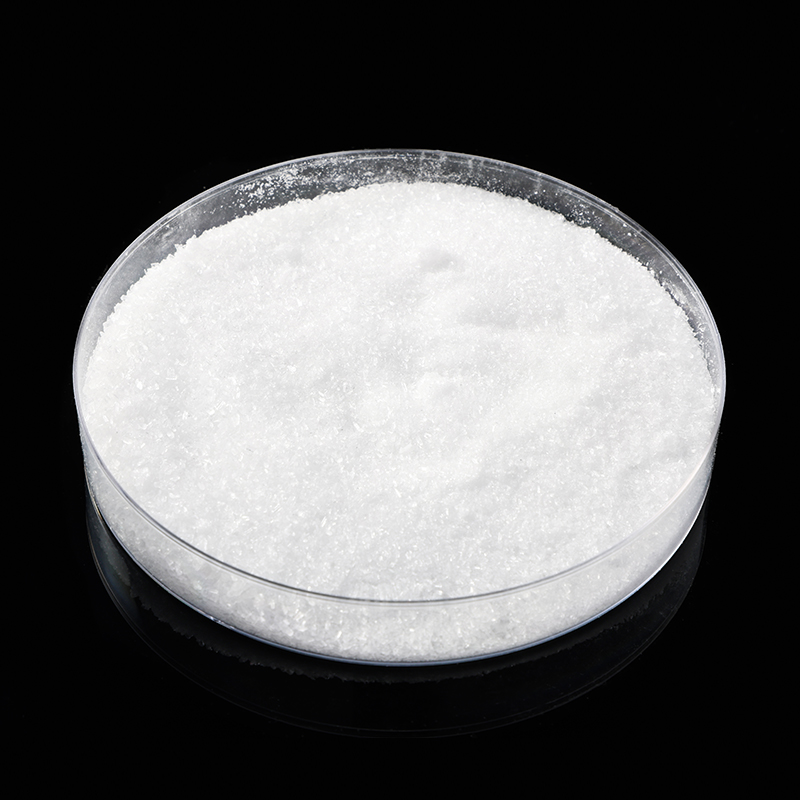
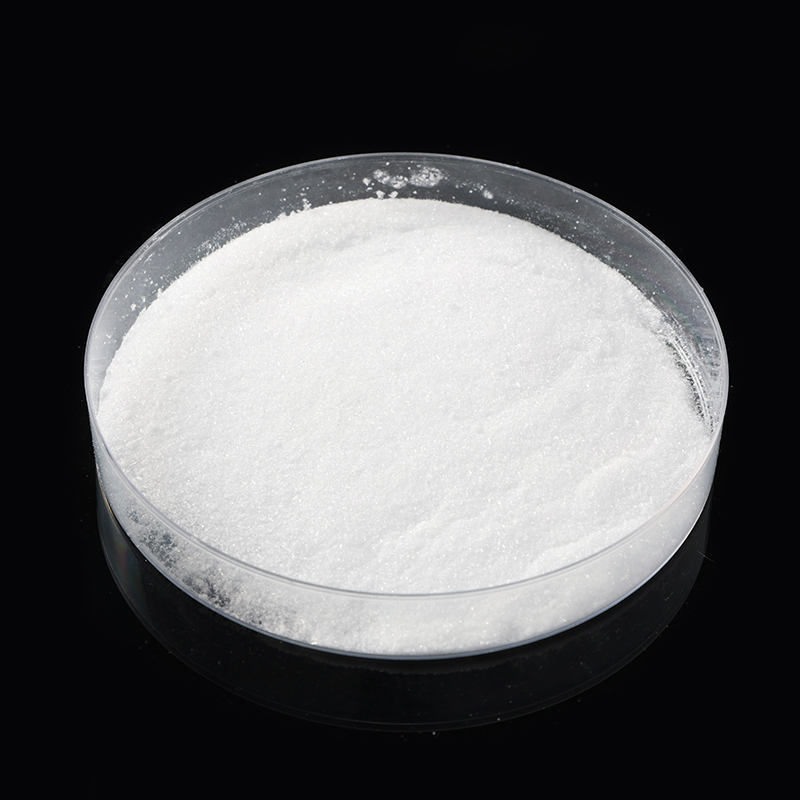
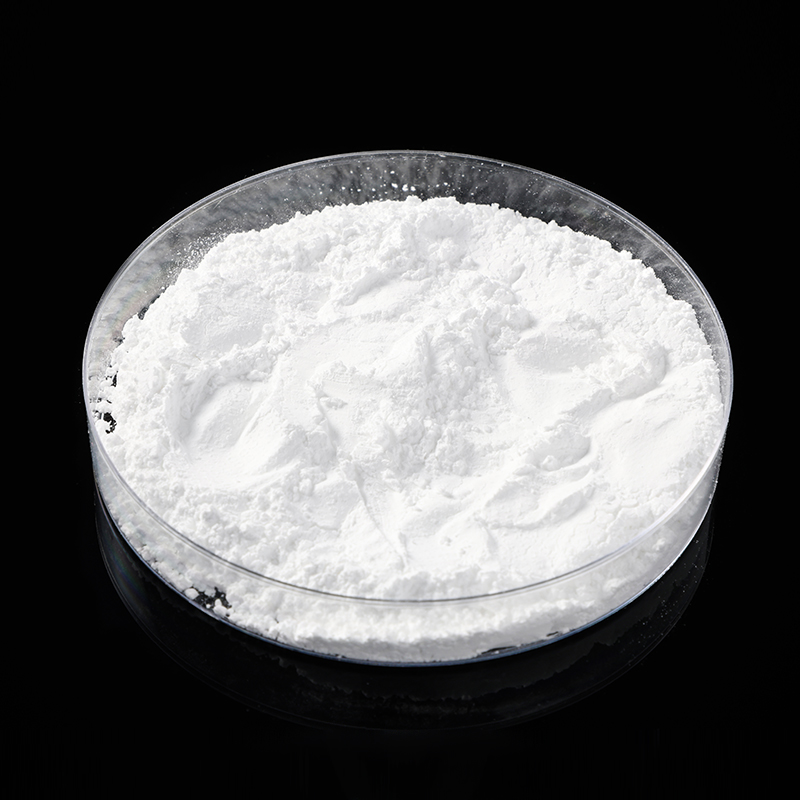
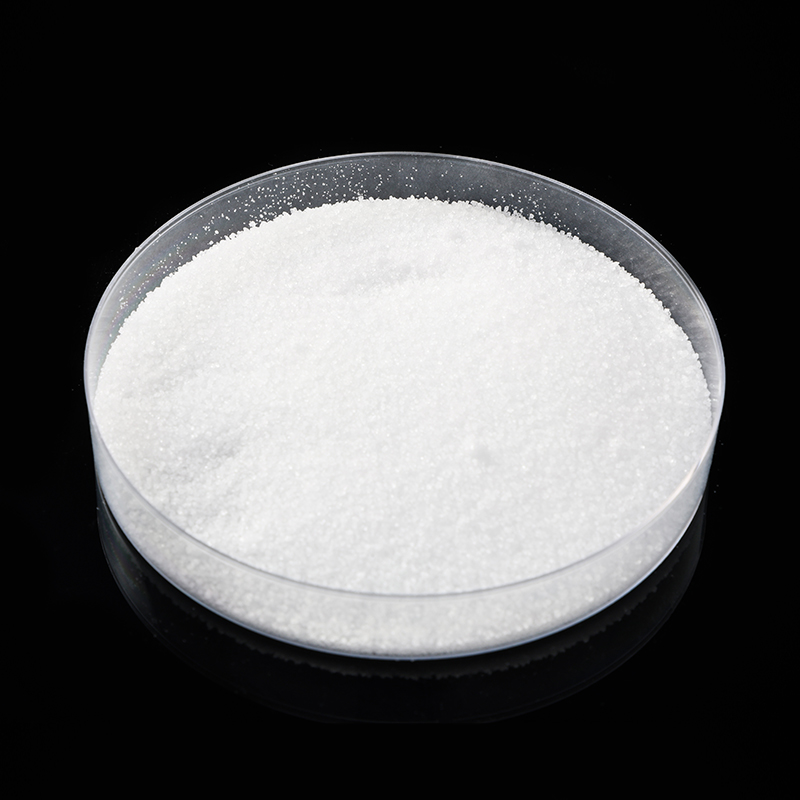
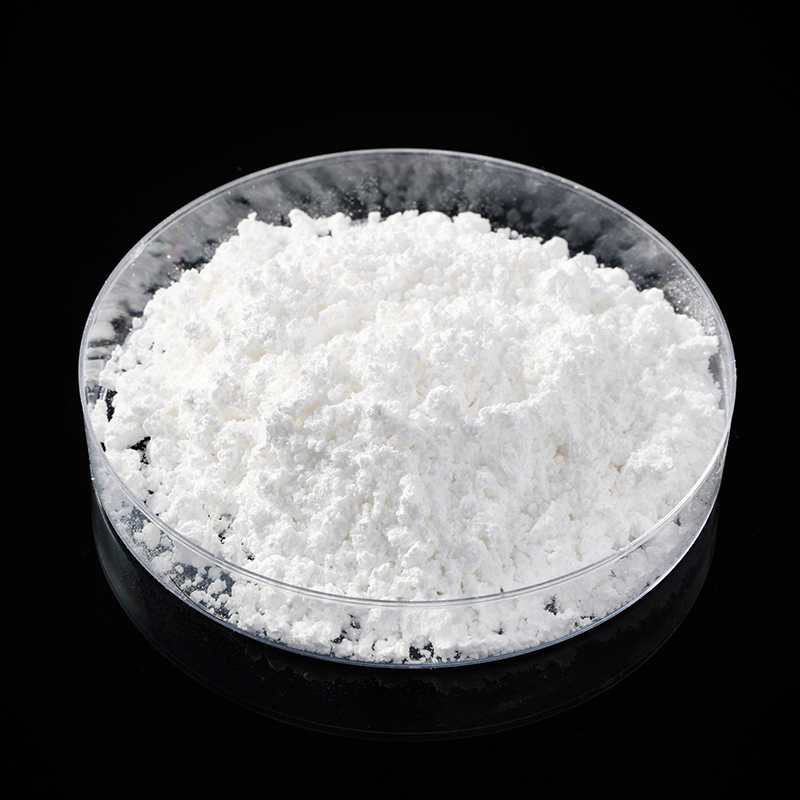
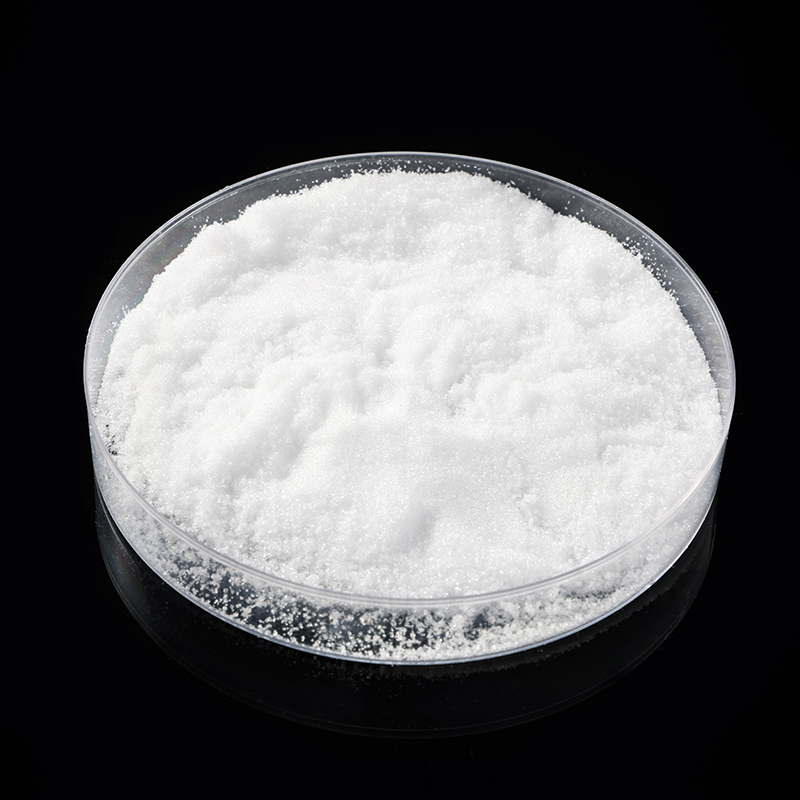
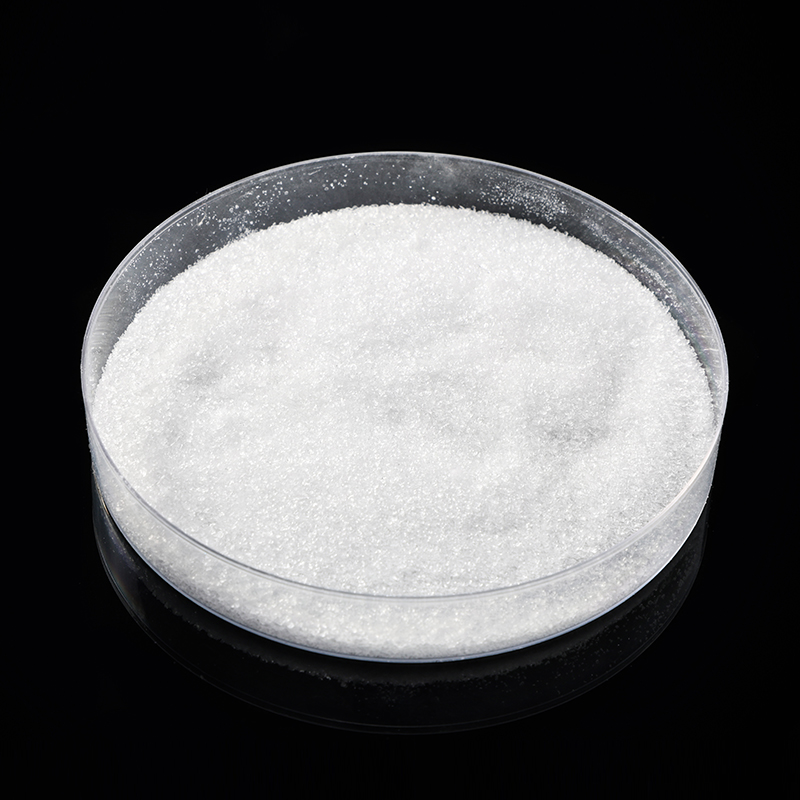
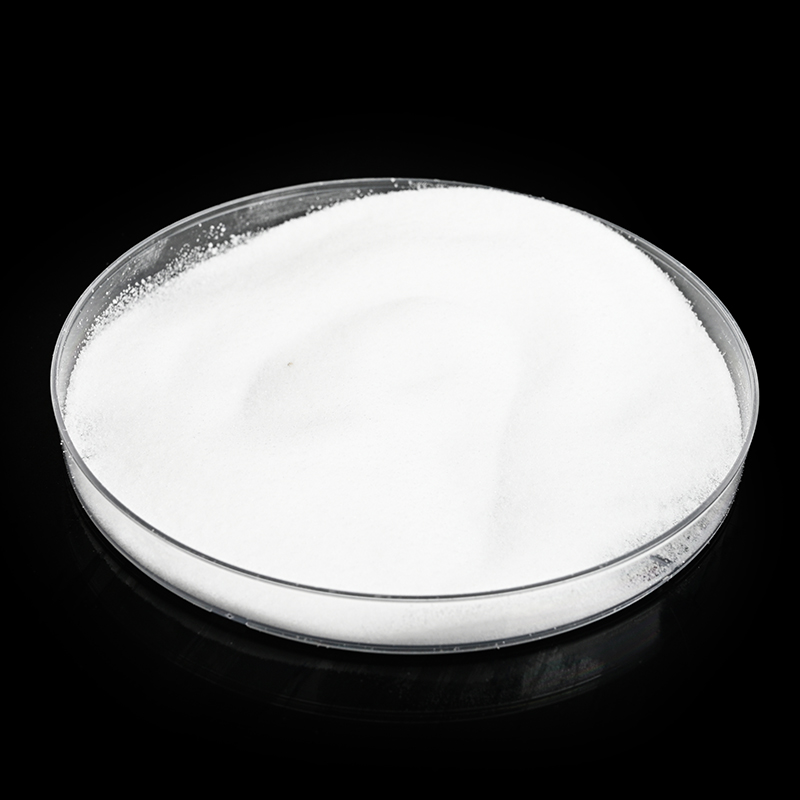
To understand its industrial value, one must first examine the physical state of the substance. Why is the form of white crystals significant for its application? These crystals represent a high degree of purity and structural consistency, which is vital for use as analytical reagents.
One of the most defining characteristics of this compound is its solubility profile. Why is it described as being slightly soluble in water and inorganic acids? This limited solubility allows for controlled precipitation and reaction rates in aqueous environments, which is essential when it is used as a synthetic raw material.
Below is a concise technical specification table for Ammonium Fluorotitanate:
|
Property |
Specification/Value |
|---|---|
|
Appearance |
White Crystals |
|
Chemical Formula |
(NH4)2TiF6 |
|
Molecular Weight |
197.93 g/mol |
|
Solubility |
Slightly soluble in water; slightly soluble in inorganic acids |
|
Density |
2.4 g/cm³ |
|
Stability |
Stable under normal temperature and pressure |
|
Storage Requirements |
Sealed, cool, and dry environment |
How does the molecular weight influence its performance as a reagent? The precise stoichiometry of the ammonium and fluorine components makes it an ideal source for introducing titanium into chemical systems without the interference of heavy metal contaminants.
The primary industrial "claim to fame" for this compound lies in its role in titanium metallurgy. How is it utilized in the manufacture of titanic acid and titanium metal?
Production of Titanic Acid: When Ammonium Fluorotitanate undergoes controlled hydrolysis or reaction with bases, it serves as a high-purity precursor for titanic acid. This is a critical step for producing high-grade titanium dioxide pigments and photocatalysts.
Titanium Metal Synthesis: Is it possible to extract pure metal from these white crystals? Yes, through thermal decomposition or reduction processes, Ammonium Fluorotitanate acts as an intermediate that bypasses some of the more energy-intensive steps associated with traditional titanium ore processing.
Because the compound is slightly soluble in water and inorganic acids, researchers can fine-tune the concentration of titanium ions in a solution, ensuring that the resulting metal or acid has a uniform particle size and minimal structural defects.
In the laboratory setting, accuracy is everything. Why is this compound frequently listed among essential analytical reagents?
Its role in analytical chemistry is often centered on the detection and quantification of other elements. Due to its stable crystal structure and predictable reactivity, it can be used to standardize fluoride ion electrodes or to act as a masking agent in complexometric titrations. Furthermore, the fact that it exists as stable white crystals makes it easy to weigh and handle with high precision, reducing the margin of error in sensitive chemical assays.
Surface treatment is a massive industry, particularly in aerospace and automotive sectors. How does Ammonium Fluorotitanate function as an anti-corrosive cleaning agent?
When metal surfaces, particularly aluminum or magnesium alloys, require cleaning and preparation, a solution containing this fluorotitanate is often applied.
Etching and Cleaning: The fluoride ions help remove tough oxide layers that resist standard cleaners.
Passivation: Is there a protective benefit? Yes. The titanium ions can form a thin, microscopic layer of titanium oxide on the metal surface, which acts as a conversion coating. This coating provides excellent adhesion for subsequent paint layers and serves as a primary defense against environmental corrosion.
By using a compound that is slightly soluble in water, manufacturers can create cleaning baths that maintain a steady, low-level concentration of active ions, preventing the over-etching of delicate metal parts.
The aesthetics and durability of household and industrial materials often depend on subtle chemical additives. How is Ammonium Fluorotitanate used in the production of ceramics and glass?
In the ceramics industry, it serves as an opacifier and a flux.
Opacification: It helps create a dense, white, or colored finish in glazes by influencing the light-scattering properties of the ceramic surface.
Structural Integrity: During the firing process, it helps in the formation of specific mineral phases that increase the mechanical strength of the ceramic body.
In the glass industry, the addition of titanium via fluorotitanate salts alters the refractive index and the UV-absorption capabilities of the glass. Why choose Ammonium Fluorotitanate over other titanium sources? Its ability to integrate into the glass melt at specific temperatures without introducing unwanted color tints makes it a premium choice for specialized optical glass and high-end glassware.
One might ask: is the fact that it is slightly soluble in water and inorganic acids a hindrance or a help? In many industrial workflows, high solubility leads to rapid, often uncontrollable reactions.
The moderated solubility of Ammonium Fluorotitanate ensures that:
Waste Management: It is easier to recover and precipitate the compound from industrial wastewater compared to highly soluble salts.
Safety: The risk of sudden, exothermic reactions in acidic cleaning tanks is significantly reduced.
Consistency: In the manufacture of titanic acid, a slow release of ions leads to better crystal growth and a more "perfect" final product.
Beyond the specific uses mentioned, the compound serves as a "building block" in the broader chemical synthesis industry. As a synthetic raw material, it is used to create:
Titanium-based Catalysts: Essential for the polymerization of plastics.
Fluorinated Intermediates: Used in the pharmaceutical and agrochemical industries.
Specialty Nano-materials: Where the titanium-fluorine bond is exploited to create unique molecular geometries.
The transition from white crystals to high-value industrial products highlights the compound's importance in the global chemical supply chain.
Given its chemical nature, how should one manage Ammonium Fluorotitanate products? While it is stable, its status as a fluoride-containing salt requires respect.
Is it sensitive to the environment? While not as deliquescent as some salts, it should be kept in a dry area to prevent the caking of the white crystals. Because it is slightly soluble in inorganic acids, it should be stored away from strong acid fumes to prevent accidental dissolution or the release of hydrogen fluoride gas. Ensuring proper ventilation and using appropriate personal protective equipment (PPE) are standard requirements for any facility involved in the usage of this versatile chemical.
When compared to the traditional Kroll process or other chloride-based methods, does the fluoride route offer advantages? By using Ammonium Fluorotitanate as a synthetic raw material, researchers are exploring lower-temperature pathways to titanium metal.
This method potentially reduces the carbon footprint and energy consumption of metal production. The ability to start with a purified, crystalline precursor like these white crystals ensures that the final titanium metal meets the exacting standards required for medical implants, aerospace components, and high-performance racing gear.
As we look at the requirements for next-generation materials, the usage of specialized fluxes and opacifiers remains critical. Can this compound solve the challenges of high-temperature ceramic superconductivity or advanced thermal barriers?
By acting as both a solvent and a reactant in the ceramic matrix, Ammonium Fluorotitanate continues to be at the forefront of material science research. Its role in the production of ceramics and glass is not just about the current state of the art, but about enabling the formulas of the future.
Copyright © 2023 Nantong Jinxing Fluorides Chemical Co., Ltd. All Rights Reserved.
 Custom Fluorine Chemical Suppliers