

 English
 中文简体
中文简体 Español
Home / News / Industry News / How Does Ammonium Fluorotitanate Drive Innovation in Chemical Synthesis and Metal Treatment?
In the specialized field of inorganic fluorides, Ammonium Fluorotitanate (also known as Ammonium Hexafluorotitanate) is recognized as a pivotal chemical compound. Characterized by its stable crystalline form and unique reactivity, this product serves as a cornerstone for several high-tech manufacturing processes. From its role as an analytical reagent to its participation in the manufacture of titanium metal, the versatility of Ammonium Fluorotitanate is unmatched. Understanding the specific properties and diverse usages of this white crystal allows industrial chemists to optimize their production lines for ceramics, glass, and anti-corrosive treatments.
The effectiveness of any chemical application begins with a deep understanding of the substance's physical state and its behavior in different solvents. What defines the chemical profile of Ammonium Fluorotitanate?
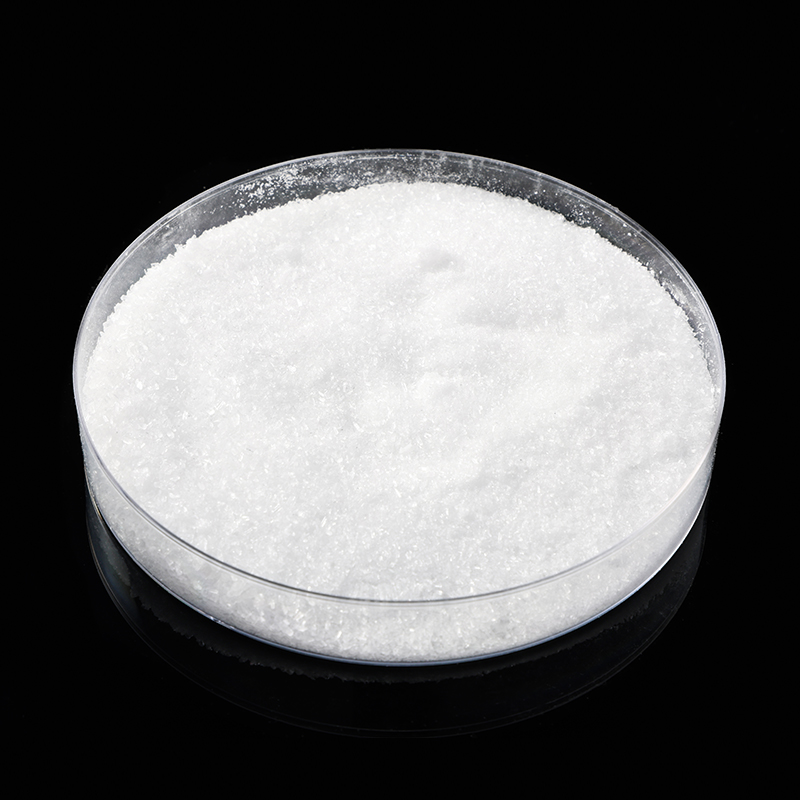
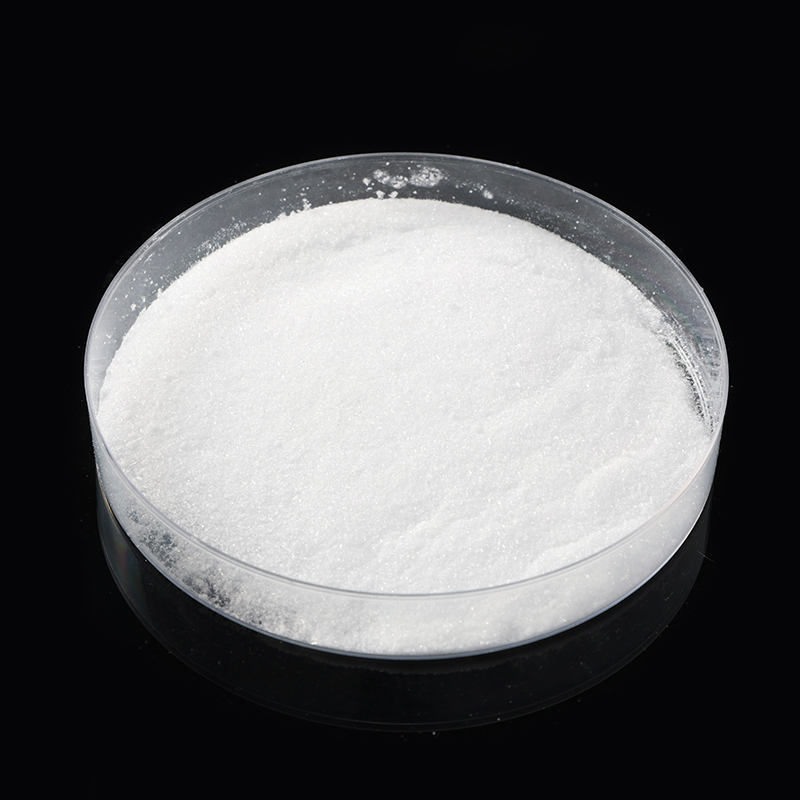
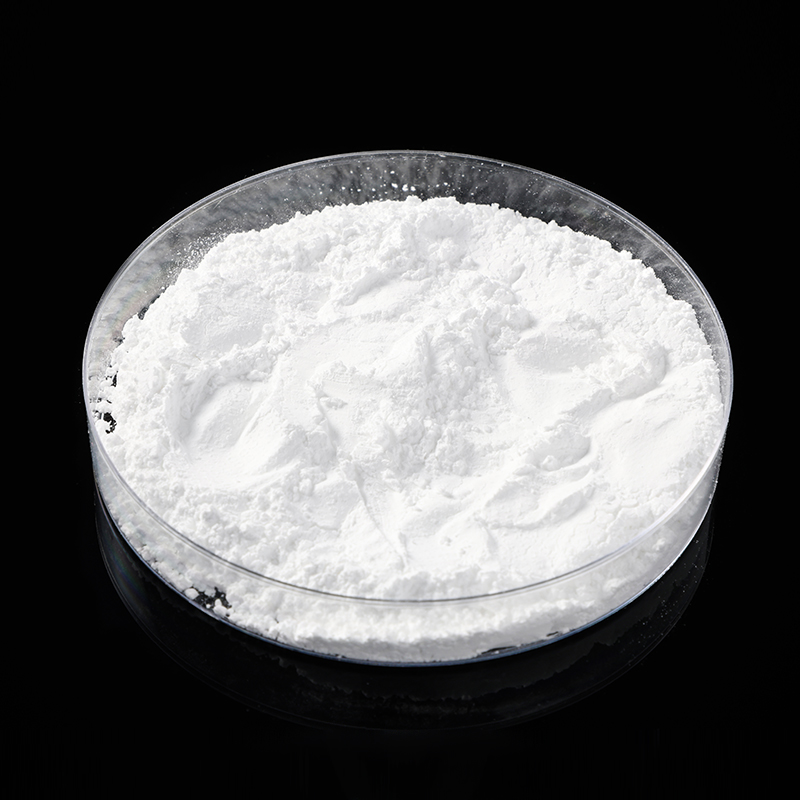
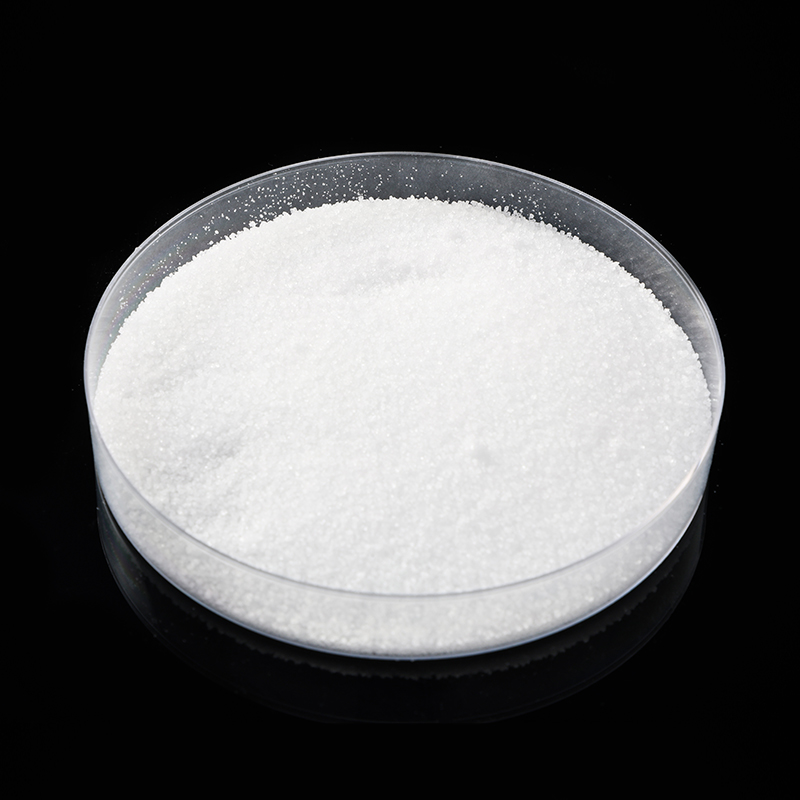
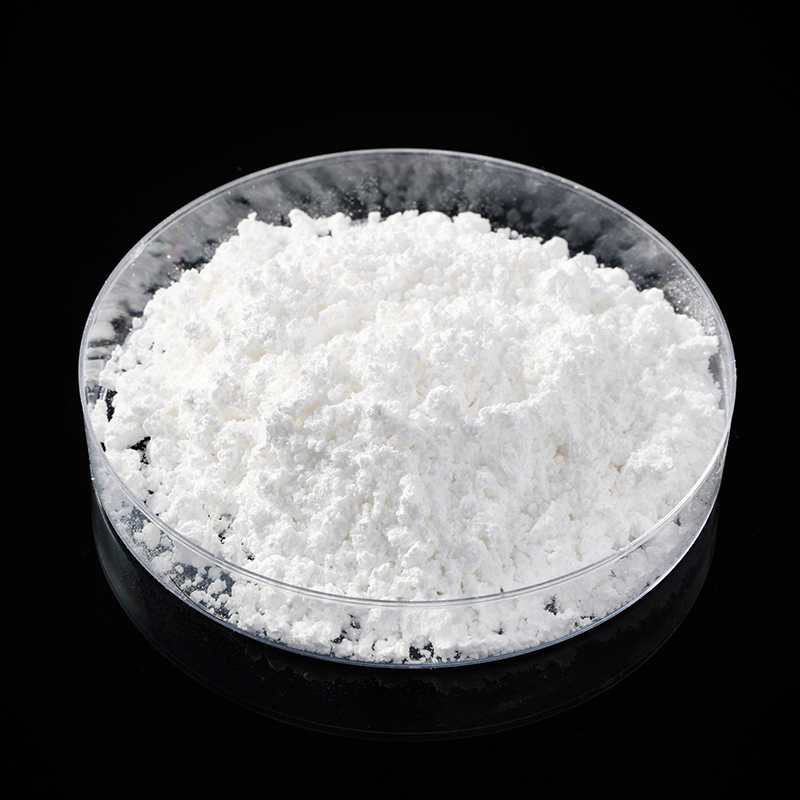
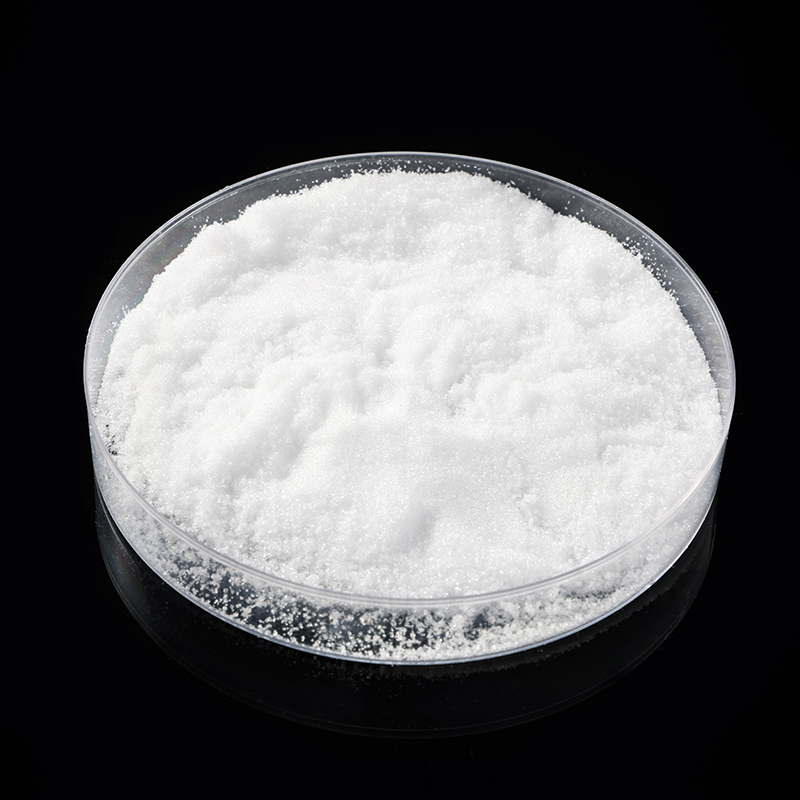
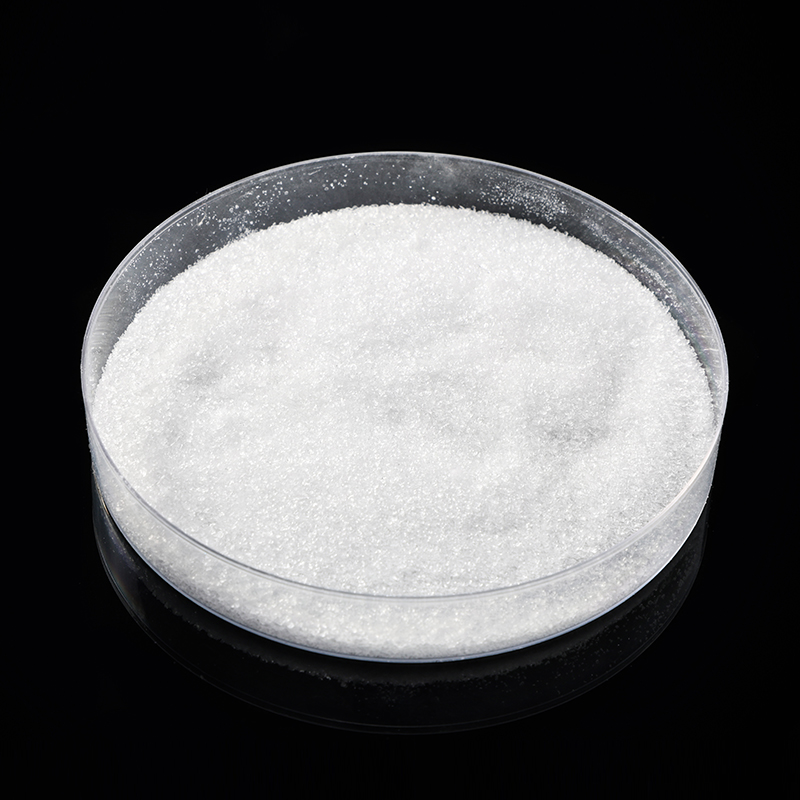
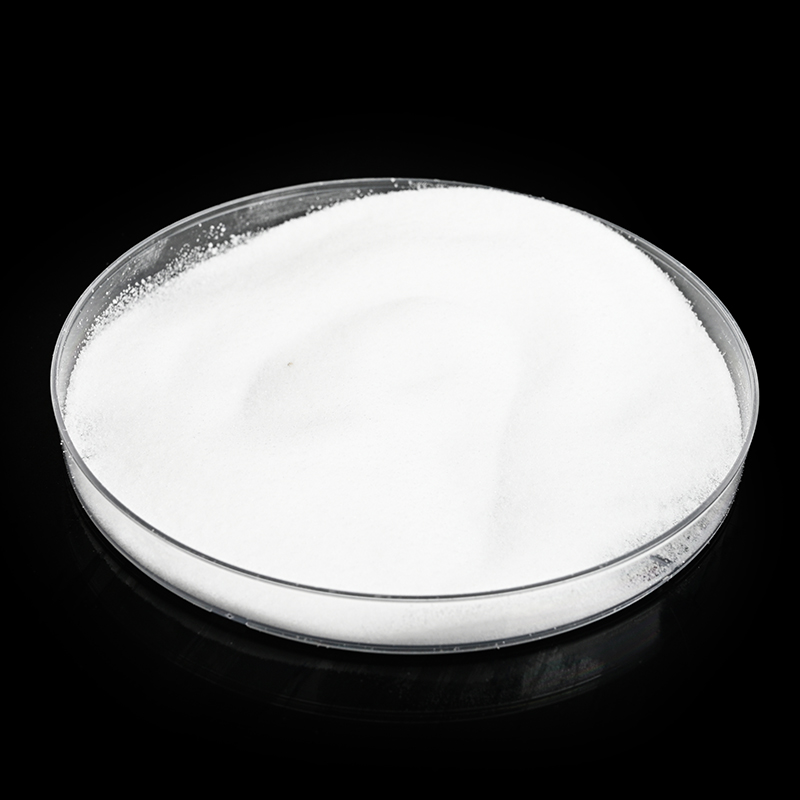
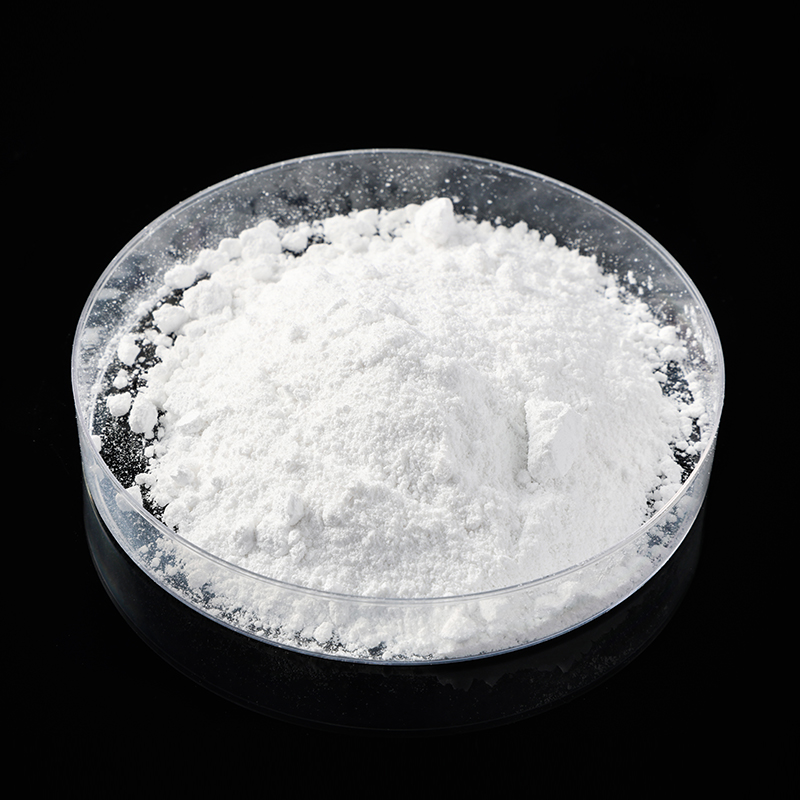
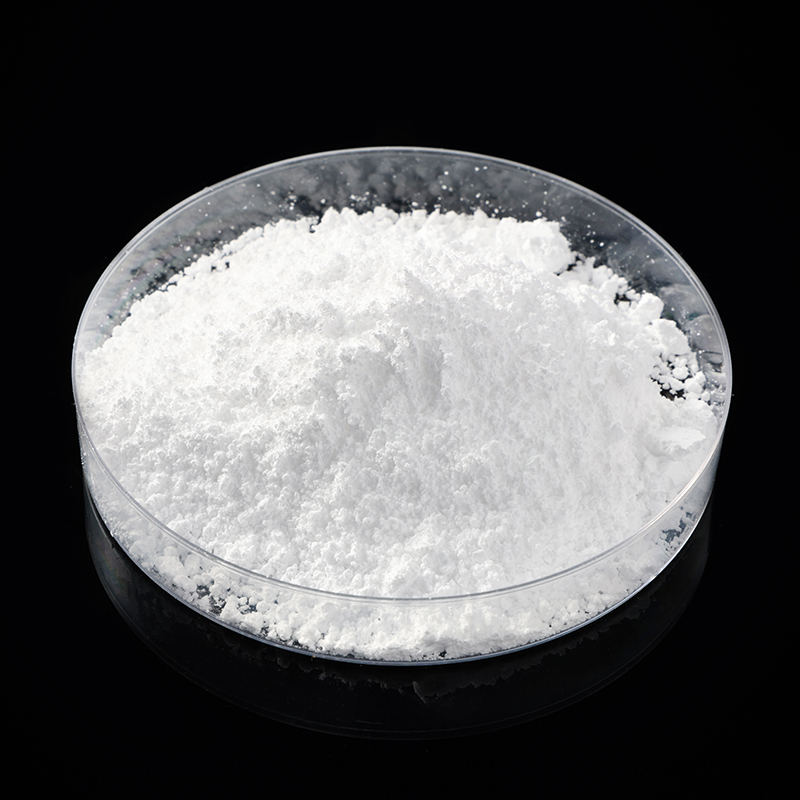
Is the appearance of Ammonium Fluorotitanate consistent in industrial grades? Generally, Ammonium Fluorotitanate is produced as high-purity white crystals. These crystals are stable under standard atmospheric conditions, making them easy to store and handle compared to more volatile titanium precursors. The crystalline structure ensures a consistent surface area, which is vital when the compound is used as a synthetic raw material in precision chemical reactions.
How does its solubility impact its use in liquid formulations? One of the defining Ammonium Fluorotitanate properties is its solubility. It is slightly soluble in water and inorganic acids. This limited solubility is actually an advantage in certain metallurgical processes where a slow, controlled release of titanium or fluoride ions is required. Because it does not dissolve instantly, it can be used in aqueous environments where researchers need to maintain a specific concentration gradient over time.
The chemical industry relies on "building block" molecules to create more complex substances. How does this compound facilitate the creation of other titanium-based products?
Can it be used in the manufacture of titanic acid? Yes, Ammonium Fluorotitanate is a primary precursor in the manufacture of titanic acid. Through controlled hydrolysis and precipitation processes, the titanium content within the ammonium salt is converted into titanic acid, which is then used in the production of pigments, catalysts, and specialized coatings. The purity of the initial white crystals directly dictates the quality of the resulting acid.
What is its role in the manufacture of titanium metal? In advanced metallurgy, Ammonium Fluorotitanate serves as a vital component in the electrolytic or thermal reduction processes used for the manufacture of titanium metal. By providing a stable source of titanium in a fluoride-rich environment, it helps lower the energy requirements for metal extraction and ensures that the final titanium metal has the desired grain structure and purity levels required for aerospace and medical applications.
The silicate industries (ceramics and glass) have long utilized fluorotitanates to alter the refractive and structural properties of their products. How is Ammonium Fluorotitanate applied here?
Does it act as an opacifier or a flux in ceramics? In the production of ceramics, Ammonium Fluorotitanate is often utilized to refine the glaze and the body of the ceramic. It can act as a flux, lowering the melting point of the mixture, or as a stabilizing agent that ensures the ceramic surface remains resistant to chemical etching. Its presence helps in achieving a specific level of whiteness and hardness in high-end porcelain and technical ceramics.
How does it modify the properties of specialized glass? When added to glass melts, this compound influences the refractive index and the UV-absorption capabilities of the glass. In the manufacture of optical glass or glass used in electronic displays, Ammonium Fluorotitanate ensures clarity while providing the necessary chemical resistance to environmental stressors. It is also used in the frosting or etching process of glass surfaces to create decorative or functional matte finishes.
Surface treatment is a massive sector where chemical precision is non-negotiable. Why is this specific fluoride salt used for cleaning metals?
Can it effectively remove oxides from metal surfaces? As an anti-corrosive cleaning agent, Ammonium Fluorotitanate is highly effective at removing scale, oxides, and surface impurities from aluminum and magnesium alloys. Unlike harsher acids that might damage the base metal, the fluorotitanate solution provides a controlled etching environment. This prepares the metal surface for subsequent painting, coating, or anodizing.
Does it provide a protective layer after cleaning? Beyond simple cleaning, it is often used in "conversion coating" processes. The titanium ions can react with the metal surface to form a thin, microscopic layer of titanium oxide/fluoride. This layer acts as a primer that significantly improves the adhesion of paints and provides an extra level of protection against atmospheric corrosion, extending the lifespan of the metal component.
|
Technical Aspect |
Detail / Specification |
|---|---|
|
Chemical Form |
White Crystalline Powder |
|
Solubility |
Slightly soluble in |
|
Primary Category |
Inorganic Fluoride / Titanium Salt |
|
Synthesis Usage |
Manufacture of Titanic Acid & Titanium Metal |
|
Industrial Role |
Anti-corrosive Cleaning & Surface Treatment |
|
Material Science |
Production of Ceramics and Glass |
|
Lab Application |
High-purity Analytical Reagents |
Accuracy in the lab requires chemicals with predictable behavior and high purity. How does Ammonium Fluorotitanate perform in a research setting?
How is it utilized in quantitative chemical analysis? Researchers use Ammonium Fluorotitanate as one of their primary analytical reagents when testing for the presence of other metals or when calibrating equipment for fluoride detection. Because it can be produced to very high purity standards, it serves as a reliable reference material in complex gravimetric and volumetric analyses.
Is it useful for school and industrial laboratory experiments? Due to its stability, it is a preferred titanium source for educational chemical experiments and industrial R&D. It allows students and researchers to study the properties of titanium and fluorine without the extreme hazards associated with liquid titanium tetrachloride or hydrofluoric acid.
The structural integrity of non-ferrous alloys is often dependent on the "grain size" of the metal. How does this compound contribute to this field?
Can it improve the grain structure of aluminum alloys? While often used alongside other salts, Ammonium Fluorotitanate is involved in the grain refinement of aluminum and magnesium. By introducing titanium into the melt in a soluble fluoride form, it promotes the formation of a fine, equiaxed grain structure during solidification. This results in a finished metal product with superior mechanical properties, such as increased tensile strength and better resistance to cracking.
Why is it used in the preparation of aluminum-titanium master alloys? It serves as a key raw material for the production of master alloys. These alloys are then added in small amounts to larger batches of molten aluminum to precisely control the titanium content. Using the fluorotitanate salt ensures that the titanium is distributed evenly throughout the master alloy, preventing the formation of large, brittle intermetallic compounds.
Given that it is a fluoride-based compound, safety and storage are paramount. What are the best practices for managing these white crystals?
Is the storage of Ammonium Fluorotitanate sensitive to moisture? Because it is slightly soluble in water, it should be stored in a cool, dry, and well-ventilated area. Keeping the white crystals in tightly sealed containers prevents them from absorbing atmospheric moisture, which could lead to clumping or a reduction in the purity of the synthetic raw materials.
What precautions are necessary during the cleaning agent application? When used as an anti-corrosive cleaning agent in an industrial spray or dip tank, appropriate personal protective equipment (PPE) is required. Even though it is "slightly soluble," the fluoride ions in the solution remain active. Proper ventilation ensures that any vapors generated during the heating of cleaning baths are safely removed from the workspace.
In the world of organic chemistry and polymer science, titanium catalysts are essential. How does this compound fit into that puzzle?
Can it be a precursor for heterogeneous catalysts? Many industrial catalysts require a high-surface-area titanium support. By using Ammonium Fluorotitanate to manufacture titanic acid or titanium dioxide through specific precipitation routes, chemists can control the porosity and surface chemistry of the catalyst support. This level of control is vital for catalysts used in the production of plastics and specialized synthetic fibers.
Why is it preferred over other titanium salts for certain syntheses? Compared to titanium sulfates or chlorides, the ammonium fluorotitanate route often results in fewer impurities like sulfur or chlorine in the final product. For high-performance synthetic raw materials, the absence of these "catalyst poisons" is crucial for maintaining the efficiency of the chemical reaction.
As industries move towards more sustainable and precise manufacturing, the demand for specialized titanium precursors continues.
Will its use in the production of ceramics continue to grow? With the increasing demand for "smart" ceramics and high-strength porcelain in the electronics and dental industries, the role of Ammonium Fluorotitanate as a refining agent and flux remains critical. Its ability to provide consistent results in the manufacture of ceramics makes it a staple in the inventory of modern material scientists.
How does it support the transition to lighter metal components? As the automotive and aerospace sectors seek to reduce weight by using more titanium and high-strength aluminum alloys, the chemicals used in the manufacture of titanium metal and the cleaning of these alloys become more important. Ammonium Fluorotitanate provides the chemical foundation for these lighter, stronger, and more corrosion-resistant components, ensuring they meet the rigorous standards of modern engineering.
Copyright © 2023 Nantong Jinxing Fluorides Chemical Co., Ltd. All Rights Reserved.
 Custom Fluorine Chemical Suppliers