

 English
 中文简体
中文简体 Español
Home / News / Industry News / What Are the Essential Properties and Applications of Ammonium Bifluoride?
Ammonium Bifluoride is a versatile inorganic compound that plays a critical role in various high-precision industrial processes. Known for its distinct chemical behavior, this substance is widely utilized in sectors ranging from metallurgical surface treatment to glass craftsmanship. Understanding the fundamental characteristics of Ammonium Bifluoride is essential for industries that require reliable etching agents and bacterial inhibitors.
The physical manifestation of Ammonium Bifluoride is one of its most recognizable traits. But what specific structural details define this chemical?
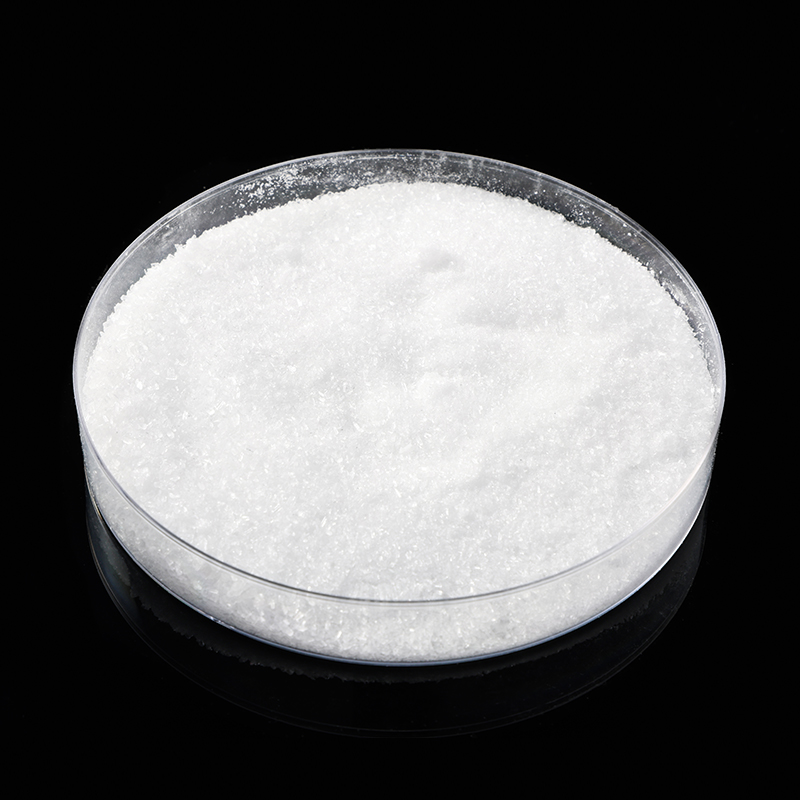
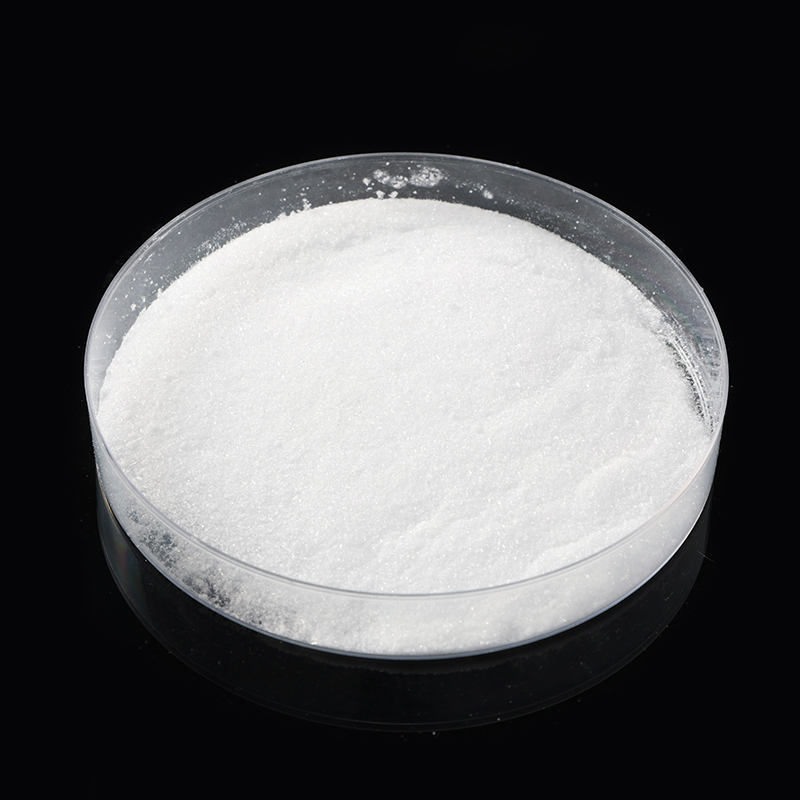
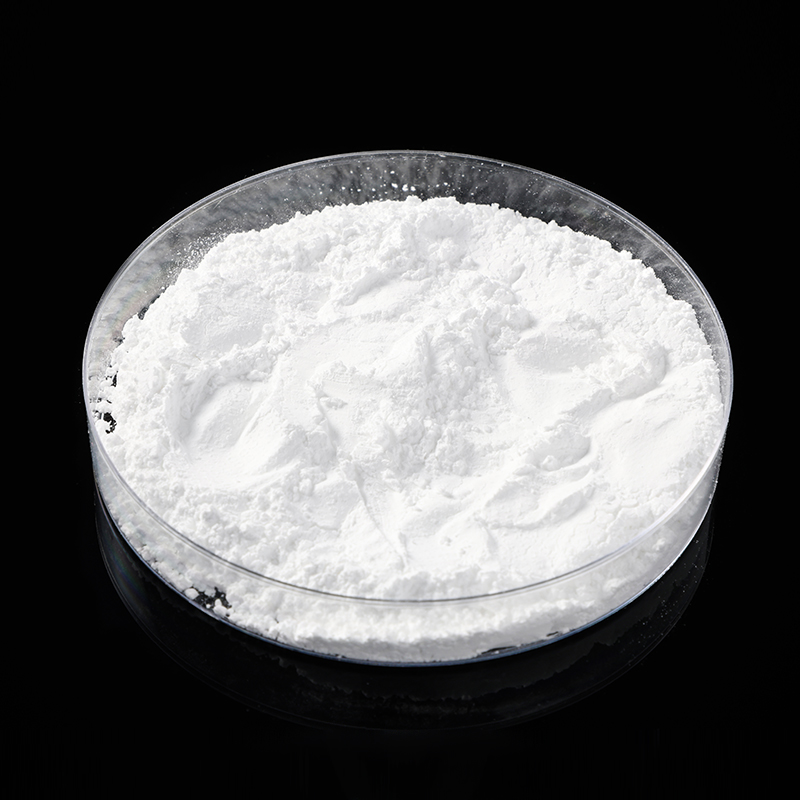
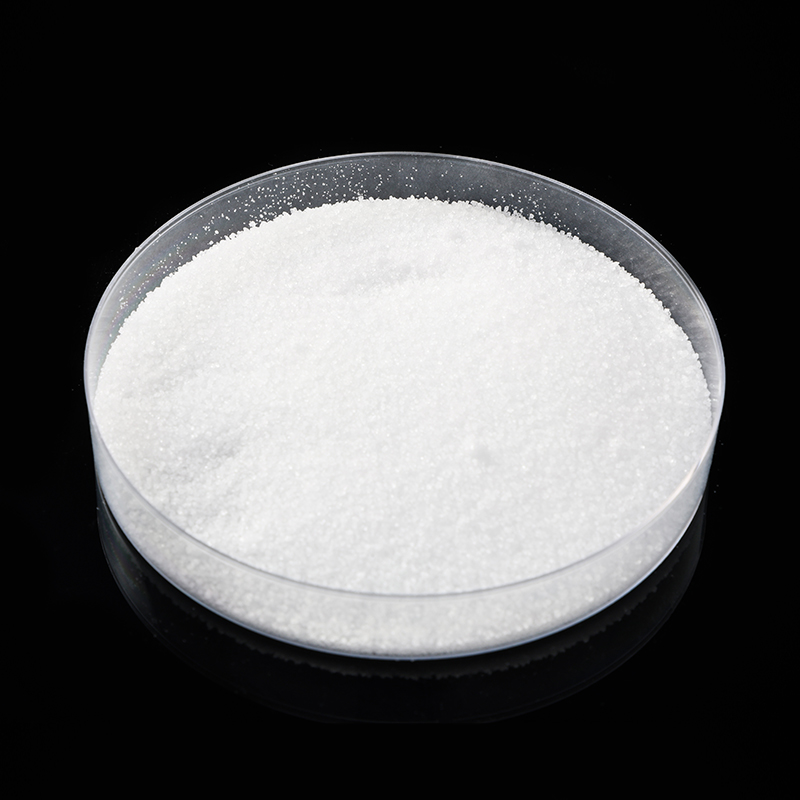
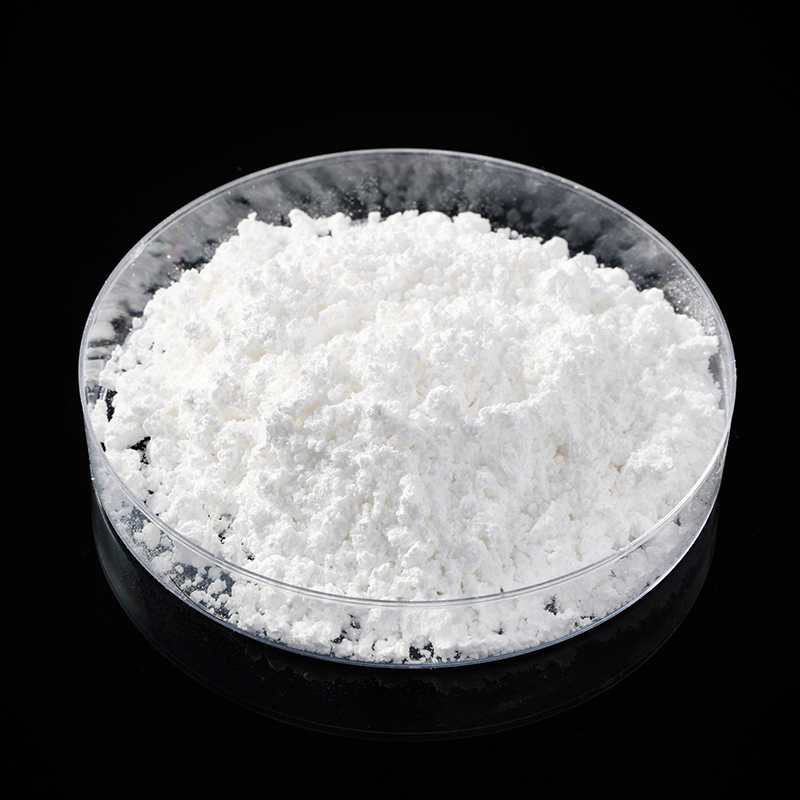
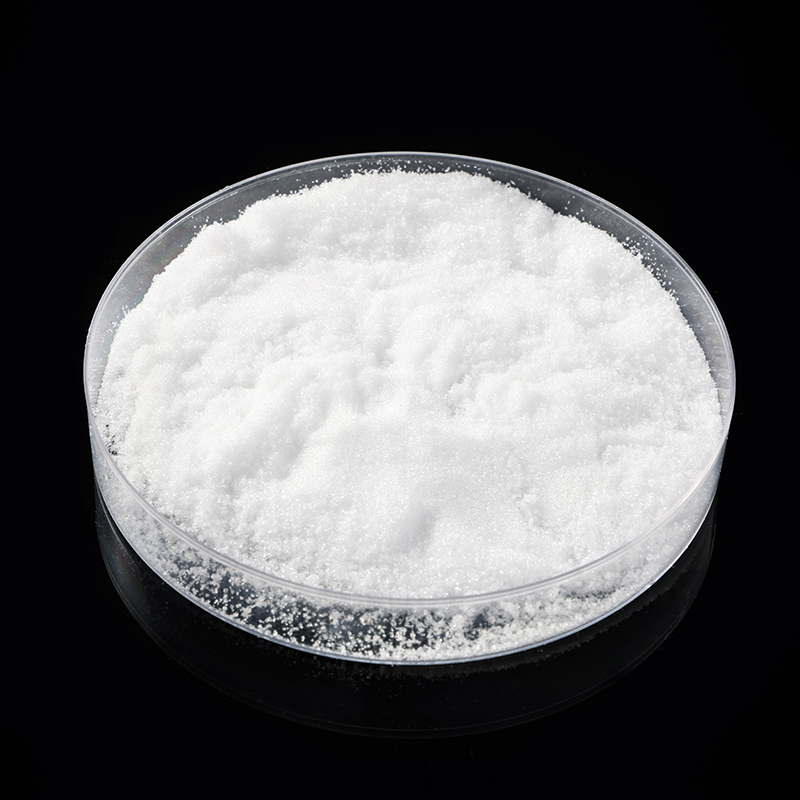
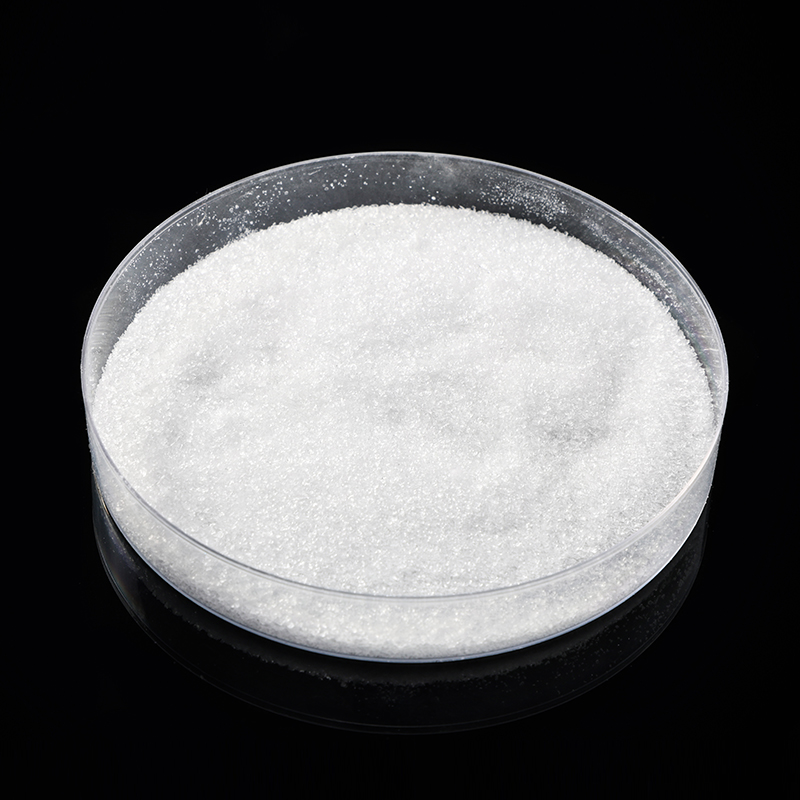
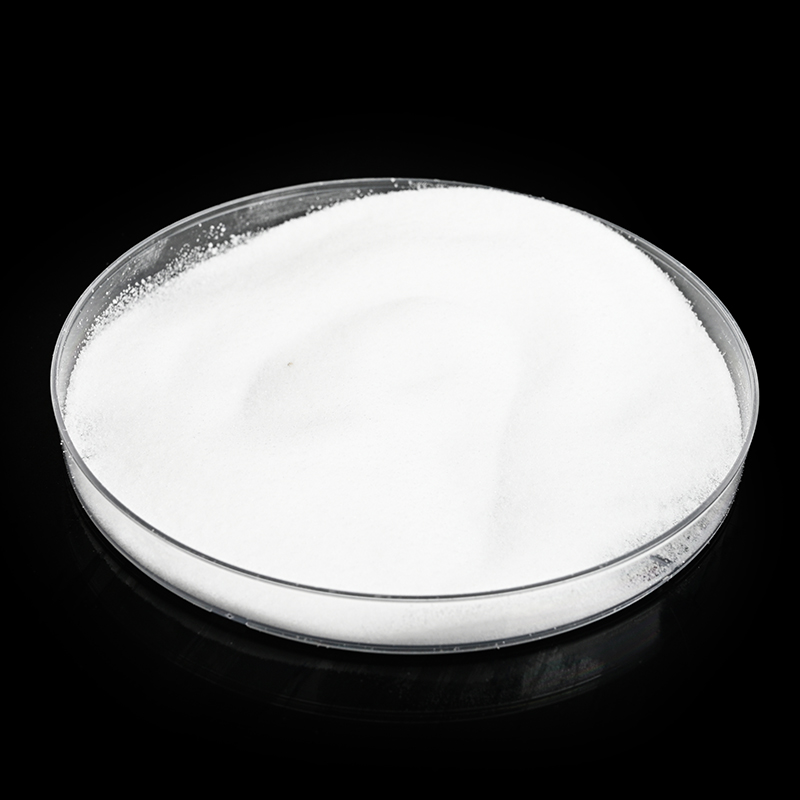
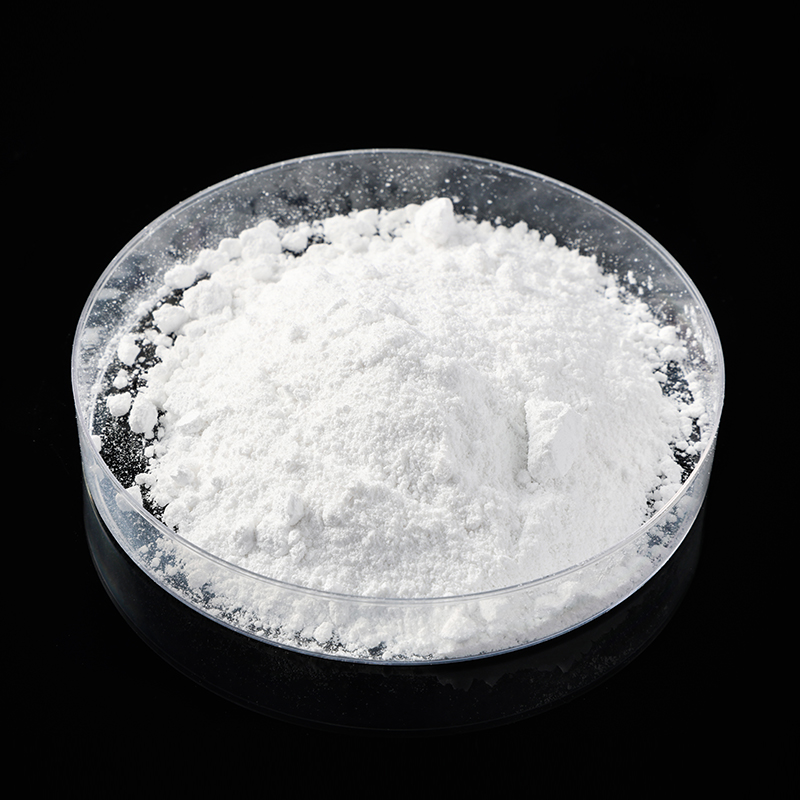
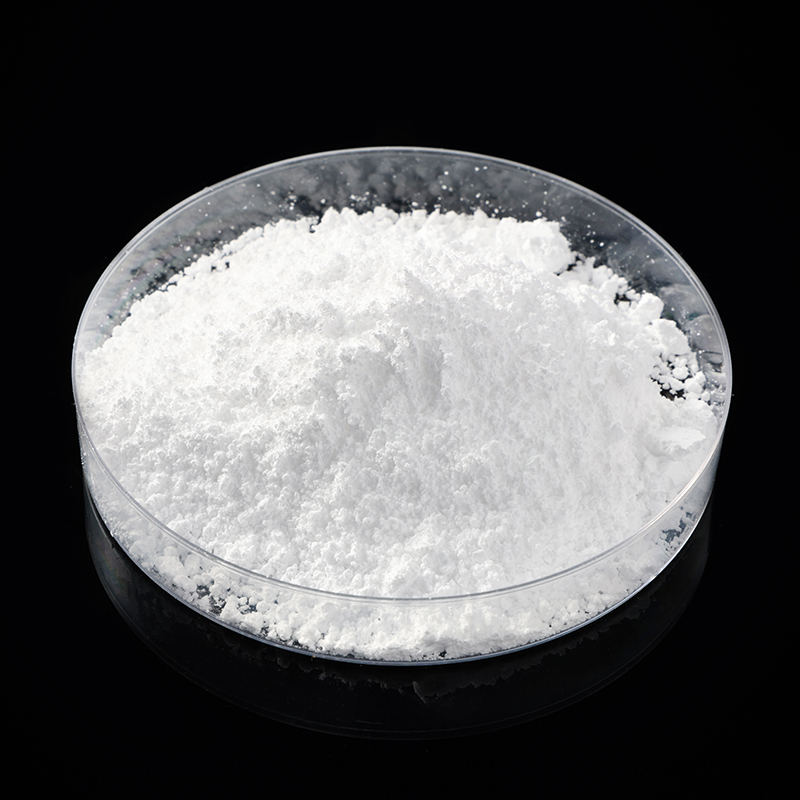
Does Ammonium Bifluoride possess a unique crystalline structure? In its pure form, Ammonium Bifluoride appears as white rhombus or flaky crystals. These crystals are high-purity solids that are highly valued in laboratory settings. The rhombus structure ensures a consistent surface area, which is vital when the chemical is used as a reactant.
How does the compound behave in different environments? One of the most important properties of Ammonium Bifluoride is its stability. It is relatively stable in a dry state, allowing for safe storage under controlled conditions. However, it is easily deliquescent in air, meaning it readily absorbs moisture from the atmosphere to form a liquid solution. Furthermore, while it is highly soluble in water, it remains insoluble in ethanol, a characteristic that is often exploited during chemical separation and purification processes.
What is the nature of its aqueous solution? When dissolved in water, Ammonium Bifluoride exhibits an acidic reaction. This acidity, combined with the presence of fluoride ions, makes the aqueous solution highly reactive, particularly toward silicate-based materials.
To provide a clear technical overview, the following table details the chemical and physical constants of Ammonium Bifluoride.
|
Property Category |
Technical Specification / Characteristic |
|---|---|
|
Chemical Name |
Ammonium Bifluoride |
|
Appearance |
White rhombus or flaky crystals |
|
Solubility (Water) |
Highly soluble; acidic solution |
|
Solubility (Ethanol) |
Insoluble |
|
Atmospheric Stability |
Easily deliquescent in air |
|
Dry State Stability |
Relatively stable |
|
Toxicity |
Toxic; requires careful handling |
|
Corrosivity |
Highly corrosive to glass and silica |
The most well-known industrial application of Ammonium Bifluoride involves its interaction with silica. How does this compound transform the surface of glass and ceramics?
How does the corrosivity to glass facilitate precision engraving? Because Ammonium Bifluoride is highly corrosive to glass, it serves as the primary active ingredient in glass etching creams and solutions. Unlike mechanical grinding, chemical etching with this compound allows for intricate designs and a uniform frosted finish on glass surfaces. This is essential for the production of decorative glassware, light bulbs, and scientific instruments.
Can it be used for ceramic surface modification? In the ceramics industry, Ammonium Bifluoride acts as a surface treatment agent. It helps in removing impurities and preparing the ceramic body for glazing or further chemical bonding. Its ability to react with the silicate layers ensures a clean, reactive surface that enhances the durability of the final ceramic product.
In the metallurgical sector, specifically regarding electrical steel, Ammonium Bifluoride is indispensable. What role does it play in the processing of silicon steel plates?
Why is surface treatment necessary for silicon steel? Silicon steel plates are used in the cores of transformers and motors. The surface of these plates must be perfectly prepared to ensure optimal magnetic properties and insulation. Ammonium Bifluoride is used to clean and etch the surface of silicon steel plates, removing scale and ensuring that subsequent coatings adhere perfectly to the metal substrate.
Does it improve the electrical efficiency of the steel? By providing a controlled etch, Ammonium Bifluoride helps in creating a surface topography that supports the application of insulation layers. This reduces eddy current losses in electrical components, directly contributing to the energy efficiency of power distribution equipment.
Beyond heavy industry, Ammonium Bifluoride is a staple in the laboratory. How do analytical chemists utilize this reagent?
Why is it classified as an essential analytical reagent? In chemical analysis, Ammonium Bifluoride is used for the decomposition of silicate minerals. Many mineral samples are resistant to standard acids; however, the fluoride ions in Ammonium Bifluoride can break the strong silicon-oxygen bonds, allowing the sample to be dissolved and analyzed for its elemental composition.
How does it assist in complexometric titrations? The compound is often used to mask certain metal ions in complex solutions. By forming stable complexes with ions like aluminum or iron, Ammonium Bifluoride prevents them from interfering with the titration of other target elements, thereby increasing the accuracy of the analytical results.
The chemical properties of Ammonium Bifluoride also extend into the realm of microbiology and industrial hygiene. How does it function as a bacterial inhibitor?
In which industries is it used for microbial control? In certain industrial fermentation processes and cooling water systems, the growth of unwanted bacteria can cause significant biofouling or contamination. Ammonium Bifluoride serves as a potent bacterial inhibitor, preventing the proliferation of microorganisms that could compromise the quality of the industrial process.
Is it effective in wood preservation? Due to its toxic nature toward fungi and bacteria, Ammonium Bifluoride is sometimes incorporated into wood preservative formulations. It penetrates the wood fibers and provides a long-lasting barrier against biological decay, extending the service life of timber used in construction and outdoor applications.
Given that Ammonium Bifluoride is toxic and corrosive, safety is a paramount concern. What are the key handling requirements?
How should the compound be stored to prevent deliquescence? Since Ammonium Bifluoride is easily deliquescent in air, it must be stored in airtight, moisture-proof containers. Plastic containers, such as those made of polyethylene or polypropylene, are preferred because the compound is corrosive to glass and would eventually eat through a glass storage jar.
What protective equipment is required for personnel? Personnel handling Ammonium Bifluoride must use appropriate personal protective equipment (PPE). This includes acid-resistant gloves, safety goggles, and respiratory protection. Because the substance is toxic if ingested or inhaled, and can cause severe burns upon skin contact, strict hygiene protocols and emergency wash stations are mandatory in facilities where it is used.
In modern manufacturing, the quality of chemical inputs can determine the success of the entire production line. Why is the purity of Ammonium Bifluoride so critical?
Does purity affect the quality of silicon steel treatment? In the treatment of silicon steel plates, even trace amounts of metallic impurities in the Ammonium Bifluoride solution can deposit onto the steel, altering its magnetic properties. High-purity rhombus crystals ensure that the etching process remains consistent and that no unwanted residues are left behind.
How does crystal consistency impact industrial automation? For industries using automated dosing systems, the "flaky crystals" or "rhombus crystals" form of Ammonium Bifluoride is advantageous. The free-flowing nature of high-quality crystals prevents clogging in feeding mechanisms, ensuring that the concentration of the chemical in the treatment baths remains stable over long periods of operation.
Copyright © 2023 Nantong Jinxing Fluorides Chemical Co., Ltd. All Rights Reserved.
 Custom Fluorine Chemical Suppliers