

 English
 中文简体
中文简体 Español
Home / News / Industry News / Why is Lithium Fluoride Becoming Essential for Modern Chemical Applications?
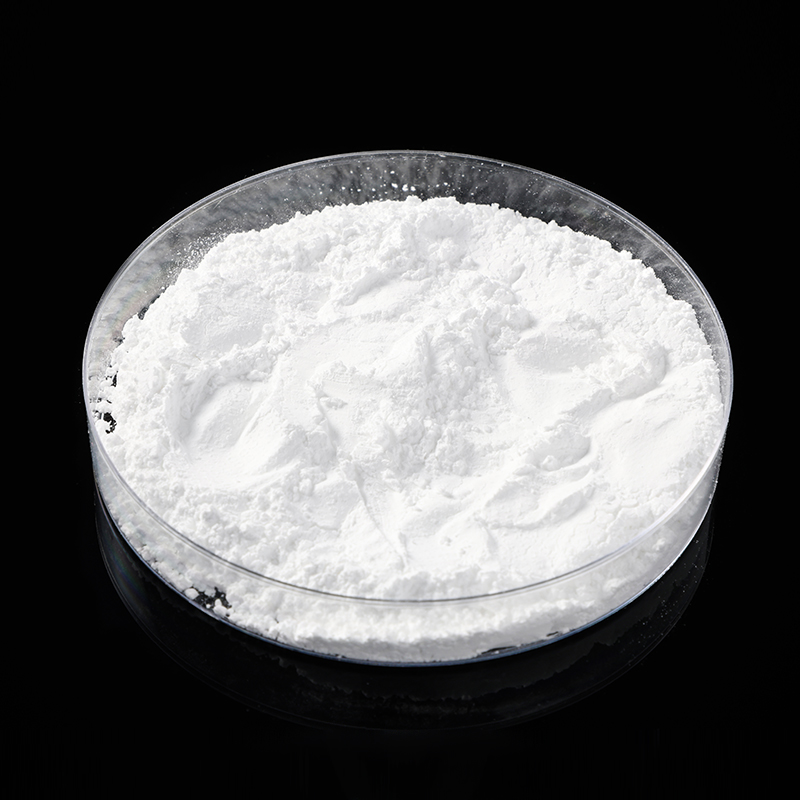
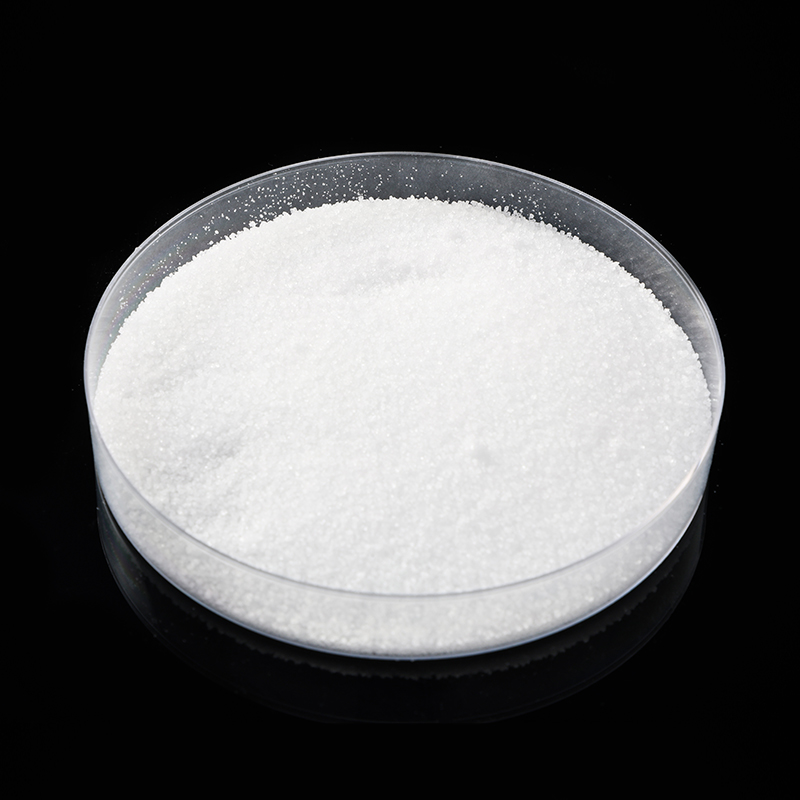
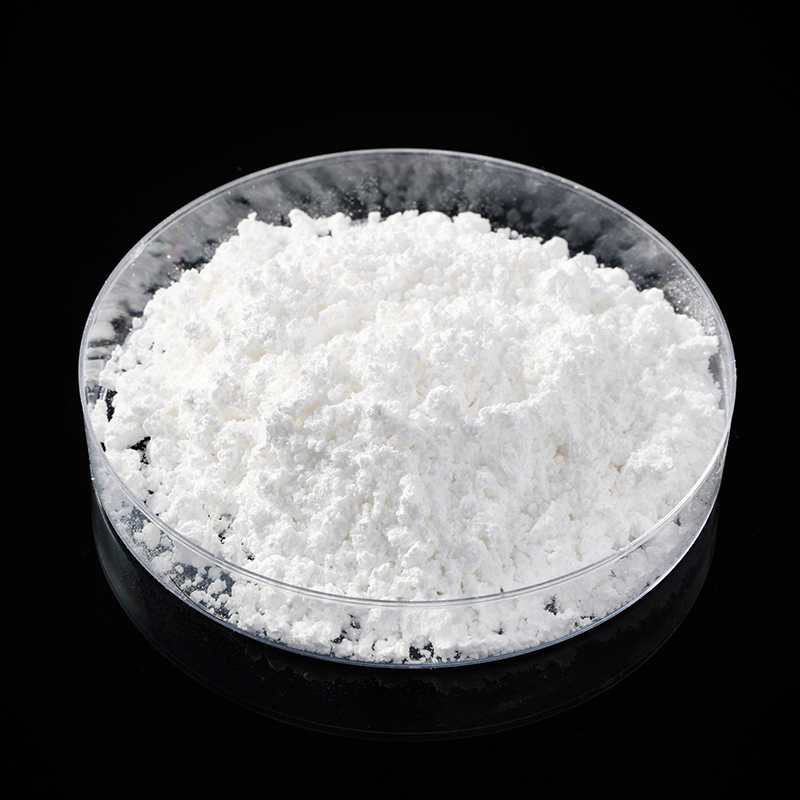
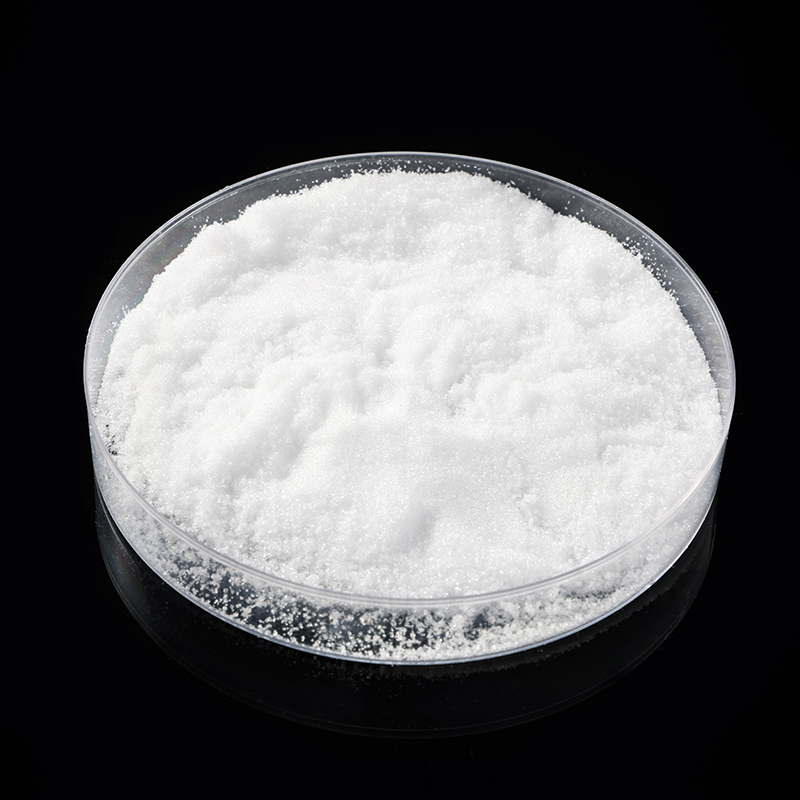
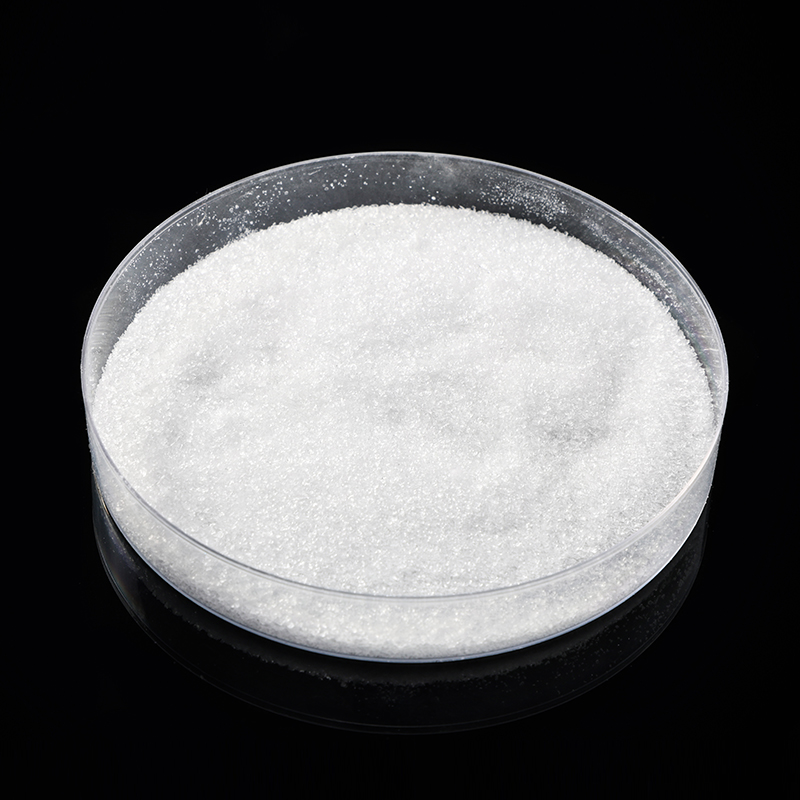
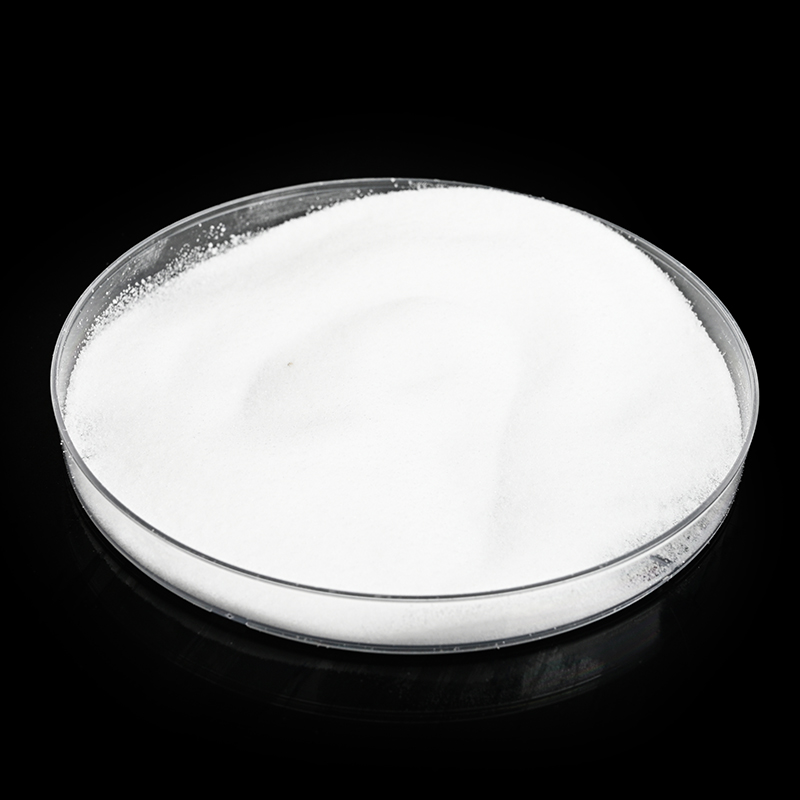
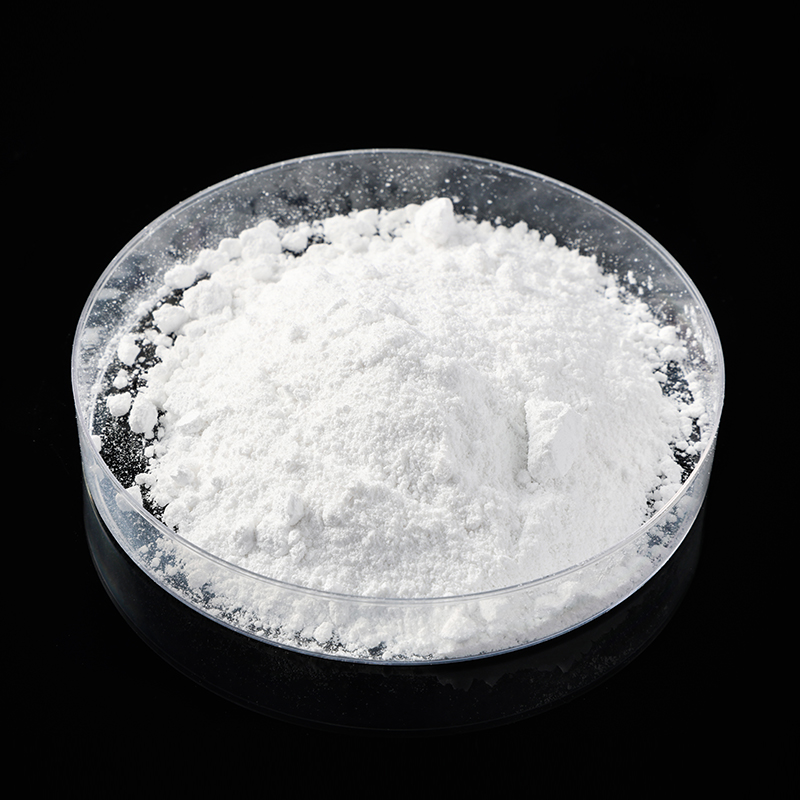
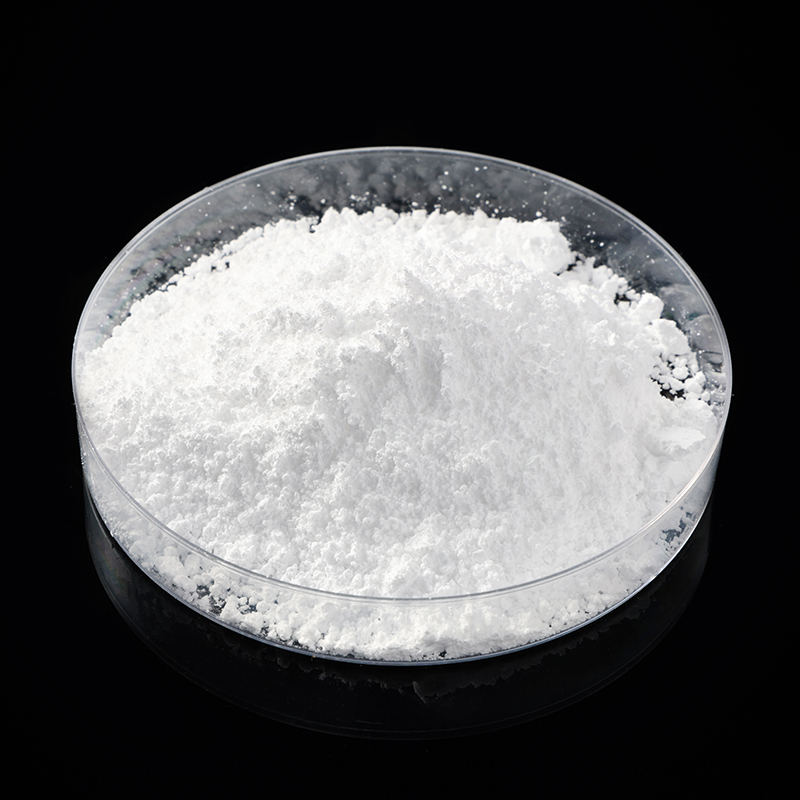
In the specialized world of inorganic chemistry, few compounds possess the unique physical and chemical profile of Lithium Fluoride. As a high-purity chemical, Lithium Fluoride presents itself typically as a white powder or cubic crystals, distinguishing itself through a high lattice energy and relatively low solubility in water compared to other alkali halides. But what exactly makes this compound so indispensable for current industrial processes?
The synthesis of high-grade Lithium Fluoride requires precise controlled reactions between lithium sources and hydrofluoric acid or other fluorinating agents. The result is a product that serves as a cornerstone for multiple high-tech sectors, ranging from metallurgy to advanced optics. By maintaining strict quality control over the Lithium Fluoride properties, manufacturers ensure that the material meets the rigorous demands of specialized electrolysis and glass manufacturing.
Understanding the behavior of Lithium Fluoride starts with its structural integrity. Why is it often characterized by its white powder or cubic crystals form? The cubic crystal system (rock-salt structure) provides the material with significant thermal stability.
Below are the defining technical characteristics of high-purity Lithium Fluoride:
|
Property |
Specification/Value |
|---|---|
|
Appearance |
White Powder or Cubic Crystals |
|
Chemical Formula |
LiF |
|
Molecular Weight |
25.94 g/mol |
|
Melting Point |
845 °C |
|
Boiling Point |
1,676 °C |
|
Solubility in Water |
0.13 g/100 mL (at 25 °C) |
|
Refractive Index |
1.3915 |
Is the low solubility of Lithium Fluoride an advantage? In many chemical solvents, this trait allows for the recovery and purification of the compound during large-scale production. Furthermore, its high melting point makes it a resilient component in high-temperature environments, which leads directly into its widespread usage in heavy industrial applications.
One of the most significant roles of this compound is as a functional additive. How does Lithium Fluoride usage impact the efficiency of aluminum electrolysis? When added to the electrolyte bath, LiF functions as a powerful flux.
How does it reduce the melting point? In the Hall-Héroult process, maintaining a lower operating temperature is vital for energy conservation. Lithium Fluoride effectively lowers the liquidus temperature of the cryolite-based electrolyte.
Can it optimize viscosity? Yes. By reducing the viscosity of the electrolyte, Lithium Fluoride facilitates better separation of the molten metal from the bath, increasing the overall current efficiency of the cell.
In the realm of rare earth electrolysis, the application is similar. It serves to refine the molten salt environment, ensuring that the rare earth metals are extracted with higher purity and lower energy expenditure. By acting as a stabilizing agent, it prevents the formation of unwanted side products during the high-voltage electrolytic process.
The optical industry relies heavily on specific materials to manage light across different spectrums. Is it true that Lithium Fluoride single crystals are superior for UV applications? Indeed, LiF has the highest UV transmission of any material, extending into the vacuum ultraviolet (VUV) range.
As a raw material for various lithium fluoride single crystals, the purity of the initial powder is paramount. Any metallic impurities can cause absorption bands that degrade the performance of optical lenses and windows. These single crystals are utilized in:
VUV spectroscopy components.
Thermal luminescence radiation dosimeters (TLD).
Specialized X-ray monochromators.
Without the high-quality white powder or cubic crystals as a starting point, achieving the optical clarity required for these precision instruments would be impossible.
Beyond single crystals, how does Lithium Fluoride influence the optical glass industry? In the formulation of specialized glass, LiF is used to adjust the refractive index and improve the chemical durability of the final product.
In the decorative and protective arts, such as the enamel, glass, and glaze sectors, Lithium Fluoride serves as a high-performance solvent.
In Enamels: It lowers the firing temperature and increases the gloss and acid resistance of the finish.
In Glazes: It acts as a flux, helping the glaze flow smoothly over ceramic surfaces during the heating cycle, preventing pinholes and other surface defects.
In Glass Melting: It helps in degassing the melt, ensuring a bubble-free final product.
The versatility of Lithium Fluoride as a fluxing agent makes it a "secret ingredient" for achieving a premium aesthetic and functional finish in high-end ceramics and glassware.
In the metallurgical field, joining metals requires the removal of oxide layers. How does Lithium Fluoride function as a solvent in welding?
When used in welding fluxes and brazing compounds, Lithium Fluoride reacts with metal oxides to form low-melting-point slags. This process:
Cleans the metal surface instantly before the join is made.
Protects the molten weld pool from atmospheric oxidation.
Ensures a stronger, more ductile bond between the workpieces.
Whether it is for specialized aerospace welding or precision electronic soldering, the inclusion of Lithium Fluoride ensures that the interface between metals is free from contaminants.
Given its use in sensitive optical and electrolytic processes, what are the critical parameters for Lithium Fluoride products? Manufacturers must focus on minimizing moisture content and iron impurities.
Is the particle size of the white powder important? For many industrial applications, a consistent particle size distribution ensures even mixing in electrolyte baths and uniform melting in glass furnaces. In the production of Lithium Fluoride single crystals, the chemical purity must often exceed 99.9%, as even parts-per-million of certain elements can alter the crystal lattice properties.
Unlike some other alkali metal salts that are highly deliquescent, Lithium Fluoride is relatively stable. Does this affect its usage in global logistics? Because it does not readily absorb moisture from the air, it remains as a free-flowing white powder, making it easier to dose in automated industrial systems.
This stability ensures that the Lithium Fluoride properties remain consistent from the time of manufacture to the moment of application in the electrolysis tank or the glass kiln. This reliability is why it remains a top-tier choice for chemical procurement managers in the metallurgy and optics sectors.
When evaluating the combined benefits—reducing melting points, lowering viscosity, acting as an optical medium, and serving as a metallurgical solvent—it becomes clear why Lithium Fluoride is so highly valued. How many other compounds can transition so seamlessly from a heavy industrial smelter to a high-precision UV telescope?
By serving as a raw material for various lithium fluoride single crystals and a vital additive in aluminum electrolysis, this compound bridges the gap between raw resource processing and advanced technological manufacturing. Its role in enamel, glass, glaze and welding further cements its status as a foundational chemical in modern material science.
Copyright © 2023 Nantong Jinxing Fluorides Chemical Co., Ltd. All Rights Reserved.
 Custom Fluorine Chemical Suppliers