

 English
 中文简体
中文简体 Español
Home / News / Industry News / Why is Potassium Tetrafluoroborate Essential for Modern Industrial Chemistry?
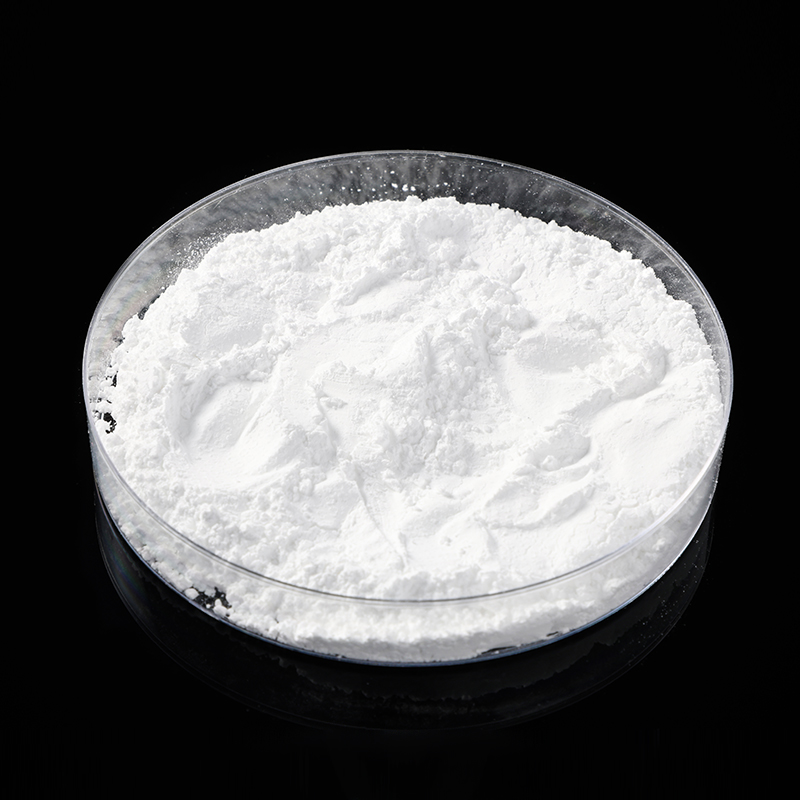
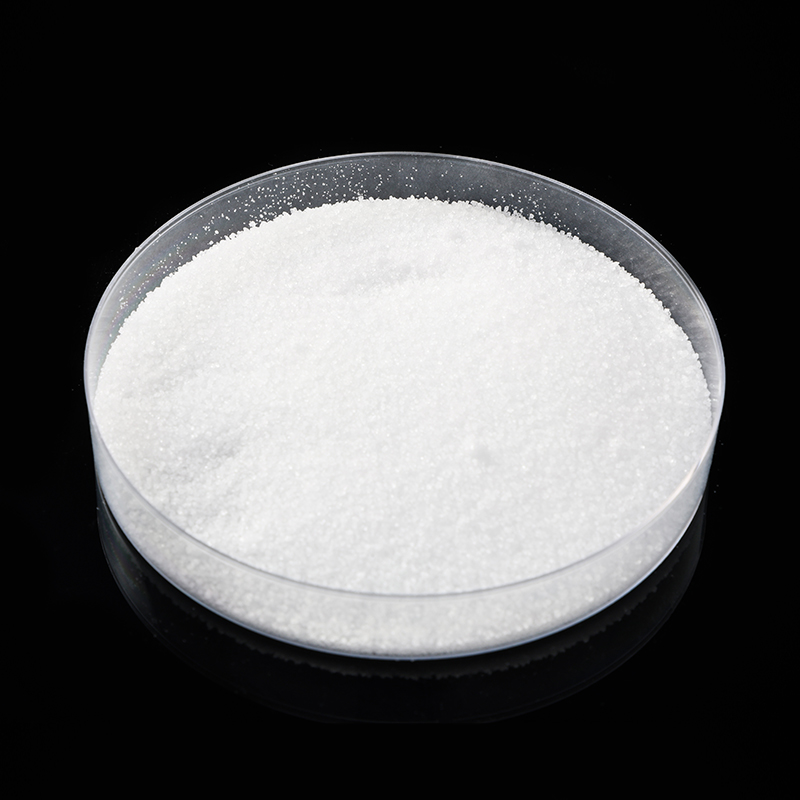
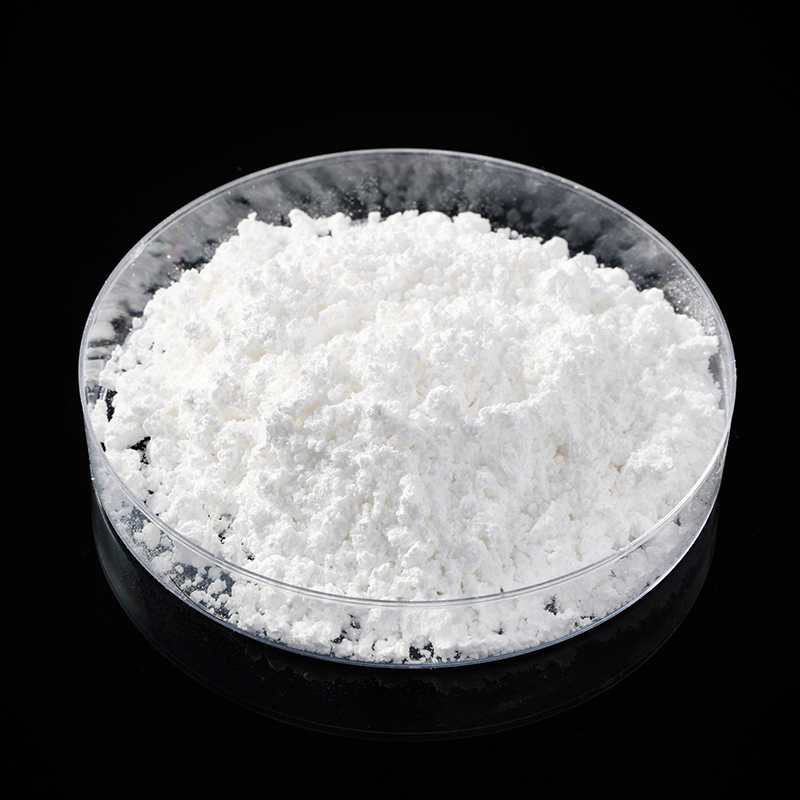
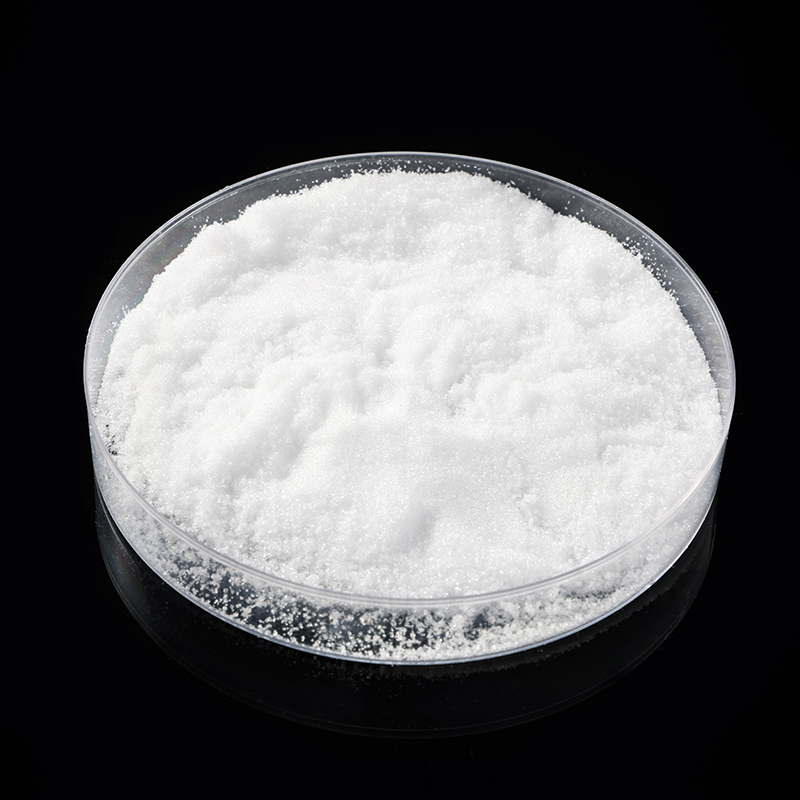
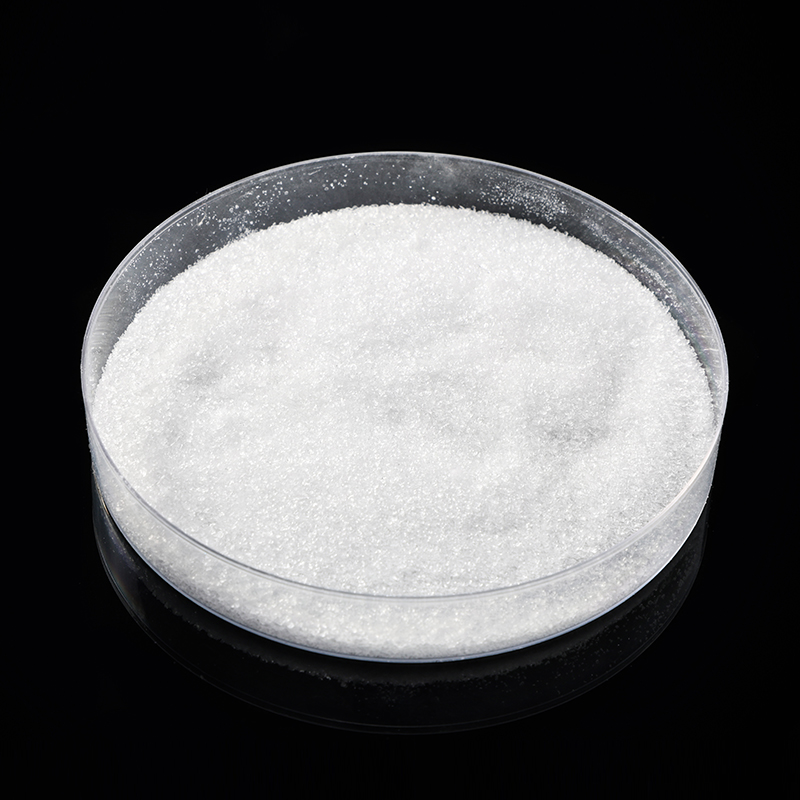
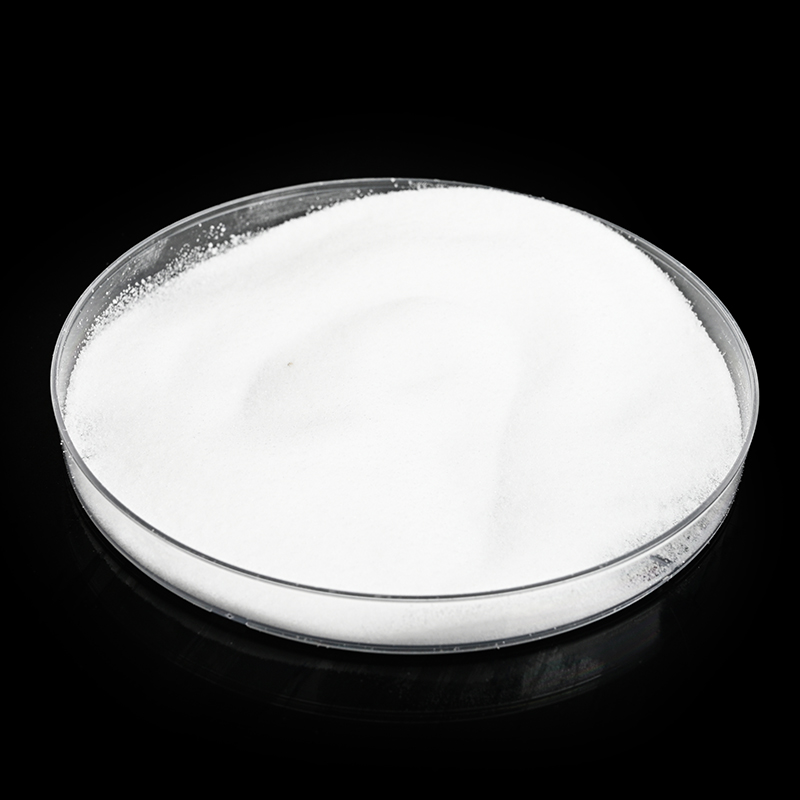
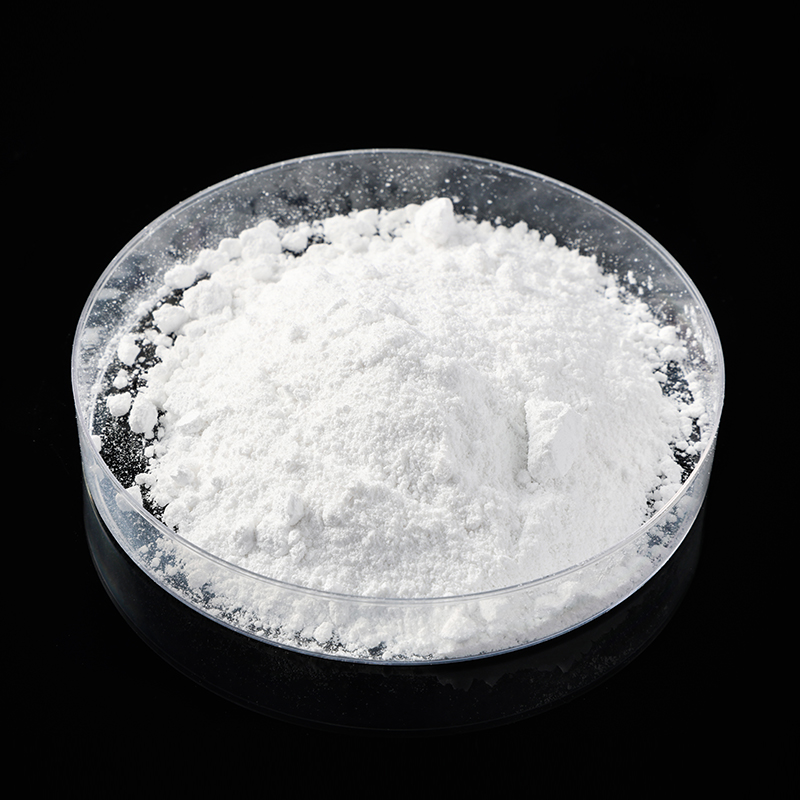
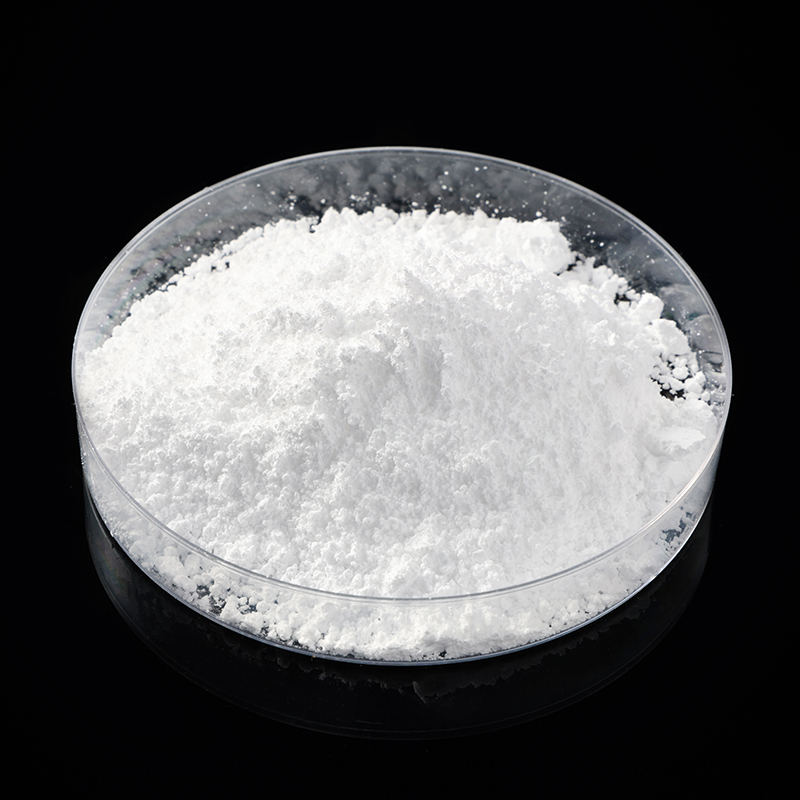
In the complex world of industrial chemicals, Potassium Tetrafluoroborate stands out as a versatile inorganic compound with a unique set of chemical properties that make it indispensable across multiple sectors. Often identified by its crystalline structure, this compound is a critical component in everything from metallurgy to high-tech electrochemical engineering. By understanding the specific Potassium Tetrafluoroborate properties, industrial manufacturers can leverage its potential as a flux, a grain refiner, and a chemical intermediate. As a white powder that is slightly soluble in water, it bridges the gap between basic chemical reagents and advanced industrial applications.
To utilize Potassium Tetrafluoroborate effectively, one must first understand its behavior under different thermal and chemical conditions. What makes this white powder so unique in a laboratory or factory setting?
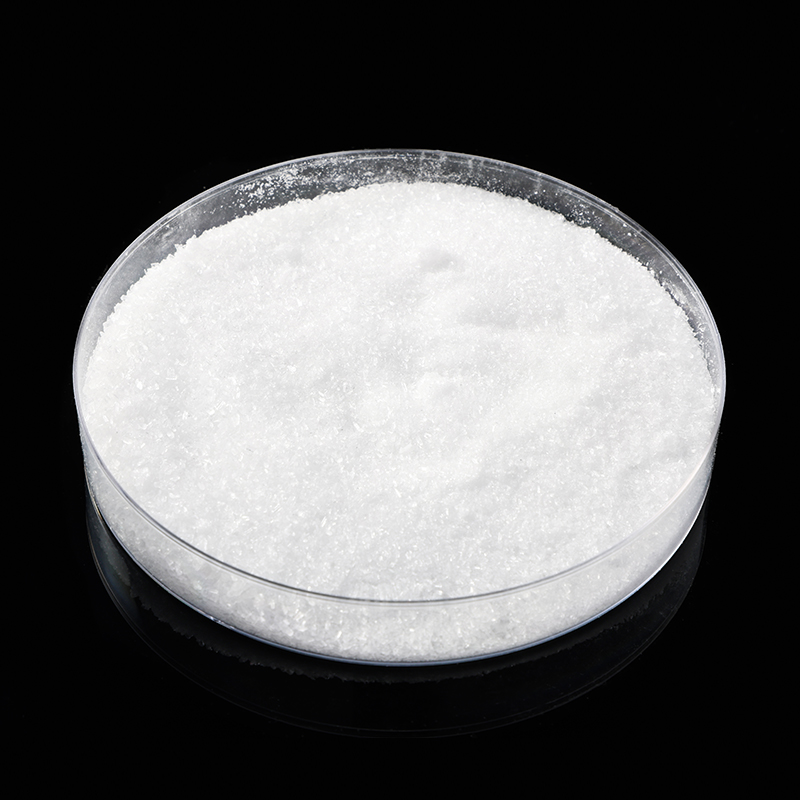
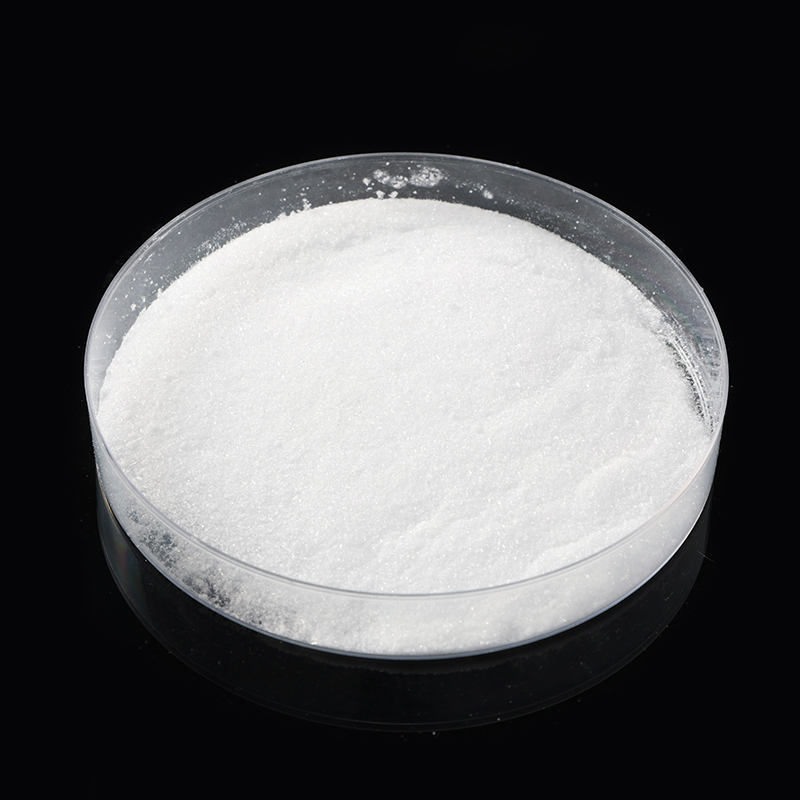
How does its solubility affect its application in chemical experiments? Potassium Tetrafluoroborate typically appears as a white powder. Its solubility profile is quite specific: it is slightly soluble in water, hot alcohol, and ethanol. However, it remains insoluble in alkaline solutions. This specific solubility makes it an ideal candidate for use in analytical reagents and chemical experiments where controlled reactions are necessary. In electrochemical engineering, its stability in various solvents allows for precise electrolyte formulations.
What happens to Potassium Tetrafluoroborate at high temperatures? Thermal stability is a hallmark of this compound. It has a melting point of 530℃. When subjected to strong acids, it can be decomposed into boron trifluoride, a highly reactive gas used in various organic syntheses. Furthermore, it can form a eutectic mixture with alkali metal carbonates, resulting in the formation of fluorides and borates. This high-temperature reactivity is the reason it is so highly valued in thermal processing and welding.
The metallurgical industry is perhaps the largest consumer of Potassium Tetrafluoroborate. Why is this compound preferred for aluminum and magnesium casting?
Can it improve the structural integrity of non-ferrous metals? One of the most significant roles of Potassium Tetrafluoroborate is serving as a metal particle size improver for non-ferrous metals. In the production of aluminum and magnesium, the addition of this compound helps in refining the grain structure of the metal. Finer grains lead to higher strength, better ductility, and improved surface finish in the final cast products.
Why is it used in the production of boron-containing alloys? The compound serves as a vital raw material for aluminum-magnesium casting to produce boron-containing alloys. Boron is known to enhance the conductivity and mechanical properties of aluminum. By using Potassium Tetrafluoroborate, manufacturers can introduce boron into the melt efficiently, ensuring a homogenous distribution of the alloying element.
Precision welding of precious and specialized metals requires high-performance additives. How does Potassium Tetrafluoroborate facilitate these processes?
How does it act as a flux for hot welding and brazing? In the world of joining metals, Potassium Tetrafluoroborate is widely used as a flux for hot welding and brazing. A flux's primary job is to prevent oxidation of the base and filler materials. Because of its 530℃ melting point, it creates a protective liquid layer that dissolves metal oxides, allowing the solder or welding rod to flow smoothly and bond effectively.
Can it effectively remove slag when working with silver and gold? Yes. One of its specialized applications is its ability to remove light metal slag when welding and fusing silver, gold, and stainless steel. In the jewelry industry and high-end electronics manufacturing, maintaining the purity of the metal is paramount. Potassium Tetrafluoroborate ensures that impurities are floated to the surface as slag, leaving behind a clean, strong, and aesthetically pleasing weld or fuse.
|
Feature |
Technical Specification / Application Detail |
|---|---|
|
Appearance |
White Powder |
|
Melting Point |
530℃ |
|
Solubility |
Slightly soluble in water/ethanol; Insoluble in alkali |
|
Decomposition |
Produces Boron Trifluoride with strong acids |
|
Main Industrial Use |
Aluminum-Magnesium casting & alloy production |
|
Mechanical Use |
Abrasive filler for thermosetting resin grinding wheels |
|
Textile Use |
Resin finishing agent for printing and dyeing |
Beyond liquids and powders, Potassium Tetrafluoroborate finds its way into solid industrial tools. How does it enhance the performance of grinding wheels?
How does it function as an abrasive for thermosetting resin grinding wheels? In the manufacture of high-speed grinding wheels, Potassium Tetrafluoroborate is used as an active filler or abrasive. When the grinding wheel is in use, the friction generates intense heat. The presence of this compound helps in reducing the temperature at the grinding interface and prevents the wheel from "loading" with metal particles. This chemical action extends the life of the tool and improves the precision of the cut.
Why is it preferred for resin-bonded systems? Because it is compatible with thermosetting resins, it can be integrated into the wheel's matrix without compromising structural integrity. It acts as a cooling agent and a lubricant at the molecular level during the aggressive grinding of hard steels.
While it is heavily associated with metals, Potassium Tetrafluoroborate has a surprising application in the textile sector.
Why is it used as a resin finishing agent for textile printing and dyeing? In the final stages of fabric production, textiles often undergo a "finishing" process to improve their feel, durability, or colorfastness. Potassium Tetrafluoroborate is used as a resin finishing agent. It helps in the curing process of resins used to treat fabrics, ensuring that the printing and dyeing remain vibrant and resistant to wear and washing.
Does it improve the quality of dye fixation? By acting as a catalyst or a stabilizer in the resin mix, it ensures that the chemical bonds between the fabric fibers and the finishing agents are strong. This is particularly important for industrial-grade textiles that must withstand harsh cleaning cycles.
The "electrochemical engineering" mention in its usage list covers a broad range of modern technology.
How is it used as an analytical reagent? In laboratories, Potassium Tetrafluoroborate is a standard analytical reagent. It is used to calibrate instruments and as a source of fluoride and boron in controlled chemical reactions. Its high purity and predictable behavior under acid-base conditions make it a reliable benchmark for researchers.
What is its role as a raw material for boron trifluoride? Boron trifluoride (
Non-ferrous metals like aluminum, copper, and magnesium are vital for the aerospace and automotive industries.
Why is the "metal particle size improver" label so important? When metals solidify from a molten state, they form crystals or "grains." If these grains are too large, the metal is brittle. Potassium Tetrafluoroborate acts as a nucleating agent. It provides thousands of tiny points where crystals can begin to grow simultaneously. The result is a "fine-grained" metal that is significantly tougher and more resistant to fatigue.
Can it be used for stainless steel processing? Yes, as mentioned in its fluxing properties, it is effective in removing slag and oxides during the welding and fusing of stainless steel. This ensures that the corrosion-resistant properties of the stainless steel are not compromised by the inclusion of slag or oxidation at the joint.
Given its chemical reactivity, how should Potassium Tetrafluoroborate be managed in an industrial environment?
Does its reaction with strong acids require special equipment? Because it decomposes into boron trifluoride when in contact with strong acids, any process involving this reaction must be conducted in an environment with high-quality ventilation and acid-resistant equipment. The ability of the compound to eutectic with alkali metal carbonates also means that storage must be carefully managed to avoid accidental mixing with reactive bases.
Is the melting point of 530℃ a limiting factor for all welding? On the contrary, the 530℃ melting point is a "sweet spot" for many brazing and welding operations. It is high enough to remain solid until the metal reaches a temperature where oxidation becomes a problem, but low enough to melt and provide protection before the actual welding temperature is reached. This thermal window is what makes Potassium Tetrafluoroborate a reliable and sturdy solution for all your elevation and fusion needs in the chemical and metallurgical sectors.
Copyright © 2023 Nantong Jinxing Fluorides Chemical Co., Ltd. All Rights Reserved.
 Custom Fluorine Chemical Suppliers