

 English
 中文简体
中文简体 Español
Home / News / Industry News / How Does the High Electronegativity of Fluorine Drive the Performance of Fluorine-Containing Inorganic Salts And Acids?
The utility of Fluorine-Containing Inorganic Salts And Acids in the electronics and glass industries is primarily derived from their unique ability to dissolve silicates and metal oxides through controlled chemical dissociation.
Hydrofluoric Acid (HF) and Silicon Dioxide Interaction: At the core of the semiconductor industry is the interaction between Hydrofluoric Acid and silicon-based substrates. Unlike other mineral acids, HF exhibits a specific affinity for silicon-oxygen bonds. In an aqueous solution, the acid dissociates to form
Fluoroboric Acid in Electroplating and Catalysis: Another vital component in the family of Fluorine-Containing Inorganic Salts And Acids is Fluoroboric Acid. This acid is characterized by its high acidity and non-oxidizing nature, making it an ideal electrolyte for lead and tin plating. In the synthesis of organic intermediates,
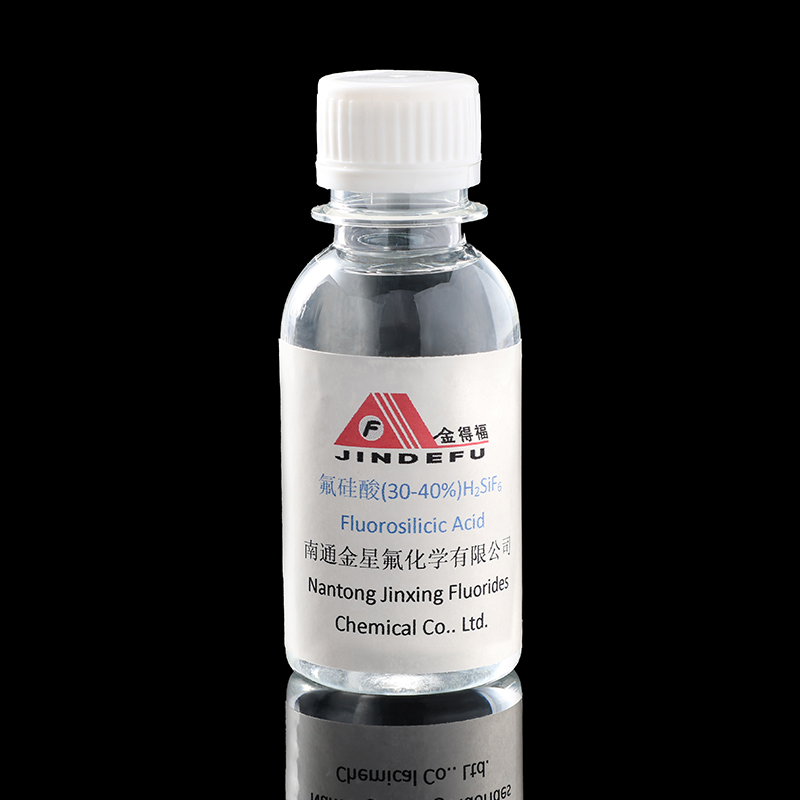
Fluorosilicic Acid and Industrial Cleaning Synergies: Often generated as a byproduct of phosphate fertilizer production, Fluorosilicic Acid is a major industrial-scale representative of fluorine acids. It is widely utilized in the sterilization of brewing equipment and as a component in metal surface treatments. Its mechanism involves the formation of stable hexafluorosilicate complexes, which help in removing scale and preventing the redeposition of minerals on metallic surfaces. In the ceramics industry, it acts as a fluxing agent, lowering the melting point of glazes and improving the structural density of the final product.
|
Chemical Compound |
Formula |
Industrial Purity Level |
Primary Functional Role |
|---|---|---|---|
|
Hydrofluoric Acid |
|
49% - 70% (Tech/EL Grade) |
Semiconductor Etching / Glass Frosting |
|
Aluminum Fluoride |
|
90% - 98% |
Electrolytic Aluminum Smelting Flux |
|
Lithium Hexafluorophosphate |
|
Battery Grade (>99.9%) |
Lithium-Ion Battery Electrolyte Salt |
|
Ammonium Bifluoride |
|
Technical Grade |
Oil Well Acidizing / Metal Finishing |
|
Sodium Fluorosilicate |
|
Industrial Grade |
Glass Decolorization / Water Fluoridation |
The transition of fluorine from a gaseous state into solid Fluorine-Containing Inorganic Salts And Acids creates stable carriers of fluoride ions that are essential for high-energy electrolytic processes.
Lithium Hexafluorophosphate in Battery Electrolytes: The modern landscape of energy storage is heavily reliant on
Aluminum Fluoride and Cryolite in Smelting Metallurgy: In the production of primary aluminum, Fluorine-Containing Inorganic Salts And Acids are used to lower the melting point of alumina. Aluminum Fluoride acts as a flux in the Hall-Héroult process, reducing the operating temperature of the electrolytic cell from over 2000°C to approximately 950°C. This massive reduction in thermal energy requirement is achieved through the formation of a molten salt bath that can dissolve the alumina and conduct electricity efficiently. The precise ratio of
Ammonium Bifluoride and Oilfield Acidizing: For the extraction of petroleum from sandstone reservoirs, Ammonium Bifluoride is an essential inorganic reagent. It is used in "Mud Acid" mixtures to dissolve silt and clay that block the flow of oil. Unlike pure HF,
Due to the aggressive nature of Fluorine-Containing Inorganic Salts And Acids, the engineering of storage vessels and the implementation of safety protocols are as complex as the chemical reactions themselves.
Polymeric Lining and Corrosion Mitigation: Standard stainless steel is insufficient for the long-term containment of concentrated Fluorine-Containing Inorganic Salts And Acids, particularly Hydrofluoric Acid. Engineering teams utilize high-performance polymers such as PTFE (Polytetrafluoroethylene), PFA (Perfluoroalkoxy), and HDPE (High-Density Polyethylene) for tank linings and piping. These materials possess carbon-fluorine bonds that are already saturated, making them impervious to further attack by fluoride ions. For high-temperature salt melts, specialized graphite or silicon carbide heat exchangers are used to maintain thermal equilibrium without risking structural failure.
Atmospheric Scrubber Systems and Environmental Guardrails: The production and use of Fluorine-Containing Inorganic Salts And Acids often result in the release of gaseous HF or fluoride particulates. To prevent environmental contamination, industrial facilities utilize multi-stage wet scrubbers. In these systems, an alkaline solution (such as Calcium Hydroxide or Sodium Hydroxide) reacts with the acidic vapors to precipitate stable, non-toxic salts like Calcium Fluoride (
Precision Handling and Dosing Instrumentation: The measurement of Fluorine-Containing Inorganic Salts And Acids requires non-contact or chemically resistant sensors. Magnetic flow meters with ceramic liners and ultrasonic level sensors are the industry standards, as they prevent the corrosion of sensitive electronic components. For the dosing of
By integrating rigorous thermodynamic controls, specialized material science, and advanced electrolytic logic, the production and application of Fluorine-Containing Inorganic Salts And Acids continue to enable the most sophisticated technological advancements in the 21st century.
Copyright © 2023 Nantong Jinxing Fluorides Chemical Co., Ltd. All Rights Reserved.
 Custom Fluorine Chemical Suppliers