

 English
 中文简体
中文简体 Español
Home / News / Industry News / What Are the Key Optical and Structural Advantages of Strontium Fluoride in High Performance Technologies?
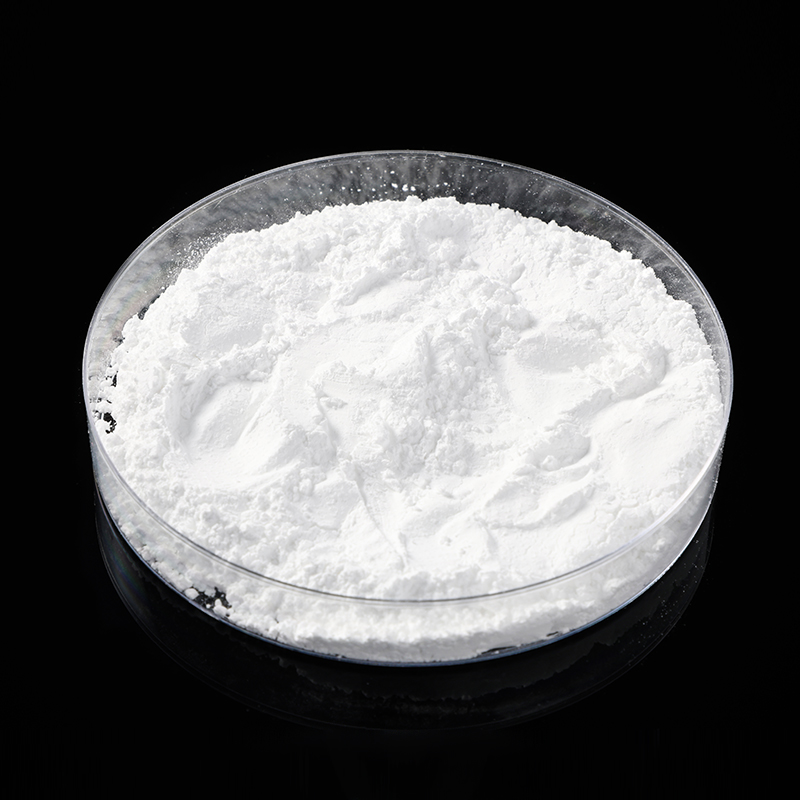
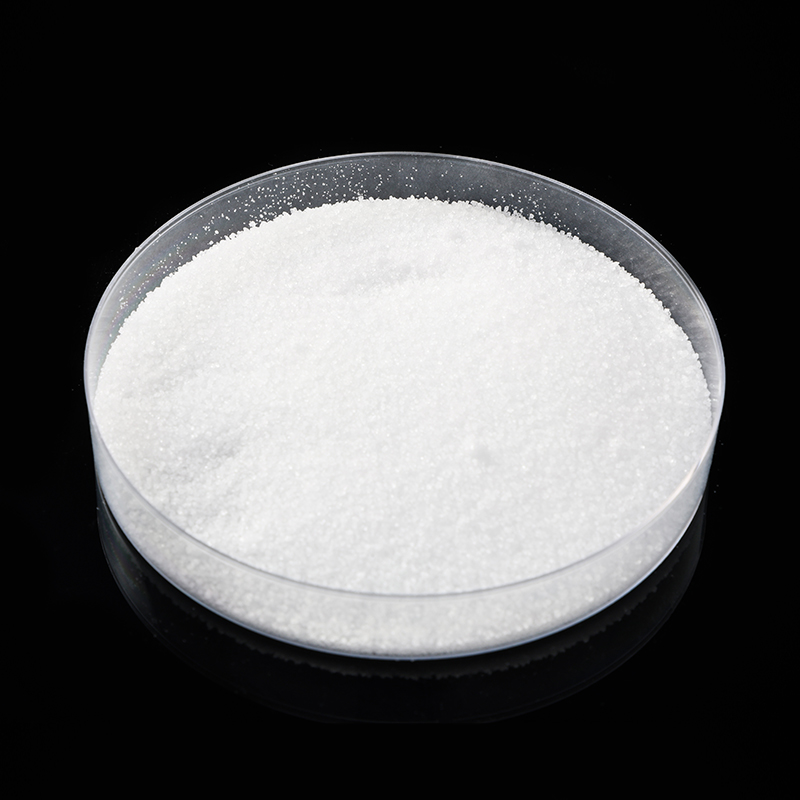
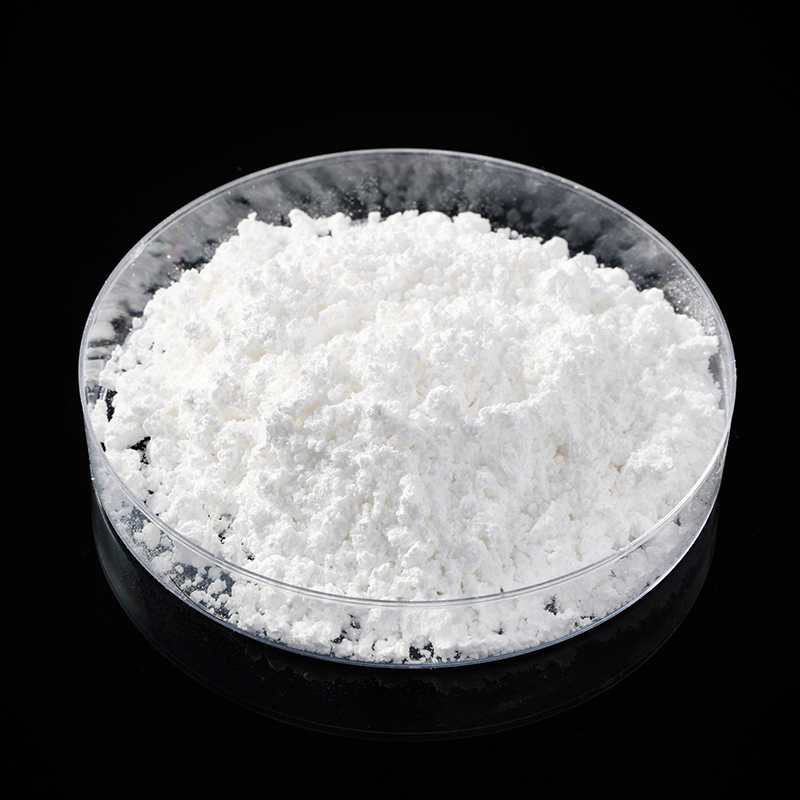
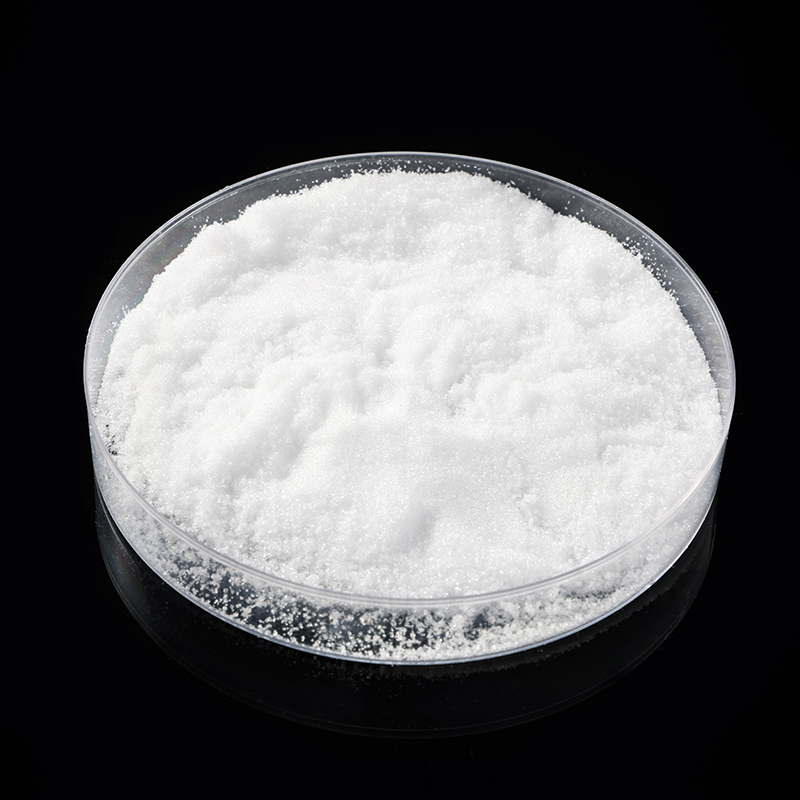
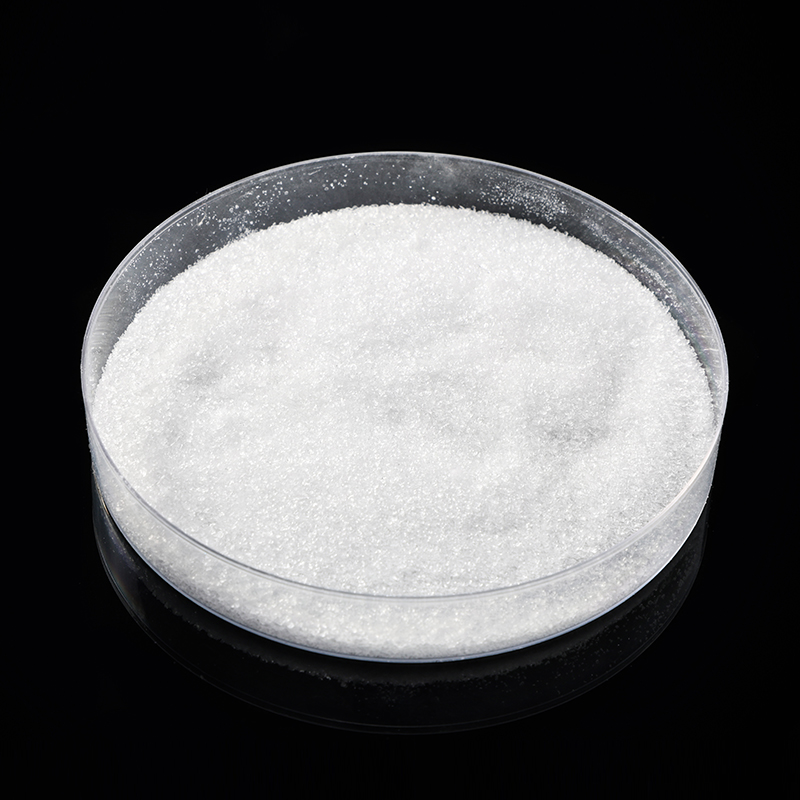
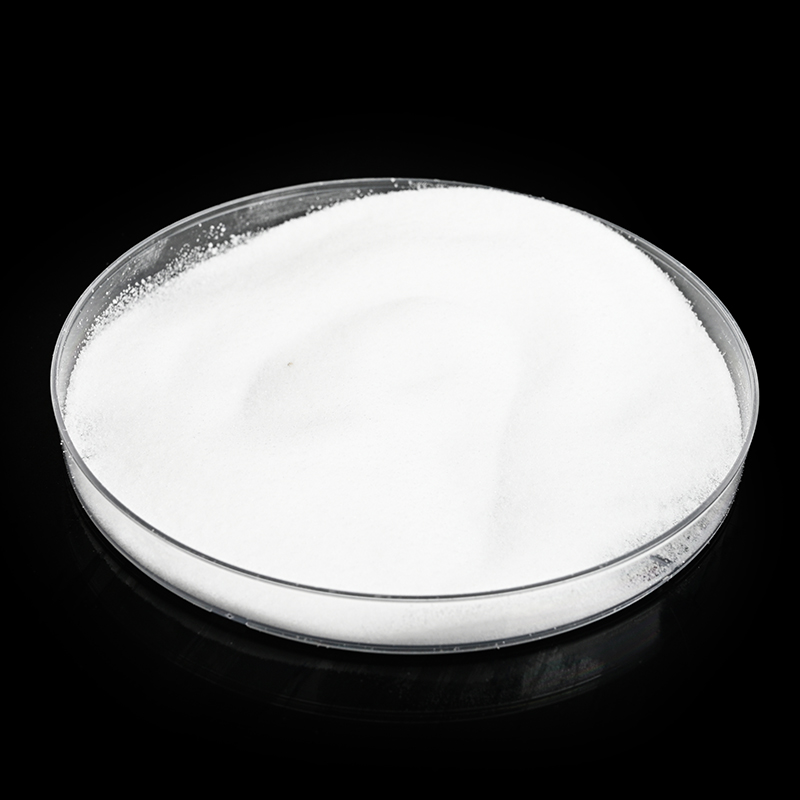
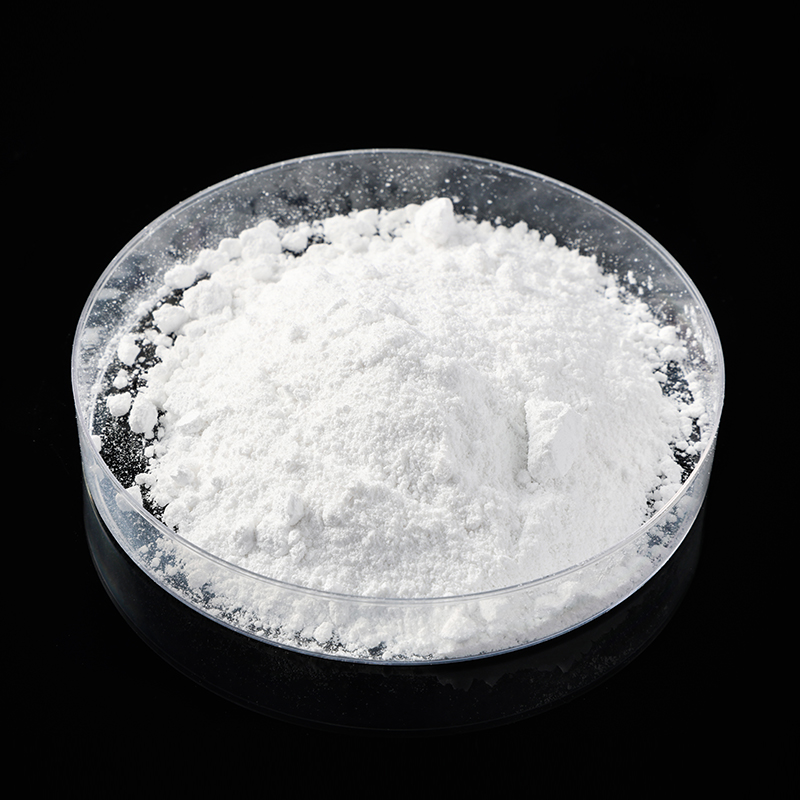
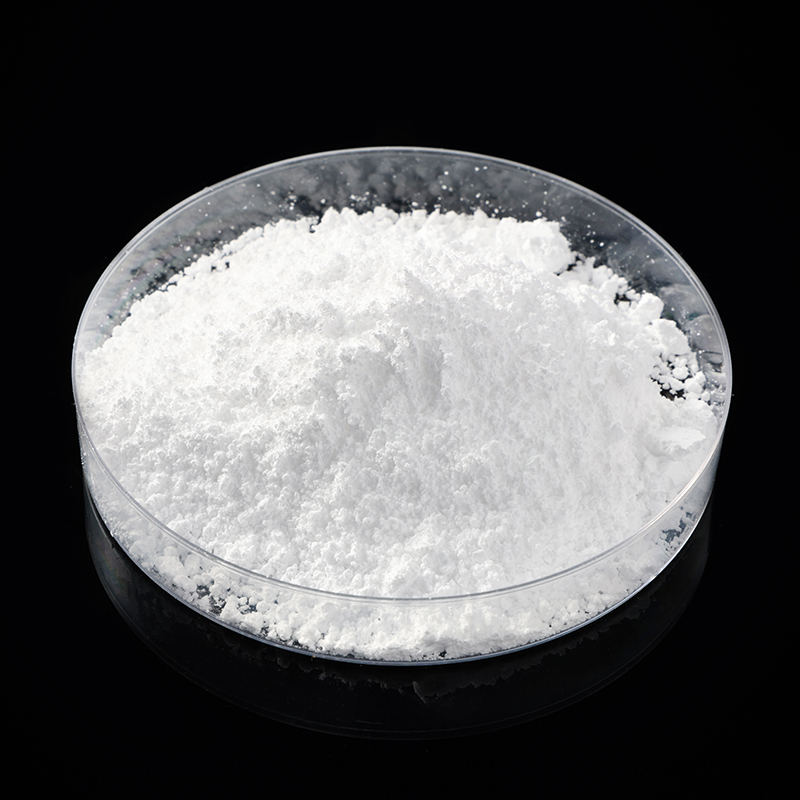
The advancement of modern optical engineering, aerospace observation, and nuclear detection is deeply dependent on the development of highly specialized crystalline materials. Among the family of alkaline earth metal halides, strontium fluoride has emerged as a critical material that bridges the performance gap between calcium fluoride and barium fluoride. Chemically represented as SrF2, this inorganic crystalline compound offers a unique combination of wide optical transmission, high mechanical durability, and exceptional thermal stability. These characteristics make it a primary candidate for high power laser optics, ultraviolet window assemblies, and scintillation detector systems. By exploring the underlying crystallography, precise synthesis pathways, and optimized handling protocols of strontium fluoride, process engineers and scientific researchers can fully exploit its physical capabilities to meet the demanding requirements of next generation technological applications.
To understand the exceptional performance of strontium fluoride under extreme thermal and mechanical conditions, it is necessary to first examine its atomic configuration and chemical composition. The specific arrangement of strontium and fluorine atoms within the crystal lattice directly dictates how the material interacts with mechanical loads, temperature gradients, and electromagnetic radiation.
Strontium fluoride crystallizes in the cubic fluorite structure, which is designated under the space group Fm3m. In this highly symmetric atomic arrangement, the strontium cations are positioned at the corners and face centers of the unit cell, forming a face centered cubic sublattice. The fluorine anions occupy the eight tetrahedral interstitial sites within this cubic cell, meaning each strontium ion is coordinated by eight nearest neighbor fluorine ions at the corners of a cube, while each fluorine ion is coordinated by four strontium ions in a tetrahedral geometry.
The lattice constant of strontium fluoride is approximately 0.5799 nanometers, which is slightly larger than that of calcium fluoride but smaller than that of barium fluoride. This intermediate lattice spacing is highly advantageous because it allows strontium fluoride to act as an effective substrate for the epitaxial growth of various semiconductor layers, minimizing lattice mismatch and reducing structural defects at the interface of integrated optical devices. The strong ionic bonding between the divalent strontium cations and the highly electronegative monovalent fluorine anions gives the crystal its high melting point of approximately 1477 degrees Celsius and its robust chemical stability, making it highly resistant to chemical decomposition under standard atmospheric conditions.
The mechanical behavior of strontium fluoride is highly anisotropic, meaning its physical strength varies depending on the crystallographic direction along which a force is applied. Like other fluorite structured crystals, strontium fluoride exhibits perfect cleavage along the 111 crystallographic planes. This cleavage behavior is a result of the atomic stacking sequence in the fluorite lattice, where the electrostatic forces between adjacent atomic planes are weakest along the diagonal direction.
When a mechanical force exceeds the cohesive strength of the lattice, the crystal fractures cleanly along these 111 planes, yielding smooth, reflective surfaces. This characteristic requires precise handling during the cutting and grinding processes to prevent accidental chipping. The Mohs hardness of strontium fluoride is approximately 3 to 3.5, which indicates that while it is harder and more scratch resistant than barium fluoride, it remains softer than calcium fluoride. This intermediate hardness profile allows the material to absorb a moderate amount of mechanical vibration and shock without shattering, making strontium fluoride optical windows highly reliable in high pressure or high altitude environments where structural pressure changes are common.
The primary driver for the widespread use of strontium fluoride in advanced technologies is its exceptional optical performance. The material is characterized by an extremely wide bandgap of approximately 10.3 electron volts, which translates to a broad spectral transmission range that extends from the vacuum ultraviolet region to the far infrared spectrum.
A primary performance metric for strontium fluoride is its transmission curve, which allows for the efficient passage of light with minimal absorption losses. The typical transmission range of a high quality strontium fluoride optical window starts at approximately 130 nanometers in the ultraviolet spectrum and extends up to 11.5 micrometers in the infrared spectrum. This wide spectral window covers several critical atmospheric transmission bands, including the short wave, mid wave, and long wave infrared regions.
The transmission rate within this optical window is exceptionally high, often exceeding ninety percent when the surface is properly polished and treated with anti reflective coatings. The absorption edge in the ultraviolet region is determined by the transition of electrons across the wide bandgap, while the infrared absorption edge is governed by the lattice vibrations, also known as phonon absorption. Because strontium is heavier than calcium, the lattice vibrations of strontium fluoride occur at lower frequencies, which shifts its infrared absorption edge further into the infrared spectrum compared to calcium fluoride. This makes strontium fluoride a superior choice for mid infrared laser applications where thermal lens effects caused by minor absorption must be avoided.
The refractive index of strontium fluoride is relatively low, typically ranging from approximately 1.48 at ultraviolet wavelengths to about 1.40 in the infrared region. A low refractive index is highly desirable because it naturally minimizes reflection losses at the optical interfaces, reducing the need for complex and expensive multi layer anti reflective coatings. The refractive index variation as a function of wavelength, known as dispersion, is exceptionally smooth across the entire transmission range.
This predictable dispersion behavior allows optical engineers to design highly accurate lens systems that minimize chromatic aberrations, which occur when different wavelengths of light focus at different distances from the lens. By combining strontium fluoride lenses with other optical materials of different dispersion characteristics, such as silicon or germanium, designers can create color corrected optical assemblies for thermal imaging cameras, multi spectral military surveillance systems, and high precision scientific spectrometers.
Producing high purity strontium fluoride crystals that are free of internal defects, scattering centers, and color centers requires sophisticated manufacturing processes. The choice of growth method and the purity of the starting material are the two most critical factors that determine the final optical clarity and mechanical strength of the crystal.
The most widely utilized industrial method for growing large, high quality strontium fluoride single crystals is the vacuum Bridgman Stockbarger technique. This process relies on the controlled solidification of molten strontium fluoride as it is slowly lowered through a temperature gradient within a vacuum furnace. The process begins with the preparation of high purity strontium fluoride powder, which must be carefully dried and treated to remove any traces of moisture and oxygen.
The purified material is loaded into a graphite or platinum crucible, which is suspended inside a dual zone furnace. The upper zone of the furnace is heated to a temperature above the melting point of strontium fluoride, typically around 1520 degrees Celsius, to completely liquefy the raw material. The lower zone is maintained at a temperature below the melting point. The crucible is then lowered at an extremely slow and controlled rate, often only a few millimeters per hour, from the hot zone to the cold zone. As the bottom of the crucible crosses the temperature gradient, crystallization begins. By using a seed crystal at the base of the crucible, a single crystal of predetermined crystallographic orientation can be grown. The entire process must be conducted under a high vacuum of less than one ten thousandth of a Pascal to prevent the oxidation of the molten fluoride, which would introduce light scattering oxygen ions into the crystal lattice.
To produce the high purity strontium fluoride powder required for crystal growth, chemical manufacturers utilize precision precipitation reactions. The synthesis typically involves the reaction of high purity strontium carbonate or strontium chloride with hydrofluoric acid or ammonium fluoride in an aqueous solution. This reaction must be conducted in specialized fluoropolymer lined reactors to prevent the leaching of metallic impurities from standard glass or metal equipment.
The resulting strontium fluoride precipitate is washed thoroughly with deionized water to remove any soluble reaction byproducts, such as ammonium chloride or nitric acid. The purified precipitate is then subjected to a multi stage drying and calcination process under a protective atmosphere of helium or nitrogen. During calcination, the temperature is raised to approximately 600 degrees Celsius to drive off any chemically bound water molecules and organic impurities. This drying step is critical because any residual moisture will react with the strontium fluoride at high temperatures to form strontium oxide and hydrofluoric acid, leading to the formation of bubbles, cracks, and absorption bands in the subsequent crystal growth phase.
When selecting an optical material for a specific industrial or scientific application, design engineers must weigh the trade offs between physical durability, spectral range, and environmental resistance. The following descriptive table provides a comprehensive comparison of strontium fluoride alongside calcium fluoride and barium fluoride, highlighting their distinct operational advantages and suitable applications.
|
Material |
Spectral Transmission Limits |
Mechanical Hardness and Durability |
Thermal Shock Resistance |
Optical Dispersive Performance |
Primary Applications |
|---|---|---|---|---|---|
|
Calcium Fluoride |
Broad transmission from 130 nanometers up to 9.0 micrometers |
High mechanical hardness making it highly scratch resistant |
Moderate resistance to rapid temperature changes |
Very low dispersion across the visible spectrum |
High power laser windows, lithography optics, and infrared thermal imaging |
|
Strontium Fluoride |
Extended transmission from 130 nanometers to 11.5 micrometers |
Intermediate hardness providing a balance of durability and flexibility |
Good resistance to thermal stress and mechanical strain |
Highly stable index of refraction across infrared bands |
Rare earth doped laser hosts, vacuum ultraviolet windows, and space optics |
|
Barium Fluoride |
Maximum transmission from 150 nanometers up to 14.0 micrometers |
Low mechanical hardness making it susceptible to scratching |
Low resistance to thermal shock and rapid cooling |
Higher dispersion compared to lighter fluorides |
Scintillation detectors, thermal imaging systems, and spectrometry |
Beyond its use as a passive optical window material, strontium fluoride plays a vital role as a host crystal for active laser ions and scintillation dopants. Its unique lattice spacing and chemical compatibility allow it to be easily doped with rare earth elements to create highly efficient solid state lasers and radiation detection sensors.
Strontium fluoride serves as an exceptional host matrix for various trivalent rare earth ions, such as ytterbium, neodymium, erbium, and praseodymium. When these dopants are introduced into the crystal lattice during the growth process, they replace a portion of the divalent strontium ions. Because the dopants have a trivalent charge, this substitution creates a charge imbalance within the lattice, which is naturally compensated by the formation of interstitial fluorine anions.
This unique charge compensation mechanism leads to the formation of complex active clusters of rare earth ions, which significantly alters their optical absorption and emission spectra. Ytterbium doped strontium fluoride, for example, exhibits a very broad emission band and a long radiative lifetime of the upper laser level, making it highly suitable for high energy, ultra short pulse solid state lasers. These lasers are widely used in precision materials processing, scientific research, and medical procedures where rapid, localized energy deposition is required without causing peripheral thermal damage to surrounding tissues.
When doped with cerium or europium, strontium fluoride crystals exhibit remarkable scintillation properties, meaning they can absorb high energy ionizing radiation, such as gamma rays, X-rays, and alpha particles, and re-emit that energy in the form of visible light. In a cerium doped strontium fluoride scintillation detector, the incoming high energy photon ionizes atoms within the crystal lattice, creating a cascade of free electrons and holes. These charge carriers are subsequently captured by the trivalent cerium ions, exciting them to a higher energy state.
As the cerium ions return to their ground state, they emit light at a wavelength of approximately 320 nanometers, which perfectly matches the sensitivity range of standard photomultiplier tubes and silicon photomultipliers. The scintillation decay time of strontium fluoride is relatively fast, and its high density of 4.24 grams per cubic centimeter provides excellent stopping power for penetrating radiation. These characteristics make strontium fluoride scintillation detectors invaluable tools for geological logging, homeland security radiation monitoring, and space based astrophysics observatories designed to study high energy cosmic events.
To ensure the long term performance and optical clarity of strontium fluoride components, optical technicians and system operators must follow strict procedures during assembly, polishing, and storage. Despite its relative durability, improper handling can lead to surface degradation, mechanical failure, or a significant loss of transmission efficiency.
Achieving an atomically smooth surface on a strontium fluoride optical component requires a careful, multi step grinding and polishing process. Because of the perfect cleavage of the material, the initial grinding must be performed using fine diamond abrasives with a gradual reduction in particle size to prevent the propagation of micro cracks beneath the surface. The final polishing is typically conducted using a slurry of colloidal silica or alumina suspended in a pH controlled aqueous solution on a soft polyurethane or pitch polishing pad.
The chemical mechanical polishing process must be carefully monitored to prevent thermal gradients, which can induce local stresses and lead to surface distortion or fracturing along the cleavage planes. For high precision laser applications, the surface roughness must be kept below 0.5 nanometers root mean square, and the surface flatness must be maintained within a fraction of the design wavelength. Achieving these extreme tolerances ensures that light scattering at the boundary is minimized, maximizing the damage threshold of the optic when exposed to high power laser beams.
Although strontium fluoride is significantly less hygroscopic than other halide crystals, it is not completely immune to the effects of atmospheric moisture. Over long periods, exposure to high relative humidity can lead to the slow adsorption of water molecules onto the polished surface. This adsorbed moisture can react with the fluorine ions to form microscopic traces of hydrofluoric acid, which slowly etches the surface and creates a hazy, scattering layer that permanently degrades transmission efficiency.
To prevent this environmental degradation, strontium fluoride optics should always be stored in a temperature controlled, low humidity environment, such as a nitrogen purged dry box or a desiccator cabinet maintained at a relative humidity of less than twenty percent. When cleaning is required, only high purity anhydrous solvents such as isopropyl alcohol or acetone should be used, applied gently with lint free optical wipes to avoid scratching the relatively soft crystal surface. By implementing these rigorous preservation protocols, operators can ensure that their strontium fluoride optical components maintain their pristine performance and structural integrity across decades of continuous service.
Copyright © 2023 Nantong Jinxing Fluorides Chemical Co., Ltd. All Rights Reserved.
 Custom Fluorine Chemical Suppliers