

 English
 中文简体
中文简体 Español
Home / News / Industry News / Ammonium Bifluoride: How Does This Industrial Chemical Shape Our World and Threaten Safety?
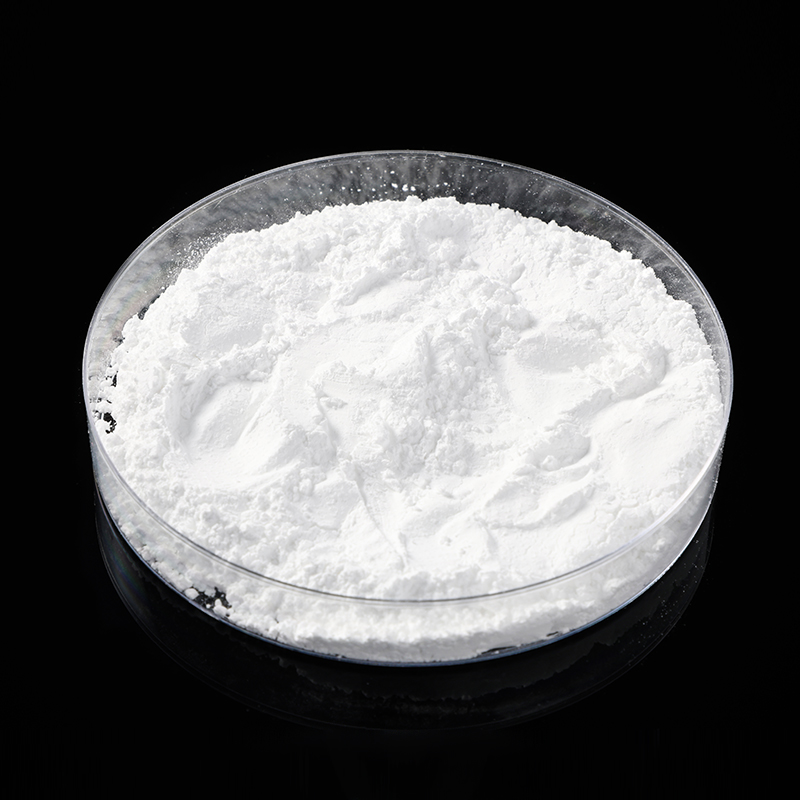
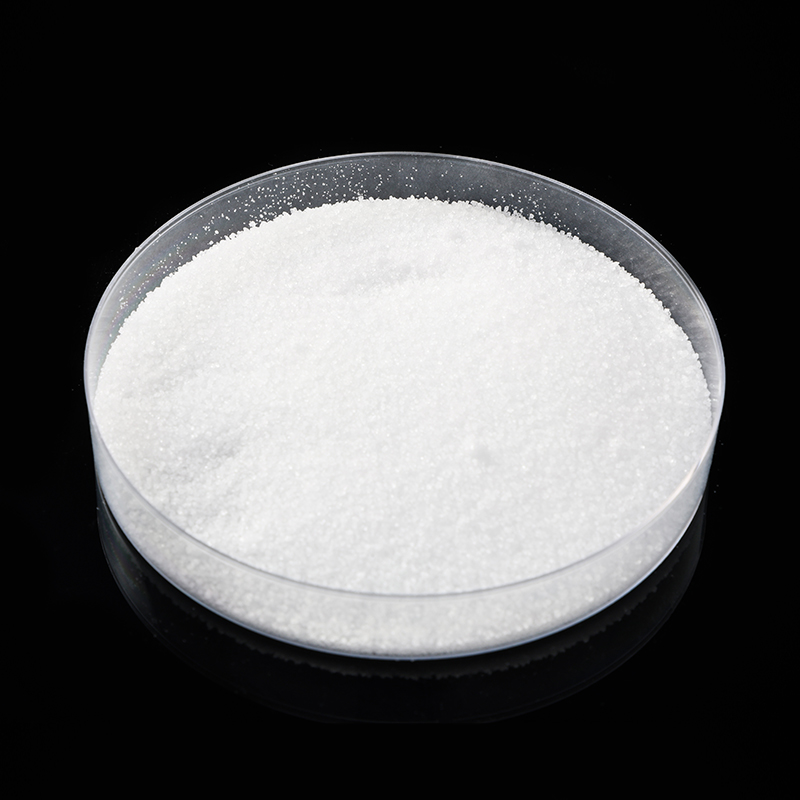
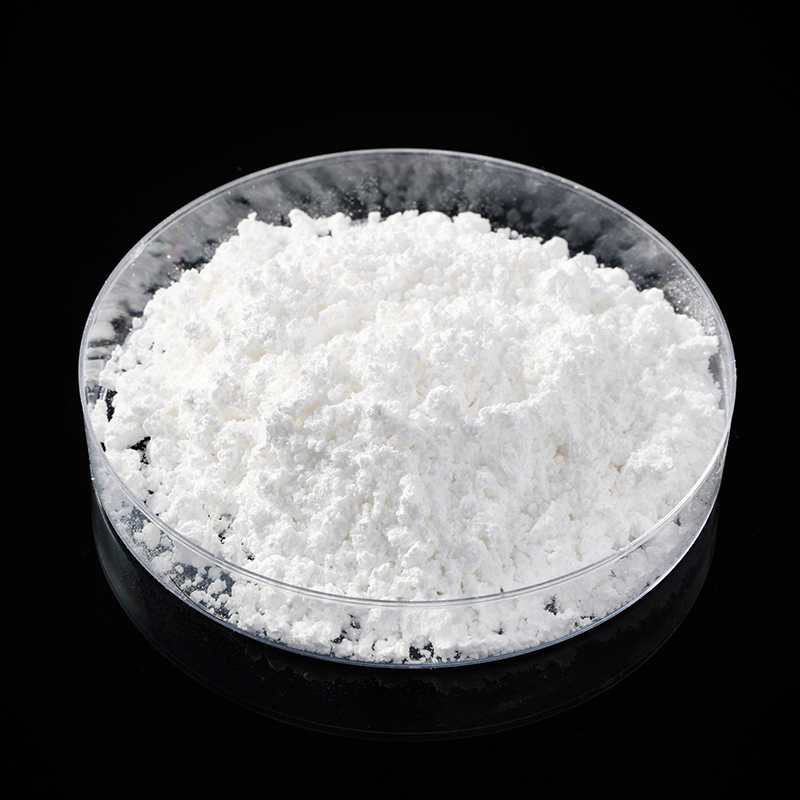
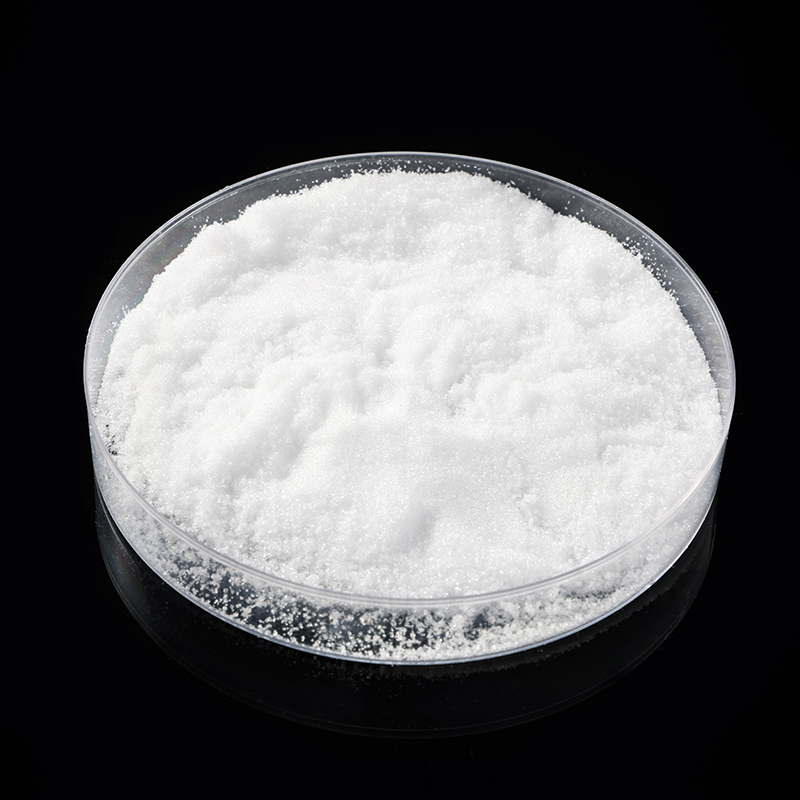
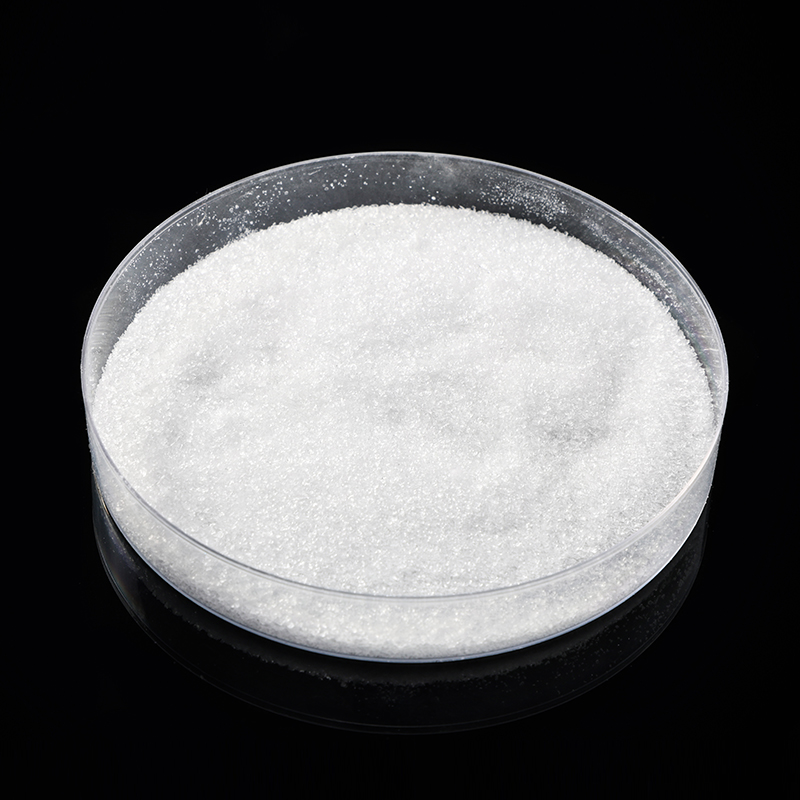
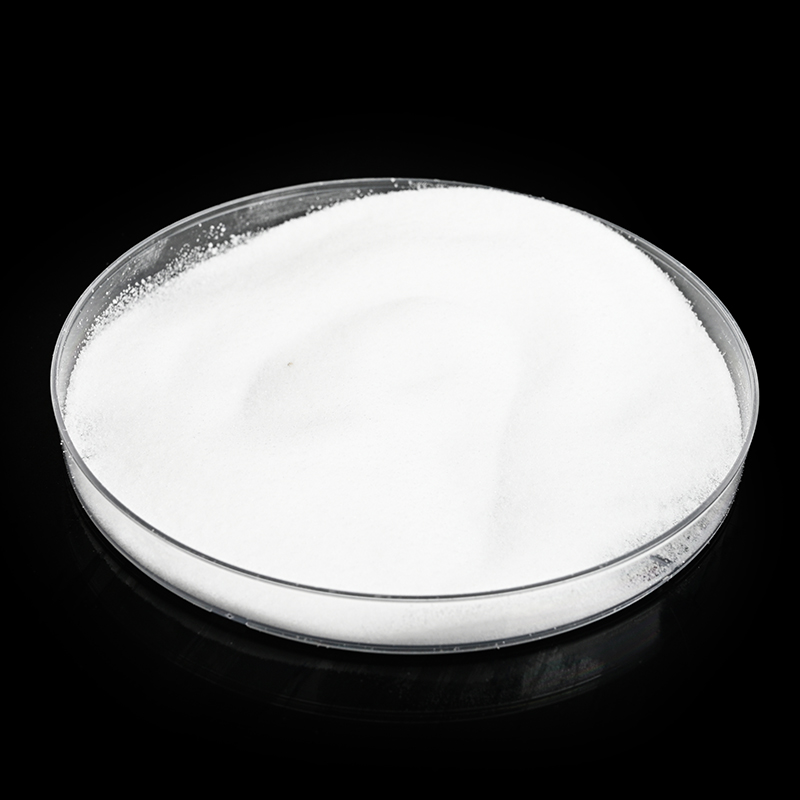
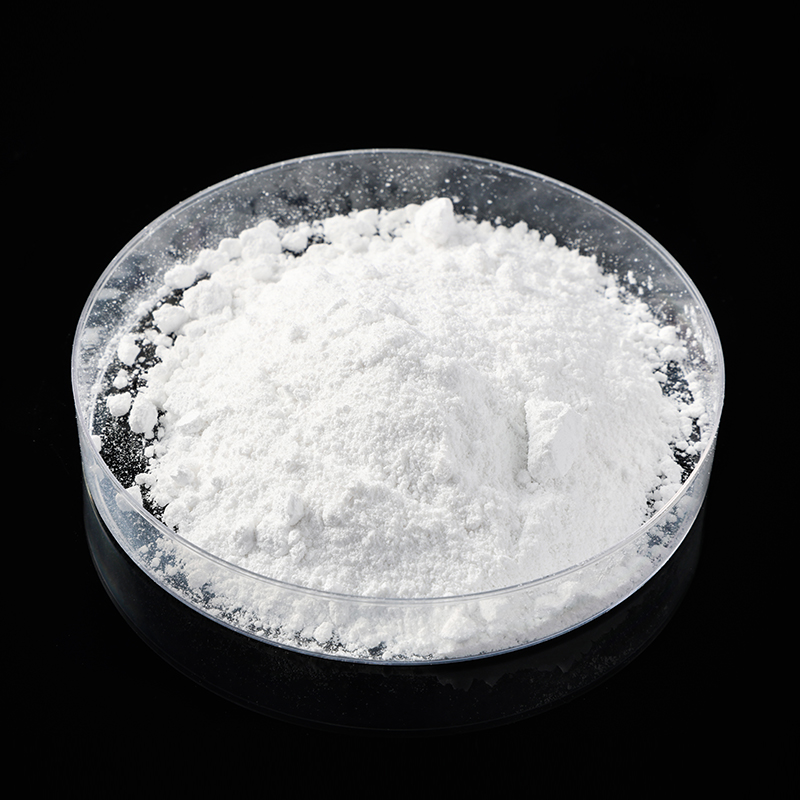
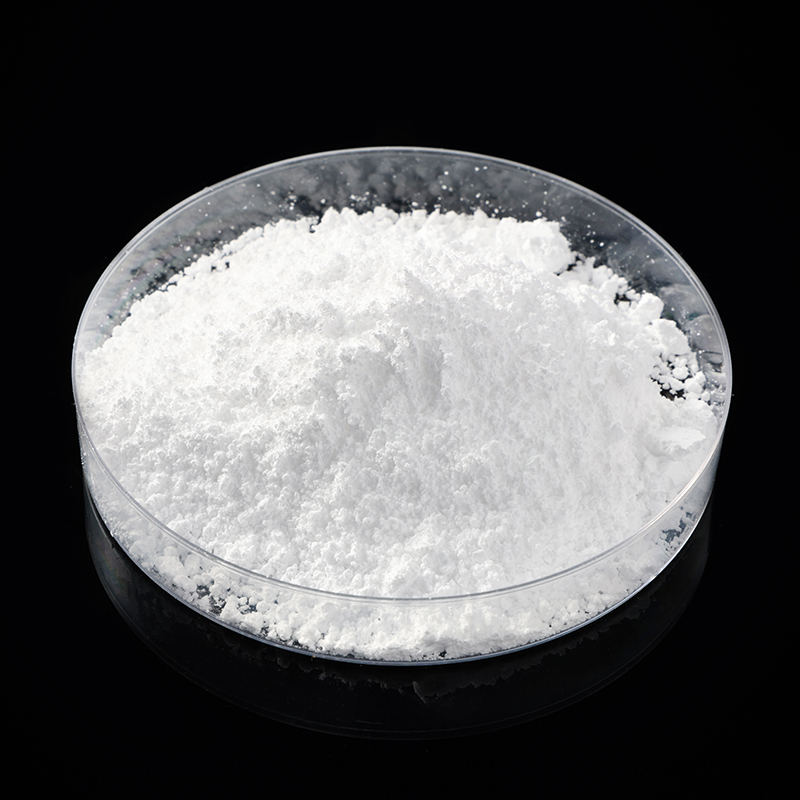
Ammonium bifluoride is an inorganic salt produced by reacting anhydrous ammonia (NH₃) with hydrogen fluoride (HF). The reaction yields NH₄HF₂, which is then crystallized, dried, and packaged as a free‑flowing powder or compressed flakes. It is also known as ammonium hydrogen difluoride. Unlike liquid HF, which is extremely volatile and hazardous to transport, ammonium bifluoride is a solid that can be shipped safely in sealed polyethylene bags or drums. Once dissolved in water, it releases HF and ammonium fluoride, generating the acidic, etching action. The global market for ammonium bifluoride is driven by demand from the glass, electronics, and petrochemical sectors, with China, India, and the United States being major producers.
Three core properties make ammonium bifluoride irreplaceable: its ability to react with silica, its controlled release of HF, and its solid form that simplifies handling. Here are the primary applications.
The most visible use of ammonium bifluoride is in decorative glass etching. When mixed with water and other ingredients (e.g., ammonium sulfate, barium sulfate), it forms a paste or solution that attacks the silicon dioxide in glass, creating a permanent, non‑glare frosted finish. This process is used for glassware, mirrors, light bulbs, architectural glass, and even smartphone screens. Unlike sandblasting, chemical etching with ammonium bifluoride produces smooth, precise, and uniform results, even on complex shapes. The reaction produces soluble fluorosilicates that are rinsed away.
In the metals industry, ammonium bifluoride is an essential component of acidic cleaners for aluminum, stainless steel, and titanium. It removes oxide layers (e.g., Al₂O₃, chromium oxide), heat tint, and welding scale without pitting the base metal. For aluminum, it is used before anodizing or painting to ensure adhesion. For stainless steel, it eliminates “blue scale” from heat treatment. Many commercial metal brighteners contain 5‑15% ammonium bifluoride, along with surfactants and corrosion inhibitors. The chemical also activates surfaces for subsequent plating or coating operations.
In the petroleum industry, ammonium bifluoride plays a critical role in stimulating sandstone reservoirs. Sandstone contains silica and silicates that are not soluble in hydrochloric acid alone. By adding ammonium bifluoride to the acid blend (forming “mud acid”), the mixture generates HF downhole, dissolving clays, feldspars, and other minerals that block pore spaces. This increases permeability and boosts oil and gas production. The use of solid ammonium bifluoride instead of liquid HF is safer for transportation and storage on offshore platforms and remote drilling sites.
Ultra‑pure ammonium bifluoride is used in the semiconductor industry for cleaning silicon wafers and etching silicon dioxide layers. It is a component of buffered oxide etch (BOE) solutions, where it provides a controlled fluoride concentration. The high purity requirements (parts‑per‑billion levels of metals) demand dedicated production lines. Any metallic contamination can ruin microchips, so suppliers must meet strict semiconductor‑grade standards.
Despite its utility, ammonium bifluoride is classified as a hazardous substance under OSHA, GHS, and other regulatory frameworks. It carries the following risks:
The most insidious property is that fluoride burns are initially painless, leading to delayed treatment and severe tissue destruction. Calcium gluconate gel is the specific antidote for skin exposure.
Facilities using ammonium bifluoride must implement multiple layers of protection. Engineering controls include local exhaust ventilation, enclosed mixing systems, and automated metering to reduce dust. If dust is unavoidable, use a high‑efficiency particulate air (HEPA) filtered vacuum for cleanup – never a broom (which disperses dust). Personal protective equipment (PPE) must be chemical‑resistant: butyl rubber or Viton gloves (not latex or natural rubber), full‑face shield, chemical splash goggles, and a Tyvek suit with a hood. Respiratory protection (e.g., P100 or supplied‑air respirator) is required when airborne dust levels exceed exposure limits (OSHA PEL: 2.5 mg/m³ as F). All workers must be trained on fluoride poisoning symptoms and first aid.
In case of skin contact, remove contaminated clothing immediately and rinse the area with copious water for 15‑20 minutes, then apply calcium gluconate gel (2.5%) and seek medical attention. For eye exposure, flush with water for at least 15 minutes and transport to an emergency room. Inhalation victims should be moved to fresh air; administer oxygen if breathing difficulty occurs. Oral ingestion: do not induce vomiting; give milk or milk of magnesia to bind fluoride ions. All exposures require medical evaluation, even if symptoms seem mild.
Because of its hazards, ammonium bifluoride is regulated under multiple frameworks. In the US, OSHA’s Hazard Communication Standard (29 CFR 1910.1200) requires labeling and safety data sheets. The EPA lists it as an extremely hazardous substance under EPCRA, with reporting requirements for releases. The Department of Transportation classifies it as UN 1727 (Class 8, corrosive). In the EU, it is subject to REACH restrictions and CLP classification. Many large companies have their own internal standards that exceed government requirements, such as requiring full encapsulation suits for maintenance work.
Comparing alternatives: sodium bifluoride is less soluble and often used in household cleaners; it is less efficient for glass etching. Liquid HF provides the strongest fluoride activity but is extremely dangerous to store and transport. Ammonium bifluoride strikes a balance: safer handling as a solid, yet easily dissolved to generate HF on site. However, any worker dealing with ammonium bifluoride must still be trained for HF exposure, because once in solution, the HF activity is similar to dilute HF acid.
Store ammonium bifluoride in tightly sealed polyethylene or polypropylene containers, away from acids, bases, and moisture. Keep in a cool, dry, well‑ventilated area, separate from incompatible materials. Use secondary containment to catch spills. For disposal, dilute small amounts with water, neutralize with lime (calcium hydroxide) or sodium carbonate to precipitate calcium fluoride, and then dispose of the sludge as hazardous waste according to local regulations. Never pour solutions down drains without treatment. Empty containers should be triple‑rinsed and recycled or disposed of as hazardous waste.
The global ammonium bifluoride market is projected to grow at a CAGR of 3.5% through 2030. Drivers include increased demand for glass containers (sustainable packaging) and the expansion of oil and gas exploration, particularly in the Middle East and North America. The semiconductor industry’s demand for ultra‑high‑purity grades is also rising. At the same time, environmental and health regulations are pushing manufacturers to develop safer handling technologies, such as tablet formulations (which reduce dust) and closed‑loop etching systems. Some research is exploring alternative fluoride sources with lower toxicity, but for now, ammonium bifluoride remains the most practical option for many applications.
In 2018, a glassware factory in Eastern Europe experienced a serious accident when a worker inhaled dust from a torn bag of ammonium bifluoride. He did not wear respiratory protection because the task was “only a few minutes.” Within hours, he developed severe pulmonary edema and required hospitalization for two weeks. The incident prompted the company to install a closed‑loop powder transfer system and mandate mandatory fit‑tested respirators for all material handling. No similar incidents occurred afterward. This tragedy underscores that ammonium bifluoride is not a substance to be taken lightly – even brief exposure can have life‑altering consequences.
It is strongly discouraged. Home users lack proper ventilation, PPE, and spill control. Commercially available glass etching creams often use milder fluorides like sodium bifluoride in lower concentrations. Even then, gloves and eye protection are essential.
No. Ammonium fluoride is NH₄F, while ammonium bifluoride is NH₄HF₂. The bifluoride releases more HF per gram and is more acidic. Both are hazardous, but bifluoride is more commonly used in industrial etching.
Calcium carbonate (limestone), calcium hydroxide (lime), or sodium bicarbonate can be used to neutralize the acid and precipitate fluoride as CaF₂. Always add the base slowly to control heat and fuming.
It is very stable if kept dry. Moisture absorption can cause caking, but the chemical does not degrade. Caked material can be gently crushed or dissolved; do not use metal tools that could create sparks.
Copyright © 2023 Nantong Jinxing Fluorides Chemical Co., Ltd. All Rights Reserved.
 Custom Fluorine Chemical Suppliers