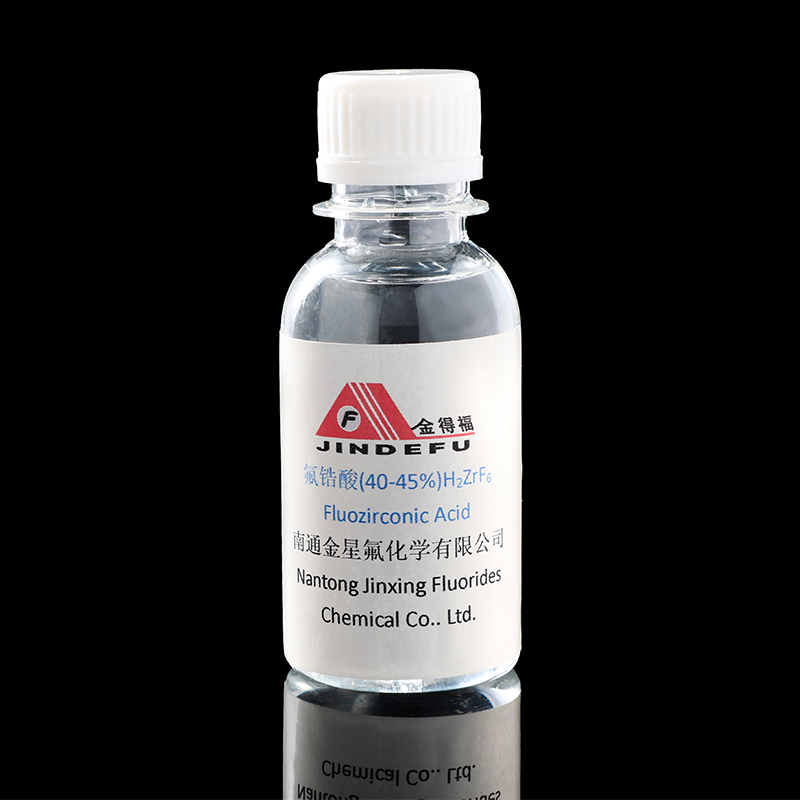
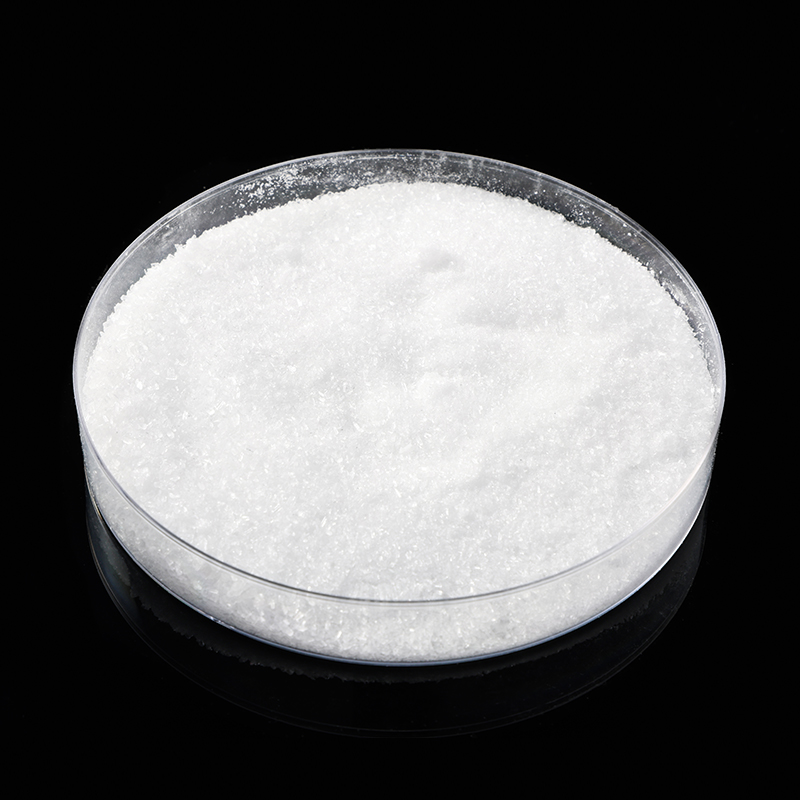
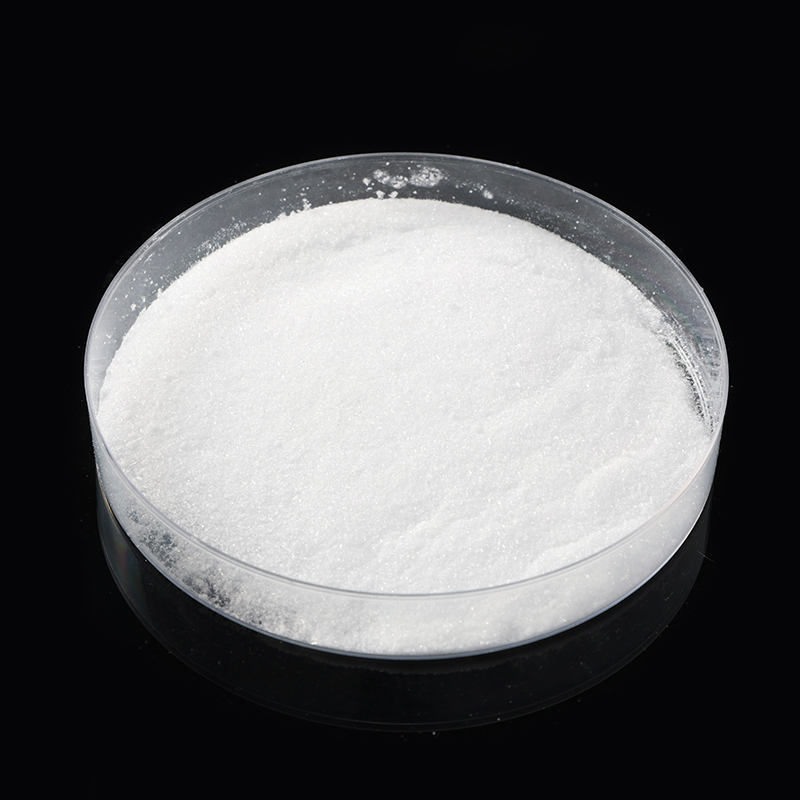
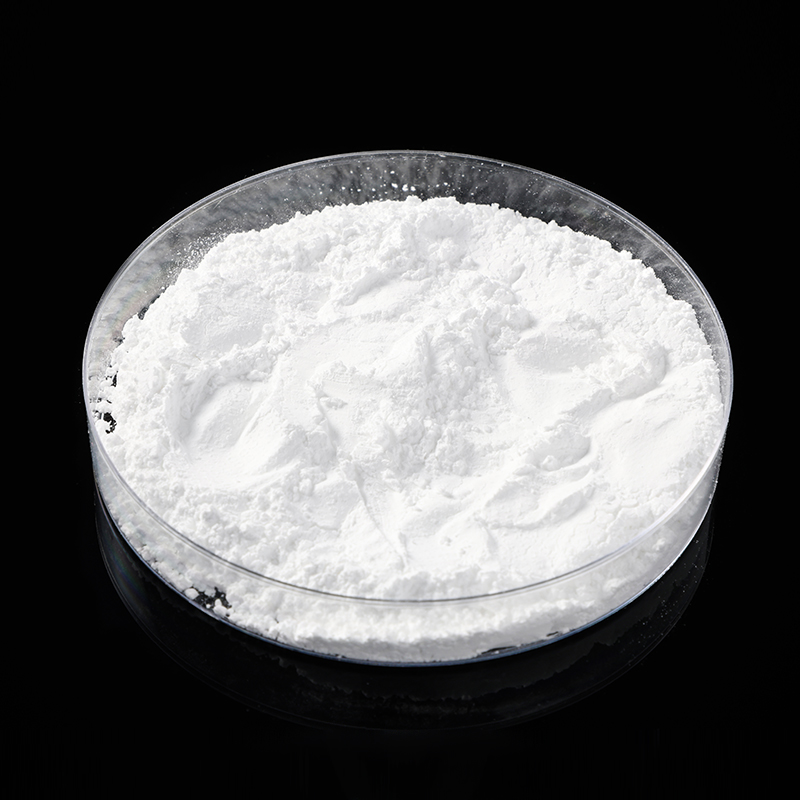
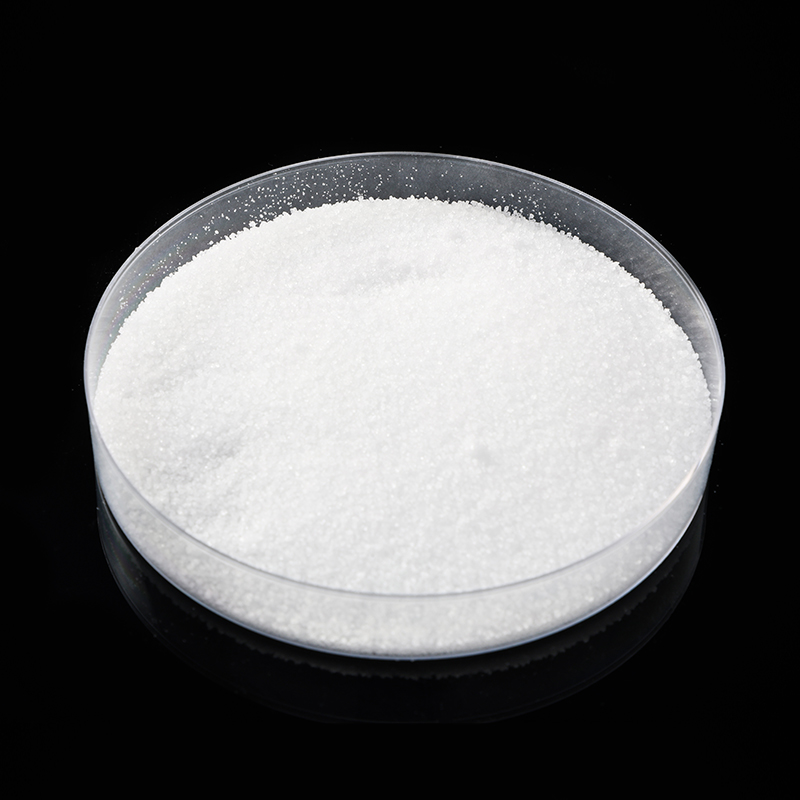
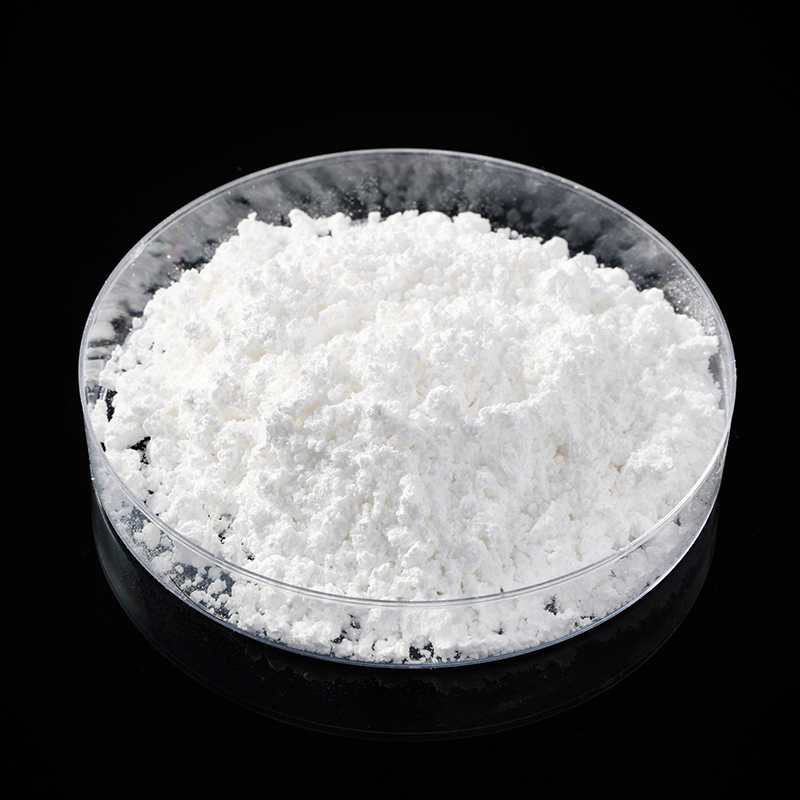
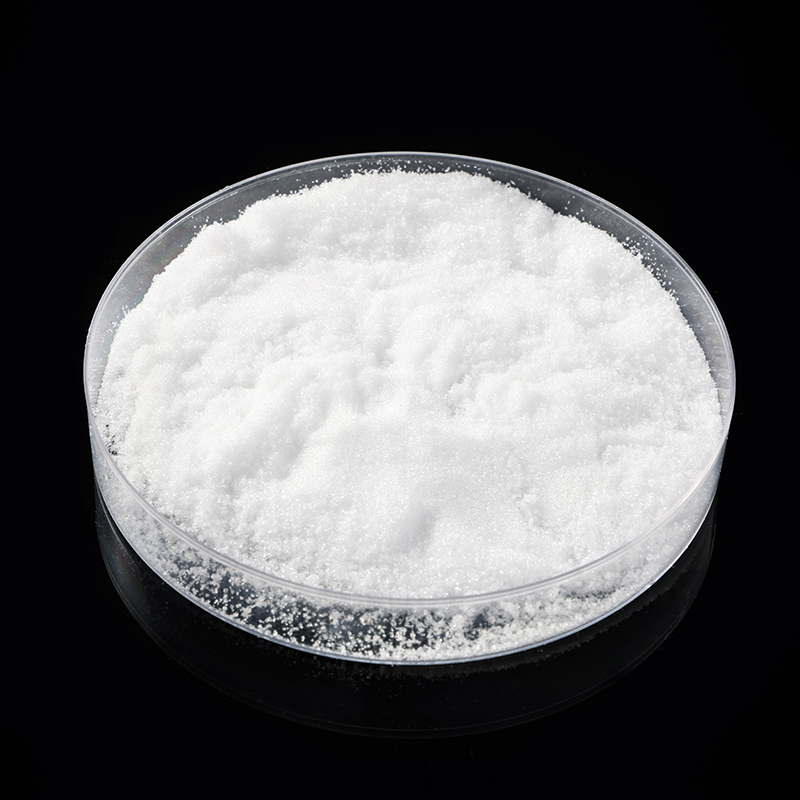
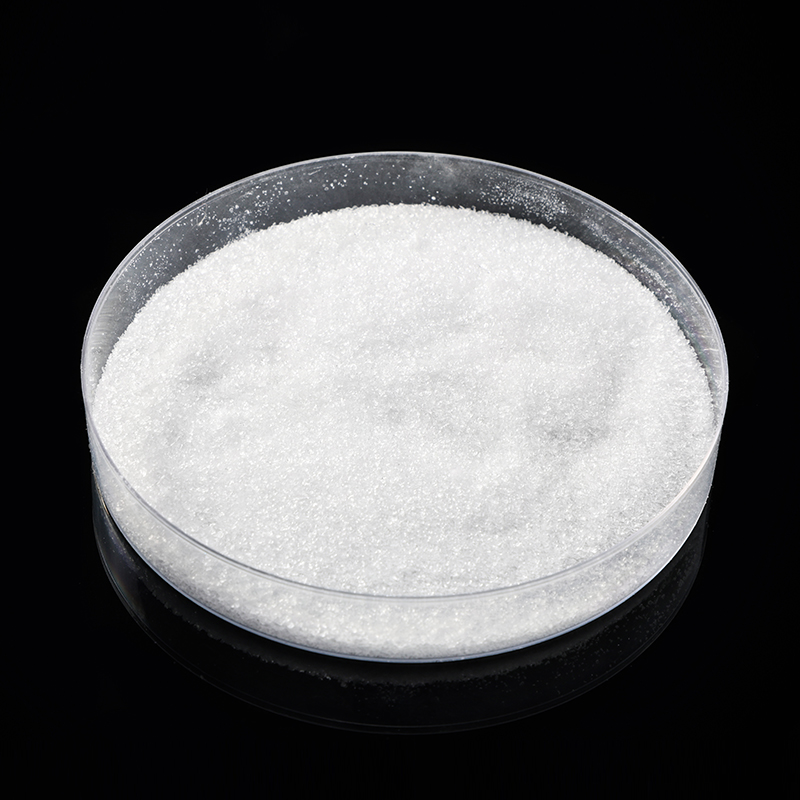
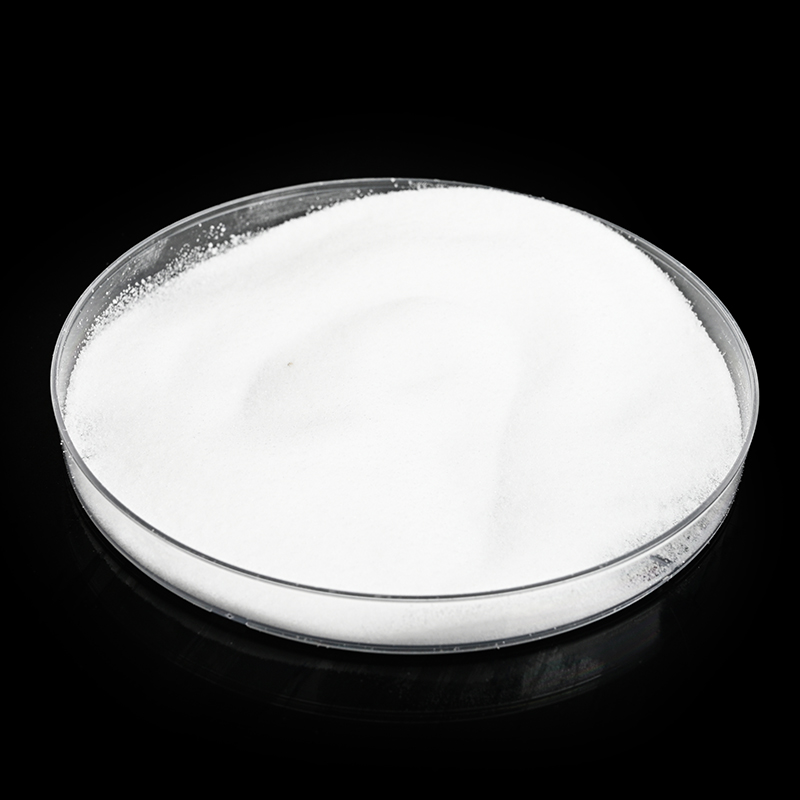
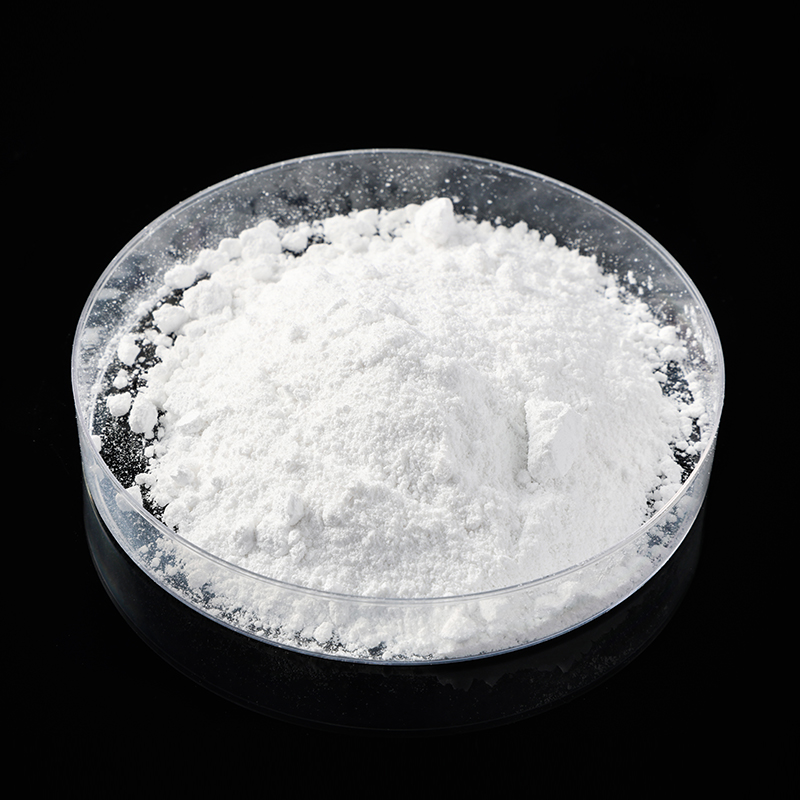
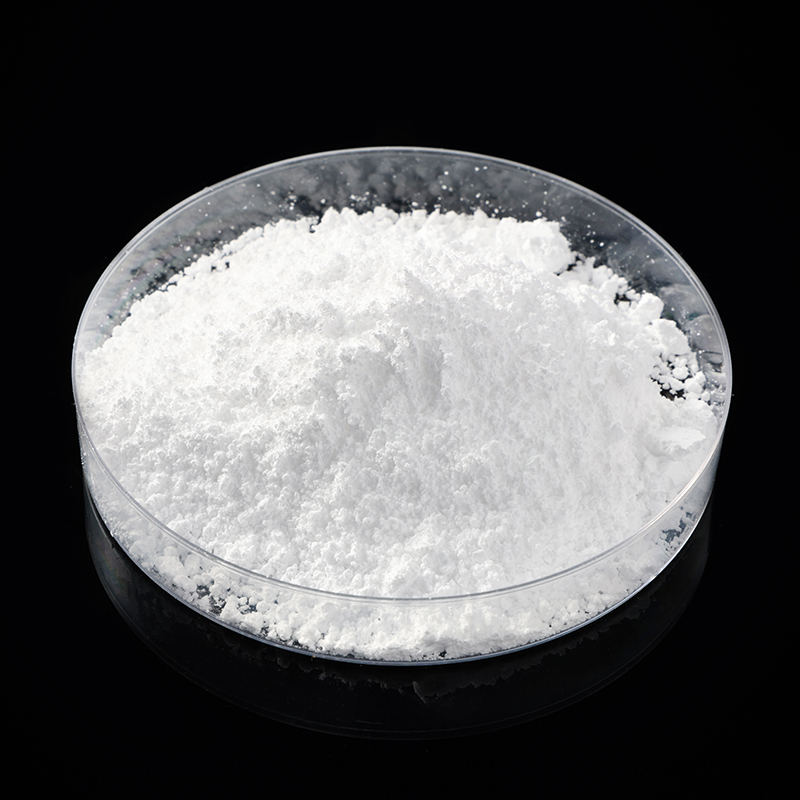
Ammonium fluorozirconate is a complex inorganic salt that exists as a white or colorless crystalline powder, widely recognized for its utility in the modification of metallic and ceramic surfaces. The compound is composed of ammonium ions and hexafluorozirconate ions, creating a stable crystalline structure that is highly soluble in water. This solubility makes it an ideal candidate for aqueous processing in industrial environments where precision and uniform application are required. In many scientific contexts, it is referred to as ammonium hexafluorozirconate, a name that more accurately describes its internal molecular arrangement involving a single zirconium atom surrounded by six fluoride atoms. Because it possesses unique chemical properties that allow it to act as both a source of zirconium and a source of fluoride, it is frequently utilized in the creation of protective coatings that enhance the durability of metals such as aluminum and magnesium.
The significance of ammonium fluorozirconate in the modern industrial landscape cannot be overstated, as it represents a shift toward more sophisticated and environmentally manageable chemical processes. Unlike older metal treatment technologies that relied heavily on toxic chromium compounds, ammonium fluorozirconate provides a pathway for achieving high levels of corrosion resistance and paint adhesion through the formation of thin, stable oxide layers. Its behavior in solution is dictated by the acidity or alkalinity of the environment, where it can undergo controlled hydrolysis to deposit zirconium dioxide onto a substrate. This ability to form a molecularly thin but physically robust barrier is what makes the compound indispensable in sectors ranging from automotive manufacturing to aerospace engineering.
The physical identity of ammonium fluorozirconate is defined by its appearance as a fine crystalline solid that exhibits a high degree of purity. In its standard industrial form, the crystals are often odorless and possess a density that allows for predictable measuring and mixing in large scale manufacturing operations. One of the most important chemical characteristics of this compound is its thermal behavior. When subjected to high temperatures, ammonium fluorozirconate undergoes a decomposition process where it releases ammonia and hydrogen fluoride gas, eventually leaving behind a residue of zirconium tetrafluoride or zirconium dioxide depending on the atmosphere and the temperature level. This thermal sensitivity is a critical factor in applications such as the production of specialty glasses and ceramics where the precise introduction of zirconium is necessary.
The solubility of ammonium fluorozirconate in water is another defining feature that dictates its industrial utility. It dissolves readily at room temperature, and its solubility increases significantly as the temperature of the water rises. This property allows chemical engineers to create concentrated master batches that can be precisely diluted for use in spray or immersion tanks. Once in solution, the ammonium fluorozirconate exists as dissociated ions that are ready to interact with the surface of a workpiece. The fluoride ions in the solution play a dual role by cleaning the metal surface through a controlled etching process while the zirconium ions prepare to form the protective conversion layer. This simultaneous cleaning and coating action is a hallmark of fluorozirconate based treatments, providing a level of efficiency that is difficult to achieve with other inorganic salts.
The most prominent application of ammonium fluorozirconate is in the field of metal finishing and surface preparation. In the modern manufacturing of aluminum components, such as those used in vehicle bodies and architectural structures, the metal must be treated to prevent oxidation and to ensure that paints or powders adhere strongly to the surface. Ammonium fluorozirconate is the primary active ingredient in many chromium free conversion coating formulations. When an aluminum part is immersed in a solution containing this compound, the fluoride ions react with the natural aluminum oxide layer on the surface, dissolving it and allowing the zirconium ions to come into direct contact with the bare metal.
As the local pH level at the metal-liquid interface increases during this reaction, the zirconium ions undergo a hydrolysis reaction that results in the deposition of a thin, dense layer of zirconium oxide. This layer is often only a few nanometers thick, yet it provides a powerful barrier against the diffusion of oxygen and moisture, which are the primary drivers of corrosion. Because this process occurs at the molecular level, the resulting coating is perfectly contoured to the geometry of the part, ensuring that even complex shapes with deep recesses receive uniform protection. This mechanism has largely replaced traditional chromating processes because zirconium based coatings are far less hazardous to human health and are easier to manage within industrial wastewater treatment systems.
Beyond simple corrosion protection, ammonium fluorozirconate is vital for ensuring the long term durability of decorative and protective finishes. When a metal surface is left untreated, it is often too smooth or chemically inert for paints and organic coatings to form a permanent bond. This leads to issues such as delamination, where the paint peels away from the metal in large sheets. The zirconium oxide layer formed by ammonium fluorozirconate creates a chemically active surface that contains a high density of hydroxyl groups. These groups act as bonding sites that can form strong covalent or hydrogen bonds with the resins found in paints, primers, and powder coatings.
This increased bonding strength is particularly important in industries where products are exposed to extreme mechanical stress or harsh weather conditions. For example, in the automotive industry, parts such as wheels and engine components must withstand constant vibration, temperature swings, and exposure to road salts. By utilizing a pre-treatment based on ammonium fluorozirconate, manufacturers can ensure that the paint remains intact for the entire service life of the vehicle. The resulting interface between the metal and the coating is much more resilient to the ingress of corrosive ions, preventing the phenomenon known as filiform corrosion, where rust spreads underneath the paint surface like a web.
The protective film generated by ammonium fluorozirconate is characterized by its chemical stability and its ability to act as a dielectric barrier. In electrochemical terms, corrosion occurs when electrons move between different areas of a metal surface in the presence of an electrolyte. The zirconium oxide layer acts as an insulator that interrupts this flow of electrons, effectively stalling the corrosion process at its source. Unlike some other coatings that may be porous or prone to cracking, the film created by ammonium fluorozirconate is highly cohesive and exhibits excellent self-limiting growth properties. This means that once a certain thickness is reached, the reaction slows down, ensuring that the coating remains thin enough to maintain the dimensional tolerances of precision engineered parts.
Furthermore, the presence of fluoride in the ammonium fluorozirconate solution ensures that any microscopic impurities or surface contaminants are removed during the coating process. This "self-cleaning" attribute is essential for achieving consistent results in high volume production environments where the quality of the incoming metal may vary. The uniformity of the protective film is a primary reason why this compound is favored for treating aluminum alloys that contain high levels of alloying elements like copper or silicon, which are notoriously difficult to protect using traditional methods. The result is a surface that is not only resistant to the environment but also provides a pristine foundation for subsequent manufacturing steps.
The utility of ammonium fluorozirconate extends far beyond the realm of metallurgy and into the sophisticated world of specialty glass and ceramic manufacturing. In these sectors, the compound is utilized as a high purity source of both zirconium and fluorine, which are essential for altering the refractive and mechanical properties of the final product.
In the production of optical glasses, particularly those used in high performance camera lenses and fiber optic cables, ammonium fluorozirconate plays a critical role in controlling the refractive index of the material. Zirconium is known for its ability to increase the refractive index of glass while maintaining high transparency and low dispersion. By using ammonium fluorozirconate as a precursor, glass manufacturers can introduce zirconium into the glass melt in a way that ensures even distribution at the atomic level. The fluorine component of the compound is also beneficial, as it can help to lower the melting point of the glass mixture and assist in the removal of unwanted impurities through the formation of volatile fluoride species.
This is particularly important in the manufacturing of fluoride glasses, such as those used in mid-infrared laser applications and specialty sensors. These glasses require extremely low levels of oxygen contamination to function correctly. Ammonium fluorozirconate allows for the introduction of zirconium without the simultaneous introduction of oxygen, which would be unavoidable if using zirconium oxides. The ability to produce glasses with such high levels of optical clarity and specific refractive properties is a major driver of innovation in telecommunications and medical imaging technology.
In the ceramics industry, ammonium fluorozirconate is utilized to produce advanced glazes and protective coatings that can withstand extreme heat and chemical exposure. When the compound is applied to a ceramic surface and then fired in a kiln, it decomposes to form a hard, durable layer of zirconium dioxide. This layer provides a high degree of wear resistance and thermal stability, making it ideal for use in industrial furnace linings, chemical reactors, and high performance kitchenware.
The fluorine released during the firing process also acts as a fluxing agent, helping the ceramic glaze to flow smoothly and fill in any microscopic pores in the surface of the ceramic body. This results in a finish that is not only aesthetically pleasing but also highly resistant to staining and chemical attack. The use of ammonium fluorozirconate in these applications allows for the creation of ceramics that are significantly more durable than those produced using traditional glazing techniques, expanding the possibilities for ceramic materials in engineering and heavy industry.
The production of ammonium fluorozirconate is a precise chemical process that requires the careful management of reactive precursors and environmental conditions. The synthesis generally begins with the reaction of zirconium bearing minerals or purified zirconium chemicals with hydrofluoric acid. This reaction produces a solution of fluorozirconic acid, which is then neutralized with ammonia or ammonium hydroxide to precipitate the ammonium fluorozirconate salt.
The quality of the final product depends heavily on the conditions during the precipitation phase. Factors such as the concentration of the reactants, the speed of mixing, and the temperature of the solution must be strictly controlled to ensure that the resulting crystals are of the correct size and purity. If the reaction proceeds too quickly, the crystals may be too small or may trap impurities within their structure. By carefully managing the crystallization process, manufacturers can produce ammonium fluorozirconate with a purity level exceeding ninety-nine percent, which is the standard required for sensitive optical and aerospace applications.
Once the crystals have formed, they are separated from the mother liquor through filtration or centrifugation. The wet crystals are then washed with deionized water to remove any residual acidity or unreacted ammonia. This washing step is vital for ensuring that the final product is chemically stable and does not pose a risk of corrosion to the equipment in which it will be used. The purified crystals are then dried in a controlled atmosphere to prevent the absorption of moisture, as ammonium fluorozirconate can be slightly hygroscopic in humid environments.
To maintain the high standards required by modern industry, the production of ammonium fluorozirconate is subject to rigorous quality control testing. Analysts use techniques such as ion chromatography and inductively coupled plasma mass spectrometry to detect and quantify trace levels of metallic impurities, such as iron, copper, or nickel. These contaminants must be kept to a minimum, as even small amounts of heavy metals can interfere with the performance of conversion coatings or the optical properties of specialty glasses.
Furthermore, the ratio of ammonia to fluoride and zirconium must be precisely verified to ensure that the compound behaves predictably in industrial baths. Any deviation from the intended stoichiometry could lead to inconsistent results in the surface treatment process, causing issues such as patchy coatings or poor paint adhesion. This commitment to precision in manufacturing is what allows ammonium fluorozirconate to remain a reliable and effective tool for engineers across the globe.
The following table provides a qualitative comparison between ammonium fluorozirconate based treatments and other common industrial surface preparation methods. This comparison highlights why zirconium based salts have become a preferred option in the transition toward sustainable and efficient manufacturing.
| Treatment Category | Process Mechanism | Environmental and Safety Profile | Application Efficiency |
| Ammonium Fluorozirconate | Molecular deposition of zirconium oxide films | High safety with minimal toxic waste generation | Simultaneous cleaning and coating in a single step |
| Chromate Conversion | Deposition of hexavalent or trivalent chromium | Significant environmental risks and strict regulations | Excellent protection but requires complex waste management |
| Iron Phosphating | Formation of a crystalline iron phosphate layer | Moderate safety with significant sludge production | Good for large parts but offers lower corrosion resistance |
| Zinc Phosphating | Growth of a heavy zinc phosphate crystal structure | High energy consumption and hazardous waste issues | High durability but complex and multi-stage process |
| Anodizing | Electrolytic growth of a thick oxide layer | Energy intensive but generally safe materials | Superior protection but high operational cost and time |
While ammonium fluorozirconate is a powerful industrial tool, it must be handled with care to protect the health of workers and the integrity of the environment. The compound contains fluoride, which can be toxic if ingested, inhaled, or absorbed through the skin in significant quantities. Therefore, strict adherence to safety protocols is mandatory in any facility that utilizes this chemical.
Workers who handle ammonium fluorozirconate must be equipped with appropriate personal protective equipment, including chemical resistant gloves, safety goggles, and respiratory protection if dust is present. Because the compound can release hydrogen fluoride gas if it comes into contact with strong acids or is heated to high temperatures, adequate ventilation is essential in all storage and processing areas. Facilities should be equipped with emergency eye wash stations and safety showers to provide immediate decontamination in the event of accidental exposure.
Training programs are also vital for ensuring that all staff members understand the risks associated with fluorinated compounds and know how to respond to an emergency. This includes the proper use of spill kits and the correct procedures for disposing of contaminated clothing or cleaning materials. By maintaining a culture of safety and providing the necessary resources, manufacturers can harness the benefits of ammonium fluorozirconate while minimizing the risk to their workforce.
The environmental management of ammonium fluorozirconate focuses primarily on the treatment of rinse water and spent process baths. Because the solution contains fluoride and zirconium ions, it cannot be discharged directly into the municipal sewer system without treatment. Most industrial facilities utilize a precipitation process to remove these ions from the wastewater. By adding lime or other calcium based chemicals, the fluoride and zirconium are converted into insoluble solids that can be easily removed through filtration.
This treatment process is highly effective and allows facilities to meet stringent environmental regulations regarding the discharge of inorganic salts. Furthermore, many modern treatment systems allow for the recycling of water, reducing the overall environmental footprint of the manufacturing process. The shift from chromium based treatments to ammonium fluorozirconate has significantly simplified the wastewater management task for many companies, as zirconium is far less mobile and toxic in the environment than hexavalent chromium. This transition represents a major step forward in the industry's commitment to sustainable and responsible manufacturing practices.
The long term stability of ammonium fluorozirconate is dependent on proper storage conditions. The compound should be kept in a cool, dry place, away from incompatible materials such as strong acids, strong bases, and oxidizing agents. Moisture can cause the powder to clump and may lead to a slow hydrolysis of the salt over time, which can reduce its effectiveness in process baths. Therefore, it is typically stored in moisture proof bags or sealed plastic containers.
When designing a chemical delivery system for ammonium fluorozirconate, engineers must select materials that are resistant to the mildly acidic and corrosive nature of the solution. Stainless steel, polypropylene, and polyethylene are commonly used for tanks, pumps, and piping. Materials such as carbon steel or certain copper alloys must be avoided, as they will quickly corrode when exposed to the fluorozirconate ions. By ensuring material compatibility throughout the system, manufacturers can prevent equipment failure and maintain the purity of the chemical solution for extended periods.
The role of ammonium fluorozirconate in modern science and industry is a testament to the power of inorganic chemistry to solve complex engineering challenges. From the protective coatings on our vehicles to the precision lenses in our cameras, this compound silently enables the high performance and durability of the products we use every day. Through continued research and a commitment to safe and sustainable practices, the applications for ammonium fluorozirconate will likely continue to expand, providing new solutions for the materials of the future.
Copyright © 2023 Nantong Jinxing Fluorides Chemical Co., Ltd. All Rights Reserved.
 Custom Fluorine Chemical Suppliers




 English
 中文简体
中文简体 Español