

 English
 中文简体
中文简体 Español
Home / News / Industry News / Which Tube Contains Sodium Fluoride and Potassium Oxalate? Gray-Top Guide
The gray-top blood collection tube is the tube that contains sodium fluoride and potassium oxalate. This pairing is the standard answer on phlebotomy certification exams and in laboratory practice, and it is no accident. Each additive has a distinct job: sodium fluoride keeps glucose from being metabolized after the blood is drawn, and potassium oxalate keeps the sample liquid by preventing clot formation. The question appears so often in training materials because the gray tube is easy to confuse with other additive tubes when you are working quickly, and the cost of a wrong answer is a specimen that cannot be analyzed. Knowing which tube contains the additive sodium fluoride and potassium oxalate is the first step; understanding why the combination exists, how it behaves, and when it is required will make you a more effective phlebotomist or laboratory professional. This article covers the identification, mechanism, handling, and practical limits of the gray-top tube so you can use it correctly under real-world conditions.
The answer is the gray-stoppered tube. Color coding for evacuated blood collection tubes is standardized across most manufacturers, and gray has long been designated for glucose-related testing. The stopper color is the fastest way to identify the tube at a glance, but always confirm the stopper color with the printed label before filling the tube; the label lists the active ingredients and the required blood volume.
The sodium fluoride in the tube acts as an antiglycolytic agent. It inhibits the enzymes that would otherwise consume glucose, so the concentration measured by the laboratory closely matches the patient's true blood glucose level at the time of collection. The potassium oxalate acts as an anticoagulant, binding calcium ions that the coagulation cascade depends on. Blood collected in a gray tube therefore yields plasma after centrifugation, not serum. A gray tube is both a container and a chemical stabilization system.
| Stopper color | Additive | Primary laboratory use |
|---|---|---|
| Gray | Sodium fluoride + potassium oxalate | Glucose, lactate, blood alcohol |
| Lavender | EDTA | Hematology (CBC) |
| Light blue | Sodium citrate | Coagulation tests |
| Green | Heparin | Plasma chemistry |
| Red | None or clot activator | Serum chemistry |
| Gold / SST | Clot activator + gel separator | Serum chemistry |
New phlebotomists sometimes confuse gray-top tubes with lavender or light-blue tubes. The lavender tube contains EDTA and is used for blood counts; the light-blue tube contains sodium citrate and is used for coagulation testing. Using the wrong tube is a leading cause of rejected specimens, so the distinction is not academic. Be aware that some gray tubes contain sodium fluoride with EDTA rather than with potassium oxalate; the formulation is printed on the label, and the classic combination referenced in exam questions is sodium fluoride with potassium oxalate.
After blood is drawn, living cells in the sample continue to burn glucose. This consumption lowers the measured glucose concentration at a rate of roughly 5 to 7 percent per hour at room temperature, which means a sample that sits for two hours before processing could produce a result 10 to 15 percent below the patient's actual value. This drop is clinically significant: a glucose value that should be 100 mg/dL (5.6 mmol/L) can fall into a borderline or even hypoglycemic range by the time it reaches the analyzer. Sodium fluoride addresses this problem directly. It inhibits enolase, a key enzyme in the glycolytic pathway. Once the enzyme is blocked, cells stop consuming glucose, and the glucose level in the sample is effectively frozen.
This mechanism is why the gray tube is the preferred collection device for fasting plasma glucose, oral glucose tolerance tests, and routine diabetes monitoring. A practical limitation, however, is that fluoride does not stop glycolysis the instant blood contacts the tube wall. Studies show a lag of 30 to 90 minutes before inhibition is complete. Centrifuging and separating the plasma promptly is therefore still the correct practice, even when the specimen has been collected in a gray tube. The stability window matters for outpatient samples that travel from a collection center to a centralized laboratory. With refrigeration and fluoride protection, glucose in a gray tube typically remains stable for 48 to 72 hours, which gives transport systems enough time to deliver the specimen without affecting the result.
The second additive, potassium oxalate, is the anticoagulant in the pair. Oxalate ions combine with ionized calcium in the blood to form insoluble calcium oxalate. Because calcium is required at several points in the coagulation cascade, removing it prevents the sample from clotting. The blood remains fluid and can be centrifuged to obtain plasma for analysis. Because the sample is anticoagulated, laboratories measure plasma rather than serum from a gray-top tube.
The oxalate concentration is carefully calibrated by the tube manufacturer. Too little oxalate means the sample may begin to clot; too much can cause hemolysis, which contaminates plasma with intracellular components and skews the results. Potassium oxalate is paired with sodium fluoride because the tube must do two things at once: prevent the sample from clotting and prevent the glucose from disappearing between the patient's arm and the laboratory analyzer. The mechanism is worth knowing when you see unusual results: a mildly hemolyzed specimen from a gray tube is often the result of an overfilled or underfilled tube, or one that was shaken rather than inverted.
Both additives are well-established inorganic compounds. Sodium fluoride is a simple sodium salt of fluorine, and potassium oxalate is the dipotassium salt of oxalic acid. In a diagnostic tube, these chemicals must be free of heavy-metal impurities, consistently soluble, and dispensed in precise amounts. Sodium fluoride is produced by neutralizing hydrofluoric acid with a sodium base, then crystallizing, purifying, drying, and classifying the salt to a controlled particle size. Each step affects how quickly the additive dissolves when blood meets the tube wall.
Manufacturers such as Nantong Jinxing Fluorides Chemical Co., Ltd., a Chinese producer that has synthesized inorganic fluorides since 1975, operate in exactly this space. The company's catalog includes potassium fluoride, a simple fluoride salt with numerous technical applications.
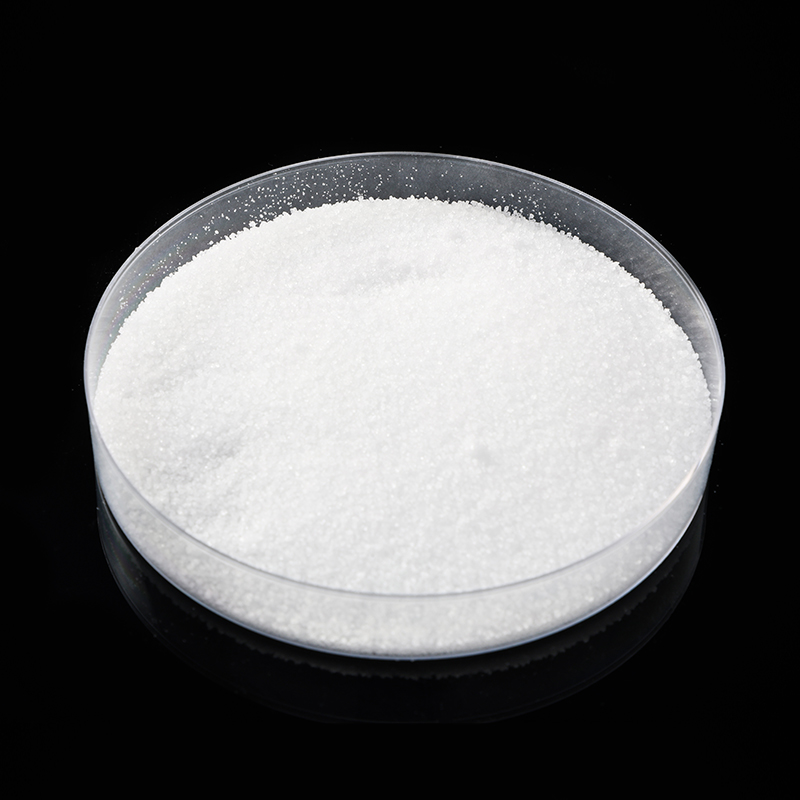 Potassium Fluoride: Industrial Fluorinating Agent and Raw MaterialThis white crystalline salt, produced by Nantong Jinxing since 1975, serves in glass engraving, electroplating, welding flux, and as a precursor to potassium bifluoride, reflecting its broad industrial fluoride chemistry role.View Product →
The same manufacturer produces sodium bifluoride, an acid fluoride that shares the sodium-fluorine chemistry of the sodium fluoride used in gray-top tubes. Nantong Jinxing's product range spans roughly twenty inorganic fluoride compounds, from simple salts to fluoroborate and fluorozirconate complexes, and its production base in Nantong applies strict testing procedures to every batch. These products illustrate how far the fluoride supply chain extends beyond familiar consumer applications.
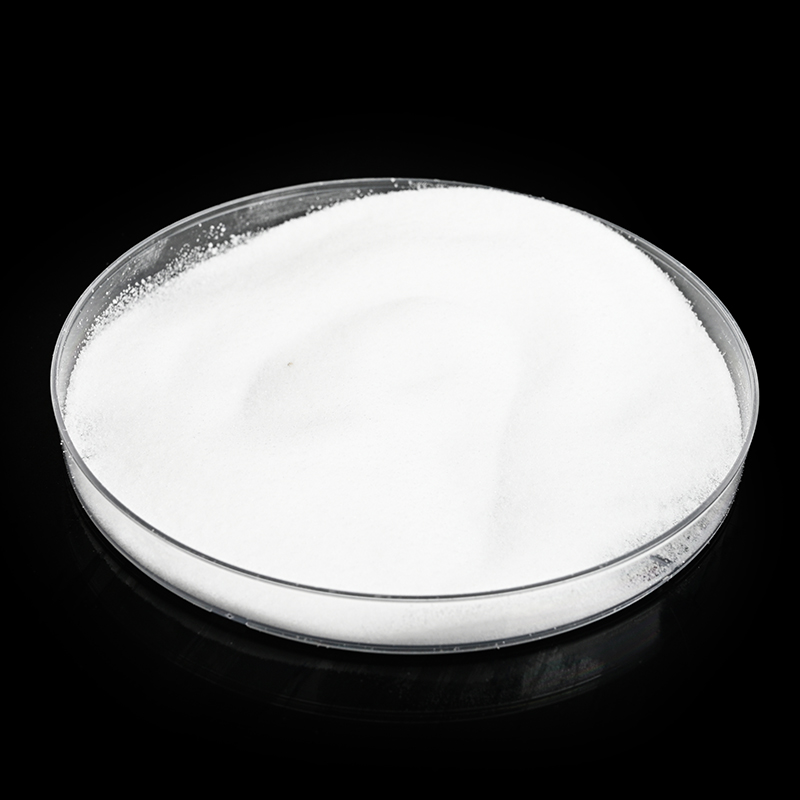 Sodium Bifluoride: Acid Fluoride with Preservation and Etching UsesThis acid fluoride shares sodium-fluorine chemistry with the sodium fluoride used in gray-top blood collection tubes, serving as a preservative for specimens and in glass etching, rust removal, and metal welding agents.View Product →
The gray tube is drawn last in the standard order of draw recommended by CLSI. The sequence begins with blood culture bottles, followed by light-blue, red, gold/SST, green, and lavender tubes, with gray tubes at the end. The logic of this sequence is contamination control. If a gray tube were drawn before other tubes, fluoride and oxalate residue on the stopper or needle could be transferred into the next tube, altering tests that have nothing to do with glucose. The same sequence applies in pediatric collections whenever more than one tube is required. If glucose is the only test ordered, the gray tube is the only tube collected, and the order-of-draw concern disappears.
After venipuncture, the gray tube must be inverted gently eight times to distribute the additives through the blood. Shaking must be avoided because it shears red cells and causes hemolysis. Fill volume also matters. Each tube is calibrated for a specific blood volume; underfilling creates an excess of oxalate relative to blood, while overfilling can exhaust the additives before they have done their job. If you are using a syringe or a winged collection set, allow the tube to fill on its own; forcing blood into the tube can alter the additive-to-blood ratio and compromise the glucose result.
Tests commonly performed on gray-top tubes include:
Some laboratories also use gray tubes for lactic acid measurement because the fluoride stops cellular production of lactate after collection. These tubes are not appropriate for every chemistry test. Sodium fluoride can interfere with ion-selective electrode measurements of sodium and with several enzymatic assays. Potassium oxalate can falsely elevate measured potassium and inhibit enzymes such as amylase and creatine kinase. The tube should also never be used for calcium testing, since the oxalate will precipitate the calcium and make the measurement impossible. Always confirm the assay manufacturer's recommendation before using a gray tube for a test other than glucose, lactate, or alcohol.
Fluoride is toxic, so gray tubes are strictly single-use devices. Reusing a tube, or pouring blood from one tube into another, is never acceptable regardless of how the sample appears. Discard the tube in an appropriate sharps or biohazard container according to your facility's policy.
Purchasing decisions for blood collection tubes come down to additive quality. A reliable supplier documents additive concentration, vacuum accuracy, and fill-volume tolerances for every lot. Batch certificates and stability data should be standard expectations in any regulated laboratory market. Expiry dates matter; an expired tube may have a weakened vacuum or degraded additives. Store tubes under the manufacturer's recommended conditions, away from humidity and extreme temperatures.
Understanding the fluoride chemistry behind the additive helps laboratory managers evaluate suppliers more critically. Pharmaceutical-grade sodium fluoride and potassium oxalate, manufactured under controlled conditions and dispensed accurately, translate directly into fewer rejected specimens and fewer repeat draws. Fluoride salts absorb moisture over time, and clumping or discoloration in the additive layer is a warning sign that the tube should not be used. From the fluorochemical plant to the tube assembly line, the quality chain determines whether a glucose result is trustworthy.
Copyright © 2023 Nantong Jinxing Fluorides Chemical Co., Ltd. All Rights Reserved.
 Custom Fluorine Chemical Suppliers