

 English
 中文简体
中文简体 Español
Home / News / Industry News / Potassium Fluoride (KF): Compound, Not an Elementary Substance — Explained
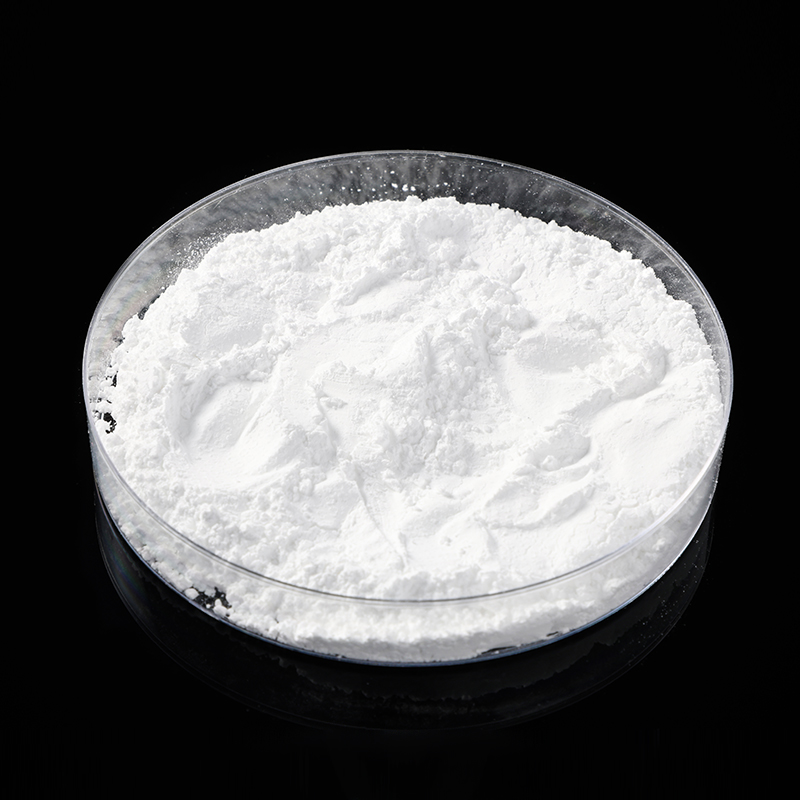
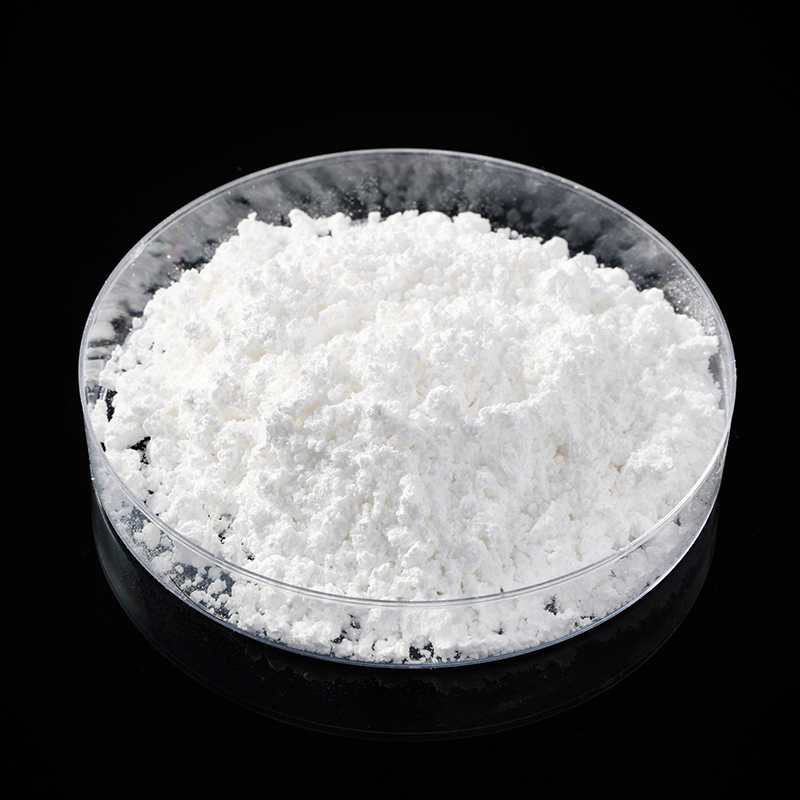
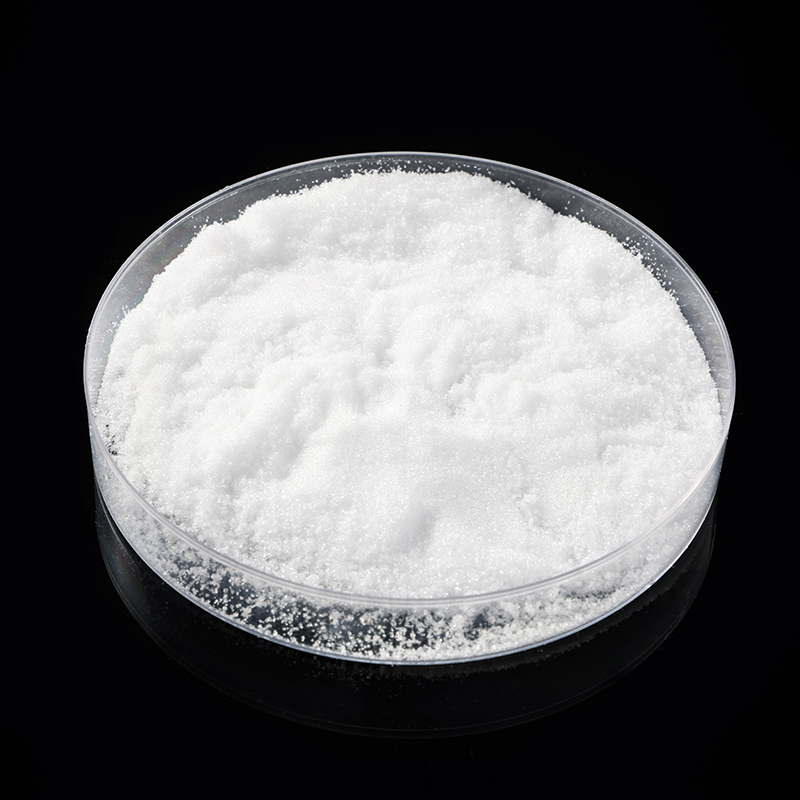
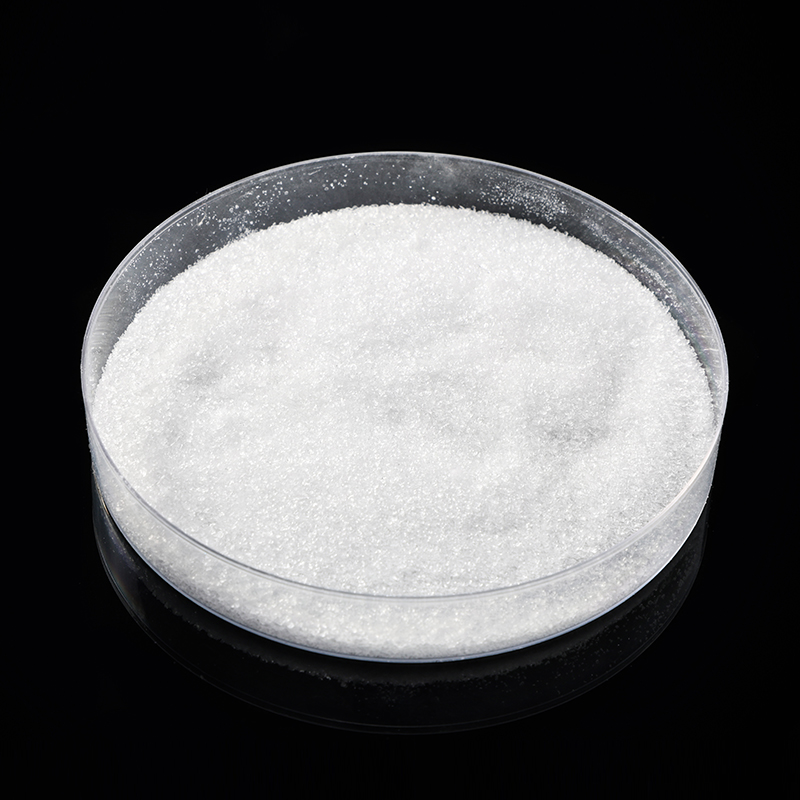
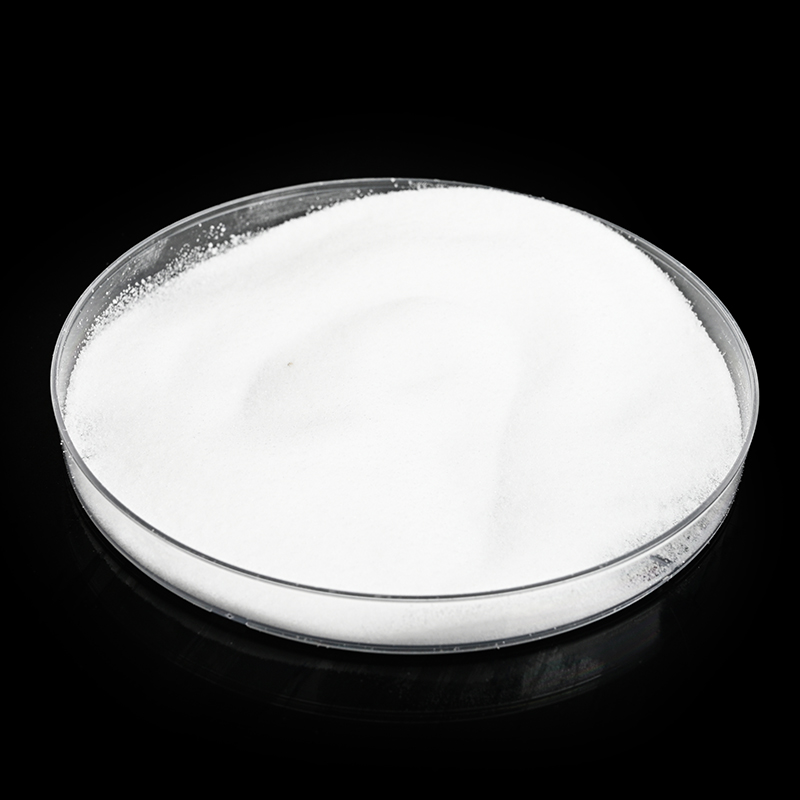
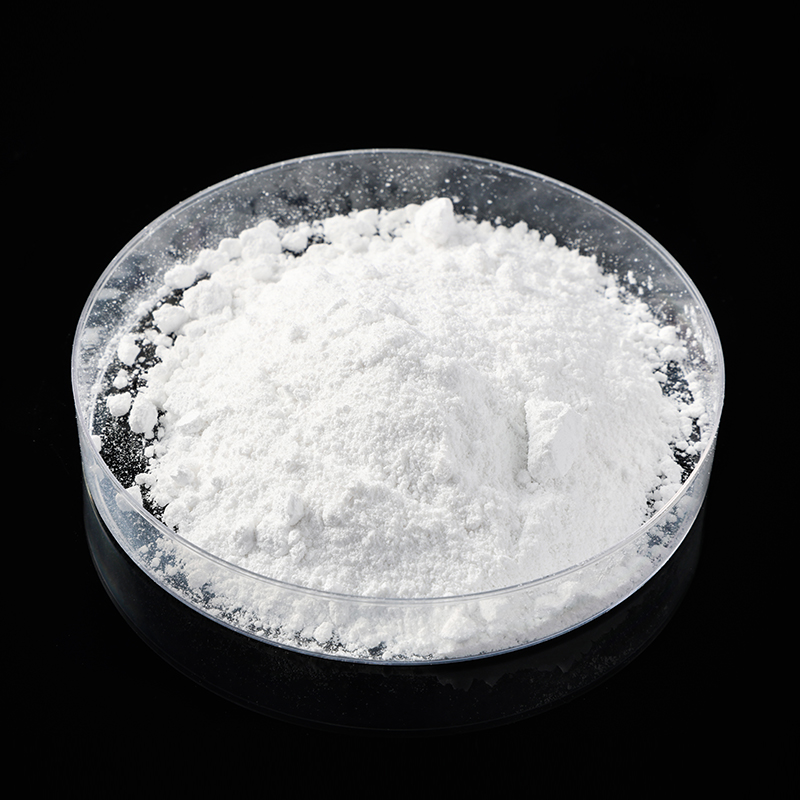
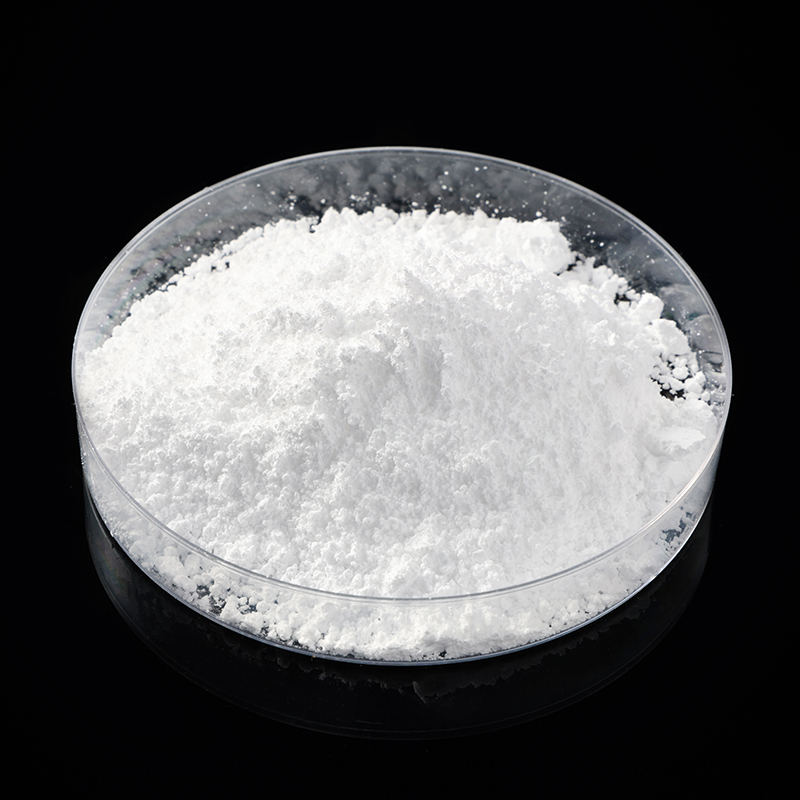
Open any commercial container of potassium fluoride, and you will find a dry, white crystalline salt with the chemical formula KF and a molar mass of 58.1 g/mol. Because both potassium and fluorine are well-known elements, the question of whether potassium fluoride is an elementary substance or a compound is a common one among chemistry students and even experienced industrial buyers. The answer is clear and unambiguous: potassium fluoride is a compound. More precisely, it is an inorganic ionic compound built from potassium cations (K+) and fluoride anions (F−) locked in a fixed 1:1 ratio. It behaves nothing like elemental potassium, a soft silvery metal, or elemental fluorine, a pale yellow gas, and that difference in behavior is itself the most direct proof of its compound nature.
An elementary substance, often called a simple substance in chemistry texts, is a pure chemical material composed of atoms of only one element. It does not matter whether the atoms are isolated or bound to identical atoms; if every atom present is the same kind, the substance is elementary. Common examples are potassium metal (K), fluorine gas (F2), oxygen gas (O2), and metallic copper (Cu).
The defining test for an elementary substance is that it cannot be broken down into a simpler chemical substance by ordinary chemical reactions. Splitting F2 gives only fluorine atoms; splitting K gives only potassium atoms. No chemical technique can convert a single element into a different element.
A compound is a pure substance formed when two or more different elements combine in a fixed, definite proportion through chemical bonding. Unlike a mixture, a compound has a constant composition and its own set of physical and chemical properties, which are generally very different from the properties of its constituent elements.
Potassium fluoride fits this definition exactly. In each formula unit, one potassium atom transfers its outermost electron to one fluorine atom. The resulting electrostatic attraction forms an ionic bond, producing K+ and F− ions arranged in a cubic crystal lattice. The ratio is always 1:1, and the substance is always KF, no matter how the salt is prepared or which source it comes from.
Compounds can be decomposed into their elements or simpler compounds by chemical reactions. Passing an electric current through molten potassium fluoride, for example, separates it into potassium metal and fluorine gas, a classic demonstration that KF is not an elementary substance.
The confusion is understandable. Potassium (K) and fluorine (F) are found on the periodic table and are studied as elements in every introductory chemistry course. When a student sees the formula KF, it is tempting to assume that any formula built from element symbols must represent an element-related substance. KF also occurs in nature as the rare mineral carobbiite, yet minerals are compounds, not elements, so the natural occurrence actually confirms KF's compound status.
The formula is the trap. A formula like KF tells you which elements are present, not how many types of elements make up the substance. If a formula contains two different element symbols, the substance is automatically a compound, regardless of how short the formula is.
| Comparison point | Elementary substance | Potassium fluoride (KF) |
|---|---|---|
| Types of atoms | Only one type | Two types: K and F |
| Example of composition | K, F2, O2 | K+ and F− in a fixed 1:1 ratio |
| Bonding between particles | None between different elements | Ionic bond between K+ and F− |
| Can it be decomposed chemically? | No; chemical processes cannot simplify it further | Yes; electrolysis yields K and F2 |
Another reason for the confusion is that KF is a simple binary salt. Students often learn salts alongside elements in the same chapter, especially when halogens and alkali metals are covered together. The classification rule of thumb is simple: one element symbol equals an elementary substance; two or more different element symbols equal a compound.
The physical properties of potassium fluoride are typical of an ionic compound and provide clear evidence of its chemical identity.
| Property | Value |
|---|---|
| Chemical formula | KF |
| Molar mass | 58.1 g/mol |
| Appearance | White crystalline solid, hygroscopic |
| Melting point | 858 °C |
| Boiling point | 1,502 °C |
| Solubility in water | Freely soluble |
| Crystal structure | Cubic, rock-salt type |
Because KF is ionic, its molten form and its aqueous solutions conduct electricity. When dissolved, it dissociates completely into K+ and F−, which is why it acts as a strong electrolyte and as an effective source of fluoride ions in many reactions. The high melting point and boiling point also align with the strong electrostatic forces expected from an ionic compound, not from a loosely held elementary substance.
Potassium fluoride is a practical industrial chemical with applications across several sectors. Its main roles include:
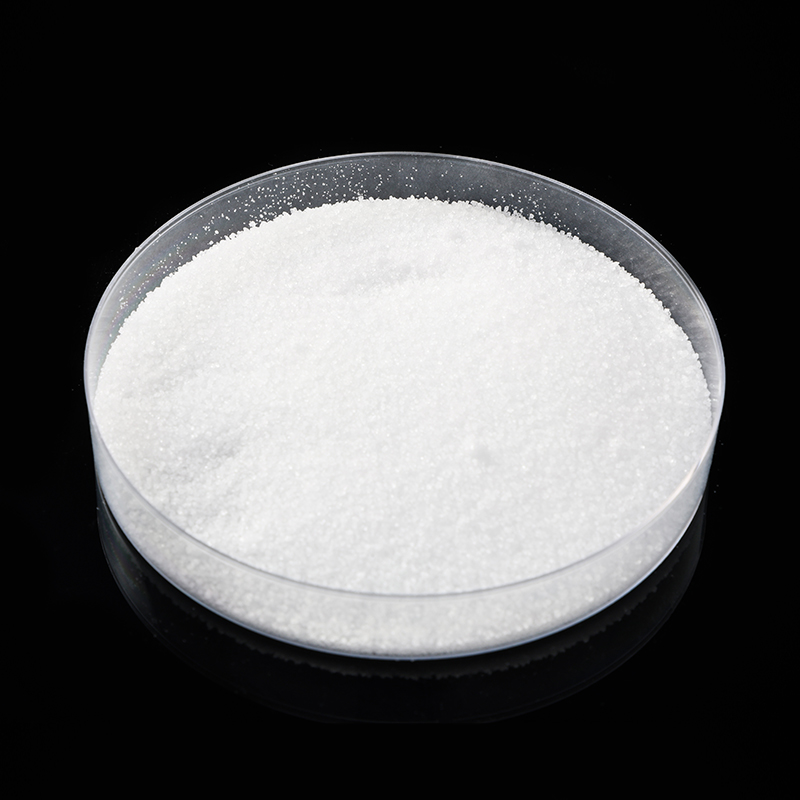 Potassium Fluoride from Nantong Jinxing Fluorides ChemicalThis white crystalline fluoride serves as a key fluorinating agent for glass engraving, electroplating, welding flux, and synthesis. The supplier, established in 1975, offers consistent quality with controlled particle size and purity.View Product →
From a purchasing standpoint, potassium fluoride is available in technical and high-purity grades. Particle size, moisture content, and trace impurities such as silicon, iron, and sulfate are the parameters that usually determine whether a batch will perform well in synthesis or surface treatment. Nantong Jinxing Fluorides Chemical Co., Ltd. has produced fluoride chemicals since 1975 and supplies potassium fluoride with consistent quality and standardized packaging, supported by testing procedures suited to demanding customer requirements.
Handling safety should be a priority whenever KF enters a facility. The compound is corrosive, irritates skin and eyes, and reacts with acids to release hydrogen fluoride gas. Always review a reliable potassium fluoride safety and handling guide, keep personal protective equipment and ventilation in place, and store the product in sealed, clearly labeled containers away from moisture and acids.
The distinction between an element and a compound is not just a classroom exercise. In warehouses, laboratories, and customs declarations, the classification determines which regulations apply. Potassium fluoride is regulated as a toxic and corrosive inorganic fluoride compound: it carries specific hazard communication requirements, transport constraints, and workplace exposure limits that do not apply to elemental potassium or fluorine gas.
For procurement teams, the compound classification also influences specifications. A carefully written purchase order for KF should reference the formula, the desired purity, the permissible impurity profile, and the applicable standard, such as industrial grade or reagent grade. Because KF is a compound, certificates of analysis must confirm the identity of the chemical through analytical methods, not simply by name. X-ray diffraction, ion chromatography, and titration are all commonly used to verify that the white powder is truly potassium fluoride and not a substitute or a contaminated batch.
Potassium fluoride is, without question, a compound. It is an ionic compound of potassium and fluorine, identified by the formula KF, with properties that differ sharply from either element. Any educational exercise, laboratory test, or industrial qualification that treats KF as an elementary substance is simply incorrect.
The fastest way to settle the question in the future is to look at the formula. A single element symbol indicates an elementary substance. Two different element symbols, as in KF, indicate a compound. For potassium fluoride specifically, the chemistry confirms it: a 1:1 ratio of K+ and F−, a cubic ionic lattice, a high melting point, electrolyte behavior, and the ability to be decomposed into its constituent elements. These are the signatures of a compound, and they settle the answer once and for all.
Copyright © 2023 Nantong Jinxing Fluorides Chemical Co., Ltd. All Rights Reserved.
 Custom Fluorine Chemical Suppliers