

 English
 中文简体
中文简体 Español
Home / News / Industry News / What Is Ammonium Bifluoride Used For? Key Industrial Applications Explained
An aluminum fabricator notices white streaks after anodizing, or a glass workshop needs a frosted finish without the hazards of handling large volumes of hydrofluoric acid. In both cases, a single white crystalline compound often solves the problem: ammonium bifluoride (NH4HF2). This acid fluoride releases HF under reaction conditions, giving it the same cleaning and etching action as hydrofluoric acid while remaining a solid that is easier to dose and control. Its industrial profile spans metal finishing, glass processing, ceramics, electroplating, analytical chemistry, and beyond. The short answer to "what is ammonium bifluoride used for?" is that it is a high-value fluorine carrier and surface-treatment chemical with a remarkably broad range of applications.
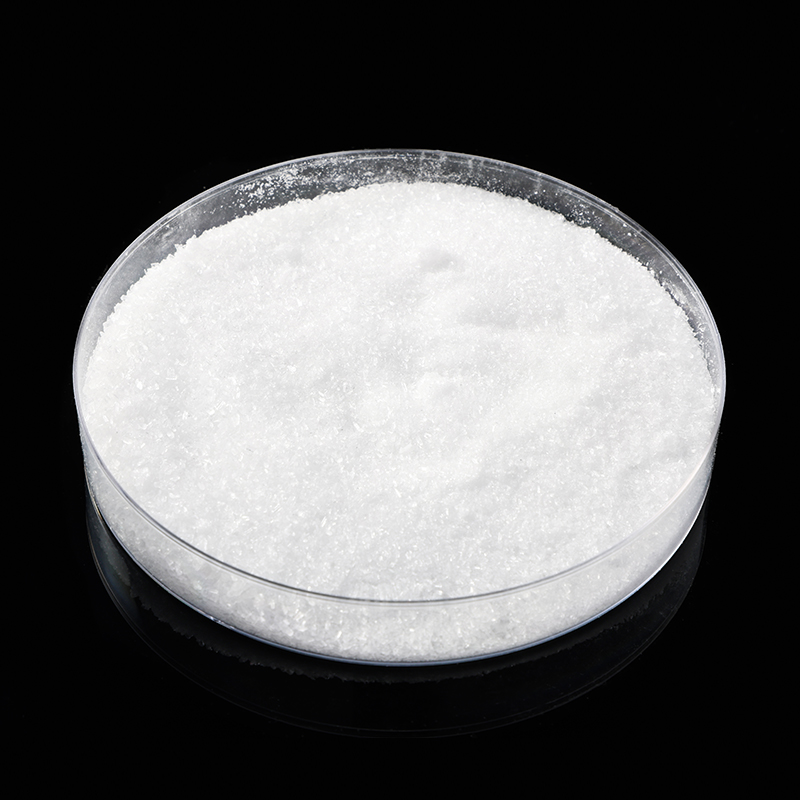
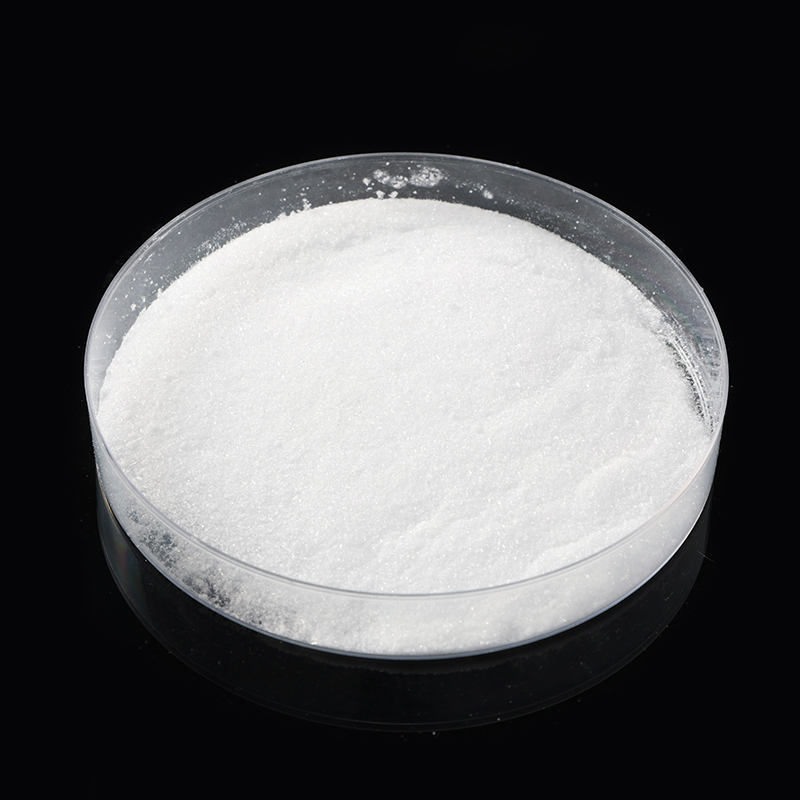
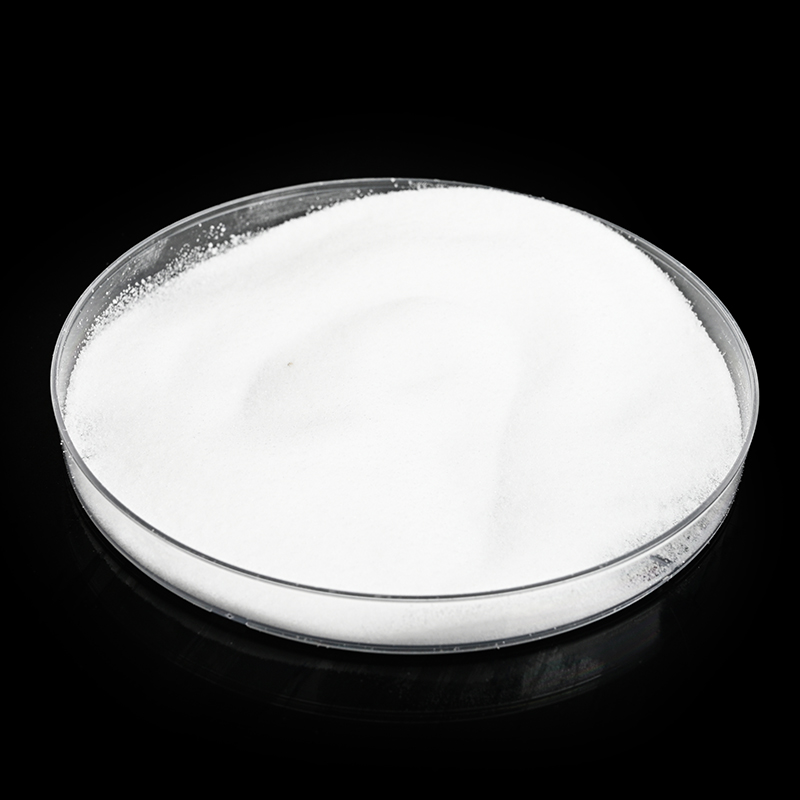
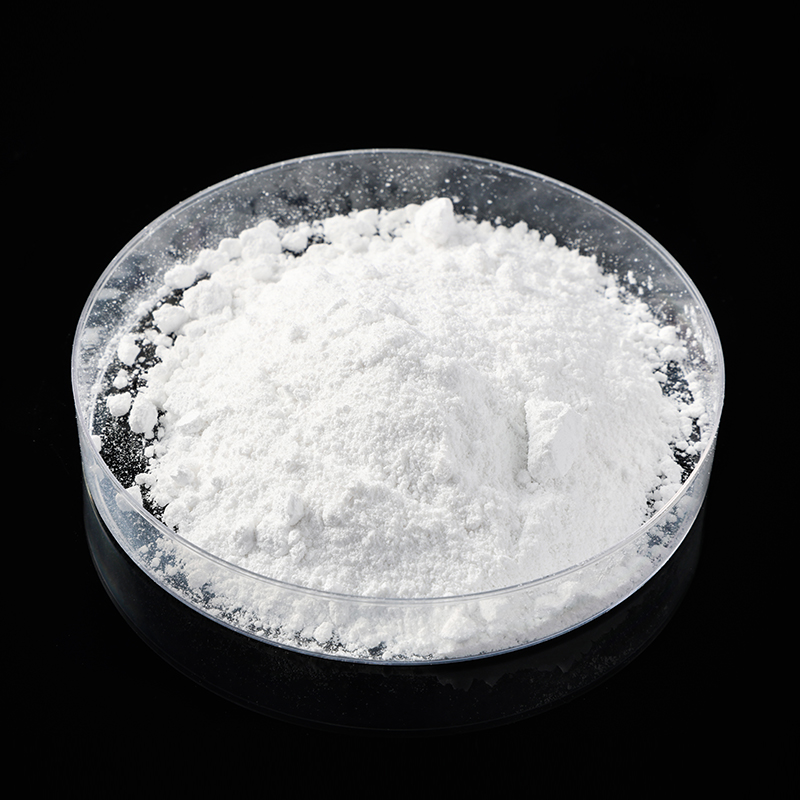
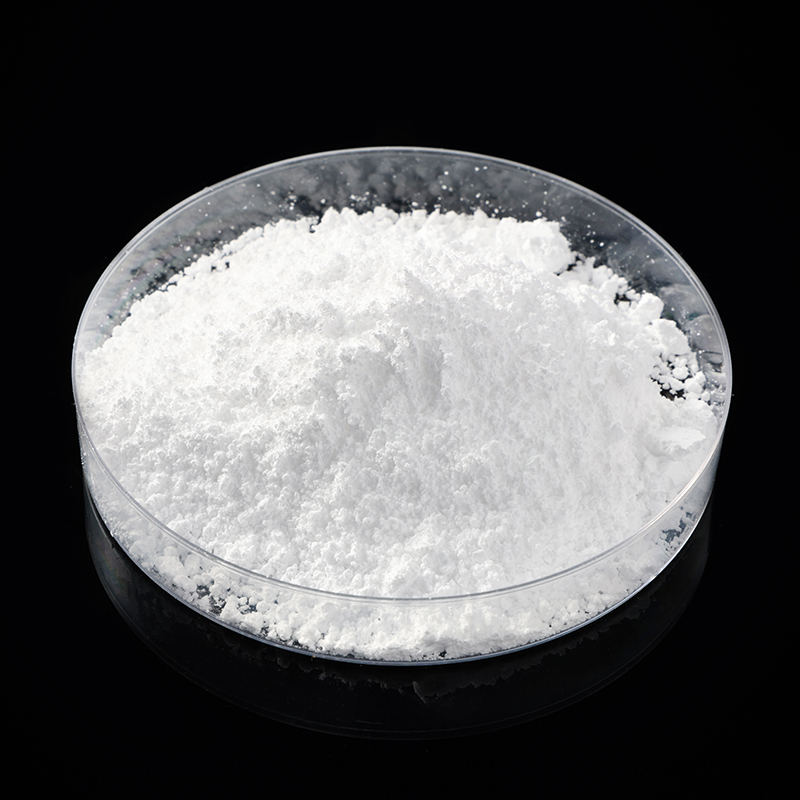
Ammonium bifluoride, sometimes called ammonium hydrogen fluoride, has the formula NH4HF2. It forms white orthorhombic crystals, is freely soluble in water, and its aqueous solution is distinctly acidic. It is essentially a solid adduct of ammonium fluoride and hydrogen fluoride (NH4F·HF). When dissolved or heated, it produces HF, the active species responsible for etching silicates and dissolving metal oxides. This behavior makes it a convenient alternative to liquid hydrogen fluoride in many processes, particularly where safety, shipping, and metering favor a solid material. Because it is hygroscopic and can evolve HF, it must be stored in sealed containers away from moisture and strong acids.
Metal finishing is arguably the largest market for ammonium bifluoride. It removes oxide films, scale, and welding discoloration from stainless steel, aluminum, and other alloys before anodizing, plating, or painting. In aluminum preparation, for example, a dilute ammonium bifluoride solution dissolves the natural oxide layer that would otherwise block subsequent coatings and produce uneven anodized finishes. For stainless steel, it is often formulated with nitric acid to create a pickling bath that cleans surfaces without aggressive pitting. Process baths typically use concentrations from 1% to 10%, depending on the metal and the desired etch rate. The compound is also used in galvanized steel processing and in maintenance cleaning of industrial equipment. Because it works quickly, process engineers must control temperature and exposure time to avoid over-etching.
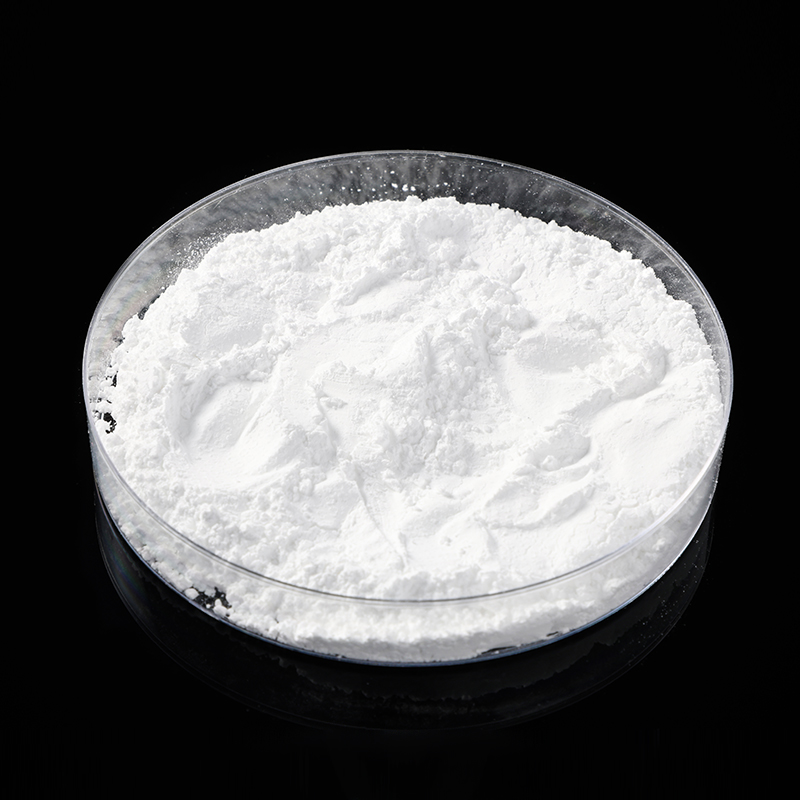
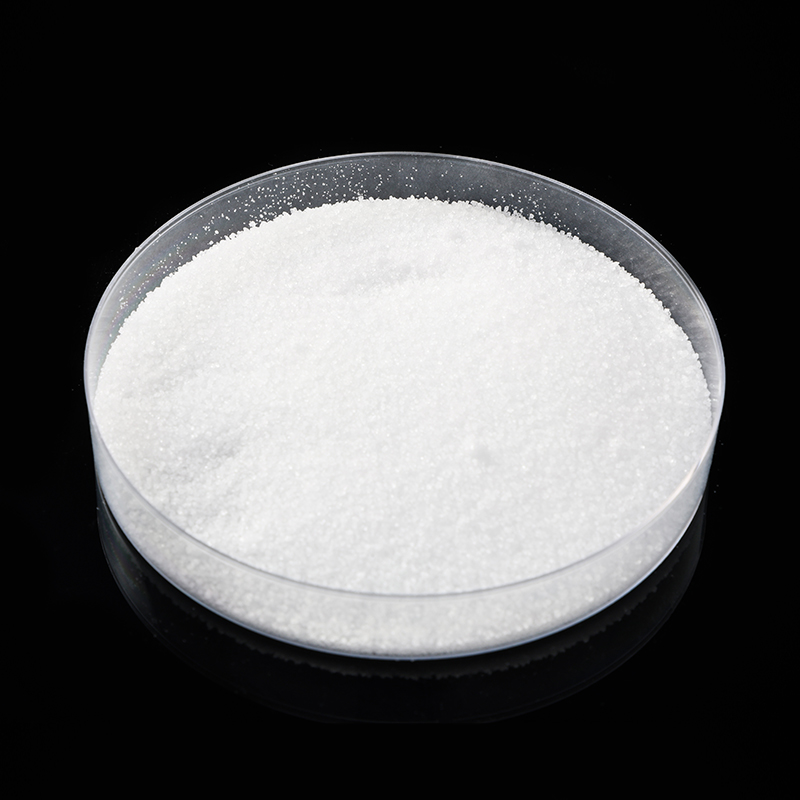
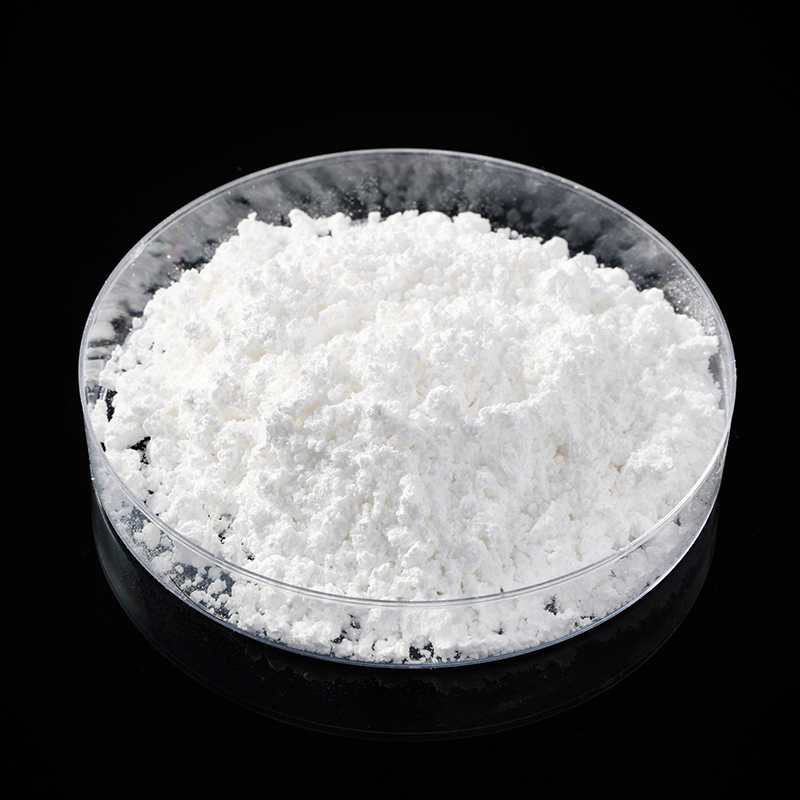
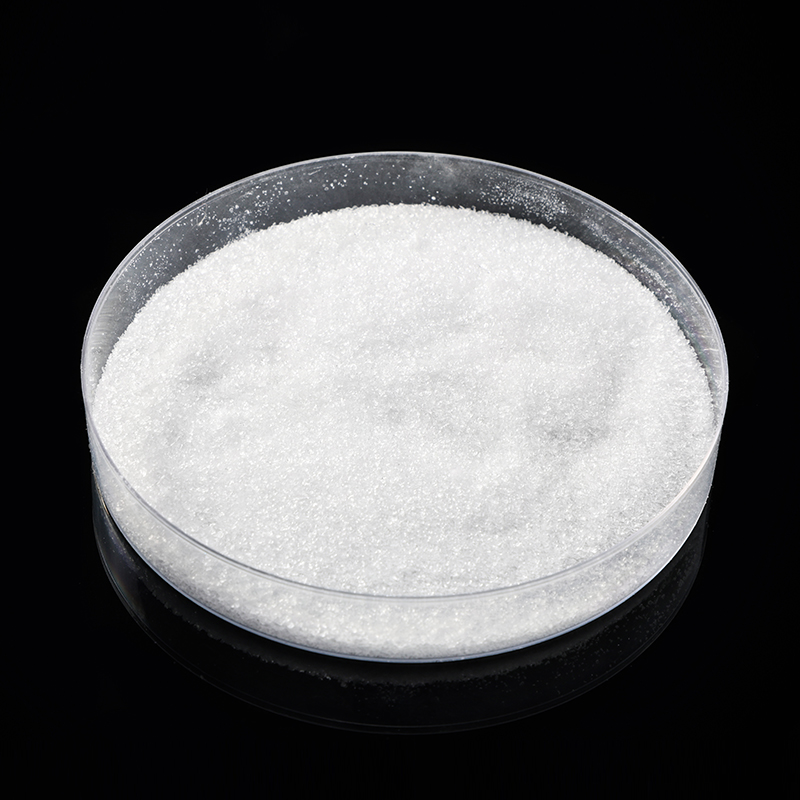
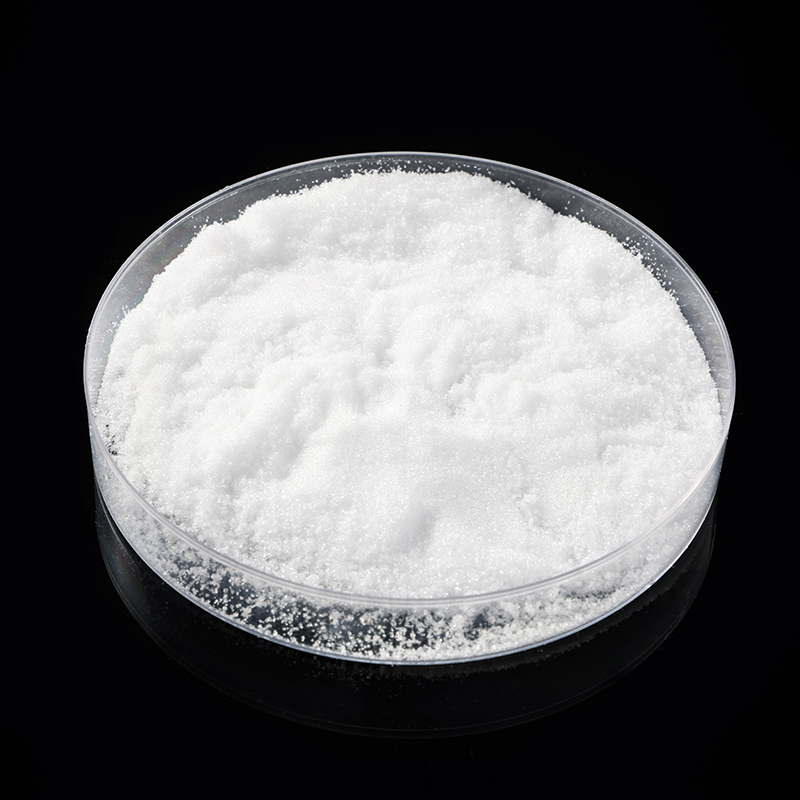 Ammonium BifluorideWhite rhombus or flaky crystals, toxic, insoluble in ethanol, relatively stable in dry state, acidic in aqueous solution, easily deliquescent in air, corrosive to glass.View Product →
Ammonium bifluoride is a standard ingredient in glass-etching pastes and immersion baths. It reacts with silica in glass to form water-soluble fluorosilicates, producing a uniform frosted or etched surface. In lighting, architecture, and decorative glass, this is used to create diffusing panels, privacy windows, and texture on tableware. Compared with straight hydrofluoric acid, ammonium bifluoride pastes are easier to apply to vertical surfaces and give a more controllable etch rate. Formulators adjust concentration, temperature, and residence time to achieve a satin finish or a deeper frost. It is also used in the finishing of fiber optics and in cleaning laboratory glassware where a controlled etch is needed. For a deeper look at its role in glass processing, our article on ammonium bifluoride's versatility in glass applications covers the mechanism in detail.
In ceramics, ammonium bifluoride serves multiple roles. It acts as a flux in glazes, lowering melting points and helping to create smooth, uniform surfaces. It is also used to clean ceramic bodies and remove surface contamination before firing. In refractory production, the compound helps condition raw materials by converting certain oxides into more reactive fluoride forms. Some clay and tile producers add small amounts to slurry formulations to modify rheology or to brighten colors. The electronics ceramics segment, which includes substrates and insulators, also uses high-purity grades to avoid introducing trace metal impurities into the final product.
Before electroplating, a workpiece must be free of oxide and chemically clean. Ammonium bifluoride is used in pre-plating dips and in some plating baths to maintain the correct metal-ion balance and to prevent the formation of passive films. In electronics manufacturing, it is found in specialized cleaning and etching formulations for circuit boards, silicon wafers, and metal contacts. Its ability to dissolve silicon dioxide is particularly valuable in semiconductor processing, although electronics-grade material demands much higher purity than general industrial grades. This is one reason processors who need trace-metal-controlled material should specify the grade explicitly when purchasing.
Analytical chemists use ammonium bifluoride as a decomposing agent for silicate and aluminosilicate samples. When mixed with a sample and digested, it breaks down the matrix so that silica and other components can be brought into solution for quantitative analysis. It is also used in gravimetric procedures where fluorine chemistry helps separate interfering elements. In addition, some laboratories use it as an etching agent for preparing mineral specimens or glass slides. Because reagent-grade ammonium bifluoride is available with low heavy-metal content, it is possible to obtain reproducible blanks, which is essential in trace analysis.
Beyond these core areas, ammonium bifluoride appears in several specialized applications:
Each use relies on the same fluorine-release chemistry, but the required grade, containment, and process conditions can differ dramatically.
The table below summarizes the main application groups, the function of ammonium bifluoride, and typical process examples.
| Application Area | Primary Function | Typical Examples |
|---|---|---|
| Metal finishing | Removes oxide and scale | Aluminum etching, stainless steel pickling |
| Glass processing | Etches silica | Frosting, decorative glass |
| Ceramics | Flux and surface cleaning | Glaze formulation, tile finishing |
| Electroplating | Pre-clean and bath additive | Pre-plate dips, electronics |
| Analytical chemistry | Matrix decomposition | Silica determination |
| Oilfield and other industries | Silicate dissolution and cleaning | Well stimulation, sanitation |
Ammonium bifluoride is hazardous. It is corrosive to skin and eyes, and contact can cause delayed deep burns because the fluoride ion penetrates tissues. Inhalation of dust or fumes can irritate the respiratory system, and exposure to strong acids or heat can release hydrogen fluoride, a highly toxic gas. Anyone working with this material should use appropriate PPE, including acid-resistant gloves, goggles, and a dust mask or respirator. Work areas should be ventilated and have an emergency shower and eyewash station close by. In case of skin contact, remove contaminated clothing and flush with water; for suspected exposure to HF, get medical attention immediately. Buyers should also check local regulations on storage, labeling, and waste disposal, since fluorides are classified as hazardous substances in most jurisdictions.
Which form of ammonium bifluoride is right for your process depends on purity, particle size, packaging, and supply consistency. For precision industries such as electronics or optics, lower-limit specifications on trace metals and moisture are often contractual requirements. For cleaning and etching applications, a standard industrial grade is usually sufficient. Working with a manufacturer that runs strict quality control and can provide documentation helps avoid batch-to-batch variation that disrupts line performance. A direct source with in-house production also simplifies logistics and traceability. The product range at our company includes ammonium bifluoride and other inorganic fluorides, backed by more than five decades of manufacturing experience.
In short, ammonium bifluoride is not a single-purpose chemical. It is a practical source of fluoride for etching, cleaning, and synthesis, and it earns its place in industries as different as metal fabrication and laboratory analysis. When selected, handled, and sourced correctly, it is a dependable tool that often outperforms more dangerous liquid HF.
Copyright © 2023 Nantong Jinxing Fluorides Chemical Co., Ltd. All Rights Reserved.
 Custom Fluorine Chemical Suppliers