

 English
 中文简体
中文简体 Español
Home / News / Industry News / What Is Potassium Fluoride in Food? Facts, Safety, and Real Dietary Fluoride
You may have searched for "potassium fluoride in food" after seeing the compound on an industrial chemicals page. The answer is short: potassium fluoride is not a food ingredient, not a dietary supplement, and not an approved additive anywhere. It is an inorganic fluoride salt used for glass etching, metal surface treatment, and chemical synthesis. If consumed, it can be toxic and even dangerous. Understanding why this phrase appears online, and where fluoride really comes from in the diet, helps avoid a costly or harmful misunderstanding.
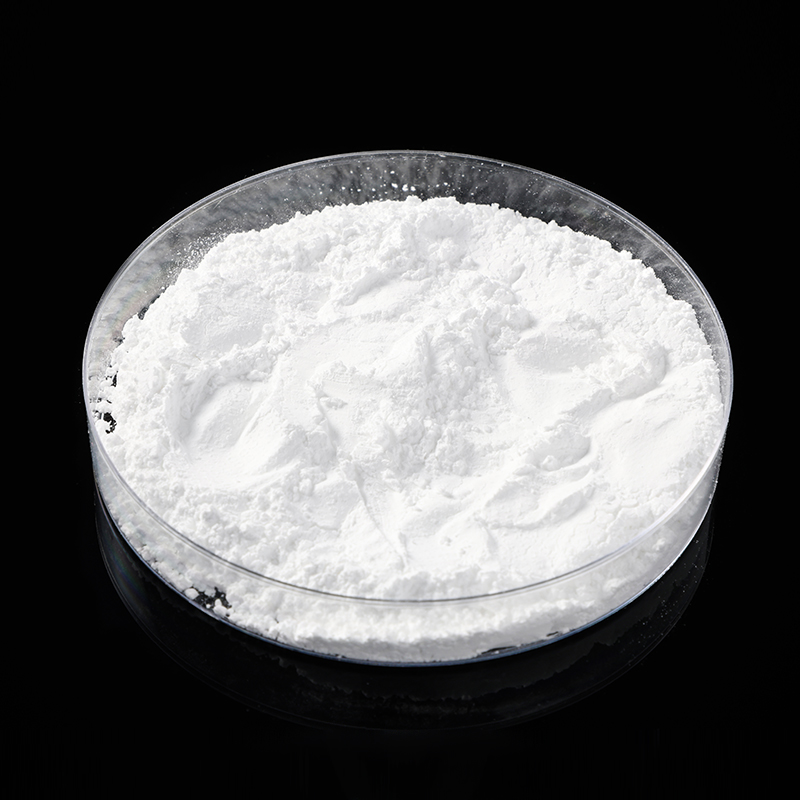
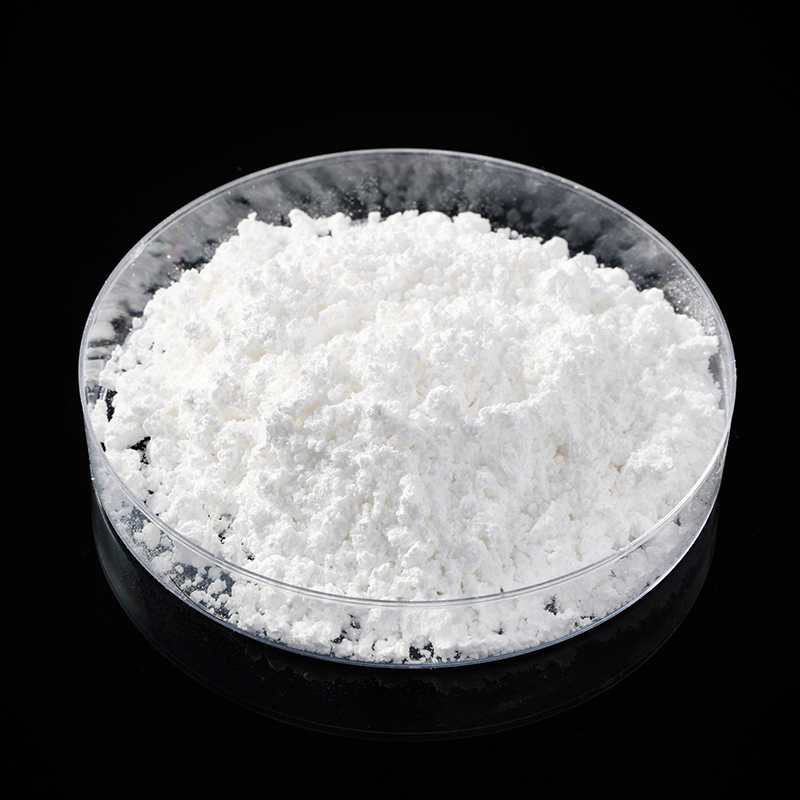
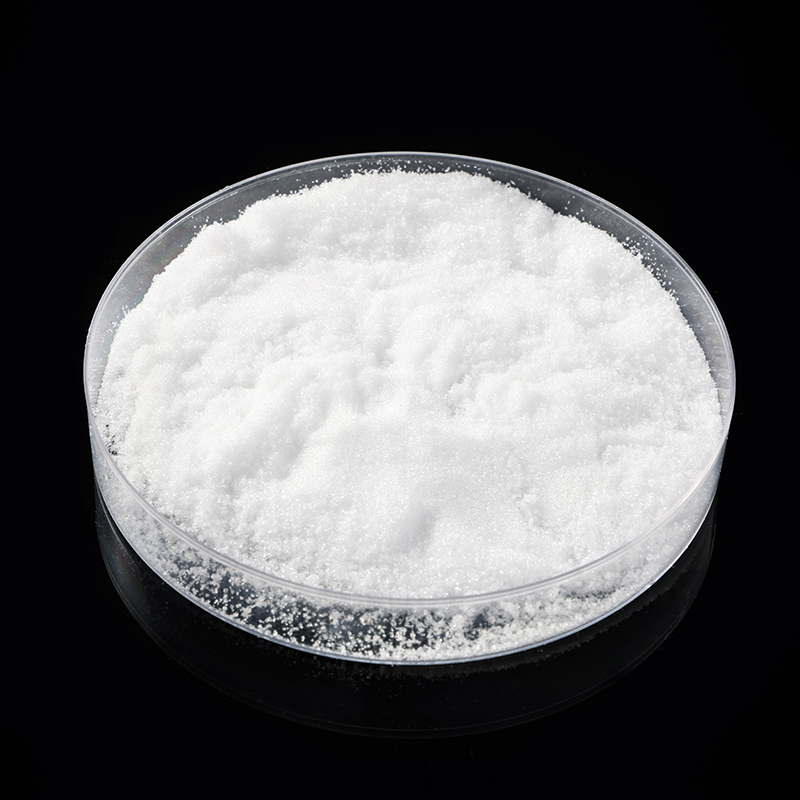
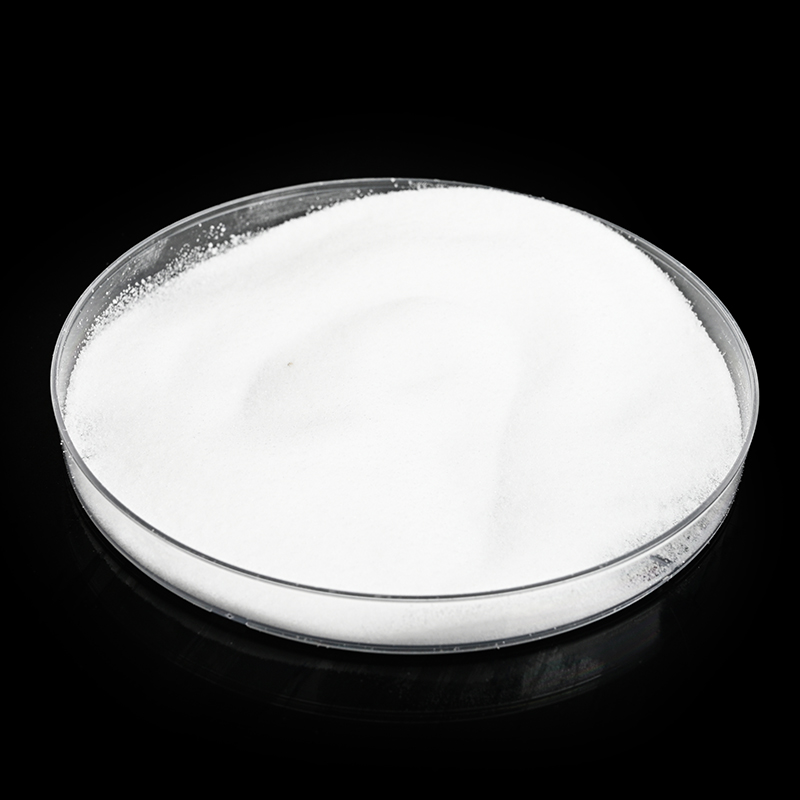
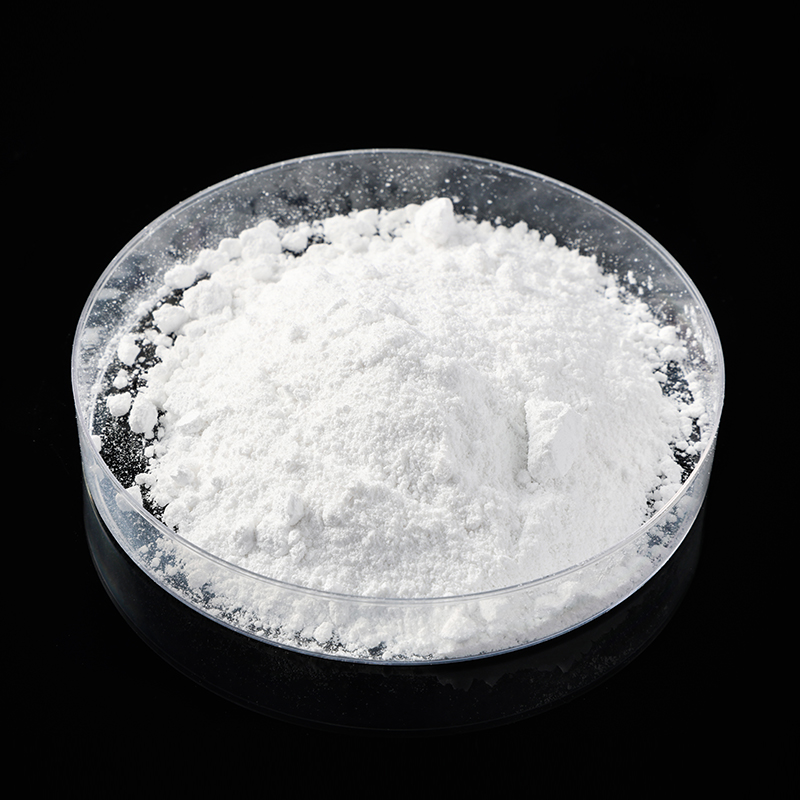
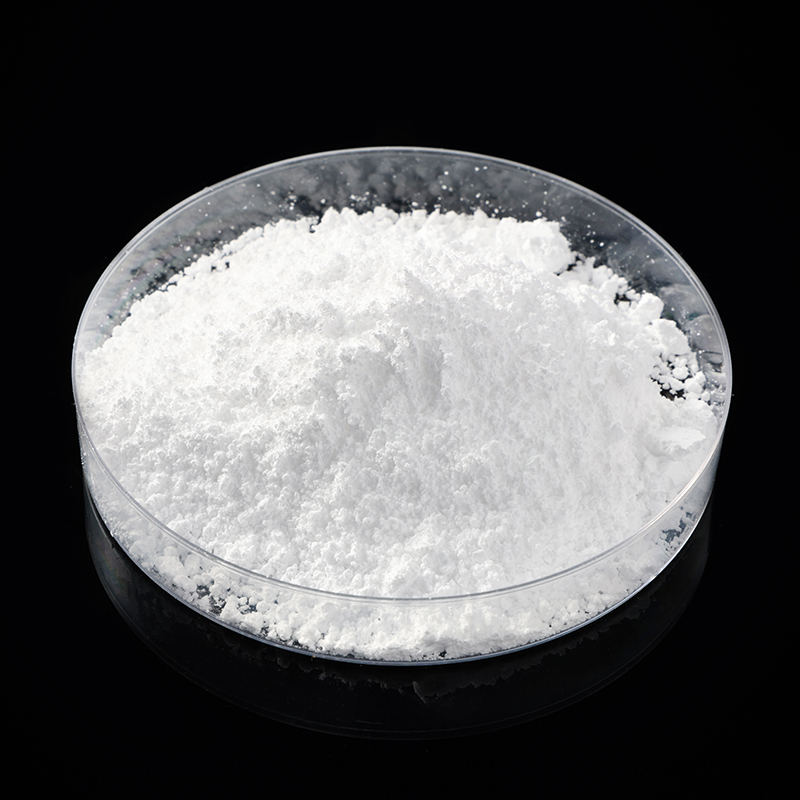
Potassium fluoride has the chemical formula KF. It is a white, crystalline, highly hygroscopic solid with a molar mass of 58.10 g/mol. It melts above 850 °C and dissolves easily in water, making it a practical source of fluoride ions in many industrial reactions. Unlike sodium fluoride, which people may recognize from water fluoridation or toothpaste, potassium fluoride is almost exclusively an industrial reagent.
Its high solubility and strong reactivity make it useful in the production of other fluoride salts, in organic synthesis as a fluorinating agent, and in etching and finishing processes. Because the fluoride ion is reactive and can release hydrofluoric acid under acidic conditions, KF is handled under strict safety protocols. Suppliers such as Nantong Jinxing Fluorides Chemical Co., Ltd. produce industrial potassium fluoride products for qualified manufacturing customers, not for food producers.
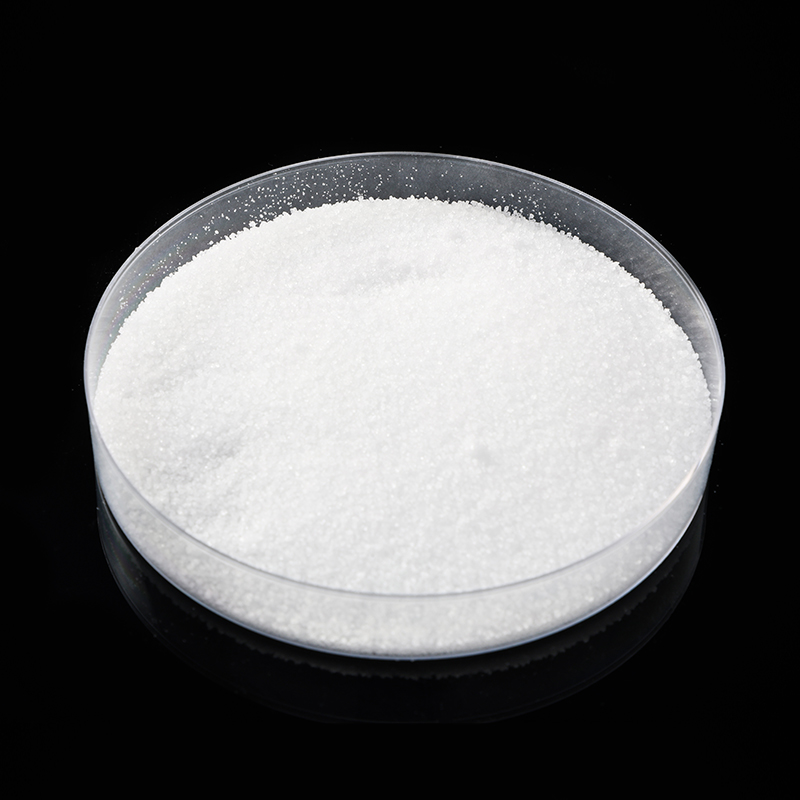 Wholesale Potassium Fluoride Manufacturers, Suppliers, Factory - Nantong JinxingNantong Jinxing Fluorides Chemical Co., Ltd is China Wholesale Potassium Fluoride Manufacturers and Potassium Fluoride Suppliers & Factor...View Product →
The phrase "potassium fluoride in food" suggests a food use that does not exist. Three factors create the confusion. First, fluoride is known to protect teeth, so people assume that every fluoride compound may be food-related. Second, potassium is a mineral needed in the human diet, and the pairing makes the name sound more benign. Third, a handful of web articles and chemical sales pages incorrectly claim that potassium fluoride is used as a preservative or flavor enhancer in processed foods.
Those claims have no regulatory basis. Potassium fluoride is not listed as a food additive by the U.S. Food and Drug Administration, the European Food Safety Authority, or the Codex Alimentarius Commission. It is not permitted in food, beverages, or supplements in the United States, the European Union, or other jurisdictions with established food-safety frameworks. In short, "potassium fluoride in food" describes a misuse of an industrial chemical, not a recognized food category.
Potassium fluoride is toxic by ingestion. The oral LD50 in rats is approximately 245 mg per kilogram of body weight, and human exposure can cause nausea, vomiting, abdominal pain, muscle weakness, and cardiac arrhythmias. More dangerously, KF reacts with stomach acid to form hydrofluoric acid, which is corrosive and can damage the esophagus and stomach lining.
There is no legitimate food-processing role that would justify a special food-grade version of potassium fluoride. Even if a supplier attempted to present it as "pure" or "safe," the compound's fundamental toxicity does not change. Ingesting even a small amount should be treated as a medical emergency. The absence of a food grade is a safety feature, not a regulatory gap.
If potassium fluoride is absent from food, why does the public associate fluoride with diet? The real answer lies in naturally occurring fluoride and regulated water fluoridation. Fluoride is a trace mineral found in soil, water, and plants. Foods absorb it through the environment, and some processed foods contain fluoride because they are made with fluoridated water.
Common dietary sources include brewed tea, seafood, gelatin, and drinking water. The following table shows typical fluoride concentrations, which vary naturally by region and preparation method.
| Source | Typical Fluoride Content | Notes |
|---|---|---|
| Drinking water (fluoridated) | 0.7–1.2 mg/L | Usually 0.7 mg/L in the United States; levels vary globally. |
| Brewed tea | 0.5–4.5 mg/L | Older leaves and longer steeping increase fluoride release. |
| Seafood and shellfish | 0.02–2.0 mg/kg | Marine organisms absorb fluoride from seawater. |
| Gelatin and bone-rich products | 0.1–2.0 mg/kg | Animal bones and connective tissue can concentrate fluoride. |
| Grains and potatoes | 0.01–0.3 mg/kg | Soil fluoride contributes to these low levels. |
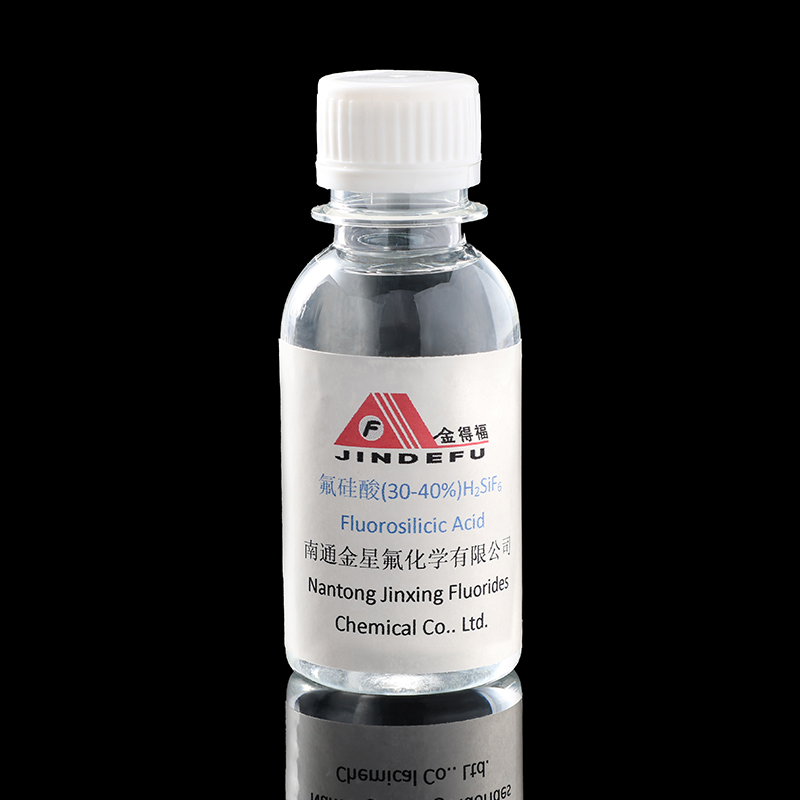
In many countries, drinking water is fluoridated at a controlled concentration of about 0.7 mg/L. The agents used for that purpose are sodium fluoride (NaF), fluorosilicic acid (H2SiF6), and sodium fluorosilicate (Na2SiF6). Potassium fluoride is not used for municipal water fluoridation. Therefore, when trace fluoride appears in the diet, it does not arrive as potassium fluoride.
Potassium fluoride's actual market is industrial. It etches glass and ceramics, modifies metal surfaces, acts as a flux in brazing and soldering, and provides fluoride ions for chemical synthesis. For many similar jobs, manufacturers choose other potassium fluoride salts depending on acidity and reactivity. For example, potassium bifluoride (KHF2) is another corrosive acid fluoride used in metal finishing and glass etching.
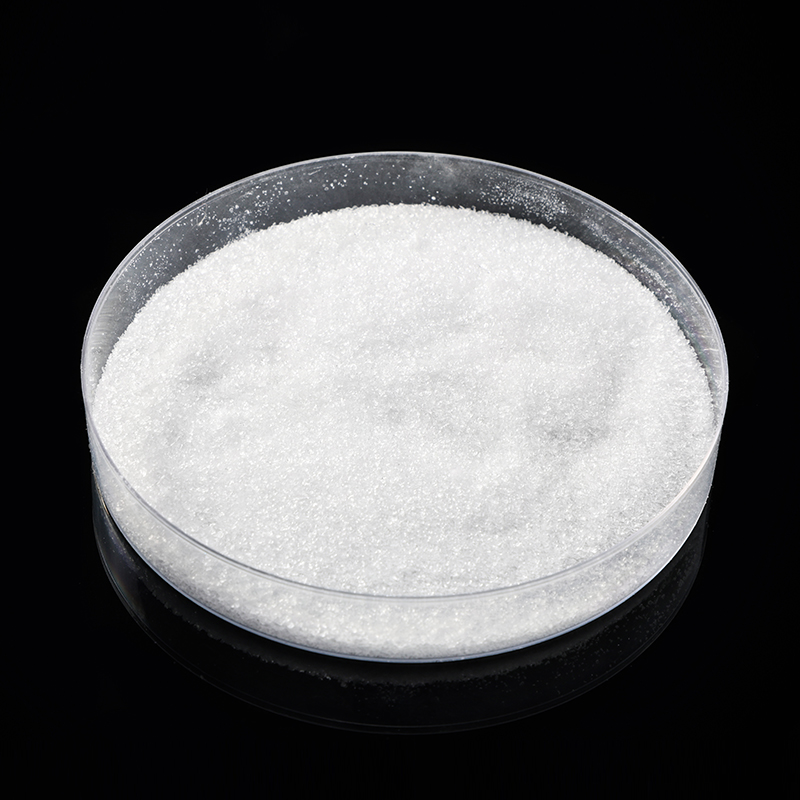 Wholesale Potassium Bifluoride Manufacturers, Suppliers, Factory - Nantong JinxiNantong Jinxing Fluorides Chemical Co., Ltd is China Wholesale Potassium Bifluoride Manufacturers and Potassium Bifluoride Suppliers & Fa...View Product →
Industrial supply chains are designed to keep these compounds away from food production. Suppliers ship potassium fluoride in labeled, sealed drums, include safety data sheets, and restrict sales to established business customers. This is not an ingredient that follows the audit trail of a food additive; it follows a hazardous-material protocol. If potassium fluoride somehow reaches a food production environment, it is a shipping or mislabeling failure, not a standard food contact material.
For legitimate industrial use, buyers should look beyond the simple chemical name. Purity, impurity profile, and packaging all affect whether the material will perform safely and consistently. At minimum, a technical datasheet should include assay, moisture content, chloride or sulfate content, and heavy metal limits. A certificate of analysis (COA) with batch-specific values is critical for process control.
Supplier experience is especially valuable for inorganic fluorides. Nantong Jinxing Fluorides Chemical Co., Ltd. has manufactured fluoride chemicals since 1975 and serves industrial clients in fields that demand tight quality control, including aerospace, aviation, and metal surface treatment. For a deeper look at the compound's parameters and handling, review our potassium fluoride properties, uses, and safety guide.
Buyers must also ensure that employees use appropriate personal protective equipment: chemical-resistant gloves, safety goggles, and respiratory protection if dust may be generated. Spill procedures and first-aid instructions should be visible wherever KF is stored or used.
Potassium fluoride has no place in the food system. It is a dangerous industrial chemical with no accepted role in food preservation, formulation, or fortification. Dietary fluoride comes from natural sources such as tea, seafood, and fluoridated water, not from potassium fluoride. For purchasers and engineers, the correct question is not whether potassium fluoride belongs in food; it is whether the industrial supply chain keeps it exactly where it belongs: under controlled conditions, far away from anything edible.
Copyright © 2023 Nantong Jinxing Fluorides Chemical Co., Ltd. All Rights Reserved.
 Custom Fluorine Chemical Suppliers