

 English
 中文简体
中文简体 Español
Home / News / Industry News / The Primary Uses of Potassium Bisulfite: Food Preservation, Winemaking, and Industry
During a typical harvest shift at a mid-sized winery, the enologist adds potassium bisulfite to the first load of crushed grapes within minutes of receiving the fruit. By the time fermentation begins, the same compound has likely been used to sanitize a pump, a tank, and a row of barrels. Across the aisle from the winemaking world, a food manufacturer is dosing potassium bisulfite into a stream of drying apricots, and a water treatment plant operator is using it to remove residual chlorine from process water. These are not unrelated stories. They all rely on the same chemistry: potassium bisulfite steadily releases sulfur dioxide, and sulfur dioxide is one of the oldest, most effective preservatives and reducing agents used in industry.
The short version of the answer to what are the uses of potassium bisulfite is that it is a multifunctional sulfite compound whose primary role is to act as a preservative, antioxidant, and reducing agent through the controlled release of sulfur dioxide (SO2). Its largest markets are food and beverage production, in particular winemaking, dried fruit processing, and juice manufacturing, followed by water treatment, pulp and paper processing, textile bleaching, and laboratory and industrial reducing chemistry.
Three practical points shape every decision about this compound. First, its activity depends on pH: the lower the pH, the more molecular SO2 is present, and the stronger its antimicrobial effect. Second, the potassium form is chemically similar to sodium bisulfite but avoids adding sodium to food, which matters for low-sodium labeling and for winemakers who want to minimize sodium. Third, the compound is frequently confused with other white powders that carry similar names, most notably potassium metabisulfite and potassium bifluoride, and the difference between them is not academic; it determines whether you are handling a food additive or a toxic industrial salt.
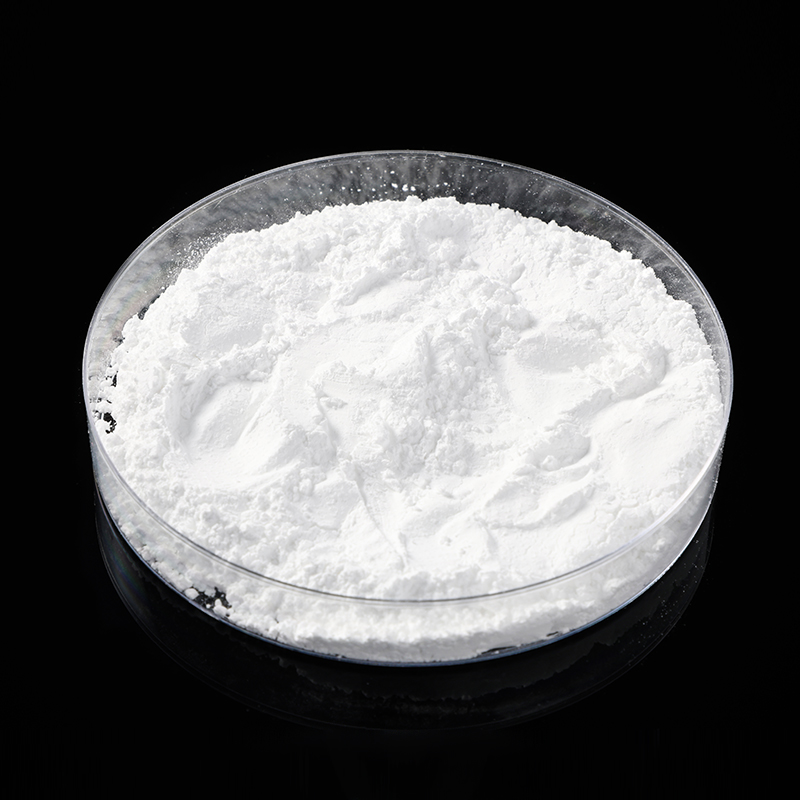
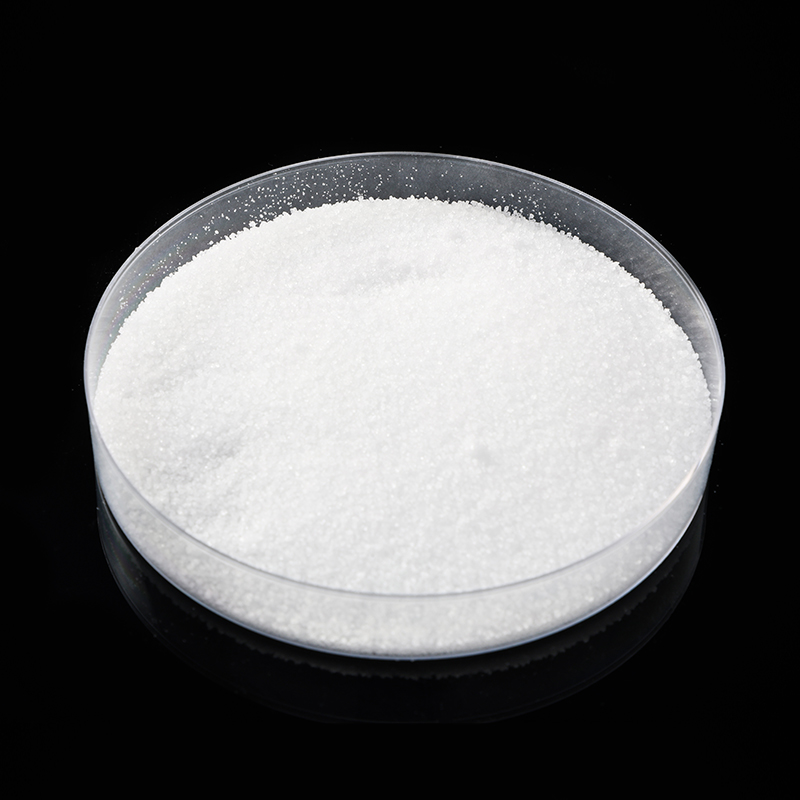
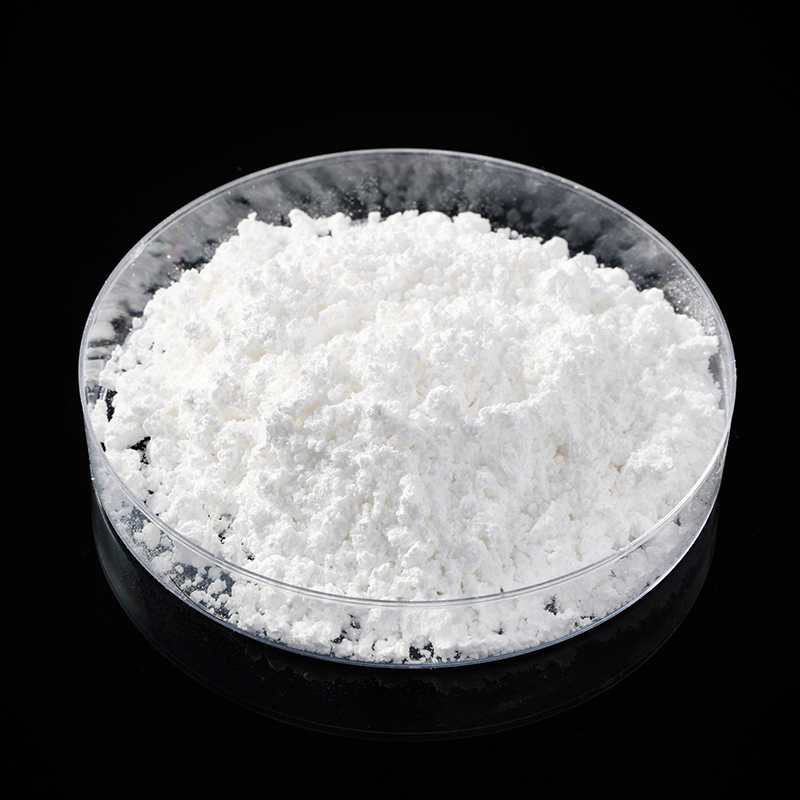
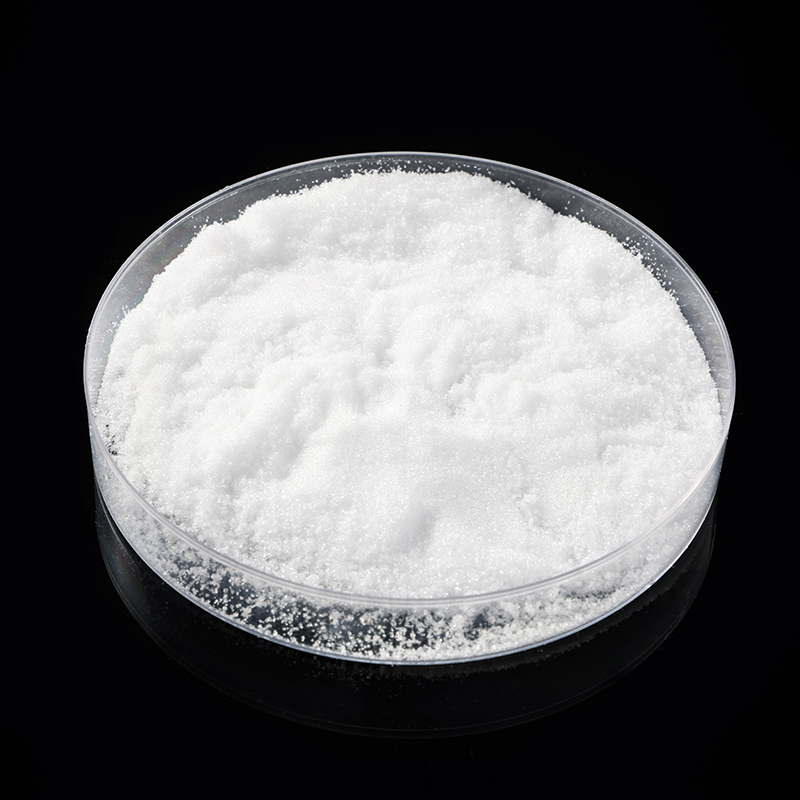
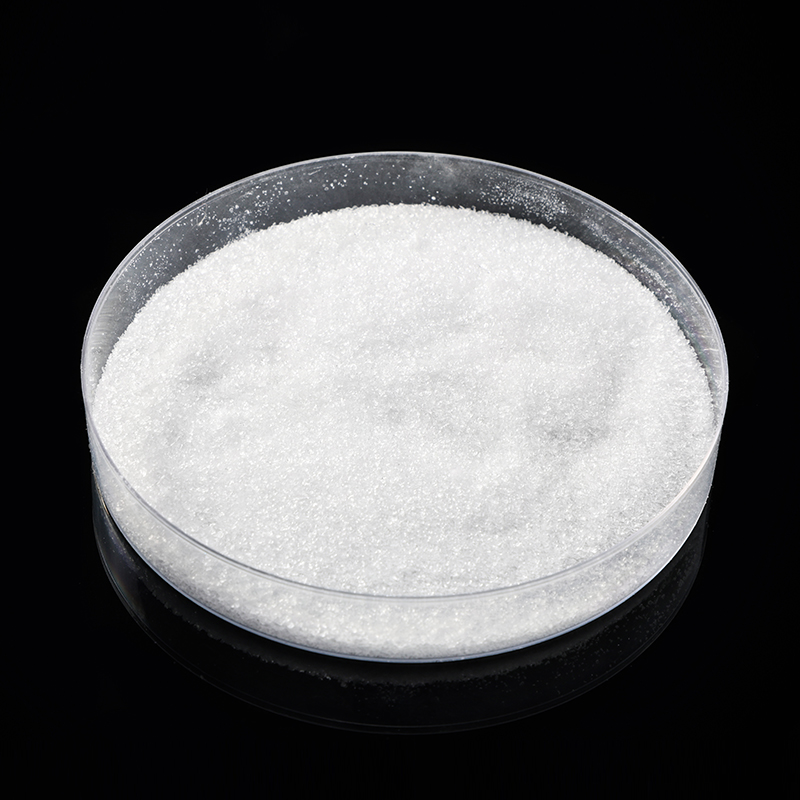
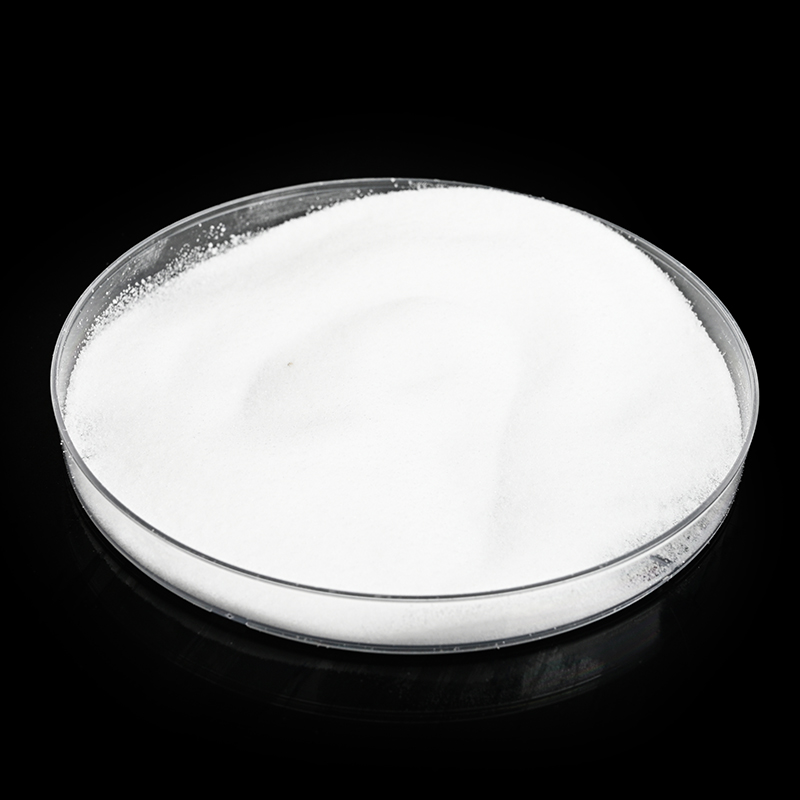
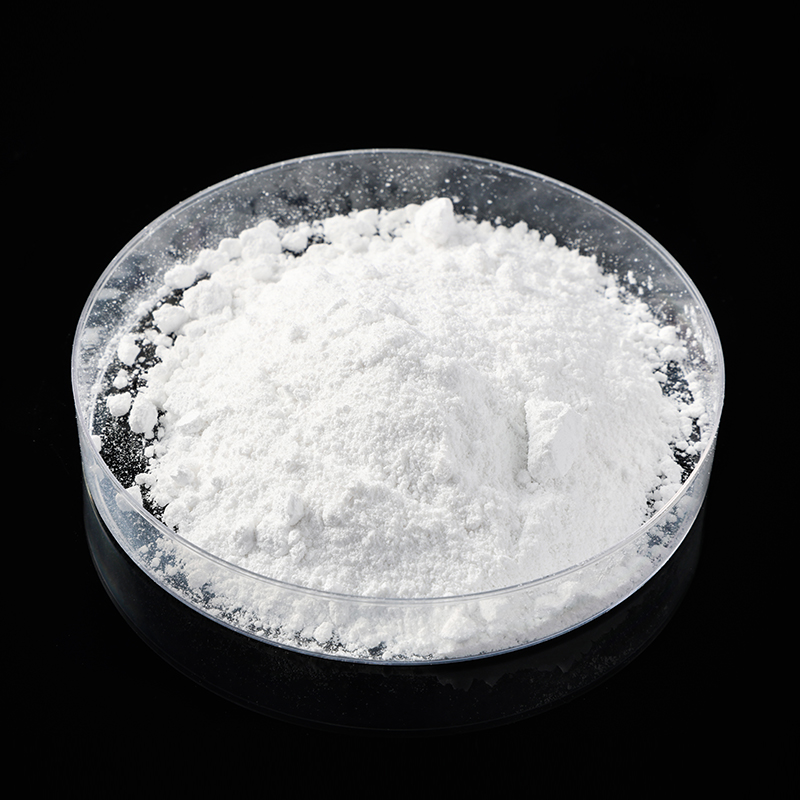
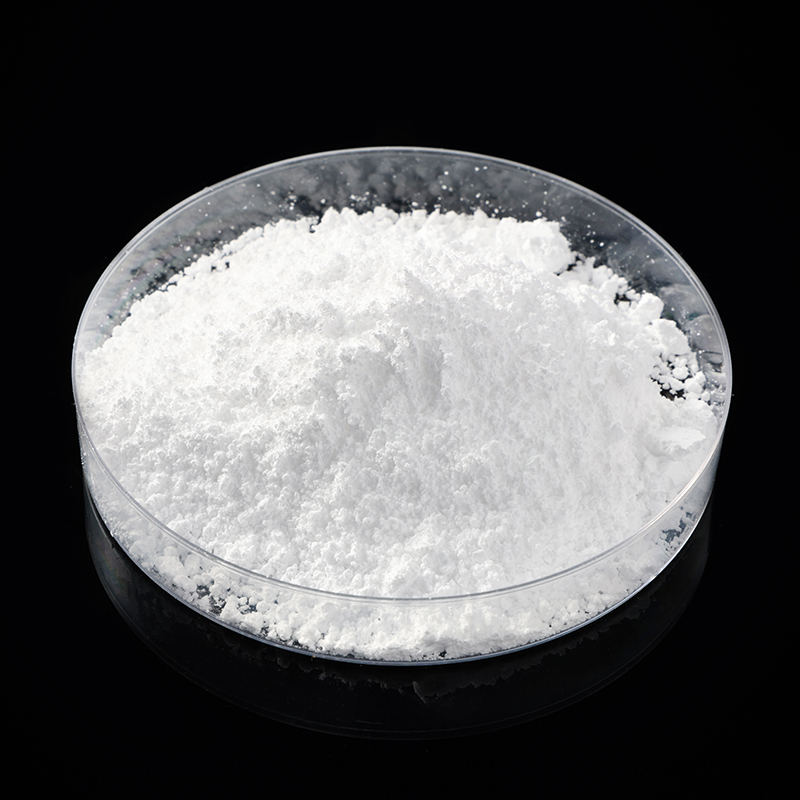
Potassium bisulfite is the potassium salt of sulfurous acid, with the molecular formula KHSO3. It is also called potassium hydrogen sulfite, and in the European food additive system it is listed as E228. In commerce it appears in two forms: as an aqueous solution that is colorless and slightly acidic, and as a white crystalline solid with a faint, sharp odor of sulfur dioxide. The solution form is used heavily in winemaking, while the solid form is convenient for dry dosing in food processing and industrial operations.
One of the first things any buyer discovers is that solid potassium bisulfite is not always what the label says. Pure KHSO3 is difficult to crystallize from water; during concentration and drying, two molecules of the bisulfite tend to lose one molecule of water to form potassium metabisulfite (K2S2O5). As a result, much of the solid potassium bisulfite on the market is, in practice, a mixture dominated by potassium metabisulfite or even entirely that compound. Both deliver SO2, so the difference rarely matters for food preservation or winemaking, but it does matter for assay calculations, pricing, and precise dosing. A careful buyer reads certificates of analysis and checks how the SO2 content is reported.
Manufacturers produce potassium bisulfite by absorbing sulfur dioxide gas into an aqueous solution of potassium carbonate or potassium hydroxide. In the reaction with potassium carbonate, carbon dioxide is released and potassium bisulfite remains in solution: K2CO3 + 2SO2 + H2O gives 2KHSO3 + CO2. Because the product is usually handled as a solution or converted to the metabisulfite salt during finishing, production is a gas-scrubbing process carried out at dedicated sulfite plants, often integrated with sulfur combustion or sulfur recovery operations. For the buyer, the practical significance is that potassium bisulfite is a commodity chemical with a well-established supply chain, not a specialty product requiring custom synthesis.
| Property | Value |
|---|---|
| Chemical formula | KHSO3 |
| Other names | Potassium hydrogen sulfite; E228 |
| CAS number | 7773-03-7 |
| Molecular weight | 120.16 g/mol |
| Appearance | White crystalline powder or colorless aqueous solution |
| Odor | Faint pungent sulfur dioxide |
| Solubility | Freely soluble in water |
| pH of aqueous solution | Acidic, typically around 3.5 to 4.5 depending on concentration |
| Theoretical SO2 content | About 53.3 percent by weight |
| Reaction with acids | Releases sulfur dioxide gas |
| Stability | Decomposes on heating; solid tends to form potassium metabisulfite |
The theoretical SO2 figure is worth understanding because it drives dosing. The molecular weight of sulfur dioxide is 64.07, so one gram of pure KHSO3 can release a maximum of approximately 0.53 grams of SO2. In practice the released amount is lower, because the solid contains bound water, residual sulfate, and often metabisulfite. Food and wine specifications that express dosage in parts per million of SO2 require calculations based on the actual lot assay, not the theoretical maximum. An experienced supplier will state the assay plainly; an inexperienced one may create confusion that leads to underdosing or overdosing.
Every use of potassium bisulfite traces back to one reaction. When the compound dissolves in water, the bisulfite ion exists in equilibrium with sulfurous acid, which in turn releases molecular sulfur dioxide: HSO3- plus H+ is in equilibrium with H2SO3, which is in equilibrium with SO2 and water. In acidic environments, a fermenting grape must at pH 3.3, a jar of pickles, or an industrial effluent stream, the equilibrium shifts toward molecular SO2. That neutral, uncharged molecule is the active species that gives sulfites their antimicrobial power.
Molecular SO2 acts on microorganisms in several ways. It diffuses freely through cell membranes, and inside the cell it disrupts enzyme activity by attacking disulfide bonds and cofactors, interferes with energy metabolism, and damages DNA. The practical result is a broad-spectrum but selective effect: sulfite-sensitive spoilage organisms such as acetic acid bacteria, wild yeasts, and many molds are inhibited at concentrations that cultivated wine yeast and lactic acid bacteria can tolerate at fermentation pH. This selectivity is why sulfur dioxide has survived as a wine preservative for centuries despite the availability of newer antimicrobials.
The antioxidant side of the chemistry is equally important. Sulfite scavenges dissolved oxygen, reacts with hydrogen peroxide, and inhibits polyphenol oxidase, the enzyme responsible for enzymatic browning in cut fruit. It also reacts with aldehydes, most significantly acetaldehyde in wine, to form stable addition products. This last reaction, called binding, removes both the aldehyde and the free sulfite from circulation. In wine, roughly 1.5 milligrams of SO2 can be tied up by one milligram of acetaldehyde, which is why winemakers measure free and total SO2 separately and why repeated small additions outperform one large dose.
The practical takeaway for an operator is that potassium bisulfite is not a fixed-dose chemical. The effective concentration depends on pH, temperature, microbial load, and the amount of binding compounds present. A red wine at pH 3.8 needs more free SO2 than a white at pH 3.2 to achieve the same molecular SO2 concentration. The dosage must be adjusted for the actual conditions, not copied from a generic table. This is the most important operational skill in any facility that uses sulfite chemistry, from a winery to a dried fruit line.
The most widespread use of potassium bisulfite is as a food preservative, where it performs three jobs at once: it inhibits spoilage microorganisms, prevents chemical and enzymatic browning, and protects vitamins and colors from oxidation. Foods treated with sulfites keep their appearance, aroma, and nutritional quality far longer than untreated products. For regulatory purposes, potassium bisulfite is classified as a generally recognized as safe substance in the United States under 21 CFR 182.3616, and as E228 in the European Union, where sulfite additives as a group are approved food preservatives.
Dried fruits are the largest single category. Apricots, peaches, apples, raisins, golden raisins, and prunes would brown quickly and lose their bright colors without sulfite treatment. The typical SO2 concentration applied to dried fruit ranges from 300 to 2,000 milligrams per kilogram depending on the fruit and the desired final color; lighter fruits generally receive more. Sulfite also protects the vitamin C content of fruit during the slow process of dehydration, because the antioxidant prevents oxidative losses. One well-known trade-off is that sulfites degrade thiamine, so heavily sulfited fruit is not relied upon as a source of vitamin B1.
The next significant category is fruit juices and concentrates. Apple, grape, lemon, and other juices use sulfite to prevent oxidation and spoilage before pasteurization and during storage. Typical addition levels sit between 50 and 350 milligrams per liter depending on product and processing conditions. In juice processing, sulfite is often added at the milling stage to control browning and is bound or removed by the time the finished package reaches the shelf. Sulfite also helps maintain the bright color of frozen concentrates, where oxidative darkening would otherwise develop during thawing and reconstitution.
Other food applications include maraschino cherries, glacé fruits, fruit fillings, pickled vegetables, vinegar, and some potato products. In each case, the sulfite performs the same core functions of microbial control and color protection. There is one notable limitation: sulfites are not permitted on raw fruits and vegetables in the United States, which removes the option of spraying fresh produce to keep it looking fresh. This restriction is a direct consequence of the respiratory sensitivity that sulfites can trigger in a small fraction of consumers.
| Food product | Typical added sulfite as SO2 | Main function |
|---|---|---|
| Dried apricots, apples, peaches | 500 to 2,000 mg/kg | Color retention, anti-browning, antioxidant |
| Raisins and golden raisins | 300 to 1,500 mg/kg | Color retention, preservation |
| Fruit juice and concentrates | 50 to 350 mg/L | Anti-browning, antimicrobial |
| Wine and cider | 20 to 100 mg/L free; up to 250 to 350 mg/L total | Antimicrobial, antioxidant |
| Maraschino cherries, glacé fruit | 100 to 400 mg/kg | Color retention, preservation |
| Pickles, vinegar, sauces | 50 to 250 mg/kg | Preservation, antimicrobial |
Labeling is a separate obligation that every food manufacturer must respect. In the United States, any food containing more than 10 parts per million of sulfite must declare contains sulfites on the label, regardless of whether the sulfite was added directly or carried in as an ingredient. The same logic applies in other jurisdictions that require sulfite declaration above threshold levels. Because potassium bisulfite contributes sulfite residues that persist in the finished product, the legal requirement is driven by the final concentration, not the addition rate at the processing line.
Winemaking is where potassium bisulfite shows its full value, and it is the application that most winemakers think of automatically. Sulfur dioxide has been used in wine for centuries because it does two things that no single alternative does as well: it suppresses unwanted wild microorganisms, and it keeps oxygen away from the juice and wine. Potassium bisulfite is the preferred form of SO2 in many wineries because it is easy to handle, dissolves quickly, and, unlike sodium bisulfite, adds no sodium to the wine.
At the crusher, winemakers typically add 25 to 50 milligrams per liter of SO2 equivalent to freshly crushed grapes, especially if the fruit is warm, damaged, or overripe. This initial dose knocks down native yeasts and bacteria before the selected fermentation culture is added, and it prevents the rapid oxidation that darkens juice within minutes of crushing. For white wines, protecting the juice from oxygen at this stage is essential to retain color stability and aromatic freshness later. For red wines, the same dose is often reduced because the phenolics and anthocyanins provide some natural protection, but the principle is identical.
After fermentation, sulfite management changes. The fermenting yeast has generated acetaldehyde, some of which binds with sulfite to form an odorless addition product. Winemakers measure free SO2, the portion still available for protection, and adjust it to a target of roughly 25 to 30 milligrams per liter for red wines and 30 to 40 milligrams per liter for white wines, depending on pH and storage conditions. Legal ceilings sit near 350 milligrams per liter of total SO2 in the United States and between 150 and 250 milligrams per liter in the European Union for most wine styles, so there is a real limit to how much can be added toward the end of the process.
Potassium bisulfite also serves as a sanitizer for equipment, tanks, and barrels. A rinse with a 2 to 3 percent bisulfite solution controls spoilage organisms on surfaces without the strong odor of chlorine-based disinfectants, though tanks and barrels still require a clean-water rinse before wine contact. Traditional wineries may use sulfur wicks in empty barrels, but a bisulfite rinse is more reproducible and easier to document. Breweries, cider makers, and mead producers use potassium bisulfite the same way, most often at the sanitation and pre-fermentation stage. In beer itself, sulfites are rarely added to the finished product because of flavor and legal constraints, but they appear regularly in cider, perry, and mead production cycles.
Beyond preservation, potassium bisulfite is used in food processing as a process aid. In cane sugar refining, sulfitation is the classic step: the juice is treated with SO2 or bisulfite to lighten its color, minimize caramelization, and clarify the liquor for crystallization. Sugar processors value sulfite chemistry because it is reversible and does not carry into refined white sugar at significant concentrations. The same approach is used in some starch and sweetener operations where color quality is a competitive factor.
Another day-to-day use is dechlorination of process water. Municipal water supplies deliver residual chlorine, and in food plants that residual chlorine can cause off-flavors and interfere with yeast fermentation. Potassium bisulfite removes free chlorine instantly by reducing it to chloride. Water treatment for wineries and breweries is a common application, and the same chemistry appears in reverse-osmosis plants, beverage production lines, and food-processing wash systems. Because the reaction is fast and stoichiometric, operators can calculate the dose from a simple test of residual chlorine.
Sliced and peeled products also benefit from sulfite dips. Potato, apple, and other cut produce that will be sold fresh or processed within days can be dipped in dilute sulfite solutions to prevent enzymatic browning, provided local regulations permit it. The same treatment preserves the color of glacé fruit and the distinctive translucency of maraschino cherries. These uses rely on the enzyme-inhibiting and oxygen-scavenging actions described earlier, and they illustrate why potassium bisulfite remains relevant even in facilities that pasteurize or refrigerate aggressively.
The industrial side of potassium bisulfite chemistry is dominated by its reducing power. The compound donates electrons readily and is consumed by dissolved oxygen, chlorine, hydrogen peroxide, chromate, and other oxidants. Water treatment plants use bisulfite compounds, potassium or sodium, to dechlorinate discharge water before it reaches rivers, and to scavenge residual oxygen in boiler feedwater systems. In both roles, the sulfite is consumed completely and leaves no toxic residue, which is a major advantage over organic reducing agents that may form problematic breakdown products.
In pulp and paper manufacturing, sulfite chemistry is the basis of one of the three great pulping processes. Acid sulfite pulping uses sulfurous acid and sulfite or bisulfite to dissolve lignin out of wood chips under heat and pressure; potassium bisulfite can serve as part of the pulping liquor, although calcium, magnesium, and sodium are more common bases. The compound also appears in the bleaching sequence as a reducing agent after oxidative stages, where it stops the bleaching reaction and prevents degradation of the cellulose fiber.
Textile processors use bisulfite as an antichlor: after bleaching with hydrogen peroxide or sodium hypochlorite, fabric carries residual oxidant, which can degrade dyes and cellulose over time. A bisulfite rinse reduces the oxidant and stops the bleaching reaction. The same reducing action is used in vat dyeing, where a water-insoluble dye must be reduced to its soluble form before it penetrates the fiber, and in reductive clearing and discharge printing, where the goal is to remove unwanted surface dye without damaging the base cloth.
Chemical manufacturing and the laboratory use potassium bisulfite as a selective reducing agent and as a source of SO2. It reduces quinone structures, certain azo compounds, and metal ions; it stabilizes intermediates that are sensitive to oxidation; and in analytical chemistry it is used in iodometric work, where sulfite reacts stoichiometrically with iodine. Effluent treatment facilities use bisulfite to reduce toxic hexavalent chromium to trivalent chromium, which can then be precipitated as chromium hydroxide before discharge. In mining, sulfite compounds are used as depressants in froth flotation and as oxygen scavengers in certain process waters.
| Industry | Application | Function |
|---|---|---|
| Water treatment | Dechlorination, oxygen scavenging, reverse-osmosis pretreatment | Reduction of chlorine and dissolved oxygen |
| Pulp and paper | Sulfite pulping, bleach-stage reducing | Delignification, antichlor |
| Textiles | Antichlor after bleaching, reductive clearing | Destroys residual oxidizing agents |
| Chemical synthesis | Intermediate and reducing agent | Selective reduction, SO2 source |
| Wastewater | Chromium removal | Reduction of Cr(VI) to Cr(III) before precipitation |
| Laboratory | Iodometric analysis | Standard reducing titrant |
Potassium bisulfite is rarely the only sulfite a supplier offers. Sodium bisulfite, sodium metabisulfite, and potassium metabisulfite fill overlapping roles, and the compound family works almost interchangeably in some applications. But there are meaningful differences, and they explain why a buyer might choose the potassium form even though sodium salts usually cost less per unit of SO2.
| Property | Potassium bisulfite KHSO3 | Sodium bisulfite NaHSO3 | Potassium metabisulfite K2S2O5 | Sodium metabisulfite Na2S2O5 |
|---|---|---|---|---|
| Formula weight | 120.16 | 104.06 | 222.32 | 190.11 |
| Theoretical SO2 content | About 53 percent | About 62 percent | About 58 percent | About 67 percent |
| Sodium contribution | None | High | None | High |
| Typical commercial form | Solution or solid | Solution or solid | Stable crystalline solid | Stable crystalline solid |
| Shelf-life practicality | Solution loses SO2; solid converts | Similar to potassium bisulfite | Excellent | Excellent |
| Common food uses | Wine, low-sodium foods | Wine, processed food | Wine, brewing, dried fruit | Dried fruit, water treatment |
The sodium question is the single most common reason to choose potassium bisulfite in food and beverage production. A food manufacturer working toward a low-sodium label, or a winemaker who wants to avoid any sodium contribution, will pick the potassium form even when the sodium analog costs less. For purely technical and industrial applications, where sodium content is irrelevant, sodium salts tend to dominate because of price and slightly higher SO2 yield per gram. Knowing which criterion matters is the first step in selecting a product.
Stability is the other selection criterion. Solid potassium metabisulfite is a genuinely stable, free-flowing crystalline material, and it is the preferred dry form when purchasing solid sulfite because it stores well and has a predictable assay. If you buy solid potassium bisulfite, be aware that it is often mostly potassium metabisulfite after drying. The aqueous solution, by contrast, slowly loses SO2 to the air and gradually oxidizes to sulfate, so solution inventory must be rotated and stored in sealed containers. A winery using solution should not buy a year of inventory at once unless it has a way to blanket and seal the containers.
A different kind of confusion deserves attention: potassium bisulfite is not potassium bifluoride. The names are close, and both are white crystalline potassium salts, but the similarity ends there. Potassium bifluoride (KHF2) contains no sulfur at all; it is an acidic fluoride salt used for glass etching, metal surface treatment, and certain welding fluxes. It is corrosive and toxic, and it must never be stored in a food plant or used as a preservative. Industry professionals who discuss why potassium bifluoride is essential for glass etching and metal treatment treat it as a completely separate chemical from the sulfite preservatives, and any purchasing system should enforce that distinction with clear labeling.
Potassium bisulfite is a safe and well-regulated food additive when handled correctly, but its active principle, sulfur dioxide, is a gas with a sharp odor and respiratory effects. The key to safe use is controlling exposure to SO2 fumes. Dust from the solid, fumes from the solution, and gas released when the compound meets acid all have the potential to irritate eyes, nose, throat, and lungs. People with asthma are the most sensitive; a significant minority of asthmatics respond to inhaled sulfite, and some react severely in the minutes after eating sulfite-treated food.
Regulatory frameworks treat this chemistry with specific labeling and use rules rather than a blanket ban. In the United States, sulfiting agents including potassium bisulfite are generally recognized as safe when used in accordance with good manufacturing practice, and any food that contains more than 10 parts per million of sulfite must declare contains sulfites on the label. Sulfites may not be used on fresh fruits and vegetables in the United States, and the European Union sets maximum permitted levels for each food category under the E220 to E228 group. Occupational exposure limits also apply: the OSHA 8-hour time-weighted average for sulfur dioxide is 5 parts per million, and most people can smell the gas well below that level, which provides a useful early warning.
Handling measures are straightforward but should be written into standard operating procedures. Store the compound in a cool, dry, well-ventilated area in tightly closed containers, away from acids and strong oxidizing agents. Acids liberate SO2, which is why the compound works so well in acidic foods, and oxidizing agents such as nitric acid, hydrogen peroxide, and peroxides react vigorously with bisulfite. Eye protection and chemical-resistant gloves are required for operators; when working with large quantities of dry material, a dust mask and good extraction keep airborne SO2 within occupational exposure limits.
First-aid measures are simple. For eye contact, flush with water for at least 15 minutes and seek medical attention. For inhalation, move to fresh air; if coughing or breathing difficulty develops, obtain medical help. For ingestion of concentrated material, drink water and contact a poison information center. The compound's presence in food at normal levels is not a first-aid scenario, but concentrated food-grade solution should still be handled with the same care as any chemical. Every facility that uses potassium bisulfite should have the safety data sheet accessible to all operators and a spill kit designed for acid-gas release.
Because the compound is sold in food, technical, and analytical grades, the purchasing decision cannot be reduced to price per kilogram. Food-grade potassium bisulfite must meet the specifications in the relevant regulation or pharmacopoeia: a minimum SO2 assay, strict limits on heavy metals such as lead and arsenic, and limits on impurities including chloride, sulfate, iron, and insoluble matter. Technical grades may have looser tolerances, which is acceptable for water treatment and chemical use but not for food contact. A supplier that cannot document the grade should not be considered for food applications.
Winemakers and food processors should ask suppliers for three documents before the first shipment: a certificate of analysis for the specific lot, a safety data sheet, and, where relevant, an allergen statement confirming that the facility does not create cross-contamination risks. Sulfites themselves are label allergens in finished foods, and the supplier's own allergen controls matter for products containing milk, gluten, or nuts, even though sulfites have no connection to those allergenic sources. Traceability is particularly important because a recall of a sulfite-treated product can be traced back through the lot certificate if the documentation is complete.
The assay detail to verify is how SO2 content is measured and reported. A certificate that reads sulfur dioxide content 55 percent can mean either a true assay on the packaged product or a theoretical value calculated on a pure dry basis. For dosing calculations, request a measurement by iodometric titration on the actual lot. If you buy solution, confirm the concentration and density, and check whether the supplier compensates for losses during storage. In winemaking, iron content also deserves scrutiny, because iron can bind with residual sulfite and tannins to form a haze known as iron casse; a low-iron specification protects the wine.
Practical purchasing points: buy in packaging that matches your consumption rate. Once a container is opened, sulfites begin to lose potency; a moisture-proof sealed drum has a shelf life measured in months or years when kept closed, but a bag left open in a humid warehouse degrades quickly. For wineries, the familiar 25 kilogram drum of metabisulfite crystals or a 30 liter solution container is a practical unit. For small food processors, pre-weighed sachets of food-grade product reduce measurement error and operator exposure. Always keep sulfite inventory separate from acids, and label every container clearly to prevent the kind of mix-up described in the comparison section.
Potassium bisulfite earns its place across food, beverage, and industrial settings because it delivers a controlled, measurable release of sulfur dioxide. It preserves dried fruit, stabilizes wine, safeguards juice, dechlorinates water, and performs reducing chemistry in factories and laboratories. Its versatility is real, but it is a predictable, well-understood versatility: the same chemical reaction, release of SO2 and donation of electrons, does every job.
The choices that matter are the choices around it. Which form should you buy? If you need a solution for direct dosing, potassium bisulfite solution is the straightforward option. If you need a solid, decide whether you actually want potassium metabisulfite for its stability and predictable assay. Which grade? Food grade, not technical grade, if the product touches food or beverage. Which supplier? One that provides real certificates of analysis, clear labeling, and accurate documentation, and one that understands the regulatory and operational context of sulfite chemistry.
Finally, keep the chemistry straight. Potassium bisulfite is a food additive and mild reducing agent that works by releasing sulfur dioxide. It is not sodium bisulfite, it is not potassium metabisulfite, and it certainly is not the fluoride salt with a similar name. When a food or beverage manufacturer needs the potassium form to avoid sodium, when a winery needs precise free-SO2 management, or when a treatment plant needs dependable dechlorination, the quality discipline of the supplying company is part of the specification. Specialty inorganic chemical producers with long production histories, such as Nantong Jinxing Fluorides Chemical Co., Ltd., demonstrate how rigorous manufacturing, testing, and documentation matter for every industrial chemical, even one as familiar as a sulfite releasing its sulfur dioxide.
Copyright © 2023 Nantong Jinxing Fluorides Chemical Co., Ltd. All Rights Reserved.
 Custom Fluorine Chemical Suppliers