

 English
 中文简体
中文简体 Español
Home / News / Industry News / What Is Barium Most Commonly Used For? A Practical Guide to Its Applications
Walk onto a modern oil rig and you will find a dense gray powder being mixed into the drilling mud. Step into a hospital radiology department and you will see a patient drinking a chalky white contrast agent before an abdominal X-ray. In both scenes, barium is doing what it does best: not as a pure metal, but as a carefully selected compound that provides density, opacity, or chemical functionality. When people ask what barium is most commonly used for, the answer is not a single product but a family of compounds, with barium sulfate dominating global consumption.
In simple terms, barium is a soft, silvery-white alkaline earth metal that never occurs free in nature. It is found in minerals such as barite (barium sulfate) and witherite (barium carbonate). Because the metal itself is highly reactive, industrial users work with barium compounds rather than elemental barium. The most common applications centre on barium sulfate for oil well drilling and medical imaging, followed by barium carbonate for ceramics, glass, and brick production, and smaller but important uses in chemicals, pyrotechnics, and specialty fluorides.
Barium sits in group 2 of the periodic table, below calcium and strontium. With atomic number 56, it is one of the heavier alkaline earth metals, and this high atomic mass is directly responsible for many of its practical uses. Pure barium has a density of about 3.6 g/cm³, which is not especially high for a metal, but its sulfate salt is much denser at around 4.5 g/cm³. That density makes barium sulfate perfect for applications that need weight or X-ray absorption.
The element was first isolated by Sir Humphry Davy in 1808, and its name comes from the Greek word 'barys', meaning heavy. This name reflects the high density of its common minerals, which were known long before the metal was extracted. Barium is never found uncombined in the Earth's crust because it oxidizes quickly in air and reacts vigorously with water. It is, however, relatively abundant in the upper continental crust, making up about 425 parts per million, which places it at number 14 in elemental abundance on Earth.
Mining and processing begin with barite, a mineral consisting largely of barium sulfate. The ore is crushed, ground, and sometimes cleaned by flotation or magnetic separation. To produce other barium compounds, manufacturers convert barite to barium sulfide by heating it with carbon in a process known as carbothermic reduction. The resulting barium sulfide is then treated with acids, carbonates, or other reagents to yield barium chloride, barium carbonate, barium nitrate, and many other salts.
Because pure barium metal is pyrophoric and hazardous to handle, nearly all commercial use involves its +2 oxidation state compounds. These compounds range from nearly insoluble salts such as barium sulfate to highly soluble and toxic salts such as barium chloride. The physical form, solubility, and purity of each compound determine whether it ends up in a drilling rig, a hospital, a ceramics kiln, or a fireworks factory.
Barium sulfate, or BaSO₄, is by far the most widely produced barium compound. It is the direct mineral form of barite and is consumed in huge volumes by heavy industry. The oil and gas sector alone accounts for roughly 80 percent of global barium sulfate use. Its popularity rests on three properties: high density, chemical inertness, and low cost.
Drilling fluids, commonly called drilling muds, circulate down the drill pipe and back up the wellbore to cool the bit, carry rock cuttings to the surface, and maintain pressure in the hole. If the underground formation pressure is not controlled, the well can experience a kick or even a blowout. Operators prevent this by raising the mud density with weighting agents, and barium sulfate is the preferred choice worldwide.
Barite for drilling must meet strict specifications, usually set by API (American Petroleum Institute) or equivalent standards. The density of the mineral increases the hydrostatic pressure of the mud column, counterbalancing formation pressure. Barite is also chemically inert, so it does not interfere with the clay and polymer additives that control mud viscosity and filtration. In addition to its weighting role, barite helps form a filter cake on permeable rock, reducing fluid loss into the formation.
Typical drilling barite contains at least 4.1 g/cm³ specific gravity, a particle size that passes a 75-micron sieve, and a low level of soluble alkaline salts. Higher-grade barite is sometimes blended with finer particles to keep the mud stable in high-temperature wells. Offshore drilling, which demands rigorous quality control and logistics, consumes substantial quantities of barite, and supply shortages can disrupt rig schedules. This is why industrial buyers look for reliable producers with large standardized production capacity.
Outside the oil patch, the best-known use of barium sulfate is as a radiographic contrast agent. A suspension of very pure, fine barium sulfate is swallowed or injected as an enema before X-ray examination of the upper gastrointestinal tract or colon. The compound absorbs X-rays much more strongly than soft tissue, so organs appear clearly on the film or digital image.
Barium sulfate is safe for this purpose because it does not dissolve in water or stomach acid. The gastrointestinal tract does not absorb it, so it passes through the body unchanged. The same high density that makes barite useful in drilling also makes it opaque to X-rays, giving clinicians a bright white outline of the esophagus, stomach, or intestines. Modern formulations use additives to improve suspension stability, mouthfeel, and coating of the mucosal lining. Strict purity requirements exclude heavy-metal impurities, especially soluble barium, which could otherwise be toxic.
Because barium sulfate is white, inert, and dense, it is also a valuable filler and extender in paints, plastics, and rubber. It adds weight, improves brightness, and enhances chemical resistance without reacting with the polymer matrix. In coatings, barium sulfate contributes to opacity and can partially replace titanium dioxide, which is much more expensive. The paper industry uses it as a filler in photographic paper and specialty papers, where its flat, fine particles create a smooth printing surface.
Polypropylene compounds, automotive plastics, and rubber floor tiles often contain barium sulfate to increase density and provide a silky finish. It also finds use in radiation-shielding materials, sound-damping products, and thermoplastics where X-ray opacity is desired. These applications may consume less volume than drilling or medicine, but they demonstrate the versatility of one simple compound.
When barium needs to be introduced into a chemical reaction or a molten batch, carbonate is often the preferred starting point. Barium carbonate, BaCO₃, is produced by passing carbon dioxide into a barium sulfide solution or by precipitation from barium chloride with sodium carbonate. It is a white powder that decomposes at high temperature to barium oxide and carbon dioxide, making it useful in ceramics and glass.
One of the highest-volume uses of barium carbonate is in the production of ceramic glazes and frits. Glazes for tiles, sanitaryware, and tableware contain barium to raise the refractive index, improve surface hardness, and give a bright, glossy finish. Barium also helps fix certain colors and can produce pearl or crystalline effects when cooled slowly. Because barium carbonate reacts with iron and other impurities to form insoluble compounds, it reduces the mottling that would otherwise occur in clay bodies.
In the glass industry, barium carbonate acts as a network modifier. It can improve the refractive index without increasing dispersion, so glass made with barium has a clear, brilliant appearance. Manufacturers of optical lenses, television tubes, and crystal glassware depend on high-purity barium carbonate. Traditional crystal glass once contained lead oxide, but barium oxide offers a lower-toxicity alternative for many consumer glass products.
Another important market for barium carbonate is the brick industry. Fired clay bricks can develop a whitish deposit called efflorescence when soluble salts migrate to the surface. Adding barium carbonate to the clay batch precipitates those salts as insoluble barium compounds, keeping the brick surface clean. The use of barium carbonate is widespread in European brick production and has become a standard quality-control measure in many countries.
Barium carbonate is also a precursor for ferrite magnets. In the manufacture of hard ferrite ceramics, barium carbonate is mixed with iron oxide and sintered at high temperature. The resulting barium ferrite, BaFe₁₂O₁₉, has excellent magnetic properties and is widely used in small motors, speakers, refrigerator seals, and magnetic tools. This application is a quiet but steady consumer of barium compounds and illustrates how a simple carbonate can move into advanced materials.
Finally, barium carbonate is used as a flux in welding rod coatings, a raw material for other barium salts, and a component in porcelain enamels. Its wholesale price and purity are closely monitored because impurities such as strontium or sulfur can affect the final product. Industrial customers typically request tight chemical specifications and consistent particle size distribution, especially for ceramic and glass applications.
Barium sulfate and carbonate are the giants of the barium world, but several other salts are essential in specific niches. Most of these are more soluble in water, which makes them chemically reactive and therefore useful in solutions and coatings.
Barium chloride, BaCl₂, is the most common soluble barium salt. It can be produced by reacting barium sulfide with hydrochloric acid or by dissolving barium carbonate in acid. The salt is highly soluble in water, so it is used where a ready source of barium ions is needed.
One traditional application is the softening of water and the treatment of boiler feed water. By adding barium chloride, sulfate ions in the water can be precipitated as insoluble barium sulfate, reducing scale formation. In the chemical industry, barium chloride is used in the manufacture of other barium salts, as well as in the production of certain pigments and dyestuffs. It is also a component of some heat-treatment baths for steel, where it serves as a medium for hardening and tempering. The high-temperature molten salt provides a uniform heat transfer medium, helping to avoid distortion in precision parts.
Analytical laboratories use barium chloride as a reagent for detecting sulfate ions. Because barium sulfate is almost invisible in solution, even trace amounts of sulfate produce a cloudy precipitate. Despite its practical uses, barium chloride is toxic and must be handled with care. Buyers should verify that manufacturers comply with environmental and worker-safety regulations, since the salt is classified as a hazardous substance.
Barium nitrate, Ba(NO₃)₂, is known primarily as a pyrotechnic oxidizer. It decomposes on heating to release oxygen, which supports the combustion of fuels such as aluminum, magnesium, or resins. In fireworks, barium nitrate produces a bright green flame when the barium ions are excited in a hot flame. Green signal flares, tracer ammunition, and emergency signaling devices also use barium nitrate to generate a distinctive green light.
The compound is also used in the manufacture of barium peroxide and in specialty glass where reducing agents are needed. Because nitrate is a strong oxidizer, handling and storage require attention to fire safety. Barium nitrate is often produced in fine crystalline form and must meet particle size requirements for consistent burn rates in pyrotechnic compositions.
Other soluble barium salts, such as barium hydroxide, barium acetate, and barium titanate, serve more specialized roles. Barium hydroxide can be used in water treatment and as a laboratory reagent. Barium titanate is a ferroelectric ceramic used in capacitors and piezoelectric devices. Even though these compounds are not major tonnage products, they show the breadth of barium chemistry and allow manufacturers to serve niche but demanding customers.
While the public eye focuses on barium sulfate in medical imaging and oil drilling, industrial chemists and material engineers look at a different crystal: barium fluoride, BaF₂. This compound has specialized properties that make it an essential material in precision optics, radiation detection, and certain high-temperature processes.
Barium fluoride crystallizes in a cubic structure and is transparent in a wide spectral range, from the ultraviolet through the visible and into the infrared. This broad transmission window positions it as a preferred material for optical windows, lenses, and prisms in spectroscopy and thermal imaging systems. Instruments that analyze gases in industrial emissions or monitor chemical reactions often use barium fluoride windows because they minimize signal loss and resist moisture damage better than many other infrared crystal materials.
Beyond static optics, barium fluoride is also a fast scintillator. When exposed to ionizing radiation, it emits light pulses that can be detected by photomultiplier tubes. This property makes it useful in medical imaging devices, high-energy physics experiments, and radiation detection systems. The crystalline purity required for these applications is extremely high; impurities can quench the scintillation light or reduce optical clarity.
In metal surface treatment and aluminum processing, barium fluoride is sometimes used as a component of fluxes and protective atmospheres. It can help remove oxide layers from the metal, improve the wetting of solders and welding rods, and modify the viscosity of molten slags. Although these uses are smaller in volume than drilling or ceramics, they are steady, high-margin markets where technical service and consistent product quality are valued.
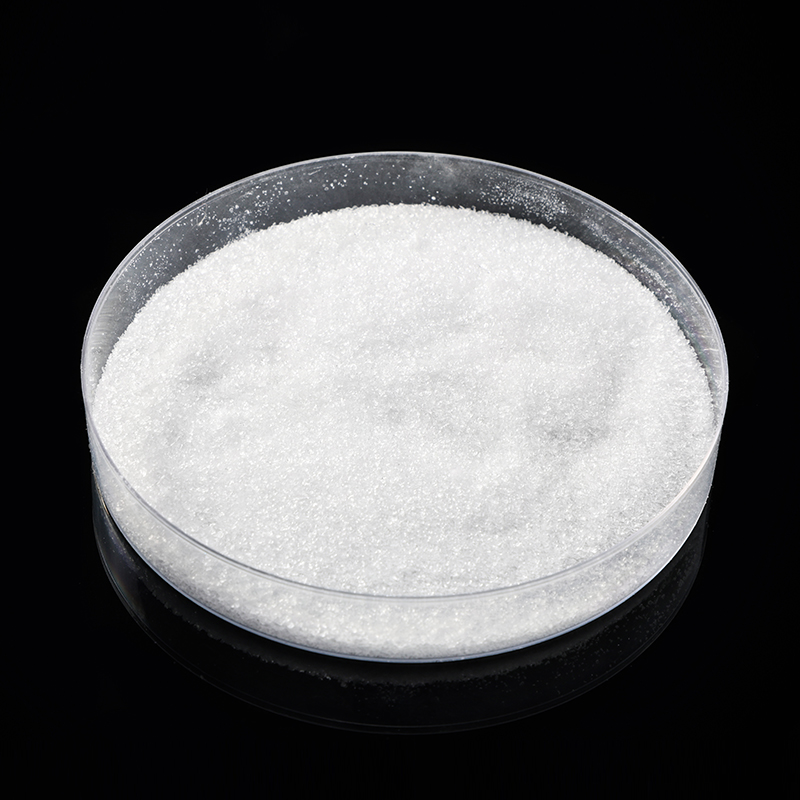
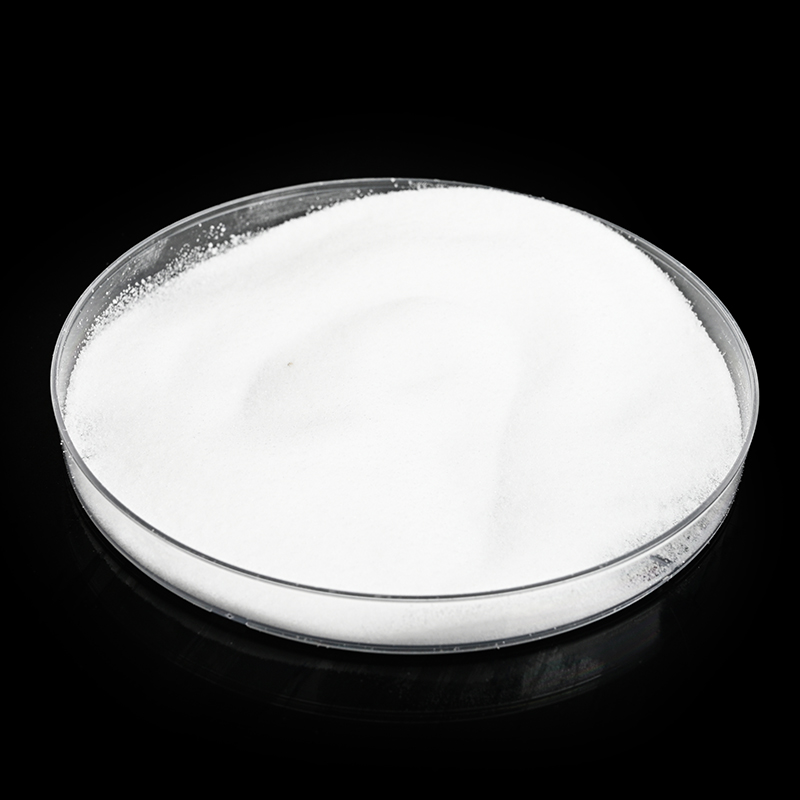
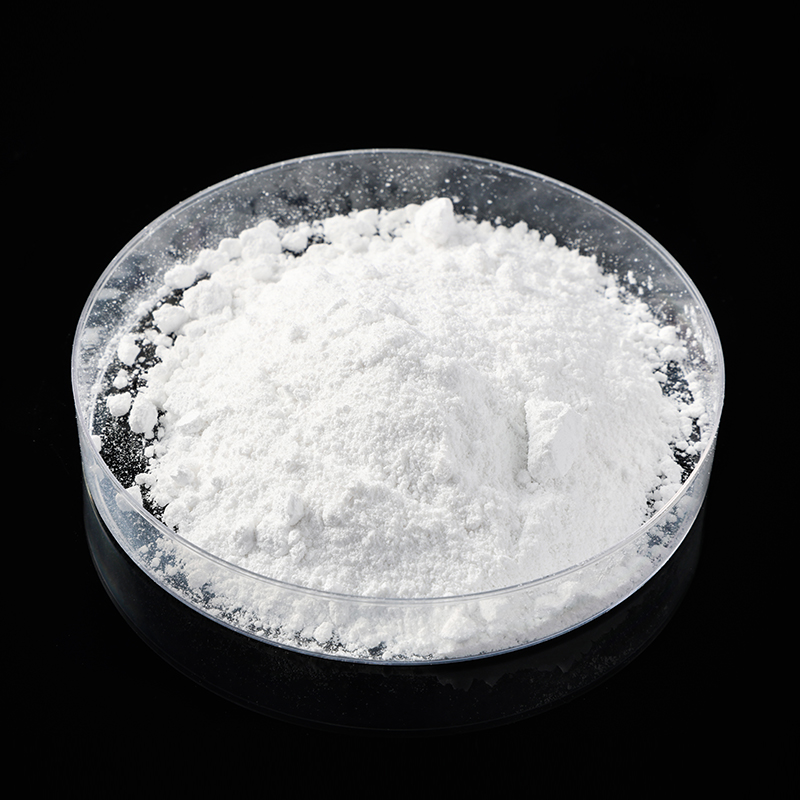
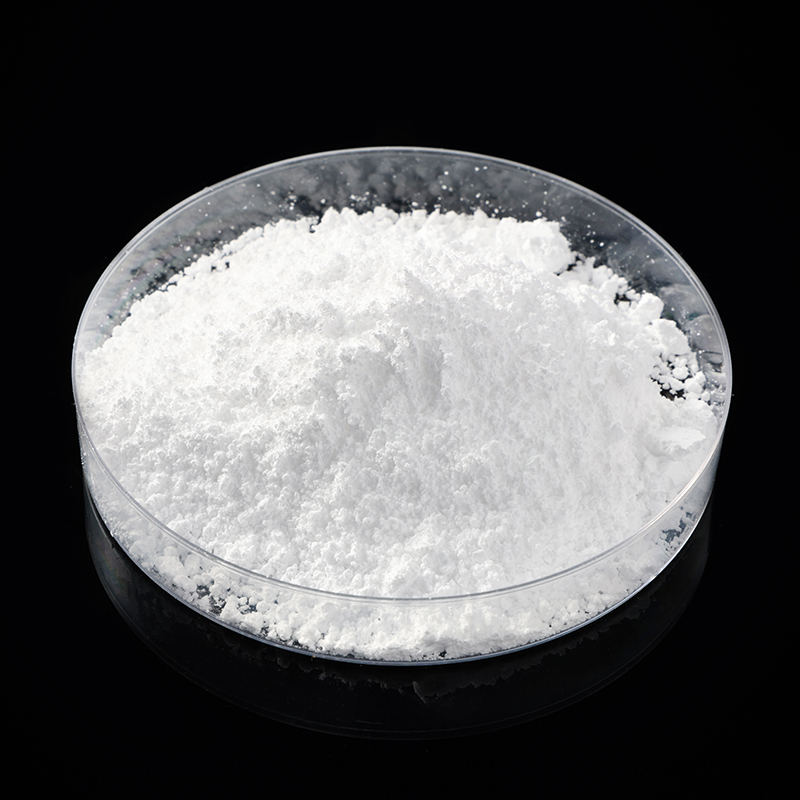
Producers of advanced materials increasingly request high-purity barium fluoride with controlled particle size and low moisture content. As explained in our article on why barium fluoride is essential in optical and industrial applications, the balance between purity and cost is critical for these customers. Nantong Jinxing Fluorides Chemical is one manufacturer that supplies high-purity barium fluoride for optical applications, backed by large-scale production and rigorous quality testing. For a chemical company that has specialized in inorganic fluorides since 1975, barium fluoride is a natural bridge between classic barium chemistry and the modern fluorochemical sector.
Barium compounds are not commodity products that can be purchased solely on price. The end use determines the required purity, physical form, and chemical packaging. Buyers who misjudge these factors may end up with off-spec material that disrupts production or creates safety risks.
The first consideration is purity. For medical barium sulfate, the key impurities are heavy metals, arsenic, and soluble barium salts. For optical barium fluoride, the critical parameters are trace metallic impurities, moisture, and crystalline clarity. A product that meets API drilling specifications is not automatically suitable for X-ray diagnostics or infrared windows. Clear specifications and certificates of analysis are essential.
Particle size and distribution are equally important. Drilling barite must have a specific gravity and particle size that allow it to stay suspended in the mud. Ceramic barium carbonate requires a fine, uniform powder that can be mixed evenly into clay bodies or glaze batches. Pyrotechnic barium nitrate must have a controlled grain size to position the burn rate of the firework. Therefore, purchasers should request technical datasheets and, if feasible, run a pilot test before committing to a full contract.
Supply chain reliability is another major factor. Barium compounds are heavy, bulky, and sometimes classified as hazardous for transport. A supplier with large standardized production capacity can offer steady inventory, faster lead times, and packaging that protects the product from moisture and contamination. Equally valuable is a supplier's ability to provide samples, technical support, and customized solutions for unusual applications.
Safety and environmental compliance cannot be ignored. Soluble barium salts are toxic, and even insoluble barium sulfate can contain traces of soluble barium. Manufacturers need to demonstrate that their production processes control dust, prevent water pollution, and comply with local and international regulations. Certifications such as ISO 9001 for quality management and ISO 14001 for environmental management are common signs of a well-run facility.
Nantong Jinxing Fluorides Chemical embodies many of these qualities. The company has been producing inorganic fluorides since 1975 and built a modern facility in Nantong in 2010 that follows strict testing protocols. Its product range includes barium fluoride as well as other fluorides such as ammonium bifluoride, fluoroboric acid, and potassium fluorozirconate. For a buyer looking for a partner in barium chemistry, this level of experience and transparency is what turns a simple purchase into a dependable supply relationship.
To summarize, the most common industrial uses of barium are built around barium sulfate: roughly four-fifths of all barium consumed goes into oil well drilling muds, while a smaller but critically important fraction is used as a medical X-ray contrast agent. Barium carbonate adds value in glass, ceramics, bricks, and ferrite magnets, and soluble salts like barium chloride and barium nitrate serve water treatment, steel processing, and pyrotechnics. Barium fluoride occupies a smaller but fast-growing niche in precision optics and radiation detection.
What connects these diverse applications is the way the barium atom forms dense, stable, and often transparent compounds. Whether you are managing a drilling operation, designing an infrared spectrometer, or sourcing material for a ceramic glaze, the choice of barium compound directly affects performance and safety. By understanding the chemistry and working with a manufacturer that can deliver the right grade in the right form, you can turn this elemental metal into a dependable part of your own process.
Copyright © 2023 Nantong Jinxing Fluorides Chemical Co., Ltd. All Rights Reserved.
 Custom Fluorine Chemical Suppliers