

 English
 中文简体
 Español
Home / News / Industry News / Ammonium Bifluoride: Industrial Grades, Uses, Safety, and Supplier Guide
A glass-etching line runs at 35°C, and the bath is losing strength faster than the production plan allows. The operator adds more ammonium bifluoride, the haze comes back, and two days later the pump seal fails. The problem is rarely the chemical’s name. It is the grade, the assay, the chloride level, the moisture pick-up in storage, or a supplier who shipped a certificate that does not match the lot. Ammonium bifluoride, NH4HF2 (CAS 1341-49-7), is a corrosive acid salt that behaves like a hydrofluoric acid source in water. It etches glass, brightens aluminum, cleans metal, and supports chemical synthesis. But it is not a drop-in commodity. The purchase order, the safety data sheet, and the packaging have to line up with the process. If they do, the chemistry is predictable. If they do not, the cost shows up as rejects, corrosion, and exposure incidents.
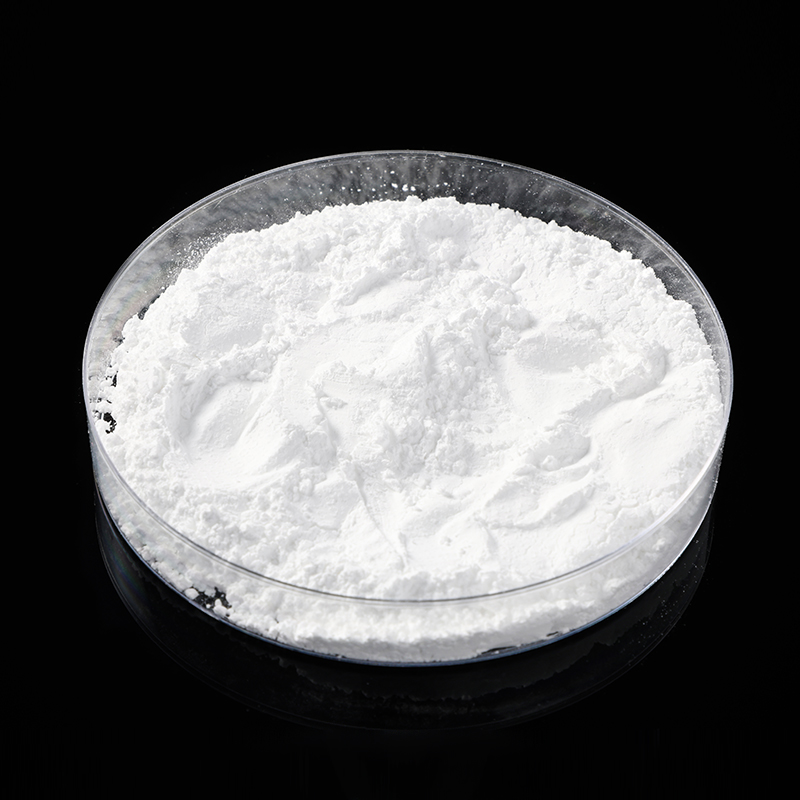
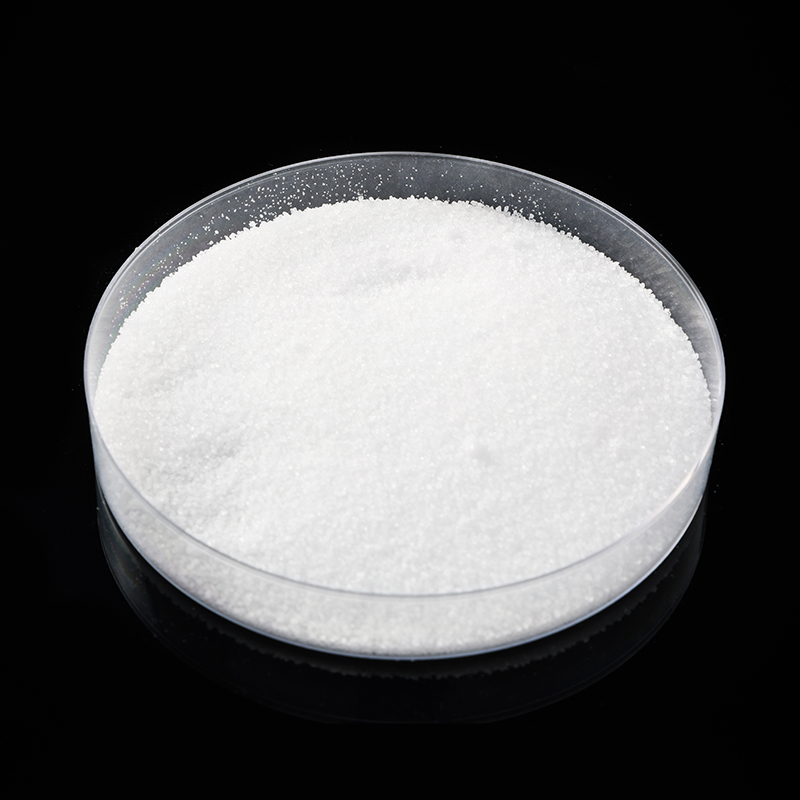
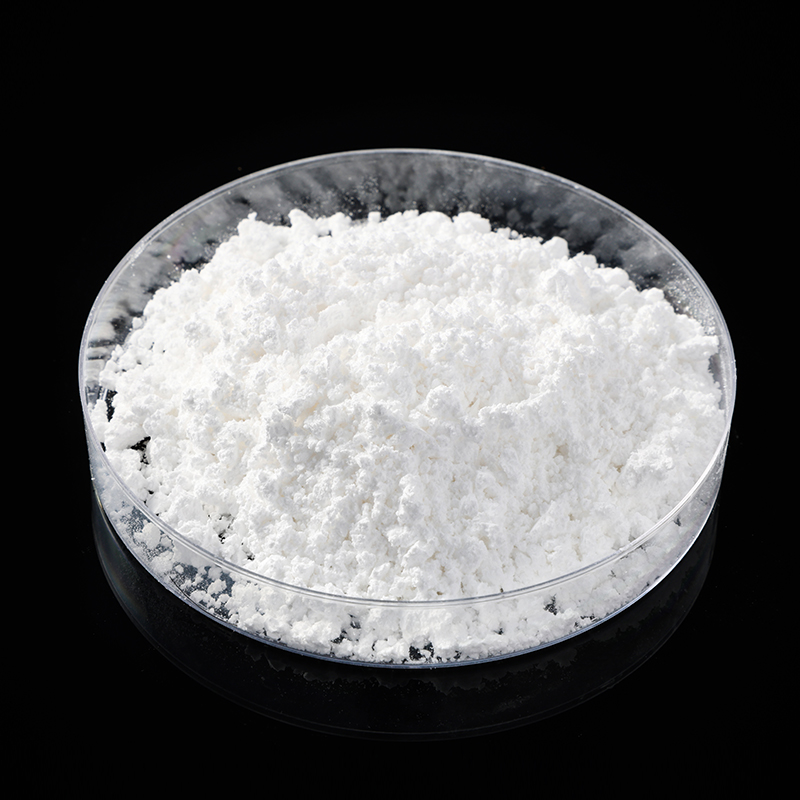
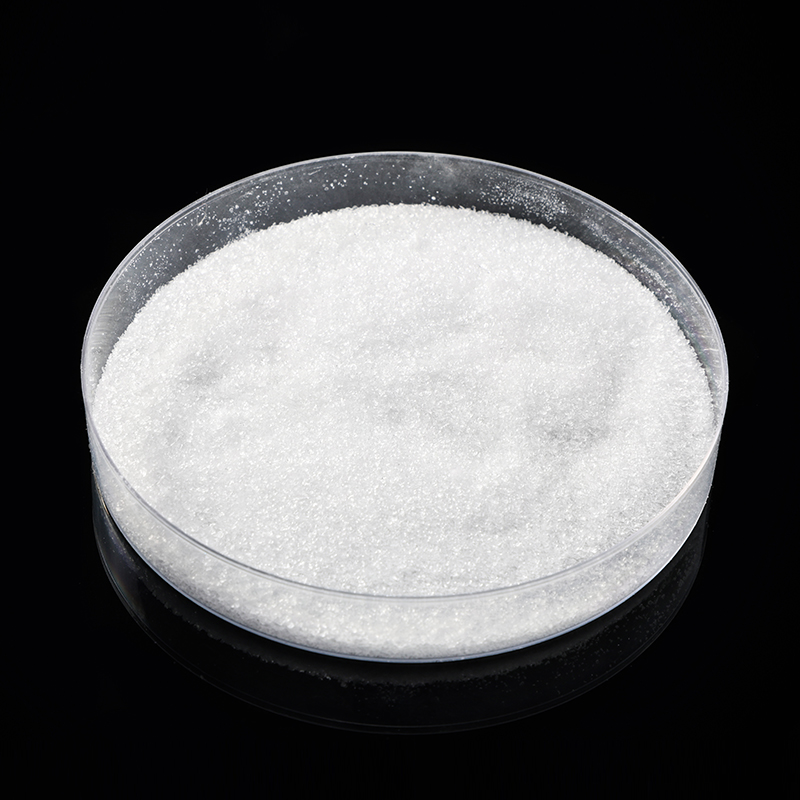
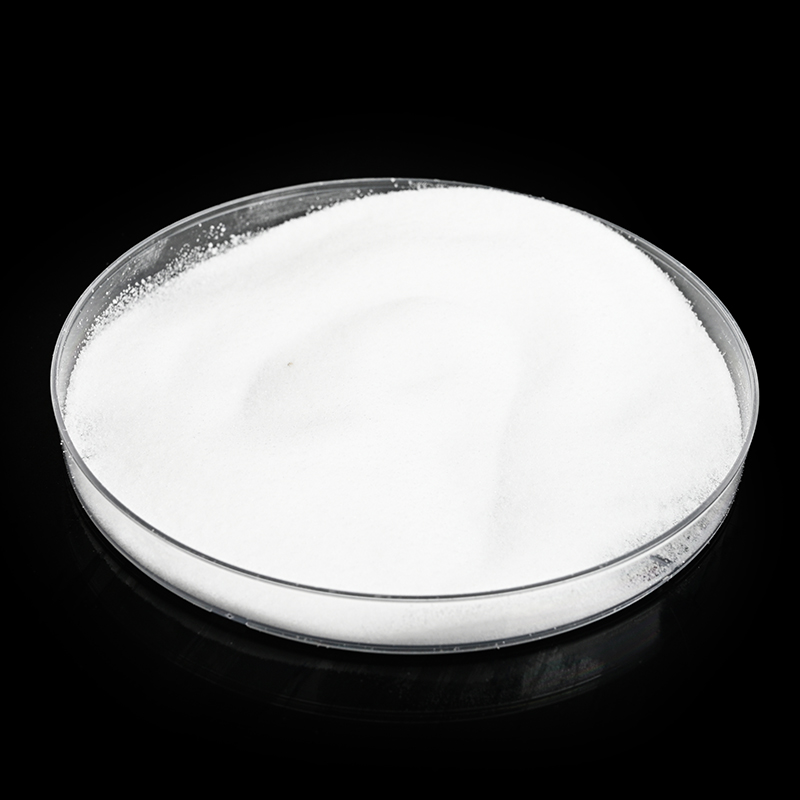
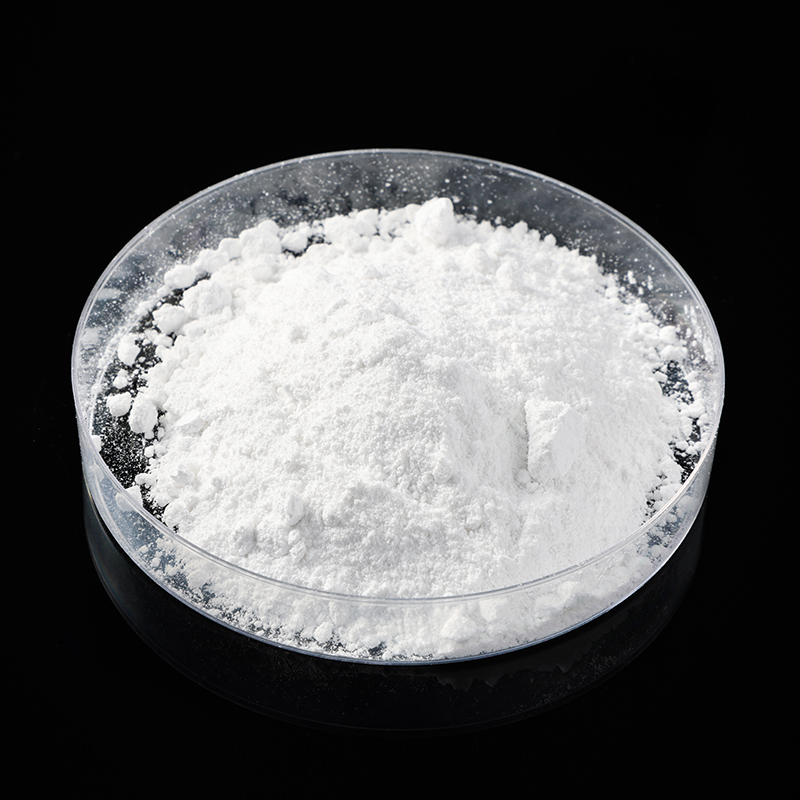
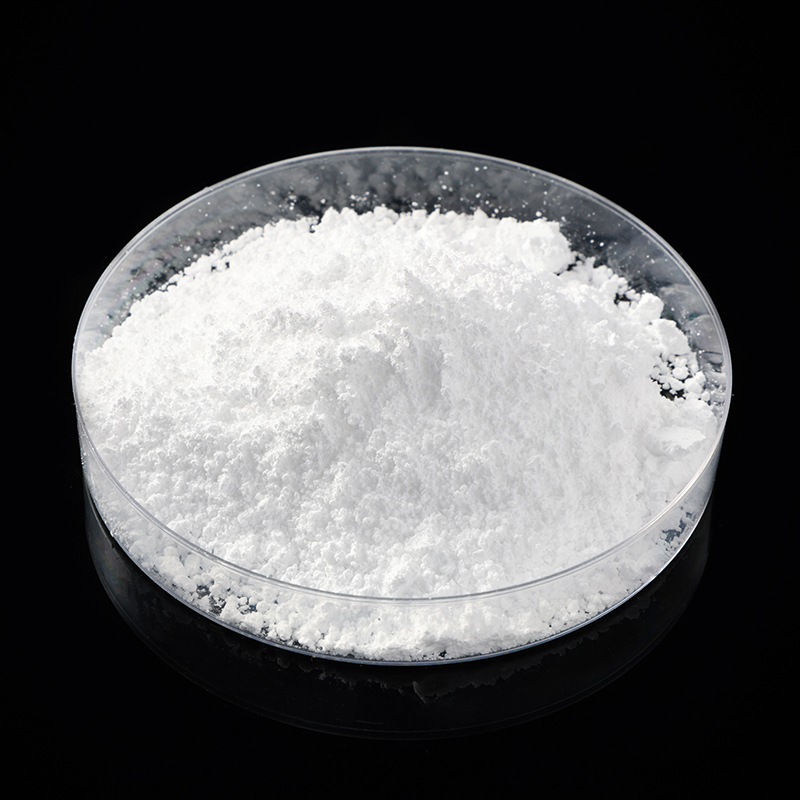
Ammonium bifluoride is the acid salt of ammonium fluoride and hydrogen fluoride. Its formula is written NH4HF2 or NH4F·HF. The “bifluoride” part is not decoration: it tells you the salt carries an extra HF unit. In water, it dissociates and shifts toward HF chemistry, so the solution is acidic and aggressively fluorinating. That single fact explains most of its industrial behavior. It attacks silica in glass, dissolves aluminum oxide films, and creates fluoride-rich conditions that can etch or clean metal surfaces. It also explains the handling requirements. A powder that looks like a white crystalline solid can release hydrogen fluoride when it meets moisture or acid. The hazard is not only the dust; it is the chemistry that starts when the dust dissolves.
Commercial material is usually 95–98% assay, with the remainder tied to moisture, ammonium fluoride, and trace impurities. Those few percentage points matter. A low assay means more product per bath and more sludge. A high moisture level means caking, dust, and dosing drift. A high chloride level can accelerate corrosion in stainless steel equipment. The name on the label is only the starting point; the specification is what the plant actually runs.
Glass etching is the largest familiar use. Ammonium bifluoride reacts with silica to form soluble fluorosilicate species, producing a frosted or matte surface. The reaction is sensitive to concentration, temperature, and contact time. A 10% solution at 30°C behaves differently from a 20% solution at 45°C. If the bath is contaminated with sulfate or chloride, the etch can become uneven or leave a residue that is difficult to rinse. For decorative glass, automotive glass, and lighting components, the difference between a uniform matte and a patchy haze is often a specification issue, not an operator issue.
Aluminum surface treatment is another core use. Ammonium bifluoride removes the natural oxide layer and can produce a uniform matte finish before anodizing, conversion coating, or bonding. The etch rate depends on free fluoride, pH, and temperature. A bath that is too aggressive pits the surface; a bath that is too weak leaves smut. The same chemistry supports metal cleaning, where the salt helps remove oxide, scale, and welding residue from stainless steel and other alloys. In brewing and dairy operations, it has been used to sterilize equipment, but that use demands strict control because residues and fluoride exposure are serious. For all of these applications, the common thread is controlled fluoride release. The ammonium bifluoride applications that work best are the ones where the bath is monitored and the grade is fixed.
A purchase order that says “ammonium bifluoride” without a grade is an invitation to variation. The table below shows the parameters worth writing into a specification. The numbers are typical, not universal; the point is to agree on them before the first drum arrives.
| Parameter | Typical range | Why it matters |
|---|---|---|
| Assay (NH4HF2) | 95–98% | Low assay increases consumption and bath sludge. |
| Fluoride as F | ≥ 62% | Process control is often based on fluoride, not salt weight. |
| Moisture | ≤ 0.5% | High moisture causes caking, dust, and dosing drift. |
| Chloride (Cl) | ≤ 0.05% | Chloride accelerates corrosion in stainless equipment. |
| Sulfate (SO4) | ≤ 0.1% | Can affect etch uniformity and rinse residues. |
| Heavy metals (Pb, As) | ≤ 10 ppm each | Critical for optical, electronic, and high-purity uses. |
| Appearance | White crystalline solid | Color or lumps can indicate contamination or moisture. |
| Particle size | Agreed mesh range | Controls dissolution rate, dust, and feeding behavior. |
Two practical points follow. First, ask for a batch-specific certificate of analysis, not a generic specification sheet. The certificate should show the lot number, test methods, and actual results. Second, match the packaging to the plant. A 25 kg polyethylene-lined bag is convenient for small batches but creates more dust and more handling. A 1,000 kg jumbo bag reduces labor but requires a proper unloading station. Sealed drums protect against moisture but add cost. The wrong package can turn a good chemical into a caking problem before it reaches the bath.
Ammonium bifluoride is corrosive and toxic. It causes severe skin burns and eye damage, and it can release hydrogen fluoride when heated, acidified, or dissolved. That means the safety review is not a paperwork exercise. Local exhaust ventilation should be installed at the weighing station and the bath. Operators need chemical goggles, a face shield, acid-resistant gloves, and an apron. Dust masks are not a substitute for engineering controls. Eyewash stations and safety showers should be within reach, and the team should know where the calcium gluconate gel is kept. For hydrogen fluoride exposure, immediate first aid and medical evaluation are essential.
Storage also matters. Keep the product dry, sealed, and away from acids, alkalis, and oxidizers. Do not store it in glass or in containers that can be attacked by fluoride. Clean up spills with an inert absorbent and neutralize carefully; do not use a wet vacuum that can aerosolize the solution. In transport, ammonium bifluoride is typically classified as UN 1727, Class 8, packing group II. The safety data sheet should match the grade and the packaging, and it should be available in the languages your workforce reads. A supplier who cannot provide a current SDS and a clear transport classification is not a low-risk supplier, no matter how attractive the price.
Start with three documents: a batch COA, a current SDS, and a quality certificate. Then ask four questions. What is the assay range, and how is it tested? What is the chloride and sulfate limit? What packaging options are available, and how is the liner sealed? What is the lead time for a repeat order, and how are deviations handled? If the answers are vague, the risk is yours. A supplier who can provide lot traceability, consistent particle size, and a clear deviation process is worth more than a lower price per kilogram.
For a manufacturer with decades of experience, scale matters. Nantong Jinxing Fluorides Chemical Co., Ltd. has produced inorganic fluorides since 1975 and operates a Nantong production base established in 2010. Its product range includes ammonium bifluoride and related fluoride salts, and it describes large-scale, standardized production for industrial customers. That history is useful, but it does not replace the batch certificate. Use the product page to confirm the grade and packaging, then qualify the lot.
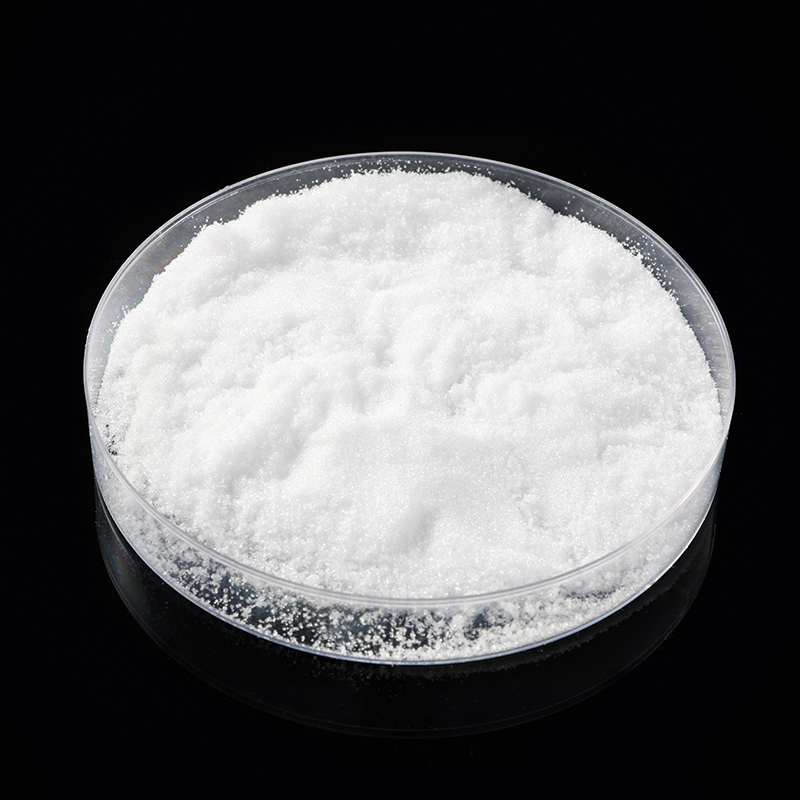 Wholesale Ammonium Bifluoride for Industrial Fluoride ApplicationsView grade, ≥98.5% content, and 650KG container bag packaging to confirm specifications before qualifying a lot.View Product →
The right ammonium bifluoride is not the cheapest drum on the pallet. It is the lot whose assay, moisture, chloride, and particle size match your process; whose packaging keeps it dry; and whose SDS your team has actually read. If you run glass etching, aluminum treatment, or metal cleaning, those details decide whether the bath stays stable and whether the shift goes home without an exposure report. Write the specification, request the batch certificate, and check the safety data before you approve the first order. The chemistry is powerful, but it is also predictable when the purchase order is specific.
Copyright © 2023 Nantong Jinxing Fluorides Chemical Co., Ltd. All Rights Reserved.
 Custom Fluorine Chemical Suppliers