

 English
 中文简体
 Español
Home / News / Industry News / Potassium Fluorozirconate (K2ZrF6): Industrial Grades, Uses, and Sourcing Guide
A ceramic glaze batch starts to speck, a welding consumable run becomes inconsistent, and an aluminum-alloy trial shows uneven grain structure—all in the same week. The common thread may be a white crystalline fluoride salt that looked identical on two certificates of analysis. Potassium fluorozirconate, K2ZrF6, is a narrow-purpose industrial material with a surprisingly broad set of quality variables. Its performance is rarely decided by the product name alone. Assay, moisture, chloride, sulfate, iron, heavy metals, and particle size decide whether a lot behaves as a reliable zirconium source, a flux component, or a surface-treatment additive.
The practical conclusion is simple: specify potassium fluorozirconate by process, not by CAS number alone. A buyer who compares only price per kilogram is comparing the visible part of the quotation. The invisible part—batch consistency, impurity limits, packaging integrity, and documentation—usually determines whether the material works in production.
Potassium fluorozirconate is often purchased as a technical-grade salt, but “technical grade” is not a specification. Two suppliers can both ship K2ZrF6 with a 98% assay and still deliver materials that behave differently in a glaze, an alloy flux, or a conversion-coating bath. The difference comes from the impurity profile, the particle-size distribution, the moisture content, and the physical form.
A useful purchasing rule is to begin with the process window and work backward. If the material is used as a zirconium source in a ceramic or glass formulation, the important questions are zirconium content, iron and heavy-metal limits, and whether the salt dissolves or disperses cleanly. If it is used in an alloy-treatment flux, chloride and sulfate may matter more because they affect slag behavior, fume, and equipment corrosion. If it is used in surface treatment, insoluble matter and particle size can influence bath stability and coating uniformity.
This process-first approach also prevents over-specification. A buyer does not need a 99.9% ultra-pure grade for every application, and paying for one can be waste. Conversely, accepting an unspecified technical grade in a sensitive glaze or alloy process can create far more cost than the apparent saving.
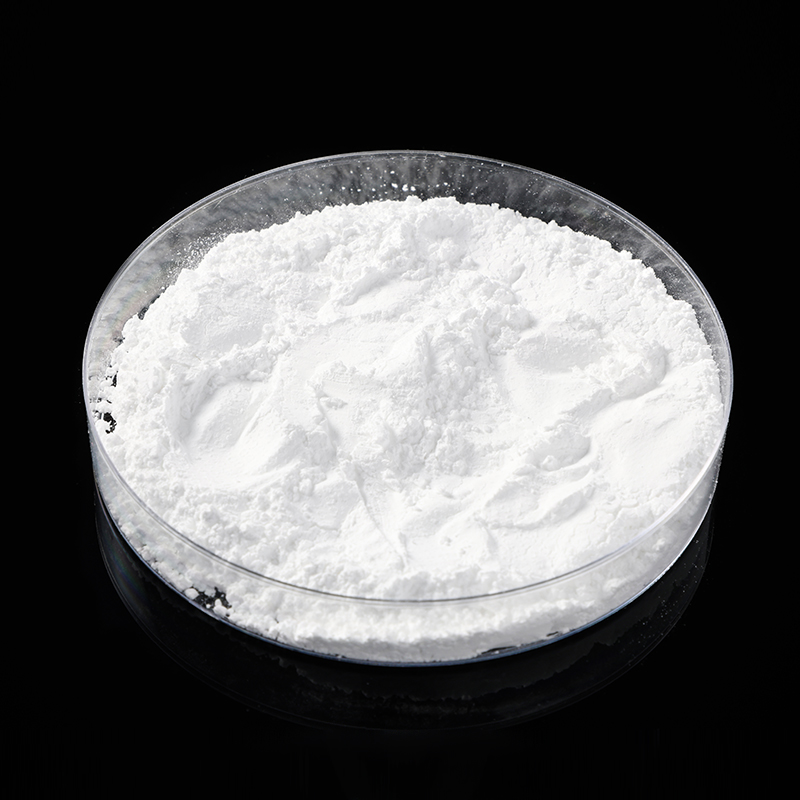
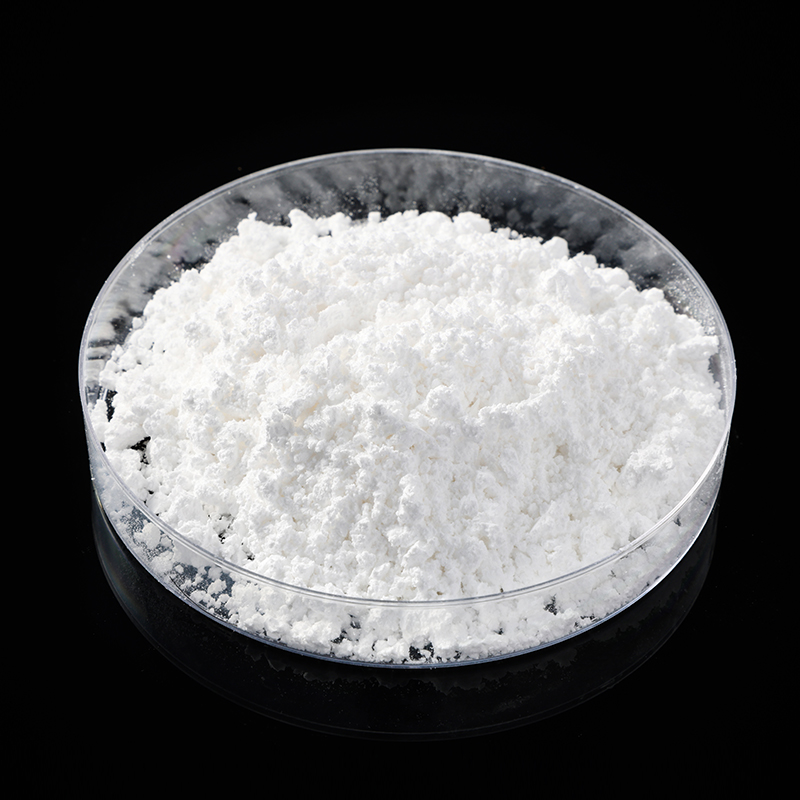
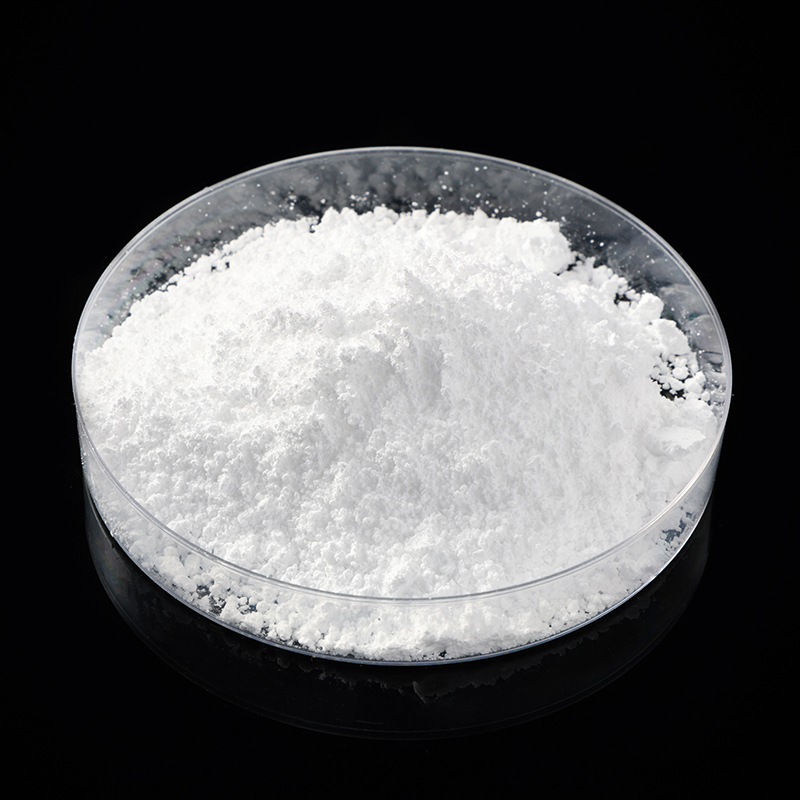
 Potassium Fluorozirconate K2ZrF6 Technical GradeWhite crystalline powder with ≥98% content, used as zirconium and fluoride source; check grade and solubility before specifying for glazes or alloys.View Product →
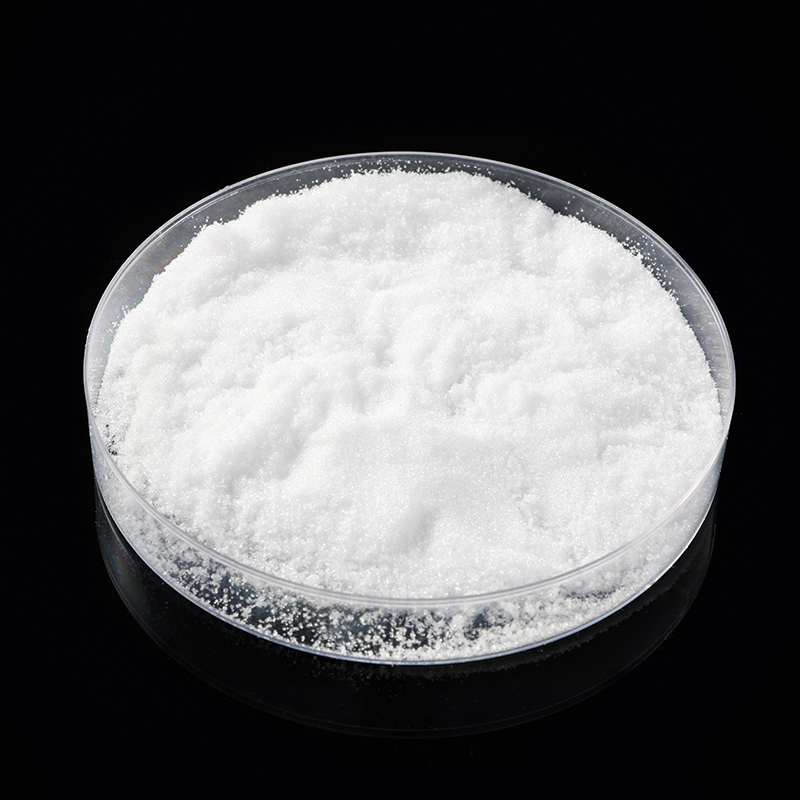
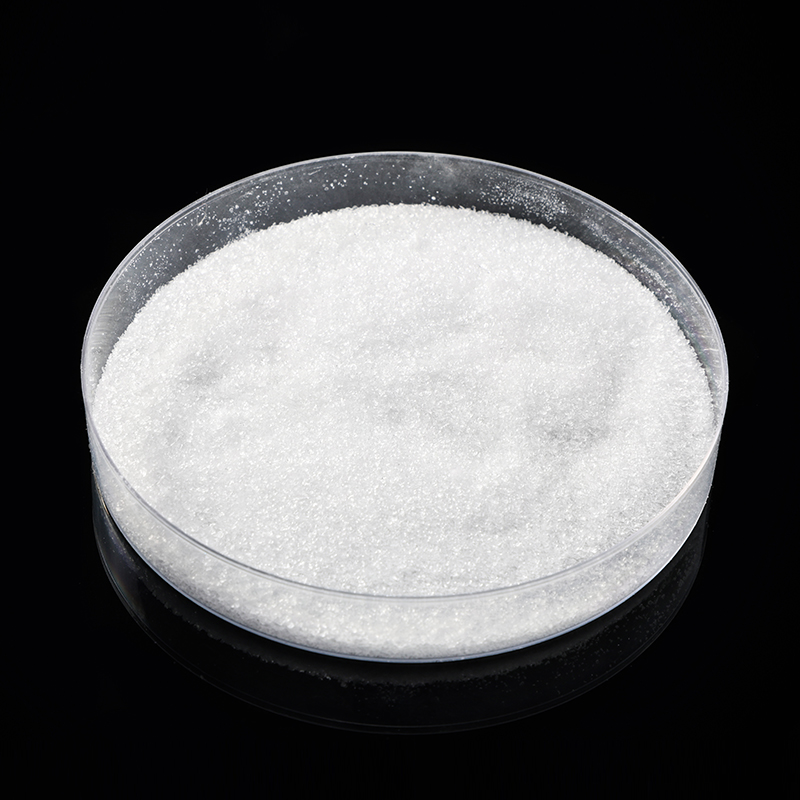
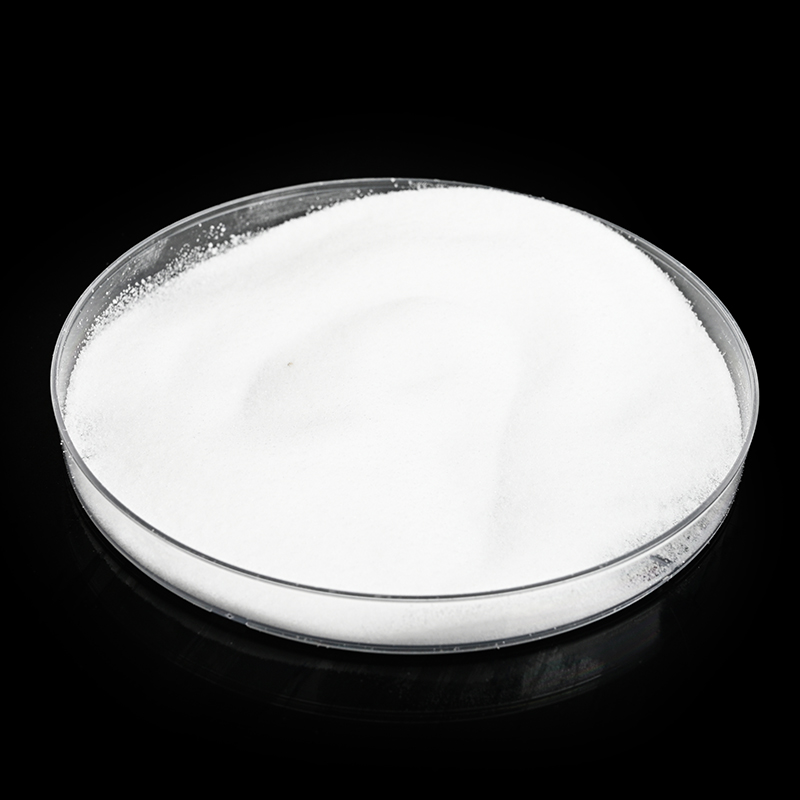
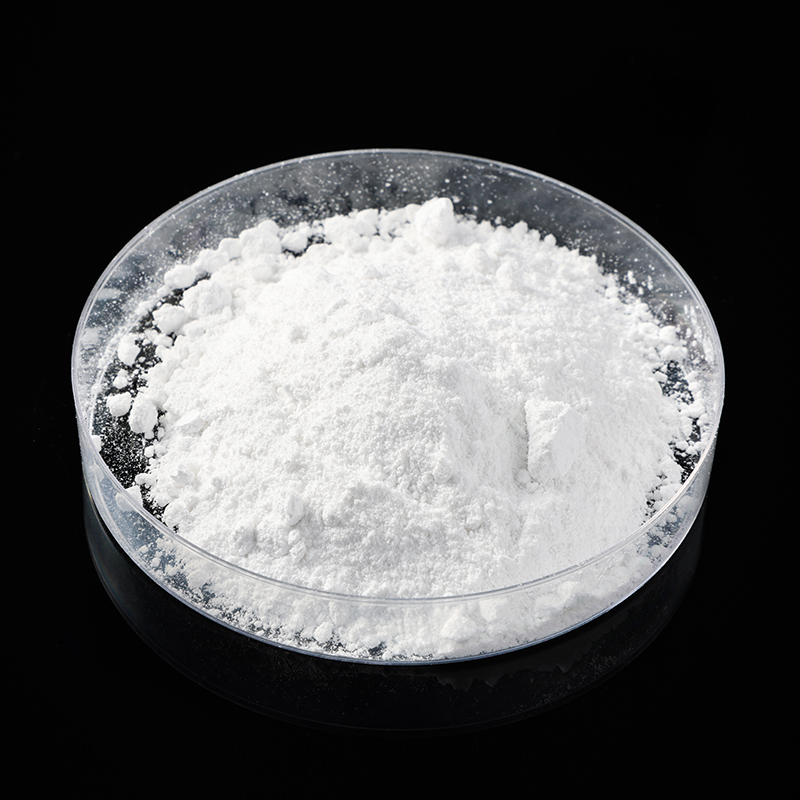
Potassium fluorozirconate is also called potassium hexafluorozirconate or dipotassium hexafluorozirconate. Its formula is K2ZrF6, its CAS number is 16923-95-8, and its theoretical molecular weight is about 283.39 g/mol. It is typically a white crystalline powder or fine crystal, and it is used as a source of zirconium and fluoride in several industrial systems. The compound is not a generic fluoride salt that can be swapped freely with potassium fluoride, ammonium fluorozirconate, or potassium fluoroaluminate; each has different solubility, thermal behavior, and impurity sensitivity.
| Property | Typical reference point | What buyers should confirm |
|---|---|---|
| Chemical formula | K2ZrF6 | Identity and grade on the COA |
| CAS number | 16923-95-8 | Consistency between label, SDS, and COA |
| Molecular weight | Approximately 283.39 g/mol | Theoretical value; not a substitute for assay |
| Appearance | White crystalline powder or crystals | Visual standard and color limits |
| Assay | Common technical grades around 98–99.5% | Analytical method and batch result |
| Moisture | Often controlled below 0.5% | Karl Fischer or loss-on-drying method |
| Particle size | Available in several mesh or micron ranges | Sieve analysis or laser diffraction |
| Density | Approximately 3.4–3.5 g/cm³ | Method and whether bulk or tapped density is relevant |
| Solubility | Slightly soluble in water; temperature-dependent | Lab test in the actual process medium |
The numbers in Table 1 are useful for orientation, not for release decisions. A certificate of analysis should state the test method and the actual result for the lot. For example, an assay result obtained by titration and an assay result obtained by ICP or XRF may not be directly interchangeable. A buyer who receives a COA without method information has a number, but not necessarily a specification.
Potassium fluorozirconate can be produced by reacting zirconium-containing feedstock with hydrofluoric acid or fluorozirconic acid, followed by neutralization with a potassium source, crystallization, drying, and milling. Each step creates quality variables. Incomplete reaction can leave residual zirconium or fluoride imbalance. Washing efficiency affects chloride and sulfate. Drying controls moisture and caking. Milling controls particle size and dust. Crystallization conditions influence crystal habit and dissolution behavior.
That is why a supplier’s process control matters as much as the final assay. A well-controlled crystallizer and dryer can produce a consistent white salt with predictable dissolution. A less controlled process can produce material that passes a 98% assay but varies in fines, moisture pickup, or trace impurities from batch to batch.
Potassium fluorozirconate is not a high-volume commodity in the same sense as soda ash or caustic soda. Its value comes from specific chemical functions: supplying zirconium in a fluoride-compatible form, participating in flux systems, and supporting zirconium-based surface chemistry. The applications below are the practical contexts in which buyers most often evaluate it.
In some aluminum- and magnesium-alloy flux and grain-refining routes, potassium fluorozirconate serves as a zirconium-bearing component. Zirconium can influence grain structure, and fluoride salts can influence flux melting, oxide removal, and slag behavior. The exact role depends on the alloy system and the flux design. A supplier’s material that works in one alloy shop may not work in another if the particle size, moisture, or chloride level changes.
For alloy applications, the purchasing conversation should include the flux or refiner formulation, the operating temperature, the holding time, and the allowed chloride and sulfate limits. A low-moisture, free-flowing grade is usually easier to handle, but the buyer should confirm that the drying method has not altered solubility or created hard agglomerates. More detail on zirconium-fluoride chemistry in alloy development is available in this review of potassium fluorozirconate in high-performance alloys.
In ceramic glazes, frits, and glass formulations, potassium fluorozirconate can act as a zirconium source. Zirconium compounds are used to influence opacity, thermal expansion, chemical durability, and surface appearance. The fluoride component also participates in melt behavior, which means the material is not simply a neutral zirconium carrier. Small changes in assay or impurity profile can shift glaze color, surface texture, or firing behavior.
For these uses, iron and heavy-metal limits are often more important than a small difference in assay. A glaze that is sensitive to iron may show color drift even when the potassium fluorozirconate assay is on target. Buyers should request a COA with iron, titanium, and other color-sensitive elements, and they should test a small batch in the actual glaze formulation before scaling up.
Zirconium-based conversion coatings and surface-treatment baths use zirconium salts to form thin protective layers on metal surfaces. Fluoride often plays a role in etching, activation, and bath stability. Potassium fluorozirconate can be used as a zirconium and fluoride source in such systems, but bath performance depends on free fluoride, pH, temperature, and the presence of other metal ions.
For surface-treatment buyers, insoluble matter and coarse particles are practical concerns. A fine, clean-dissolving grade reduces the risk of sediment, nozzle blockage, and uneven coating. The buyer should also confirm the chloride and sulfate levels because these ions can accumulate in a bath and affect corrosion performance.
Potassium fluorozirconate is used in the preparation of other zirconium compounds and in some welding-flux and catalyst-related applications. In welding consumables, fluoride salts can influence arc stability, slag formation, and metal transfer. In catalyst systems, zirconium compounds may serve as supports, promoters, or Lewis-acid sites, although the exact function depends on the catalyst design.
These applications are less standardized than glaze or alloy use, so the buyer should test the material in the actual process rather than relying on a generic technical datasheet. A sample qualification run is usually cheaper than a production trial with an unverified lot.
A COA is not a marketing document. It is a lot-specific record of what was tested and what was found. The most useful COAs are short, complete, and method-specific. They identify the product, grade, lot number, manufacturing date, test methods, specification limits, and actual results. A COA that lists only assay and appearance is thin for most industrial buyers.
| Specification | Example target or limit | Process risk if uncontrolled |
|---|---|---|
| Assay as K2ZrF6 | ≥98.0% or ≥99.0% depending on grade | Lower zirconium delivery; dosing drift |
| Zirconium content | Confirmed by supplier method | Inconsistent glaze opacity or alloy response |
| Moisture | ≤0.5% typical | Caking, weighing errors, dust, and bath dilution |
| Chloride | Low, typically ≤0.1–0.3% depending on grade | Corrosion, fume, and flux behavior changes |
| Sulfate | Low, typically ≤0.1–0.3% depending on grade | Bath accumulation and glaze defects |
| Iron | ≤50–200 ppm for color-sensitive grades | Color drift in glazes and glass |
| Heavy metals | Application-specific limits | Regulatory or product-safety failure |
| Insoluble matter | Low, with a clear test method | Sediment, nozzle blockage, and coating defects |
| Particle size | Sieve or laser range agreed with buyer | Dust, dissolution rate, and segregation |
Assay is the first number most buyers check, but it should not be the only number. A product can meet a 98% assay and still deliver a lower effective zirconium content if it contains moisture, occluded salts, or other impurities. The buyer should ask whether the assay is calculated on a dry basis, as-received basis, or by a specific titration method. For process control, zirconium content may be more directly relevant than the combined assay.
Chloride and sulfate are common quality markers in fluoride salts. They can enter through raw materials, water, or incomplete washing. In a glaze or glass melt, they can affect volatility and surface quality. In a metal-treatment bath, they can accumulate and influence corrosion. In an alloy flux, they can change slag behavior and fume. Insoluble matter is a separate concern: it can clog filters, settle in tanks, or create surface defects.
Color-sensitive applications such as white glazes, optical glass, and specialty ceramics are vulnerable to iron and other transition metals. A buyer may need iron below 50 ppm for one formulation and below 200 ppm for another. Heavy-metal limits depend on the final product and the applicable regulatory framework. The supplier should be able to provide consistent analytical results, not just a one-time laboratory report.
Moisture is a quiet source of variation. It changes the effective mass of the material, can cause caking in storage, and can affect dust and flow. A buyer who weighs potassium fluorozirconate by mass without correcting for moisture may introduce a small but real dosing error. For sensitive formulations, loss-on-drying or Karl Fischer results should be reported lot by lot.
Particle size affects dissolution, dust, flow, and segregation in a blended product. A coarse crystal may dissolve more slowly but generate less dust. A fine powder may dissolve faster but can be harder to handle and more likely to become airborne. The right choice depends on the process. The buyer and supplier should agree on a sieve range, a laser-diffraction specification, or a practical dispersion test rather than relying on “fine powder” as a description.
For a deeper comparison of the fluoride–zirconium family, including fluorozirconic acid and its ammonium and potassium salts, this technical guide to fluorozirconic acid and potassium fluorozirconate is a useful reference for specification discussions.
In a laboratory, potassium fluorozirconate is often treated as a simple reagent. In a plant, it is a powder that must flow, weigh, convey, dissolve, and react consistently. Particle size and moisture influence every one of those steps. A lot with excessive fines can create dust and handling loss. A lot with hard agglomerates can dissolve slowly or leave undissolved particles. A lot with high moisture can cake in the bag and change the effective batch weight.
The practical answer is not to demand the finest possible powder. The right specification is the one that matches the feeding and dissolution system. A plant with a dust-collection system and a high-shear mixer may handle a fine grade well. A plant that charges bags manually may prefer a free-flowing crystalline grade with low fines. A blended product may require a particle size that resists segregation during transport.
Moisture also affects safety and housekeeping. A damp fluoride salt can adhere to equipment and form hard deposits. Dry material is easier to vacuum, sweep, and contain. The buyer should ask how the supplier dries and cools the product, how the packaging is sealed, and whether the material is tested for moisture at the time of packing or only at an earlier stage.
Price lists are easy to compare because they are standardized. Capability is harder to compare because it is revealed through questions. A supplier with strong inorganic fluoride experience will usually answer process and quality questions in specific terms. A trader or less experienced supplier may answer in generalities. The following five questions are a practical starting point.
For a manufacturer with decades of inorganic fluoride production experience, these questions often reveal strengths that are not visible in a quotation: fluoride handling know-how, crystallization control, analytical discipline, and packaging experience. The buyer should still verify the answers with documents and a sample. Experience is useful, but it is not a substitute for lot-specific evidence.
A quotation that lists only price per kilogram is incomplete. The true cost of potassium fluorozirconate includes freight, packaging, duties, inspection, sampling, storage, and the cost of a failed batch. Table 3 shows how to compare offers on a more realistic basis.
| Cost element | What to ask | Hidden cost if ignored |
|---|---|---|
| Unit price | Price basis, Incoterm, and currency | Freight and duty surprises |
| Packaging | Bag type, liner, net weight, pallet | Moisture damage and disposal cost |
| Quality testing | COA scope, third-party inspection | Incoming retest and rejected lots |
| Lead time | Production lead time and shipment schedule | Expedited freight and stockout |
| Batch consistency | Historical range, not only specification | Process adjustment and off-spec product |
| Technical support | Sample testing and troubleshooting | Longer qualification and trial cost |
The best comparison is cost per accepted batch, not cost per kilogram. A slightly higher-priced supplier with consistent moisture, low fines, and complete documentation can be cheaper than a low-price supplier whose material requires rework, extra testing, or production downtime.
Potassium fluorozirconate is a hygroscopic fluoride salt and should be protected from moisture during storage and transport. Common industrial packaging includes 25 kg net woven bags with a polyethylene liner, and larger jumbo bags for bulk users. Pallets should be stable, wrapped, and labeled with product name, grade, lot number, net weight, and handling information. The packaging should be strong enough to survive normal handling without seam failure or liner damage.
For export, the documentation package should include the commercial invoice, packing list, COA, SDS, and any country-specific transport or import documents. The SDS should be current and in the required language. The buyer should confirm the HS classification with the supplier and customs broker because classification can affect duties and import requirements.
Potassium fluorozirconate is an industrial fluoride salt and should be handled with standard chemical hygiene. Dust can irritate the respiratory tract and eyes, and ingestion or repeated exposure should be avoided. The exact hazard classification depends on the supplier’s SDS and the regulatory jurisdiction, but the practical controls are consistent: dust extraction, local ventilation, suitable personal protective equipment, eyewash access, and good housekeeping.
Environmental controls should focus on containment and wastewater management. Fluoride-containing rinse water and spill cleanup liquids may require treatment before discharge. The buyer should confirm the supplier’s packaging take-back or disposal recommendations and should train operators on the difference between a dry spill and an acidic spill.
A sample qualification should be planned like a small production trial, not like a quick laboratory check. The goal is to confirm that the material is not only chemically acceptable but also physically compatible with the plant. The following checklist helps organize the work.
This checklist is intentionally practical. It does not replace a formal supplier audit, but it catches the problems that most often appear after the first order: unexpected fines, slow dissolution, caking, high chloride, or inconsistent color in the finished product.
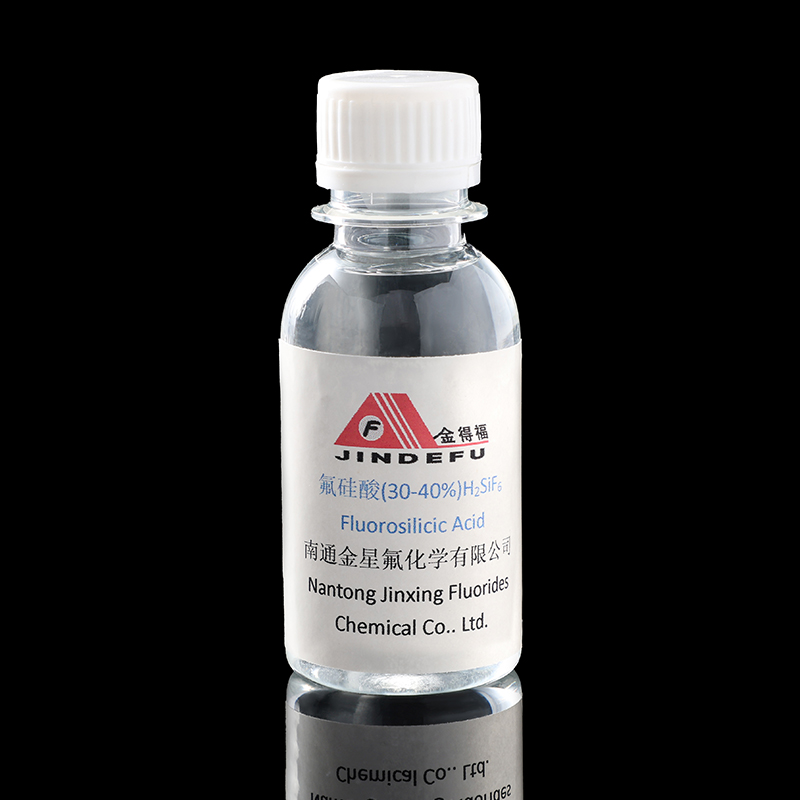
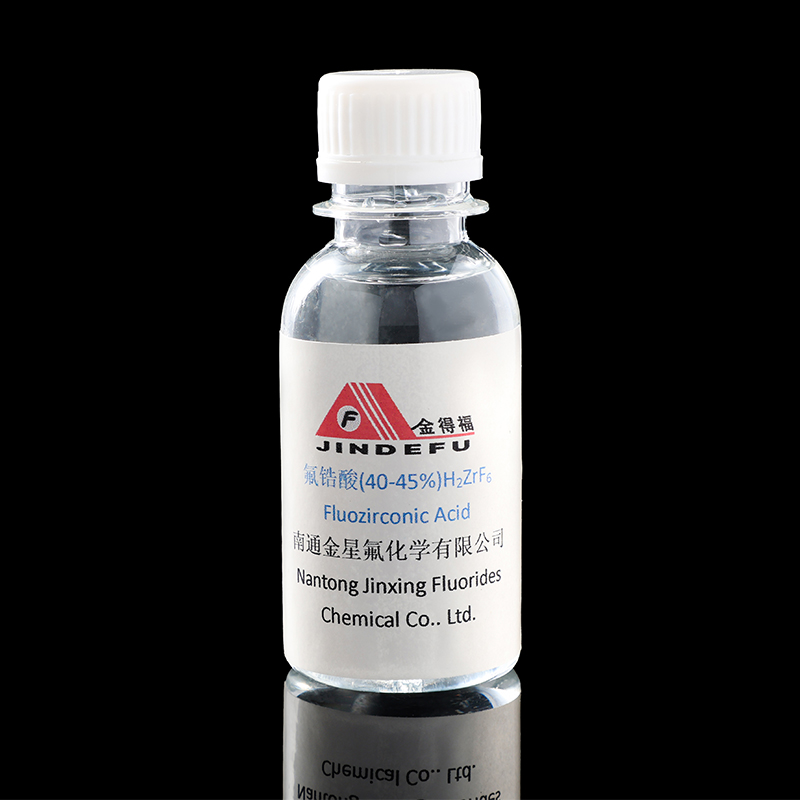 Fluorozirconic Acid 45% Liquid Zirconium SourceColorless 45% liquid acid for zirconium compounds, optical glass, and catalysts; corrosive handling and storage differ from solid fluorozirconate salts.View Product →
Fluorozirconic acid is the parent acid in the zirconium-fluoride family. Buyers who need a liquid zirconium source, or who are adjusting a reaction step before neutralization, often evaluate it alongside potassium fluorozirconate. The handling and storage requirements differ because the acid is corrosive and must be contained in suitable equipment.
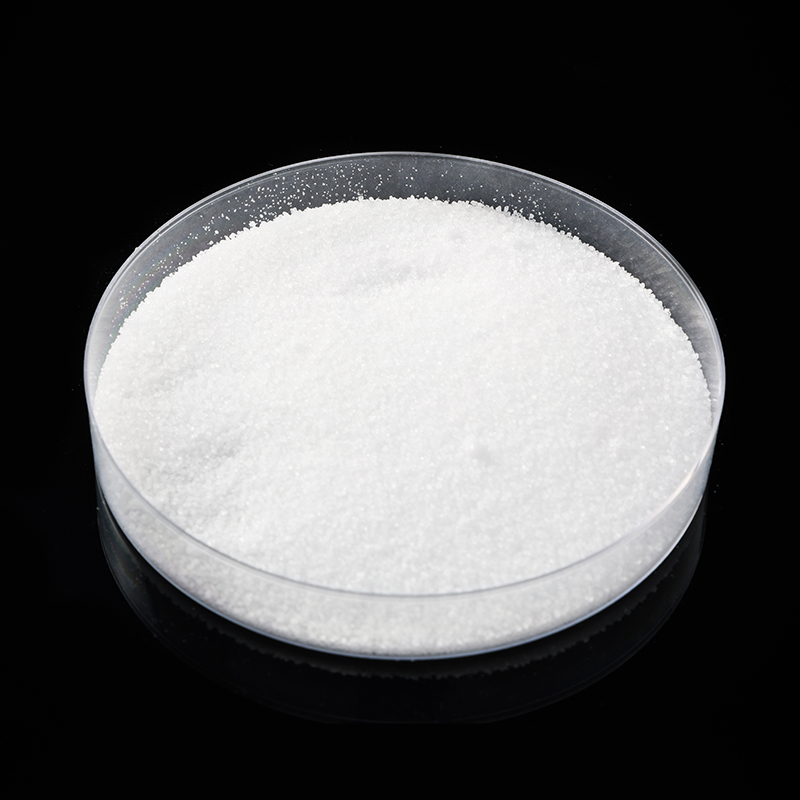
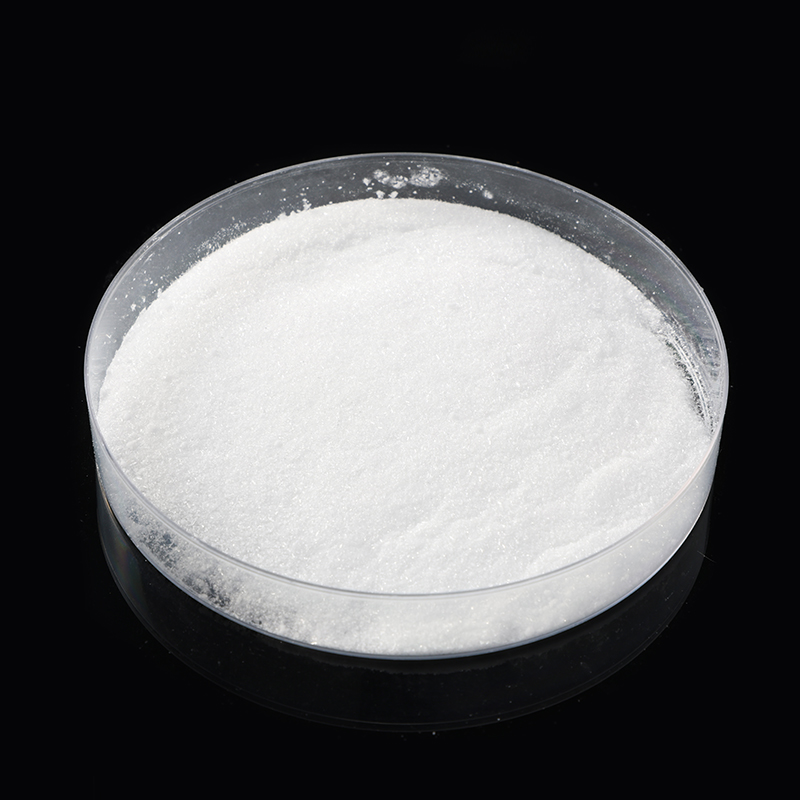
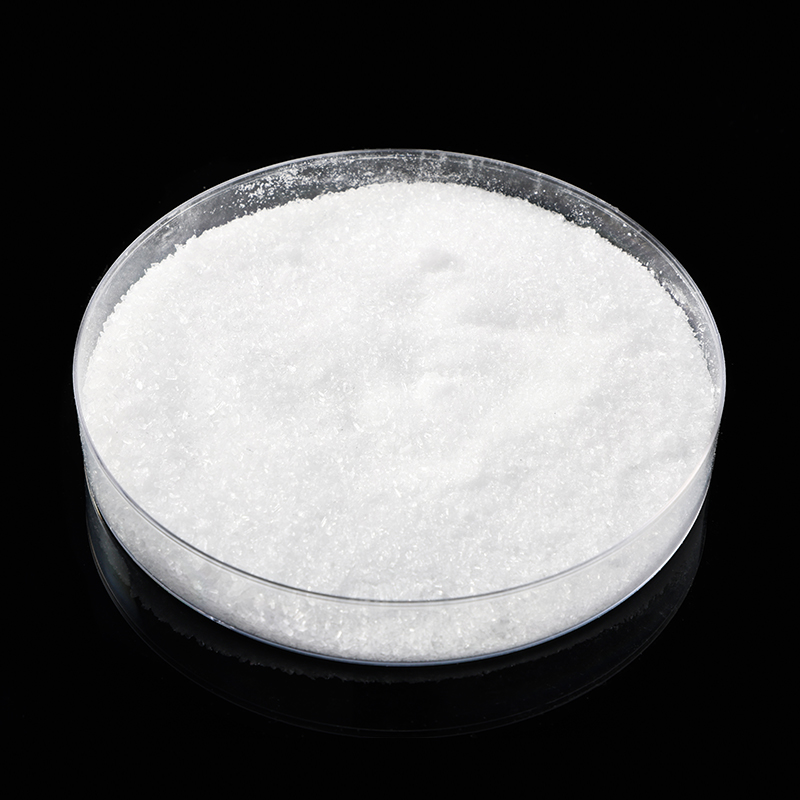 Ammonium Fluorozirconate White Crystals ≥98%Water- and alcohol-soluble white crystals for metal treatment and ceramic glazes; consider ammonium chemistry and moisture protection before use.View Product →
Ammonium fluorozirconate is another salt in the same family. It can be relevant when ammonium chemistry is acceptable or when a different solubility and thermal behavior is needed. It is not a drop-in substitute for potassium fluorozirconate; the cation affects solubility, thermal decomposition, and the way the salt behaves in a formulation.
Buyers should compare the full family—fluorozirconic acid, potassium fluorozirconate, ammonium fluorozirconate, and related zirconium salts—on the basis of the process chemistry, not only on the fluoride content. The cation and the physical form can change handling, reaction rate, and final product quality.
Potassium fluorozirconate is a small-volume industrial salt with a large specification surface. The product name identifies the chemistry, but it does not define the grade. Assay, zirconium content, moisture, chloride, sulfate, iron, heavy metals, insoluble matter, and particle size all influence whether a lot performs as expected. A buyer who writes the specification around the process, requests method-specific COAs, qualifies a sample in the real system, and compares suppliers on cost per accepted batch will usually avoid the most expensive surprises.
The next step is not a generic inquiry. It is a short specification sheet with the application, required limits, packaging preference, annual volume, and qualification requirements. That document gives the supplier something concrete to quote against and gives the buyer a basis for comparing responses. In a material like potassium fluorozirconate, clarity at the specification stage is the cheapest quality control available.
Copyright © 2023 Nantong Jinxing Fluorides Chemical Co., Ltd. All Rights Reserved.
 Custom Fluorine Chemical Suppliers