

 English
 中文简体
 Español
Home / News / Industry News / Potassium Fluoride in Food: What It Is, What It Isn't, and Why It Matters
A quality manager at a sauce plant opens a certificate of analysis and finds a line reading "potassium fluoride, 99.5%." The material is not in the recipe. It is not meant to be anywhere near the recipe. Yet that single line is often what sends people searching for what potassium fluoride is doing in food, and it is also why so much of what gets written on the subject is either misleading or simply wrong.
The short answer: potassium fluoride is not a food additive. It has no E number, no INS number, no GRAS status and no entry in China's GB 2760 standard. It is an industrial inorganic fluoride salt, formula KF, CAS 7789-23-2, used in fluorination chemistry, glass etching, brazing fluxes and metal surface treatment. The fluoride that people genuinely ingest with food comes from soil, water and growing plants, and it arrives in the body as the fluoride ion, not as potassium fluoride.
That distinction is not pedantry. It decides whether a formulation is legal, whether a shipment can be released, and whether a supplier's paperwork is describing an ingredient or a maintenance chemical that happens to share a warehouse. What follows works through the identity of the compound, the regulatory position, the real sources of dietary fluoride, and the practical questions buyers and plant teams should be asking.
When the phrase "potassium fluoride in food" appears, it is almost always one of three things: a question about fluoride in general that has been attached to the wrong chemical name; a hygiene or cross-contamination question at a facility that uses KF for etching, brazing or laboratory work; or an unsupported claim copied from one website to another. None of those three is a legitimate food-ingredient use.
The regulatory reality is consistent across markets. Potassium fluoride is absent from the European Union's list of permitted food additives in Annex II of Regulation (EC) No 1333/2008. It is absent from the Codex General Standard for Food Additives. In the United States it is neither a GRAS substance nor an approved direct food additive. In China it does not appear in GB 2760, the national standard for food additive use. There is also no meaningful commercial market for "food grade" or FCC grade potassium fluoride, because there is no application that would require one.
What does exist, and what buyers should not confuse with an ingredient, is fluoride as a naturally occurring constituent of food and water. That fluoride is measured analytically as the fluoride ion. It originates in phosphate minerals, fluorapatite rock and groundwater, moves into soils and plants, and concentrates in certain tissues and certain foods. It is not manufactured into the food chain as potassium fluoride.
A simple test settles most internal arguments: read the ingredient statement. If potassium fluoride were being used as an additive — as a preservative, an acidity regulator, a flavour agent or anything else — it would need a legal basis, and there is none. A product containing it as an intentional ingredient would be an unauthorised additive, which in most jurisdictions is a recall-level finding rather than a labelling quibble.
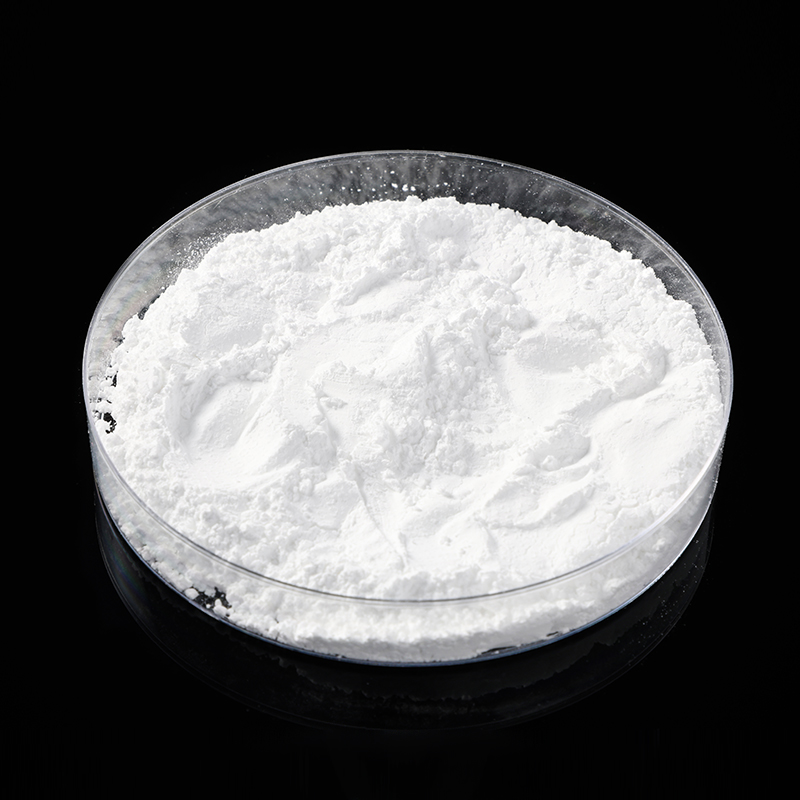
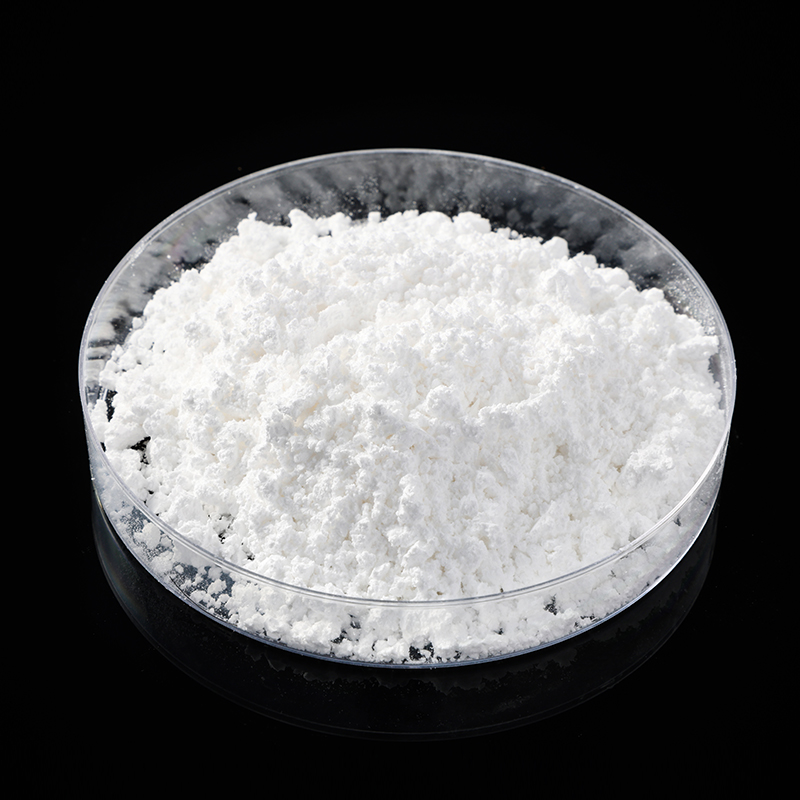
Potassium fluoride is a white, crystalline, cubic alkali halide. Its molar mass is 58.10 g/mol, and fluoride makes up roughly 32.7% of its mass — a figure worth remembering, because almost every toxicity and dosing calculation in the technical literature is expressed in terms of fluoride ion rather than the salt.
Three of those properties are enough to explain why the compound has no future as a food ingredient. First, it dissociates completely in water to potassium and fluoride ions, so any "potassium fluoride" in a moist food system is really a fluoride dose with no carrier molecule left. Second, in the presence of acid it liberates hydrogen fluoride, a far more hazardous species than the salt itself — and most foods are at least mildly acidic. Third, the fluoride ion is a strong nucleophile and a hard base; it reacts with proteins, calcium and glass alike, which is precisely why it is useful in industry and unhelpful in a recipe.
For a broader reference on how the different grades behave in handling and storage, the site's potassium fluoride properties, uses and safety guide covers the practical side in more depth.
The confusion is not random. It has a small number of identifiable sources, and each one is worth dismantling separately.
Analytical surveys report fluoride, usually in mg/kg or mg/L. A table headed "fluoride content of foods" tells you nothing about which counter-ion, if any, was present in the original sample. Fluoride in a tea leaf arrived there as fluoride taken up from soil water; it is not accompanied by a potassium atom that was added by anyone. When a writer converts "fluoride in tea" into "potassium fluoride in tea," the chemistry has been invented somewhere between the laboratory and the web page.
Where drinking water is fluoridated, the chemicals involved are typically sodium fluoride, fluorosilicic acid or sodium fluorosilicate — not potassium fluoride. That is a water treatment decision with its own regulatory framework, and it is a separate conversation from food ingredients. Mixing the two topics produces the impression that a fluoride salt is being "put into food," which is not what happens in either case.
Commercial fluoride toothpaste is built on sodium fluoride, sodium monofluorophosphate or stannous fluoride. Potassium fluoride appears occasionally in patent literature, but it is not the workhorse of the oral care aisle. A reader who spots "fluoride" on a toothpaste carton and then finds "potassium fluoride" in an industrial catalogue has connected two unrelated documents.
Some articles describe potassium fluoride as a flavour enhancer, a texture modifier or a preservative in processed food. No food regulator has ever authorised it for those purposes, and no plausible mechanism supports the claim: a compound that releases hydrogen fluoride in acidic food and binds calcium would damage texture rather than improve it. These passages tend to be recycled between sites without a citation, which is why the same sentences appear in several places.
Fluoride salts and per- and polyfluoroalkyl substances are frequently lumped together in public discussion because both contain fluorine. They behave nothing alike. Potassium fluoride is a simple inorganic salt that dissociates in water; PFAS are fluorinated organic molecules built around carbon–fluorine bonds that resist breakdown. Treating one as evidence about the other leads to conclusions that will not survive a technical review.
This is the most legitimate source of the question. A food factory may hold potassium fluoride for etching marks into glass, for a brazing operation in the maintenance workshop, or as a laboratory reagent. It then appears on a chemical register that an auditor reviews. Seeing it there is correct and expected; seeing it in a formulation sheet is not.
Dietary fluoride has two main routes: natural uptake by plants and animals from soil and water, and human intervention in drinking water or salt. The first route dominates most diets. Fluoride-bearing minerals in soil release fluoride into soil water, plants take it up, and the concentration depends heavily on species, soil type, irrigation water and the part of the plant harvested. Tea is the best-known accumulator because Camellia sinensis takes up fluoride preferentially and stores it in older leaves; seafood carries fluoride from seawater and from bone; potatoes and grapes reflect local soil and water.
| Source | Typical fluoride level | What drives the number |
|---|---|---|
| Drinking water, optimally fluoridated | 0.7 mg/L | Adjusted level; natural waters range from below 0.1 to above 5 mg/L |
| Natural mineral water | 0.1–5 mg/L | Aquifer geology; EU rules cap natural content at 5 mg/L |
| Brewed tea | 1–6 mg/L | Leaf age and grade, brewing time, water fluoride |
| Dry tea leaves | 100–400 mg/kg, higher in brick tea | Older leaves accumulate more fluoride |
| Canned fish eaten with bones | 1–5 mg/kg | Bone content of the product |
| Shellfish | 0.5–2 mg/kg | Species, shell and shell liquor |
| Raisins, grape juice, wine | 0.5–3 mg/kg in raisins; lower in wine | Concentration during drying and fermentation |
| Potatoes | 0.1–0.3 mg/kg | Soil and irrigation water |
| Fluoridated table salt | 250 mg/kg | National programme concentration |
| Mechanically separated poultry | Can reach double digits | Bone dust incorporated during separation |
A worked example makes the tea numbers concrete. Take 5 g of dry leaf at 150 mg/kg fluoride, brew it in 500 mL of water, and assume roughly 70% of the fluoride extracts. That is 5 × 0.15 = 0.75 mg in the leaf, times 0.7, giving about 0.5 mg of fluoride in the cup. Repeat that four or five times a day with strong brick tea made from older leaves at 400 mg/kg, and the daily intake from tea alone can pass 2–3 mg before any food is counted.
Water is the second lever. At 0.7 mg/L, two litres of drinking water supplies about 1.4 mg. In regions where groundwater naturally carries 3–10 mg/L — parts of the Rift Valley, northern China, India and Argentina are well documented — the same two litres can supply 6–20 mg, which is why those areas have historically recorded dental and skeletal fluorosis. Cooking concentrates the effect: boiling water down for a stew or a reduction multiplies the fluoride per gram of finished food, and a stock made with high-fluoride water is a more efficient delivery route than the water itself.
Against that background, the reference values are useful. The Adequate Intake for adults is roughly 3.1–3.8 mg per day, and the Tolerable Upper Intake Level is 10 mg per day for adults and children aged nine and above, falling to 2.2 mg for children aged four to eight and 1.3 mg for ages one to three. Those paediatric ceilings are the reason fluorosis, rather than acute toxicity, is the main public-health concern: mottling of developing enamel is a function of cumulative intake during the tooth-forming years. Most adults eating a mixed diet sit comfortably inside the range without any need to think about it.
Regulators treat fluoride in food through three separate instruments, and none of them creates a route for potassium fluoride.
The first is the food additive framework. Because potassium fluoride has no approved use, the question of a maximum level never arises. The same is true in the EU, under Codex, in the US and in China: an additive must appear on the positive list before it can be used, and KF does not.
The second is the contaminant and natural-occurrence framework. Natural mineral waters provide the clearest example. Under EU rules, the natural fluoride content of a recognised natural mineral water may not exceed 5 mg/L, and any water above 1.5 mg/L must be labelled to say so, with an explicit warning that it is not suitable for regular consumption by infants and children under seven. In the United States, bottled water standards set fluoride limits and require labelling once levels exceed 1 mg/L, while permitting fluoridated bottled water within defined ranges. These are limits on what nature put there, not permissions to add a fluoride salt.
The third is the residue framework for plant protection and fumigation. The fluoride compounds that food safety authorities actually track in commodities are agrochemicals: cryolite (sodium aluminium fluoride) used as an insecticide on certain crops, and sulfuryl fluoride used as a fumigant for stored grain, nuts and dried fruit, both with defined residue tolerances in the markets that permit them. Potassium fluoride is not a pesticide active substance and is not part of that picture.
Toxicologically, the international reference point is the acceptable daily intake for fluoride ion, long applied by the Joint FAO/WHO Expert Committee on Food Additives at 0.05 mg per kilogram of body weight per day — about 3.5 mg for a 70 kg adult. That single figure explains why dietary fluoride is managed through water and salt programmes and through labelling rather than through ingredient approvals for individual salts.
The operational conclusion for a food business is straightforward. If potassium fluoride appears in a formulation, the product cannot be sold as formulated. If it appears in a cleaning or maintenance inventory, it needs segregation, documented control and cleaning validation — a hygiene issue, handled through the same systems as any other plant chemical.
Strip away the food confusion and potassium fluoride turns out to be a genuinely useful industrial reagent, which is why it is manufactured in tonne quantities and shipped in 25 kg bags. Its value comes from three things: a small, highly polarising fluoride ion; high solubility in water and in polar aprotic solvents; and enough thermal stability to survive reactions run at 150–250 °C.
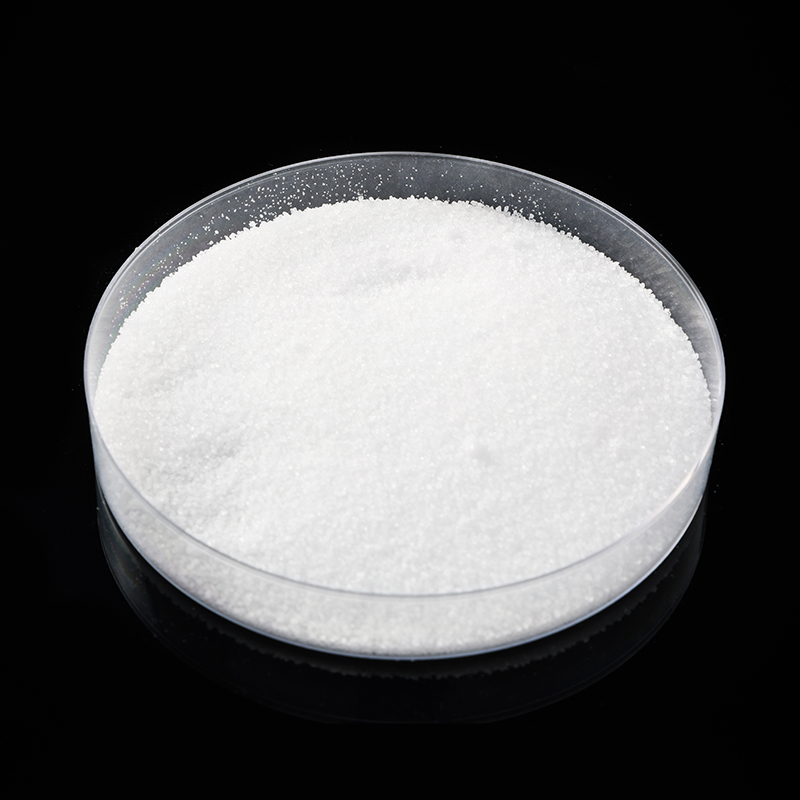 Potassium Fluoride for Fluorination and Industrial Reagent UseFor halogen-exchange fluorination, this ≥98% potassium fluoride is an industrial reagent also used in glass, electroplating and flux applications.View Product →
The largest single use is as a fluorinating agent in organic synthesis. In halogen-exchange reactions — the Halex process and its relatives — potassium fluoride converts an aromatic or aliphatic chloride or bromide into the corresponding fluoride. The reaction is typically run in a polar aprotic solvent such as sulfolane, N-methyl-2-pyrrolidone or dimethyl sulfoxide, at elevated temperature, often with a phase-transfer catalyst such as a quaternary ammonium salt or a crown ether to keep the fluoride available rather than locked in a lattice. Spray-dried KF with a controlled particle size is preferred here, because fine powders disperse faster and give more consistent conversion.
That chemistry sits upstream of a large share of modern pharmaceuticals and crop protection products, where a single fluorine atom can change metabolic stability, lipophilicity and binding affinity. It also supports fluorinated intermediates for refrigerants, specialty solvents and electronic materials — though the final products are a long way from the reactor.
Glass is the second big outlet. Mixed with sulfuric acid, potassium fluoride generates hydrogen fluoride in situ and produces the frosted, matte finish used on decorative glassware, lamp envelopes and instrument windows. Etching pastes formulated with KF are easier to control than pure HF baths, and they can be screen-printed onto selected areas. Because the same chemistry attacks glass generally, any solution containing KF must be kept in polyethylene, polypropylene or PTFE.
Brazing and soldering is the third. Aluminium heat exchangers, radiators and similar assemblies are joined with fluoride-based fluxes, and the potassium fluoroaluminate family — KAlF₄ and related compositions — is the standard for controlled-atmosphere brazing because it melts in the right window, dissolves the oxide layer and leaves little corrosive residue.
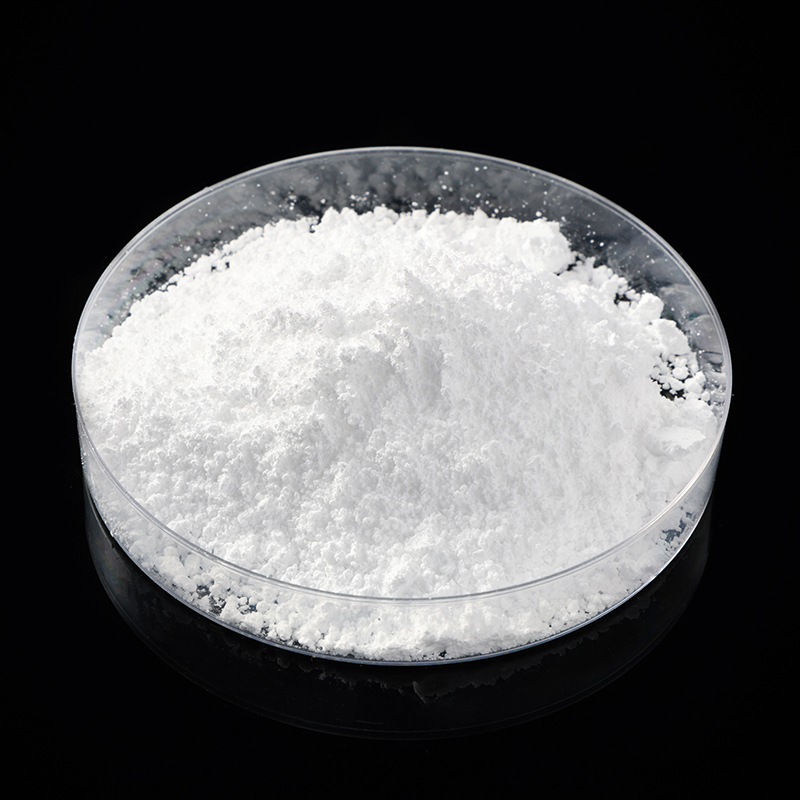 Potassium Fluoroaluminate Flux for Aluminium BrazingKAlF₄ brazing flux with Al ≥16% and a 570°C melting point, suitable for aluminium heat exchangers, automotive HVAC components and appliance assemblies.View Product →
Metal treatment accounts for a fourth group of uses: aluminium cleaning and desmutting baths, surface conditioning before coating, and pickling formulations in which fluoride activity has to be maintained at a controlled level. Potassium bifluoride is often the preferred source of that activity because it is easier to handle than anhydrous hydrogen fluoride and delivers fluoride more predictably than the simple salt in acidic systems.
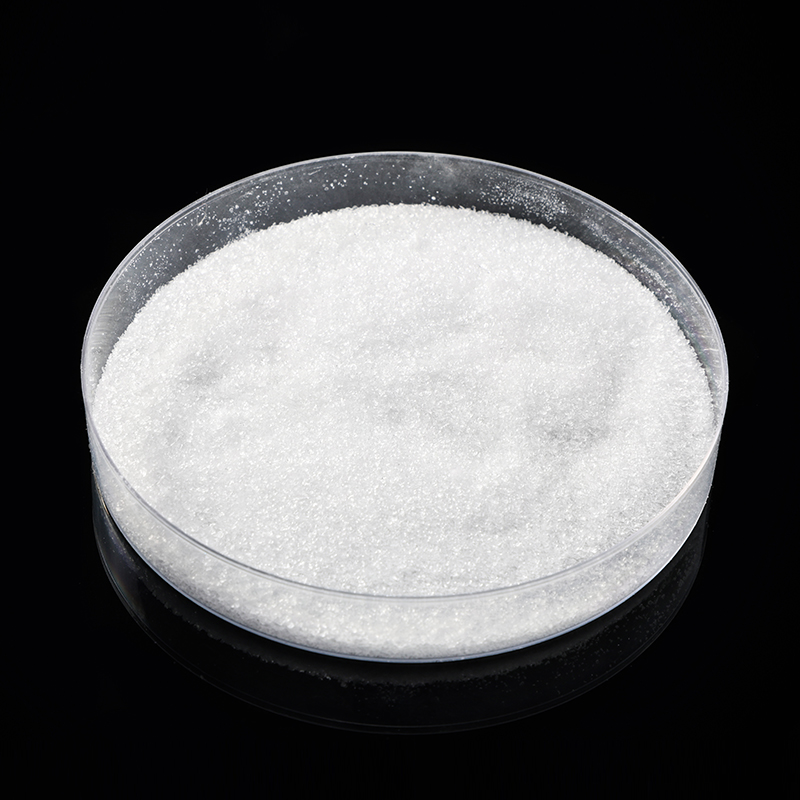 Potassium Bifluoride for Fluorine Production and Metal TreatmentKHF₂ ≥98% is used as an electrolyte for elemental fluorine, for making anhydrous HF and in metal cleaning, etching and welding flux applications.View Product →
Finally, potassium fluoride is a workhorse solid base in heterogeneous catalysis. Dispersed on alumina, it catalyses Knoevenagel condensations, Michael additions and various alkylations, and it is also used as a scavenger to capture residual HF from gas streams. For process chemists evaluating a fluorination step, the practical choice between KF, potassium bifluoride and a fluoroaluminate flux usually comes down to the acidity of the system, the water content and the temperature window rather than to cost per kilogram.
The catalytic behaviour, including the effect of drying and support selection on activity, is covered in more detail in this note on potassium fluoride as a catalyst.
Industrial grades of potassium fluoride are sold on a specification, not on a description, and the differences between suppliers usually show up in three places: moisture, particle size and the trace ion profile. Moisture matters most. Because KF is hygroscopic, a material specified at 0.1% water and delivered at 0.5% behaves differently in a Halex reactor — it cakes in the feeder, generates small amounts of HF on contact with any acid impurity, and shifts the weighed stoichiometry. Buyers who ignore the moisture line on a certificate of analysis tend to discover the problem at the reactor, not at the loading dock.
| Parameter | Typical commercial range | Why it matters |
|---|---|---|
| Assay as KF | 99.0% minimum; 99.5–99.9% for high-purity grades | Stoichiometry and dose accuracy in fluorination |
| Moisture | 0.1–0.5% maximum | Caking, feeding reliability, HF formation |
| Chloride | 0.02–0.1% maximum | Corrosion and competing halide in exchange reactions |
| Sulfate | 0.02–0.05% maximum | Side reactions; optical and electronic applications |
| Silica | 0.05–0.2% maximum | Residue build-up in etching baths |
| Iron | 5–50 ppm | Colour in glass work; catalyst poisoning |
| Heavy metals as lead | 10 ppm maximum on higher grades | Synthesis of pharmaceutical intermediates |
| Particle size | 50–300 µm, or customer-specified | Dissolution rate versus dust generation |
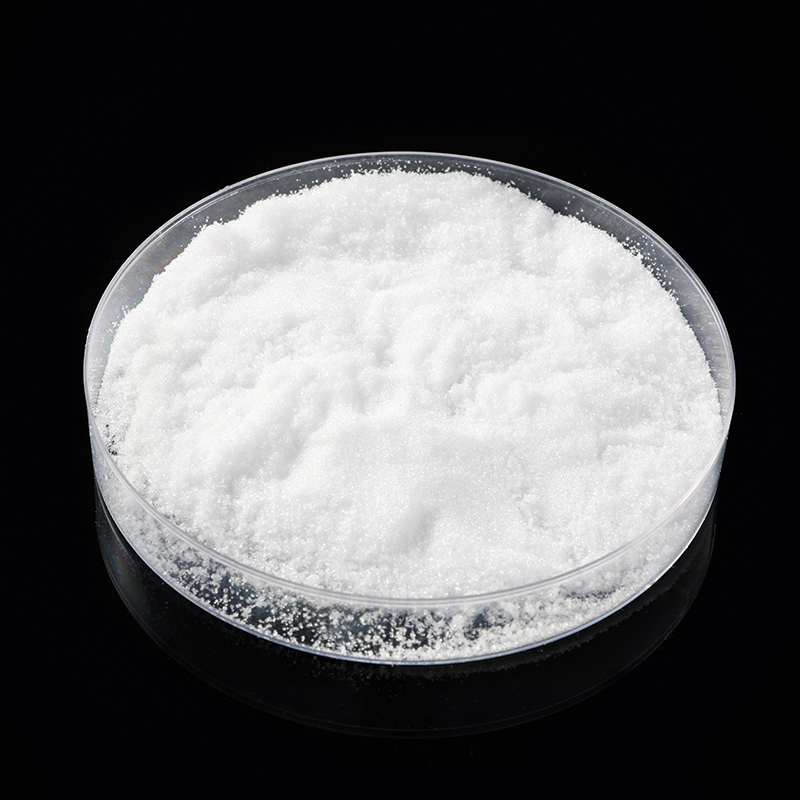
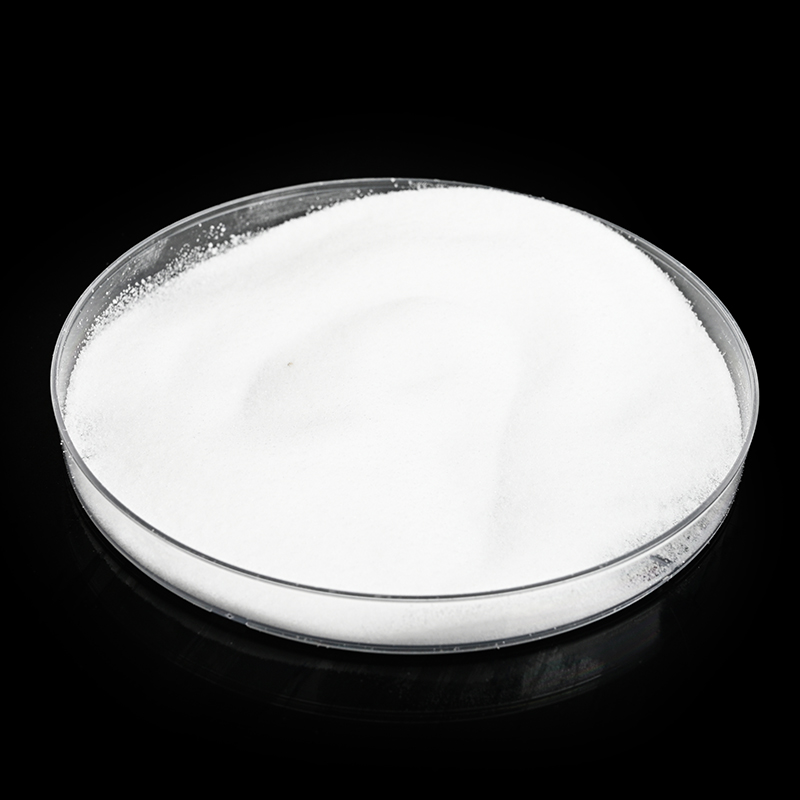
| Appearance | White crystalline powder or granules | Visual release check; discolouration signals contamination |
Packaging follows the same logic. Standard presentations are 25 kg polyethylene-lined woven bags, 25 or 50 kg fibre drums, and 1000 kg jumbo bags on pallets. Whatever the format, the inner liner has to be intact and the pallet stretch-wrapped, because a bag that has drawn moisture in transit will show up as lumps at the hopper. Storage should be dry, cool, away from acids, and physically separated from food, feed and food-contact packaging. Keeping KF in glass or unprotected steel is a mistake; polyethylene or polypropylene containers with secondary containment are the norm.
Logistics carry their own constraints. Potassium fluoride is UN 1812, Class 6.1, packing group III, so it travels as a toxic solid and requires the corresponding documentation and marking. If a truck or container has previously carried KF, it must not be reloaded with food or food-contact materials without a documented cleaning step that is acceptable to the receiving quality team — a point that shows up regularly in supplier audits.
On the analytical side, a credible certificate of analysis reports assay by titration or ion-selective electrode, chloride by argentometric titration, sulfate by turbidimetry or ion chromatography, iron by colorimetry or ICP, and moisture by Karl Fischer or loss on drying. Requesting the actual test method, not just the number, is the fastest way to compare two suppliers who both claim 99%. Sampling deserves a note too: because the material is hygroscopic, samples should be taken quickly, sealed immediately, and analysed promptly, or the moisture result will drift upward and the batch will look worse than it is.
Potassium fluoride is classified under EU CLP as toxic if swallowed (H301) with serious eye irritation and respiratory irritation, and the oral LD₅₀ in rats is reported at around 245 mg/kg. Those headline numbers are less useful than the fluoride arithmetic. With 32.7% fluoride by mass and a probably toxic dose of about 5 mg of fluoride per kilogram of body weight, a 70 kg adult reaches the threshold at roughly 350 mg of fluoride — around 1.1 g of potassium fluoride. That is a small spoonful of powder, not an industrial quantity, which is exactly why the material is kept out of production areas and away from anything that could be mistaken for an ingredient.
The acid reaction is the other risk that gets underestimated. Any contact between KF and an acidic cleaning agent, an acidic food residue or even a mildly acidic process stream will liberate hydrogen fluoride, which is far more aggressive than the salt: it burns skin slowly and without immediate pain, and it attacks bone and nerve tissue by binding calcium. Clean-up procedures should therefore specify alkaline or neutral absorbents — lime, soda ash, sand — never an acid-based cleaner, and spill kits should include calcium gluconate gel as a first-aid item alongside the usual PPE.
Controls in a food-adjacent facility follow a familiar pattern, but they need to be explicit because the material is unusual there:
Environmentally, fluoride is manageable but not free. Effluent containing fluoride is normally treated by precipitation with calcium hydroxide or calcium chloride to form calcium fluoride, followed by clarification, and discharge permits in most industrialised markets set limits in the 10–20 mg/L range depending on the receiving water. A plant that etches glass or runs fluoride-bearing baths should be able to show its precipitation records, its sludge disposal route and its monitoring frequency — the same evidence a customer audit will eventually ask for.
The practical value of getting this distinction right runs in two directions. Food businesses avoid a compliance problem that never needed to exist, and industrial buyers get a clearer picture of what potassium fluoride is genuinely good at — fluorination chemistry, glass etching, brazing fluxes, metal treatment and solid-base catalysis, all of which depend on the same reactivity that makes the compound unsuitable for anything edible. A manufacturer that produces the potassium fluoride, potassium bifluoride and potassium fluoroaluminate families can usually tell within a few questions which of those the customer actually needs, and which of them has simply been mislabelled somewhere upstream.
Copyright © 2023 Nantong Jinxing Fluorides Chemical Co., Ltd. All Rights Reserved.
 Custom Fluorine Chemical Suppliers