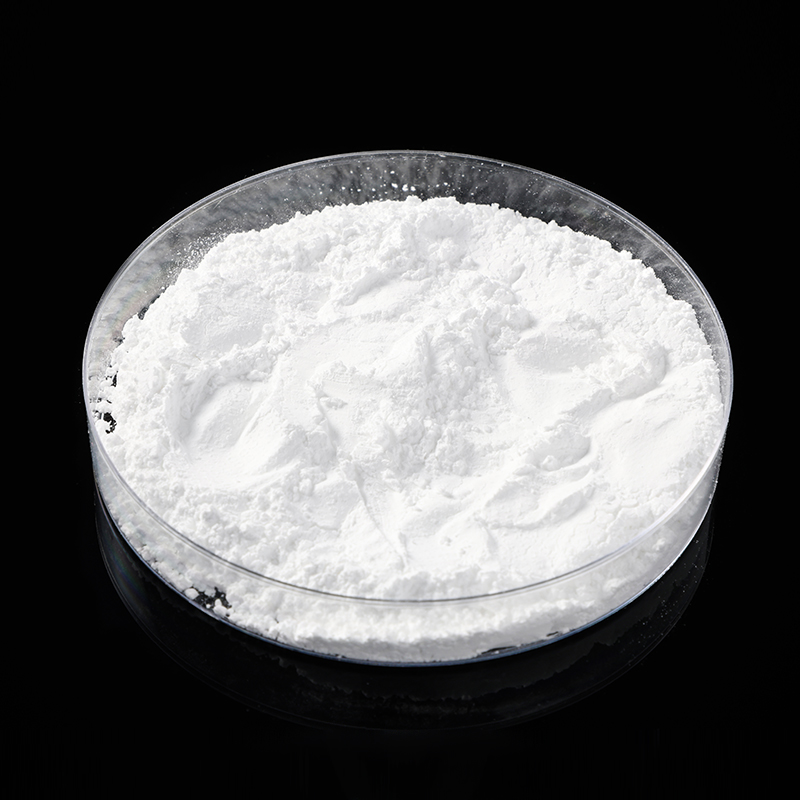
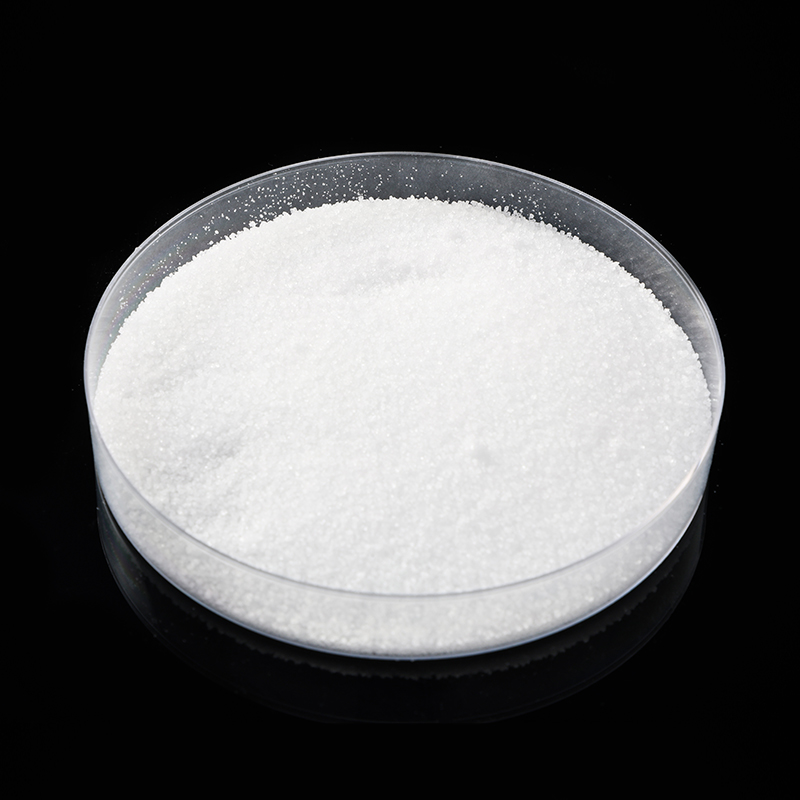
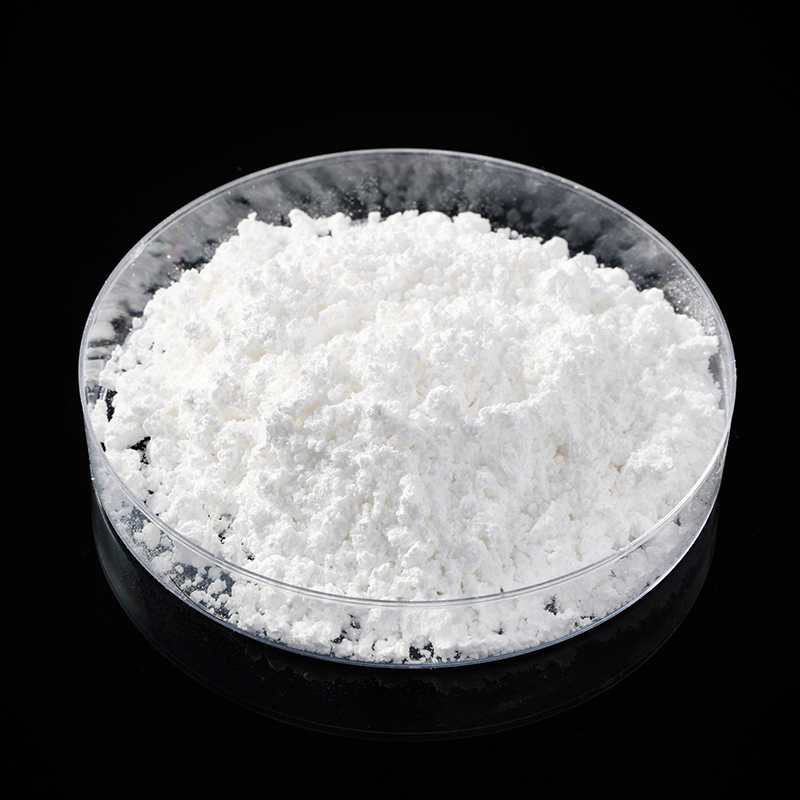
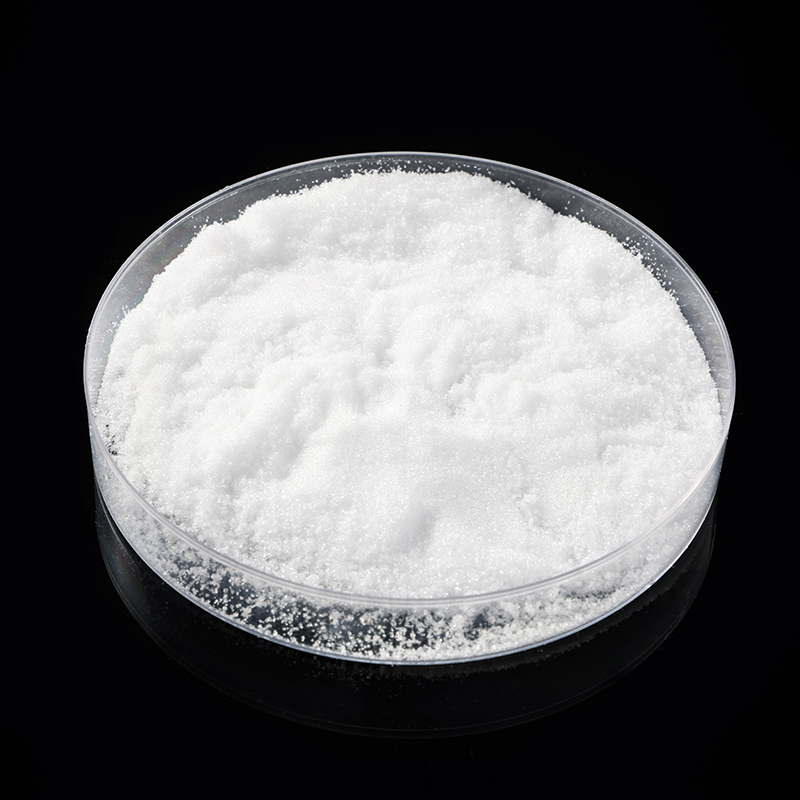
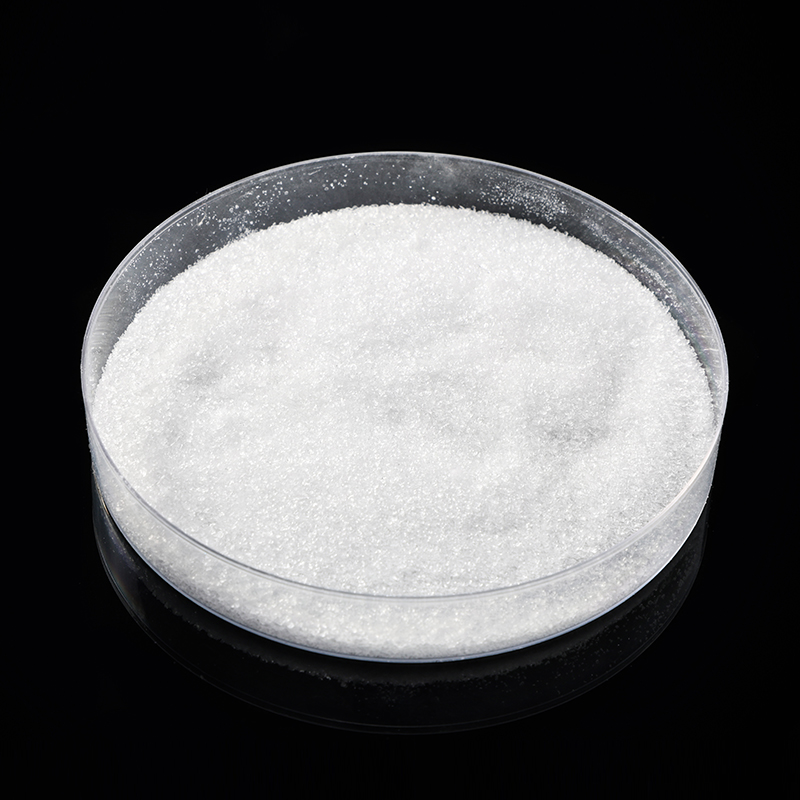
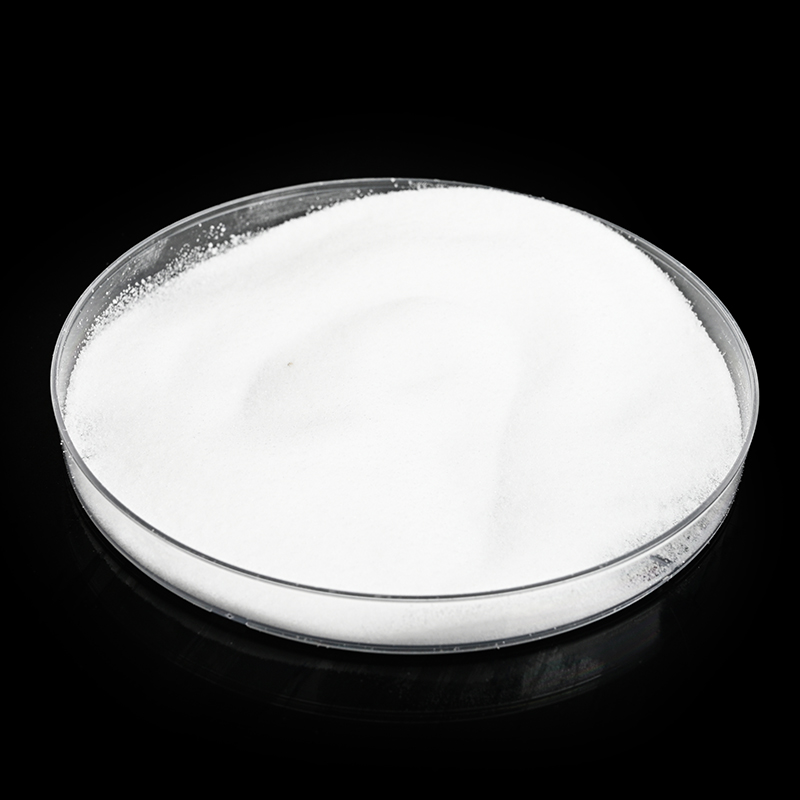
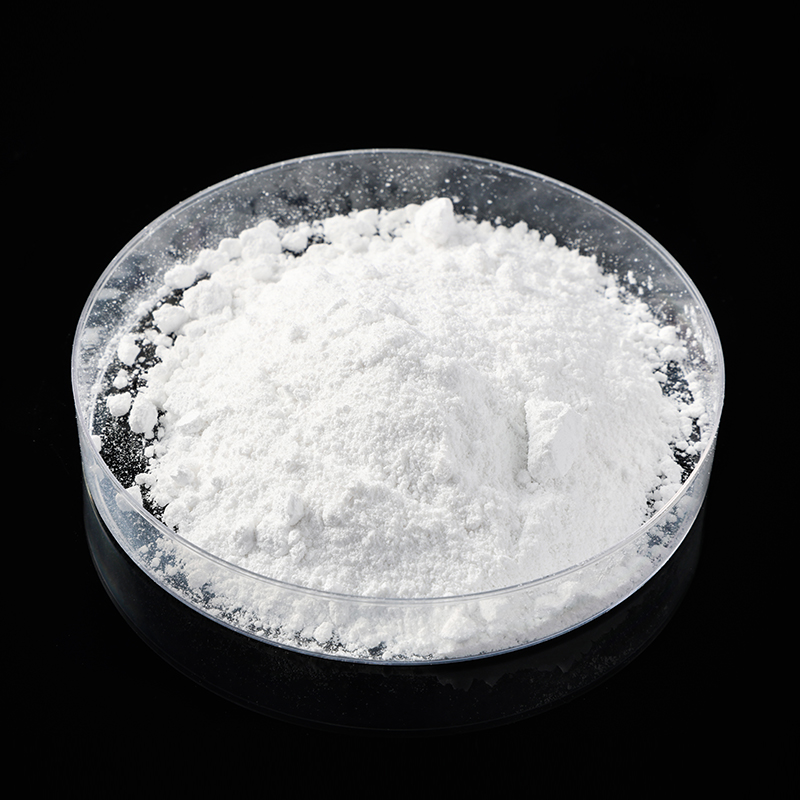
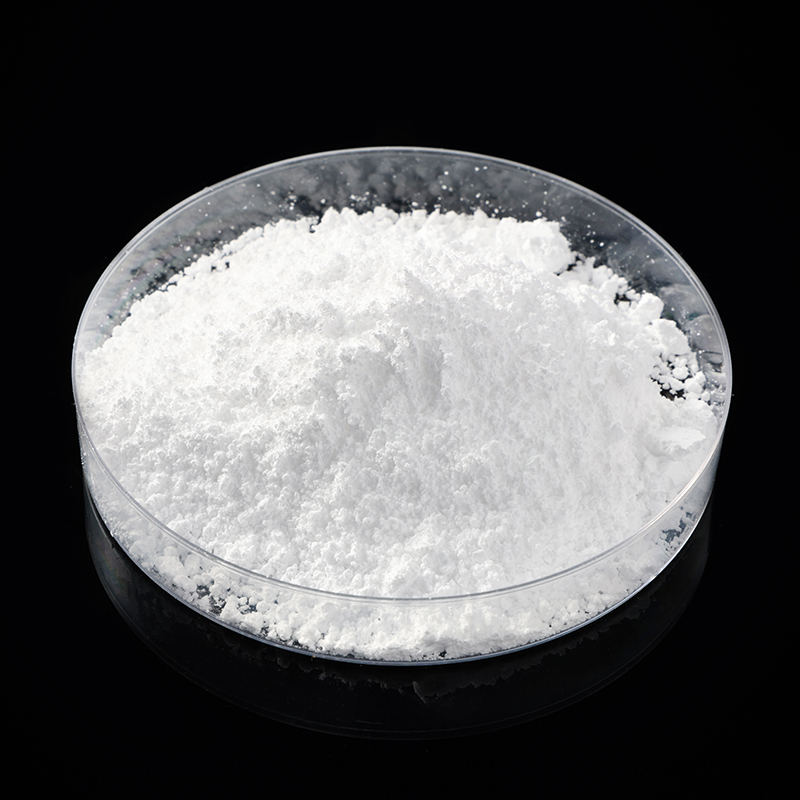
The formula for lithium fluoride is LiF. This is simultaneously the simplest possible ionic compound formula and one of the most instructive examples in introductory chemistry for understanding how ionic charges determine compound formulas. The formula LiF represents a one-to-one ratio of lithium ions to fluoride ions, because lithium forms a cation with a charge of plus one (Li+) and fluorine forms an anion with a charge of minus one (F-). When a plus-one cation combines with a minus-one anion, one ion of each is needed to achieve electrical neutrality in the compound, producing the 1:1 formula ratio written as LiF.
The lithium fluoride compound formula LiF is not simply an abbreviation for the name. It is a precise chemical statement that encodes the elemental composition, the ratio of constituent atoms, and by extension the compound's structure and many of its properties. Every aspect of the formula for lithium fluoride can be derived systematically from first principles of ionic bonding and electronegativity, which is why LiF is used so frequently as a teaching example in general chemistry courses.
What is the formula for lithium fluoride in terms of full name and synonyms? The compound is also known by several systematic and common names: lithium fluoride (the most common name), lithium(I) fluoride (distinguishing the +1 oxidation state when needed), and LiF (the standard chemical abbreviation used in scientific literature, material safety data sheets, and industrial specifications). The CAS registry number for lithium fluoride is 7789-24-4, which uniquely identifies it in chemical databases worldwide.
Understanding how the lithium fluoride compound formula LiF is derived from the electronic structures of its constituent elements is the foundation for understanding why the compound has the properties it does and why the 1:1 ratio is the only formula consistent with a stable, electrically neutral ionic solid.
Lithium (Li) is element number 3 in the periodic table, with an atomic number of 3 and an electron configuration of 1s2 2s1 in its neutral atomic state. The outermost (valence) electron shell of lithium contains a single electron in the 2s orbital. This single valence electron is relatively loosely held because:
The ionization energy of lithium (the energy required to remove this outermost electron) is 520 kJ/mol, the lowest among all elements except the other alkali metals. This low ionization energy means lithium readily loses its valence electron to become Li+, a cation with charge of plus one, in chemical reactions with electronegative elements. This tendency to form a +1 cation is lithium's dominant chemical behavior and the foundation of the lithium fluoride compound formula.
Fluorine (F) is element number 9, with an electron configuration of 1s2 2s2 2p5 in its neutral atomic state. The outermost shell of fluorine contains seven electrons, one electron short of the stable eight-electron (octet) configuration that corresponds to the electron arrangement of neon. Fluorine is the most electronegative element in the entire periodic table, with a Pauling electronegativity value of 3.98, meaning it has the strongest tendency of any element to attract electrons toward itself in chemical bonds.
When fluorine gains one electron to complete its octet, it becomes the fluoride anion F-, with a charge of minus one and the electron configuration 1s2 2s2 2p6, identical to neon. The electron affinity of fluorine (the energy released when it gains one electron) is 328 kJ/mol, one of the highest electron affinities among all elements. This strong electron-gaining tendency makes fluorine an ideal partner for lithium's electron-losing tendency, which is why the reaction between elemental lithium and fluorine gas to form lithium fluoride is highly thermodynamically favorable, releasing approximately 617 kJ/mol of energy.
The formula for lithium fluoride must result in electrical neutrality: the total positive charge from the lithium ions must exactly balance the total negative charge from the fluoride ions. Since Li+ carries a charge of +1 and F- carries a charge of minus 1, one Li+ perfectly balances one F-, making the formula LiF (1:1 ratio) the only composition that achieves charge neutrality. This can be verified by the cross-multiplication method used in general chemistry:
If lithium formed a 2+ cation (which it does not under normal conditions, as losing the second electron from the filled 1s2 core requires an enormous energy input of 7,298 kJ/mol), the formula would be LiF2. If fluorine formed a 2- anion (which it also does not, as it already completes its octet with one electron), the formula would be Li2F. Neither of these is the correct lithium fluoride compound formula because neither Li2+ nor F2- are stable species under chemically accessible conditions.
The bond in lithium fluoride is ionic: it results from the electrostatic attraction between the positively charged Li+ cation and the negatively charged F- anion. This is not a covalent bond where electrons are shared between atoms. Instead, the electron has been effectively transferred from lithium to fluorine, creating two oppositely charged ions that attract each other electrostatically.
The strength of this ionic bond in lithium fluoride is measured by the lattice energy: the energy required to completely separate one mole of solid lithium fluoride into its constituent gaseous ions (Li+ and F-). The lattice energy of lithium fluoride is approximately 1,037 kJ/mol, which is the highest lattice energy among all alkali metal fluorides and among the highest of any binary ionic compound. This exceptionally high lattice energy reflects two factors: the small size of both the Li+ ion (ionic radius 0.76 Angstroms) and the F- ion (ionic radius 1.33 Angstroms), which allows them to approach each other very closely and maximizes the electrostatic attraction; and the single charge on each ion, which while lower than multiply charged ions keeps the coulombic attraction straightforward in the 1:1 compound.
The physical properties of lithium fluoride follow predictably from the strong ionic bonding described by the formula LiF and the small size of its constituent ions. Many of these properties are unusual or extreme among ionic compounds, making lithium fluoride scientifically interesting and commercially valuable for specific applications where no other material performs equivalently.
Lithium fluoride melts at 848 degrees Celsius (1,118 Kelvin or 1,558 degrees Fahrenheit). This relatively high melting point for a 1:1 ionic compound reflects the strong lattice energy that holds the Li+ and F- ions in their crystalline arrangement. Overcoming the lattice forces to convert solid LiF to liquid LiF requires substantial thermal energy input.
The boiling point of lithium fluoride is 1,676 degrees Celsius, giving a liquid range of approximately 828 degrees Celsius between melting and boiling. This wide liquid range is relevant to nuclear technology applications where lithium fluoride in molten salt mixtures must remain liquid across a wide operational temperature range. Lithium fluoride is thermally stable up to its boiling point under inert atmosphere and does not decompose under normal heating conditions, which distinguishes it from many organic compounds and even some inorganic salts that decompose before melting.
Lithium fluoride crystallizes in the rock salt (NaCl) crystal structure, named after sodium chloride which adopts the same geometric arrangement. In this structure:
The small lattice parameter of lithium fluoride compared to other alkali metal fluorides (NaF: 4.634 Angstroms, KF: 5.347 Angstroms) reflects the small ionic radii of Li+ and F- and produces the high lattice energy, high melting point, and high hardness (3.3 on the Mohs scale) that characterize this compound.
The density of lithium fluoride is 2.635 g/cm3 at room temperature, relatively low for an ionic compound because despite its strong bonding, the small ionic masses of lithium (6.941 g/mol) and fluorine (18.998 g/mol) result in a low molecular weight of 25.94 g/mol for the LiF formula unit.
Lithium fluoride has the lowest solubility in water among all the alkali metal fluorides, approximately 2.7 grams per 100 mL of water at 20 degrees Celsius. This relatively low solubility (compared to NaF at 4.2 g/100 mL or KF at 92.3 g/100 mL) reflects the high lattice energy of LiF: the energy required to pull Li+ and F- ions from the crystal lattice is greater relative to the hydration energy gained by surrounding these ions with water molecules than is the case for larger alkali metal fluorides with lower lattice energies.
One of the most technologically important physical properties of lithium fluoride is its remarkable optical transparency range. Lithium fluoride crystals are transparent to electromagnetic radiation from approximately 0.12 micrometers (deep ultraviolet, UV) through approximately 8 micrometers (mid-infrared, IR), one of the widest transparency windows of any optical material. This exceptional range extends further into the ultraviolet than any other commonly used optical crystal, making single-crystal LiF windows and lenses irreplaceable in specific deep-UV optical applications.
| Property | Value | Significance |
|---|---|---|
| Molecular formula | LiF | 1:1 Li+ to F- ionic ratio |
| Molar mass | 25.94 g/mol | Lowest molar mass among alkali fluorides |
| Melting point | 848 degrees Celsius | High thermal stability for industrial use |
| Boiling point | 1,676 degrees Celsius | Wide liquid range for molten salt applications |
| Density | 2.635 g/cm3 | Low density for an ionic solid |
| Crystal structure | Rock salt (NaCl type, FCC) | Standard ionic halide structure |
| Lattice energy | 1,037 kJ/mol | Highest among alkali metal fluorides |
| Solubility in water (20°C) | 2.7 g per 100 mL | Lowest solubility among alkali fluorides |
| Optical transparency range | 0.12 to 8 micrometers | Widest UV-to-IR window of common optical crystals |
| Refractive index at 589 nm | 1.3915 | Low refractive index reduces reflection losses |
| Hardness (Mohs scale) | 3.3 | Moderate; crystals are somewhat brittle |
The chemical properties of lithium fluoride follow from the extreme electronegativity of fluorine and the strongly ionic character of the Li-F bond. LiF is chemically quite stable but reacts in specific ways with water, acids, and at elevated temperatures with certain materials, and understanding these reactions is important for safe handling and industrial processing.
When lithium fluoride dissolves in water, it dissociates into its constituent ions:
LiF (solid) yields Li+ (aqueous) and F- (aqueous)
The dissolution is endothermic: energy must be supplied to overcome the high lattice energy of LiF, and the hydration energy of the relatively small Li+ and F- ions does not fully compensate for the lattice energy cost. This endothermic dissolution is the thermodynamic explanation for LiF's relatively low solubility compared to other alkali metal fluorides.
The fluoride ion in aqueous solution undergoes slight hydrolysis to produce hydrofluoric acid (HF) and hydroxide ions in very dilute concentrations:
F- (aqueous) + H2O yields HF (aqueous) + OH- (aqueous)
This reaction is not extensive because HF, while weak as an acid, is not fully dissociated in water, and the equilibrium constant for the above reaction is small. However, it does mean that concentrated LiF solutions are slightly basic rather than perfectly neutral, and the presence of any HF contributes the well-known toxicity and corrosivity hazard of fluoride solutions.
Lithium fluoride reacts with strong non-oxidizing acids to produce the corresponding lithium salt and release hydrofluoric acid gas or solution. The most common example is reaction with sulfuric acid:
2 LiF + H2SO4 yields Li2SO4 + 2 HF
This reaction is significant industrially as one method for producing hydrofluoric acid, and is also significant from a safety standpoint: lithium fluoride stored near strong acids can generate HF gas, which is acutely toxic and causes severe chemical burns. Storage and handling protocols for lithium fluoride must address the risk of acid contact that would generate HF.
Lithium fluoride does not decompose thermally below its boiling point under normal conditions. Above 1,676 degrees Celsius it converts to gaseous LiF molecules. At extremely high temperatures under vacuum or reducing conditions, some disproportionation can occur, but under the temperature ranges of practical applications (up to approximately 700 to 800 degrees Celsius for most uses), lithium fluoride is stable and does not undergo significant decomposition.
In the presence of moisture at elevated temperatures, lithium fluoride can slowly hydrolyze:
2 LiF + H2O (steam) yields Li2O + 2 HF (gas)
This reaction is relevant in high-temperature processing environments where traces of moisture can cause lithium fluoride-containing ceramics or glass compositions to generate corrosive HF vapor, which is a consideration in furnace design and material processing protocols.
| Compound | Formula | Melting Point (°C) | Lattice Energy (kJ/mol) | Solubility in Water |
|---|---|---|---|---|
| Lithium fluoride | LiF | 848 | 1,037 | 2.7 g/100 mL |
| Sodium fluoride | NaF | 993 | 923 | 4.2 g/100 mL |
| Potassium fluoride | KF | 858 | 821 | 92.3 g/100 mL |
| Rubidium fluoride | RbF | 795 | 785 | 130.6 g/100 mL |
| Caesium fluoride | CsF | 682 | 750 | 573 g/100 mL |
The table reveals clear trends that illustrate the relationship between ionic size and compound properties. As the alkali metal cation increases in size from Li+ to Cs+, the lattice energy decreases because the larger ions cannot approach the fluoride ion as closely, reducing the electrostatic attraction. Lower lattice energy means less energy must be supplied to dissolve the compound in water (the hydration energy of the larger ions also decreases, but by less than the lattice energy), resulting in dramatically higher solubility from LiF to CsF. The melting point trend is less regular because of additional factors including the coordination geometry preferences of the different cation sizes.
Lithium fluoride plays a uniquely important role in nuclear technology that no other simple ionic compound can replicate. This role stems from the combination of the lithium fluoride compound formula's properties with the specific nuclear characteristics of its constituent isotopes, making LiF the central component of certain advanced nuclear reactor designs and isotope production processes.
The Molten Salt Reactor (MSR) concept, first demonstrated at Oak Ridge National Laboratory in the 1960s with the Molten Salt Reactor Experiment (MSRE), uses a mixture of fluoride salts as both the nuclear fuel carrier and the primary coolant. The most studied MSR coolant composition is FLiBe, a mixture of LiF and BeF2 in a approximately 2:1 molar ratio, which has a melting point of approximately 459 degrees Celsius and remains liquid at the operating temperatures of a practical reactor.
Lithium fluoride contributes several critical properties to this nuclear application:
The tritium breeding reaction that makes lithium fluoride important in fusion reactor concepts involves Li-6:
Li-6 + neutron yields tritium (H-3) + helium (He-4)
This reaction, with its high cross-section for thermal neutrons, makes Li-6 enriched lithium fluoride the preferred tritium breeding material in proposed deuterium-tritium fusion reactors. The lithium fluoride blanket surrounding the fusion plasma absorbs neutrons from the fusion reaction and generates the tritium fuel required to sustain the fusion process. This application requires Li-6 enriched LiF (opposite to the fission reactor case where Li-7 enrichment is preferred), demonstrating that the isotopic composition of lithium is as important as the formula for lithium fluoride in specifying material for nuclear applications.
The optical properties of lithium fluoride, particularly its exceptional UV transparency and low refractive index, have established it as an irreplaceable material in scientific instrumentation and industrial optics for applications that no other material can address.
The vacuum ultraviolet (VUV) spectral region from approximately 100 to 200 nm is challenging for optical materials because most crystalline and glass materials become opaque in this range. Lithium fluoride transmits down to approximately 120 nm, the shortest wavelength transmission of any practical optical window material, making it the only choice for windows, lenses, and prisms in deep UV spectroscopy, photolithography, and synchrotron radiation experiments that access this spectral region.
Single crystal LiF windows are used in:
The highly regular crystal structure of lithium fluoride, with its precisely known lattice parameter of 4.027 Angstroms, makes LiF crystals useful as monochromator and analyzer crystals in X-ray diffraction and X-ray spectroscopy. In wavelength-dispersive X-ray fluorescence (WDXRF) analysis, the LiF(200) crystal plane spacing of 2.014 Angstroms allows it to diffract X-rays in the wavelength range corresponding to characteristic emission from elements approximately from titanium through molybdenum in the periodic table, covering an important analytical range for elemental analysis of metals, alloys, and geological samples.
Lithium fluoride doped with magnesium and titanium impurities (LiF:Mg,Ti, sold commercially as TLD-100) is the most widely used material in thermoluminescent dosimetry (TLD), the measurement of radiation dose for radiation protection and medical physics applications. When lithium fluoride crystals absorb ionizing radiation (gamma rays, X-rays, or charged particles), the radiation energy promotes electrons from the crystal's valence band into trapped states at the impurity defect sites. When the crystal is subsequently heated to approximately 220 to 300 degrees Celsius, these trapped electrons are released and produce a characteristic burst of visible light (thermoluminescence) whose intensity is proportional to the absorbed radiation dose. TLD-100 lithium fluoride dosimeters can measure doses from approximately 10 microsieverts to 10 sieverts, covering the full range of clinically and occupationally relevant radiation exposures, making them the standard personal dosimeter for radiation workers, radiotherapy patients, and radiation safety personnel worldwide.
Beyond its nuclear and optical applications, lithium fluoride is an important industrial chemical used in ceramics, glass, metallurgy, and specialty chemical synthesis. Its roles in these applications again trace directly to the properties dictated by the lithium fluoride compound formula LiF and the chemistry of its constituent ions.
Lithium fluoride is used as a fluxing agent in glass and enamel compositions, where it lowers the melting temperature of the glass batch, reduces melt viscosity, and improves the flow and surface quality of the melt. The fluoride ion disrupts the silicate network of conventional glass compositions by replacing some oxygen bridging bonds (Si-O-Si) with silicon-fluorine bonds (Si-F), which reduces network connectivity and lowers viscosity. Simultaneously, the Li+ ion has a high field strength due to its small size and single charge, which modifies the glass network structure in ways that improve certain properties including thermal shock resistance and refractive index characteristics.
In enamel compositions for sanitary ware (bathtubs, sinks), appliances, and cookware, lithium fluoride contributes to the formation of smooth, glossy surfaces with good adhesion to the underlying metal substrate. Additions of 0.5% to 3% LiF in enamel batch compositions can reduce firing temperatures by 50 to 100 degrees Celsius compared to equivalent enamel formulations without lithium fluoride, reducing energy consumption in enamel kilns and enabling the use of lower-temperature firing equipment.
The Hall-Heroult electrolytic process for primary aluminum production uses molten cryolite (Na3AlF6) as the electrolyte bath in which alumina (Al2O3) dissolves and is electrolytically reduced to aluminum metal. Lithium fluoride is added to the cryolite bath in concentrations of approximately 2% to 4% to modify the bath properties in ways that improve the efficiency of the electrolysis:
Lithium fluoride is a component of fluoride-based brazing fluxes used to join aluminum alloys and certain stainless steel grades. Fluoride flux systems for aluminum brazing (NOCOLOK-type and similar flux compositions) contain mixtures of potassium tetrafluoroaluminate (KAlF4) and potassium pentafluoroaluminate (K2AlF5), often with LiF additions that modify the flux melting range and wetting behavior. The fluoride ions in these fluxes remove the aluminum oxide surface layer that otherwise prevents liquid brazing filler metal from wetting and bonding to the aluminum base material.
While lithium fluoride is an ionic solid with generally lower acute toxicity than many fluorine compounds, it requires careful handling because both lithium and fluoride ions are physiologically active at elevated concentrations. Understanding the safety profile of lithium fluoride is essential for laboratory and industrial users.
The toxicity of lithium fluoride derives from both its constituent ions. The fluoride ion (F-) is toxic at elevated systemic concentrations, inhibiting certain enzymes including enolase in glycolysis and causing disruption of calcium and magnesium homeostasis. Chronic low-level fluoride exposure causes skeletal and dental fluorosis. Acute high-dose fluoride exposure causes hypocalcemia (dangerously low blood calcium), cardiac arrhythmias, and can be fatal in severe cases. The lithium ion (Li+) at elevated plasma concentrations causes neurological effects including tremor, coordination problems, and at very high concentrations seizures and cardiac toxicity. Lithium is used therapeutically at carefully controlled blood concentrations for bipolar disorder management, but the therapeutic window is narrow.
The oral LD50 (lethal dose for 50% of test animals) of lithium fluoride in rats is approximately 143 mg/kg body weight, classifying it as acutely toxic by ingestion under GHS classification. This value is lower than table salt (NaCl, LD50 approximately 3,000 mg/kg) or sodium fluoride (LD50 approximately 52 mg/kg for reference), placing LiF in a moderate acute toxicity category that requires appropriate precautions.
Lithium fluoride is produced commercially through several synthetic routes, each suited to different scale, purity requirements, and available raw materials. Understanding these production methods helps procurement teams evaluate supplier capabilities and understand the basis for purity specifications.
The most widely used industrial method for producing lithium fluoride involves neutralizing lithium carbonate (Li2CO3) with aqueous hydrofluoric acid (HF):
Li2CO3 + 2 HF yields 2 LiF + H2O + CO2
The reaction is straightforward and highly selective, producing LiF, water, and carbon dioxide gas as the only products. The lithium fluoride precipitates or crystallizes from solution depending on the concentration, and can be filtered, washed, and dried to produce technical or pharmaceutical grade product. The purity of the product depends heavily on the purity of the starting lithium carbonate and hydrofluoric acid, making high-purity raw materials essential for producing high-purity LiF for optical and nuclear applications.
For laboratory-scale production or where very high purity is required, lithium hydroxide can be reacted with HF solution:
LiOH + HF yields LiF + H2O
This route avoids the carbon dioxide evolution of the carbonate route and can produce LiF with very low carbon and carbonate impurity levels. Direct reaction of lithium metal with fluorine gas is rarely used industrially due to the extreme reactivity of both reactants, but represents the thermodynamically simplest formation route.
Commercial lithium fluoride is available in several purity grades matched to different applications:
The formula for lithium fluoride is LiF. This represents one lithium atom (as Li+ cation) combined with one fluorine atom (as F- anion) in a 1:1 ionic ratio. The formula is derived from the charge balance requirement: Li+ has a charge of +1 and F- has a charge of minus 1, so one of each produces an electrically neutral compound. LiF is the simplest and most fundamental formula that achieves electrical neutrality for these two ions, and no other lithium fluoride compound formula (such as LiF2 or Li2F) is possible under normal chemical conditions because lithium forms only a +1 cation and fluorine forms only a minus 1 anion.
What is the formula for lithium fluoride is answered by LiF, where Li represents lithium and F represents fluorine. In systematic IUPAC nomenclature, the compound name lithium fluoride is derived from the metal name (lithium) followed by the anion name (fluoride, the name for the F- ion formed from fluorine). The structure corresponding to this formula is an ionic crystal with the rock salt structure, where each Li+ ion is surrounded by six F- ions in an octahedral arrangement and vice versa. The formula LiF represents both the empirical formula (smallest whole number ratio of atoms) and the formula unit of the ionic lattice, since there is no molecular structure for an ionic compound in the traditional covalent sense.
The lithium fluoride compound formula is LiF and not Li2F or LiF2 because the ionic charges of lithium (+1) and fluoride (minus 1) are equal in magnitude, requiring a 1:1 ratio to achieve electrical neutrality. Li2F would imply that two Li+ ions (total charge +2) pair with one F- ion (charge minus 1), leaving a net charge of +1, which is not electrically neutral and not a stable ionic compound formula. LiF2 would imply one Li+ ion (charge +1) pairing with two F- ions (total charge minus 2), leaving a net charge of minus 1, which is also not electrically neutral. Only LiF achieves the charge balance (+1 from Li+ exactly cancels minus 1 from F-) that is required for a stable neutral ionic compound.
Lithium fluoride has four major application areas. In nuclear technology, it serves as the key component of molten salt reactor coolants and fuel carriers (as LiF-BeF2 mixtures), and as a tritium breeding material in fusion reactor blankets. In optics, single crystal LiF provides the widest UV-to-infrared transparency window (0.12 to 8 micrometers) of any practical optical material, making it irreplaceable for deep ultraviolet spectroscopy, synchrotron radiation optics, and vacuum UV experiments. In radiation dosimetry, LiF doped with magnesium and titanium (TLD-100) is the standard thermoluminescent dosimeter used in radiation protection and medical physics for measuring radiation exposure over the full clinical and occupational dose range. In industrial chemistry, LiF is used as a flux in ceramics, enamels, and glass manufacturing and as an electrolyte additive in aluminum electrolytic smelting.
Several physical properties of lithium fluoride are exceptional or unique among ionic compounds. Its lattice energy of 1,037 kJ/mol is the highest among all alkali metal halides, reflecting the small sizes of Li+ and F- ions that allow close approach and maximum electrostatic attraction. Its optical transparency range from 0.12 to 8 micrometers is the widest UV-to-infrared transparency window of any common optical crystal material. Its low refractive index of 1.392 at visible wavelengths minimizes reflection losses in optical applications. Its low water solubility of 2.7 g/100 mL (the lowest among alkali metal fluorides) reflects its high lattice energy. And its molar mass of 25.94 g/mol is the lowest of all alkali metal fluoride salts, making it the lightest in this chemical family.
Lithium fluoride is produced commercially primarily by neutralization of lithium carbonate with aqueous hydrofluoric acid: Li2CO3 plus 2 HF yields 2 LiF plus H2O plus CO2. The lithium fluoride crystallizes from solution, is filtered, washed to remove impurities, and dried. For high-purity grades required for optical and nuclear applications, additional purification steps including recrystallization, zone refining, or chemical polishing of grown crystals are applied. Single crystal LiF for optical components is grown from purified melt using the Czochralski method (pulling a seed crystal from a slowly cooled melt) or the Stockbarger Bridgman technique (slow directional solidification in a temperature gradient furnace). Nuclear-grade lithium fluoride additionally requires isotopic separation of lithium to produce either Li-7 enriched or Li-6 enriched product depending on the specific nuclear application.
Lithium fluoride is moderately toxic, primarily because of the fluoride ion content. The oral LD50 in rats is approximately 143 mg/kg, classifying it as acutely toxic by ingestion. Skin contact with LiF can cause delayed chemical burns as fluoride ions penetrate skin. Inhalation of LiF dust irritates the respiratory tract and poses systemic fluoride toxicity risk at elevated exposures. Safe handling requires nitrile gloves, safety glasses, and respiratory protection for dusty operations. Work should be conducted in a well-ventilated area or fume hood. First aid for skin exposure involves washing with copious water and applying calcium gluconate gel to bind fluoride ions. Emergency medical attention should be sought for significant skin exposure, ingestion, or inhalation. LiF must be stored away from strong acids that would generate hydrofluoric acid gas and disposed of as regulated hazardous waste.
The formula for lithium fluoride LiF is one of the clearest illustrations of ionic bonding principles in all of chemistry. Lithium has one valence electron (electron configuration 1s2 2s1) that is held weakly and readily lost to form Li+. Fluorine has seven valence electrons (configuration 1s2 2s2 2p5) and the highest electronegativity of any element, making it strongly predisposed to gain one electron to form F-. The electron transfer from Li to F is thermodynamically driven by the large lattice energy (1,037 kJ/mol) that the resulting ionic solid releases when the oppositely charged ions pack into the crystal lattice. The 1:1 ratio in the formula LiF directly reflects the 1+ and 1- charges of the respective ions, making this compound the textbook example for the rule that ionic compound formulas are determined by the charge balance requirement of electrical neutrality.
Solid lithium fluoride is an electrically insulating ionic crystal where Li+ and F- ions are locked in fixed lattice positions and cannot move freely. Molten lithium fluoride (above 848 degrees Celsius) is a highly electrically conductive ionic liquid: the ions are free to move through the liquid, carrying electrical current under an applied voltage. This is why molten LiF and LiF-containing salt mixtures are used in electrochemical applications including nuclear fuel processing and metallurgical electrolysis. Molten lithium fluoride also dissolves certain other fluoride salts and oxide compounds that are insoluble in water or solid-state conditions, acting as an ionic solvent for high-temperature chemistry. The physical dissolution and dissociation in aqueous solution produces a weakly conducting solution, while the molten salt state produces a highly conducting ionic liquid with fundamentally different transport properties.
Lithium fluoride is one member of the broader lithium halide family (LiF, LiCl, LiBr, LiI) and the broader family of lithium compounds that includes lithium carbonate (Li2CO3), lithium hydroxide (LiOH), lithium oxide (Li2O), and lithium metal. Compared to the other lithium halides, LiF stands out for its much higher lattice energy, much lower solubility, and exceptional optical and nuclear properties that the other lithium halides do not share. Compared to lithium carbonate and lithium hydroxide (which are the dominant industrial lithium chemicals by volume, used primarily in lithium-ion battery cathode material production), lithium fluoride is a more specialized compound with niche applications in optics, dosimetry, and nuclear technology. The formula for lithium fluoride LiF connects it to the broader pattern of lithium chemistry where Li always forms compounds in the +1 oxidation state, and the specific pairing with F- produces the unique properties that distinguish this compound from all other lithium salts.
Copyright © 2023 Nantong Jinxing Fluorides Chemical Co., Ltd. All Rights Reserved.
 Custom Fluorine Chemical Suppliers




 English
 中文简体
中文简体 Español