

 English
 中文简体
中文简体 Español
Home / News / Industry News / Lithium Fluoride: What Is Its Formula, Uses, Formation, Safety, and Comparison with Carbon Monofluoride?
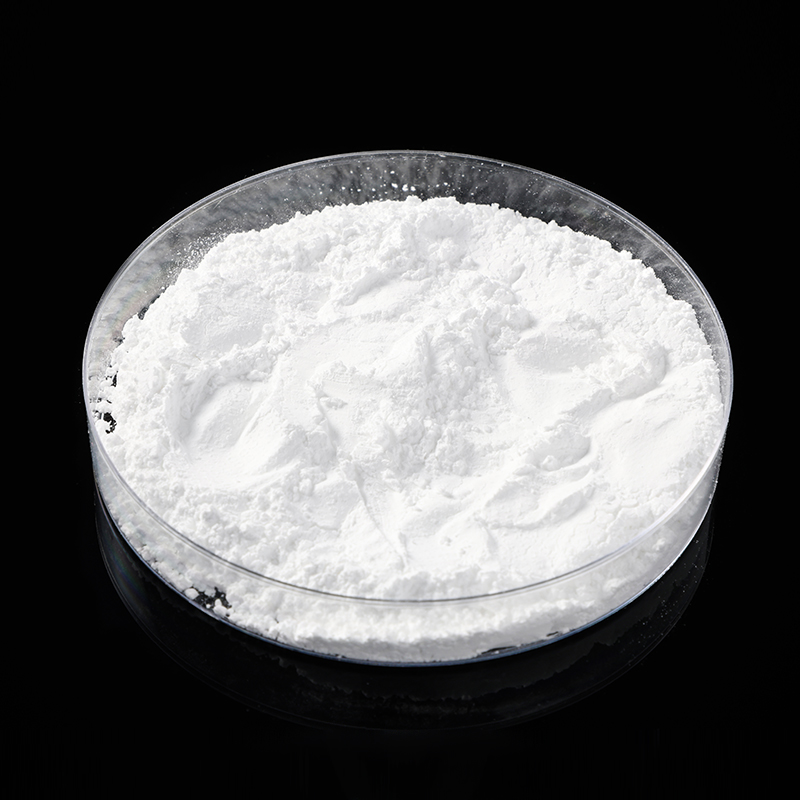
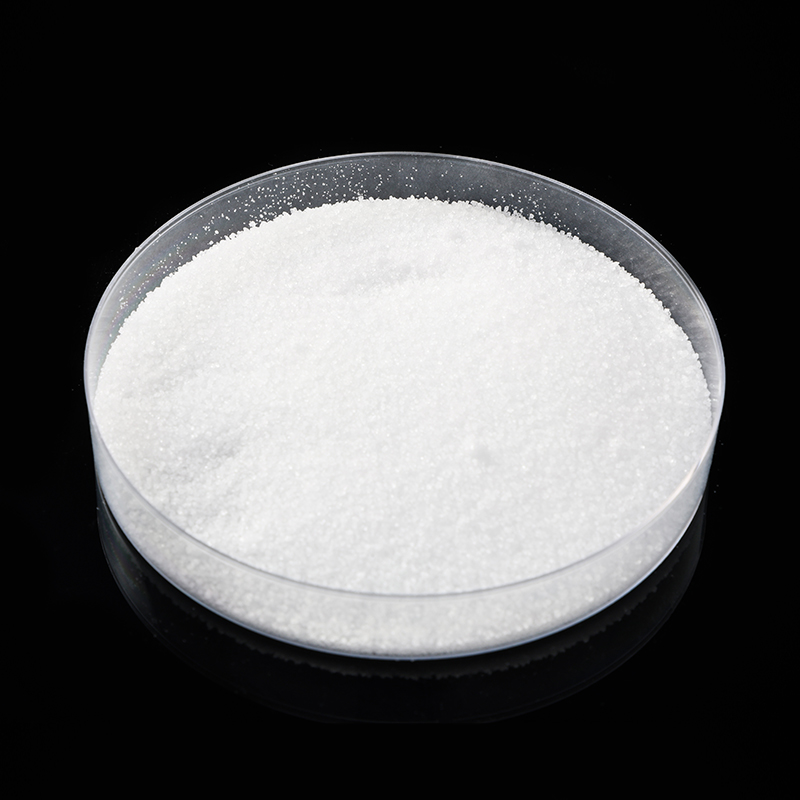
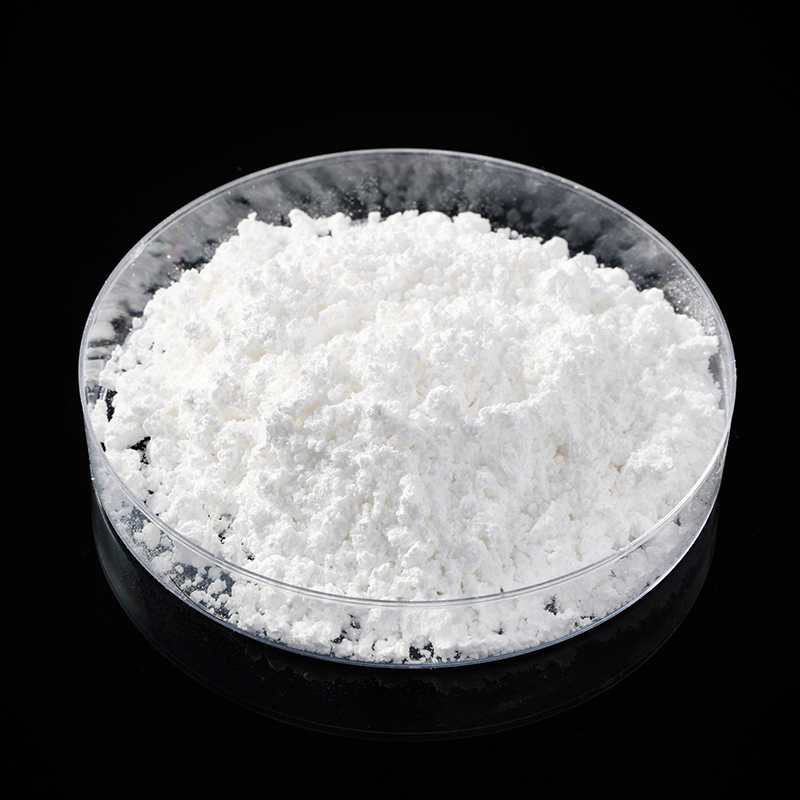
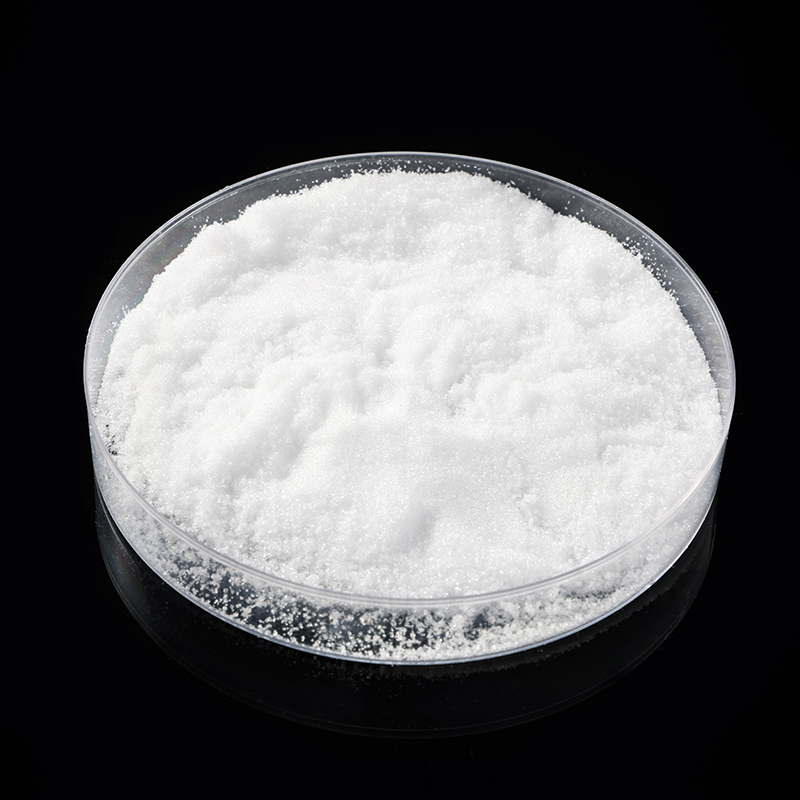
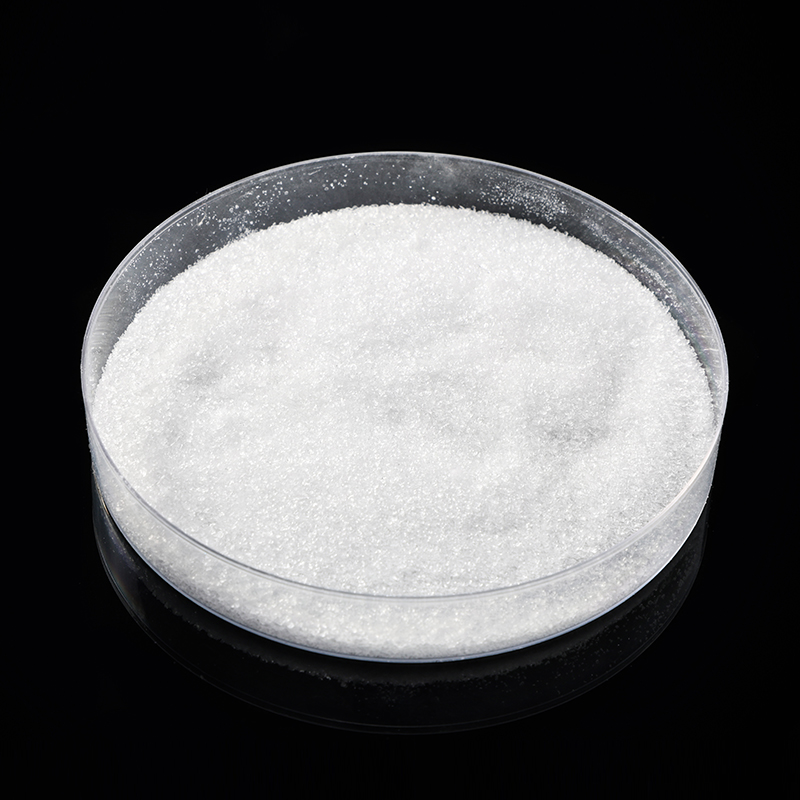
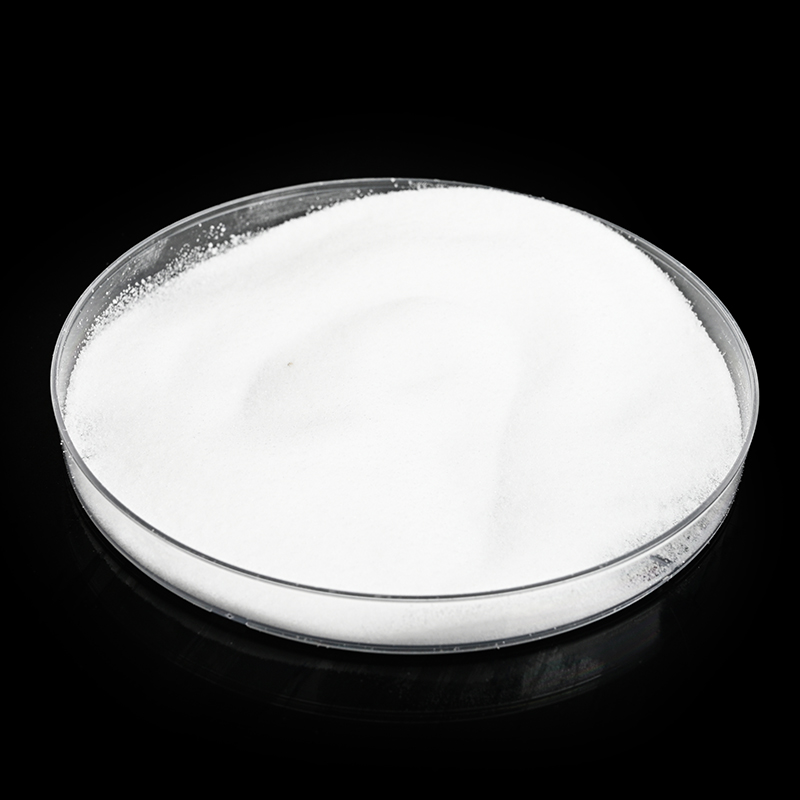
Lithium Fluoride (LiF) is an ionic salt formed from lithium and fluorine, with the chemical formula LiF, a molar mass of 25.94 g/mol, and a melting point of 848.2°C. It is one of the simplest and most useful inorganic fluoride salts, valued across nuclear energy, optics, radiation detection, and electrochemistry for properties no other compound easily replicates. When lithium metal reacts with fluorine gas, the exothermic formation reaction releases approximately 617 kJ/mol of energy, producing a stable white crystalline solid. The compound is classified as toxic and corrosive and requires careful handling, but its exceptional optical transparency across the vacuum ultraviolet spectrum, its role as a molten salt reactor coolant component, and its emerging importance in solid-state battery electrolytes make it one of the most technically significant fluoride compounds in industrial chemistry today. This article answers every important question about lithium fluoride with specific data and practical context.
The correct formula for Lithium Fluoride is LiF. It consists of one lithium cation (Li⁺) ionically bonded to one fluoride anion (F⁻). The formula follows directly from the valence states of each element: lithium in Group 1 of the periodic table always forms a +1 cation, while fluorine in Group 17 always forms a −1 anion. The 1:1 ratio gives the simplest possible ionic salt formula and places lithium fluoride in the same structural family as sodium chloride (NaCl), with both compounds adopting the face-centered cubic rock salt crystal structure.
| Property | Value | Industrial Significance |
|---|---|---|
| Chemical formula | LiF | Simplest ionic fluoride |
| Molar mass | 25.94 g/mol | Lightweight, low neutron absorption cross-section for Li-7 |
| Appearance | White crystalline solid | Optical grade crystals grown to centimeter scale |
| Melting point | 848.2°C (1,558.8°F) | Molten salt reactor component stability |
| Boiling point | 1,673°C (3,043°F) | Wide liquid operating range for reactor coolants |
| Density | 2.635 g/cm³ | Dense enough for radiation shielding dosimetry |
| Solubility in water (20°C) | 2.7 g/L (sparingly soluble) | Limits environmental dispersal but enables aqueous processing |
| Refractive index | 1.3915 at 589 nm | Low refractive index, minimal chromatic aberration in optics |
| Optical transmission range | 104 nm to 7 µm | Unique VUV transparency makes it irreplaceable in UV optics |
| Crystal structure | Rock salt (face-centered cubic) | Well-defined cleavage planes for optical element fabrication |
| Lattice energy | 1,037 kJ/mol | Highest lattice energy among alkali halides, explains chemical stability |
The lattice energy of an ionic compound is determined by the ionic charges and the inter-ionic distance. Lithium is the smallest alkali metal cation (ionic radius of 0.76 Å) and fluoride is the smallest halide anion (ionic radius of 1.33 Å), making the Li-F bond distance of approximately 2.01 Å shorter than any other alkali-halide bond. By Coulomb's law, shorter inter-ionic distance means greater electrostatic attraction and therefore higher lattice energy. This high lattice energy is the primary reason LiF is sparingly soluble in water despite both Li⁺ and F⁻ being highly hydrated ions — the energy required to break the crystal lattice is not fully compensated by hydration energy. This same high lattice energy gives LiF its elevated melting point and outstanding thermal and chemical stability.
When lithium reacts with fluorine, the result is one of the most energetically favorable reactions in simple inorganic chemistry. The formation reaction is highly exothermic and proceeds spontaneously and vigorously under essentially any conditions where the two elements are brought into contact.
The balanced equation for the direct synthesis of lithium fluoride from its elements is:
2 Li(s) + F₂(g) → 2 LiF(s) ΔH°f = −617 kJ/mol
The standard enthalpy of formation of minus 617 kJ/mol is among the most negative of any binary compound, meaning the reaction releases an extraordinary amount of energy relative to the amount of product formed. For comparison, the enthalpy of formation of sodium chloride (table salt) from its elements is approximately minus 411 kJ/mol, and that of water is approximately minus 286 kJ/mol per mole of water. Lithium fluoride formation releases roughly 50% more energy than water formation on a per-mole basis.
The extreme energy release can be understood by analyzing the thermochemical steps in the Born-Haber cycle:
The net result is that steps 3 and 4 (ionization and electron affinity) together require approximately +192 kJ/mol net energy input, but the lattice formation in step 5 releases 1,037 kJ/mol — far more than enough to cover all energy costs of the earlier steps. This is why lithium and fluorine react so powerfully: the lattice energy released upon crystal formation is exceptionally large.
In practice, mixing lithium metal with fluorine gas produces an immediate, intense exothermic reaction that generates significant heat and light. Lithium ignites spontaneously in fluorine at room temperature, producing a bright flame and a white crystalline deposit of LiF on surrounding surfaces. The reaction is so vigorous that it is never performed as a direct laboratory synthesis on a preparative scale outside of specialized containment. Fluorine gas itself is an extremely aggressive oxidizer that reacts violently with most materials, and the combination of lithium's high reactivity as a metal with fluorine's extreme oxidizing power makes this one of the most energetic reactions between two common elements. Industrial production of lithium fluoride instead uses safer indirect routes, most commonly the reaction of lithium carbonate or lithium hydroxide with hydrofluoric acid in aqueous solution.
Lithium fluoride uses span a remarkable range of high-technology fields. The compound's unique combination of optical transparency deep into the ultraviolet, thermal stability, neutron moderation properties, ionic conductivity in the molten state, and electrochemical compatibility make it indispensable in applications where no substitute exists.
The most technically unique lithium fluoride use is as an optical material for the vacuum ultraviolet (VUV) spectral region. LiF has a lower UV transmission cutoff wavelength than virtually any other optical material:
Thermoluminescent dosimetry (TLD) using lithium fluoride is the most widely used passive radiation dosimetry technology in the world, employed in personal radiation badges for nuclear industry workers, medical radiation therapy, and environmental monitoring:
Lithium fluoride is a key component in molten salt reactor (MSR) technology, one of the advanced nuclear reactor concepts being developed as a Generation IV reactor design:
Lithium fluoride uses in electrochemistry are growing rapidly as the battery industry seeks to move beyond liquid electrolyte lithium-ion cells:
One of the largest-volume commercial lithium fluoride uses is as a fluxing additive in the Hall-Héroult electrolytic process for primary aluminum production. Adding 1 to 5% LiF to the cryolite (Na₃AlF₆) electrolyte bath provides several processing benefits:
Lithium fluoride is one of many lithium compounds in commercial use. Understanding where LiF fits within the broader lithium market helps explain why lithium supply chains, refining capacity, and isotope separation technology all matter for LiF applications.
The rechargeable lithium-ion battery is now the largest single use of lithium globally, accounting for approximately 75 to 80% of total lithium consumption in 2023 and growing. The primary compound used is lithium carbonate (Li₂CO₃) or lithium hydroxide monohydrate (LiOH·H₂O), which are converted into cathode active materials including lithium cobalt oxide (LiCoO₂), lithium iron phosphate (LiFePO₄), and nickel-manganese-cobalt oxide (NMC) compounds. The electrolyte in these batteries contains lithium hexafluorophosphate (LiPF₆) dissolved in organic carbonate solvents. Electric vehicles account for the majority of battery lithium demand growth, with a typical passenger EV battery pack containing approximately 7 to 10 kg of lithium carbonate equivalent (LCE).
Before the battery revolution, ceramics and glass was the largest lithium end-use market and remains a major consumer today, accounting for approximately 15 to 20% of lithium demand in non-battery years. Lithium carbonate is added to glass-ceramic formulations to:
Lithium soap greases, produced by saponifying fatty acids with lithium hydroxide, account for approximately 65 to 70% of all industrial and automotive grease production globally, making this the second or third largest lithium use by volume after batteries and ceramics. Lithium grease provides an excellent combination of water resistance, high-temperature stability (dropping point typically above 180 to 200°C), long service life, and compatibility with most metals and rubber seal materials. Automotive wheel bearings, electric motor bearings, and construction equipment bearings are the major application segments for lithium grease.
Lithium fluoride is not safe for casual handling without appropriate precautions. It is classified as a toxic and harmful substance and carries significant health hazards from both the lithium component (which disrupts cellular ion transport) and the fluoride component (which interferes with calcium and enzyme function). The degree of risk depends strongly on the form (solution, fine powder, or large crystals), the route of exposure (ingestion, inhalation, or skin/eye contact), and the dose.
The primary toxicity of LiF derives from the fluoride ion. Fluoride toxicity acts through several biochemical mechanisms:
It is important to note that large single-crystal LiF optical elements (windows, prisms, monochromator crystals) in sealed optical instruments present essentially no health risk in normal use. The hazard is from ingestion or inhalation of dissolved or powdered LiF. A polished LiF optical window sitting in a spectrometer is no more hazardous than a piece of glass, provided it is not abraded, ground, or dissolved. The hazard assessment changes when LiF crystals are cleaved, polished, or machined, activities that generate dust requiring respiratory protection.
Carbon monofluoride (also called poly(carbon monofluoride) or graphite fluoride when referring to the polymer form, with the empirical formula CFₓ where x typically ranges from 0.5 to 1.1) is a fluorinated carbon material with an important connection to lithium fluoride in the context of lithium battery cathodes. Understanding carbon monofluoride helps explain one of the most promising high-energy-density battery chemistries currently in commercial use.
Carbon monofluoride in its polymeric form (CFₓ, graphite fluoride) is produced by the direct fluorination of graphite or carbon black with fluorine gas at temperatures between 300°C and 600°C. At these temperatures, fluorine atoms intercalate between and bond covalently to the graphene layers of the graphite, transforming the conducting sp2-hybridized carbon of graphite into an sp3-hybridized covalent network. The reaction is:
C(graphite) + x F₂(g) → CFₓ(s)
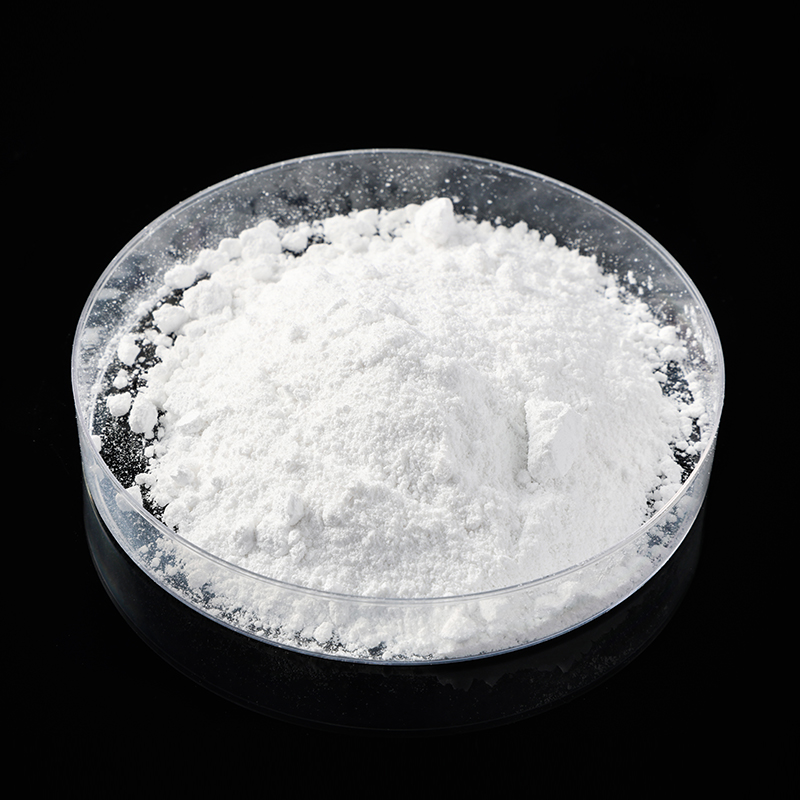
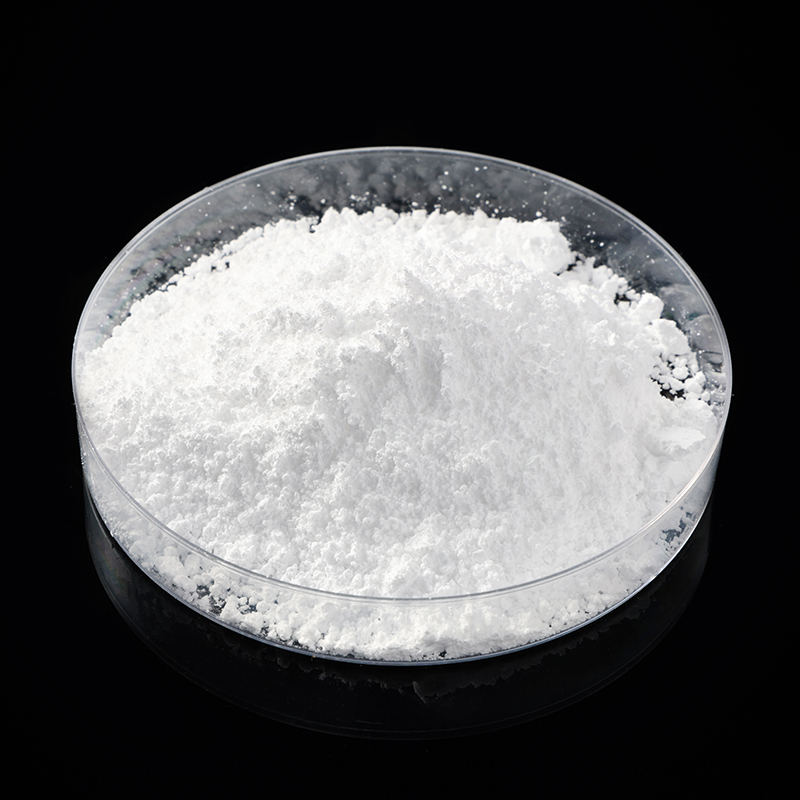
The resulting material is a white to gray solid that is electrically non-conducting (unlike graphite), thermally stable up to approximately 600°C, chemically inert to most solvents and acids, and highly hydrophobic. The fluorine content (stoichiometry of x in CFₓ) depends on reaction temperature and time. Near CF₁.₀ compositions are most common for battery applications.
The most important commercial application of carbon monofluoride is as the cathode active material in lithium-carbon fluoride (Li-CFₓ) primary (non-rechargeable) batteries. These batteries are used in applications requiring:
The connection to lithium fluoride is direct: during discharge of a Li-CFₓ battery, the electrochemical reaction is:
Li + CFₓ → C + LiF (discharge product)
The discharge product is lithium fluoride (LiF) and carbon. The very negative free energy of LiF formation (high lattice energy of 1,037 kJ/mol) is what drives the battery reaction and gives Li-CFₓ cells their exceptional voltage (approximately 2.8 to 3.2 V open circuit) and energy density. In this context, the stability of LiF that makes it sparingly soluble and chemically inert in most environments is an advantage: the discharged cell contains stable, safe LiF rather than reactive intermediates.
| Property | Carbon Monofluoride (CFₓ) | Lithium Fluoride (LiF) |
|---|---|---|
| Chemical type | Covalent polymer | Ionic salt |
| Formula | CFₓ (x = 0.5 to 1.1) | LiF |
| Color | White to gray powder | White crystalline solid |
| Electrical conductivity | Insulator | Insulator (solid); ionic conductor (molten) |
| Water solubility | Insoluble, highly hydrophobic | Sparingly soluble (2.7 g/L) |
| Key application | Primary battery cathode, solid lubricant | Optics, dosimetry, nuclear fuel salt, batteries |
| Connection between them | LiF is the discharge product of Li-CFₓ batteries; the formation of LiF drives the electrochemical reaction | |
Beyond its established roles in optics, nuclear, and dosimetry, lithium fluoride is finding growing use in several advanced technology areas that are expected to increase significantly in the coming decade.
A thin film of lithium fluoride (typically 0.5 to 2 nm thick) deposited by thermal evaporation at the cathode interface of organic light-emitting diode (OLED) devices dramatically improves electron injection efficiency from the metal cathode into the organic emitter layer. This ultrathin LiF interlayer has become essentially universal in OLED device fabrication, used in OLED televisions, smartphone displays, and OLED lighting panels. The mechanism involves LiF partially dissociating at the metal-organic interface under the high electric field of device operation, releasing Li⁺ ions that n-dope the adjacent organic layer and lower the effective electron injection barrier. The efficiency improvement from this single nanometer-scale LiF layer is significant enough that it is included in virtually every high-performance OLED device, representing a remarkable case where a simple ionic salt has enabled a major consumer electronics technology.
LiF enriched in Li-6 (which has a thermal neutron absorption cross-section of 940 barns, among the highest of any stable nuclide) is used in neutron detector applications beyond TLD dosimetry. When Li-6 absorbs a thermal neutron, the nuclear reaction produces:
Li-6 + n → He-4 (alpha) + H-3 (tritium) + 4.78 MeV
The 4.78 MeV energy released in charged particles (alpha particle and tritium) is detectable in scintillator and solid-state detector systems. LiF combined with ZnS:Ag (silver-activated zinc sulfide scintillator) in composite screens is a standard neutron imaging detector used at research neutron sources and spallation neutron facilities for neutron radiography of industrial components (turbine blades, welds, cultural artifacts) and materials science research.
Lithium deuteride (LiD, lithium combined with deuterium, the heavy hydrogen isotope) rather than lithium fluoride, but the isotope chemistry is directly relevant: the use of Li-6 enriched lithium deuteride as the thermonuclear fuel in hydrogen bombs was the primary driver of large-scale Li-6 isotope separation infrastructure during the Cold War. The same isotope separation plants (primarily gaseous diffusion of lithium compounds) that produced Li-6 for weapons also created large stockpiles of Li-7-enriched lithium, which is the feedstock for Li-7-enriched LiF used in molten salt reactor applications. The legacy of this Cold War isotope separation infrastructure directly influences the availability and cost of isotopically enriched LiF for civilian nuclear power technology today.
Lithium fluoride uses span six major application areas. In optics, single-crystal LiF transmits vacuum ultraviolet light down to 104 nm, making it irreplaceable as a window and lens material for VUV spectroscopy, synchrotron optics, and UV lasers. In radiation detection, LiF-based thermoluminescent dosimeters (TLDs) are the global standard for personal radiation monitoring in nuclear and medical facilities. In nuclear energy, LiF is a primary constituent of the FLiBe molten salt used as coolant and fuel carrier in Generation IV molten salt reactors. In batteries, LiF forms a critical component of the solid electrolyte interphase layer and is the discharge product in Li-CFₓ primary batteries. In aluminum smelting, LiF is added as a fluxing agent to reduce operating temperature and energy consumption. In OLED displays, a nanometer-scale LiF layer at the cathode interface dramatically improves electron injection efficiency.
The correct formula for Lithium Fluoride is LiF. It consists of one lithium cation (Li⁺) ionically bonded to one fluoride anion (F⁻). The 1:1 ratio follows directly from the charges: lithium in Group 1 always forms a +1 cation, and fluorine in Group 17 always forms a −1 anion. The molar mass is 25.94 g/mol (lithium: 6.94 g/mol, fluorine: 19.00 g/mol). LiF adopts the rock salt (NaCl-type) crystal structure with face-centered cubic symmetry and a lattice parameter of 4.027 Å.
When lithium metal contacts fluorine gas, an immediate, intensely exothermic reaction occurs producing lithium fluoride (LiF). The balanced equation is 2 Li(s) + F₂(g) → 2 LiF(s) with a standard enthalpy of formation of approximately minus 617 kJ/mol. Lithium ignites spontaneously in fluorine at room temperature, producing a bright white flame and depositing white crystalline LiF. This reaction is so vigorous because fluorine is the strongest oxidizing agent of all elements and lithium is one of the most reactive metals, and because the lattice energy of the product LiF (1,037 kJ/mol) is exceptionally large, releasing more energy upon crystal formation than virtually any other binary compound. Industrial production of LiF uses safer aqueous routes (Li₂CO₃ + HF or LiOH + HF) rather than direct element combination.
Lithium fluoride is not safe for unprotected handling. It is classified as toxic (GHS Acute Toxicity Category 3 for oral route, with rat LD₅₀ approximately 143 to 200 mg/kg, roughly 15 to 20 times more acutely toxic than table salt). The fluoride ion disrupts calcium metabolism, inhibits critical enzymes, and at high doses causes cardiac arrhythmia and hypocalcemia. The OSHA occupational exposure limit for fluorides is 2.5 mg/m³ as an 8-hour time-weighted average. Safe handling requires nitrile gloves, chemical splash goggles, and dust respirator when handling powder. Large polished crystal optical elements present minimal risk in normal use (no dust generation), but grinding, cleaving, or dissolving LiF requires full PPE. For any significant ingestion, immediate emergency medical care and administration of calcium gluconate are required.
The top 3 uses for lithium by volume and economic importance are: first, lithium-ion batteries, which now account for approximately 75 to 80% of total global lithium consumption and are driven primarily by electric vehicles and portable electronics; second, ceramics and glass, where lithium carbonate is added to reduce melting temperatures, produce zero-expansion glass-ceramics, and improve chemical durability (approximately 15 to 20% of lithium demand); and third, lithium soap greases, where lithium hydroxide is used to produce lithium-based lubricating greases that account for approximately 65 to 70% of all industrial grease production globally. Lithium fluoride itself represents a relatively small but high-value segment within the broader lithium chemicals market, used in nuclear energy, optics, and dosimetry applications where its unique properties justify the cost of fluoride processing.
Carbon monofluoride (CFₓ, graphite fluoride) is a covalent polymer produced by reacting graphite with fluorine gas at 300 to 600°C. It is white, electrically insulating, and chemically inert. Its most important commercial use is as the cathode material in lithium-carbon fluoride (Li-CFₓ) primary batteries, which have the highest specific energy of any commercial primary battery chemistry (practical values of 700 to 900 Wh/kg). The direct connection to lithium fluoride is the discharge reaction: when a Li-CFₓ battery discharges, lithium metal at the anode reacts with the CFₓ cathode to produce carbon and LiF as the discharge product. The exceptionally high lattice energy of LiF (1,037 kJ/mol) is what makes this electrochemical reaction thermodynamically favorable and gives Li-CFₓ batteries their high voltage and energy density.
LiF transmits light down to 104 nm in the vacuum ultraviolet (VUV) region, a unique property no other common optical material shares. Common alternatives fail at much longer wavelengths: fused silica (SiO₂) cuts off at approximately 150 to 160 nm; CaF₂ cuts off at approximately 125 nm; MgF₂ at approximately 115 nm. The reason LiF achieves this exceptional UV transmission is its extremely wide electronic bandgap of approximately 13.6 eV, meaning photons with energies up to 13.6 eV (wavelengths above 91 nm) do not have enough energy to excite electrons across the bandgap and are not absorbed. No other commonly available large-crystal optical material has a bandgap this wide. This makes LiF windows and lenses essential for VUV spectrometers, synchrotron beamlines, Lyman-alpha telescopes, and deuterium lamp systems in analytical UV instruments.
Both TLD-100 and TLD-700 are thermoluminescent dosimeters based on lithium fluoride with manganese and titanium activators, but they differ in lithium isotope composition. TLD-100 contains natural lithium isotope ratios (7.5% Li-6 and 92.5% Li-7) and responds to both gamma rays and thermal neutrons, making it useful for total dose measurement in mixed radiation fields. TLD-700 contains isotopically enriched lithium with 99.99% Li-7, reducing the Li-6 content to essentially zero and making the dosimeter almost completely insensitive to thermal neutrons while retaining full gamma and X-ray sensitivity. By using TLD-100 and TLD-700 together in the same badge, the neutron dose can be calculated from the difference in their readings, enabling separate determination of gamma and neutron doses in nuclear reactor environments, accelerator facilities, and neutron therapy units.
Most ionic compounds dissolve in water because the energy released by hydration of the ions (ion-water interactions) is sufficient to overcome the lattice energy holding the crystal together. LiF is unusual among alkali halides in being sparingly soluble (only 2.7 g/L at 20°C) because its lattice energy of 1,037 kJ/mol is the highest of all alkali halides, resulting from the exceptionally short Li-F bond distance. While Li⁺ and F⁻ are both strongly hydrated (Li⁺ has one of the highest hydration energies of any monovalent cation), the combined hydration energy of Li⁺ and F⁻ is not quite sufficient to compensate for the very high lattice energy. In contrast, LiCl, LiBr, and LiI are all highly soluble because the larger halide anions give lower lattice energies that are more easily overcome by hydration energy.
In molten salt reactors (MSRs), lithium fluoride is a primary component of the FLiBe salt (2 LiF + BeF₂), which serves simultaneously as the reactor coolant and the carrier for dissolved nuclear fuel (UF₄ or ThF₄). The FLiBe eutectic melts at approximately 459°C and operates as a stable liquid between 500°C and 700°C under reactor conditions. LiF contributes low neutron absorption (when using isotopically enriched Li-7, which requires a minimum purity of 99.95% Li-7), high thermal stability (boiling point 1,673°C), compatibility with the nickel-based alloy reactor vessel, and good heat transfer properties. The Li-7 enrichment requirement is critical because Li-6 (naturally 7.5% of lithium) has a thermal neutron cross-section of 940 barns, which would poison the neutron chain reaction and produce tritium as an unwanted radioactive byproduct if present in significant quantities in the reactor salt.
Copyright © 2023 Nantong Jinxing Fluorides Chemical Co., Ltd. All Rights Reserved.
 Custom Fluorine Chemical Suppliers