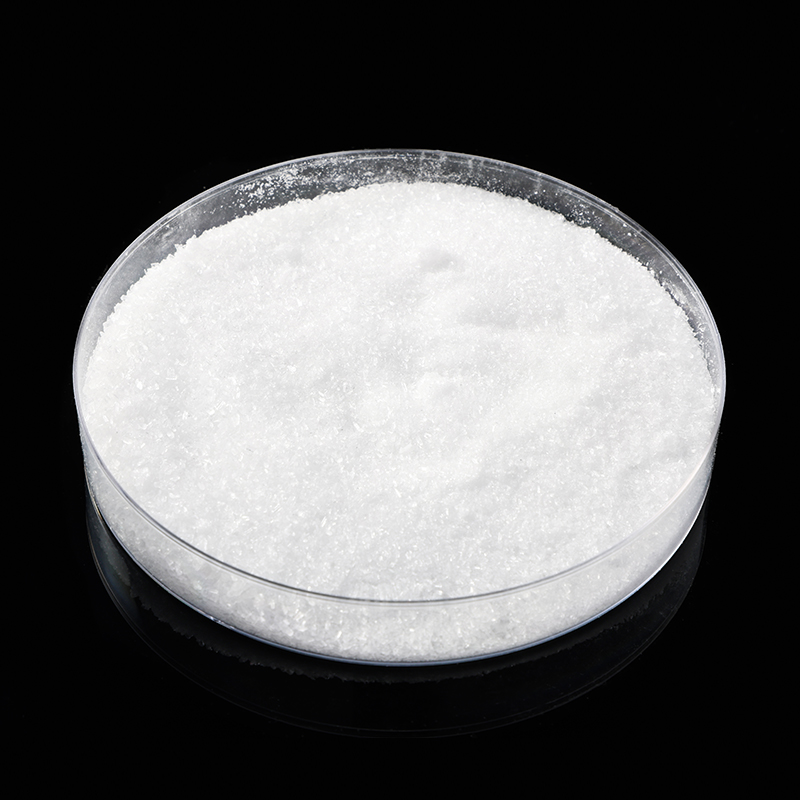
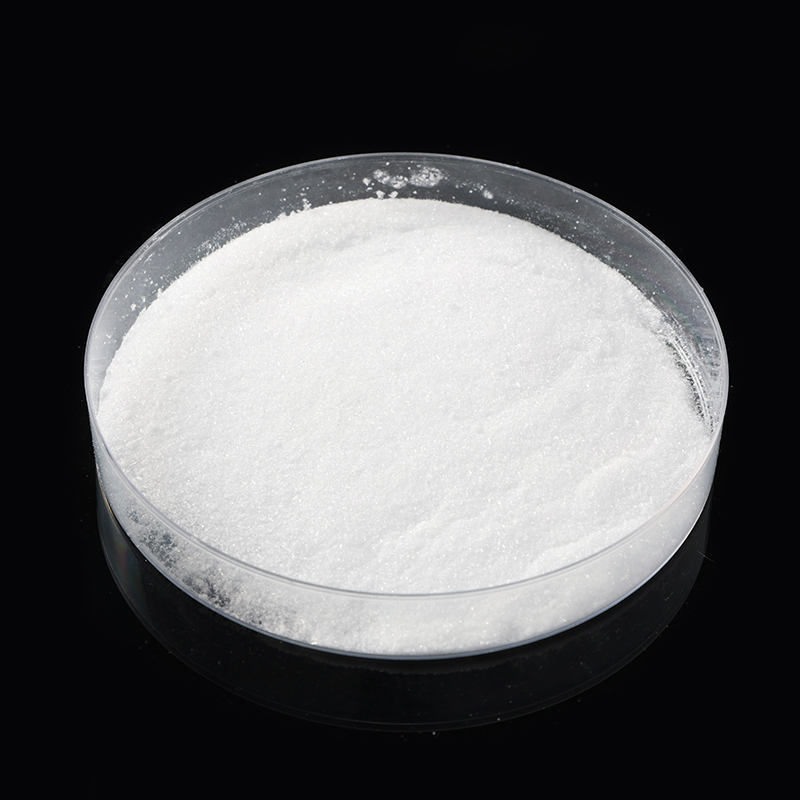
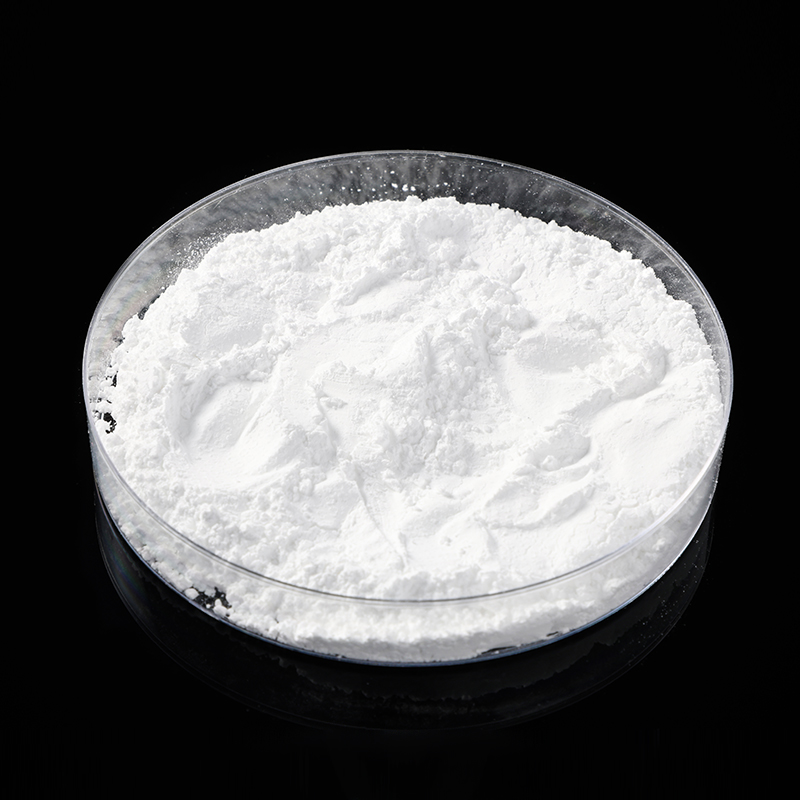
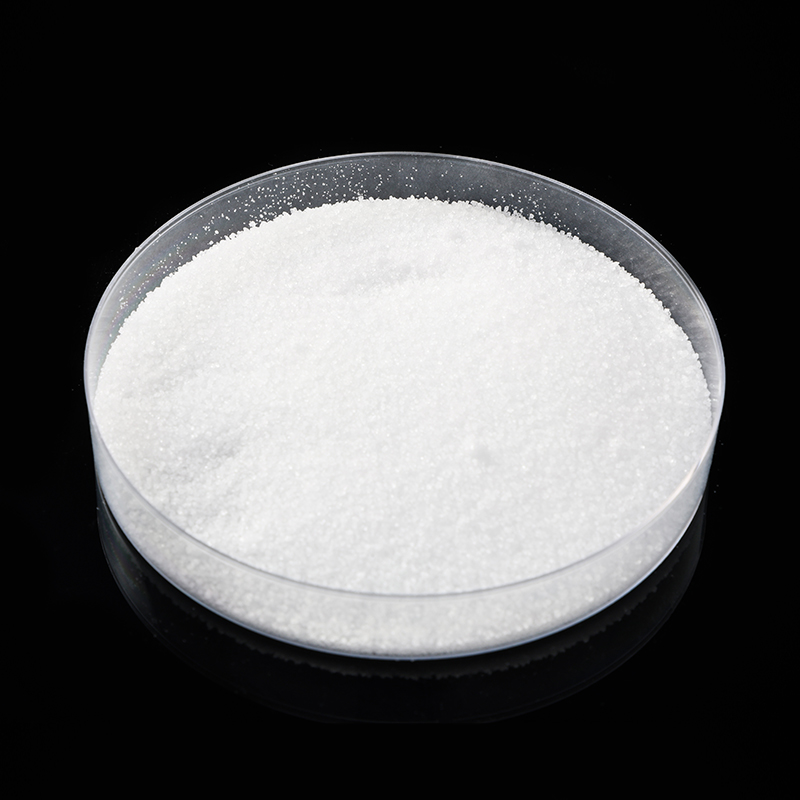
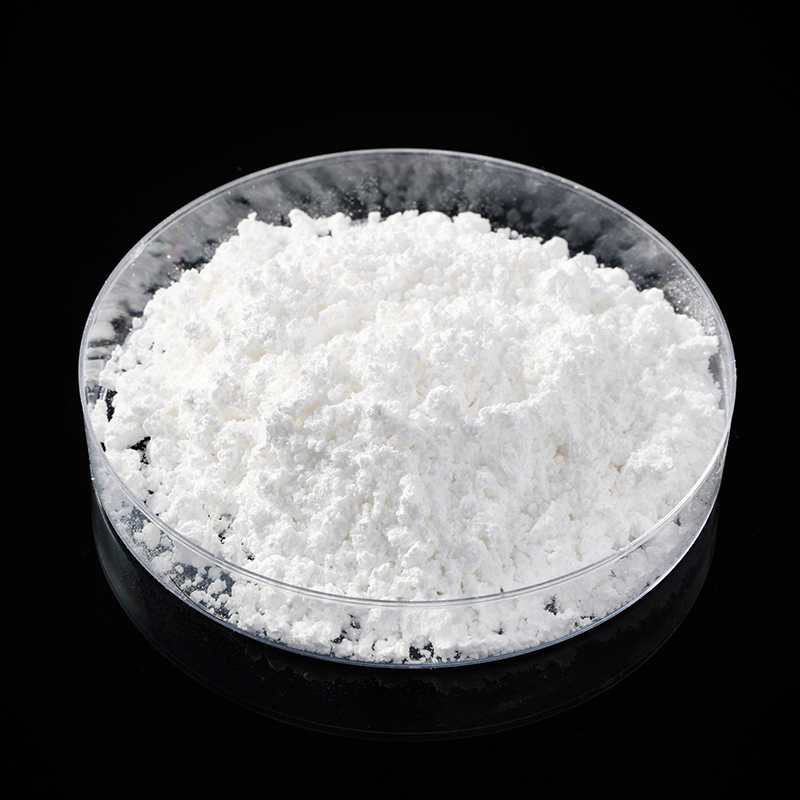
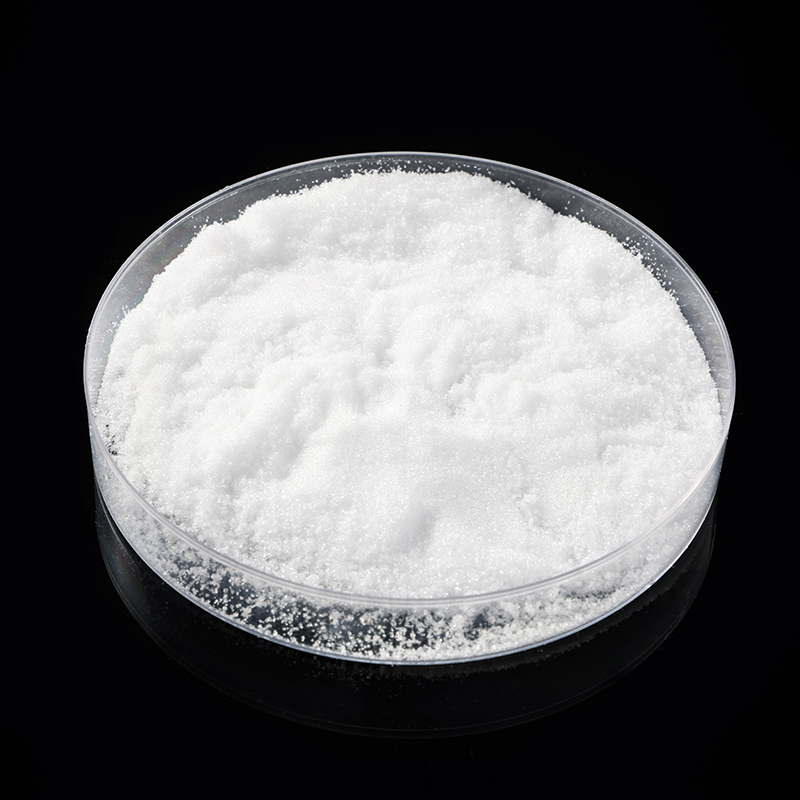
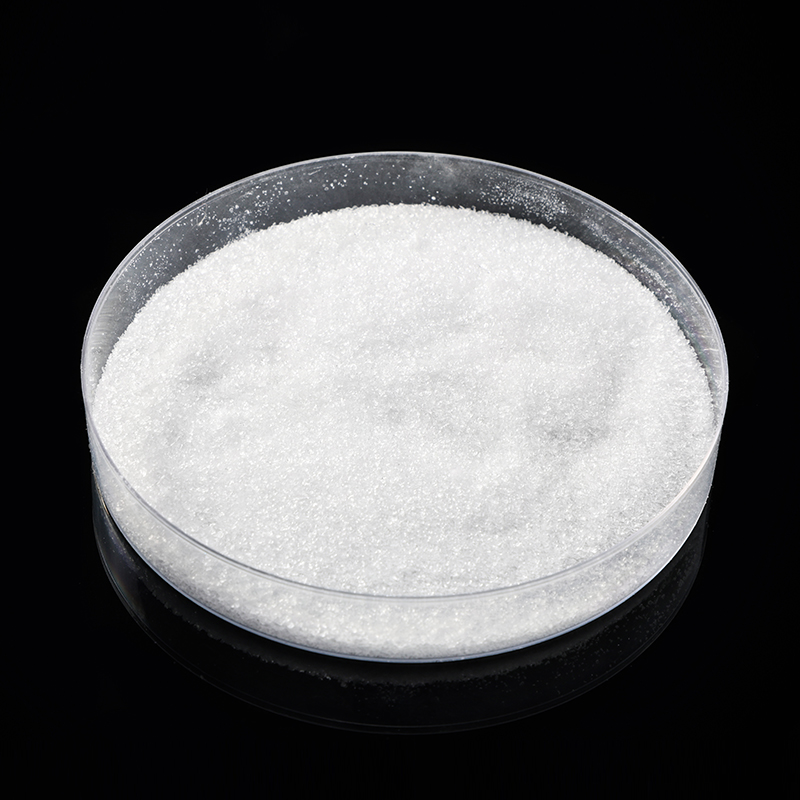
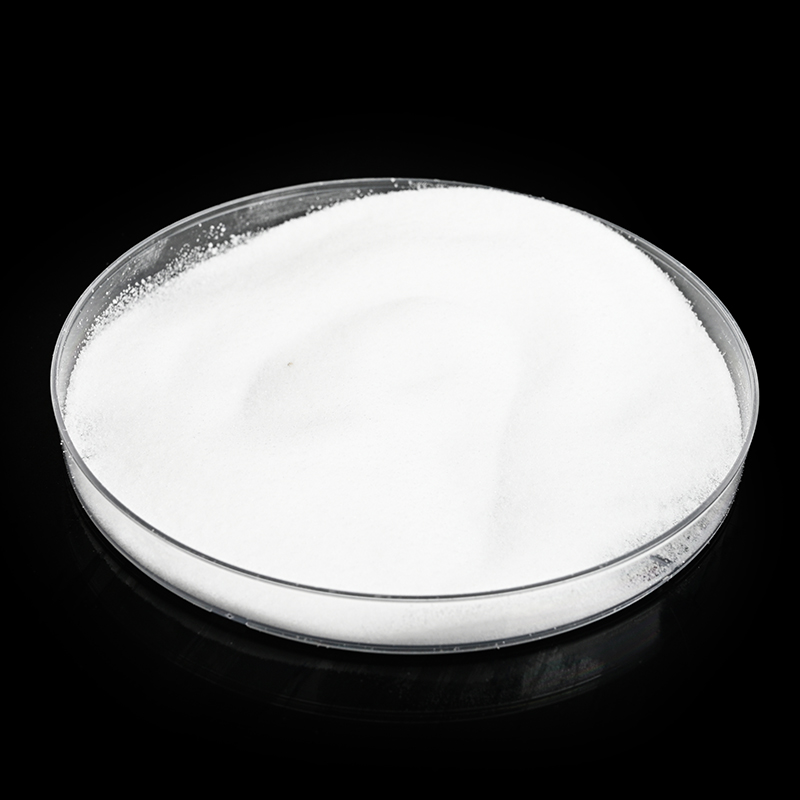
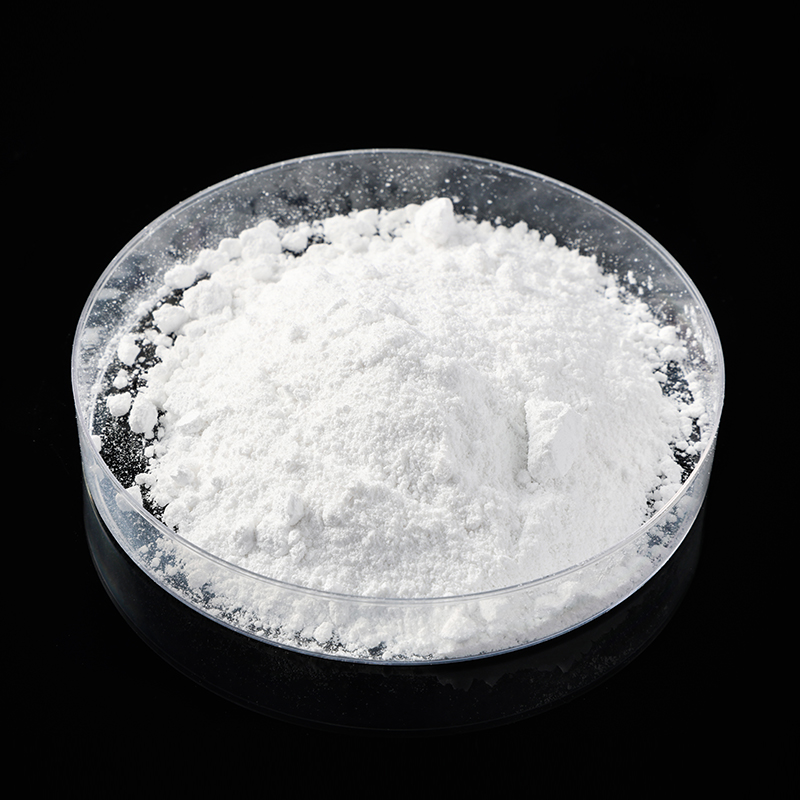
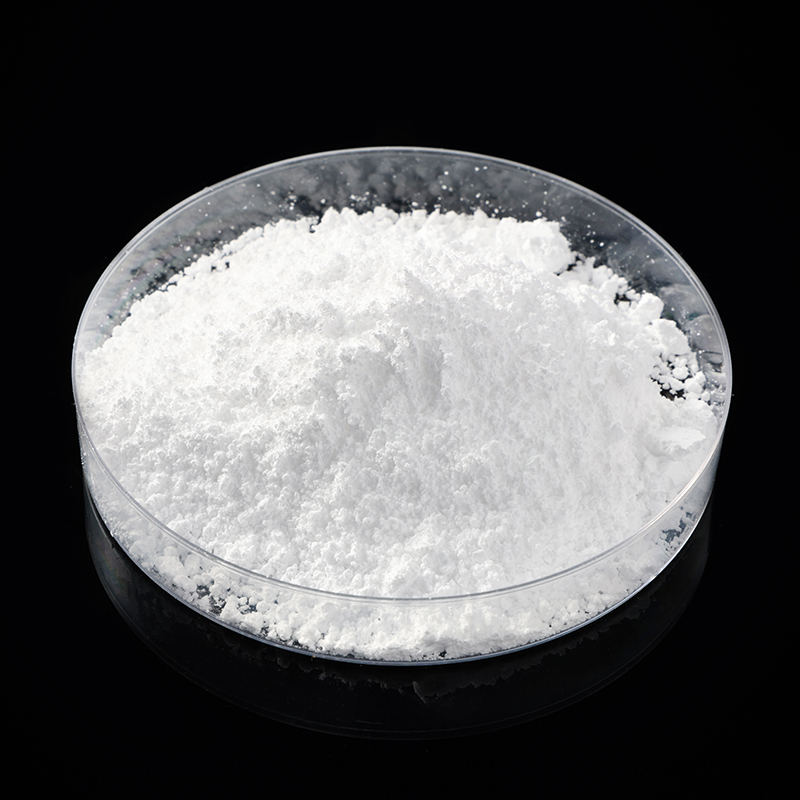
Ammonium bifluoride (also called ammonium hydrogen fluoride) has the chemical formula NH4HF2, and it is one of the most versatile fluoride reagents in industrial chemistry. It is a white crystalline solid at room temperature, available commercially as flakes, granules, or powder, that releases fluoride ions and hydrogen fluoride in solution, making it effective for any application requiring controlled fluoride activity, glass dissolution, oxide removal, or surface treatment without handling the extreme hazards of pure anhydrous hydrofluoric acid (HF).
The primary industrial uses of ammonium bifluoride are:
Ammonium bifluoride is significantly safer to handle than anhydrous HF because it is a solid at room temperature, is much less volatile, and releases HF only in solution or at elevated temperatures. However, it is still a serious chemical hazard requiring full fluoride safety protocols as detailed in the final sections of this guide.
The ammonium bifluoride chemical properties and formula are best understood by examining the compound's structure, the nature of its fluoride content, and how it behaves in water and at elevated temperatures. These properties directly determine which industrial applications the compound can serve and what safety measures are required.
The ammonium bifluoride chemical properties and formula are summarized by its systematic name ammonium hydrogen fluoride and formula NH4HF2. The formula indicates the compound contains one ammonium ion (NH4+) paired with one hydrogen difluoride anion (HF2-). The HF2- anion is itself unusual: it is a bifluoride ion formed when one fluoride ion (F-) forms a strong hydrogen bond with one molecule of hydrogen fluoride (HF), creating the symmetric anion [F---H---F]- where the hydrogen atom sits between two fluorine atoms connected by one of the strongest hydrogen bonds known in chemistry.
This compound is also commonly called:
The CAS registry number is 1341-49-7. The molar mass is 57.04 g/mol, calculated from nitrogen (14.01) + 4 hydrogen (4.03) + hydrogen (1.01) + 2 fluorine (38.00) = 57.04 g/mol.
| Property | Value | Practical Significance |
|---|---|---|
| Molecular formula | NH4HF2 | Contains both F- and HF components |
| Molar mass | 57.04 g/mol | Lightweight, effective fluoride source |
| Physical appearance | White flakes, granules, or powder | Easy to weigh, measure, dissolve |
| Melting point | 125.6 degrees Celsius | Solid at ambient temperature, safe to store |
| Density | 1.50 g/cm3 | Standard solid density for packaging calculations |
| Solubility in water (20°C) | Approximately 63 g per 100 mL | Readily soluble; concentrated solutions practical |
| pH (1% aqueous solution) | Approximately 3.4 to 4.0 | Acidic; releases HF in solution |
| Fluoride content by mass | 66.6% | Very high fluoride content per unit mass |
| Thermal decomposition | Above 240 degrees Celsius | Releases NH3 and HF on strong heating |
| Vapor pressure (solid) | Negligible at 20 degrees Celsius | Low inhalation risk from solid compared to liquid HF |
When ammonium bifluoride dissolves in water, it dissociates to produce ammonium ions, fluoride ions, and molecular hydrofluoric acid in equilibrium:
NH4HF2 (solid) yields NH4+ (aqueous) + HF2- (aqueous)
HF2- (aqueous) yields HF (aqueous) + F- (aqueous)
The equilibrium strongly depends on concentration and pH. In moderately concentrated solutions, the effective fluoride activity includes both free F- and molecular HF, the latter being the species primarily responsible for dissolving silicon dioxide (SiO2) in glass and silicate minerals. This dual fluoride activity, with both ionic F- and molecular HF present simultaneously, is what makes ammonium bifluoride more effective per unit fluoride content than simple ammonium fluoride (NH4F) in many glass etching and silicate dissolution applications.
The difference between ammonium fluoride and ammonium bifluoride is a frequent source of confusion in procurement, formulation, and safety management because the two compounds have similar names, are both fluoride sources, and share some applications. Understanding the distinction is important for selecting the correct reagent and applying the correct safety protocols.
Ammonium fluoride has the formula NH4F. It contains one ammonium ion (NH4+) and one fluoride ion (F-) in a 1:1 ratio. The fluoride ion in ammonium fluoride is a simple F- anion with no hydrogen attached. Ammonium bifluoride has the formula NH4HF2. It contains one ammonium ion (NH4+) and one bifluoride ion (HF2-), which is the anion formed when one F- forms a strong hydrogen bond with one HF molecule: [F---H---F]-. The key compositional difference is that ammonium bifluoride contains one extra equivalent of HF relative to ammonium fluoride, meaning it has a higher fluoride content per mole and is more acidic in solution.
Ammonium fluoride in solution is mildly acidic to neutral, with a pH of approximately 4.6 to 6.0 depending on concentration, because the NH4+ ion is a weak acid and the F- ion is a weak base. Ammonium bifluoride in solution is more strongly acidic, with a pH of approximately 3.4 to 4.0, because the extra HF component directly contributes acid. This additional acidity of ammonium bifluoride solutions relative to ammonium fluoride solutions produces:
| Property or Application | Ammonium Fluoride (NH4F) | Ammonium Bifluoride (NH4HF2) |
|---|---|---|
| Formula | NH4F | NH4HF2 |
| Fluoride content by mass | 51.3% | 66.6% |
| pH of 1% solution | Approximately 5.0 to 6.0 | Approximately 3.4 to 4.0 |
| Glass etching speed | Slower | Faster |
| Silicon wafer etching | Common, more controlled | Also used, faster rate |
| Oil well acidizing | Less common | Primary component |
| Aluminum brightening | Can be used | More aggressive, preferred |
| HF vapor generation from solution | Lower | Higher |
Why ammonium bifluoride dissolves glass is one of the most frequently asked questions from users new to glass etching and fluoride chemistry, because glass appears to be an extremely durable material that resists most common acids. The explanation lies in the unique chemistry of silicon dioxide and the distinctive reactivity of fluoride ions with silicon compounds.
Glass is composed primarily of silicon dioxide (SiO2) in an amorphous network structure, often with additional oxide components (Na2O, CaO, B2O3) that modify the glass properties. Silicon forms very strong bonds with oxygen (Si-O bond energy approximately 452 kJ/mol), which is why glass resists attack by most acids including hydrochloric acid, sulfuric acid, and nitric acid. These acids cannot break the Si-O bonds.
Fluoride, however, reacts differently. Molecular HF (the reactive species generated when ammonium bifluoride dissolves in water) attacks the Si-O-Si network through a specific reaction pathway:
SiO2 + 4 HF yields SiF4 (gas) + 2 H2O
SiF4 + 2 HF yields H2SiF6 (hexafluorosilicic acid, soluble)
The tetrafluoride SiF4 is a gas that can escape the reaction zone, and hexafluorosilicic acid H2SiF6 is soluble in water, so both products are removed from the glass surface as the reaction proceeds. This makes the dissolution of glass by fluoride an irreversible process that progressively removes material from the glass surface. The key insight is that silicon forms extremely stable fluoride complexes (specifically the octahedral SiF6 anion in hexafluorosilicic acid), which makes the reaction thermodynamically favorable despite the strength of Si-O bonds.
In solutions of simple ammonium fluoride (NH4F), only the free F- ion is present as the primary reactive species. In ammonium bifluoride solutions, both F- and molecular HF are present simultaneously, with the HF concentration being substantially higher than in an ammonium fluoride solution of comparable fluoride molarity. This is important because the rate of glass dissolution depends strongly on the HF concentration: molecular HF penetrates the glass surface network and initiates the Si-F bond formation more effectively than fluoride anions alone, because the neutral HF molecule is not repelled by the slightly negative surface charge that glass develops in aqueous solution.
Ammonium bifluoride flakes for glass etching therefore dissolve glass at a faster rate than equivalent concentrations of ammonium fluoride, produce more uniform etching across the glass surface, and are effective at lower solution concentrations, which reduces the total fluoride waste generated per square meter of glass etched.
Ammonium bifluoride flakes for glass etching are the most widely used commercial form of the compound for this application because the flake form dissolves quickly and evenly in water, is easy to weigh accurately for preparing specific concentration solutions, and is less dusty than fine powder forms that could generate respirable particulate during handling.
Standard glass etching formulations using ammonium bifluoride flakes vary by the desired etching effect, the glass type, and the process method (paste, gel, or immersion bath):
Aluminum brightening chemical formulations with NH4HF2 are used extensively in the automotive aftermarket (wheel cleaning), food equipment manufacturing, architectural aluminum finishing, and anodizing pretreatment to produce a bright, reflective aluminum surface by simultaneously removing the natural aluminum oxide (Al2O3) surface layer and etching the underlying aluminum metal to a controlled, uniform depth.
Aluminum metal spontaneously forms a thin, adherent aluminum oxide layer (Al2O3, 2 to 10 nm thick on clean aluminum) when exposed to air or water. This oxide layer is chemically inert and prevents direct acid or alkaline attack on the underlying aluminum metal. Before bright finishing, the oxide layer must be dissolved to expose the reactive aluminum surface. Fluoride ions accomplish this by forming soluble aluminum fluoride complexes:
Al2O3 + 6 HF yields 2 AlF3 + 3 H2O
AlF3 + 3 NH4F yields (NH4)3AlF6 (soluble complex)
Once the oxide is removed, additional acid components in the brightening formulation (typically phosphoric acid and nitric acid in chemical brightening, or the acidic ammonium bifluoride solution alone in simpler formulations) react with the aluminum surface to produce a smooth, bright finish.
Oil well sand control acidizing with ammonium bifluoride is a petroleum reservoir stimulation technique used to restore or enhance production from sandstone formations that have experienced permeability reduction from clay swelling, fine particle migration, or formation damage caused by drilling fluids and cement invasion near the wellbore.
Sandstone petroleum reservoirs consist of quartz (SiO2) sand grains cemented with clay minerals (primarily kaolinite, illite, chlorite, and smectite) and feldspars. During oil and gas production, several mechanisms cause permeability decline:
Mud acid, the standard acidizing treatment for sandstone formations, consists of a blend of hydrochloric acid (HCl) and hydrofluoric acid (HF). The HCl removes carbonate minerals and clears wellbore casing scale, while HF dissolves silicate clays and quartz that are not attacked by HCl. Ammonium bifluoride is used in delayed-release mud acid systems as a safer, more controllable alternative to mixed HCl/HF because it releases fluoride slowly into the formation, reducing the risk of rapid near-wellbore damage that can occur with conventional HCl-HF treatments that react too quickly before the acid penetrates deep into the formation.
In retarded acid stimulation systems, ammonium bifluoride is combined with an organic acid (typically acetic acid or formic acid) rather than hydrochloric acid to create a formulation that reacts more slowly with formation materials, allowing deeper penetration before the acid is spent. Typical formulations for oil well sand control acidizing with ammonium bifluoride include:
High purity ACS grade ammonium bifluoride for laboratory use meets the specifications published by the American Chemical Society Committee on Analytical Reagents, which establish minimum purity and maximum impurity limits appropriate for use in quantitative chemical analysis where trace impurities could introduce systematic errors.
ACS reagent grade ammonium bifluoride (NH4HF2) typically specifies:
How to safely handle ammonium bifluoride crystals requires understanding that this compound is a serious chemical hazard in two respects: it is acutely toxic if ingested, inhaled, or absorbed through skin (primarily through fluoride toxicity mechanisms), and it releases hydrofluoric acid in solution, which causes a particularly dangerous and treacherous pattern of chemical injury that can be delayed in onset and fatal at relatively small body surface areas of exposure.
Personal protective equipment for ammonium bifluoride exposure must address skin, eye, and inhalation hazards simultaneously and must be chemical-resistant to fluoride solutions:
Safe storage containers for ammonium bifluoride must be made from materials that are not attacked by fluoride ions. The key container material requirements:
What to do if ammonium bifluoride contacts skin is one of the most critical safety topics for anyone who works with this compound, because fluoride chemical burns have a uniquely dangerous characteristic compared to other acid burns: the pain may be minimal or absent initially even when systemic fluoride absorption is already occurring, delaying the victim's recognition that they have received a significant chemical exposure. This insidious delay makes prompt first aid following any skin contact essential regardless of whether the victim feels pain at the contact site.
After ammonium bifluoride skin contact, even apparently minor exposures can result in systemic fluoride toxicity if a significant area was exposed or if exposure was prolonged before first aid was initiated. Symptoms of systemic fluoride toxicity requiring immediate emergency medical care include:
Any of these symptoms following ammonium bifluoride exposure requires immediate emergency department evaluation with specific notification that fluoride compound exposure has occurred. Treatment includes intravenous calcium gluconate to restore systemic calcium levels depleted by fluoride binding.
What is ammonium bifluoride used for spans five major industrial application areas. In glass manufacturing and decorative arts, ammonium bifluoride flakes for glass etching are used to produce frosted, matte, or patterned glass surfaces through chemical dissolution of silicon dioxide. In metal finishing, aluminum brightening chemical formulations with NH4HF2 remove aluminum oxide and clean aluminum surfaces for bright finishing, anodizing pretreatment, and wheel cleaning. In petroleum production, oil well sand control acidizing with ammonium bifluoride dissolves clay minerals and silicates that reduce sandstone formation permeability. In analytical chemistry, high purity ACS grade ammonium bifluoride for laboratory use serves as a flux for refractory oxide dissolution and as a masking agent in titrimetric analysis. Finally, in general metal cleaning and surface treatment, ammonium bifluoride removes rust, scale, and oxide deposits prior to coating or plating operations.
The ammonium bifluoride chemical properties and formula are: formula NH4HF2 (ammonium hydrogen fluoride), molar mass 57.04 g/mol, white crystalline solid at ambient temperature, melting point 125.6 degrees Celsius, density 1.50 g/cm3, solubility in water approximately 63 g per 100 mL at 20 degrees Celsius, and pH of approximately 3.4 to 4.0 for a 1% aqueous solution. The compound decomposes above approximately 240 degrees Celsius releasing ammonia (NH3) and hydrofluoric acid (HF). It has a fluoride content by mass of 66.6%, the highest among common ammonium fluoride compounds. Key chemical behaviors include vigorous dissolution of silicon dioxide (glass and silicate minerals), reaction with strong bases to form ammonium fluoride and fluoride salts, and production of corrosive HF vapor when heated or contacted with strong acids.
The difference between ammonium fluoride and ammonium bifluoride is primarily structural and functional. Ammonium fluoride (NH4F) contains the simple fluoride anion F- and is mildly acidic in solution (pH approximately 5 to 6). Ammonium bifluoride (NH4HF2) contains the bifluoride anion HF2-, which releases both F- and molecular HF in solution, producing a more acidic solution (pH approximately 3.4 to 4.0) and a higher effective HF concentration per gram of dissolved compound. Ammonium bifluoride has a higher fluoride content by mass (66.6% vs 51.3% for ammonium fluoride), etches glass faster, is more aggressive toward aluminum oxide, generates more HF vapor from heated solutions, and is the preferred compound for oil well acidizing and heavy-duty glass etching applications where faster dissolution rates are needed.
Why ammonium bifluoride dissolves glass is explained by the unique chemistry of silicon and fluoride. Glass is composed primarily of silicon dioxide (SiO2), which resists attack by most common acids because the Si-O bonds are very strong (452 kJ/mol). However, fluoride ions and molecular HF react with SiO2 through a unique pathway: SiO2 + 4 HF yields SiF4 (gas) + 2 H2O, and the gaseous SiF4 further reacts with HF to form H2SiF6 (hexafluorosilicic acid, soluble in water). Both products are removed from the glass surface, making the dissolution irreversible and progressive. Silicon forms extraordinarily stable fluoride complexes (the SiF6 anion), which makes this reaction thermodynamically very favorable despite the strength of Si-O bonds. Ammonium bifluoride in solution provides both free F- and molecular HF, with the molecular HF being the most reactive species for glass dissolution.
Ammonium bifluoride flakes for glass etching are used in three main process configurations. For decorative pattern etching, the flakes are dissolved in water or mixed with a thickening agent (glycerol or carboxymethylcellulose) to make a paste, which is applied through a vinyl or contact paper stencil to the clean glass surface, left in contact for 2 to 10 minutes, then rinsed completely with water, leaving a frosted pattern where the paste contacted the glass. For whole-surface frosting of glass articles (bottles, light bulbs, laboratory glassware), the items are immersed in a 10% to 25% NH4HF2 aqueous solution for 1 to 20 minutes at controlled temperature. For art glass deep carving, resist systems are used with repeated etching cycles in concentrated baths to create multi-depth effects. All procedures require appropriate PPE, ventilation, and plastic or HDPE equipment, as glass and metal vessels are attacked by the fluoride solution.
Aluminum brightening chemical formulations with NH4HF2 typically contain 1% to 8% ammonium bifluoride in acidic aqueous solutions, often with additional components including surfactants (to improve wetting on aluminum surfaces), chelating agents (to complex dissolved aluminum and prevent re-deposition of aluminum compounds on the surface), pH buffers (to maintain consistent etching rate), and in some formulations phosphoric acid or citric acid to enhance brightening. Commercial automotive wheel cleaning products typically contain 1% to 3% NH4HF2 in surfactant solutions. Anodizing pretreatment deoxidizers typically contain 3% to 8% NH4HF2 in dilute acid solution with chelating agents. The NH4HF2 provides the fluoride for dissolving the aluminum oxide surface layer, and the co-formulation components optimize the subsequent brightening chemistry and rinsability.
Oil well sand control acidizing with ammonium bifluoride addresses permeability damage in sandstone petroleum reservoirs caused by clay swelling, fine particle migration, and drilling fluid invasion near the wellbore. Ammonium bifluoride is pumped into the formation as a component of a retarded acid system, typically combined with acetic acid or formic acid instead of the conventional hydrochloric acid used in standard mud acid. The fluoride slowly dissolves clay minerals (kaolinite, illite, smectite) and fine quartz particles blocking pore throats, through the reaction of HF with silicate mineral structures to form soluble silicon fluoride complexes. The advantage of ammonium bifluoride over standard HCl-HF mud acid in retarded systems is that the fluoride release rate is controlled, allowing deeper penetration into the formation before the acid is spent, reducing the risk of near-wellbore calcium fluoride precipitation that could further damage permeability.
High purity ACS grade ammonium bifluoride for laboratory use is distinguished from technical grade by its verified minimum purity (typically 97.0% or higher), controlled maximum impurity levels for specific analytes (sulfate below 0.003%, heavy metals below 5 ppm, silica below 0.005%), and certificate of analysis provided with each lot documenting measured values for all specified parameters. Technical grade ammonium bifluoride may have minimum assay of only 90% to 95%, uncontrolled trace metal content, and variable silica contamination from the manufacturing process. For laboratory applications where ammonium bifluoride is used in quantitative analysis (as a flux for sample dissolution, calibration standard preparation, or masking agent in titrations), these impurity levels matter: a technical grade product with 500 ppm iron, for example, could introduce systematic error into iron analysis of samples dissolved using that flux, while ACS grade material with iron below 5 ppm would not.
How to safely handle ammonium bifluoride crystals requires a systematic approach to personal protective equipment, engineering controls, and emergency preparedness. All handling of dry ammonium bifluoride flakes or crystals must be done wearing thick neoprene or butyl rubber gloves, chemical splash goggles, face shield, and a chemical-resistant apron or full protective suit. For dusty operations (weighing powders, opening bags), add a P100 particulate respirator. Work in a fume hood or under local exhaust ventilation to capture any dust or HF vapor generated. Use only plastic or HDPE equipment (scoops, weighing containers, funnels) because fluoride attacks metal tools and glass equipment. Position calcium gluconate gel and an emergency eyewash within reach before beginning work. Never work alone with ammonium bifluoride in a location where emergency response would be delayed. Document all quantities used and stored per local regulatory hazardous chemical inventory requirements.
What to do if ammonium bifluoride contacts skin requires immediate action regardless of the size of the exposed area or whether pain is present. Remove all contaminated clothing immediately, flush the affected skin with copious water for a minimum of 15 to 20 minutes, then apply 2.5% calcium gluconate gel to all affected areas and seek immediate medical attention. Fluoride burns are uniquely dangerous because the fluoride ion penetrates skin without causing immediate pain, reaching nerves and deep tissue before pain signals alert the victim to the severity of the exposure. A hand-sized area of skin exposed to concentrated ammonium bifluoride solution can absorb enough fluoride to cause systemic hypocalcemia with cardiac arrhythmia, which can be fatal without prompt calcium supplementation treatment. Pre-positioned calcium gluconate gel and trained personnel who know the first aid protocol are essential safety infrastructure for any location where ammonium bifluoride is used. Medical personnel must be informed specifically that fluoride compound exposure has occurred because the treatment (IV calcium gluconate) is not standard acid burn management and must be specifically requested.
Copyright © 2023 Nantong Jinxing Fluorides Chemical Co., Ltd. All Rights Reserved.
 Custom Fluorine Chemical Suppliers




 English
 中文简体
中文简体 Español