

 English
 中文简体
中文简体 Español
Home / News / Industry News / What Is Fluoroboric Acid Used For? A Practical Guide to HBF4 Applications
Walk onto a tin plating line and you will find two numbers at the top of the bath analysis sheet: metal concentration and free fluoroboric acid. Sit in a stimulation review for a sandstone reservoir and the same chemistry appears under a different name, usually written up as a retarded HF system. Open the raw material inventory of a solder flux manufacturer and there it is again, this time as 48% aqueous fluoroboric acid sitting in a 200-liter HDPE drum. Three very different industries, one compound, and three completely different reasons for buying it.
So what is fluoroboric acid used for? In industrial practice, the answers fall into six categories:
| Industry or process | Function of fluoroboric acid | Form it normally arrives in |
|---|---|---|
| Tin and tin-lead electroplating | Electrolyte, conductivity, deposit refinement | Added as free acid to a fluoborate bath |
| Copper, nickel, lead plating and electroforming | High-rate deposition with low internal stress | Free acid plus metal fluoborate concentrates |
| Aluminum surface treatment | Etching, desmutting, brightening | Diluted in process tanks, often blended |
| Chemical synthesis and catalysis | Strong acid catalyst, diazonium salt formation | Concentrated 48-50% solution |
| Oil and gas stimulation | Retarded HF generation in sandstone | Blended into acidizing fluids |
| Fluoborate salt manufacture | Parent acid for neutralization | Bulk solution, neutralized with a base |
| Soldering flux and electronics | Flux activation, electrolyte salts | Mainly as fluoborate salts, not the free acid |
| Glass and ceramics | Silica attack through released HF | Blended etching and frosting baths |
The reason one compound keeps showing up across such unrelated industries is not marketing and it is not tradition. It is the anion. The tetrafluoroborate ion behaves so differently from chloride, sulfate, nitrate, and phosphate that entire process categories have been built around it. Once you understand that, the application list stops looking random and starts looking like a set of consequences.
It is also worth clearing up what fluoroboric acid is not. It is not a general-purpose cleaning acid for household or food-contact equipment, it is not a substitute for hydrofluoric acid in every fluoride application, and it should never be treated as a milder cousin of HF that can be handled casually. It is a strong acid that releases hydrogen fluoride under the right conditions, and the practical engineering work lies in controlling when that release happens.
Fluoroboric acid, written as HBF4 and also called tetrafluoroboric acid or fluoboric acid, is the aqueous acid formed from boron trifluoride and hydrogen fluoride. It is supplied as a clear, colorless to pale yellow liquid, most commonly at 48-50% concentration, although 42% and 45% grades exist depending on the supplier and the intended downstream use.
The molecule looks simple, but three properties do almost all of the explanatory work: the acid is strong, the anion is weakly coordinating and non-oxidizing, and the anion hydrolyzes slowly when heated. Almost every commercial use traces back to one of those three.
The tetrafluoroborate anion, BF4 minus, is a textbook weakly coordinating anion. It does not oxidize, it does not reduce, it does not complex metal ions strongly enough to suppress their availability, and it is a poor nucleophile. For electroplating, that combination is close to ideal. You can dissolve very high concentrations of metal fluoborates and still keep the bath conductive, stable, and free of the side reactions that plague chloride systems. For organic synthesis, it means you can apply a very strong acid to a sensitive substrate without dragging unwanted oxidation chemistry into the reactor.
The strength of the acid itself matters too. Reported pKa values for fluoroboric acid sit well below zero, which puts it in the same practical bracket as mineral acids used for pH adjustment and protonation. If you want a deeper look at how strongly acidic that solution actually is at working dilution, the site's technical note on the acidity of fluoroboric acid is a reasonable starting point.
Compare fluoroboric acid with nitric acid and the practical difference is obvious. Nitric acid will passivate or dissolve many metals, but it also destroys organic addition agents, attacks the very surfaces you are trying to build, and generates fumes that are difficult to control. Sulfuric acid is cheap and effective, but sulfate builds up as a counter-ion, lowers conductivity relative to fluoborate, and produces coarser deposits at high current density. Fluoroboric acid occupies a narrow but valuable middle ground: strong enough to keep the metal salt in solution and the anode dissolving cleanly, non-oxidizing enough that tin and lead go down as metal rather than as oxides, and non-nucleophilic enough that the metal ion stays available for reduction.
In water, BF4 minus hydrolyzes slowly, and the rate rises with temperature. That gradual conversion into fluoride species is a nuisance in a storage tank and a design feature in a wellbore. The same chemistry that makes fluoroboric acid a controlled fluoride source in oilfield work is the reason concentrated solutions should not be stored hot or allowed to sit in equipment that cannot tolerate fluoride ions.
Thermal stability has a ceiling. Above roughly 130 degrees Celsius, the acid begins to break down more decisively, releasing hydrogen fluoride and boron trifluoride. In practice this means fluoroboric acid is comfortable in ambient and moderately warm process conditions but should not be pushed into high-temperature evaporative concentration without appropriate materials and ventilation.
The acid attacks silicate materials, so glass, glass-lined equipment, and ceramic components are not appropriate for storage or prolonged contact, even though the same reaction is deliberately exploited in glass etching. Suitable materials include HDPE, polypropylene, PVC, PVDF, and PTFE, and these are the standard linings and container materials across the supply chain. Most common metals, including mild steel, stainless steel, aluminum, and galvanized surfaces, are attacked. Copper alloys used for piping should be evaluated carefully because of the fluoride environment.
| Property | Typical value or description |
|---|---|
| Chemical formula | HBF4 |
| Alternative names | Tetrafluoroboric acid, fluoboric acid, hydrogen tetrafluoroborate |
| CAS number | 16872-11-0 |
| Molar mass | 87.81 g/mol |
| Commercial concentration | 48-50% aqueous solution; 42% and 45% grades also supplied |
| Appearance | Clear, colorless to pale yellow liquid |
| Density | Roughly 1.35-1.40 g/cm3 at 20 degrees Celsius for the concentrated grades |
| Acid strength | Strong acid; reported pKa values well below zero |
| Anion character | Weakly coordinating, non-oxidizing, non-nucleophilic |
| Thermal behaviour | Slow hydrolysis in water; decomposition above roughly 130 degrees Celsius releasing HF and BF3 |
| Suitable materials of construction | HDPE, polypropylene, PVC, PVDF, PTFE; not glass, ceramics, or common metals |
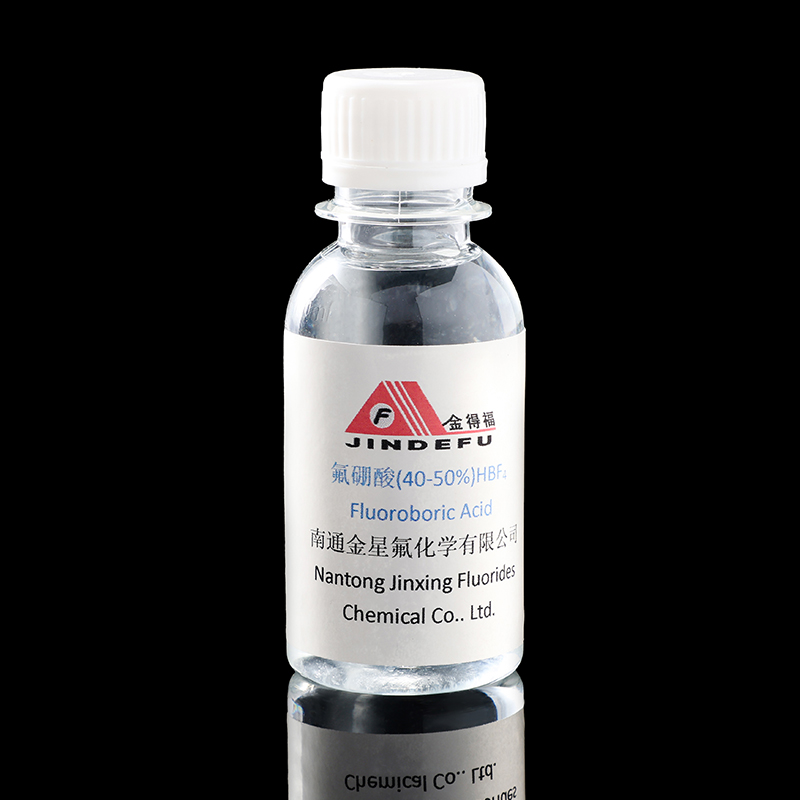 Fluoroboric Acid 42% for Electroplating and Fluoroborate ProductionReview 42% fluoroboric acid for fluoroborate preparation, electroplating electrolytes, organofluorine synthesis, and fluoroborate salt production; handling and packaging details are provided.View Product →
Fluoborate plating baths represent the largest single industrial outlet for fluoroboric acid, and the logic is straightforward. Metal fluoborates are among the most soluble metal salts available in aqueous solution, the baths conduct electricity efficiently, and the anion does not interfere with the metal being deposited. That combination supports high current densities without burning the deposit, which is exactly what continuous strip lines and high-throughput electronics plating operations require.
Tin fluoborate baths have been the workhorse of solderable coating deposition for decades. They are used for continuous plating of steel strip, for finishing component leads and connectors, and for depositing solderable layers where a consistent alloy composition matters more than raw chemical cost. A typical acid tin fluoborate bath runs somewhere in the range of 40 to 60 grams per liter of tin, 70 to 120 grams per liter of free fluoroboric acid, and around 20 to 30 grams per liter of boric acid, with organic addition agents controlling grain structure and brightness. Operating temperatures are usually between 15 and 30 degrees Celsius, with current densities from roughly 1 to 10 amperes per square decimeter in conventional lines and considerably higher in high-speed strip installations.
Tin-lead fluoborate baths are the classic choice for printed circuit board solder plating because they hold the tin-to-lead ratio steady over a long bath life. That stability is not a small detail. When the deposit composition drifts, solderability drifts with it, and reflow temperatures shift in ways that show up as defects downstream rather than at the plating tank. Additives such as peptone, gelatin, and hydroquinone are used to refine grain and control the deposit appearance, and anodes of matching alloy composition are typically bagged to limit sludge migration into the bath.
Copper fluoborate electrolytes are used where high deposition rates and low internal stress are both required, including heavy copper build-up and electroforming of molds and printing surfaces. Nickel fluoborate baths serve high-speed nickel plating and electroforming applications where the sulfamate route is not practical. Lead fluoborate baths have historically been used to deposit lead and lead-tin alloys for battery components, radiation shielding, and corrosion-resistant linings.
Electroforming deserves a separate mention because the requirements are stricter than decorative plating. The deposit has to build thick, release cleanly, and hold dimensional tolerances, so stress control and bath stability dominate the specification. Fluoborate systems handle that combination well, which is why they remain in use even where the chemical cost is higher than a sulfate bath.
| Bath family | Achievable metal concentration | Deposit and process character | Typical use | Main trade-off |
|---|---|---|---|---|
| Fluoborate | Very high; metal fluoborates are among the most soluble salts used in plating | Fine grain, high conductivity, good throwing power at elevated current density | Tin, tin-lead, copper, nickel, and lead plating and electroforming | Higher chemical cost, severe corrosivity, fluoride exposure risk |
| Sulfate | Moderate | Simple and inexpensive, tolerant of drag-in, but lower conductivity | General tin and copper plating | Coarser grain at high current density, heavier reliance on additives |
| Sulfamate | High, particularly for nickel | Low internal stress with good ductility | Nickel electroforming and heavy nickel build-up | Effectively nickel-specific and more expensive than sulfate |
| Methanesulfonate | High | Good solderability, comparatively favorable toxicity profile | Electronics tin and tin-lead replacement lines | Different waste treatment route and a different additive package |
Bath control on a fluoborate line usually centers on three measurements: metal concentration by titration or instrumental analysis, free fluoroboric acid by titration, and contamination by chloride, iron, and organic breakdown products. Chloride is particularly worth watching because it accumulates from drag-in and water quality, and elevated chloride changes deposit appearance and anode behaviour long before it causes a visible failure.
Aluminum and fluoroboric acid have a long working relationship, largely because aluminum carries an oxide layer that has to be removed or modified before any subsequent process will hold properly.
Before aluminum can be electroplated, the surface is normally prepared through a zincate sequence, and the etching and desmutting stages in that sequence frequently rely on fluoride chemistry. Fluoroboric acid contributes controlled fluoride activity with less aggressive fuming than a straight hydrofluoric acid addition, which matters in shops where ventilation capacity is limited and operator exposure is a real constraint. The acid removes smut and residual alloying constituents so the subsequent zinc layer deposits evenly.
Fluoroboric acid is used in the electrolytic brightening of aluminum and as a component of bright-dip and electrobrightening formulations where a smooth, specular surface is needed before anodizing or lacquering. It also appears as a throwing-power aid in plating baths generally, because raising the conductivity of the electrolyte helps deposit reach recessed areas of complex parts.
Beyond aluminum, fluoride-containing acid blends are used for pickling titanium, zirconium, and certain stainless grades, particularly where heat tint, scale, or tenacious oxide has to be removed without the aggressive base-metal attack that strong oxidizing acids can cause. In cleaning formulations, fluoroboric acid is chosen when a strong acid is required but oxidizing power is not. That distinction saves formulators from a common mistake: reaching for nitric acid to get acidity and then discovering that the oxidizing character damages the substrate or the downstream chemistry.
The catalysis uses of fluoroboric acid are less visible than plating but technically elegant. Because the anion is non-nucleophilic and non-oxidizing, the acid can protonate or activate a substrate without competing for the reaction center.
Fluoroboric acid is used as an acid catalyst in alkylation and polymerization reactions, and as an in-situ source of boron trifluoride in systems where BF3 is the active species. Applications include the alkylation of aromatic compounds, oligomerization and polymerization steps in specialty chemical production, curing of certain resin systems, and the manufacture of lubricant additives. In each case the value comes from having a very strong acid that does not introduce an oxidizing side reaction or a strongly coordinating counter-ion.
One of the most established organic chemistry uses is the preparation of diazonium tetrafluoroborate salts. Treating an aromatic amine with nitrous acid in the presence of fluoroboric acid produces a crystalline diazonium tetrafluoroborate, which is far more stable and easier to handle than many other diazonium salts. Thermal decomposition of that salt, the Balz-Schiemann reaction, is a standard route to aryl fluorides used in pharmaceutical and agrochemical intermediates.
Those same diazonium salts also appear in photosensitive coatings for lithographic printing plates and in dye chemistry, where the tetrafluoroborate counter-ion provides the stability the application needs.
The oilfield use of fluoroboric acid is a direct consequence of its slow hydrolysis. It is one of the clearer examples of a chemical property being converted into an engineering tool.
Hydrochloric acid dissolves carbonate, but sandstone damage usually involves clay, feldspar, and drilling solids that HCl will not touch. That is why HF-containing systems were introduced for sandstone stimulation. The problem with a straight HF and HCl mud acid blend is reaction rate. It spends itself within centimeters of the wellbore, which can collapse the formation face and leave the deeper damage untouched.
Fluoroboric acid solves that by generating HF gradually. At reservoir temperature the anion hydrolyzes over hours rather than seconds, releasing fluoride species deeper into the formation. Because the reaction is slow, the treatment can be designed to penetrate further before the acid is consumed. For this reason, fluoroboric acid systems are generally recommended for bottom-hole temperatures above roughly 65 degrees Celsius, where the hydrolysis rate is high enough to do useful work within a practical treatment window. Below that, the reaction may be too slow to be economic.
Two risks dominate treatment design. The first is precipitation. Fluoride species reacting with formation minerals can generate fluosilicates and fluoborates that precipitate if sodium, potassium, or other cations are available in the wrong place at the wrong time. Preflush design and acid volume selection exist largely to keep those species in solution until they can be produced back.
The second is corrosion. Fluoroboric acid is aggressive toward steel at elevated temperature, so corrosion inhibitors, inhibitor intensifiers, and sometimes organic acid blends are used to keep tubular damage within acceptable limits. In practice, fluoroboric acid is rarely used alone. It is formulated into a blend with HCl or an organic acid, with the fluoroboric component providing the deep-penetrating fluoride activity and the rest of the blend handling solubility and pH.
A large share of fluoroboric acid never reaches an end user in acid form. Instead it is neutralized with a hydroxide, carbonate, or ammonia to produce a fluoborate salt, and that salt goes on to its own application. This is why the salt family is so wide: sodium, potassium, ammonium, copper, tin, lead, zinc, nickel, and lithium fluoborates all exist and all serve different downstream needs.
The neutralization route also changes the hazard profile in the customer's plant. A solid fluoborate salt is far easier to store, dose, and ship than a 48% acid solution, even though both contain fluoride. For smaller operations without fluoride-rated handling infrastructure, buying the salt can be the more sensible decision. For higher-volume plating lines where free acid control is part of daily bath maintenance, buying the concentrated acid is usually more economical.
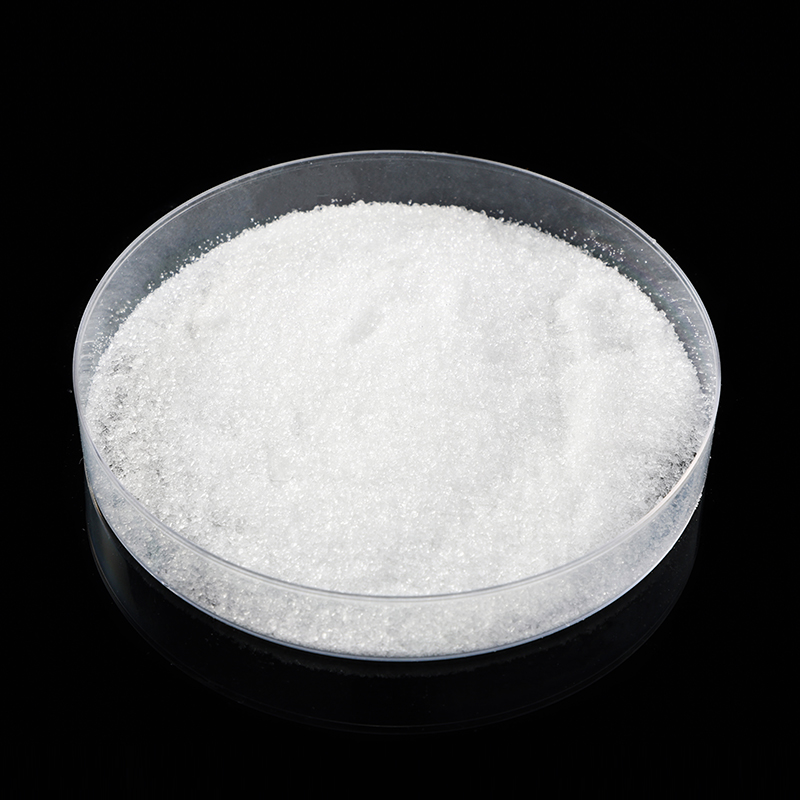 Sodium Fluoroborate ≥98% for Fluxes, Textiles, and ElectronicsA solid NaBF4 salt with ≥98% content, easier to store and dose than concentrated acid, used in fluxes, textile finishing, metallurgy, and electronics.View Product →
The electronics industry touches fluoroboric acid mostly through its salts rather than the free acid, but the connection is real and growing.
Fluoborate-based fluxes are used in component tinning, hot-air solder leveling, and brazing processes where a highly active flux is required. The fluoborate provides the activation without the residue problems associated with some chloride-based systems. Potassium tetrafluoroborate in particular is a common flux ingredient and is also used as an active filler in abrasive products, where its thermal behaviour contributes to the grinding action.
Fluoroborate salts appear in electrolyte formulations for certain capacitor types and have become more prominent in energy storage research. Lithium tetrafluoroborate is one of the established lithium battery electrolyte salts, and tetraethylammonium tetrafluoroborate is a standard electrolyte in electrochemical double-layer supercapacitors because of its high conductivity and wide electrochemical window in organic solvents. These are salt applications rather than acid applications, but they start from the same fluoroboric acid production route.
Tetrafluoroborate ionic liquids occupy a well-defined niche as solvents and electrolytes with low volatility and good thermal stability. They are used in electrochemistry research, catalysis, and as media for separations where conventional solvents would evaporate or react.
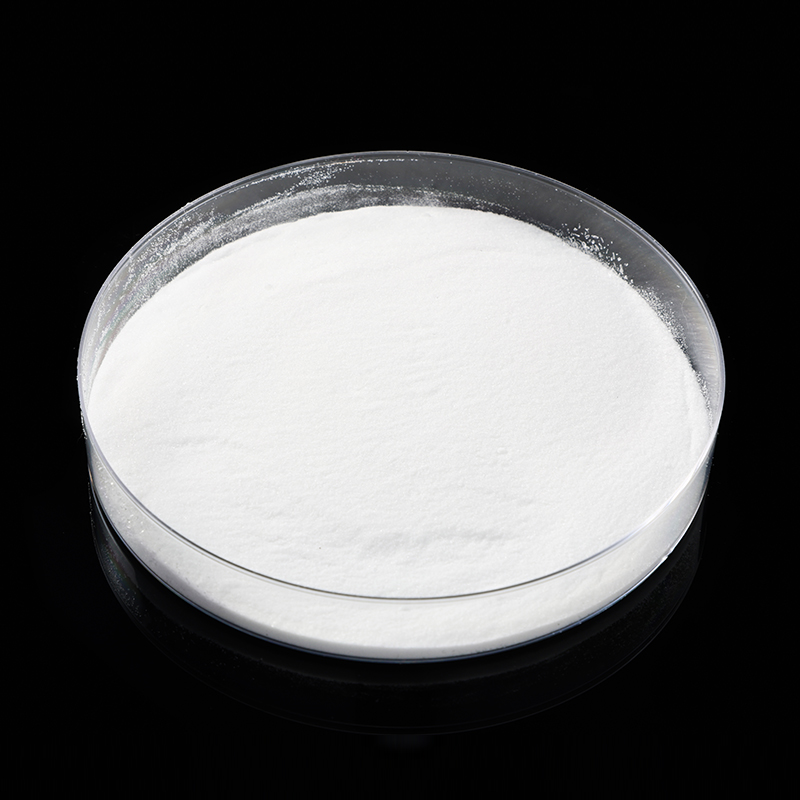 Potassium Tetrafluoroborate ≥99% for Welding Fluxes and ElectrochemistryA ≥99% KBF4 powder for brazing fluxes, aluminum-magnesium casting, electrochemical experiments, battery electrolytes, and metal surface treatment.View Product →
Fluoroboric acid attacks silicate materials, and that is precisely why it is not stored in glass and also why it is used to etch it. In controlled etching and frosting baths, the acid supplies fluoride activity that reacts with silica to produce soluble species and a matte or satin surface. The reaction has to be managed carefully, because the same chemistry that produces an even frost can produce uneven attack, pitting, or over-etching if concentration and contact time are not tightly controlled.
In ceramics, fluoroborate compounds function as fluxing agents in glaze formulations, lowering melting temperature and modifying surface finish. In analytical laboratories, fluoroboric acid is used to dissolve silicate and refractory samples before elemental analysis, because it keeps fluoride-sensitive analytes in solution without introducing an oxidizing matrix.
The general lesson from these applications is the same one that runs through the entire article. Fluoroboric acid is chosen when a strong acid is needed but oxidizing power and strong metal complexation are not. Where glass attack is a problem, that is a materials selection issue. Where glass attack is the objective, it is the process.
Buying fluoroboric acid on concentration alone is a common and expensive mistake. Two suppliers can both quote 48% and deliver solutions with very different downstream behaviour, because the specification that matters is not just assay but the impurity profile and the concentration of free fluoride species.
| Parameter | Typical target or range | Why it matters |
|---|---|---|
| HBF4 assay | 48-50% for standard grades | Determines dosing calculations and bath free-acid control |
| Free fluoride and HF content | Low and consistent batch to batch | Affects fuming, corrosion rate, and operator exposure |
| Chloride | Held to a low specified maximum | Accumulates in plating baths and changes deposit appearance |
| Sulfate | Low, with a defined ceiling | Alters conductivity and can co-deposit in some systems |
| Silica and fluosilicic acid | Low | Indicates hydrolysis or raw material quality issues |
| Iron, lead, arsenic, antimony, copper | Tight trace metal limits | Directly affect deposit purity, brightness, and bath life |
| Appearance and suspended solids | Clear, free of visible particulate | Particulate causes pitting and requires filtration |
| Packaging | 25 L and 200 L HDPE drums, 1000 L IBC, ISO tanks | Materials must be fluoride-compatible and vented correctly |
Where fluoroboric acid is destined for a plating line, the trace metal specification usually matters more than any other single line on the certificate. Iron and copper at levels that would be irrelevant in an oilfield blend can destroy brightness and ductility in a tin or tin-lead bath. Where the acid is destined for oilfield blending, free fluoride content and consistency of assay matter more, because the treatment is designed around a specific hydrolysis rate and a specific corrosion profile.
Batch consistency deserves more attention than it usually receives. A plating line that changes raw material supplier mid-campaign often discovers the difference in additive response, not in assay. This is why industrial buyers increasingly ask for multi-batch retention samples, historical certificate of analysis data, and a supplier willing to discuss how the acid is produced rather than just what the shipment assays at.
Fluoroboric acid is classified as a corrosive material that causes severe skin burns and serious eye damage. The important nuance is that the hazard is not only acid burn. Because the compound can release hydrogen fluoride, exposure carries a fluoride-specific risk that requires different first aid than a routine acid splash.
Hydrogen fluoride burns can be delayed, which means an operator who feels nothing immediately may still develop serious tissue damage. Any skin contact should be treated as urgent: flush the area thoroughly with water for at least fifteen minutes, apply calcium gluconate gel where protocol and training allow, and seek medical attention. Eye contact requires immediate irrigation and emergency care. Engineering controls come first: local exhaust ventilation at tanks and transfer points, closed transfer systems where feasible, and continuous monitoring in enclosed spaces.
Spill response should be planned before the first drum arrives. Dike and contain the material, absorb with inert material, and neutralize with lime or soda ash. Do not allow fluoride-bearing washdown to enter drains without treatment, because fluoride discharge limits are tightly regulated in most jurisdictions. Empty containers retain residue and should be handled as hazardous waste unless they have been properly cleaned and documented.
The practical decision at the end of all this is usually simpler than the chemistry suggests. Ask one question first: does the process need free acid, or does it need the anion?
If the process needs a strong, non-oxidizing acid with a poorly coordinating anion, buy fluoroboric acid. That covers fluoborate plating baths where free acid is titrated daily, brightening and pickling lines, catalysis, and oilfield blends. If the process needs the tetrafluoroborate anion in a form that is easier to store and dose, buy a fluoborate salt. That covers fluxes, plating bath concentrates, abrasive fillers, flame retardants, and electrolyte applications.
Then ask about the specification that actually governs performance in your process. For a plating line, that is trace metals and chloride. For an oilfield blend, it is free fluoride content and assay consistency. For a flux manufacturer, it is particle size and purity of the salt. Getting that specification right at the purchase order stage is cheaper than correcting it in the tank.
Nantong Jinxing Fluorides Chemical Co., Ltd. has manufactured inorganic fluorides since 1975 and now produces both fluoroboric acid and a series of fluoborate salts, including ammonium, potassium, and sodium fluoroborate, alongside fluorotitanate and fluorozirconate compounds. That breadth matters when a process needs to switch between acid and salt forms, or when a bath recipe calls for two products from the same fluoride family and the buyer would rather manage one supplier relationship than four.
The short version: fluoroboric acid is used wherever a formulator needs a very strong acid that does not oxidize, does not strongly complex metals, and releases fluoride on a controlled schedule. Plating, aluminum finishing, catalysis, oilfield stimulation, and salt manufacture are the five places that requirement shows up most often, and each one is a direct consequence of the tetrafluoroborate anion rather than an accident of industrial history.
Copyright © 2023 Nantong Jinxing Fluorides Chemical Co., Ltd. All Rights Reserved.
 Custom Fluorine Chemical Suppliers