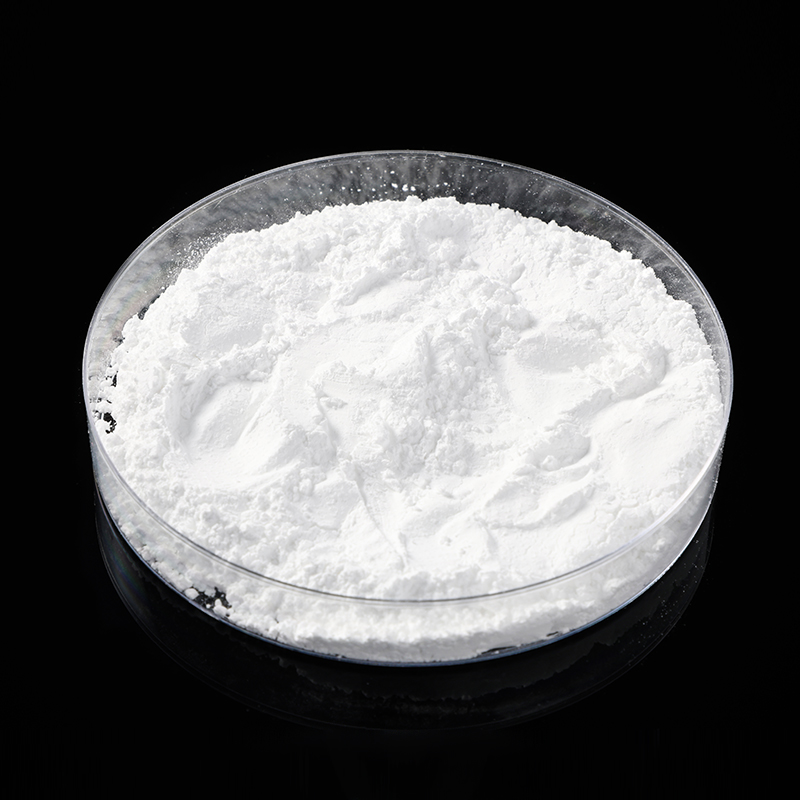
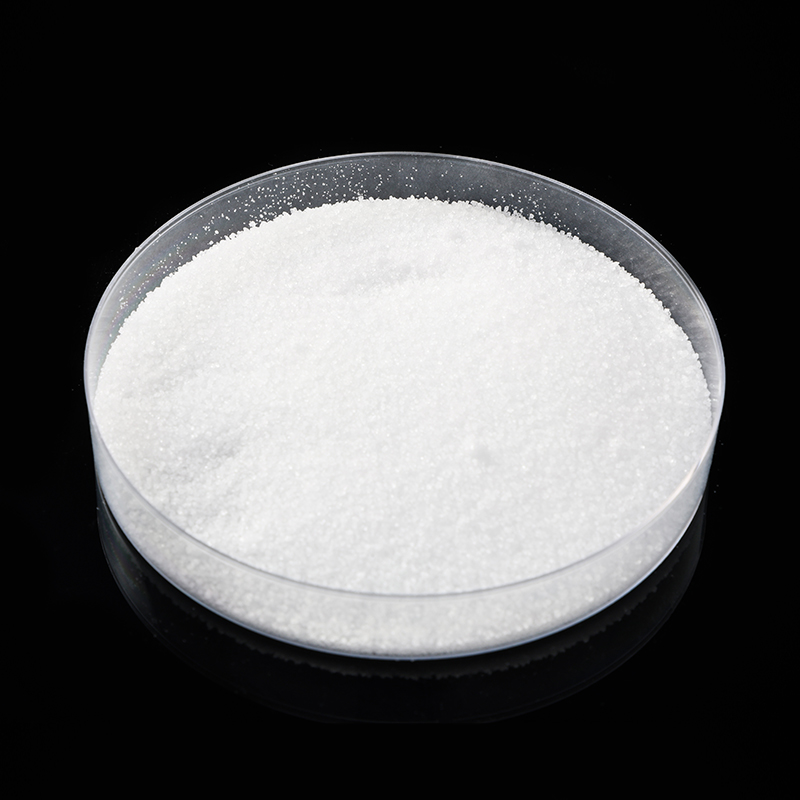
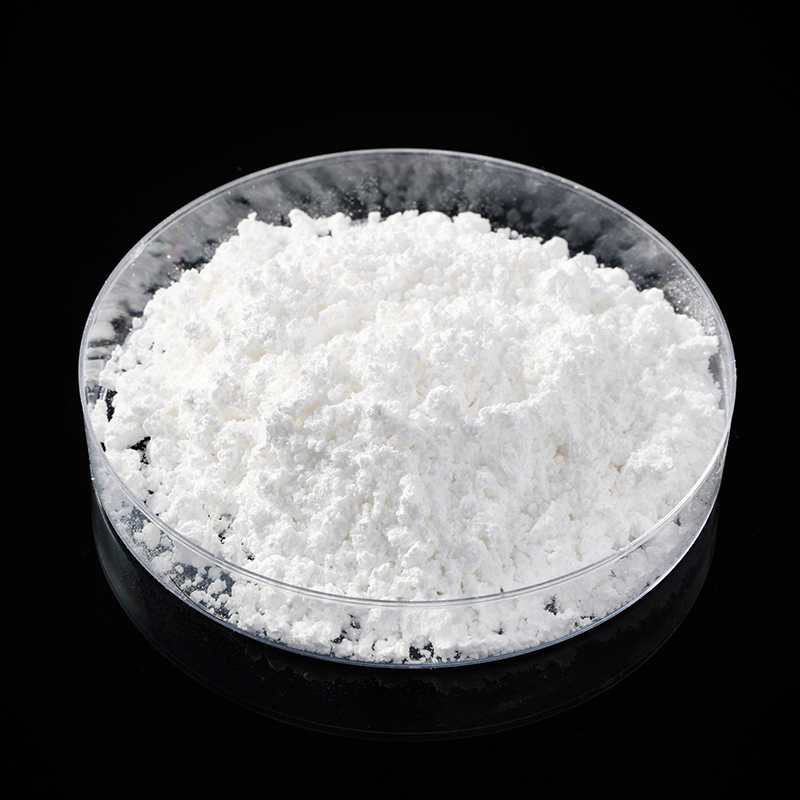
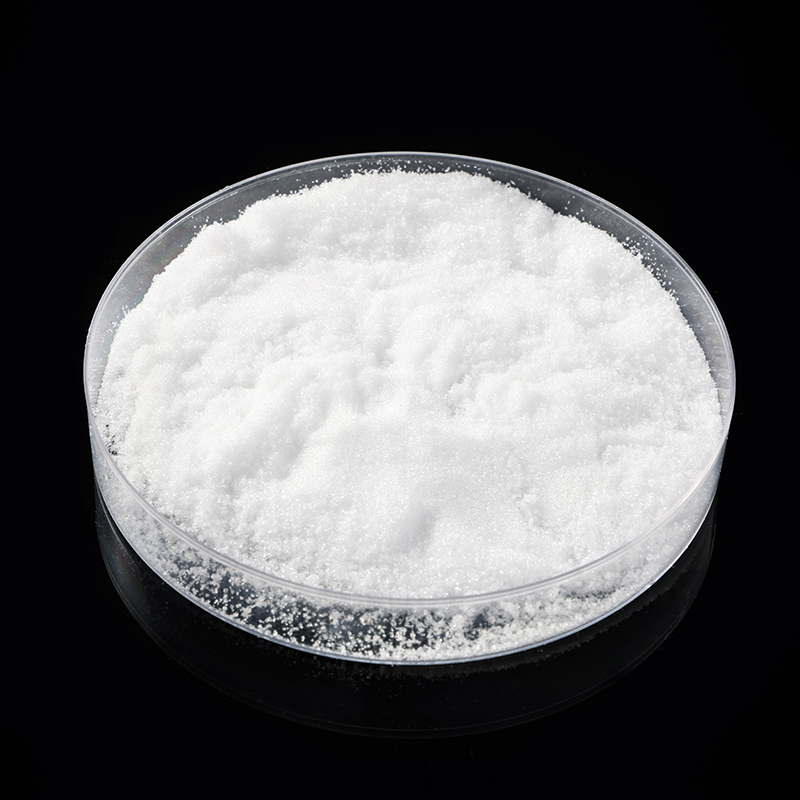
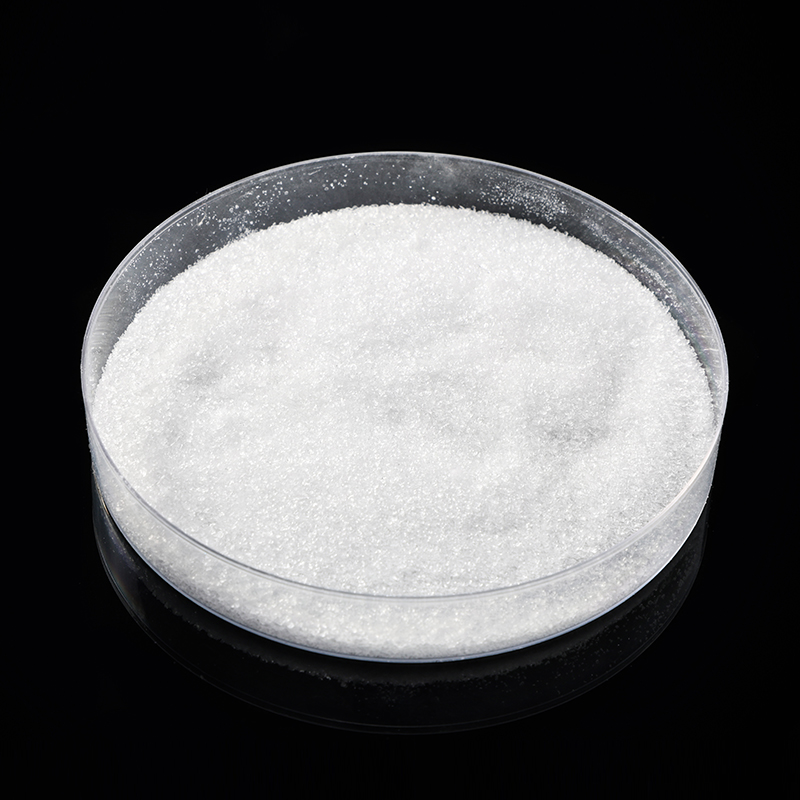
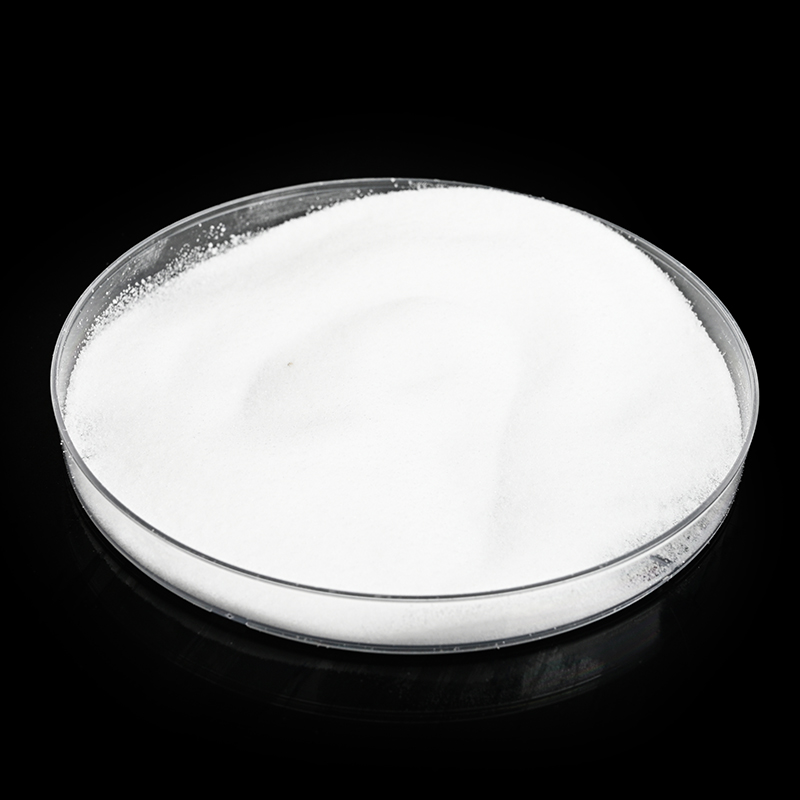
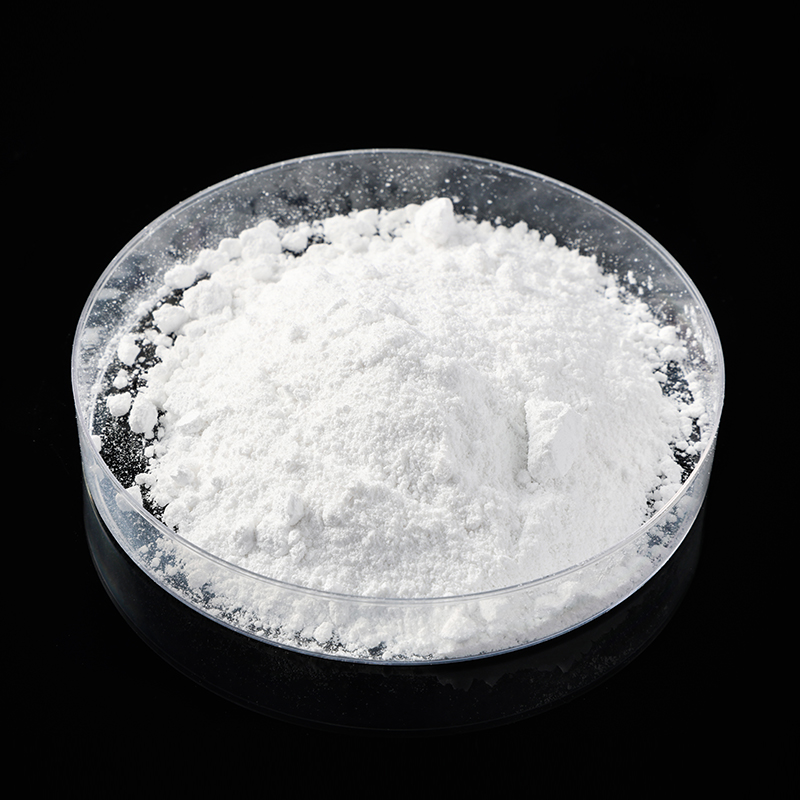
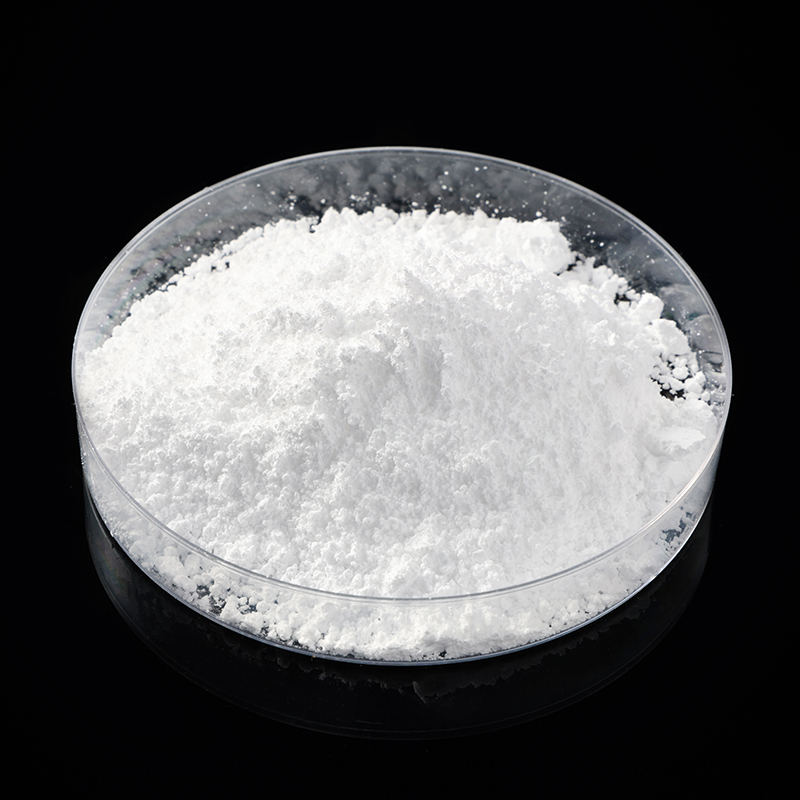
Lithium fluoride is an inorganic crystalline compound that plays a critical role in several high technology industries, ranging from advanced optics and nuclear energy to metallurgy and electrochemical energy storage. Chemically designated as LiF, this alkali halide is composed of lithium and fluorine in a tightly bound ionic lattice. Despite having a simple chemical structure, lithium fluoride possesses a unique combination of physical and chemical properties that make it irreplaceable in many demanding scientific and industrial applications.
To evaluate the versatility of this compound, one must examine its thermal, optical, and nuclear characteristics. Lithium fluoride has the widest bandgap of any known material, which grants it unparalleled optical transparency across a broad spectrum of wavelengths. Additionally, its high thermal stability, coupled with specific nuclear properties, makes it a cornerstone material in modern nuclear physics and clean energy research.
This comprehensive guide explores the primary uses of lithium fluoride, detailing the scientific mechanisms that make this substance so valuable across diverse sectors.
The optics industry is one of the primary consumers of high purity lithium fluoride, particularly in the form of synthetically grown single crystals. The unique physical structure of these crystals allows for the transmission of light across an exceptionally broad range of electromagnetic radiation.
Lithium fluoride single crystal optics are widely regarded as the gold standard for applications requiring vacuum ultraviolet transmission. The bandgap of lithium fluoride is approximately 13.6 electron volts, which is the highest bandgap of any solid material. This wide energy gap means that valence electrons require an immense amount of energy to be excited to the conduction band, allowing photons of extremely high energy and short wavelength to pass through the material without being absorbed.
Consequently, lithium fluoride can transmit electromagnetic radiation down to 120 nanometers, which lies deep within the vacuum ultraviolet range. This capability makes lithium fluoride window components and lenses indispensable for vacuum ultraviolet spectrophotometers, high energy laser systems, and space-based astronomical observatories that study ultraviolet emissions from distant stars.
At the other end of the spectrum, the material remains transparent well into the infrared region, transmitting wavelengths up to approximately six micrometers. This dual capability allows optical designers to utilize lithium fluoride in specialized multi spectral imaging systems that require a single lens or window to perform under both ultraviolet and infrared conditions.
Beyond transmitting light, the highly ordered cubic lattice structure of lithium fluoride makes it an excellent tool for manipulating high energy electromagnetic waves. In x-ray spectroscopy, lithium fluoride crystals are extensively utilized as monochromators and analyzing crystals.
When a beam of polychromatic x-rays strikes the cleaved surface of a lithium fluoride crystal, the closely spaced atomic planes diffract the incoming radiation according to Bragg's law. Because the interplanar spacing of the lithium fluoride crystal lattice is highly consistent and precisely known, the crystal can separate complex x-ray spectra into individual, highly precise wavelengths.
This diffraction capability is critical for analytical instruments used in elemental analysis, material science research, and particle physics experiments, where scientists must identify the exact chemical composition of unknown samples with extreme accuracy.
The interaction of lithium fluoride with ionizing radiation has made it a foundational material in the field of radiation protection, medical physics, and personal dosimeter manufacturing.
When lithium fluoride is doped with specific trace impurities, most commonly magnesium and titanium, it exhibits a fascinating physical phenomenon known as thermoluminescence. In this modified state, the compound acts as a solid state integrator of ionizing radiation.
When exposed to high energy radiation such as x-rays, gamma rays, or beta particles, the ionizing radiation excites electrons within the crystal lattice, pushing them from the valence band to the conduction band. Instead of falling back down immediately and emitting light, these excited electrons become trapped in localized energy states created by the dopant impurities. These traps are thermally stable at room temperature, meaning the electrons remain locked in their high energy states indefinitely, effectively storing a record of the radiation dose received by the crystal.
To read the stored information, the crystal is placed inside a reader and heated in a controlled manner. As the temperature rises, it provides the trapped electrons with the thermal energy required to escape their traps and return to the valence band. During this relaxation process, the electrons release their excess energy in the form of visible light photons. The total intensity of the emitted light is directly proportional to the amount of ionizing radiation the crystal absorbed during its exposure period.
This thermoluminescent property is utilized to manufacture thermoluminescent dosimeter badges, which are widely worn by medical staff, nuclear power plant workers, and laboratory personnel who operate in environments with radiation hazards.
The primary advantage of using lithium fluoride for personal dosimetry is its remarkable tissue equivalence. The effective atomic number of lithium fluoride is approximately 7.4, which is extremely close to the effective atomic number of human soft tissue, which is about 7.2. This means that lithium fluoride absorbs and scatters ionizing radiation in a manner that almost perfectly mimics human flesh.
Therefore, the radiation dose measured by a lithium fluoride badge provides an exceptionally accurate representation of the actual radiation dose absorbed by the wearer's body. Furthermore, these dosimeters are highly sensitive, capable of measuring minute amounts of radiation, and can be cleared and reused hundreds of times simply by heating them to a high temperature to empty all electron traps, a process known as annealing.
The thermal and nuclear characteristics of lithium fluoride have positioned it as a key material in the development of next generation clean energy systems, particularly in advanced nuclear reactor designs.
In the pursuit of safer, more efficient nuclear energy, molten salt reactors have emerged as a highly promising technology. These reactors utilize a liquid mixture of molten fluoride salts as both the fuel carrier and the primary coolant.
Lithium fluoride is a major component of these specialized salt mixtures, most notably in the lithium fluoride and beryllium fluoride eutectic blend, commonly referred to as FLiBe. The selection of lithium fluoride for this high temperature application is driven by several critical physical parameters. It possesses an exceptionally high thermal capacity, allowing it to transfer massive amounts of heat away from the reactor core.
Additionally, lithium fluoride has a very high boiling point, remaining in a stable liquid state at temperatures exceeding one thousand four hundred degrees Celsius, which allows reactors to operate at high temperatures without requiring heavy, expensive high pressure containment vessels.
When utilizing lithium fluoride in a nuclear reactor environment, the isotopic composition of the lithium is of paramount importance. Natural lithium consists of two stable isotopes, lithium-6 and lithium-7.
Lithium-6 has an extremely high cross section for thermal neutron absorption, meaning it readily captures free neutrons inside the reactor core. When a lithium-6 atom absorbs a neutron, it undergoes a nuclear reaction that produces tritium, which is a radioactive isotope of hydrogen that is difficult to contain at high temperatures and poses significant safety risks.
To prevent this issue, nuclear grade lithium fluoride must undergo rigorous isotopic separation to enrich the lithium-7 isotope to a purity exceeding 99.99 percent. Lithium-7 has an incredibly low neutron capture cross section, which ensures that the molten salt coolant does not absorb the vital neutrons needed to sustain the nuclear fission chain reaction, while also minimizing the production of hazardous tritium gas.
Conversely, the high neutron absorption capability of the lithium-6 isotope is actively exploited in other nuclear applications. Lithium fluoride enriched with lithium-6 is widely utilized in neutron detection instruments.
When a slow neutron collides with a lithium-6 nucleus within a detector, it triggers an alpha decay reaction that yields a helium-4 nucleus and a tritium nucleus. This reaction releases a highly predictable amount of kinetic energy, which can be easily detected and converted into an electrical signal.
Furthermore, lithium-6 enriched lithium fluoride is incorporated into radiation shielding materials, concrete additives, and protective coatings for facilities housing nuclear reactors or particle accelerators, providing an effective barrier against stray neutron radiation.
As the global demand for high performance energy storage continues to rise, lithium fluoride has found increasingly critical roles in the optimization of rechargeable battery systems and optoelectronic devices.
In modern lithium ion batteries, the solid electrolyte interphase, commonly referred to as the SEI layer, is a thin, protective passivating film that forms on the anode surface during the very first charging cycle. The quality and stability of this layer are crucial for determining the overall lifespan, safety, and efficiency of the battery.
Lithium fluoride is a highly desirable component of this interphase layer. It is an electrical insulator, which prevents the continuous decomposition of the liquid electrolyte, but it allows for the rapid transport of lithium ions between the anode and cathode.
By deliberately introducing lithium fluoride additives into the battery electrolyte or directly pre coating the lithium metal anodes, manufacturers can create a highly uniform, mechanically robust SEI layer. This robust layer prevents the formation of lithium dendrites, which are microscopic, needle like structures that can grow across the separator, causing short circuits, rapid battery degradation, and potential thermal runaway events.
In the manufacturing of organic light emitting diodes, which are widely utilized in modern smartphone displays and television screens, lithium fluoride is used as a highly effective interface modification layer.
In these multi layered devices, a microscopically thin layer of lithium fluoride, typically measuring less than one nanometer in thickness, is deposited between the organic electron transporting layer and the metallic aluminum cathode. Although lithium fluoride is technically an electrical insulator in bulk form, at this ultra thin scale, it acts as an electron injection promoter.
The presence of the lithium fluoride layer creates a favorable dipole moment at the metal to organic interface, which effectively lowers the work function of the aluminum cathode. This reduction in the energy barrier allows electrons to flow much more easily into the organic layers of the device, significantly improving the overall luminous efficiency, reducing operating voltage, and extending the operational lifetime of the display panel.
Beyond high technology optics and advanced energy systems, lithium fluoride is widely consumed in more traditional industrial manufacturing processes, where its chemical reactivity and thermal properties are highly valued.
In the metallurgical industry, lithium fluoride serves as a powerful fluxing agent during high temperature metal joining operations, particularly when working with aluminum and its various alloys.
Aluminum naturally forms a tough, highly stable oxide skin on its surface when exposed to air. This oxide layer has a much higher melting point than the underlying metal, preventing clean welding, brazing, or soldering.
When a flux containing lithium fluoride is applied to the joint and heated, the compound reacts chemically with the aluminum oxide, dissolving it and exposing the clean, unoxidized metal beneath. This allows the filler metal to wet the surface smoothly and form a strong, defect free bond. Additionally, the low melting point of lithium fluoride helps lower the overall processing temperature of the flux, protecting the delicate grain structure of the aluminum alloys from thermal damage.
In the ceramics and glass manufacturing sectors, lithium fluoride is utilized to modify the physical characteristics of glazes, enamels, and specialized glass formulations.
When added to a ceramic glaze recipe, lithium fluoride acts as a powerful flux, significantly reducing the melting temperature of the silica mixture. This allows ceramic artists and industrial manufacturers to fire their products at lower temperatures, saving energy and reducing wear on kilns.
Furthermore, the introduction of lithium ions into the glass matrix reduces the thermal expansion coefficient of the final glaze, preventing the common defect known as crazing, which occurs when a glaze contracts more than the underlying ceramic body during cooling. The resulting glazes are highly glossy, chemically durable, and resistant to mechanical scratching, making them ideal for high end tableware, sanitary ware, and industrial chemical vessels.
To help materials scientists choose the best compound for their specific applications, the table below compares the unique characteristics of lithium fluoride against other widely used metal fluoride crystals.
|
Material Property |
Lithium Fluoride |
Calcium Fluoride |
Magnesium Fluoride |
|---|---|---|---|
|
Crystal Symmetry |
Cubic, rock salt structure |
Cubic, fluorite structure |
Tetragonal, rutile structure |
|
Transmission Range |
Exceptionally wide; 120 nanometers to 6 micrometers |
Wide; 130 nanometers to 9 micrometers |
Wide; 110 nanometers to 7.5 micrometers |
|
Cleavage Properties |
Cleaves easily along the one zero zero plane |
Cleaves easily along the one one one plane |
Difficult to cleave; highly resistant to splitting |
|
Water Solubility |
Slightly soluble in water; requires dry storage |
Practically insoluble; highly resistant to moisture |
Insoluble; suitable for outdoor and harsh environments |
|
Primary Industry Role |
Vacuum ultraviolet optics, personal dosimetry, battery interfaces |
Infrared thermal imaging windows, excimer laser optics |
Antireflective lens coatings, high durability windows |
|
Mechanical Hardness |
Relatively soft; prone to scratching and plastic deformation |
Moderate hardness; easily polished to high precision |
Highly hard; resistant to physical abrasion and wear |
As with many fluorine containing compounds, working with lithium fluoride requires a thorough understanding of its chemical hazards and the implementation of strict safety protocols to protect workers and research staff.
Lithium fluoride exhibits moderate to high toxicity depending on the route of exposure. When dissolved or ingested, the compound releases both lithium and fluoride ions into the body.
Excessive absorption of fluoride ions can disrupt calcium metabolism, leading to a condition known as hypocalcemia, which can cause cardiac arrhythmias and severe nervous system complications. Long term, chronic exposure to fluoride dust can result in skeletal fluorosis, which manifests as dense, brittle bones and severe joint pain.
Meanwhile, elevated levels of lithium in the bloodstream can impact central nervous system function, leading to tremors, slurred speech, and potential kidney damage. Therefore, personnel working with raw lithium fluoride powder must wear appropriate personal protective equipment, including respirators, chemical resistant gloves, and safety goggles to prevent inhalation, ingestion, or direct skin contact.
The physical properties of lithium fluoride also dictate how the material must be stored and maintained over time. Unlike many other halide crystals, lithium fluoride is slightly soluble in water.
If an optical window made of lithium fluoride is exposed to high humidity, moisture in the air will slowly attack the polished surfaces, causing them to fog up and lose their optical clarity. To prevent this degradation, high end lithium fluoride optics must be stored in specialized desiccator cabinets maintained at very low relative humidity levels, or kept within sealed, temperature controlled optical enclosures.
When cleaning these sensitive components, standard water based cleaning solutions must be strictly avoided. Instead, optical technicians utilize specialized, dry solvents such as high purity isopropyl alcohol or anhydrous ethanol applied gently with non abrasive lens tissues to remove dust and fingerprints without etching the delicate crystal surface.
Copyright © 2023 Nantong Jinxing Fluorides Chemical Co., Ltd. All Rights Reserved.
 Custom Fluorine Chemical Suppliers




 English
 中文简体
中文简体 Español