

 English
 中文简体
中文简体 Español
Home / News / Industry News / Why Is Potassium Bifluoride Essential for Glass Etching, Metal Treatment and More?
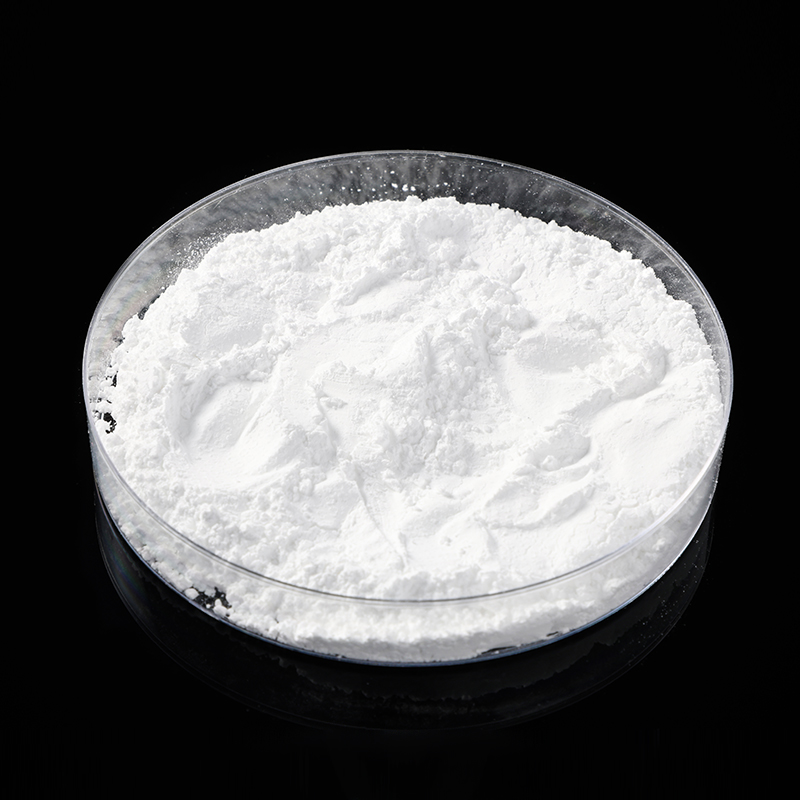
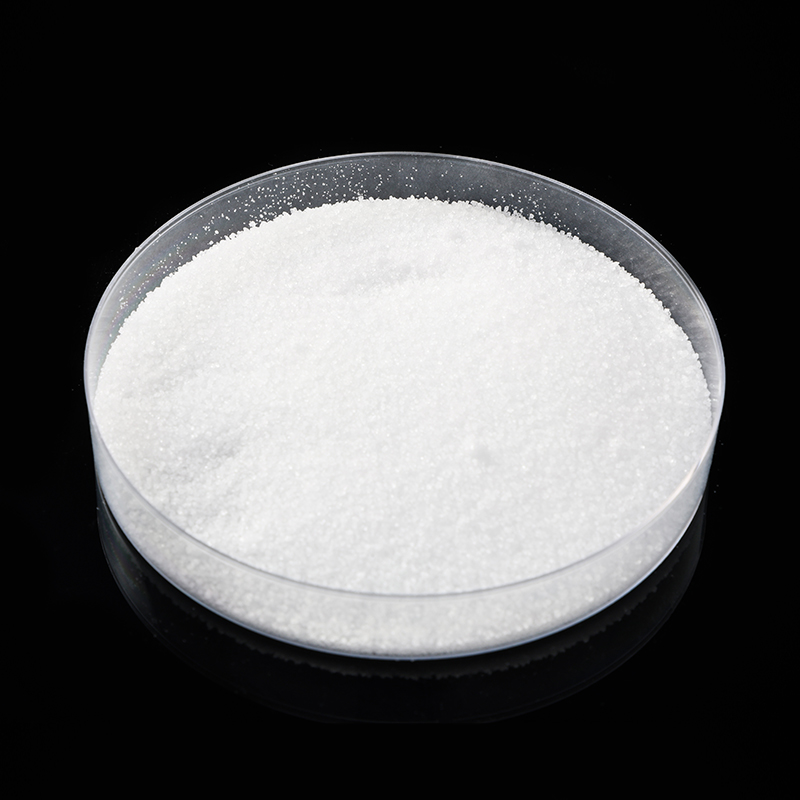
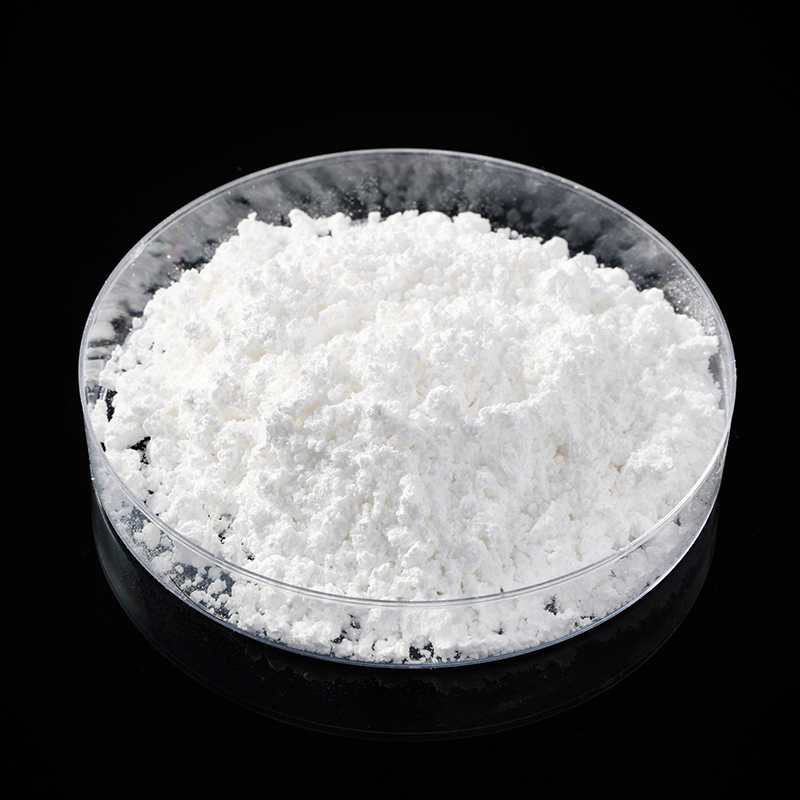
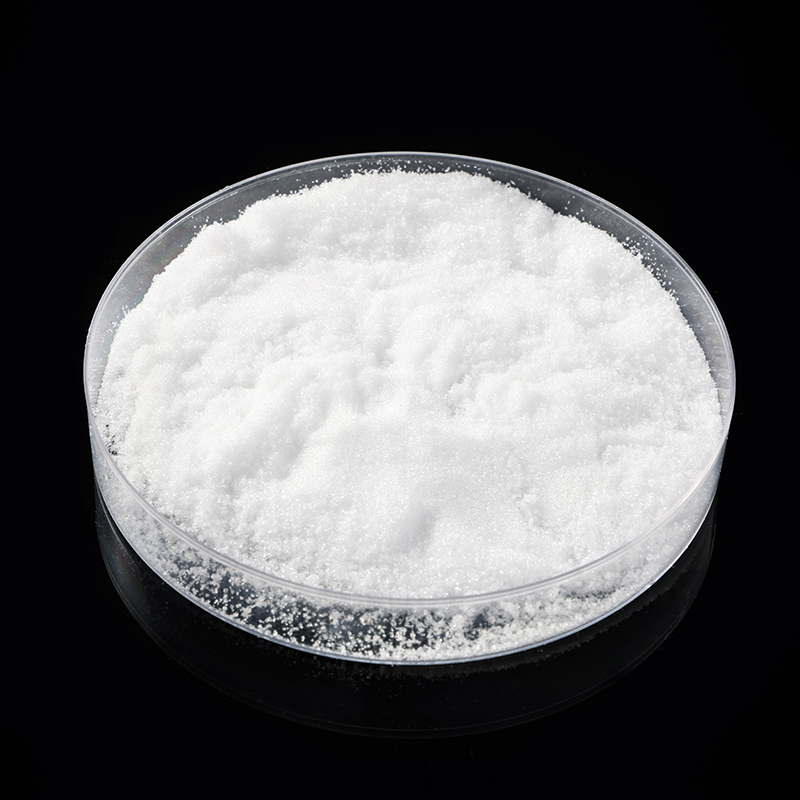
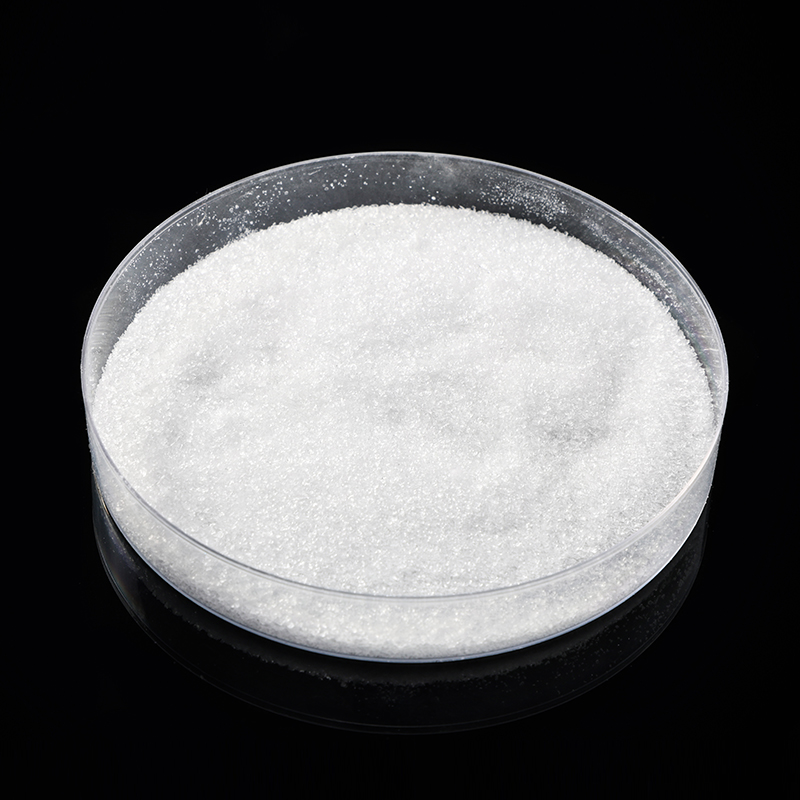
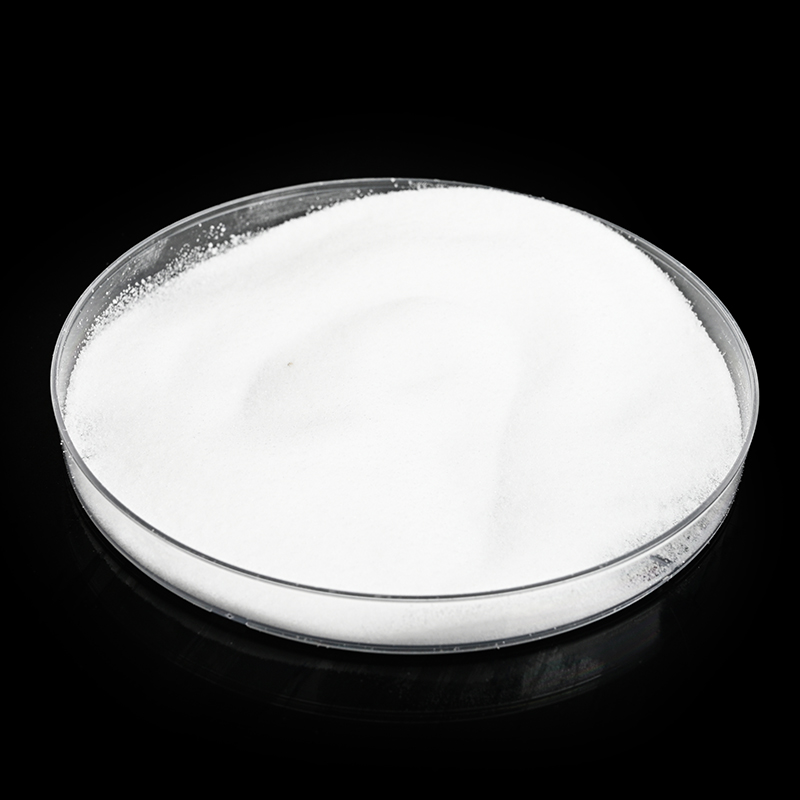
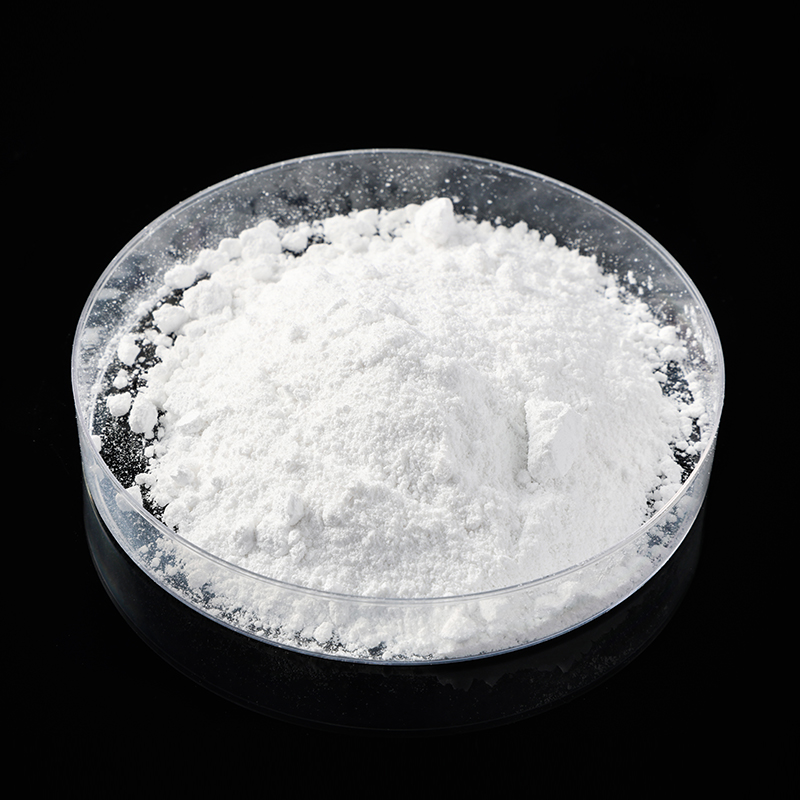
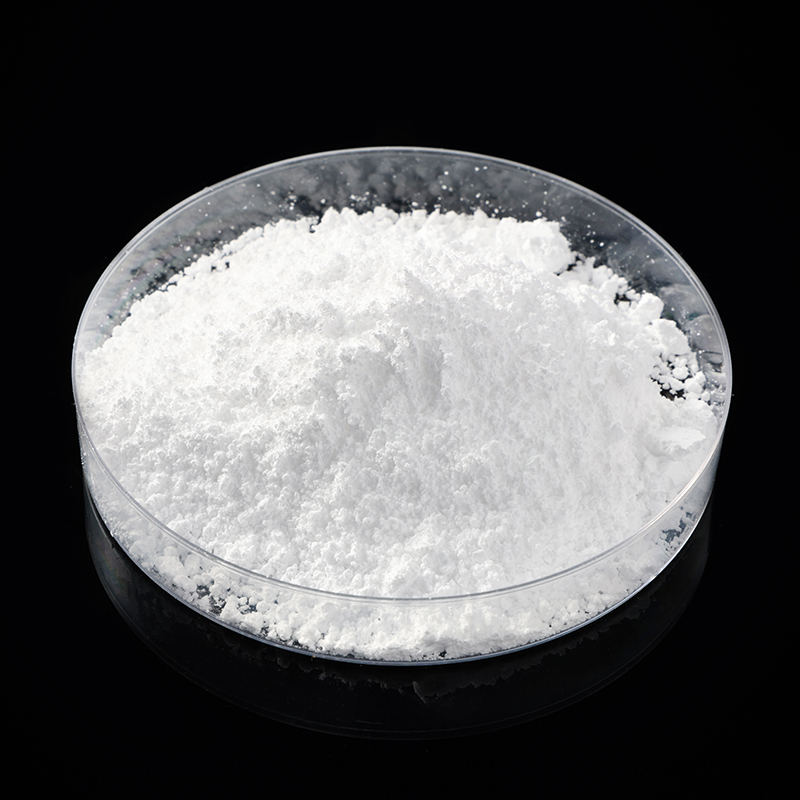
Understanding the fundamental properties of potassium bifluoride is essential for anyone working with or specifying this compound. KHF₂ has a molecular weight of approximately 78.1 g/mol and a density of 2.37. It appears as white, hygroscopic crystals, meaning it absorbs moisture from the air if left exposed. In dry air, the compound remains stable, but in moist conditions, it releases hydrogen fluoride (HF) gas, which is highly corrosive and toxic[reference:4][reference:5].
Perhaps the most significant chemical property is its behaviour in water. KHF₂ is highly soluble in cold water, dissolving up to 392 g/L. However, it decomposes in hot water, breaking down into potassium fluoride (KF) and hydrofluoric acid (HF)[reference:6]. The resulting acidic solution (with a pH typically below 7) can etch glass and react with silicate-based materials. The compound itself is stable at room temperature but decomposes when heated above 239°C (approximately 225-239°C depending on grade), releasing toxic fumes of HF and other fluorinated compounds[reference:7][reference:8].
The bifluoride anion [HF₂]⁻ contains a strong hydrogen bond between the hydrogen and two fluorine atoms. This unique structure allows the compound to act as both a source of fluoride ions (F⁻) and a fluorinating agent, making it highly versatile in chemical synthesis. When dissolved in water, the bifluoride anion dissociates, establishing an equilibrium that releases a small but significant concentration of HF. This controlled release of hydrofluoric acid is the basis for many of its industrial applications, from glass etching to metal cleaning[reference:9].
The industrial production of high-purity potassium bifluoride is a straightforward but carefully controlled chemical process. The primary method involves the reaction of hydrofluoric acid (HF) with a potassium-containing base, typically potassium hydroxide (KOH) or potassium carbonate (K₂CO₃). The most direct route is the controlled mixing of anhydrous hydrogen fluoride (liquid) with potassium hydroxide, followed by drying to form a crystalline powder[reference:10].
The reaction proceeds as follows:
KOH + 2HF → KHF₂ + H₂O
Alternatively, using potassium carbonate as the starting material:
K₂CO₃ + 4HF → 2KHF₂ + CO₂ + H₂O[reference:11]
To achieve a high-purity final product (typically 98% to 99%+), the reaction conditions must be tightly controlled to ensure complete conversion and minimize impurities such as chlorides, sulphates, and heavy metals. Leading global manufacturers operate under strict quality management systems to produce KHF₂ that meets the specifications required for critical end-uses. In China and India, where a significant portion of global production is located, manufacturers such as Solvay, Tanfac Industries, Fengyuan Group, and Zhejiang Hailan Chemical Group dominate the supply landscape[reference:12][reference:13].
After synthesis, the product is typically dried, screened, and packaged. Standard packaging includes 25 kg HDPE bags with liners, 100 kg HMHDPE drums, or fibre board drums, all suitable for transport as a Class 8 corrosive substance with Packing Group II[reference:14].
The versatility of potassium bifluoride is reflected in its wide range of industrial applications. In the sections below, we explore the most important uses in detail.
One of the most well-known applications of potassium bifluoride is in the glass industry, where it serves as a highly effective etching agent. When an aqueous solution of KHF₂ is applied to a glass surface, the hydrofluoric acid released reacts with silica (SiO₂), the main component of glass. The reaction produces silicon tetrafluoride (SiF₄) and water, gradually dissolving the surface layer and creating a frosted or matte finish[reference:15].
This controlled etching process is used to create decorative glassware, frosted panels for privacy screens, elegant beverage containers, and even precision-etched electronic display panels. Manufacturers favour KHF₂ over pure hydrofluoric acid because it offers better control and safer handling characteristics. A patent from 1988 specifically describes aqueous potassium bifluoride as the preferred etching medium for producing matted glass, enabling consistent chemical polishing across large surface areas[reference:16]. In the production of optical glass, particularly crown and crown flint glass, KHF₂ is also employed to enhance surface properties and achieve specific refractive characteristics[reference:17].
The compound can also act as a flux in glass manufacturing, lowering the melting point of glass compositions and facilitating the glass formation process. This dual role of etchant and flux makes KHF₂ a valuable tool in specialised glassmaking[reference:18].
In metalworking, particularly for aluminum and its alloys, potassium bifluoride plays a critical role in surface preparation. Prior to coating, painting, or bonding, metal surfaces must be free of oxides and other impurities. KHF₂ acts as a highly effective etchant, selectively dissolving aluminum oxide (Al₂O₃) while leaving the base metal largely unaffected[reference:19].
The compound’s ability to remove oxide layers ensures that subsequent treatments – whether anodizing, painting, or adhesive bonding – adhere properly and perform reliably. This surface treatment application is particularly important in the automotive and aerospace industries, where aluminum components are extensively used. One supplier notes that KHF₂ “acts as an etchant, removing oxides and impurities from metal surfaces prior to further treatment such as coating, painting, or bonding”[reference:20].
Furthermore, KHF₂ is employed in metal cleaning formulations. Its controlled release of HF provides gentle yet effective cleaning of metal parts, removing scale, rust, and other contaminants without the extreme hazards associated with handling pure hydrofluoric acid.
Potassium bifluoride is a key component in flux formulations for silver soldering and brazing. Flux serves a vital role in welding: it removes surface oxides, prevents further oxidation during the heating process, and promotes the flow of the molten filler metal. KHF₂, often combined with other fluorides and borates, forms a highly effective flux for brazing aluminium, copper alloys, and certain steels[reference:21][reference:22].
The flux is typically mixed with water to form a paste or slurry, which is applied to the joint area before heating. As the temperature rises, the bifluoride decomposes, releasing HF that chemically cleans the metal surface. This results in strong, clean, void-free joints that meet the demanding standards of the refrigeration, automotive, and aerospace industries. Many commercial brazing flux formulations for aluminium specifically contain KHF₂ as the active fluoride component[reference:23].
In the chemical industry, potassium bifluoride serves as a convenient source of fluoride ions (F⁻) for fluorination reactions. Introducing fluorine atoms into organic molecules can dramatically alter their properties – often improving metabolic stability, bioavailability, and binding affinity. This makes fluorination a powerful tool in medicinal chemistry and agrochemical development[reference:24].
KHF₂ is utilised as a fluorinating agent in various organic transformations. In one documented example, a research team used KHF₂ to fluorinate specific compounds during the development of anti-cancer drugs. The introduction of fluorine significantly enhanced the bioavailability and efficacy of the resulting drug candidates. Another study reported that using potassium bifluoride under solvent-free conditions provided a 74% yield of 2-fluoropyridine, a valuable pharmaceutical intermediate, while potassium fluoride under identical conditions led to complete degradation[reference:25][reference:26].
Sigma-Aldrich also highlights the use of potassium hydrogen fluoride in the synthesis of fluorinated antibiotics, demonstrating its role in selective fluorination processes for producing advanced therapeutics[reference:27]. The compound’s ability to donate fluoride ions under mild conditions makes it particularly attractive for synthesising fluorinated heterocycles and other fine chemicals.
Potassium bifluoride is used as an active component in certain wood preservative formulations. When applied to timber, the compound diffuses into the wood structure, providing long-term protection against fungal decay, mould, and wood-boring insects. The fluoride content is toxic to many wood-destroying organisms, making KHF₂ a valuable biocide in industrial wood treatment applications[reference:28][reference:29].
Research has shown that bifluoride treatments can achieve a more even distribution of fluoride through the wood compared to other preservatives, particularly when applied to wood with higher moisture content due to enhanced diffusion conditions. While some studies indicate that fluoride may not completely penetrate thick timber sections, surface treatment with KHF₂ solutions has proven effective for protecting sawn wood, utility poles, and other outdoor timber products[reference:30].
Commercial wood preservative formulations containing KHF₂ are available for pre‑treating timber or for remedial preservation, often combined with other active ingredients to broaden the spectrum of protection[reference:31].
Elemental fluorine (F₂) is one of the most reactive substances known and is essential for producing high‑performance fluoropolymers such as PTFE (Teflon) and fluorinated refrigerants. The industrial electrolysis of a molten mixture of potassium bifluoride and hydrogen fluoride serves as the primary method for generating fluorine gas. In this process, KHF₂ acts as the electrolyte, conducting ions between the electrodes and enabling the electrochemical decomposition of HF[reference:32].
The presence of KHF₂ in the electrolyte bath not only improves conductivity but also reduces the operating temperature compared to pure HF, making the process more practical and safer. This application is a cornerstone of the global fluorine industry, linking potassium bifluoride directly to the manufacture of countless high‑value products, from non‑stick cookware to chemically resistant seals and gaskets.
Potassium bifluoride serves as an effective catalyst in several chemical processes. It is employed as a catalyst in the alkylation of benzene with olefins, a fundamental reaction in the production of alkylbenzenes used for detergents and other specialty chemicals. The compound also catalyses condensation and polymerisation reactions, enhancing reaction rates and improving yields[reference:33][reference:34].
In organic synthesis, KHF₂ can act as a co‑catalyst in reactions involving fluorination, deprotection of functional groups, and ring‑opening transformations. Its ability to activate reagents and provide a controlled fluoride source makes it a valuable tool for synthesising fine chemicals and advanced materials[reference:35].
A more specialised but significant use of potassium bifluoride is in dentistry. Dental etchants are essential for preparing tooth enamel before the application of composite fillings, sealants, or bonding agents. These etchants create a micro‑roughened surface on the enamel, dramatically improving the adhesion of restorative materials. Potassium bifluoride is a component in some dental etching formulations, providing the necessary acidic and fluoride‑ion activity while offering a safer alternative to concentrated acids[reference:36].
Given its corrosive and toxic nature, potassium bifluoride demands strict safety measures. The compound is classified with the GHS signal word “Danger” and carries hazard statements H301 (toxic if swallowed) and H314 (causes severe skin burns and eye damage)[reference:37]. Respiratory exposure to dust or fumes can severely irritate the nose, throat, and lungs, leading to nosebleeds, coughing, and in severe cases, chemical pneumonitis[reference:38].
The primary hazard arises from the release of hydrofluoric acid when KHF₂ comes into contact with moisture on skin, in the eyes, or in the respiratory tract. Hydrofluoric acid is especially dangerous because it penetrates tissues deeply, causing extensive internal damage and systemic toxicity. Burns from HF may not be immediately painful, delaying treatment and worsening outcomes. Solutions of potassium bifluoride may contain some HF, which is one of the few materials that can etch glass and cause severe chemical burns[reference:39].
To mitigate these risks, workers must wear appropriate personal protective equipment (PPE), including chemical‑resistant gloves, protective clothing, safety goggles, and a face shield. Where dust or mist may be generated, respiratory protection with a particulate filter (e.g., P2 or N95) is recommended. Work should be conducted in a well‑ventilated area, preferably with local exhaust ventilation to keep airborne concentrations low[reference:40][reference:41].
In case of skin contact, immediate and thorough washing with copious amounts of water for at least 15 minutes is essential, removing all contaminated clothing. For eye contact, rinse cautiously with water for several minutes, removing contact lenses if present. In all cases of significant exposure, seek immediate medical attention. Do not induce vomiting if the compound is swallowed – rinse the mouth and contact a poison control centre or doctor immediately[reference:42].
The environmental footprint of potassium bifluoride is dominated by its fluoride content. Fluorides can accumulate in soil and water, affecting plant growth and aquatic life if released in large quantities. However, because KHF₂ is used in relatively small volumes compared to many bulk industrial chemicals, its environmental impact is generally localized and manageable with proper waste management practices.
Industrial users must comply with local regulations regarding fluoride discharges. Spills should be contained and the material collected for proper disposal according to hazardous waste guidelines. Do not release KHF₂ into drains or waterways. Neutralization with lime or other bases before disposal can convert the corrosive material into less hazardous calcium fluoride, which can then be disposed of in approved landfills.
Some manufacturers are increasingly focusing on environmental responsibility, developing more efficient production processes and exploring recycling options for fluoride‑containing waste streams. The industry is steadily improving its sustainability profile, though stringent regulations remain a challenge, particularly in regions with strict fluoride emission limits[reference:43].
Potassium bifluoride is often compared to ammonium bifluoride (NH₄HF₂), a related compound with similar applications. However, there are important distinctions. Ammonium bifluoride releases ammonia fumes during use, which can be an undesirable odour in certain settings. Potassium bifluoride, by contrast, is odourless when handled correctly[reference:44]. For some applications, ammonium bifluoride is preferred because it can be produced in a more flowable, free‑flaking form. In other cases, such as brazing flux for specific metal combinations, potassium bifluoride offers better performance characteristics. The choice between the two depends on the precise requirements of the end use, including temperature stability, by‑product formation, and compatibility with other formulation ingredients.
The global market for potassium bifluoride is experiencing steady growth, driven by increasing demand from its key end‑use industries. In 2025, the market was valued at approximately US$ 59 million, and it is projected to reach US$ 81.9 million by 2031, representing a compound annual growth rate (CAGR) of 4.3% over the forecast period[reference:45]. Some analyses anticipate even higher valuations, with the industrial‑grade segment alone forecast to reach US$ 125 million by 2031 at a CAGR of 4.7%[reference:46].
The primary growth drivers include the rising demand for KHF₂ in metal surface treatment, particularly in aluminum processing for etching and cleaning. The automotive and aerospace sectors, both heavy consumers of aluminum components, continue to expand, fueling the need for effective surface preparation chemicals. Growth in the glass industry, especially for specialty optical glass and decorative etched glass, also contributes to demand. Furthermore, KHF₂’s role in producing other fluorochemicals and as a catalyst in polymerisation reactions supports ongoing consumption[reference:47][reference:48].
While the market outlook is positive, some challenges exist. Stringent environmental regulations concerning fluoride emissions may increase compliance costs for manufacturers. Additionally, the emergence of alternative surface treatment technologies could, in some niches, replace KHF₂. Nevertheless, the compound’s unique properties and long history of reliable performance ensure it will remain an important industrial chemical for the foreseeable future.
Key global manufacturers include Solvay (Europe), Tanfac Industries and Derivados del Fluor (Europe/India), Fengyuan Group and Zhejiang Hailan Chemical Group (China), along with several Japanese and Korean producers. The supply chain is geographically diverse, ensuring stable availability in most regions, though export restrictions on dual‑use fluorine compounds apply in some jurisdictions[reference:49].
What is the CAS number of potassium bifluoride? The CAS number is 7789-29-9. This is the unique identifier for chemical substances, essential for ordering, safety documentation, and regulatory compliance.
Is potassium bifluoride the same as potassium fluoride? No. Potassium fluoride is KF, while potassium bifluoride is KHF₂. The difference is the presence of a hydrogen atom and an additional fluorine atom in the bifluoride. KHF₂ can be considered an “acid salt” that releases HF when in contact with moisture, whereas KF is more basic.
How should potassium bifluoride be stored? Store in a cool, dry, well-ventilated area, away from incompatible materials such as strong bases, oxidizing agents, and water sources. Keep containers tightly closed. Store in original plastic containers (HDPE or similar) as KHF₂ can corrode glass. Do not store near acids, as the combination could release hazardous fumes.
Is potassium bifluoride flammable? No. KHF₂ is non‑combustible. However, when heated to decomposition, it releases toxic and corrosive fumes, including hydrogen fluoride. Firefighters should wear full protective gear and use water spray, CO₂, dry chemical, or alcohol‑resistant foam as appropriate[reference:50].
What is the UN number for transport? The UN number is 1811, with the proper shipping name “Potassium hydrogen fluoride.” The hazard class is 8 (Corrosive substance) with subsidiary hazard class 6.1 (Toxic), Packing Group II. Transport regulations (ADR, RID, IMDG, IATA) apply[reference:51][reference:52].
What purity grade is commercially available? Industrial grades typically range from 98% to 99% purity, with higher purities (99+%) available for research and specialised applications. Common specifications limit free moisture to below 0.20%, sulphates below 0.05%, chlorides below 0.05%, and heavy metals as Pb below 0.005%[reference:53].
Can potassium bifluoride be used as a cleaning agent? Yes. In diluted form, KHF₂ solutions can be used to clean metal surfaces, remove rust, and prepare glass for coating. However, it is not a general‑purpose household cleaner and must be handled with appropriate safety precautions.
What is the solubility of potassium bifluoride in water? It is highly soluble: approximately 392 g/L at room temperature. The solution is acidic due to the release of hydrofluoric acid. However, the compound decomposes in hot water, so it should be dissolved in cold water for consistent performance[reference:54].
Is potassium bifluoride allowed for use in food contact applications? Generally, no. KHF₂ is not approved for direct food contact or as a food additive due to its toxicity. Its main uses are strictly industrial. For food processing equipment cleaning, other, less toxic cleaners are preferred.
Can potassium bifluoride be recycled? In some industrial settings, spent KHF₂ solutions can be neutralised to recover fluoride values as calcium fluoride (CaF₂) for use in other processes. However, on a small scale, recycling is not typically economical. The material should be disposed of as hazardous waste following local regulations.
What is the difference between potassium bifluoride and sodium bifluoride? Sodium bifluoride (NaHF₂) is a related compound with similar applications. Potassium bifluoride is often preferred in brazing fluxes because potassium compounds tend to be more effective fluxes. Sodium bifluoride is more common in cleaning products and some water treatment applications. The choice depends on the specific performance requirements and cost.
What personal protective equipment (PPE) is required for handling KHF₂? Minimum PPE includes: chemical‑resistant gloves (e.g., nitrile or neoprene), chemical splash goggles, a face shield, protective clothing (lab coat or apron), and, where dust may be present, a respirator with particulate filters (P2 or N95). For larger industrial handling, a full‑face respirator and impervious coveralls may be necessary[reference:55].
What is the shelf life of potassium bifluoride? When stored properly in a sealed, dry container away from humidity, potassium bifluoride has a shelf life of several years. It is hygroscopic, so once opened, the container should be resealed immediately after use to prevent moisture absorption and caking. If the material becomes noticeably damp or clumped, it should be used with extra care, as it may have released some HF fumes.
Can potassium bifluoride be shipped by air? Yes, but with restrictions. As a UN 1811 Class 8 (Corrosive) substance, it is subject to IATA Dangerous Goods Regulations. Air shipment typically requires packaging meeting strict standards, and some carriers may limit quantities. Always consult a dangerous goods shipping expert.
What is the role of potassium bifluoride in fluoropolymer production? KHF₂ is used in the electrolysis process to generate elemental fluorine (F₂). That fluorine, in turn, is used to produce tetrafluoroethylene (TFE), the monomer for polytetrafluoroethylene (PTFE, known as Teflon). Thus, KHF₂ plays an indirect but crucial role in manufacturing these high‑performance fluoropolymers.
Is potassium bifluoride used in the semiconductor industry? Yes. Potassium bifluoride is used as an etching agent for silicon wafers in semiconductor manufacturing. Its controlled release of HF allows for the precise creation of microelectronic components, a critical step in producing integrated circuits. The compound is also employed in analytical chemistry for determining metal ions via ion chromatography[reference:56].
What are the signs of overexposure to potassium bifluoride? Inhalation may cause coughing, chest pain, difficulty breathing, and nosebleeds. Skin contact can cause severe burns, which may not be immediately painful. Eye contact causes pain, redness, and severe injury. Ingestion causes abdominal pain, vomiting, and systemic toxicity. Chronic exposure to fluorides can cause skeletal fluorosis and other long‑term health issues[reference:57].
How do I neutralise a potassium bifluoride spill? For small spills, carefully cover the material with an inert absorbent (such as sand or vermiculite), then collect and place in a suitable container. The area can be rinsed with a dilute alkaline solution (e.g., sodium bicarbonate or lime slurry) to neutralise residual acidity. For large spills, follow the facility’s emergency response plan and contact hazardous waste professionals.
Is potassium bifluoride listed as a dual‑use chemical? Yes, in many countries, potassium bifluoride is considered a dual‑use item because it can be used to produce chemical warfare agents or other prohibited materials. Exporters must be aware of and comply with relevant export control regulations. Solvay notes that “goods labelled as ‘dual use’ are subject to special controls and export restrictions in most countries”[reference:58].
Final recommendation: For any facility or professional utilising potassium bifluoride, the key to success lies in understanding its chemical behaviour, respecting its hazards, and implementing robust safety protocols. When properly managed, KHF₂ offers unparalleled performance in glass etching, metal treatment, welding, and chemical synthesis. Whether you are sourcing the compound for industrial production or using it in a laboratory setting, always prioritise safe handling, secure storage, and compliant disposal. With its wide range of proven applications and a positive market outlook, potassium bifluoride will remain a vital industrial chemical for years to come.
Copyright © 2023 Nantong Jinxing Fluorides Chemical Co., Ltd. All Rights Reserved.
 Custom Fluorine Chemical Suppliers