

 English
 中文简体
中文简体 Español
Home / News / Industry News / What Are the Health Effects of Lithium Fluoride and Important Information About LiF Lithium Fluoride Uses
Lithium Fluoride (LiF) is a chemical compound combining lithium and fluorine that demonstrates significant health risks through inhalation exposure and dermal contact. This white crystalline solid serves critical applications in nuclear physics, optics, and specialized industrial processes. However, understanding the health effects of lithium fluoride remains essential for workers and researchers handling this material. The primary health concerns involve respiratory system damage, fluoride ion toxicity, and systemic effects from fluorine exposure. Proper safety protocols, protective equipment, and exposure monitoring are essential when working with lithium fluoride compounds.
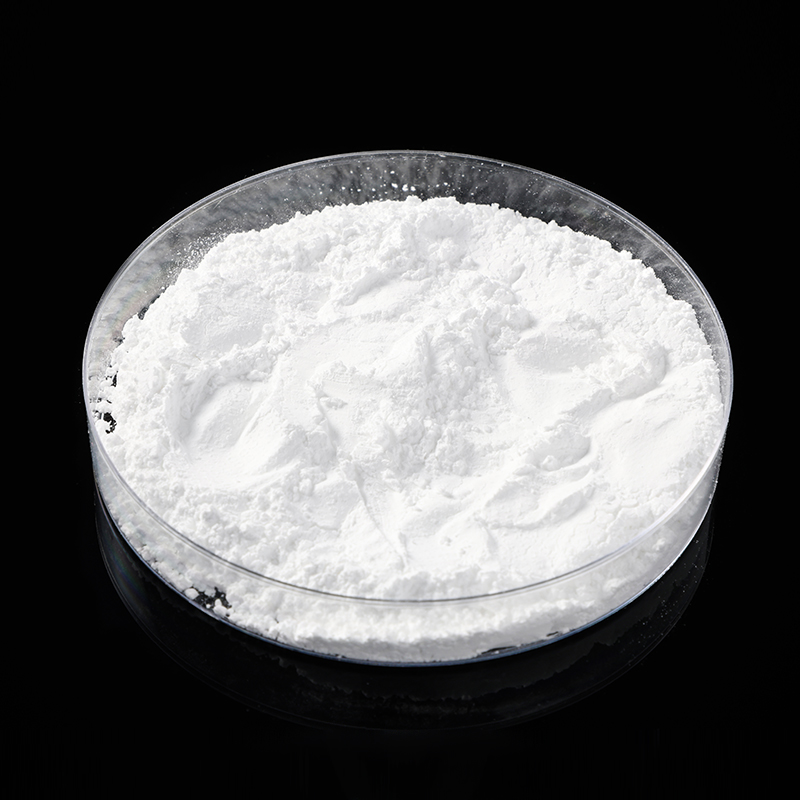
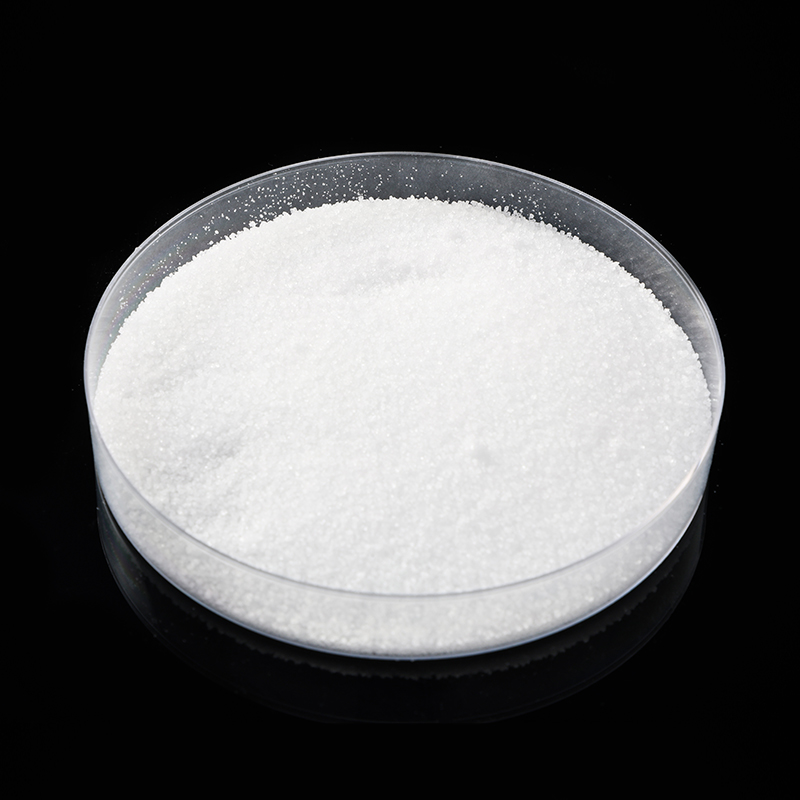
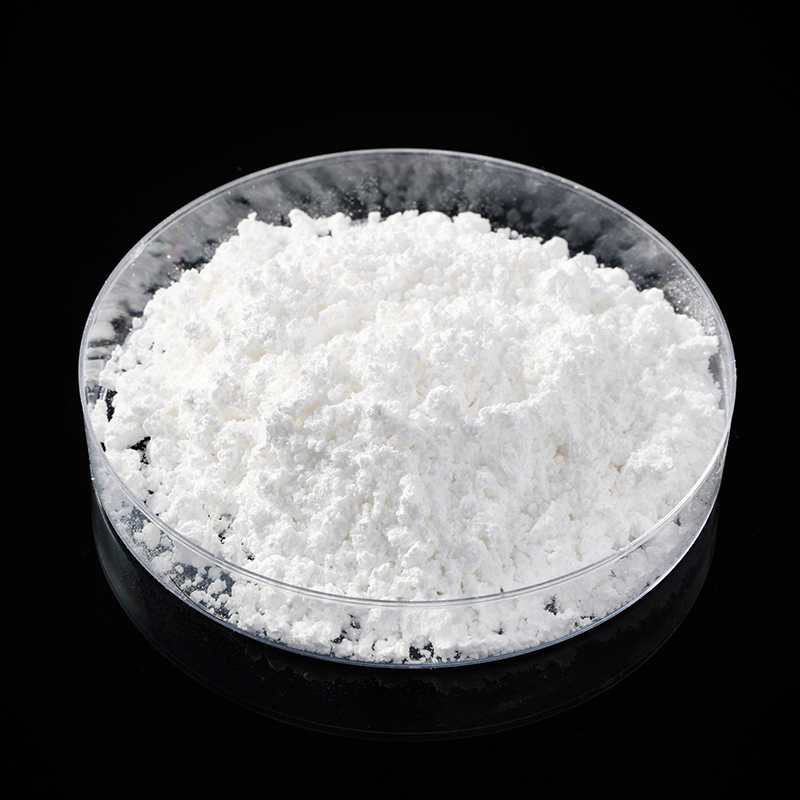
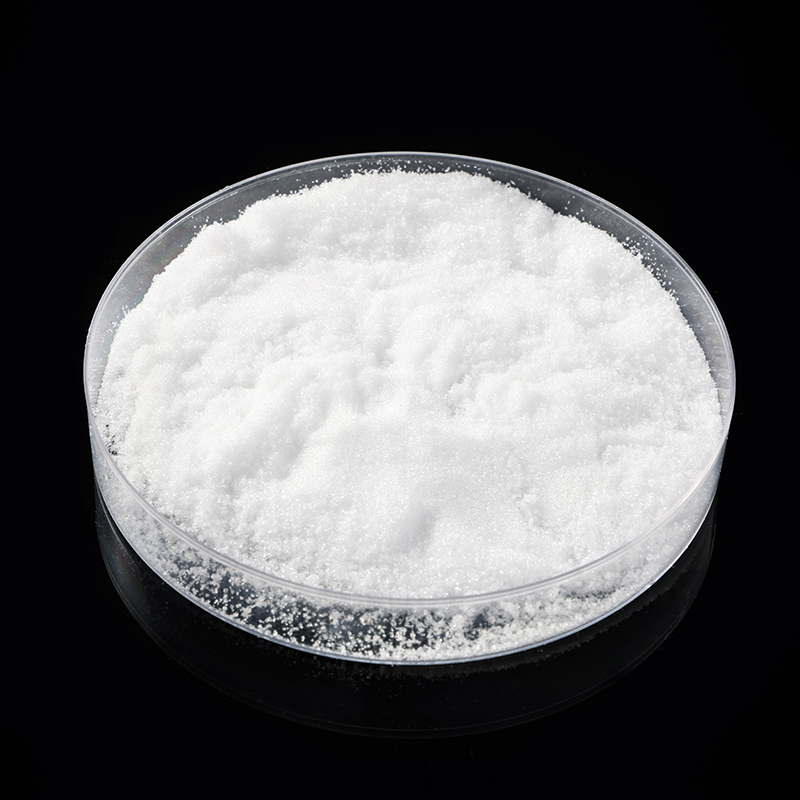
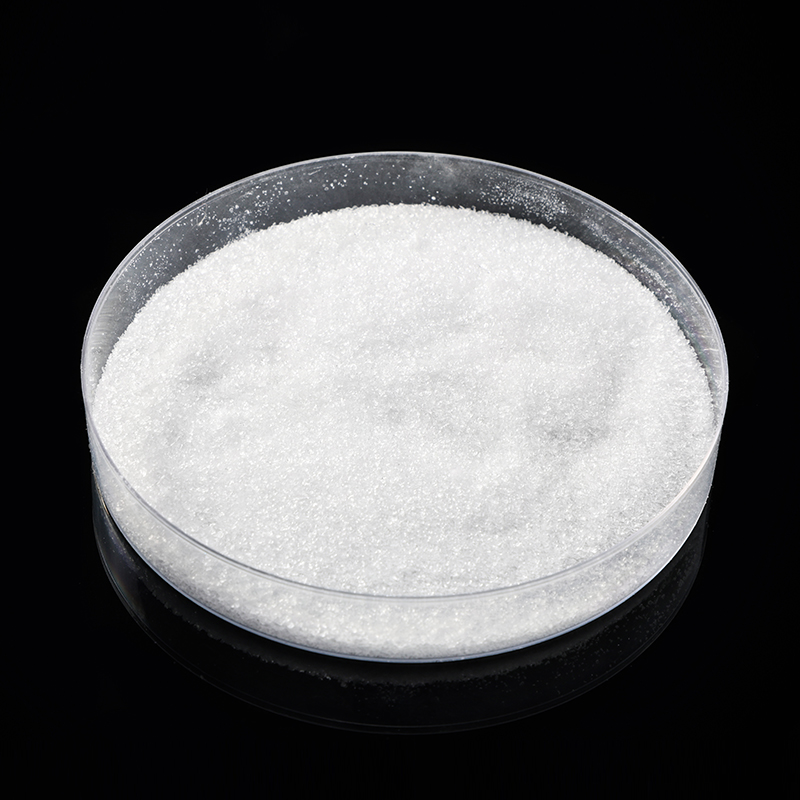
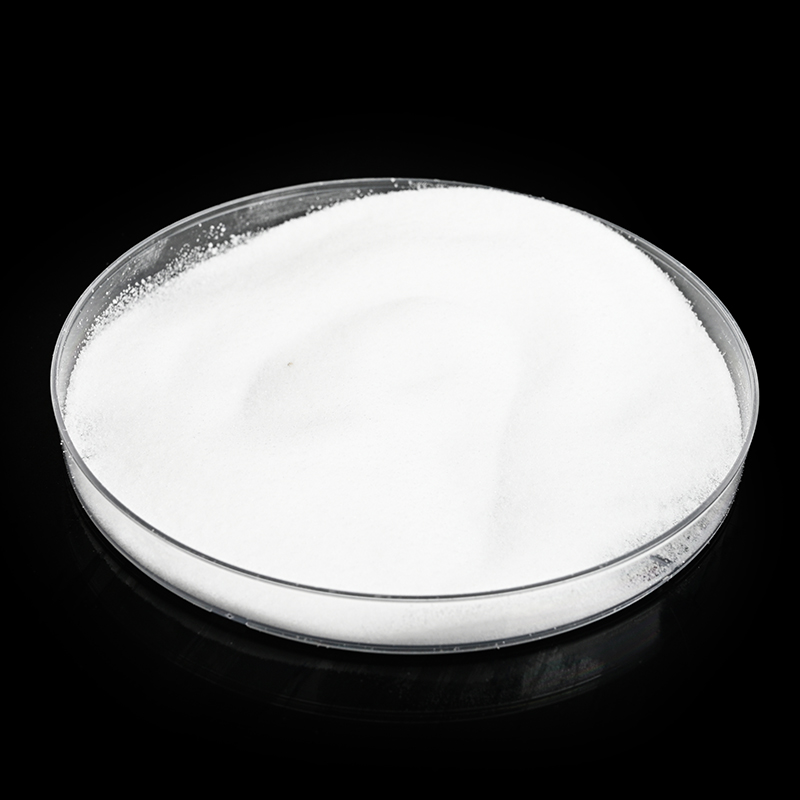
Lithium Fluoride represents an inorganic ionic compound with the chemical formula LiF, consisting of lithium cations bonded with fluoride anions. This compound exhibits distinct physical and chemical properties that influence both its industrial applications and potential health hazards. Lithium Fluoride occurs naturally as a white crystalline solid with a melting point of approximately 845 degrees Celsius, making it suitable for high temperature applications requiring stable optical or thermal properties.
The molecular structure of LiF creates an extremely stable ionic lattice with one of the highest lattice energies among common ionic compounds. This exceptional stability contributes to lithium fluoride's resistance to decomposition and its persistence in environmental and biological systems. The compound demonstrates low volatility at room temperature but becomes increasingly volatile at elevated temperatures, creating inhalation hazards in thermal processes or manufacturing operations involving heat.
Lithium Fluoride exhibits remarkable optical properties that distinguish it from other fluoride compounds. LiF demonstrates transparency across ultraviolet, visible, and infrared wavelengths, making it invaluable for optical applications requiring broad spectrum transmission. This optical versatility explains why lithium fluoride has become the preferred material for specialized applications where conventional optical materials cannot perform adequately.
The compound displays distinctive solubility characteristics in various solvents. While lithium fluoride shows minimal solubility in water, it dissolves readily in polar organic solvents. This differential solubility influences exposure pathways and bioavailability of lithium fluoride in biological systems. When dissolved or dispersed, lithium fluoride dissociates into lithium ions and fluoride ions, creating distinct toxicological profiles for each component.
Industrial production of lithium fluoride involves chemical synthesis processes that create occupational exposure risks. The primary manufacturing method combines lithium compounds with fluorine sources, typically using lithium carbonate or lithium hydroxide reacted with hydrofluoric acid. This chemical synthesis process generates lithium fluoride crystals through precipitation, crystallization, or thermal processes depending on the desired product specifications.
Manufacturing facilities producing lithium fluoride must implement rigorous safety protocols to minimize worker exposure. The synthesis process generates hydrofluoric acid vapors that present significant health hazards independent of final product formation. Hydrofluoric acid exposure causes severe tissue damage through fluoride ion penetration and disruption of cellular metabolism. Facility design, ventilation systems, and personal protective equipment represent critical safety infrastructure in lithium fluoride production.
Post production processes including grinding, milling, and packaging of lithium fluoride powder create additional inhalation exposure risks. Dry processing of lithium fluoride generates fine particles that readily become airborne, remaining suspended in air and accessible for inhalation over extended periods. Wet processing reduces particle generation but creates solution based hazards through hydrofluoric acid contact and fluoride ion exposure through dermal absorption.
Inhalation represents the primary exposure pathway for lithium fluoride in occupational settings, with direct effects on respiratory tract tissues. When lithium fluoride particles are inhaled, they deposit in the lungs and upper respiratory tract, initiating inflammatory responses and tissue damage. Acute inhalation exposure to lithium fluoride dust causes immediate irritation of nasal passages, throat, and bronchial tissues, resulting in coughing, throat irritation, and difficulty breathing.
Chronic inhalation exposure to lithium fluoride dust triggers progressive lung disease resembling silicosis or other pneumoconioses. Workers with sustained occupational exposure develop persistent cough, progressive dyspnea (shortness of breath), and reduced lung function over time. Pulmonary function testing reveals restrictive lung disease patterns with decreased vital capacity and reduced diffusion capacity. Chest radiographs demonstrate characteristic opacities representing accumulated mineral deposits in the lungs.
The fluoride component of lithium fluoride contributes additional respiratory hazards beyond simple particle deposition. Fluoride ions absorbed through inhalation enter systemic circulation and distribute throughout the body, affecting multiple organ systems. Fluoride accumulation in bones and teeth occurs preferentially, but significant fluoride concentrations accumulate in lung tissue, creating localized and systemic toxicity.
Occupational exposure standards and guidelines have been established to protect workers from lithium fluoride health effects. The Occupational Safety and Health Administration (OSHA) establishes exposure limits for fluoride compounds at 2.5 milligrams per cubic meter as an eight hour time weighted average. These standards reflect toxicological data demonstrating that sustained exposure below this level minimizes adverse health effects in the general working population.
Progressive pulmonary function impairment develops through continuous exposure to lithium fluoride dust in occupational environments. Forced expiratory volume in one second (FEV1) measurements decline progressively in workers with chronic exposure history. Reduced diffusing capacity indicates damage to the alveolar membrane where gas exchange occurs, directly impairing oxygen transfer to the bloodstream.
Bronchospasm and reactive airway dysfunction occur in susceptible individuals exposed to lithium fluoride dust. Individuals with preexisting asthma demonstrate heightened sensitivity to fluoride exposure, experiencing more severe bronchoconstriction and symptoms at lower exposure levels. Emergency bronchodilator use increases in workers with occupational lithium fluoride exposure during periods of elevated dust concentrations.
Chronic obstructive pulmonary disease (COPD) develops in workers with decades of occupational lithium fluoride exposure. The combination of particle deposition and fluoride toxicity creates progressive and irreversible airway obstruction. Affected workers experience severe limitations in physical activity and quality of life, often requiring oxygen supplementation during daily activities.
Lithium Fluoride health effects extend beyond the lungs through systemic absorption and distribution of fluoride ions throughout the body. Fluoride represents a highly bioactive substance that interferes with multiple metabolic enzymes and physiological processes. Fluoride ions inhibit several critical cellular enzymes including glycolytic enzymes, electron transport chain components, and regulatory enzymes controlling bone and mineral metabolism.
Skeletal effects from chronic fluoride exposure include fluorosis, characterized by increased bone density with paradoxically increased bone fragility. The fluoride incorporated into bone mineral creates an abnormal crystal structure that increases brittleness while appearing denser on radiographic imaging. Workers with chronic lithium fluoride exposure develop increased fracture risk despite apparent increases in bone density on standard assessments. This dissociation between bone density and bone strength creates clinical challenges in predicting fracture risk.
Dental fluorosis develops through chronic fluoride exposure from occupational inhalation and ingestion pathways. Visible signs include white spots, streaking, or pitting of tooth enamel in workers with decades of exposure. These cosmetic changes indicate underlying enamel defects that reduce resistance to dental caries and increase susceptibility to wear and breaking. Severe dental fluorosis causes significant tooth damage requiring extensive restorative dental treatment.
Renal dysfunction occurs in individuals with chronic fluoride exposure from lithium fluoride handling. Fluoride accumulates in kidney tissue and interferes with normal renal function through direct toxic effects and mineral deposition. Chronic exposure leads to elevated serum creatinine and reduced glomerular filtration rate, indicating progressive kidney disease. Workers with occupational fluoride exposure require periodic renal function monitoring to detect early signs of kidney damage.
Ingestion represents a secondary exposure pathway when lithium fluoride dust contamination occurs on food, hands, or personal items. Gastrointestinal tract contact initiates local irritation in the mouth, esophagus, and stomach before systemic absorption. Acute ingestion causes nausea, vomiting, abdominal pain, and diarrhea within minutes to hours of exposure. Severe exposures can cause vomiting of blood and serious gastrointestinal bleeding.
Fluoride absorption through the gastrointestinal tract occurs efficiently in the acidic environment of the stomach. Gastrointestinal absorption of ingested fluoride exceeds 80 percent in fasting conditions, meaning most ingested fluoride enters systemic circulation. Food intake reduces absorption rates through formation of fluoride complexes with calcium and other minerals, but significant absorption still occurs even in fed conditions.
Systemic fluoride distribution from gastrointestinal absorption follows predictable pathways with preferential accumulation in bones, teeth, and kidneys. Soft tissue fluoride concentrations remain relatively low except in thyroid tissue, which accumulates fluoride preferentially. The thyroid gland contains the highest fluoride concentration of any soft tissue, raising concerns about potential endocrine effects from chronic fluoride exposure.
Excretion of fluoride occurs primarily through the kidneys, with approximately 50 percent of ingested fluoride excreted within 24 hours of exposure. However, a significant fraction remains in the body, particularly accumulating in bone tissue where fluoride exchanges with hydroxyapatite minerals. This long biological half life of fluoride, particularly in bone, means that even intermittent exposures accumulate over years and decades of occupational contact.
Lithium Fluoride serves critical functions in diverse industrial and scientific applications where its unique properties deliver essential capabilities. The optical characteristics, thermal stability, and chemical properties of LiF make it irreplaceable in several specialized applications. Understanding these uses clarifies why despite potential health hazards, lithium fluoride remains an important industrial chemical.
Nuclear physics research represents one of the most significant applications of lithium fluoride. Lithium Fluoride serves as a moderating material in certain nuclear reactor designs and research applications due to its optical transparency and thermal properties. The compound's ability to withstand high temperatures and radiation exposure without significant degradation makes it valuable for specialized nuclear applications. Research facilities and nuclear laboratories worldwide utilize lithium fluoride for scientific investigations requiring these specific properties.
Optics and photonics industries rely on lithium fluoride for applications requiring ultraviolet transparency and high refractive index stability. LiF lithium fluoride optical components transmit ultraviolet radiation down to wavelengths of approximately 105 nanometers, extending far into the ultraviolet spectrum where most conventional optical materials become opaque. This unique property makes lithium fluoride essential for applications including spectroscopy, laser systems, and extreme ultraviolet lithography in semiconductor manufacturing.
Thermal management applications utilize lithium fluoride for heat resistant windows, optical elements in high temperature environments, and specialized applications requiring materials that maintain optical properties at elevated temperatures. Furnaces, ovens, and thermal imaging systems operating at temperatures exceeding 500 degrees Celsius require materials like lithium fluoride that remain optically transparent and dimensionally stable. Conventional optical materials degrade or become opaque under these extreme conditions.
Specialist chemical applications employ lithium fluoride in glass manufacturing, metal processing, and welding flux formulations. The compound modifies glass properties during manufacturing, influences metal melting behaviors, and facilitates metal joining processes. Chemical reactivity and specific ion exchange properties enable lithium fluoride to modify material characteristics in specialized formulations where other additives would be ineffective.
Research applications for lithium fluoride continue expanding as scientists discover new capabilities of this unique material. Lithium Fluoride crystals serve as sensitive radiation detectors in particle physics experiments and radiation monitoring applications. The compound's ability to detect and measure various types of radiation makes it invaluable for fundamental physics research and environmental monitoring applications.
Scintillation detector applications utilize activated lithium fluoride crystals that emit light when exposed to radiation. These detectors find use in medical imaging equipment, radiation therapy monitoring systems, and physics research apparatus. The combination of high detection efficiency and good energy resolution makes lithium fluoride scintillators preferred choices for specific applications despite their higher cost compared to alternative detector materials.
Advanced electronics and semiconductor manufacturing industries explore lithium fluoride applications in specialized thin film processes and device fabrication. The compound's thermal and chemical properties enable unique processing capabilities for manufacturing components with specific electrical or optical characteristics. As semiconductor device dimensions continue decreasing, materials like lithium fluoride with specialized properties become increasingly important.
The chemical reactivity of lithium fluoride influences both its industrial utility and potential environmental and health hazards. LiF demonstrates moderate reactivity with moisture, absorbing water vapor from humid air and forming hydrated complexes. This hygroscopic property requires careful handling and storage to maintain material properties and prevent degradation of optical or thermal characteristics.
Lithium Fluoride reacts with strong acids through the fluoride component, generating hydrofluoric acid which poses severe health hazards. Contact with acidic conditions releases reactive fluoride ions that penetrate tissues and cause deep tissue damage. This chemical reactivity requires careful segregation from incompatible materials and specialized handling procedures to prevent accidental reactions that might generate hazardous hydrofluoric acid.
The thermal stability of lithium fluoride enables its use in high temperature applications but also influences decomposition behavior under extreme conditions. At temperatures exceeding 1000 degrees Celsius, lithium fluoride begins decomposing and releasing fluorine gas and lithium oxide. Decomposition gases present severe inhalation hazards, requiring proper ventilation and safety measures when processing lithium fluoride at elevated temperatures.
Environmental fate of lithium fluoride involves slow dissolution in water over extended periods, releasing lithium and fluoride ions into aquatic environments. The fluoride ions persist in groundwater and surface water, potentially accumulating in food chains and water supplies. Fluoride ion bioaccumulation in aquatic organisms and plants can concentrate this substance over successive trophic levels.
Fluoride ions from lithium fluoride interact with proteins and enzymes essential for cellular metabolism. Multiple enzyme systems including glycolytic enzymes, acid phosphatase, and ATPase show inhibition by fluoride at concentrations achievable through occupational or environmental exposure. These enzymatic inhibitions disrupt fundamental cellular processes and explain many observed health effects of fluoride toxicity.
Cellular uptake of fluoride occurs through multiple pathways including fluoride ion channels and fluoride transport mechanisms. Once inside cells, fluoride distributes to various cellular compartments including mitochondria where it interferes with oxidative metabolism and energy production. Mitochondrial dysfunction from fluoride accumulation contributes to cellular toxicity and explains metabolic effects observed in chronic fluoride exposure.
Proper management of lithium fluoride health effects requires comprehensive occupational safety programs and exposure control measures. Employers must implement engineering controls, administrative procedures, and personal protective equipment to minimize worker exposure to lithium fluoride dust and chemical hazards. Regulatory requirements under OSHA and equivalent international regulations mandate specific safety practices.
Engineering controls represent the most effective approach to preventing lithium fluoride exposure in occupational settings. Local exhaust ventilation systems capturing dust at the source prevent airborne particle dispersal throughout work areas. Enclosed processes and wet processing methods reduce the generation of respirable particles that deposit in the lungs. Facilities producing or handling lithium fluoride must incorporate these engineering controls as the primary defense against occupational exposure.
Personal protective equipment provides secondary protection when engineering controls alone cannot achieve adequate exposure reduction. Respiratory protection using half mask or full face respirators with appropriate cartridges prevents inhalation of lithium fluoride dust. Nitrile or butyl rubber gloves protect hands from dermal contact with powder or aqueous solutions. Eye protection including safety glasses or goggles prevents particle contact with eyes.
Medical surveillance programs monitor worker health and detect early signs of lithium fluoride exposure effects. Periodic physical examinations, pulmonary function testing, and biological monitoring of fluoride levels identify workers developing health problems from occupational exposure. Annual or biennial pulmonary function testing detects restrictive disease patterns before symptoms develop, enabling early intervention. Urinary fluoride measurements provide quantitative assessment of systemic fluoride burden.
Hygiene practices and work procedures minimize ingestion exposure and prevent accumulation of lithium fluoride residue in work areas. Workers must avoid eating, drinking, or applying cosmetics in areas where lithium fluoride is handled. Hand washing before meals and breaks prevents ingestion of contaminated food or beverages. Change rooms and shower facilities enable workers to remove contaminated clothing and clean skin before leaving work areas.
Acute exposure incidents involving lithium fluoride require immediate medical attention and specific treatment protocols. Inhalation exposures causing respiratory distress require immediate removal to fresh air, oxygen supplementation, and medical evaluation. Severe exposures may require hospitalization and supportive respiratory care including mechanical ventilation if respiratory failure develops.
Dermal exposures to lithium fluoride require immediate decontamination through copious water washing to remove particles and dissolved fluoride. Occlusive dressings and ice packs applied over affected areas reduce pain and swelling during initial treatment. Systemic fluoride effects from significant dermal or inhalation exposures require calcium supplementation and medical monitoring for hypocalcemia and cardiac dysrhythmias.
Ingestion exposures require specific medical management addressing both fluoride toxicity and potential gastrointestinal damage. Calcium or magnesium salts administered orally or intravenously bind fluoride ions, reducing systemic absorption and excretion through urine. Prompt calcium gluconate administration intravenously can prevent cardiac dysrhythmias and systemic fluoride toxicity in severe ingestion cases. Medical supervision continues until serum fluoride levels normalize and cardiac function stabilizes.
Government agencies and international organizations have established occupational exposure limits designed to protect workers from lithium fluoride health effects. These standards reflect scientific evidence regarding dose response relationships and adverse health effects at various exposure levels. OSHA specifies an eight hour time weighted average fluoride exposure limit of 2.5 milligrams per cubic meter, with higher short term exposure limits permitting brief exposures at elevated concentrations.
The National Institute for Occupational Safety and Health (NIOSH) provides recommended exposure limits (RELs) serving as guidance for occupational health professionals. These recommendations often establish lower limits than OSHA regulations based on the most current toxicological data. NIOSH recommendations help identify occupational settings where additional exposure reduction measures should be implemented even when OSHA compliance is achieved.
International standards through organizations including the European Union, International Labour Organization, and national regulatory bodies establish similar exposure limits based on regional regulatory processes. Most developed nations establish fluoride exposure limits between 1 and 3 milligrams per cubic meter, reflecting general agreement regarding acceptable occupational exposure levels based on current scientific understanding.
Exposure monitoring programs must quantify workplace lithium fluoride concentrations and demonstrate compliance with applicable regulations. Area sampling at fixed locations throughout facilities identifies exposure zones and trends over time. Personal sampling with monitors worn by workers measures individual exposure and reveals variations between workers performing different tasks or working in different locations.
Lithium Fluoride regulatory classification as a hazardous substance requires specific hazard communication and labeling. Material Safety Data Sheets (MSDS) or Safety Data Sheets (SDS) must describe health effects, exposure routes, proper handling procedures, and emergency response protocols. Workers must receive training on hazard identification and safe work practices before beginning work with lithium fluoride.
Hazard classification systems including the Globally Harmonized System (GHS) standardize how lithium fluoride health effects are communicated internationally. Classification as an acute toxic substance and chronic systemic toxicant requires specific warning labels and descriptive language alerting users to respiratory, skeletal, and renal effects. This standardized communication improves worker awareness and compliance with safe handling practices.
Release of lithium fluoride into the environment through industrial discharge, accidental spills, or atmospheric emissions creates potential health and ecological impacts. Fluoride from lithium fluoride persists in aquatic environments and bioaccumulates in aquatic organisms, particularly in freshwater ecosystems. Fish and aquatic plants concentrate fluoride to levels exceeding ambient water concentrations, creating potential health risks for human consumption of contaminated aquatic food sources.
Terrestrial plants accumulate fluoride through root uptake from soil and through foliar deposition of airborne fluoride. Crops grown in areas with atmospheric fluoride pollution or irrigated with fluoride containing water accumulate fluoride in edible portions. Livestock consuming fluoride contaminated forage develop dental and skeletal fluorosis similar to humans with chronic fluoride exposure.
Atmospheric emissions of lithium fluoride dust and fluorine compounds from manufacturing facilities create environmental exposure for communities near production sites. Airborne fluoride deposition on soil and vegetation contaminates local food chains and creates potential health risks for residents. Communities near lithium fluoride manufacturing facilities have documented elevated fluoride levels in water supplies, crops, and exposed populations.
Groundwater contamination from lithium fluoride disposal or accidental release creates persistent fluoride contamination of drinking water sources. Fluoride persists in groundwater for decades or centuries, creating long term exposure risks for communities relying on affected water supplies. Mitigation of groundwater contamination requires expensive treatment systems or alternative water sources.
Wildlife exposed to environmental fluoride contamination develops toxic effects similar to those observed in humans. Dental fluorosis and skeletal fluorosis occur in wild animal populations with chronic exposure to elevated fluoride levels. Population declines have been documented in sensitive wildlife species residing in areas with high environmental fluoride contamination.
Vegetation exposed to high atmospheric fluoride develops characteristic injury patterns including bleaching of leaf margins and tissue necrosis. Sensitive plant species demonstrate reduced growth rates and reproductive success in areas with elevated fluoride exposure. Agricultural productivity declines in regions with significant atmospheric fluoride pollution.
Understanding lithium fluoride health effects requires comparison with other fluoride containing compounds and assessment of relative hazards. Lithium Fluoride demonstrates toxicity similar to other inorganic fluorides with the hazard severity primarily determined by the fluoride component rather than the lithium component. The lithium ion contributes minimal toxicity except in extreme exposure scenarios producing severe systemic effects.
Hydrofluoric acid represents a more hazardous fluorine compound than lithium fluoride, penetrating tissues more rapidly and causing more severe local damage. However, lithium fluoride becomes as hazardous as hydrofluoric acid when dissolved in body fluids or stomach acid during ingestion. The conversion of solid lithium fluoride to reactive fluoride ions creates bioavailability and toxicity comparable to more soluble fluoride compounds.
Sodium fluoride and calcium fluoride demonstrate similar toxicological profiles to lithium fluoride with health effects primarily reflecting fluoride ion toxicity rather than differences in the associated cation. Occupational exposure limits and regulatory standards for various fluoride compounds cluster around similar values, indicating that fluoride toxicity represents the primary concern regardless of which cation is present.
Risk assessment for lithium fluoride exposure integrates exposure duration, concentration levels, individual susceptibility factors, and available exposure controls. Workers with occupational exposure spanning decades face significantly greater cumulative fluoride dose and correspondingly higher risk of adverse health effects compared to workers with brief exposure periods. Individual factors including age, renal function, and nutritional status influence susceptibility to fluoride toxicity.
Preventing lithium fluoride health effects requires comprehensive strategies addressing occupational exposure, environmental contamination, and individual susceptibility factors. Primary prevention through eliminating or minimizing exposure represents the most effective approach to protecting worker health. Engineering controls, process modifications, and substitution of less hazardous materials when feasible prevent health effects better than any medical intervention.
Dietary strategies may modestly reduce fluoride accumulation through competitive inhibition of fluoride absorption. Adequate calcium and magnesium nutrition supports bone health and may reduce fluoride induced skeletal effects. Antioxidant nutrients including vitamins C and E may provide limited protection against oxidative stress from fluoride exposure. While dietary modifications cannot prevent occupational lithium fluoride health effects, they may provide modest benefit as part of comprehensive health protective approaches.
Worker education and training programs improve compliance with safety procedures and proper use of protective equipment. Workers who understand the health effects of lithium fluoride demonstrate greater motivation to use available safety measures and report hazardous conditions. Regular refresher training reinforces proper practices and maintains worker awareness of potential hazards.
Occupational health surveillance with regular medical examinations and testing enables early detection of health effects and intervention before serious disease develops. Early detection of pulmonary function impairment through annual spirometry testing enables removal from exposure and prevention of progressive lung disease. Early recognition of dental fluorosis or skeletal signs prompts intensification of exposure controls to prevent further deterioration.
Organizational culture emphasizing worker health and safety strongly predicts successful prevention of lithium fluoride health effects. Facilities with strong safety cultures implement robust exposure controls, provide adequate training, and maintain protective equipment in proper working condition. Worker participation in safety decision making and hazard identification programs improves program effectiveness and worker compliance.
Management commitment to purchasing engineering controls, maintaining facilities properly, and investing in worker health demonstrates that workplace safety represents a priority. Lack of adequate funding for safety measures signals that cost reduction takes precedence over worker protection, typically resulting in poor compliance and health problems.
Ongoing research continues investigating lithium fluoride health effects and exploring strategies to reduce occupational and environmental exposure risks. New toxicological studies utilizing advanced molecular techniques clarify mechanisms through which fluoride damages cells and tissues. These mechanistic insights enable development of more effective protective strategies and better prediction of vulnerable populations.
Alternative materials research seeks to develop compounds with properties comparable to lithium fluoride but reduced toxicity or environmental persistence. Advanced optical materials, thermal resistant ceramics, and specialty chemicals show potential for replacing lithium fluoride in some applications. Successful material substitution would eliminate occupational and environmental exposure risks from eliminated production and use.
Advanced manufacturing technologies including laser processing and additive manufacturing techniques may enable production of lithium fluoride optical and thermal components with reduced worker exposure. Remote processing, automated handling systems, and in situ synthesis approaches could dramatically reduce occupational exposure by eliminating human contact with hazardous materials during manufacturing.
Biomonitoring advances enable more precise measurement of fluoride body burden and identification of individuals at highest risk for adverse effects. Genetic testing may identify individuals with genetic susceptibilities to fluoride toxicity, enabling targeted preventive interventions for highest risk workers. Personalized medicine approaches could optimize exposure monitoring and protective strategies based on individual characteristics.
Inhalation of lithium fluoride dust represents the most significant occupational exposure route, particularly in manufacturing, processing, and handling operations. Dermal contact with powders and solutions occurs through skin contact during work activities. Ingestion occurs secondarily when contaminated hands contact food or beverages. The inhalation pathway dominates occupational exposures while ingestion becomes more significant after skin contamination or in accident scenarios.
Lithium fluoride toxicity results primarily from the fluoride component, with minimal contribution from the lithium ion except in extreme exposures. Compared to hydrofluoric acid which penetrates tissues rapidly causing severe local damage, solid lithium fluoride presents delayed toxicity reflecting gradual dissolution and fluoride ion release. The toxicological profile of lithium fluoride resembles other inorganic fluorides more closely than any lithium compound.
Annual pulmonary function testing (spirometry) detects early restrictive lung disease from chronic dust exposure. Urinary fluoride levels quantify systemic fluoride burden and guide exposure reduction strategies. Dental examinations identify fluorosis development indicating chronic fluoride exposure. Serum chemistry including kidney function markers (creatinine, glomerular filtration rate) monitor renal effects. Chest radiographs may show characteristic lung opacities in workers with advanced disease.
Brief high intensity exposures cause acute effects including respiratory irritation and potential pulmonary edema that typically resolve with removal from exposure and supportive care. However, severe acute exposures causing systemic fluoride toxicity can cause permanent cardiac damage or fatal dysrhythmias. Single high intensity exposures rarely cause permanent chronic effects, but cumulative effects from repeated or chronic exposures cause progressive irreversible disease.
Approximately 50 percent of absorbed fluoride excretes within 24 hours primarily through urine, but significant fractions remain in the body, particularly accumulating in bones. Skeletal fluoride demonstrates a biological half life of years to decades, meaning fluoride continues affecting bone metabolism and structure long after exposure ends. Complete elimination of accumulated skeletal fluoride requires years even after exposure completely ceases.
Fluoride preferentially accumulates in thyroid tissue achieving concentrations exceeding other soft tissues. Animal studies demonstrate thyroid hormone regulation disruption from chronic fluoride exposure. Some occupational health researchers hypothesize that chronic lithium fluoride exposure contributes to thyroid dysfunction and autoimmune thyroid disease, though definitive human epidemiological evidence remains limited. Monitoring thyroid function in heavily exposed workers represents prudent occupational health practice.
Developing children demonstrate enhanced susceptibility to fluoride toxicity through multiple mechanisms. Dental enamel formation occurring during childhood shows particular sensitivity to fluoride resulting in more pronounced dental fluorosis from lower exposures. Developing skeletal systems incorporate fluoride into growing bones more readily than adult bones. Children absorb ingested fluoride more efficiently and retain absorbed fluoride more completely. These factors collectively mean that equivalent exposure levels produce more severe effects in children than adults.
Lithium fluoride manufacturing facilities where the chemical is synthesized create the highest exposure potential through direct chemical handling. Optical component manufacturing involving grinding, polishing, and processing of lithium fluoride crystals generates significant dust. Nuclear research facilities handling lithium fluoride materials present concentrated exposures to small numbers of workers. Metal processing facilities using lithium fluoride as flux generate fluoride containing fumes and dust.
Properly selected and correctly used protective equipment significantly reduces but does not completely eliminate exposure risk. Respirators prevent inhalation exposure only when properly fitted, maintained, and consistently worn. Gloves prevent dermal contact only with proper application and removal procedures. No protective equipment protects against all potential exposure routes. Engineering controls eliminating or minimizing hazard generation remain essential for comprehensive protection.
Former workers with chronic lithium fluoride exposure should continue periodic pulmonary function testing to monitor for progressive lung disease development or progression despite exposure cessation. Renal function monitoring should continue as kidney disease may progress even after fluoride exposure ends. Dental examinations should continue to monitor for progressive dental fluorosis and associated problems. Bone health monitoring helps identify accelerated osteoporosis from skeletal fluoride accumulation. Medical surveillance should continue based on the duration and intensity of prior occupational exposure.
Copyright © 2023 Nantong Jinxing Fluorides Chemical Co., Ltd. All Rights Reserved.
 Custom Fluorine Chemical Suppliers