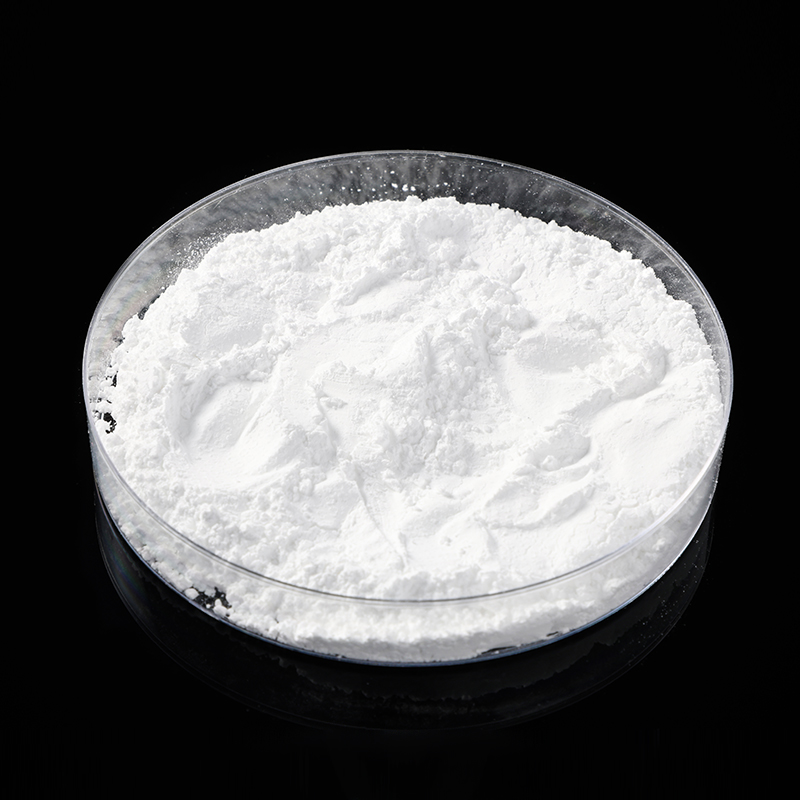
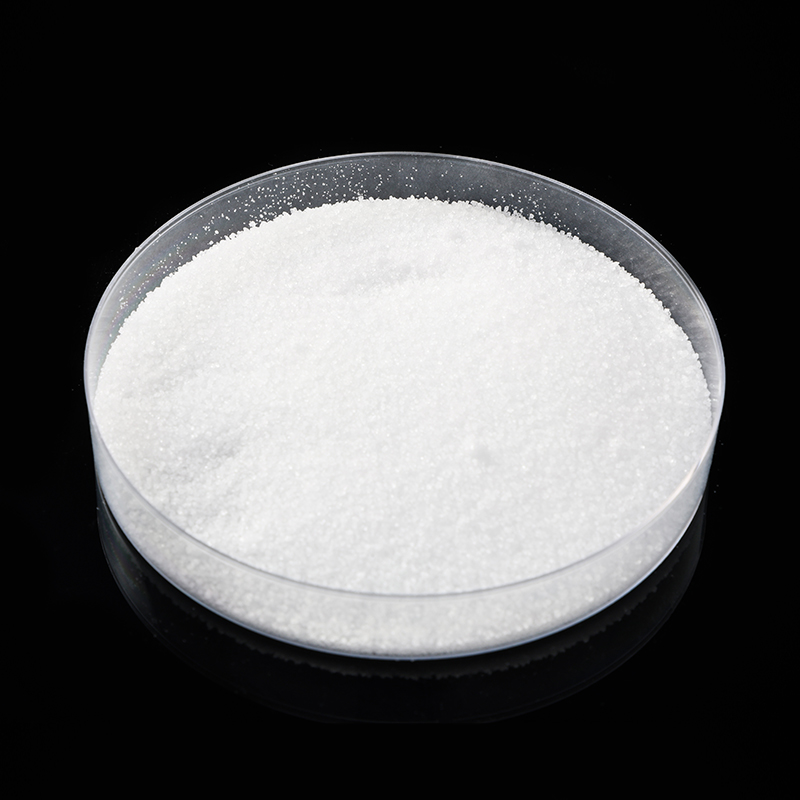
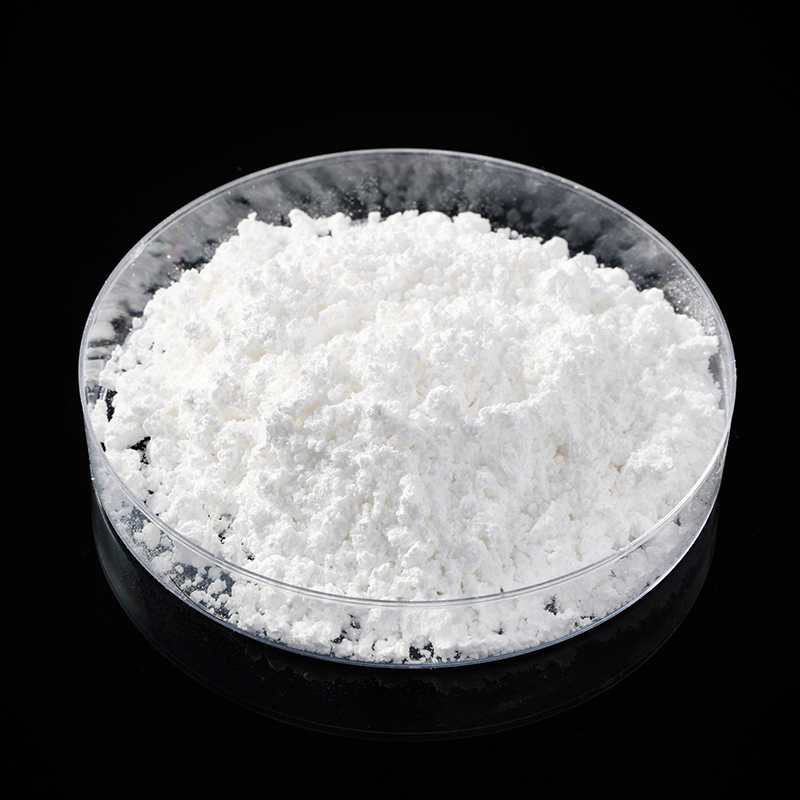
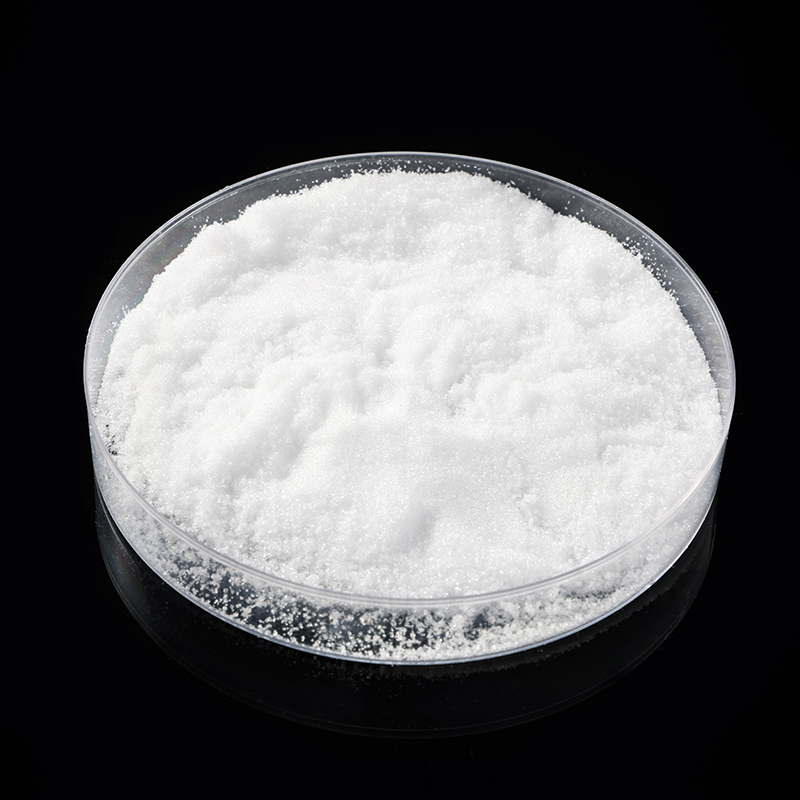
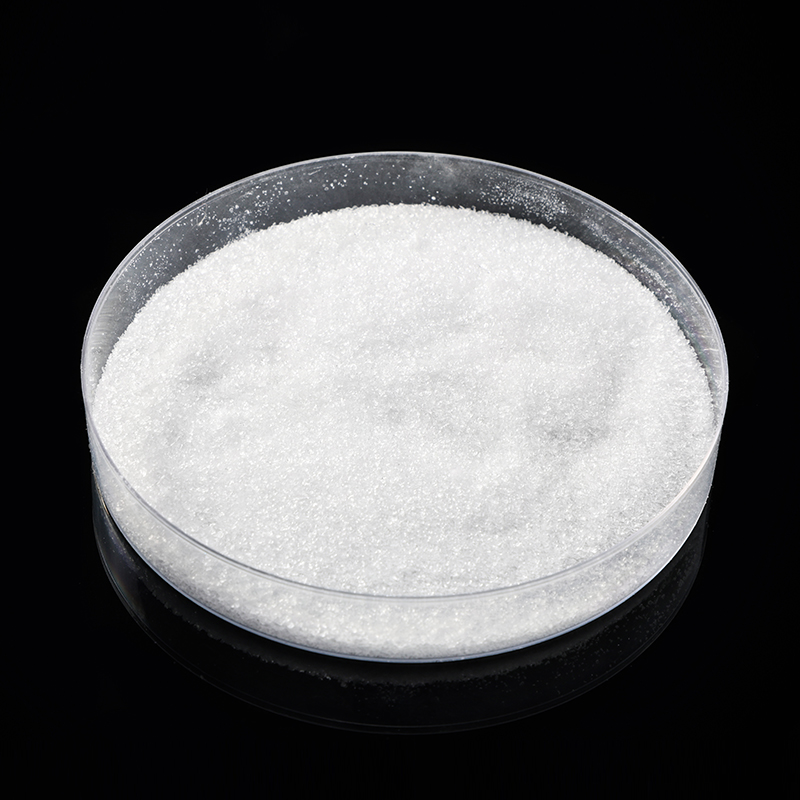
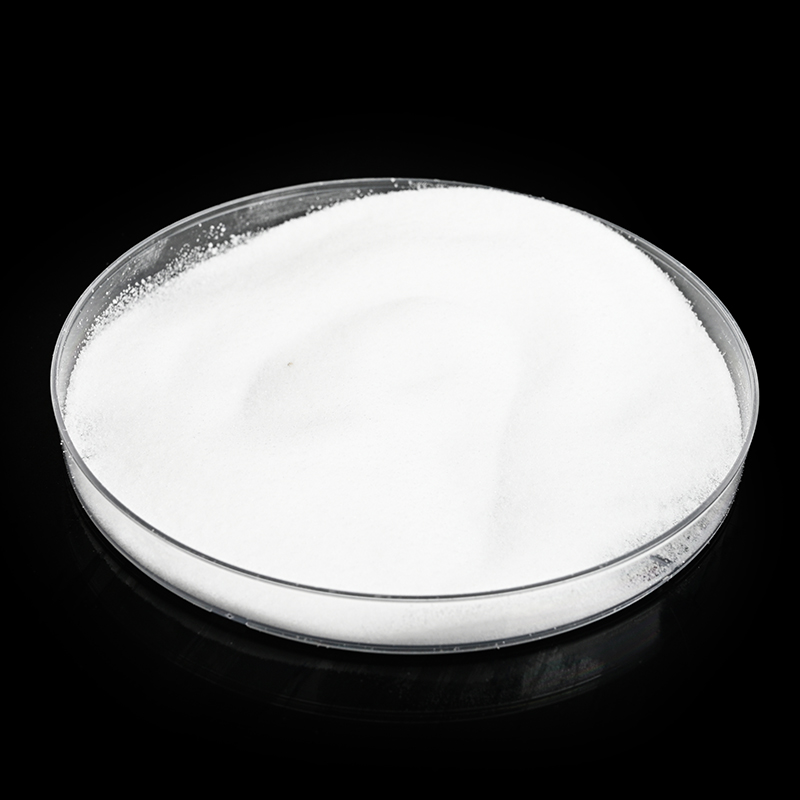
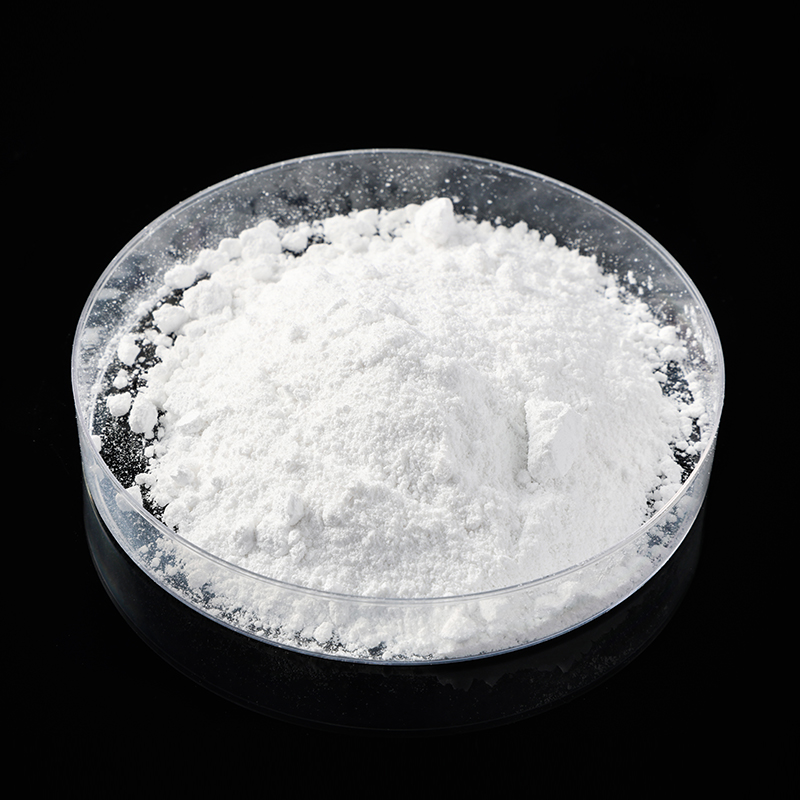
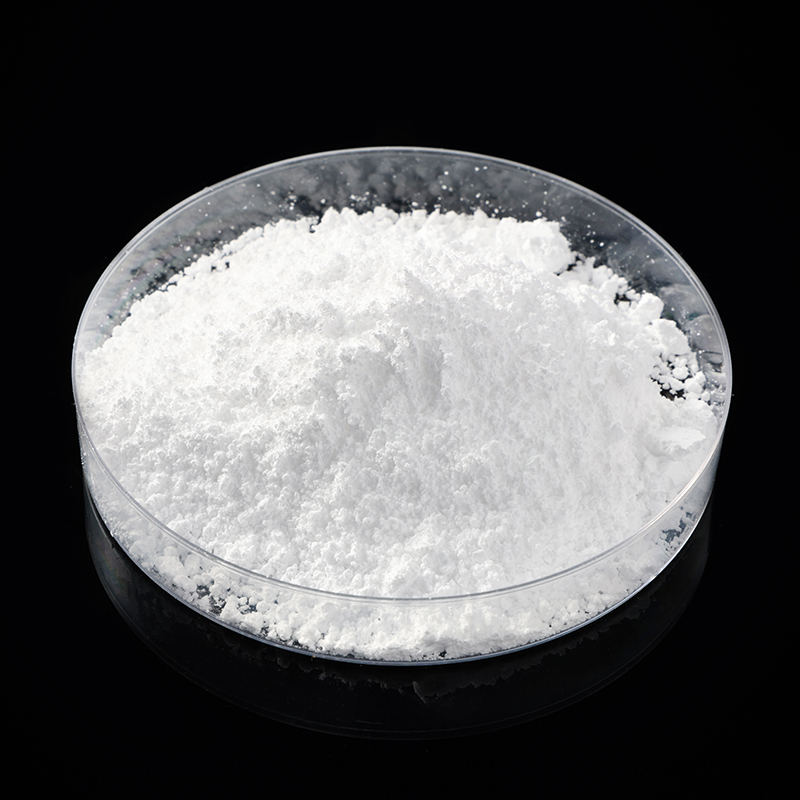
BaF2
The chemical formula for barium fluoride is BaF2, meaning each unit of the compound contains one barium ion and two fluoride ions held together by ionic bonds. Barium carries a plus two charge, and fluorine carries a minus one charge, so two fluoride ions are required to balance a single barium ion and produce a neutral, stable compound. This one to two ratio is the reason the formula is written as BaF2 rather than BaF or Ba2F, and it is a direct consequence of how many electrons each element needs to gain or lose to reach a stable, full outer electron shell.
Writing and understanding this formula correctly matters beyond a single homework question, since it is the foundation for calculating molar mass, predicting reaction stoichiometry, and understanding why barium fluoride behaves the way it does in industrial and laboratory settings. Getting the ratio wrong, for example writing BaF instead of BaF2, would describe a compound that does not actually exist under normal conditions, since it would leave barium with an unbalanced electrical charge, a point covered in more detail further down in this guide alongside other common formula and calculation mistakes.
Understanding the formula is only the starting point. The sections below explain what the formula actually represents at the atomic level, how the compound is produced, where it is used in industry and research, how its properties compare to related compounds, and how to handle it safely in a laboratory or industrial setting.
Barium fluoride is an inorganic ionic compound formed from barium, an alkaline earth metal in group two of the periodic table, and fluorine, the most electronegative element on the periodic table and a member of the halogen family. When these two elements combine, barium loses two electrons to form a Ba2+ cation, while each fluorine atom gains one electron to form an F- anion. Because the compound must be electrically neutral overall, two fluoride ions are needed for every barium ion, which is exactly what the formula BaF2 communicates.
This same one to two pairing pattern shows up across the entire alkaline earth fluoride family, including magnesium fluoride, calcium fluoride, and strontium fluoride, all of which follow the general formula MF2, where M represents the metal. Recognizing this pattern makes it easier to predict the formula of similar compounds without needing to memorize each one individually, since the underlying reason, the plus two charge common to every group two element, stays consistent across the entire family.
Atomic number 56, an alkaline earth metal that readily loses two electrons to form a stable plus two ion, contributing 137.33 grams per mol to the compound's total molar mass. Pure barium metal is soft, silvery, and highly reactive with air and water, which is why barium is never found in nature in its pure metallic form.
Atomic number 9, the most reactive nonmetal on the periodic table, present as two fluoride ions in this compound, together contributing approximately 38.00 grams per mol to the total molar mass. Fluorine's extremely strong pull on electrons is what drives it to form such a stable ionic bond with barium.
Barium fluoride occurs naturally in a rare mineral form known as frankdicksonite, though nearly all barium fluoride used commercially is manufactured synthetically rather than mined, since natural deposits are uncommon and impractical to extract at industrial scale. The synthetic route also allows manufacturers to control purity far more precisely than natural mineral sources would allow, which matters significantly for optical grade applications discussed later in this guide.
Chemists determine ionic formulas using a simple charge balancing method sometimes called the crisscross method. Barium's charge of positive two becomes the subscript for fluorine, while fluorine's charge of negative one becomes the subscript for barium, then any common factors are simplified. Applying this method to barium and fluoride produces Ba1F2, which simplifies to the standard written form BaF2 since a subscript of one is not written out.
The table below summarizes the core physical and chemical properties of barium fluoride, which are useful reference points whether you are studying the compound for a chemistry course or evaluating it for an industrial application.
| Property | Value |
|---|---|
| Molar mass | 175.32 grams per mol |
| Density | 4.89 grams per cubic centimeter |
| Melting point | Approximately 1368°C |
| Boiling point | Approximately 2260°C |
| Solubility in water | Slightly soluble, roughly 1.3 grams per liter at 25°C |
| Refractive index | Approximately 1.475 at visible wavelengths |
| Optical transparency range | About 0.15 to 12.5 micrometers, spanning deep ultraviolet through mid infrared |
| Crystal structure | Cubic, fluorite type structure |
| Odor and taste | Odorless, slightly bitter taste, not to be tasted intentionally |
The wide optical transparency range, stretching from deep ultraviolet through mid infrared light, is the single property that makes barium fluoride commercially valuable beyond a typical laboratory chemical, since very few materials remain transparent across such a broad span of the electromagnetic spectrum. Most common optical glass becomes opaque well before reaching the mid infrared region, while quartz and standard borosilicate glass fall short at both the deep ultraviolet and far infrared ends of that same range, leaving specialty materials like barium fluoride as one of the few practical options for instruments that need to operate across the full span.
A melting point above 1300°C reflects the strength of the ionic bonds holding the crystal lattice together, since a large amount of thermal energy is required to overcome the electrostatic attraction between the Ba2+ and F- ions throughout the structure. This high melting point is also what allows barium fluoride to be used safely in certain high temperature flux and metallurgical applications without breaking down.
Instrument engineers designing infrared spectrometers must account for barium fluoride's specific transmission curve when selecting it as a window or lens material, since transmission efficiency is not perfectly uniform across the full 0.15 to 12.5 micrometer range. Transmission tends to be strongest through the middle of this range, with a gradual falloff near both the deep ultraviolet and far infrared edges, meaning designers often pair barium fluoride with a second material in instruments that need to cover the very extremes of the spectrum. This nuance is one of the reasons materials selection in optical engineering is rarely a matter of picking a single ideal material and instead becomes a careful balancing exercise between transmission range, mechanical durability, cost, and the specific wavelengths a given instrument actually needs to measure.
Barium fluoride crystallizes in what chemists call the fluorite structure, named after the mineral fluorite, calcium fluoride, which shares the identical atomic arrangement. In this structure, barium ions occupy the corners and face centers of a cubic unit cell in a face centered cubic pattern, while the smaller fluoride ions fill all of the tetrahedral holes within that cube. Each barium ion ends up surrounded by eight fluoride ions, while each fluoride ion is surrounded by four barium ions, giving the compound its characteristic eight to four coordination pattern.
This tightly packed, highly symmetric arrangement is directly responsible for several of the properties listed in the table above. The dense, uniform lattice is what allows light to pass through barium fluoride crystals with minimal scattering or absorption across such a wide range of wavelengths, which is why the material is manufactured into polished optical windows and lenses rather than left as a simple powder for most high value applications. A disordered or amorphous form of the same chemical formula would not offer the same optical clarity, which is why crystal growth quality is such an important part of manufacturing optical grade barium fluoride.
Calcium fluoride, strontium fluoride, and barium fluoride all share this same fluorite arrangement, though the unit cell size increases as the metal ion gets larger moving down the group from calcium to barium. This size difference explains why barium fluoride has a slightly different refractive index and transparency window compared to calcium fluoride, even though both compounds are structurally very similar at the atomic level. In practice, calcium fluoride is often chosen for applications requiring slightly better mechanical hardness, while barium fluoride is favored when the widest possible transparency window, especially further into the infrared, is the priority.
Even small imperfections in the crystal lattice, such as vacancies, impurities, or grain boundaries, can scatter light and reduce the performance of a barium fluoride optical component. This is why optical grade crystals are grown under carefully controlled conditions with high purity starting materials, and why the price difference between industrial grade and optical grade barium fluoride can be substantial.
Barium fluoride is manufactured industrially using a small number of well established chemical reactions, each suited to different purity requirements and production scales.
The most direct method reacts barium carbonate with hydrofluoric acid. Barium carbonate combines with two units of hydrofluoric acid to produce barium fluoride, water, and carbon dioxide gas, which escapes as the reaction proceeds. This method is favored when high purity output is required, since the starting materials can be sourced at high purity grades and the reaction produces relatively few byproducts that would need to be separated afterward.
An alternative method reacts a soluble barium salt, most commonly barium chloride, with sodium fluoride in aqueous solution. Since barium fluoride has low solubility in water, it precipitates out of solution as a solid while sodium chloride remains dissolved, allowing the two products to be separated by filtration. This route is generally more cost effective for large scale industrial grade production, though it typically produces a finer, less uniform crystalline product than the hydrofluoric acid method.
For optical grade barium fluoride used in lenses and detector windows, the raw precipitated material undergoes further purification and is then melted and slowly cooled under controlled conditions to grow large, defect free single crystals suitable for precision cutting and polishing. This step often takes place inside a controlled atmosphere furnace to prevent contamination from oxygen or moisture during the melting and cooling process.
Once a large single crystal has been grown, it is sliced into thinner sections using precision saws, then ground and polished to optical tolerances. This final stage determines the actual usable optical performance of the finished window or lens, since even a crystal with excellent internal quality will underperform if the surface finish introduces scattering or distortion.
The choice of production method depends heavily on the intended end use. Industrial grade barium fluoride used as a flux or ceramic additive does not require the same purity level as optical grade material, so manufacturers select the more cost effective double displacement method for those applications while reserving the hydrofluoric acid route and crystal growth process for high precision optical products.
Barium fluoride shows up across a surprising range of industries, largely because of the combination of properties described earlier in this guide.
Barium fluoride is widely used to manufacture windows, lenses, and prisms for infrared spectroscopy instruments, since it remains transparent across a wider range of wavelengths than most common optical glass or quartz materials, making it useful for instruments that need to cover both visible and infrared measurement ranges without switching components.
Barium fluoride crystals are used in radiation detection equipment because the material produces measurable light flashes when struck by gamma rays, with a notably fast response time that makes it valuable for high speed nuclear and particle physics detectors, including some applications in medical imaging research.
As an additive in specialty glass and ceramic formulations, barium fluoride helps control melting behavior and can influence the optical clarity of the finished product, particularly in glasses designed for extended infrared transmission.
In certain metal joining and casting processes, barium fluoride is used as a component of flux mixtures, helping to control the melting characteristics of the flux and reduce oxidation during high temperature metal work.
Because of its well documented and stable properties, barium fluoride is frequently used as a reference or calibration material in analytical chemistry and materials science research settings, including calibration of certain spectroscopic instruments.
Researchers have studied barium fluoride as a support material in select catalytic processes, taking advantage of its chemical stability under demanding reaction conditions and its resistance to breakdown at elevated temperatures.
Beyond established industrial uses, barium fluoride continues to appear in ongoing materials science research, particularly in the development of new scintillator materials for particle detectors and in studies of fluoride ion conduction for potential battery and solid state electrolyte applications. While these research applications are not yet widespread commercial uses, they illustrate the continued interest in barium fluoride's fundamental physical properties well beyond its more established optical and industrial roles.
When designing an infrared spectrometer or a fast timing radiation detector, engineers must weigh several competing material options, including calcium fluoride, sapphire, and various specialty glasses. Barium fluoride is frequently selected specifically when a project requires transmission deep into the far infrared range beyond what calcium fluoride can offer, or when the fast scintillation decay time of barium fluoride crystals provides a timing advantage that slower alternative scintillator materials cannot match. This tradeoff between optical range, response speed, and mechanical durability is a routine part of instrument design decisions in fields ranging from industrial process monitoring to high energy physics research.
Barium forms several other well known compounds, and comparing them side by side helps clarify why barium fluoride is chosen for specific applications rather than a more common alternative like barium sulfate or barium chloride.
| Compound | Formula | Water Solubility | Primary Use |
|---|---|---|---|
| Barium fluoride | BaF2 | Slightly soluble | Optical windows and radiation detectors |
| Barium sulfate | BaSO4 | Practically insoluble | Medical imaging contrast and paint pigments |
| Barium chloride | BaCl2 | Highly soluble | Laboratory reagent and fireworks coloring |
| Barium carbonate | BaCO3 | Practically insoluble | Ceramics, glass, and pest control formulations |
| Barium hydroxide | Ba(OH)2 | Moderately soluble | Laboratory titrations and industrial refining |
The low but nonzero solubility of barium fluoride places it between the highly soluble barium chloride and the practically insoluble barium sulfate, which is an important distinction when evaluating handling precautions, since solubility strongly influences how readily a barium compound can be absorbed if mishandled. This same solubility difference is also the underlying reason barium fluoride can be precipitated cleanly out of solution during manufacturing, as described in the production section above.
Barium sulfate's extremely low solubility, far lower than barium fluoride, is specifically why it can be used as an oral contrast agent in certain medical imaging procedures despite barium's general toxicity in soluble form. Barium fluoride's higher, though still limited, solubility means it is not used in the same medical context and should always be treated as a compound requiring standard chemical safety precautions rather than assumed to share barium sulfate's medical safety profile simply because both compounds contain the same metal.
Barium fluoride behaves differently depending on the surrounding chemical environment, and understanding these reactions is useful both for laboratory handling and for predicting how the compound behaves in different applications.
Barium fluoride is only slightly soluble in plain water, dissolving at a rate of roughly 1.3 grams per liter at room temperature. This limited solubility is significantly lower than barium chloride, which is a major reason barium fluoride is considered somewhat easier to handle safely in many contexts, since less of the compound readily enters solution and becomes available for absorption through skin contact or accidental ingestion.
Barium fluoride dissolves more readily in strong acids such as hydrochloric acid or nitric acid compared to plain water, since the acid reacts with the fluoride ions and shifts the solubility equilibrium toward dissolution. This acid solubility is sometimes used in laboratory settings as a method to dissolve barium fluoride samples for further chemical analysis, particularly when preparing a sample for atomic absorption or other solution based testing methods.
The compound is essentially insoluble in common organic solvents such as ethanol or acetone, which is consistent with its strongly ionic bonding character and is a useful property when barium fluoride needs to remain stable and undissolved within an organic solvent based process or formulation.
Barium fluoride is thermally stable well below its melting point of approximately 1368°C, and it does not decompose readily under normal laboratory heating conditions, which supports its use in high temperature manufacturing processes such as flux applications and crystal growth. This stability also means barium fluoride does not release hazardous decomposition gases under typical handling and moderate heating conditions, unlike some other fluoride containing compounds.
While barium fluoride itself is relatively chemically stable, it should still be stored away from strong oxidizing agents as a general laboratory safety practice, since unexpected reactions can occur when reactive materials are stored in close proximity over long periods, particularly if moisture is present. Segregated chemical storage, following standard laboratory compatibility charts, remains good practice even for compounds considered comparatively stable like barium fluoride.
Barium itself was first identified as a distinct element in the early nineteenth century, isolated by the English chemist Humphry Davy through electrolysis of molten barium salts, following earlier work by other chemists who had recognized barium containing minerals as distinct from other alkaline earth substances. Fluorine, meanwhile, was one of the most difficult elements to isolate in pure form due to its extreme reactivity, and it was not successfully isolated as a pure element until later in the nineteenth century by the French chemist Henri Moissan, work that eventually earned him a Nobel Prize.
Barium fluoride as a compound predates the isolation of either element in pure metallic or gaseous form, since barium and fluoride ions combine readily whenever both are present in a reactive chemical environment, and early chemists encountered barium fluoride indirectly through mineral analysis and general studies of alkaline earth halide compounds well before the modern understanding of ionic bonding was developed.
For much of its early history, barium fluoride was primarily a subject of academic interest, studied alongside other alkaline earth halides to understand general trends in ionic bonding, solubility, and crystal structure across the periodic table. Its transition into a commercially important material came later, driven largely by the growth of infrared spectroscopy and radiation detection technology during the twentieth century, when researchers recognized that its unusually wide optical transparency window filled a gap that no other readily available material could match at the time.
Today, barium fluoride is produced at industrial scale by specialty chemical manufacturers, with production volumes split between lower purity industrial grade material used in flux and ceramic applications, and smaller volumes of very high purity optical grade material grown as single crystals for use in scientific instruments and detection equipment. The optical grade segment, while smaller in total volume, commands significantly higher prices due to the additional purification and crystal growth steps required.
Global suppliers of optical grade barium fluoride are relatively few compared to suppliers of more common industrial chemicals, reflecting both the specialized crystal growth equipment required and the comparatively modest overall market size relative to bulk commodity chemicals. This concentrated supply chain is worth keeping in mind for research groups or manufacturers planning projects that depend on a steady, reliable source of high purity barium fluoride crystals, since lead times for custom sized or specially cut optical components can extend to several weeks or longer depending on the supplier and order size.
Like other barium compounds, barium fluoride requires responsible handling from an environmental standpoint, both during industrial use and at the end of a product's useful life.
Barium compounds, including barium fluoride, can be harmful to aquatic organisms if released into waterways in significant quantities, since dissolved barium ions can accumulate in sediment and affect aquatic life over time. Facilities that manufacture or use barium fluoride in bulk quantities are generally required to follow wastewater treatment and discharge regulations specific to their region to prevent uncontrolled release into local water systems, and periodic monitoring of discharge water is a standard part of compliance for many industrial operations.
Barium fluoride waste, whether from manufacturing processes, laboratory use, or the disposal of broken optical components, should be handled as regulated chemical waste rather than ordinary trash in most jurisdictions. This typically means working with a licensed hazardous waste disposal service rather than placing barium fluoride containing material in general waste streams, since barium compounds are commonly included on hazardous waste characteristic lists due to their toxicity profile, and improper disposal can carry regulatory penalties in addition to the environmental risk itself.
Because optical grade barium fluoride crystals are relatively costly to produce, some specialty recycling programs exist for reclaiming and reprocessing barium fluoride from decommissioned scientific instruments and detector components, reducing both raw material demand and disposal volume compared to treating every used component as waste. Institutions retiring older spectroscopy or detector equipment are generally encouraged to check with the original equipment manufacturer or a specialty optical materials recycler before defaulting to standard waste disposal channels, since reclaimed optical grade crystal material can sometimes be reprocessed into new components at a lower cost than growing entirely new crystals from raw starting materials.
Students and professionals alike make a handful of recurring errors when working with the barium fluoride formula, and being aware of them helps avoid mistakes in coursework, lab reports, and industrial documentation.
Writing BaF instead of BaF2 is one of the most common errors, since it is easy to forget that fluorine's single negative charge requires two fluoride ions to balance barium's double positive charge. A helpful check is to always confirm that the total positive charge equals the total negative charge before finalizing any ionic formula.
Barium fluoride is sometimes confused with barium fluorosilicate, barium fluoroborate, or other more complex fluorine containing barium compounds that have entirely different formulas, properties, and uses. When researching or purchasing barium fluoride specifically, always confirm the exact compound name and CAS number rather than relying on a partial or similar sounding name.
A common calculation mistake involves using fluorine's atomic mass only once instead of doubling it to account for both fluoride ions in the formula. The correct calculation adds barium's atomic mass of 137.33 to twice fluorine's atomic mass of 19.00, for a combined total close to 175.32 grams per mol, and skipping the doubling step produces an incorrect result nearly 19 grams per mol too low.
Because many common fluoride compounds, such as sodium fluoride, are quite soluble in water, it is easy to mistakenly assume barium fluoride behaves the same way. As covered earlier in this guide, barium fluoride is actually only slightly soluble in water, and this distinction matters for anyone planning a laboratory procedure or industrial process that depends on the compound's solution behavior.
Like most barium compounds, barium fluoride requires careful handling, even though its lower solubility makes it somewhat less immediately hazardous than more soluble barium salts such as barium chloride.
In a laboratory setting, several standard qualitative tests can help confirm the presence of barium and fluoride ions in a sample suspected to contain barium fluoride.
For most practical purposes outside a research laboratory, confirming barium fluoride's identity relies on supplier documentation, certificates of analysis, and safety data sheets rather than independent chemical testing, since the equipment required for definitive confirmation is generally limited to properly equipped analytical facilities.
When purchasing barium fluoride from a chemical supplier, the certificate of analysis typically lists purity percentage, trace metal content, and sometimes specific optical transmission data for optical grade material. Comparing this documentation against the intended application's requirements, rather than assuming all barium fluoride products are interchangeable, helps avoid costly mismatches between industrial grade material and applications that actually require optical grade purity.
The chemical formula is BaF2, representing one barium ion bonded to two fluoride ions in a neutral ionic compound, a ratio determined by balancing barium's plus two charge against fluorine's minus one charge.
Barium fluoride is only slightly soluble in water, dissolving at approximately 1.3 grams per liter at room temperature, which is considerably lower than more soluble barium salts such as barium chloride, though it dissolves more readily in strong acids.
Its main uses include infrared and ultraviolet optical windows and lenses, radiation scintillation detectors, specialty ceramics and glass, and certain metallurgical flux formulations, along with laboratory reference and research applications.
Barium fluoride requires careful handling because barium ions are toxic if absorbed, though its low water solubility makes it somewhat less immediately hazardous than more soluble barium compounds, and standard laboratory safety practices, including gloves and eye protection, should always be followed.
The molar mass of barium fluoride is approximately 175.32 grams per mol, calculated from one barium atom at 137.33 grams per mol and two fluorine atoms at approximately 19.00 grams per mol each.
Barium fluoride is held together by ionic bonding, formed through the electrostatic attraction between positively charged barium ions and negatively charged fluoride ions arranged throughout a crystal lattice.
Barium fluoride crystallizes in the fluorite structure, a cubic arrangement in which each barium ion is surrounded by eight fluoride ions and each fluoride ion is surrounded by four barium ions, the same structural pattern found in calcium fluoride.
It is commonly produced either by reacting barium carbonate with hydrofluoric acid, or through a double displacement reaction between a soluble barium salt and sodium fluoride, followed by purification and, for optical grade material, controlled crystal growth.
Barium fluoride remains transparent across an unusually wide range of wavelengths, from deep ultraviolet through mid infrared light, making it valuable for optical components used in spectroscopy and detection equipment where a single material needs to cover a broad spectral range.
Both compounds share the same fluorite crystal structure and general MF2 formula pattern, but barium fluoride has a larger unit cell due to barium's larger ionic size, which results in slightly different optical properties and a wider infrared transparency range compared to calcium fluoride. In practice, engineers choose between the two based on which specific wavelength range and mechanical durability profile a given optical application requires.
Copyright © 2023 Nantong Jinxing Fluorides Chemical Co., Ltd. All Rights Reserved.
 Custom Fluorine Chemical Suppliers




 English
 中文简体
中文简体 Español