

 English
 中文简体
中文简体 Español
Home / News / Industry News / How Does Ammonium Fluorozirconate Enhance Metal Treatment and Ceramic Glaze Stability?
In the highly specialized field of industrial chemical manufacturing, the selection of specific compounds determines the quality and durability of the final product. As a leading Ammonium Fluorozirconate producer, we recognize the growing importance of high-purity chemicals in enhancing material properties across diverse sectors. Ammonium Fluorozirconate, a critical inorganic compound, has established itself as an indispensable asset in metal smelting, surface treatment, and the ceramic industry due to its unique chemical reactivity and stability.
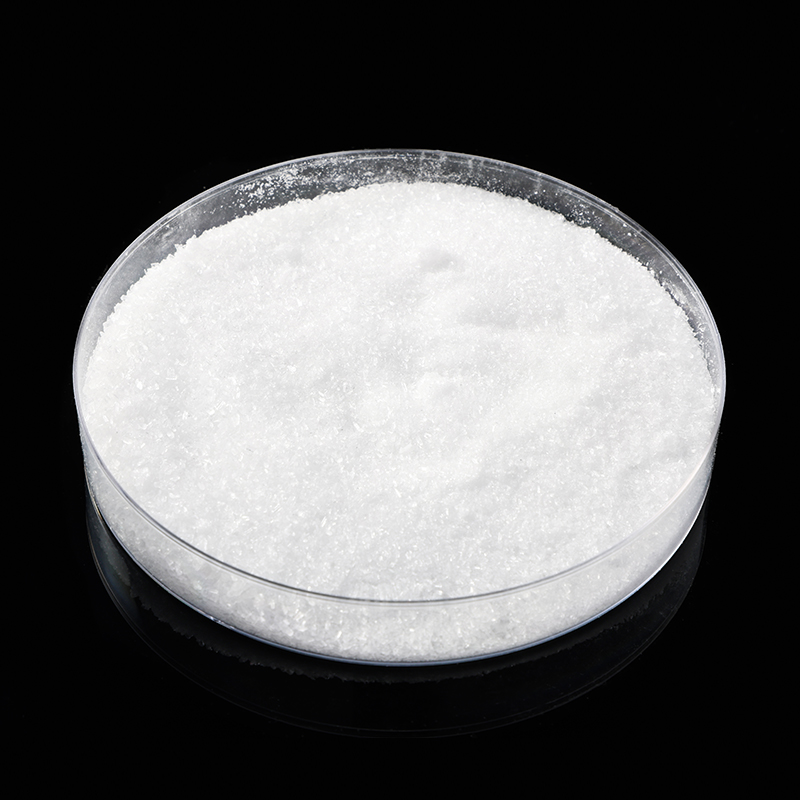
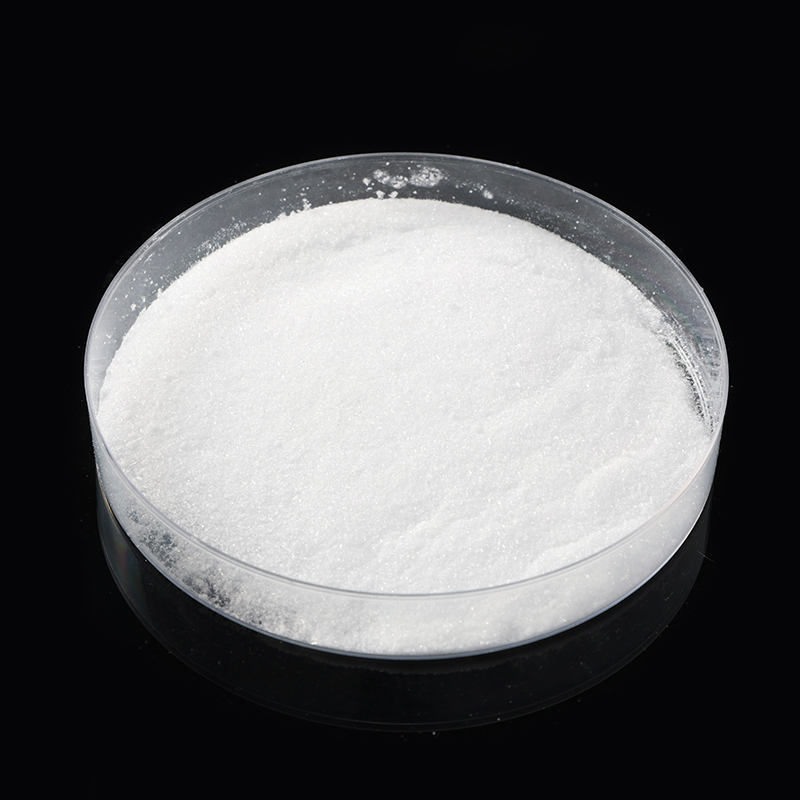
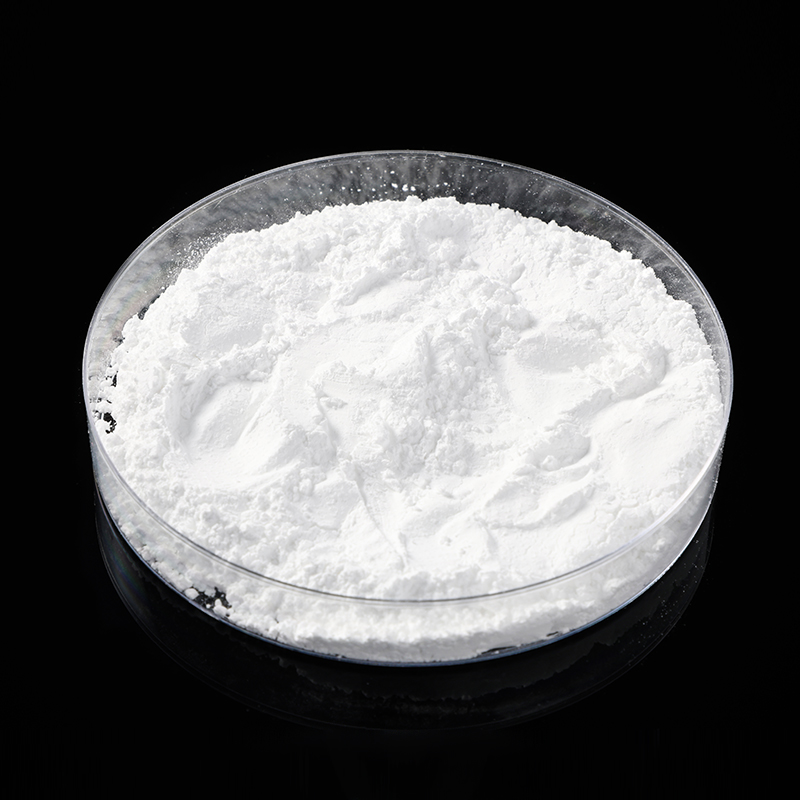
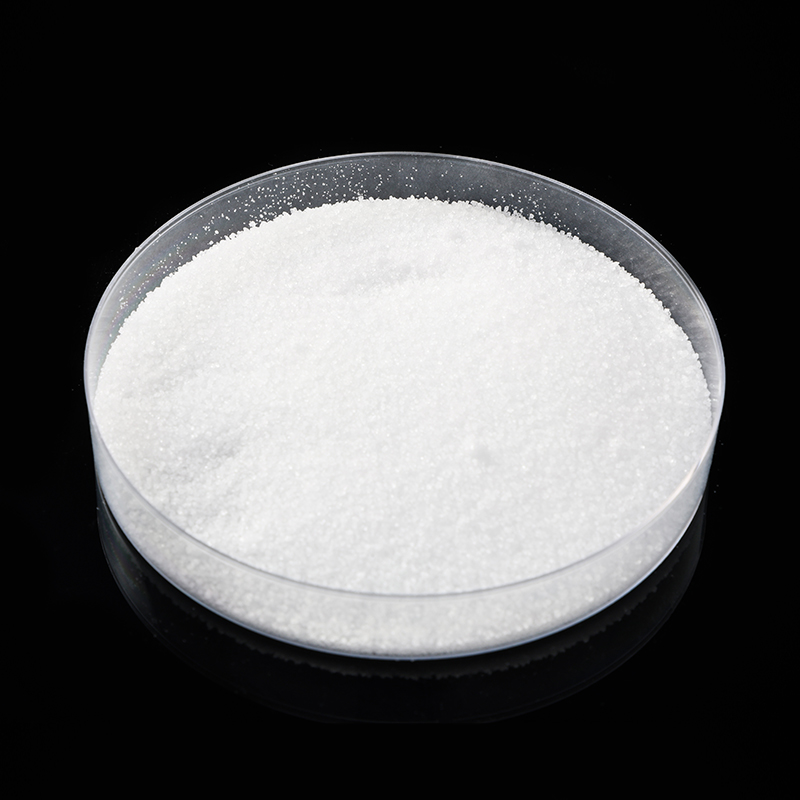
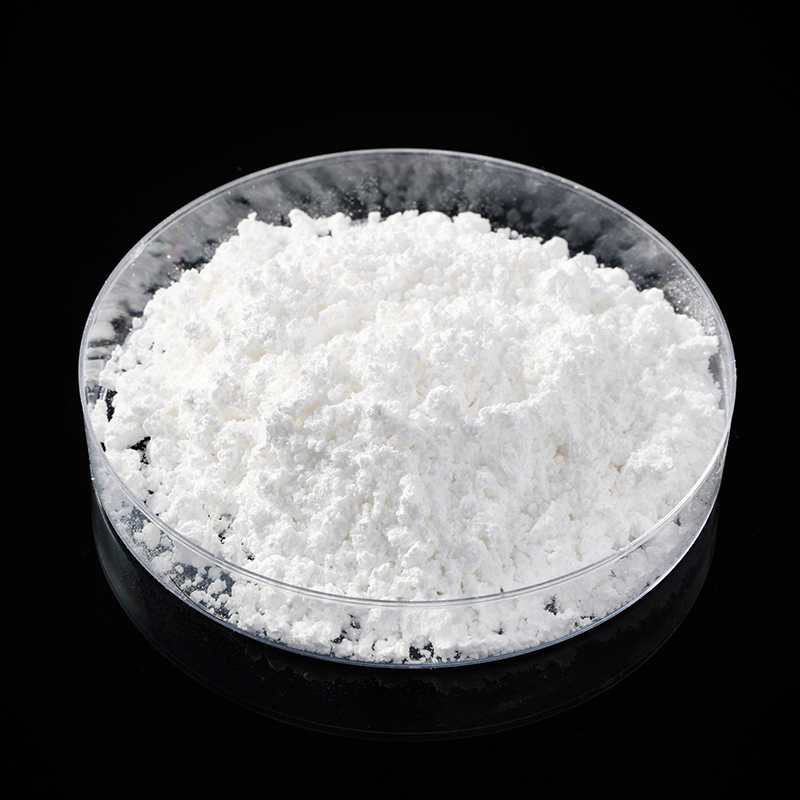
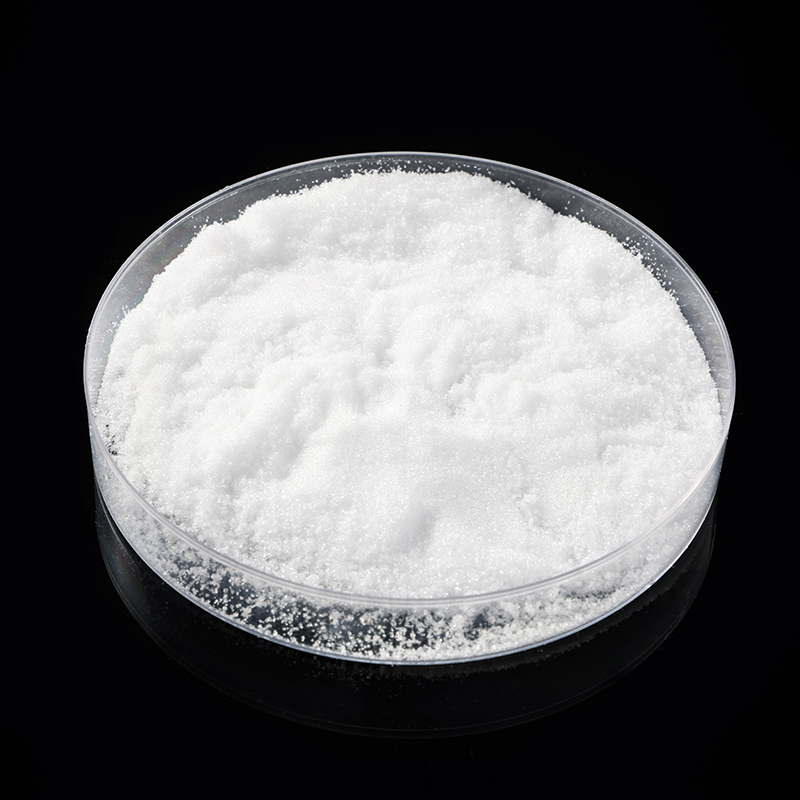
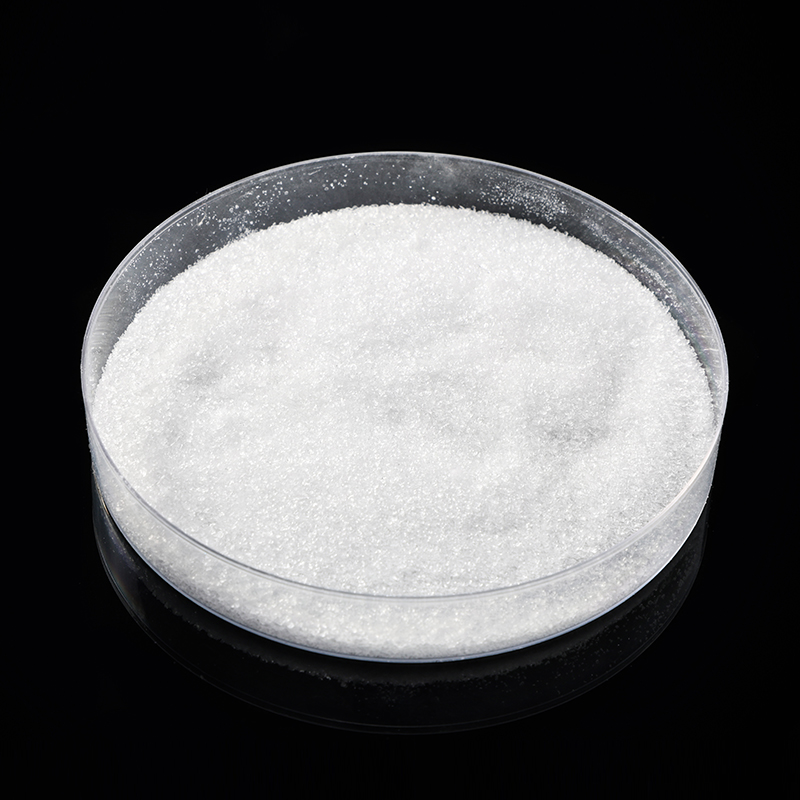
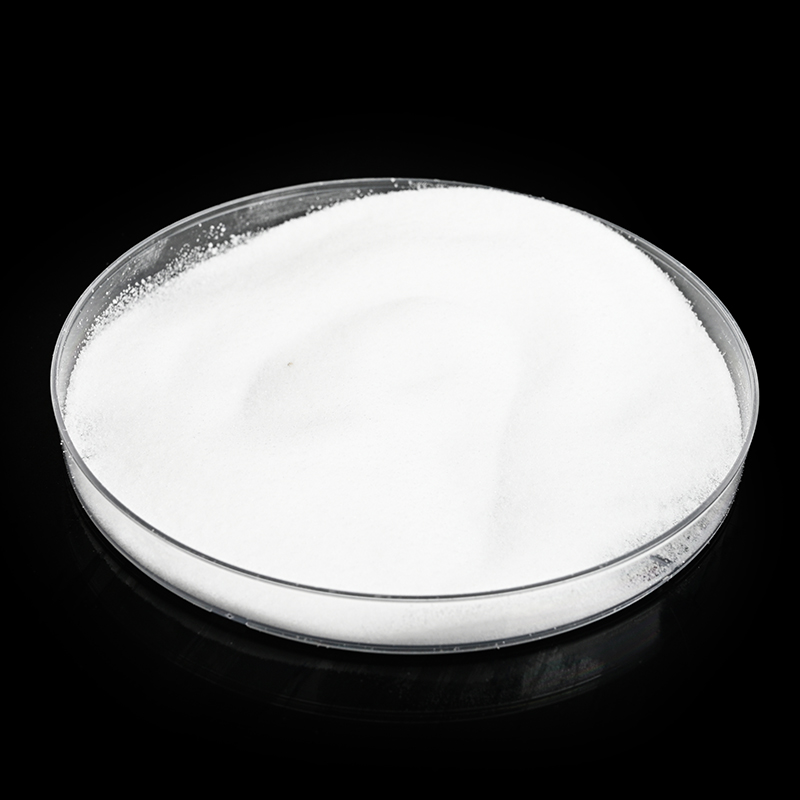
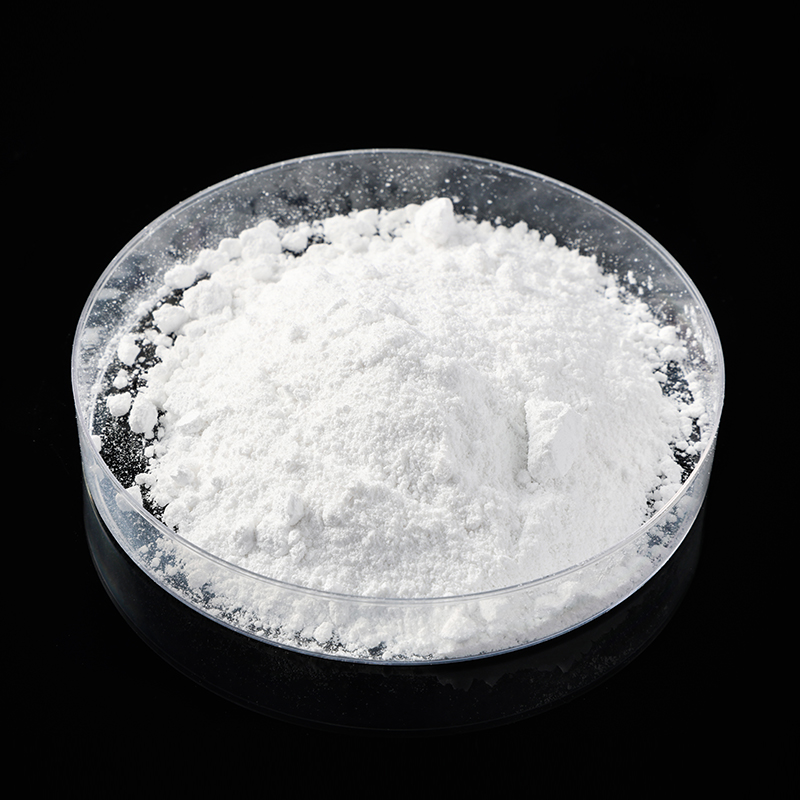
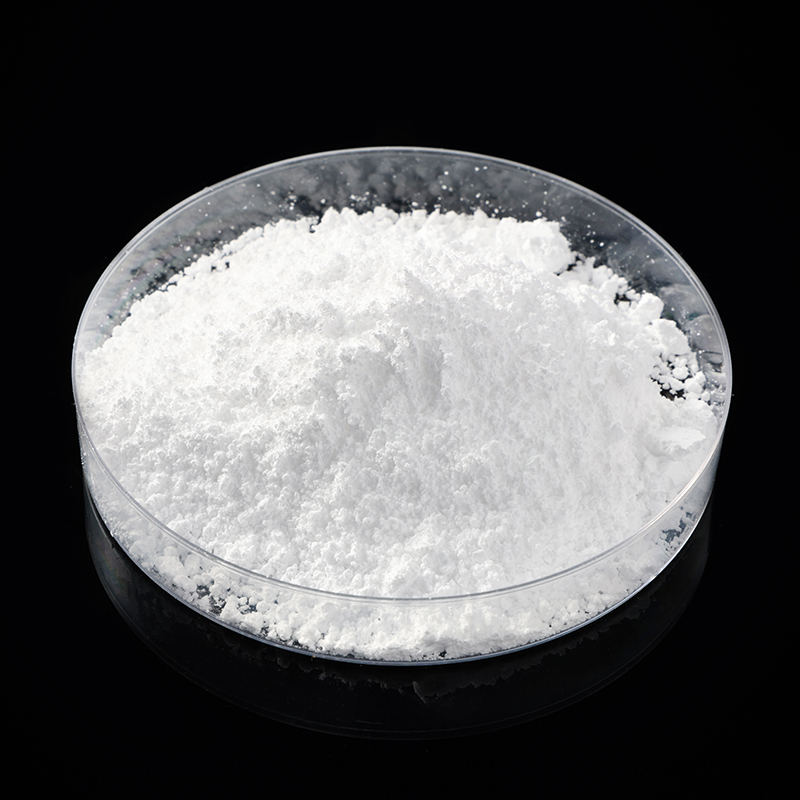
Understanding the utility of Ammonium Fluorozirconate begins with its fundamental physical profile. This compound typically appears as white crystals, which are soluble in water and alcohol. This solubility is a key factor in its industrial application, allowing for easy integration into aqueous solutions used in metal baths and ceramic slips.
Stability is another hallmark of this material. It remains stable in air under normal conditions, preventing premature degradation during storage or transport. However, it is characterized by high temperature decomposition, a property that is intentionally utilized in smelting and glazing processes where heat triggers the release of active chemical species. This controlled decomposition allows the zirconium and fluorine components to react precisely at the moment of maximum thermal intensity.
One of the primary roles for an Ammonium Fluorozirconate producer is providing high-grade materials for the metallurgy sector. In these environments, the compound acts as a penetrant for light metal smelting. Its presence in the melt helps to refine the grain structure of light metals, ensuring a more uniform and robust end product.
The application of Ammonium Fluorozirconate extends to the protection of ferrous and non-ferrous metals. When added to chromic acid solutions, it can improve the corrosion resistance of metals such as steel, zinc, and lead. By facilitating the formation of a more stable and dense passivating layer on the metal surface, it significantly extends the lifespan of components exposed to oxidizing environments. This makes it a preferred additive in the metal surface treatment industry and the coating industry, where long-term durability is a non-negotiable requirement.
Beyond metallurgy, Ammonium Fluorozirconate plays a transformative role in high-end ceramics. It is used in the production of ceramic glaze industry to improve the stability of color glaze. Color stability is notoriously difficult to maintain at the extreme temperatures required for firing ceramics; however, the addition of this compound helps lock in the pigments, preventing fading or shifting of hues.
It is used to enhance the penetration effect of infiltrated glaze and the decorative effect of infiltrated polished tiles. In the production of modern polished tiles, achieving a deep, multidimensional visual effect requires the glaze to penetrate significantly into the tile body. Ammonium Fluorozirconate facilitates this infiltration, ensuring that the decorative patterns remain sharp and vivid even after the tile surface has been mechanically polished.
The following table summarizes the technical characteristics and functional benefits of the product as provided by a specialized Ammonium Fluorozirconate producer:
|
Feature Category |
Technical Specification |
Industrial Benefit |
|---|---|---|
|
Product Keyword |
Ammonium Fluorozirconate |
High-purity crystalline coordination compound |
|
Physical State |
White crystals |
Easy handling and precise dosing |
|
Solubility |
Soluble in water and alcohol |
Seamless integration into liquid processes |
|
Thermal Behavior |
High temperature decomposition |
Active release of zirconium during firing/smelting |
|
Metal Utility |
Penetrant for light metal smelting |
Improved metal grain and corrosion resistance |
|
Ceramic Utility |
Glaze stabilizer and penetrant |
Enhanced color depth and tile decorative effects |
The versatility of this compound allows it to bridge the gap between heavy industry and decorative arts. In the coating industry, the ability of Ammonium Fluorozirconate to improve the corrosion resistance of metals such as steel, zinc, and lead is highly valued. By creating a more receptive surface for subsequent coatings, it ensures better adhesion and fewer surface defects.
In the metal surface treatment industry, the compound is often utilized in pre-treatment baths. Its role as a penetrant ensures that the chemical cleaning and passivating agents reach into the microscopic pores of the metal. This thorough treatment is essential for high-performance components used in aerospace and automotive manufacturing, where even microscopic levels of corrosion can lead to catastrophic failure.
For an Ammonium Fluorozirconate producer, maintaining the integrity of the white crystals is paramount. The stability in air ensures that the product maintains its "active" zirconium content until the point of use. During the manufacturing of ceramic glazes, this stability prevents the chemical from reacting with other glaze components before the kiln reaches the designated firing temperature.
The high temperature decomposition is specifically tuned to the firing cycles of modern tile production. As the kiln temperature rises, the Ammonium Fluorozirconate breaks down, allowing the zirconium to bond with the silica and alumina in the tile body. This reaction is what enhances the penetration effect of infiltrated glaze, creating the deep, translucent looks found in high-end polished tiles.
The use of Ammonium Fluorozirconate as a penetrant for light metal smelting also contributes to operational efficiency. By improving the fluidity of the melt and ensuring the active removal of impurities, it reduces the energy required for the smelting process. The resulting alloys are not only stronger but also exhibit better resistance to environmental degradation, a direct result of the improved corrosion resistance facilitated by the zirconium treatment.
Because the compound is soluble in alcohol and water, it can be applied as a surface spray or incorporated into a dip-coating process before smelting or heat treatment. This flexibility in application makes it a versatile tool for engineers looking to optimize metal performance without overhauling entire production lines. From improving the decorative effect of infiltrated polished tiles to protecting structural steel, Ammonium Fluorozirconate remains a cornerstone of modern chemical engineering.
Copyright © 2023 Nantong Jinxing Fluorides Chemical Co., Ltd. All Rights Reserved.
 Custom Fluorine Chemical Suppliers