

 English
 中文简体
中文简体 Español
Home / News / Industry News / What Is the Formula for Potassium Fluoride and Industrial Applications?
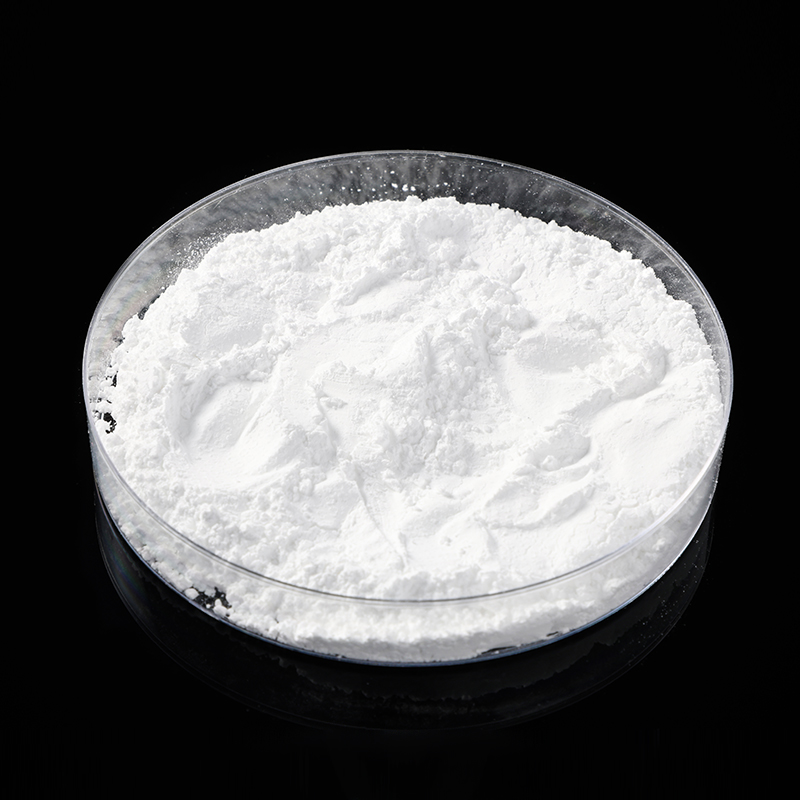
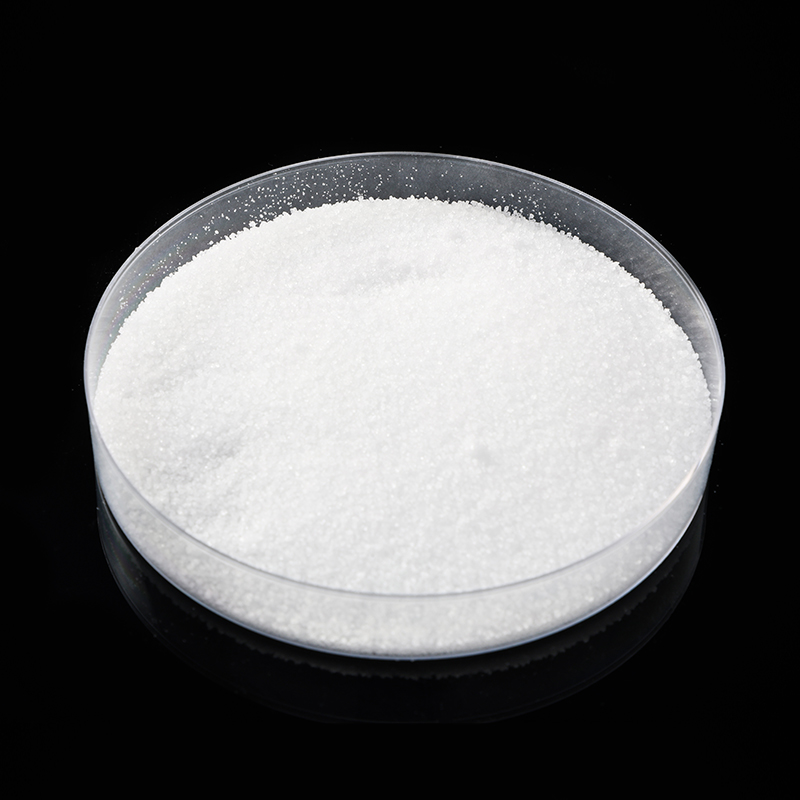
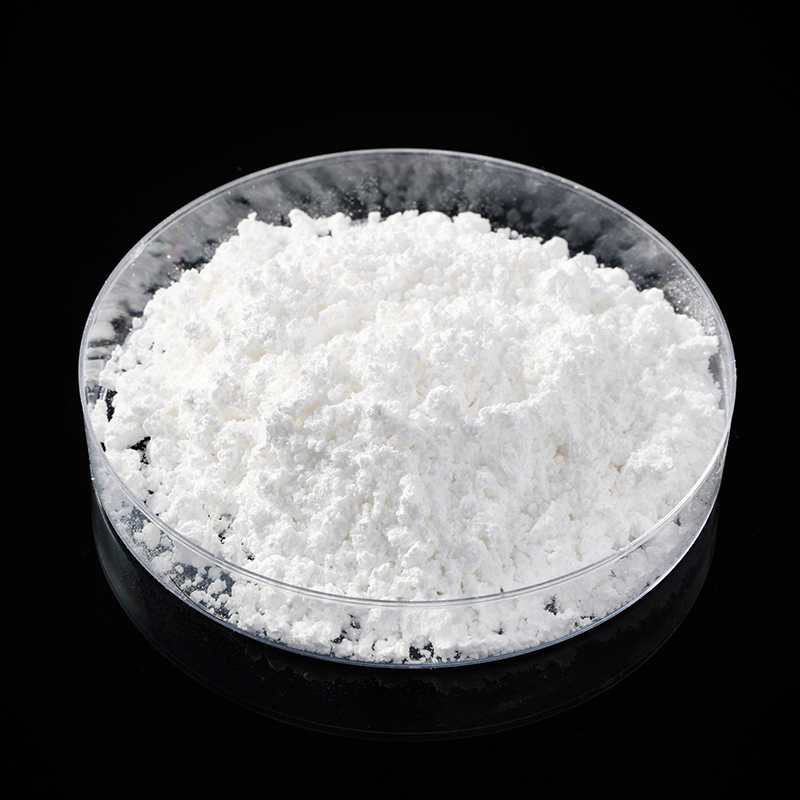
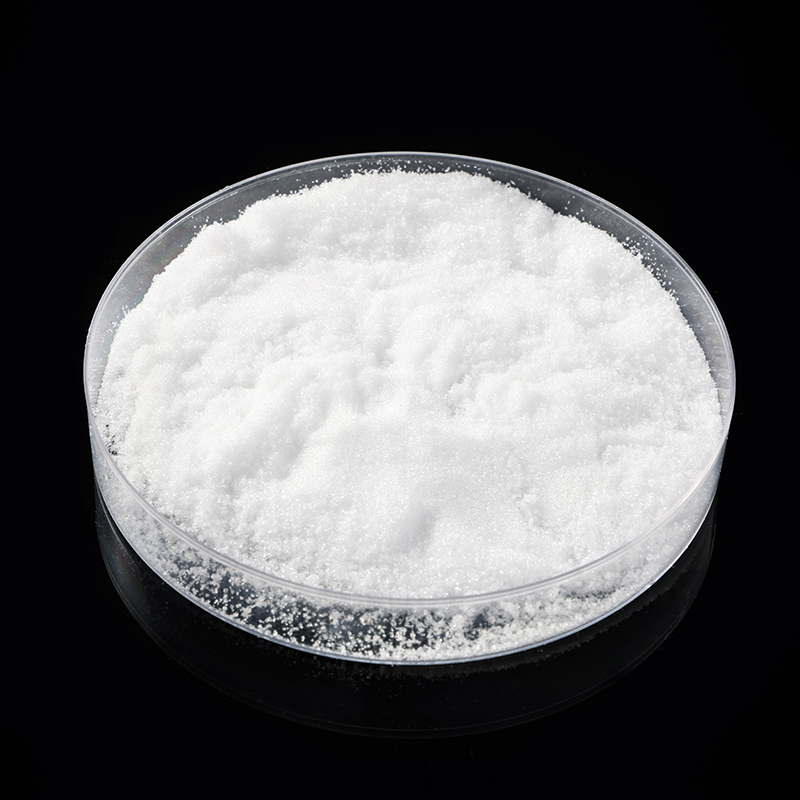
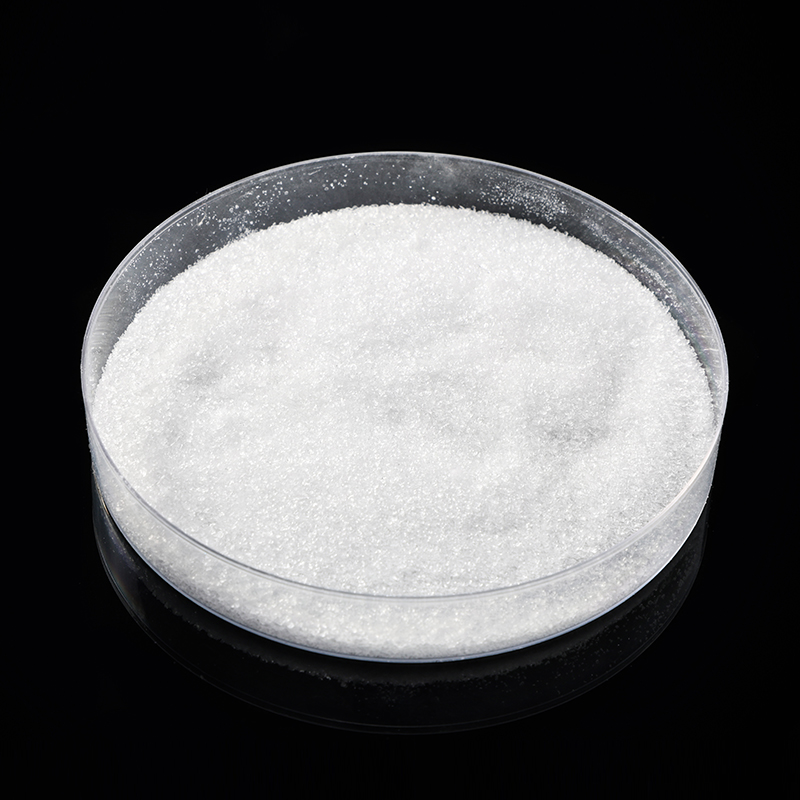
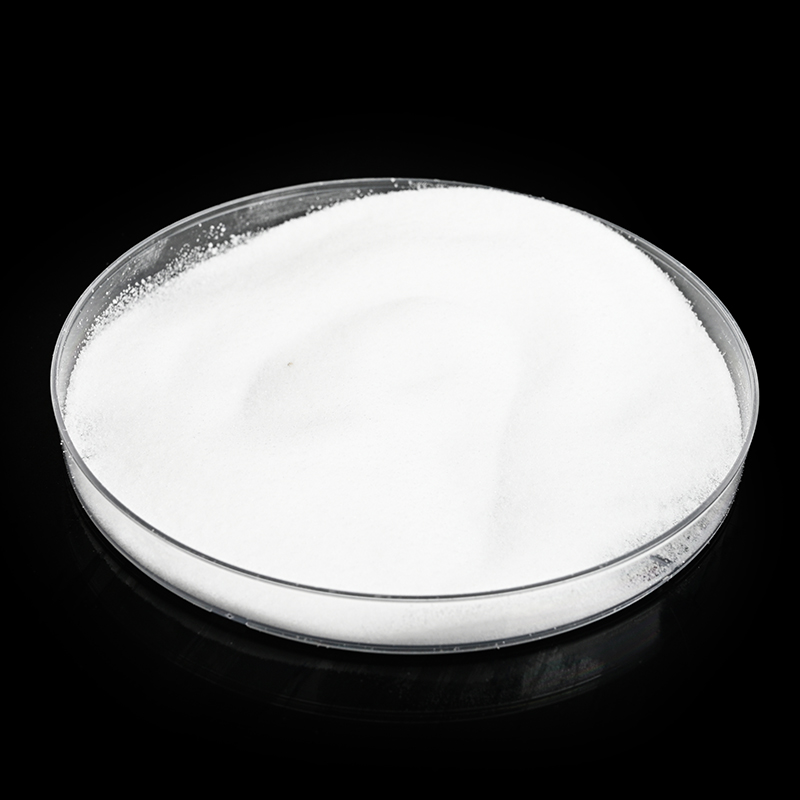
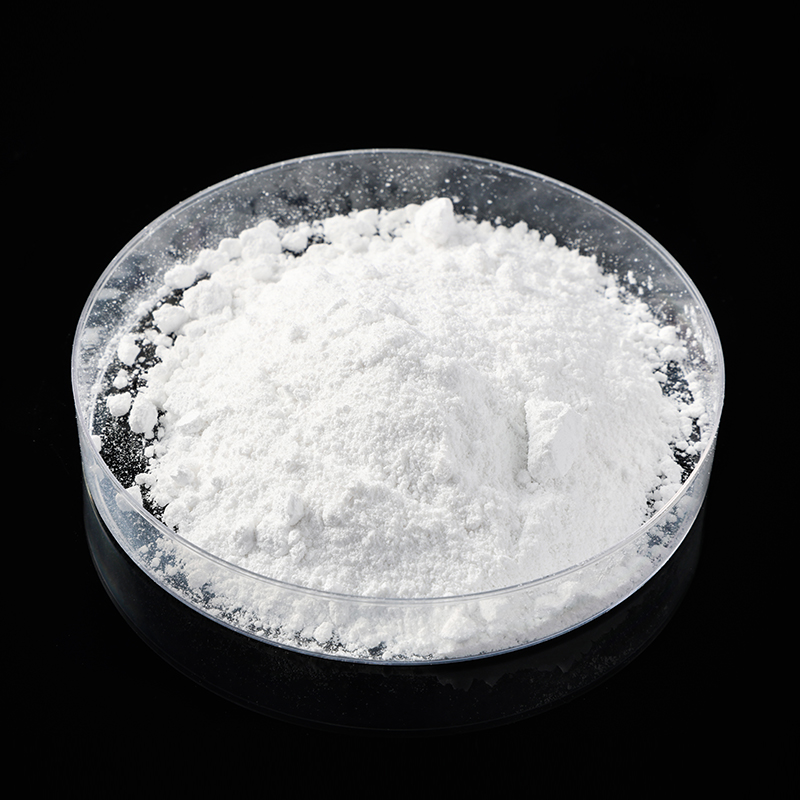
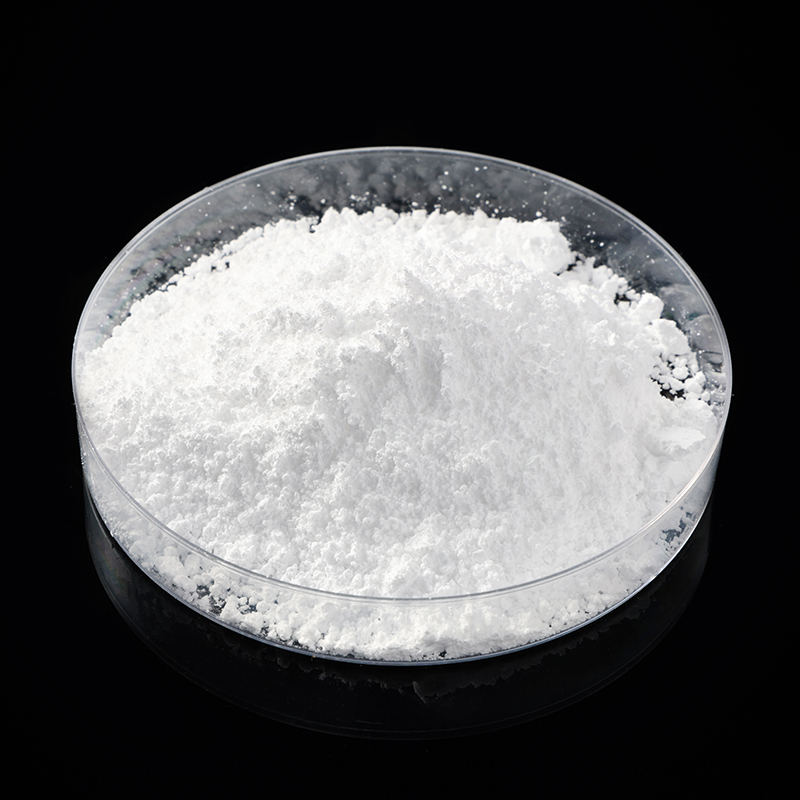
The formula for potassium fluoride is KF, representing one potassium ion (K⁺) ionically bonded to one fluoride ion (F⁻). The chemical formula of potassium fluoride is therefore KF, with a potassium fluoride molecular weight of 58.10 g/mol, derived from the atomic mass of potassium (39.10 g/mol) plus the atomic mass of fluorine (19.00 g/mol). Potassium Fluoride is a white crystalline ionic salt that is highly soluble in water (92 g per 100 ml at 25°C), mildly alkaline in solution (pH approximately 8.0), and widely used as a fluoride source in organic synthesis, metal surface treatment, glass manufacturing, and laboratory chemistry. It is acutely toxic by ingestion and inhalation and must be handled with full personal protective equipment. This article provides the complete scientific and practical reference for potassium fluoride.
The formula for potassium fluoride is derived from the ionic bonding between potassium and fluorine, two elements from Group 1 and Group 17 of the periodic table respectively. The chemical formula of potassium fluoride, KF, is one of the simplest binary ionic formulas in chemistry because both ions have a charge magnitude of exactly 1, requiring a 1:1 ratio to achieve electrical neutrality.
Potassium is an alkali metal in Group 1 (Period 4) of the periodic table. It has one valence electron that it readily donates to achieve the stable electron configuration of argon (18 electrons), forming the potassium cation K⁺ with a charge of plus one. Fluorine is a halogen in Group 17 (Period 2) and the most electronegative element on the periodic table. It accepts one electron to achieve the stable electron configuration of neon (10 electrons), forming the fluoride anion F⁻ with a charge of minus one. Because both ions have charges of equal magnitude (1) and opposite sign, they combine in a 1:1 ratio to form a neutral compound. The chemical formula of potassium fluoride is therefore written as KF, with no numerical subscripts needed because the ratio is already 1:1.
This derivation can be verified using the criss-cross method: the magnitude of the potassium ion charge (1) becomes the subscript on fluoride, and the magnitude of the fluoride ion charge (1) becomes the subscript on potassium, giving K₁F₁, which simplifies to KF by dropping subscripts of 1.
In the solid state, Potassium Fluoride adopts the sodium chloride (NaCl) crystal structure, also called the rock salt lattice. In this arrangement, each K⁺ ion is surrounded by six F⁻ ions in an octahedral geometry, and each F⁻ ion is similarly surrounded by six K⁺ ions. The crystal lattice is cubic, with alternating potassium and fluoride ions at the corners and face centers of the unit cell. This structure gives KF its characteristic properties: a high melting point, brittleness, and transparency to visible light (which is why pure KF crystals are colorless).
The lattice parameter (the length of one side of the cubic unit cell) for KF is 0.5347 nm (5.347 Å), slightly larger than that of NaCl (0.5640 nm) despite potassium being larger than sodium, because the fluoride ion (ionic radius 1.33 Å) is significantly smaller than the chloride ion (ionic radius 1.81 Å). The lattice energy of KF is approximately 821 kJ/mol, indicating a strong ionic bond that is responsible for the compound's high melting point and thermal stability.
Understanding how the chemical formula of potassium fluoride compares to related potassium compounds helps establish the systematic naming and formula-writing pattern for ionic compounds:
| Compound Name | Chemical Formula | Molecular Weight (g/mol) | Cation | Anion |
|---|---|---|---|---|
| Potassium Fluoride | KF | 58.10 | K⁺ | F⁻ |
| Potassium Chloride | KCl | 74.55 | K⁺ | Cl⁻ |
| Potassium Bromide | KBr | 119.00 | K⁺ | Br⁻ |
| Potassium Iodide | KI | 166.00 | K⁺ | I⁻ |
| Sodium Fluoride | NaF | 41.99 | Na⁺ | F⁻ |
| Lithium Fluoride | LiF | 25.94 | Li⁺ | F⁻ |
| Cesium Fluoride | CsF | 151.90 | Cs⁺ | F⁻ |
The potassium fluoride molecular weight is 58.10 g/mol. This value is one of the most important practical parameters for anyone working with KF in laboratory or industrial settings because it is used to convert between mass measurements (grams on a balance) and molar quantities (moles in a chemical equation). The molecular weight is also referred to as the molar mass, formula mass, or formula weight, all of which mean the same thing for an ionic compound like KF.
The calculation uses the standard atomic weights from the IUPAC periodic table:
This is the simplest possible molar mass calculation because the formula unit contains exactly one atom of each element with no subscripts. For comparison, potassium sulfate (K₂SO₄) requires summing two potassium atoms, one sulfur atom, and four oxygen atoms. For KF, the calculation requires only two terms.
The potassium fluoride molecular weight of 58.10 g/mol is used in three categories of routine laboratory calculations:
In industrial KF applications, the molecular weight is used to calculate the mass of KF required to deliver a specific number of moles of fluoride ion to a reaction or process. For example, in a fluorination reaction that requires 5.00 mol of fluoride ion per batch, the mass of KF required is 5.00 × 58.10 = 290.5 g. In processes where KF is used as a flux or desiccant in large volumes, bulk density (approximately 1.4 g/ml for the anhydrous powder) combined with the molecular weight allows volume-to-mole conversions for dosing equipment calibration.
Potassium Fluoride is a well-characterized inorganic compound with a distinctive combination of high water solubility, high melting point, and moderate alkalinity in solution that makes it useful across multiple chemical and industrial applications. Its properties follow predictably from its ionic structure and the high electronegativity of the fluoride ion.
| Property | Value | Notes |
|---|---|---|
| Molecular formula | KF | Binary ionic compound |
| Molecular weight | 58.10 g/mol | K: 39.10, F: 19.00 |
| Appearance | White crystalline solid | Cubic crystals, hygroscopic |
| Odor | Odorless (dry solid) | Solutions may have slight odor |
| Density | 2.48 g/cm³ | Anhydrous at 20°C |
| Melting point | 858°C (1,576°F) | Anhydrous |
| Boiling point | 1,502°C (2,736°F) | At 1 atm pressure |
| Solubility in water (25°C) | 92 g per 100 ml | Highly soluble |
| pH (1 M aqueous solution) | approximately 8.0 | Mildly basic (hydrolysis of F⁻) |
| Crystal structure | Rock salt (NaCl type), cubic | Lattice parameter: 5.347 Å |
| Refractive index | 1.362 | At 589 nm |
| Hygroscopicity | Yes (strongly hygroscopic) | Must be stored in sealed containers |
A Potassium Fluoride solution has a pH of approximately 8.0, meaning it is mildly basic rather than neutral. This alkalinity arises from the hydrolysis of the fluoride ion. When KF dissolves in water, it dissociates completely into K⁺ and F⁻ ions. The potassium ion does not hydrolyze (does not react with water) because it is the conjugate acid of a strong base (KOH). However, the fluoride ion is the conjugate base of hydrofluoric acid (HF), which is a weak acid. The fluoride ion therefore accepts a proton from water in a partial hydrolysis reaction, producing hydroxide ions (OH⁻) that raise the pH above 7. The equilibrium for this reaction is:
F⁻ (aq) + H₂O (l) ⇌ HF (aq) + OH⁻ (aq)
The equilibrium constant for this hydrolysis (Kb of F⁻) is approximately 2.9 × 10⁻¹¹, which is small, meaning only a tiny fraction of the fluoride ion hydrolyzes at equilibrium. This is why the pH elevation is modest (approximately 8) rather than strongly basic. This mild alkalinity is practically useful in some metal surface treatment applications where a mildly basic fluoride environment is needed to remove metal oxides without strongly acidic conditions.
With a melting point of 858°C, anhydrous Potassium Fluoride is thermally stable across the temperature range of all common chemical processes. It does not decompose on heating below its melting point and does not undergo significant thermal reactions in air below approximately 700°C. Above its melting point, liquid KF is an ionic conductor used in molten salt electrolysis processes. At its boiling point of 1,502°C, KF vaporizes as a mixture of ion pairs and larger clusters rather than as free K and F atoms. This stability makes KF suitable as a flux in high-temperature brazing and soldering operations where many other compounds would decompose or react destructively at operating temperatures.
The chemical reactivity of Potassium Fluoride is dominated by its role as a source of the highly nucleophilic and strongly basic fluoride ion. The F⁻ ion is a hard base in Pearson's HSAB (Hard and Soft Acids and Bases) classification, making it most reactive toward hard electrophilic centers such as silicon, boron, and electron-poor aromatic rings bearing multiple electron-withdrawing groups. This reactivity profile underlies KF's use in organic synthesis, particularly for nucleophilic fluorination.
One of the most important uses of KF in organic synthesis is as a fluoride source for halogen exchange reactions (a variant of the Finkelstein reaction applied to fluorination). In these reactions, KF displaces a leaving group (typically chloride, bromide, or iodide, or an activated sulfonate group such as mesylate or tosylate) from an organic substrate by SN2 nucleophilic substitution, installing a fluorine atom in place of the leaving group:
R-Cl + KF → R-F + KCl
This reaction is thermodynamically driven by the very high stability of the KCl byproduct and the strong C-F bond formed in the product. KF is a preferred reagent for these reactions compared to other metal fluorides (such as sodium fluoride, NaF, or cesium fluoride, CsF) in specific contexts because of its cost-effectiveness and adequate reactivity. However, KF is less reactive than CsF for most aromatic nucleophilic fluorination reactions because CsF dissociates more completely to give a more available fluoride ion in typical polar aprotic solvents. KF is typically used with a crown ether (such as 18-crown-6) that complexes the potassium ion, freeing the fluoride ion from its ion pair and dramatically increasing its nucleophilicity.
When Potassium Fluoride is treated with a strong acid, the fluoride ion is protonated to form hydrogen fluoride (HF):
KF + HCl → KCl + HF
This reaction is the basis for one industrial preparation of anhydrous hydrogen fluoride. The evolved HF gas is extremely corrosive and toxic (see the Safety section), and this reaction must never be performed without full engineering controls, a fume hood, and personnel wearing acid-resistant protective equipment including a full face shield and HF-resistant gloves. The reaction should never be conducted accidentally by mixing KF solutions with acid solutions in laboratory or industrial settings without deliberate planning and appropriate controls.
Fluoride ion has an exceptionally strong affinity for silicon, forming silicon-fluoride bonds that are among the strongest known bonds in organic and inorganic silicon chemistry. Potassium Fluoride reacts with organosilicon compounds (silanes, silyl ethers, silyl enol ethers) to cleave Si-X bonds through fluoride-mediated desilylation:
R₃Si-OR' + KF → R₃Si-F + KOR'
This reaction is widely exploited in organic synthesis to remove silyl protecting groups from oxygen atoms (deprotection of silyl ethers) under mild conditions. The driving force is the formation of the very stable Si-F bond (bond dissociation energy approximately 565 kJ/mol, one of the strongest single bonds in chemistry). KF in methanol or aqueous acetonitrile at room temperature deprotects most tertiary silyl ethers (TBS, TIPS, TES) cleanly and selectively.
Potassium Fluoride is produced industrially by neutralizing potassium hydroxide or potassium carbonate with hydrofluoric acid and is used across a remarkable range of industrial processes where its specific combination of properties (fluoride source, moderate basicity, high thermal stability, and high water solubility) provides a practical advantage over alternative reagents.
In organic synthesis and pharmaceutical manufacturing, KF is used as a fluoride source for three main categories of transformation:
One of the largest industrial uses of Potassium Fluoride is as a component of flux formulations for aluminum brazing and soldering. Aluminum is notoriously difficult to braze because it forms a tenacious, electrically insulating aluminum oxide (Al₂O₃) surface layer that must be chemically removed before molten filler metal can wet and bond to the base metal. Fluoride-containing fluxes dissolve this oxide layer at brazing temperatures:
Potassium Fluoride is used as a flux in glass and ceramic manufacturing to lower the melting temperature of silicate and aluminate glasses. By disrupting the silicate network with fluoride ions that substitute for oxygen bridging atoms, KF reduces the viscosity of molten glass at a given temperature, enabling processing at lower energy cost. KF is also used in the manufacture of opal glasses, where fluoride causes the precipitation of fine crystalline particles within the glass matrix that scatter light to create the characteristic white, translucent opal appearance. Concentrations of KF in specialty glass formulations typically range from 1 to 10% by mass.
In electroplating baths and metal surface finishing processes, KF is added as a source of fluoride ion that modifies the surface chemistry of the workpiece and the plating bath:
Historically, Potassium Fluoride was used as an insecticide and rodenticide in agricultural applications, exploiting the acute toxicity of the fluoride ion to insects and small animals. Fluoride inhibits the enzyme enolase, which is involved in glycolysis (energy metabolism), and also interferes with the enzyme aconitase in the citric acid cycle. These mechanisms make fluoride broadly toxic to metabolically active organisms. The use of KF as a direct agricultural pesticide has declined significantly in most countries because of its non-selective toxicity and environmental persistence, but it remains in use in some regulated contexts as a component of formulated insecticide products in certain markets.
Potassium Fluoride is classified as an acutely toxic substance by ingestion, inhalation, and skin absorption. The fluoride ion (F⁻) is the primary toxic agent, and its toxicology is well-characterized from both industrial exposure cases and from the broader history of hydrogen fluoride and soluble fluoride toxicity. Anyone working with KF must understand the hazard profile, use appropriate engineering controls, and know the first aid procedures for fluoride exposure.
The oral LD50 (lethal dose for 50% of a test population) of potassium fluoride in rats is approximately 245 mg/kg body weight, placing it in the category of substances that are toxic (not just harmful) by ingestion under the GHS (Globally Harmonized System) classification. This means that an oral dose of only 245 mg per kilogram of body weight is lethal to half the test population, indicating a moderate-to-high acute hazard. For a 70 kg adult human, this corresponds to a theoretical lethal dose of approximately 17 g, meaning that a single tablespoon of KF powder could represent a potentially lethal dose if ingested.
The fluoride ion causes toxicity through several simultaneous mechanisms:
The formula for potassium fluoride is KF. It is derived from the ionic combination of the potassium cation (K⁺, charge plus one) and the fluoride anion (F⁻, charge minus one). Because both ions have charges of equal magnitude and opposite sign, they combine in a 1:1 ratio, giving the simplest possible ionic formula with no numerical subscripts required.
The chemical formula of potassium fluoride is written as KF, with the metallic cation (potassium, K) written first followed by the nonmetallic anion (fluoride, F), following the standard convention for ionic compounds. The formula is not written as FK. It is not KF₂ or K₂F because both ions are singly charged and combine in a 1:1 ratio. In an aqueous solution, KF dissociates completely into K⁺ and F⁻ ions; the ionic dissociation equation is KF(s) → K⁺(aq) + F⁻(aq).
The potassium fluoride molecular weight (also called its molar mass or formula weight) is 58.10 g/mol. This is calculated by adding the standard atomic weight of potassium (39.10 g/mol) to the standard atomic weight of fluorine (19.00 g/mol), since the formula KF contains one atom of each element. This value is used to convert between grams of KF and moles of KF in all stoichiometric and solution preparation calculations.
A Potassium Fluoride solution is mildly basic (alkaline), not neutral. The pH of a 1 mol/L KF solution is approximately 8.0. This basicity arises from the partial hydrolysis of the fluoride ion (the conjugate base of the weak acid HF), which reacts with water to produce a small amount of hydroxide ion: F⁻ + H₂O ⇌ HF + OH⁻. The potassium ion does not hydrolyze because it is the conjugate acid of the strong base KOH. The hydrolysis is only partial (the equilibrium constant Kb for fluoride is approximately 2.9 × 10⁻¹¹), so the alkalinity is mild rather than strongly basic.
Potassium Fluoride is used in: organic synthesis as a nucleophilic fluoride source for fluorination reactions and silyl deprotection; aluminum brazing flux (particularly in the Nocolok flux system for automotive heat exchangers); glass and ceramic manufacturing as a flux to lower melting temperatures and improve workability; metal surface treatment including aluminum anodizing, titanium etching, and stainless steel pickling; electroplating bath additives; and historically as an agricultural insecticide and rodenticide, though this use has declined due to environmental concerns.
Potassium Fluoride is highly soluble in water, with a solubility of approximately 92 g per 100 ml of water at 25°C. This is significantly more soluble than sodium fluoride (NaF, approximately 4 g per 100 ml at 25°C) and makes KF the preferred potassium fluoride form for applications requiring high-concentration aqueous fluoride solutions. The high solubility also means that KF solutions must be handled and disposed of with care to prevent fluoride from entering water supplies or natural waterways.
The melting point of anhydrous Potassium Fluoride is 858°C (1,576°F). This high melting point is a consequence of the strong ionic lattice energy (approximately 821 kJ/mol) that holds the K⁺ and F⁻ ions in the crystal structure. Above its melting point, KF becomes a conducting ionic liquid used in some electrolytic processes. At its boiling point of 1,502°C, KF vaporizes. These high-temperature properties make KF thermally stable across the entire temperature range of common chemical and industrial processes.
Yes. Potassium Fluoride is classified as acutely toxic by ingestion, inhalation, and skin absorption under the GHS hazard classification system. Its oral LD50 in rats is approximately 245 mg/kg. The fluoride ion causes toxicity primarily by precipitating calcium from the blood (hypocalcemia), which leads to cardiac arrhythmia, and by inhibiting key metabolic enzymes. It must be handled in a fume hood with appropriate gloves, goggles, and a lab coat. First aid for significant skin contact includes immediate irrigation with water followed by application of calcium gluconate gel and immediate medical attention.
Potassium Fluoride (KF, molecular weight 58.10 g/mol) and sodium fluoride (NaF, molecular weight 41.99 g/mol) are both alkali metal fluorides that serve as fluoride ion sources, but they differ in several practically important properties. KF is approximately 23 times more soluble in water than NaF at 25°C (92 g/100 ml vs. 4 g/100 ml), making KF the preferred choice for high-concentration aqueous applications. NaF has a higher melting point (993°C vs. 858°C for KF) and is more commonly used in dental fluoride treatments and water fluoridation due to its well-established safety profile at low doses. In organic synthesis, CsF is generally more reactive than either KF or NaF for nucleophilic fluorination, while KF is used where its lower cost relative to CsF makes it economically preferable.
Potassium Fluoride should be stored in tightly sealed plastic (polyethylene or polypropylene) containers, never in glass, because fluoride slowly etches glass over time. It should be kept in a cool, dry location because KF is strongly hygroscopic and will absorb moisture from the air, eventually forming a wet, clumped mass. Keep away from strong acids (which react to generate toxic HF gas) and strong oxidizers. For synthetic applications requiring anhydrous KF, dry the compound at 120 to 150°C under vacuum for 4 to 8 hours immediately before use and allow to cool in a desiccator. Label containers clearly with the compound name, chemical formula, hazard classification, and date of receipt.
Copyright © 2023 Nantong Jinxing Fluorides Chemical Co., Ltd. All Rights Reserved.
 Custom Fluorine Chemical Suppliers