

 English
 中文简体
 Español
Home / News / Industry News / Lithium Fluoride: Properties, Grades, Uses, and Industrial Buying Guide
A buyer reviewing a lithium fluoride certificate of analysis usually circles three numbers first: assay, moisture, and one or two trace-metal limits. Those numbers, not the formula LiF, decide whether the lot suits an optical window, a molten-salt bath, or a precursor line for lithium hexafluorophosphate. Lithium fluoride is a colorless to white cubic solid with a high melting point and useful vacuum-ultraviolet transmission, but commercial success depends on grade control. The practical rule is simple: define the application first, then set purity, particle size, and handling requirements around it. A 99% technical grade and a 99.99% optical grade can share the same chemical name and still behave very differently in production.
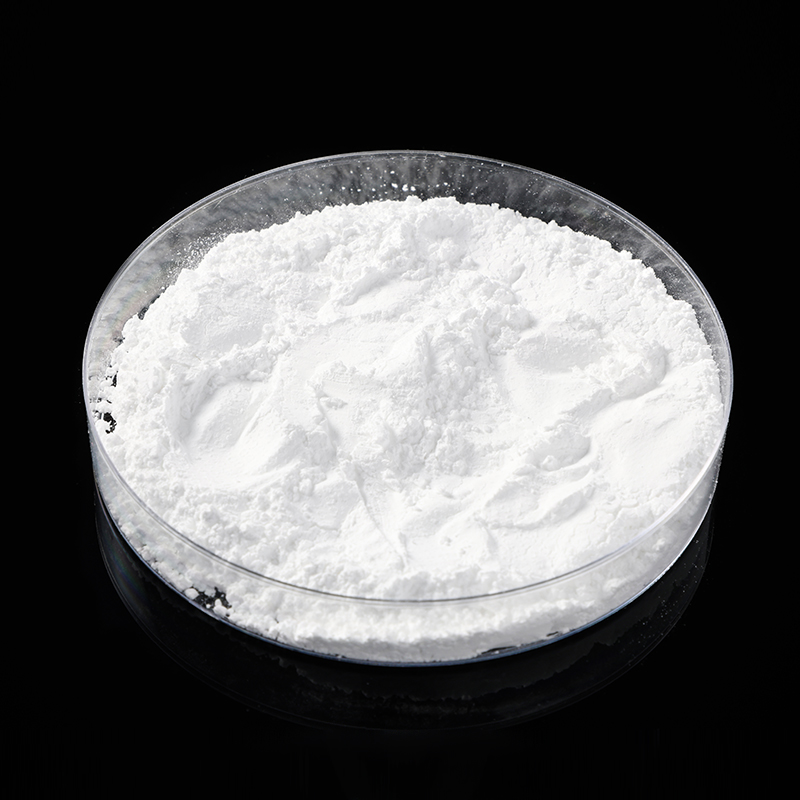
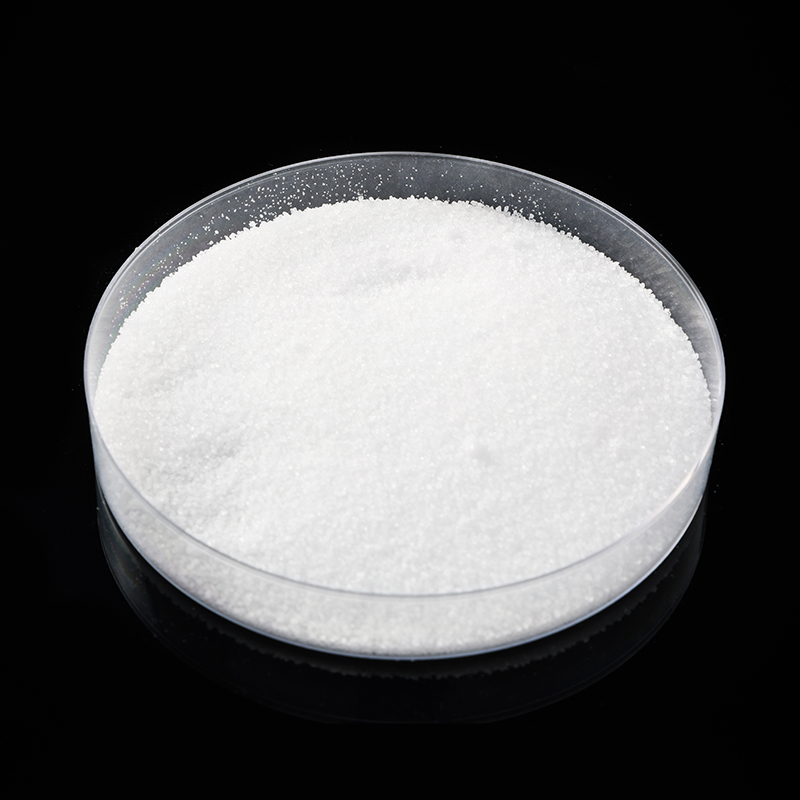
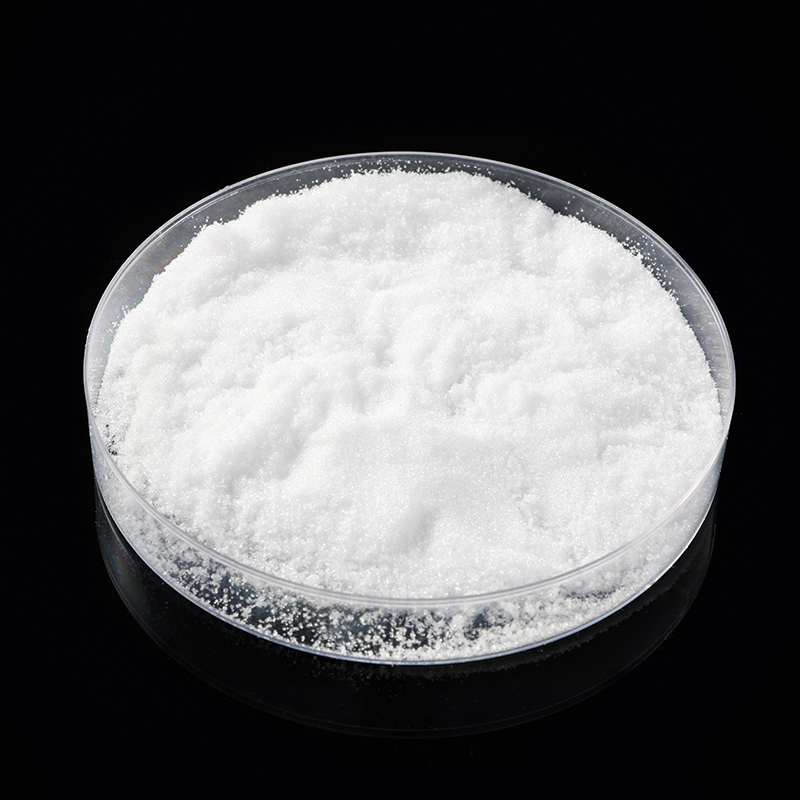
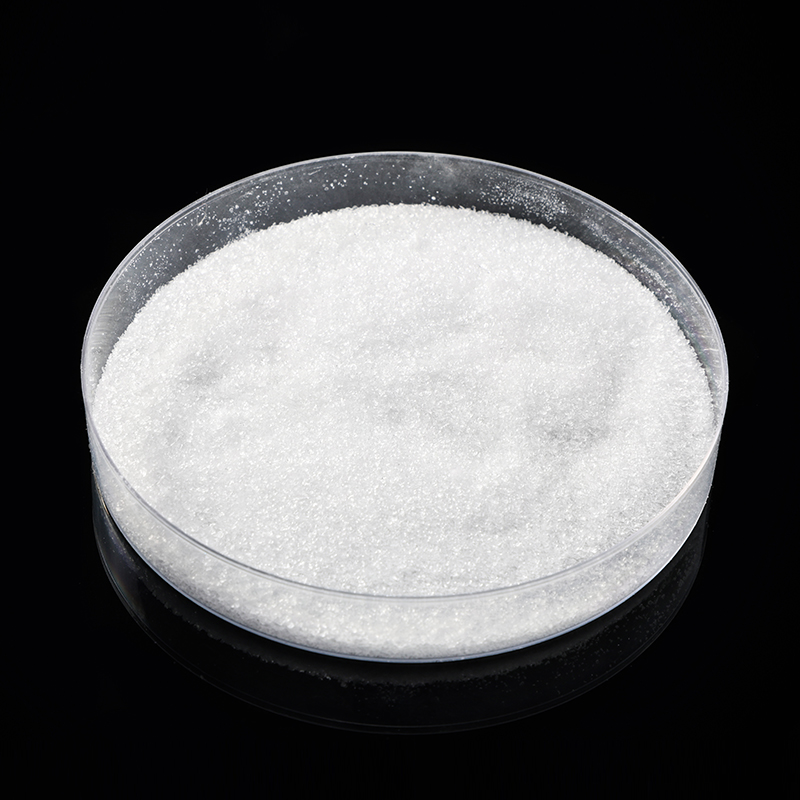
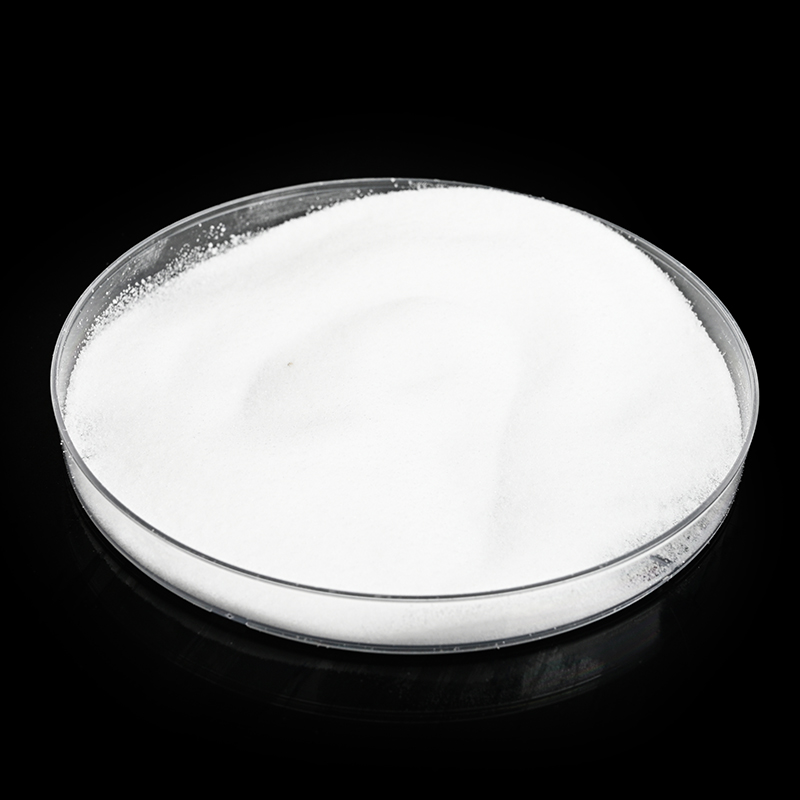
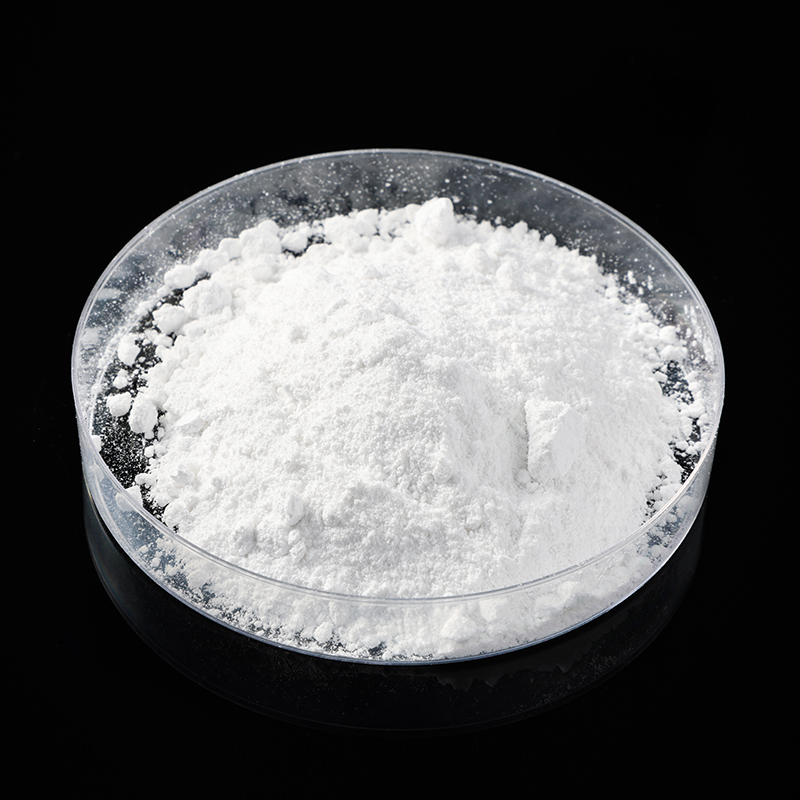
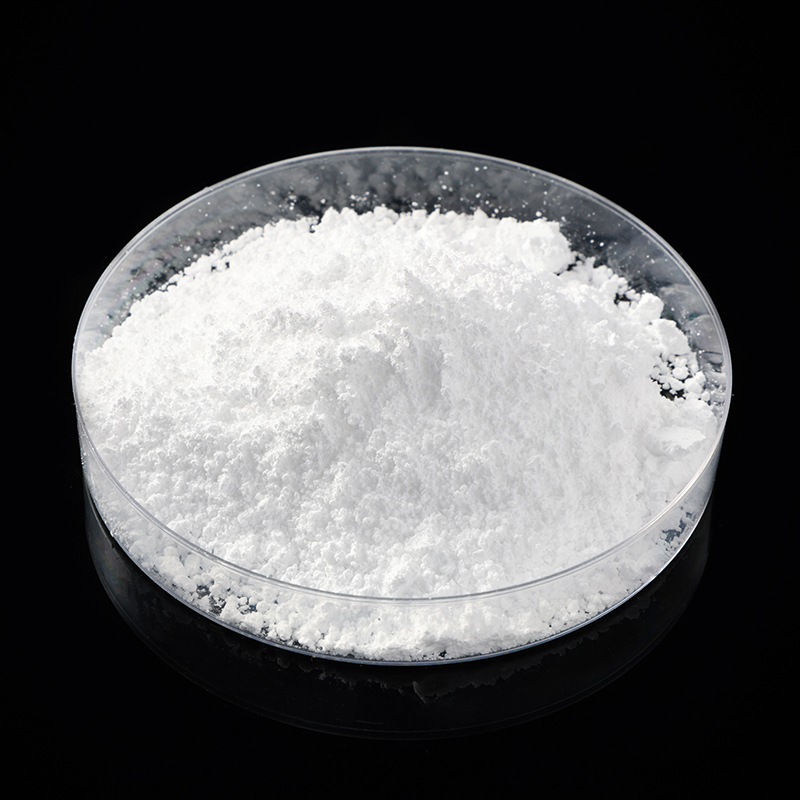
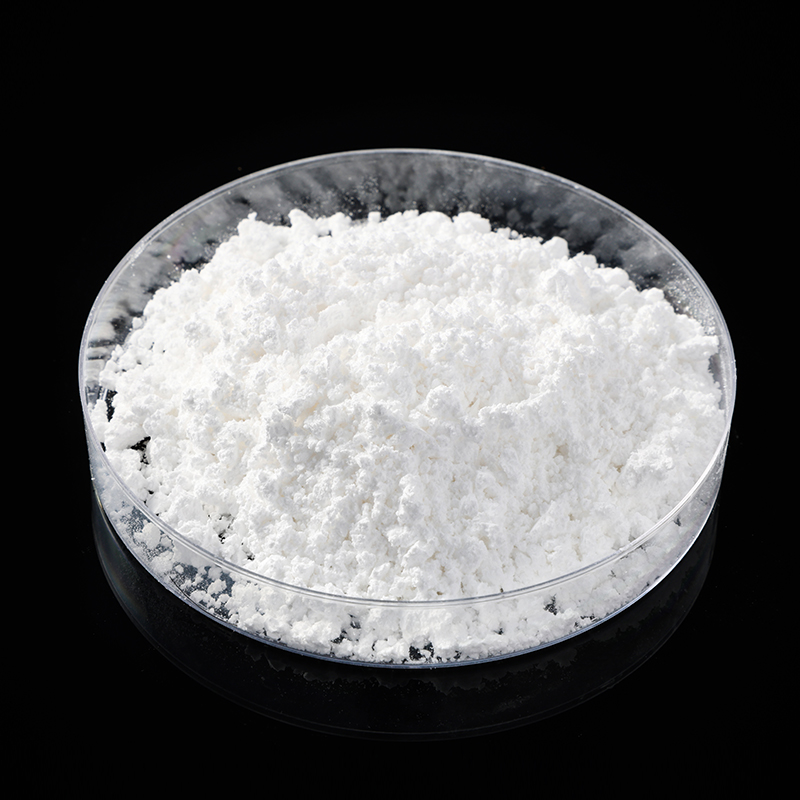 Lithium Fluoride for Crystal Growth and Industrial ApplicationsWhite LiF powder or cubic crystals, min. 99% content in 25 kg barrels; check grade, moisture, and trace metals against crystal-growth, electrolysis, optical, or welding-flux needs.View Product →
That is why lithium fluoride purchasing is less about finding a generic bottle and more about matching a specification to a process. The same compound may be sold as a crystal-growth raw material, a flux component, a nuclear-salt ingredient, or a battery-chemical precursor. Each route has its own sensitivity to impurities, moisture uptake, particle-size distribution, and packaging.
Lithium fluoride has the formula LiF and a molar mass of about 25.94 g/mol. It crystallizes in the cubic rock-salt structure, which helps explain its cleavage behavior, its optical properties, and its stability under many industrial conditions. It is sparingly soluble in water, so rinsing, wastewater handling, and residue control need more thought than the phrase “soluble salt” might suggest. The table below gives the typical values most useful in an early specification review.
| Property | Typical value | Why it matters |
|---|---|---|
| Chemical formula | LiF | Identifies the compound, but not the commercial grade. |
| Molar mass | 25.94 g/mol | Used for batch calculations and stoichiometry. |
| Density | 2.635 g/cm3 | Affects crystal growth, settling, and packaging design. |
| Melting point | 848 °C | Relevant to molten-salt and crystal-growth processes. |
| Boiling point | 1,676 °C | Indicates thermal stability under controlled conditions. |
| Crystal structure | Cubic rock-salt | Influences optical behavior and mechanical cleavage. |
| Refractive index | About 1.39 | Important for windows, prisms, and lenses. |
| Water solubility | Low, about 0.27 g/100 mL at 20 °C | Shapes cleaning, wastewater, and residue decisions. |
A data sheet that lists only assay is incomplete for most industrial buyers. The useful sheet also states the test method, the impurity profile, the moisture limit, the particle-size range, and the packaging. If the material is optical grade, surface quality and scattering matter. If it is nuclear grade, isotopic composition matters. If it is battery grade, water and metallic impurities can matter more than a headline purity number.
Lithium fluoride is one of the few common crystals that transmit deep into the vacuum ultraviolet, down to roughly 110 nm in suitable grades. That makes it useful for windows, prisms, lenses, and monochromator components in VUV instruments. Optical-grade LiF is not judged by assay alone. Crystal perfection, bubble content, surface polish, and trace impurities can all affect transmission and scattering. A buyer who specifies “high purity” without defining the optical test can end up with a chemically acceptable powder that is unsuitable for a finished optical component.
Lithium fluoride is used in thermoluminescent dosimeters and related radiation-detection materials. In these applications, controlled crystal growth and consistent impurity levels support reproducible signal behavior. The material may be used in powder, crystal, or ceramic form, and the required physical form is often as important as the chemical purity.
Lithium fluoride is a component of molten-salt systems, including LiF-BeF2 mixtures studied for advanced reactors. Its high melting point, low vapor pressure, and stability at elevated temperature are attractive in principle, but nuclear-grade specifications are not generic. Lithium has two relevant isotopes: lithium-6 absorbs neutrons strongly, while lithium-7 is preferred in many coolant and salt applications. A supplier and buyer therefore need to agree on isotopic composition, not just chemical assay.
Lithium fluoride is a precursor route to lithium hexafluorophosphate and other fluorinated battery materials. In this area, moisture control is central because water can drive unwanted reactions and corrode downstream equipment. LiF is also used in thin-film and electronic applications, including electron-injection layers in some OLED and PLED structures. These uses tend to demand tight lot-to-lot consistency and a clear understanding of trace impurities.
Other applications include welding fluxes, glass and ceramic formulations, and metal-treatment systems. In each case, the technical conversation should start with the process condition: temperature, atmosphere, contact material, allowable residue, and the impurity that would cause the most damage.
Commercial lithium fluoride is often described by a purity figure, such as 99%, 99.9%, or 99.99%. That figure is useful for screening, but it is not a complete specification. Two 99.9% materials can differ in the metals that remain, the moisture they retain, and the particle-size distribution they deliver. A practical grade discussion should separate the application from the assay number.
| Grade focus | Typical emphasis | Common purchasing risk |
|---|---|---|
| Technical or industrial | Assay, particle size, moisture, cost | Inconsistent dissolution or feeding behavior |
| Optical | Trace metals, crystal quality, scattering, surface finish | Good assay but poor transmission |
| Nuclear | Lithium-7 content, purity, salt compatibility | Unwanted neutron absorption or incompatible impurities |
| Battery precursor | Moisture, metallic impurities, lot consistency | Water-driven side reactions and equipment corrosion |
A useful starting point is this guide to choosing the right lithium fluoride grade. The key question is not “What is the highest purity available?” but “Which impurities or physical characteristics would change my yield, safety, or product performance?” That framing keeps the specification tied to the process rather than to a marketing number.
Lithium fluoride is an inorganic fluoride, and suppliers with long experience in fluoride chemistry can often support more than one product in the same qualification program. Nantong Jinxing Fluorides Chemical Co., Ltd., for example, has produced inorganic fluorides since 1975 and lists lithium fluoride alongside potassium fluoride, barium fluoride, and other fluoride salts. For a buyer assembling a multi-product fluoride portfolio, that kind of range can reduce the number of supplier audits and packaging approvals.
Supplier qualification should still be specific to lithium fluoride. Ask for a certificate of analysis tied to the actual lot, not a generic specification sheet. Confirm the analytical methods used for trace metals and moisture. Ask how the material is packed, whether the liner is compatible with fluoride salts, and how the package is protected from humidity during storage and transport. For optical and nuclear grades, ask for application-specific evidence rather than a general purity claim.
Sample qualification is usually cheaper than a production failure. A small trial can reveal feeding behavior, dust generation, dissolution rate, and compatibility with the downstream step. It can also show whether the supplier’s lot-to-lot variation is narrow enough for a continuous process. Buyers should define acceptance criteria before the sample arrives, including the test method and the allowed range.
Lithium fluoride is not a consumer material. It should be handled with local exhaust ventilation, dust control, and appropriate personal protective equipment. Avoid breathing dust and prevent contact with eyes and skin. In contact with strong acids, fluoride salts can generate hydrogen fluoride, so acid cleaning and incompatible waste streams deserve explicit controls. Storage should be dry and segregated from acids and oxidizing materials.
Total cost is broader than the price per kilogram. It includes moisture-protective packaging, sampling and testing, freight, storage controls, and waste treatment. A lower-cost technical grade can become expensive if it carries inconsistent particle size or higher moisture that disrupts a continuous feeder. Conversely, an over-specified optical grade can add cost without improving a non-optical process. The right specification is the one that controls the real process risk.
Lithium fluoride rewards a specification-led approach. The compound is well known, but the commercial material is not one uniform product. Once the application, grade, and impurity profile are aligned, buyers can compare suppliers on consistency, documentation, and handling support rather than on a headline purity number alone.
Copyright © 2023 Nantong Jinxing Fluorides Chemical Co., Ltd. All Rights Reserved.
 Custom Fluorine Chemical Suppliers